
How to Start a Supplement Brand in Hong Kong

Key Takeaways (TL;DR)
Do you want to build your own health brand in Hong Kong? This guide will provide you with a complete roadmap to health supplement creation, covering market analysis, brand positioning, product development, contract manufacturer selection, legal regulations, and distribution channels. Whether you are a startup or a brand extension, this guide will help you avoid common pitfalls.
Do you want to build your own health brand in Hong Kong? This guide will provide you with a complete roadmap to health supplement creation, covering market analysis, brand positioning, product development, contract manufacturer selection, legal regulations, and distribution channels. Whether you are a startup or a brand extension, this guide will help you avoid common pitfalls.

What Is the Supplement Market Like in Hong Kong?
Hong Kong’s supplement market continues to expand with stable year-on-year growth. Key drivers include population ageing, rising health awareness, and post-pandemic immunity needs. Popular categories include NMN anti-ageing, probiotics, collagen, and vitamins and minerals. Competition is intense but opportunities remain, especially in niches and differentiated products.

How Should You Position Your Supplement Brand?
Successful supplement brands require clear positioning. Consider: 1) Benefit focus (anti-ageing/beauty/gut/immunity, etc.); 2) Audience focus (age/gender/lifestyle); 3) Tiering (mass/mid/high); 4) Channel focus (online/offline/cross-border). Early-stage brands should focus on 1–2 core categories to avoid dilution.
| Topic | Key Summary |
|---|---|
| Hong Kong Health Market | Hong Kong’s health-supplement market continues to expand, with steady year-on-year growth. Key growth drivers include population ageing, rising health awareness, and increased post-pandemic immunity needs. Popular categories include. |
| Brand positioning and target groups | A successful supplement brand needs clear positioning. We recommend considering the following dimensions: 1. Efficacy positioning (anti‑aging/beauty/gut/immunity, etc.) 2. Target audience (age/gender/. |
| Product development process | Step 1: Market research — understand target customer needs and the competitive landscape. Step 2: Formulation design — select ODM services or develop formulations in‑house. |
| Selecting the key elements of a contract manufacturing factory | When choosing a contract manufacturer, consider: 1. Certifications — international standards such as FSSC 22000, GMP, HACCP are basic requirements. 2. Production capacity. |
What Does Supplement Product Development Include?
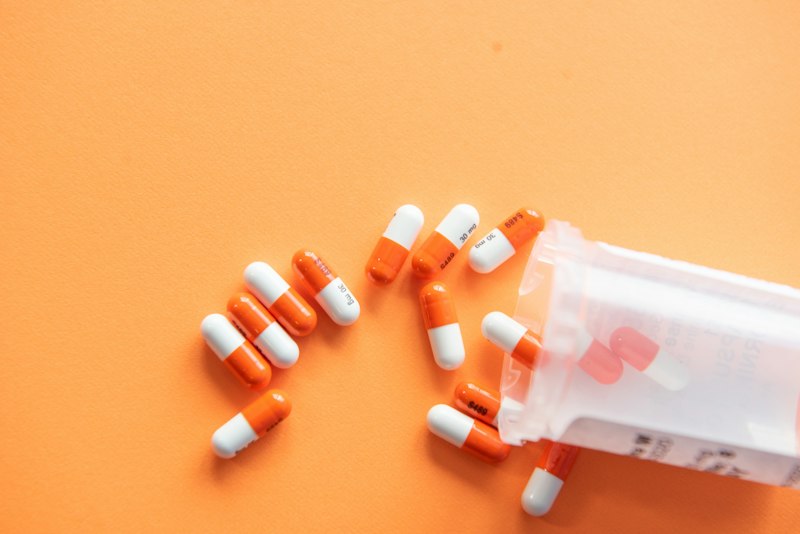
Step 1: Market research — Understand target customer needs and the competitive landscape. Step 2: Formulation design — Choose an ODM service or develop the formulation in-house. Step 3: Prototype testing — Produce small-batch samples to test taste, stability, and packaging. Step 4: Brand design — Logo, packaging, and label design. Step 5: Mass production — Place the production order once the formulation and packaging are confirmed. Step 6: Quality testing — Internal and third-party testing to verify quality against specifications.
Need a Professional Manufacturing Solution?
Complimentary project consultation with dedicated follow-up based on your product needs. Small-batch sampling is available, and production batch sizes are confirmed per project.

How Should You Assess a Supplement Contract Manufacturer?
Factors to consider when selecting a contract manufacturer: 1. Certifications — international certifications such as FSSC 22000/GMP/HACCP are basic requirements. 2. Production capability — advanced equipment, sufficient capacity, and a full range of dosage forms. 3. Order quantity thresholds — emerging brands benefit from low starting order quantities. 4. R&D capability — formulation development capability for ODM services. 5. Quality management — comprehensive IQC/IPQC/FQC systems. 6. Service attitude — smooth communication and timely response.

What Compliance Checks Apply to Supplements in Hong Kong?
In Hong Kong, health supplements are classified under the "food" category and are regulated by the Public Health and Municipal Services Ordinance and the Food and Drugs (Composition and Labelling) Regulations. Key points include: 1. No claims can be made regarding curing or preventing diseases. 2. Labels must contain a complete list of ingredients and nutritional data. 3. Imports are subject to food safety standards. 4. Export-related certificates (e.g., CHKO/FEHB 311/FSC) may be required.
Sales Channel Strategy
Hong Kong's main distribution channels for health care are: 1. Online — self-built site (Shopify/WooCommerce), HKTVmall (HKTV platform), Amazon (covering the global market), social commerce (Instagram Shop, Little Red Book). 2. Offline — Krystens (requires brand visibility and sales guarantees), Wanning, health food shops, pharmacies, beauty salons. 3. Cross-border — Tianyu International (China Inland Market), Kyoto International, Shopee/Lazada (South-East Asia), TikTok Shop. It is recommended that new brands start online, using social media and KOL to create visibility, build reputations and sales data, then expand offline. The advantages of online channels are lower upfront investment, trackable data, and quick adjustments.
Launch Preparation and Timeline
At launch, allocate resources across: formula development and prototyping, first production run, packaging design and printing, brand registration and regulatory compliance, and initial marketing. Timeline: it typically takes 3–6 months from concept to first launch. Stage investments, test the market with a minimum viable product (MVP), then scale based on data. Choosing a manufacturer that supports small-batch prototyping (such as Easy Health) can help reduce initial risk.
Common Mistakes When Starting a Supplement Brand
Common pitfalls when starting a supplement brand: 1. Too many SKUs — early-stage brands should focus on 1–3 core products to avoid spreading resources thin. 2. Ignoring regulations — designing packaging before understanding labelling rules leads to reprints and waste. 3. Oversized first batch — an excessive initial order causes inventory pressure; begin with smaller launch quantities. 4. Weak brand story — focusing only on efficacy without building emotional connection hinders repeat purchase. 5. Margin set too low — squeezing margins for competition leaves too little to support marketing. 6. Neglecting after-sales — supplements rely on trust; good customer service and after-sales can lift repeat purchase significantly. Recommendation: conduct market research first to understand real needs and habits of your target audience, then decide your product direction.
Article Recap
- Hong Kong Health Market
- Brand positioning and target groups
- Product development process
- Selecting the key elements of a contract manufacturing factory
- Legal Regulations and Compliance
On-time delivery.
Common pitfalls include unclear positioning, skipping label/compliance checks, underestimating lead times and packaging constraints, and relying on a single channel.
Evidence used for product planning should identify the original study or guidance, its scope and its limitations. Review proposed product claims separately before approving label copy.
Supplement Brand Launch Checklist FAQs
How much start-up funding is needed to create supplement brands?
Startup planning can include sampling, the first production run, packaging design and basic marketing; the exact plan is assessed per project by your client manager. Choosing a partner that supports smaller starting batches helps reduce upfront commitment and validate the market more flexibly.
What license do you need?
Health care sales in Hong Kong do not require special license plates (because they are classified as food). But if it involves imports, it is necessary to register as a food importer with the Environment Agency. Business registration is required if there is physical presence.
How long does it take to market from zero to product?
Plan the schedule around the agreed specification, artwork approval, material availability, sampling and any required checks. Confirm the sequence, review points and proposed delivery date with the account manager before committing to a launch. Repeat orders and changes to the specification should be assessed separately.
Want to know more about contract manufacturing?
Our professional team will provide you with free counselling at any time.
Free WhatsApp Consultation