
Lutein Supplement Guide: Science, Dosage and Formulation

Key Takeaways (TL;DR)
In digital times, the demand for eye care continues to grow. It is the most recognized eye-protective ingredient with sufficient scientific research and high consumer awareness. This paper analyzes the eye protection system and best formula for chlorophyll.
In digital times, the demand for eye care continues to grow. It is the most recognized eye-protective ingredient with sufficient scientific research and high consumer awareness. This paper analyzes the eye protection system and best formula for chlorophyll.

How does lutein support eye-care formulations?
Lutein is a carotenoid concentrated in the macula and lens. In eye‑care formulations it is commonly considered for two functions: 1) Blue‑light filtering — it absorbs high‑energy blue wavelengths, helping to limit light‑induced stress on retinal tissues; 2) Antioxidant activity — it helps quench free radicals, relevant to oxidative stress in the macula. Research has associated lutein intake with changes in macular pigment optical density (MPOD), a commonly used research endpoint.

Clinical research on lutein and zeaxanthin
The AREDS2 study (U. S. National Eye Institute) confirmed that daily supplementation with lutein 10 mg + zeaxanthin 2 mg can reduce the risk of progression of age-related macular degeneration (AMD) by 25%. Multiple studies have shown that lutein supplementation can improve: visual contrast sensitivity, glare recovery time, visual fatigue, and blue-light protection.
| Topic | Key Summary |
|---|---|
| Eye-protective mechanism of lutein | Lutein is a carotenoid naturally present in the eye’s macula and lens. It protects the eye through two mechanisms: 1. Blue‑light filtering — lute. |
| Assess the relevant evidence by study design, population, formulation and outcome. Keep research findings separate from proposed product claims and review their applicability before approving the formulation and label. | AREDS2 study (U. S. National Eye Institute) confirmed that daily supplementation of lutein 10mg + zeaxanthin 2mg can reduce age‑related macular degeneration (AMD. |
| Best formulation proposal | Optimal ratio: lutein 10mg + zeaxanthin 2mg (5:1 ratio). Enhanced formulas may include: astaxanthin (antioxidant), bilberry extract (anthocyanins). |
| Market demand and target group | Eye health supplements are among the fastest‑growing categories in the global dietary supplement market, with a market size of assessed for each project and an annual growth rate of 12%. Main drivers: 1. Increased digital device usage time. |

Lutein supplement dosage and formulation references
Gold ratio: lutein 10 mg + zeaxanthin 2 mg (5:1) Improved combinations can be added to: astaxanthin (antioxidation), bilberry extract (anthocyanins), vitamin A (visual function), and zinc (retina metabolism). Sources suggest the selection of specialized materials such as FloraGLO to ensure quality and bioavailability.
Need a Professional Manufacturing Solution?
Complimentary project consultation with dedicated follow-up based on your product needs. Small-batch sampling is available, and production batch sizes are confirmed per project.

Market demand and target users for eye-care supplements
Eyecare is one of the fastest-growing health products in the world, with a market size of assessed for each project, with an annual growth rate of 12 per cent. Main drivers: 1. Digital equipment use more time – more than 8 hours per day per person. 2. An increase in near-vision rates — more than 80 per cent for young people in Asia. 3. Age of the population — the incidence of yellow disease in old age has increased. Consumer awareness-raising - eye protection of chlorophyll is widely recognized. The main target groups are: workmen (long-time computer users), students (high school stress), middle-aged seniors (preventing yellow spots), and game players (long-time on screen). Product location advice: Differentiated formulations and packages for different customer groups.
Contract manufacturing options for lutein eye supplement products
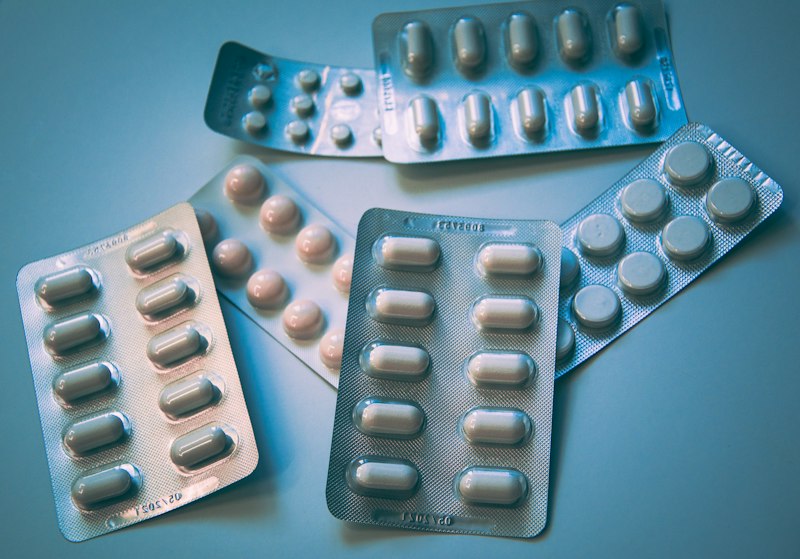
Lutein products most commonly use softgels (lutein is fat‑soluble; oil‑based softgels offer the highest absorption, with 3–5x bioavailability versus powder forms). Hard capsules or tablets are also possible (add a lipid carrier such as MCT oil). Popular combinations: 1) Core eye‑care — lutein 10 mg + zeaxanthin 2 mg. 2) Advanced — lutein + zeaxanthin + astaxanthin 4 mg + bilberry extract 100 mg. 3) All‑round — lutein + zeaxanthin + astaxanthin + DHA + vitamin A + zinc. Production batch sizes are confirmed per project. Use of branded ingredients (e.g., FloraGLO® lutein, AstaReal® astaxanthin) allows trademark display on packaging to strengthen product trust and positioning. Easy Health can help design eye‑care formulations tailored to your target market.

Competitive positioning for lutein products
Hong Kong and Southeast Asia eye‑care categories are competitive, so brands often seek clear positioning: 1) Formulation differentiation — move beyond me‑too lutein SKUs by building balanced multi‑ingredient concepts (e.g., lutein with astaxanthin, bilberry/blueberry extracts, DHA, vitamins and minerals) on an evidence‑aware rationale; 2) Audience segmentation — tailor flavour, format and usage cues for students/young adults (palatable, convenient), screen‑exposed professionals (blue‑light/fatigue positioning) and age‑aware consumers (macular‑focused positioning); 3) Formats — besides softgels, consider gummies/jelly sticks, effervescent tablets/powders, or paired topical‑plus‑oral concepts where appropriate; 4) Branded actives — where licences permit, consider recognised ingredient brands (e.g., FloraGLO for lutein, AstaReal for astaxanthin) to aid transparency; 5) Evidence‑led communication — reference publicly available clinical literature (e.g., AREDS2) for educational context without implying disease prevention or treatment.
Ingredient pairings for lutein eye-care formulas
Lutein is often paired with complementary ingredients in eye‑care formulas: Astaxanthin — a carotenoid widely studied for its antioxidant properties; Blueberry/bilberry anthocyanins — explored in relation to photopigment and visual‑cycle support; DHA — an omega‑3 present in retinal tissues and included for structural lipid balance; Vitamin A — required for the visual cycle; Zinc — a cofactor in enzymes involved in retinal physiology. Ingredient selection and amounts should align with regulatory guidance and the intended product positioning.
Storage and intake considerations for lutein products
Lutein is a fat-soluble ingredient and is recommended to be taken with meals to improve absorption. Store products in a cool, dry place away from direct sunlight. Softgel capsule products typically have a 24-month shelf life. Continued use for 3–6 months is recommended to obtain optimal results, as increases in macular pigment optical density take time to accumulate.
Article Recap
- Eye-protective mechanism of lutein
- Store lutein products in a cool, dry place away from direct light and heat. Lutein can be sensitive to oxidation and light, so consider oxygen‑ and light‑barrier packaging (such as amber bottles, blisters or sachets) and suitable antioxidants as needed. Oil‑based and microencapsulated formats are commonly used to support stability and absorption; taking with a meal containing dietary fats may assist uptake. Always follow label directions and local regulations on serving size and suitability for specific populations.
- Best formulation proposal
- Market demand and target group
- contract manufacturing programme and formulation proposal
On-time delivery.
Easy Health is a Hong Kong health‑supplement manufacturer providing OEM/ODM, formulation and packaging services. For lutein projects, packaging and QA controls can be planned to address light/oxidation sensitivity and to reference recognised food‑safety frameworks such as FSSC 22000 where appropriate.
Evidence used for product planning should identify the original study or guidance, its scope and its limitations. Review proposed product claims separately before approving label copy.
Lutein Supplement Guide FAQs
How long does it take to eat chlorophyll?
Research shows that after 3–6 months of continuous supplementation, macular pigment optical density increases significantly. Long-term use is recommended to maintain the effect. In the short term (1–2 weeks), improvement in visual fatigue may be felt.
What's better for a chlorophyll capsule and a hard capsule?
The capsule is better. Yvonne is a lipid soluble component with a higher absorption rate in the oil-based environment. softgel capsules dissolve chlorophyll in oil and bioavailability is better than powder form in hard capsules.
Want to know more about contract manufacturing?
Our professional team will provide you with free counselling at any time.
Free WhatsApp Consultation