Collagen Supplement
Manufacturer for Beauty Formulations
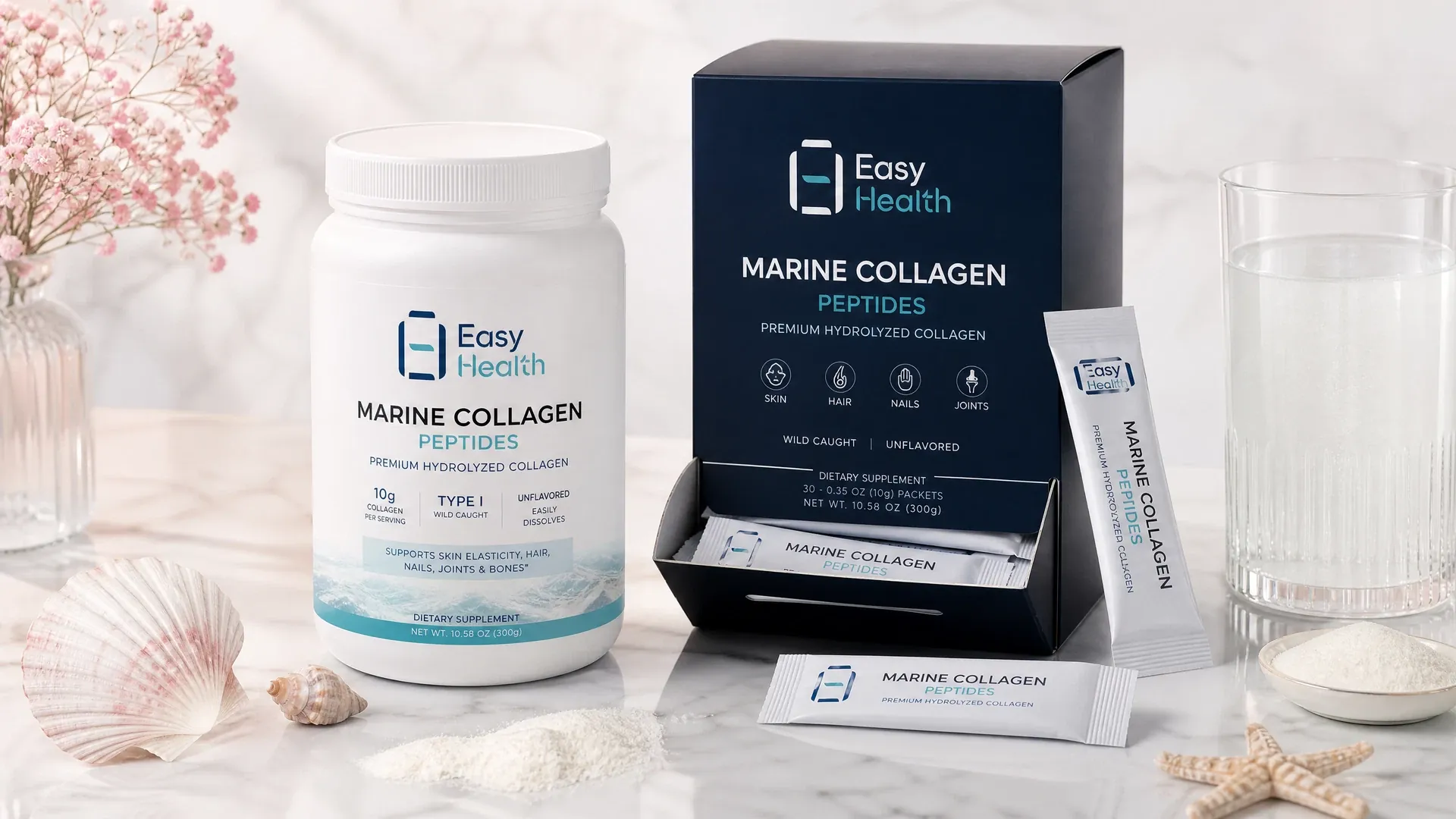
Collagen is the most abundant protein in the human body and declines with age. Supplementing with low‑molecular‑weight collagen peptides can improve skin elasticity, reduce fine lines, and support joint and bone health. The global collagen market is over assessed for each project and is a core beauty‑from‑within ingredient. We offer sourcing options including marine (fish) and bovine.
Last update: July 2026 | Read time: about 8 minutes
Formulation Options and Product Positioning
Below are common formulation options and positioning considerations for collagen products.
Skin-care collagen formulations
Collagen peptides are low-molecular-weight collagen produced by hydrolysis and are commonly used in skincare formulations. Product function claims must be reviewed against the regulations and scientific evidence of each target market.
Beauty-from-within positioning
Beauty-from-within products often focus on skin elasticity and fine-line care, typically using hydrolysed collagen peptides. Published studies have explored wrinkle-depth outcomes at daily intakes around 5 g; results vary and any claims should follow local regulations.
Hydration-focused formulations
Hydration-focused formulations often combine collagen peptides with hyaluronic acid, aiming to support skin moisture and texture from within.
Joint-support formulations
Type II collagen is a key structural protein in joint cartilage. Joint-support formulations can be positioned for comfort and mobility, commonly considered by active individuals and older adults.
Bone-support formulations
Collagen contributes to the organic matrix of bone and works alongside minerals such as calcium in bone health. Bone-support formulations should be positioned carefully with claims adapted to the regulatory framework of the target market.
Hair and nail beauty formulations
Collagen is a structural protein relevant to skin, hair and nails. Hair and nail beauty formulations may be positioned around strength and appearance.

Collagen formulation comparison
Here is a comparison of common formulations to help you select the most suitable product positioning.
| Formula programme | Core | Daily dose | Target population |
|---|---|---|---|
| Base beauty. | Fish collagen peptides 5000 mg | Per label | Women aged 25-35 |
| High-impact beauty formula | Fish collagen 5000 mg + hyaluronic acid + Vit C | Per label | Over 35 |
| Health care | Bovine type II collagen 40 mg + chondroitin | 2 units/day | Sports people / older adults |
| Comprehensive compound | Collagen 3000 mg + NMN + elastin | Per label | High end resistance to decay |
| The capsule program. | Magnetic protein 1000 mg + Vit C | 3/day | First Level |
Collagen raw materials and product showcase



What opportunities does the collagen supplement market offer?
Collagen is an established category in the global beauty‑from‑within market with high consumer awareness and acceptance. According to Grand View Research, the global collagen supplements market reached assessed for each project in 2026 and is expected to grow at a 9.2% CAGR through 2030. The Asia‑Pacific region is the fastest‑growing market, with strong demand in China, Japan, and Korea.
Powders, stick packs and solid-beverage formats are currently the most popular collagen presentations, accounting for over 60% of the market. Consumers favour higher doses (5,000–10,000 mg), pleasant flavours and portable formats. Premium ‘collagen-plus’ products combining collagen with NMN, hyaluronic acid, ceramides and other actives have also grown rapidly.
For new brands, collagen is the best category to enter the beauty supplement market—low promotional threshold, high consumer acceptance, and strong repeat purchase.Easy HealthCan help brands design collagen product lines from scratch, from raw material selection and flavor development toPackage Designproviding full-process support.

Technical strengths as a collagen supplement factory
Easy HealthWith over 8 years of experience in collagen contract manufacturing, we have produced collagen products for more than 100 brands. We have established long-term partnerships with leading collagen raw material suppliers in Japan, France and Germany to ensure stable quality and sufficient supply. All raw materials undergo strict IQC incoming inspections, including molecular weight distribution, amino acid composition, heavy metals and microbiological testing.
In flavor development, our food‑science team has extensive experience and has successfully developed more than 20 collagen peptide flavor systems. We select the optimal flavor‑masking strategy based on the collagen source to deliver a natural, pleasant taste.
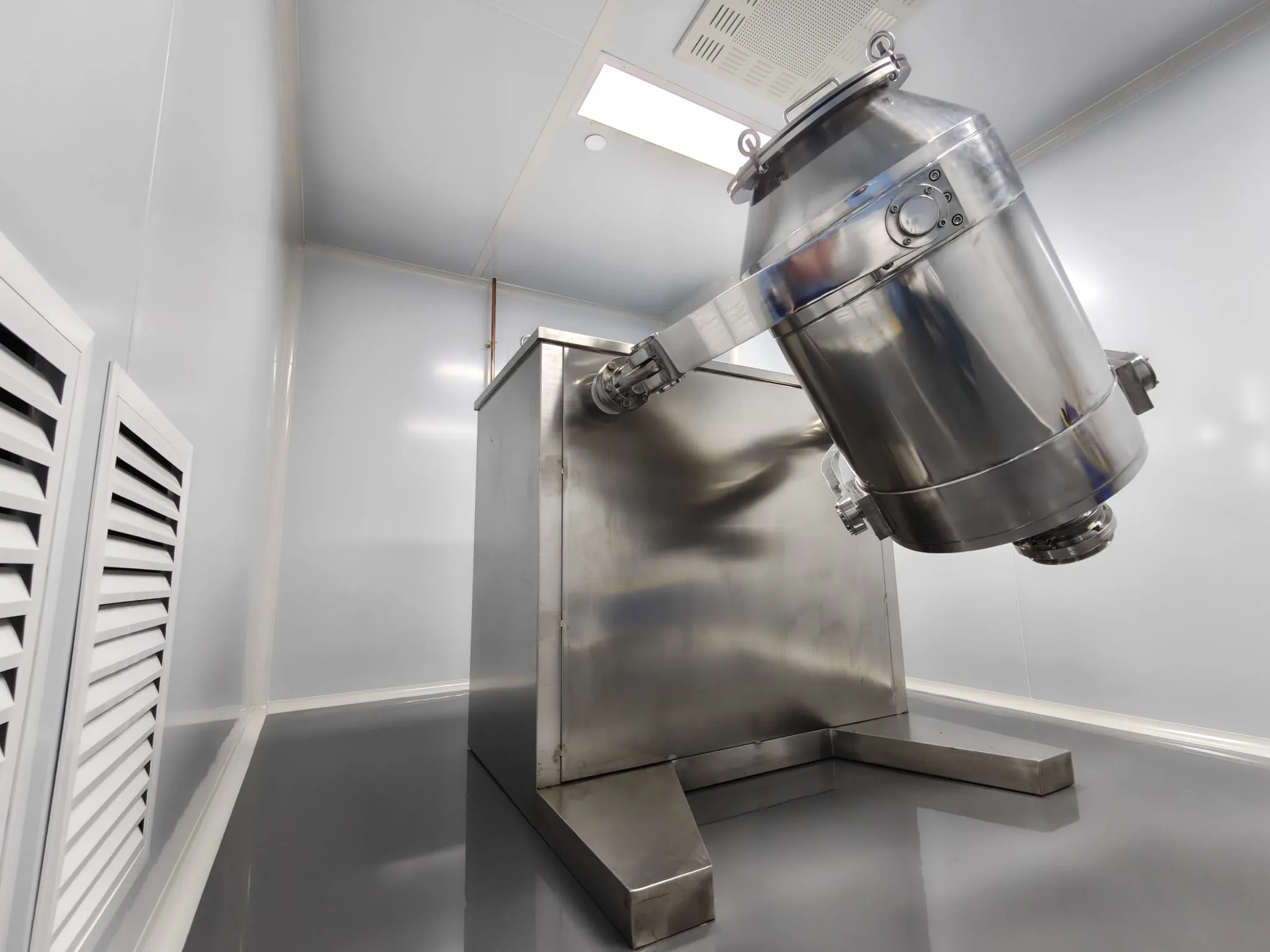
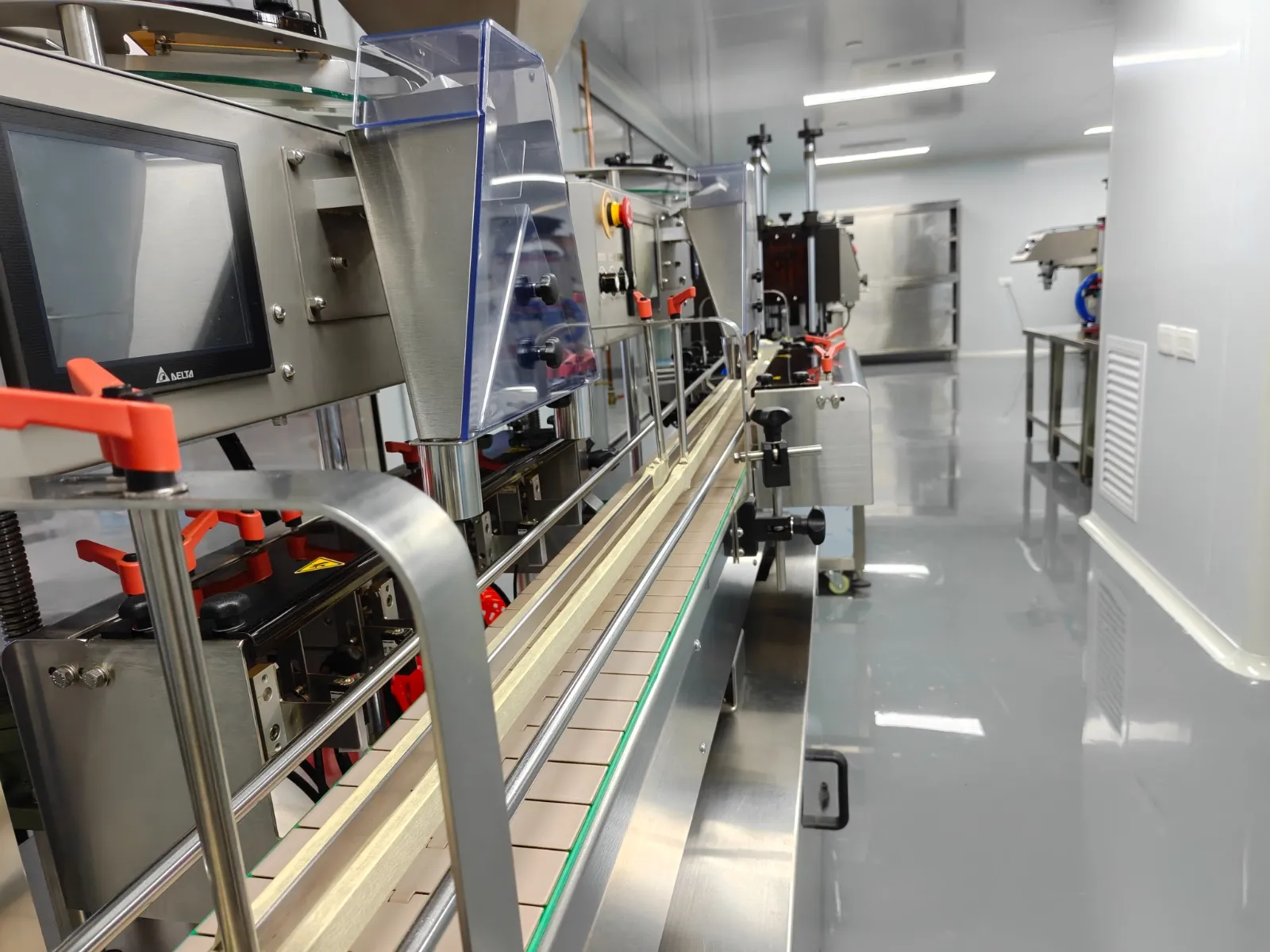
Ours.Powder productionProjects use high-efficiency blending and automatic stick-pack equipment, with packaging throughput planned per specification. Lead time depends on materials, testing and packaging; indicative schedules are agreed during Project Assessment. We support small-batch trial runs, with quantities confirmed by project. For export, we can adapt formulas and labels to the target market’s regulatory requirements and assist with the relevant documentation and certificates as required.
Product specification options
Available collagen dosage forms
Collagen Supplement Manufacturing FAQs
What's the difference between fish and oxen? Which one?
Fish collagen (predominantly Type I) has a smaller molecular weight (1,000–3,000 Da) and a high absorption rate; after de-odourising treatment it has good palatability and is mainly used for beauty and skincare. Bovine collagen contains Types I and III, suitable for skin and joint health; Type II bovine collagen specifically targets joint cartilage repair. For beauty products, fish collagen is recommended; for joint products, Type II bovine collagen is recommended.
What's the recommended dose of glyph protein powder?
Comfortable use advice 5000 mg per day, joint health advice 10000 mg. The study showed that 5000 mg is the lowest effective dose of beauty effects. Our powder strips can be made of 5g-10g/bar, one of which can meet daily needs.
What ingredients can glyphs match?
Classic combinations include: vitamin C (promotes collagen synthesis, essential pairing), hyaluronic acid (moisturising synergy), elastin (firming), coenzyme Q10 (antioxidant), NMN (anti-ageing), ceramides (barrier repair). We can design the optimal compound formulation according to your brand positioning.
What do you like with the gelatin powder?
We offer multiple flavour options: berry (most popular), peach, lemon, grape, original and more. Flavour development takes into account collagen’s intrinsic flavour characteristics to ensure a natural, non-cloying taste. Custom flavour development is supported.
What is the market outlook for collagen products?
Collagen is one of the largest categories in the global beauty supplement market, which continues to expand, with strong growth momentum in Asia-Pacific. In Hong Kong and the Greater Bay Area, consumer awareness of collagen is very high and the education barrier is low, making it an ideal entry point for new brands.
Start your private label collagen supplements project
From raw materials to finished products, a one-stop process is available. We operate within recognised food safety management systems (e.g. FSSC 22000); the applicable certificate scope and supporting documents can be shared for project-specific review.
WhatsApp Us About Your Project PlanRelated services and raw materials
Relevant Page Recommendations
Product Profile
Know all the available options.
Learn MoreCapsule Contract Manufacturing
Hard and plant capsules.
Learn MoreTablet Contract Manufacturing
Chewable tablets, coated tablets and effervescent tablets
Learn MoreOEM Manufacturing Services
Provide the formula, we produce it.
Learn MoreODM Formula Development Services
One-stop service from formulation design to finished product
Learn MoreOne‑Stop Contract Manufacturing Process
Understanding the full collaborative process and timeline
Learn MoreKnowledge Hub
In-depth articles and guides for the health profession
Learn MoreOEM vs ODM Distinction
Understanding the differences between the two manufacturing models.
Learn More