Probiotic Supplement
Manufacturer for OEM and ODM
Probiotics are live microorganisms that can support gut-microbiota balance, immunity and digestion. The global probiotics market exceeds assessed for each project and is growing at 8.3% annually. Easy Health uses microencapsulation and freeze-drying technology to help products meet their labelled viable-count specifications.
Last update: July 2026 | Read time: about 8 minutes
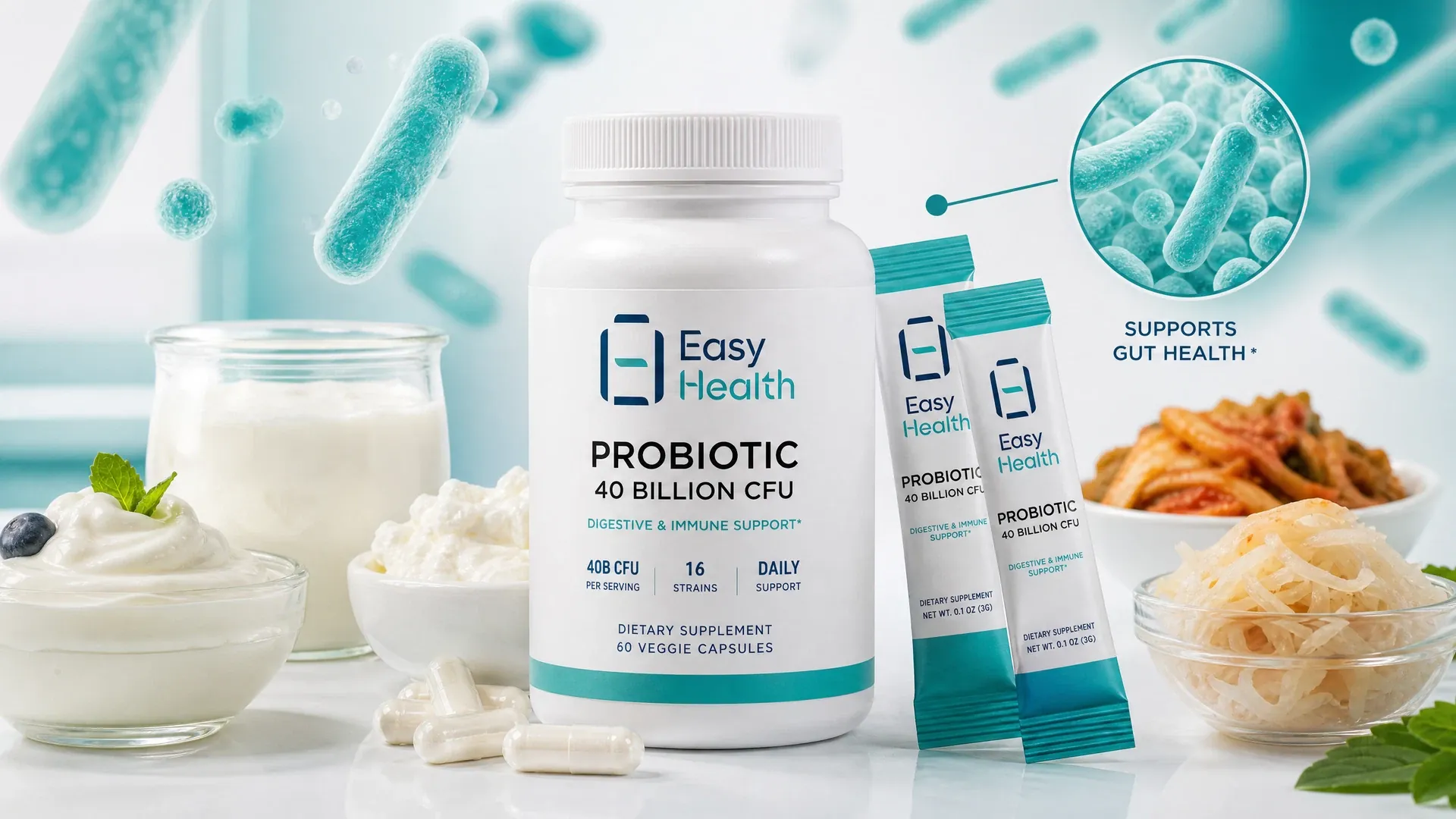
Core formulation strengths for probiotic supplements
Based on clinical research and market data, the following is the main selling points for this type of product.
Gut microbiota balance support
Probiotic formulations are typically positioned to support a balanced gut microbiota. Outcomes such as changes in diversity depend on strain, dose and duration; evidence is strain-specific.
Immune-support positioning
Approximately 70% of the body’s immune cells are located in the gut. Probiotics can activate the intestinal immune barrier, enhancing systemic immune defence.
Digestive-Health Formulation Considerations
Beneficial bacteria are involved in food breakdown and nutrient processing. Digestive-health positioning can consider strain selection and excipient choices, including options suitable for consumers mindful of lactose.
Immune-response formulation positioning
Research on certain strains (e.g. LGG) has examined immune-response modulation. Any immune or skin-health positioning should be strain-specific and evidence-led.
Gut-brain axis positioning
A study of the intestinal entropy found that intestinal strains can affect neurotranscirculation of the brain. Specific prophylactic bacteria can improve anxiety, depression and sleep quality.
Weight-management support positioning
The composition of the gut microbiota is closely related to body weight. Supplementing specific probiotics can improve metabolic efficiency and support weight management.

Probiotic formulation comparison table
Here is a comparison of common formulations to help you select the most suitable product positioning.
| Formula programme | Core strain | Number of live bacteria | Target population |
|---|---|---|---|
| Base intestine. | Acid-accumulator + bipolar | CFU 10 billion. | General adult |
| High-efficiency intestines. | 6 duplicates + living dollars | CFU 30 billion | Intestine problem. |
| Female private parties | Rat sugar embroidery + acid embroidery | 20 billion CFU | Female |
| Children’s probiotics | Pyramid + rat sugar emulsion | Five billion CFUs. | Children aged 3-12 |
| Immunization Power | Cheese mastella + Vit D3 | 20 billion CFU | Weakly immune |
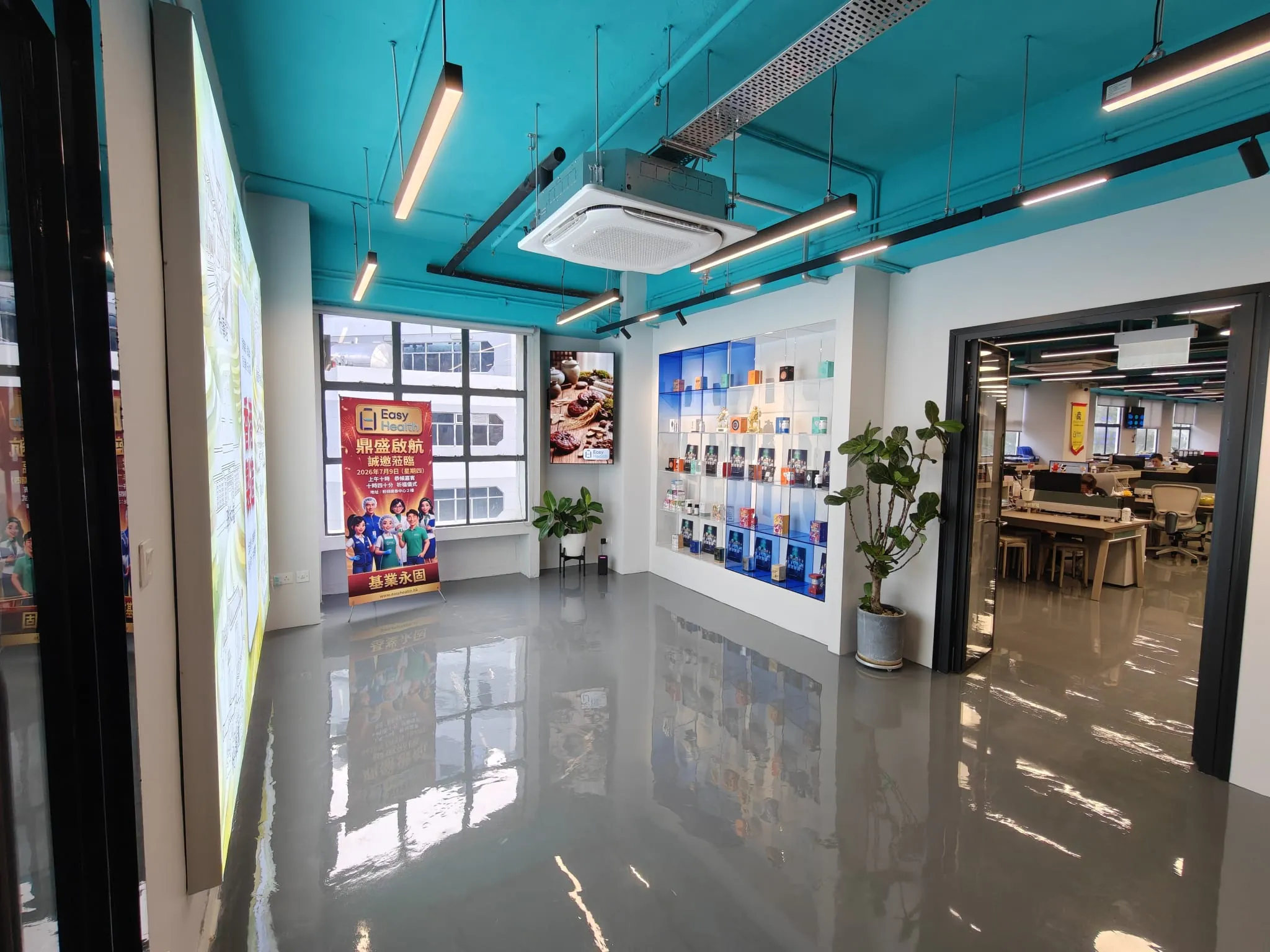
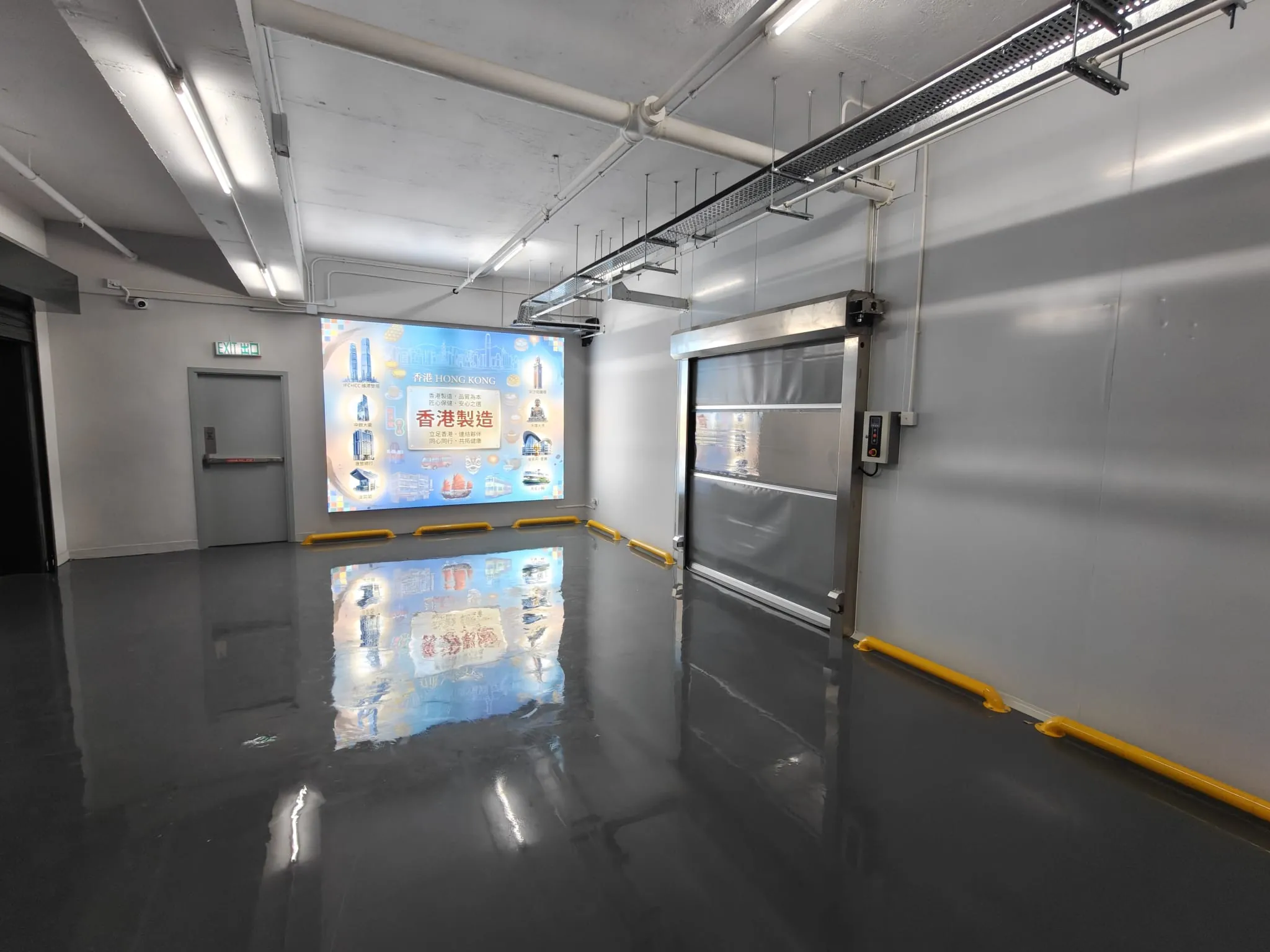
Probiotic raw materials and product showcase

Market opportunities for private label probiotics
Probiotics are one of the largest and most stable categories in the global health market. In 2026, the global probiotics market reached assessed for each project (food and supplements combined), of which the supplements segment was assessed for each project, growing 8.3% annually. In Asia‑Pacific, growth is even faster, with China, Japan, and Korea among the largest consumer markets.
In recent years, the probiotic market has shown several key trends: 1) efficacy segmentation — expanding from general gut health into targeted areas such as immunity, mood, skin and weight management; 2) strain specificity — consumers increasingly focus on specific strains and clinical evidence; 3) dosage form innovation —ODTGummies, drops and other new dosage forms are experiencing rapid growth; 4) personalization — tailored products for different population groups (children, women, seniors).
For new brands, probiotics offer a relatively low entry barrier and low promotional threshold; consumers are already widely aware that probiotics are beneficial to health, so the keys are differentiated positioning and quality assurance.Easy HealthHelps brands identify unique market entry points and design competitive product formulations.

Probiotic supplement OEM viability and manufacturing controls
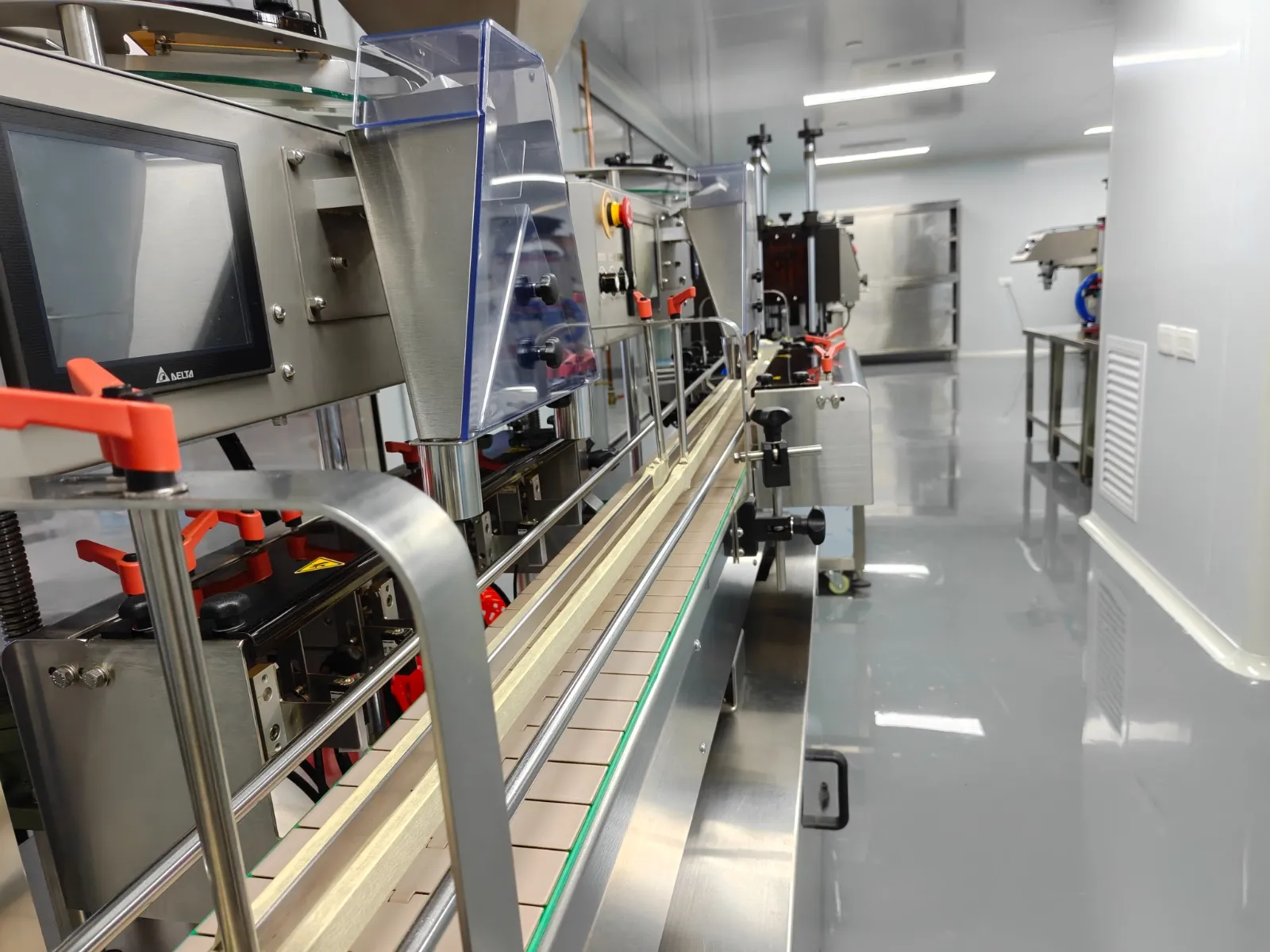
The core challenge in probiotic contract manufacturing is "viability assurance" — ensuring viable cell counts meet the labelled amount from production through to the consumer.Easy HealthWe have a comprehensive technical system in this area: first, we employ microencapsulation technology to encase each probiotic in a protective coating, enabling it to resist gastric acid, bile salts, and environmental temperature and humidity.
Second, our probiotic processing is performed in low‑temperature environments (<25°C), with strict control from raw‑material handling through mixing, filling, and packaging. Production areas have independent temperature control to protect viability during processing. Third, based on strain stability data, we apply an overage of 120–150% of label claim to ensure viable counts remain on‑spec at the end of a 24‑month shelf life.
Regarding quality testingFor probiotic projects, typical quality controls include viable-cell enumeration (plate-count methods), strain identification (e.g. 16S rRNA sequencing), purity checks and safety testing. Anaerobic-culture methods are used to enumerate strict and facultative anaerobic probiotic strains.
Probiotic product specifications
Probiotic supplement dosage forms
Probiotic Supplement Manufacturing FAQs
How does a prophylactic worker ensure that the biobacterial numbers are met?
We use triple safeguards: 1) microencapsulation techniques to protect living fungus from environmental effects; 2) all-time low-temperature production (<25°C); 3) overloading strategies (additions of 120-150%) to ensure that live fungus are reached during the entire shelf life. Each batch is tested for live bacterial measurements.
How many strains can be combined? How can we choose the strain?
We can make 2-20 strains of polybacterial formulas. The selection of strains is based on the goal of efficacy: intestinal health recommends acidic emulsions + dichotomy; immunolytics referes to dichotomys; and female self-inhibited recommends rat lactation. Our microbiology consultant can help design the best strain combination.
Need a freezer for the prophylactic products? What's the shelf life?
We use freeze-drying and microencapsulation so the product stays stable at room temperature below 25°C; the actual shelf life is confirmed by stability testing. Cold-chain transport and refrigerated storage are generally not needed, which keeps logistics simple, but avoid temperatures above 40°C and direct sunlight.
Is it possible to make a child-friendly virus?
Yes. Child-friendly strains (e.g., bi-baby, rat lactation LGG); 2) appropriately reduced dose (from 5 to 10 billion CFU); 3) dose-type choice powder or chewing tablets (to avoid the risk of capsule asphyxiation); 4) taste design for fruit.
What are the markets for bio-bacterium products?
Global demand for biobacterium products is strong, especially in South-East Asia (Singapore, Malaysia), the Bay region (Shenzhen, Guangzhou) and Taiwan. The legal requirements for strains vary from market to market, and we can help to confirm the list of standard strains and label requirements of the target market.
Discuss your probiotic supplement project
From raw materials to finished products, we coordinate as a single point of contact. FSSC 22000 certificate-scope checks for relevant facilities can be provided on request.
WhatsApp Us About Your Project PlanRelated services and raw materials
Relevant Page Recommendations
Product Profile
Know all the available options.
Learn MoreCapsule Contract Manufacturing
Hard and plant capsules.
Learn MoreTablet Contract Manufacturing
Chewable tablets, coated tablets and effervescent tablets
Learn MoreOEM Manufacturing Services
Provide the formula, we produce it.
Learn MoreODM Formula Development Services
One-stop service from formulation design to finished product
Learn MoreOne‑Stop Contract Manufacturing Process
Understanding the full collaborative process and timeline
Learn MoreKnowledge Hub
In-depth articles and guides for the health profession
Learn MoreOEM vs ODM Distinction
Understanding the differences between the two manufacturing models.
Learn More