Reishi Supplement Manufacturer
for OEM/ODM Projects
Reishi spores contain concentrated triterpenes and polysaccharides and are widely used in formulations positioned for immune, sleep and liver-health support. Cell-wall breaking improves the release and bioaccessibility of these compounds. With strong cultural recognition in Chinese-speaking markets, reishi is well suited to premium supplement products. Easy Health provides specialist manufacturing for broken-cell reishi spore powder and reishi spore oil.
Last update: July 2026 | Read time: about 8 minutes
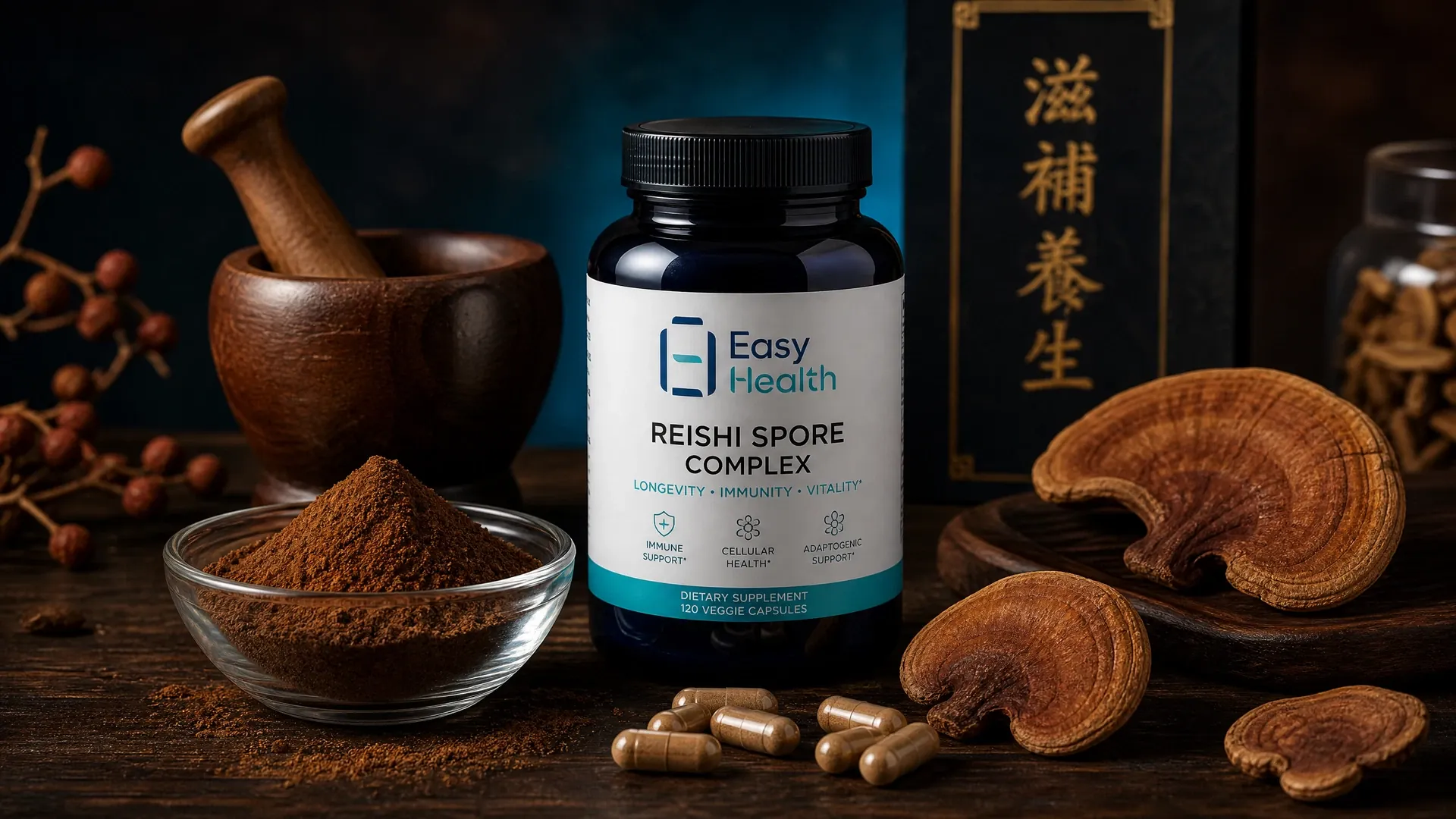
Reishi Formulation Positioning Topics
Below are common reishi formulation‑positioning topics reflecting typical market messaging and published ingredient research.
Immune-Support Formulation Positioning
Formulations may position reishi for immune support. Literature has explored interactions with NK cells and T cells; any on‑pack claims must follow the rules of the target market.
Sleep-Support Formulation Positioning
For relaxation-positioned reishi products, review the extract specification, format, flavour and intended user group. Assess the evidence for the exact ingredient separately from the proposed label and marketing wording.
Liver-Health Formulation Positioning
Review the identity, composition, extraction method and contaminant specifications of the reishi material. Product positioning and supporting evidence should be assessed for the intended market before label approval.
Energy-Support Formulation Positioning
Reishi formulation planning should account for extract compatibility, serving format, sensory properties and stability. Review the rationale and supporting documentation for each ingredient in the proposed combination.
Antioxidant Formulation Positioning
Antioxidant positioning: triterpenes and polysaccharides from reishi are studied for antioxidant activity in vitro/in vivo; final claim language should match the regulations of each market.
Cardiovascular-Support Formulation Positioning
Cardiovascular‑support positioning: literature has examined markers such as blood lipids and circulation. Permitted claims vary by jurisdiction and should avoid disease‑treatment wording.

Reishi Supplement OEM Formulation Options
Here is a comparison of common formulations to help you select the most suitable product positioning.
| Formula programme | Core | Daily dose | Target population |
|---|---|---|---|
| Fragmentation powder. | Zip powder 2g | 1 package/day | Nutritional health |
| Spam oil capsule. | Ling Chi Spoon Oil 500 mg | 2 units/day | Middle High End Market |
| Immunisation Copy | Ling Ji + Wormgrass + Humans | 2 units/day | Weakly immune |
| An god's sleeper. | Ling Chi + sour date + GABA | 2 units/day | Insomnia. |
| The liver. | Psychic tritium + Water Fly + Yellow | 2 units/day | Payable population |
Reishi Ingredient Form References

What Does Research Say About Reishi?
Reishi (Ganoderma lucidum) has a long history of use in Traditional Chinese Medicine. Modern research discusses multiple bioactive compounds, commonly including ganoderic acids (triterpenes) and polysaccharides.
Reishi triterpenes have been studied for anti-inflammatory, hepatoprotective and metabolic activities, including effects on histamine release and cholesterol metabolism. Reishi polysaccharides are primarily studied for immunomodulatory activity involving macrophages, natural killer cells and T cells. Product claims must be adapted to the regulations of the target market.
Reishi spores are reproductive cells with a hard chitinous wall. Physical cell‑wall breaking is an industry technique to increase the release of intracellular components; reported release rates vary by method and source. Projects can specify cracked or uncracked spore materials.
Reishi Supplement Manufacturer Quality Considerations
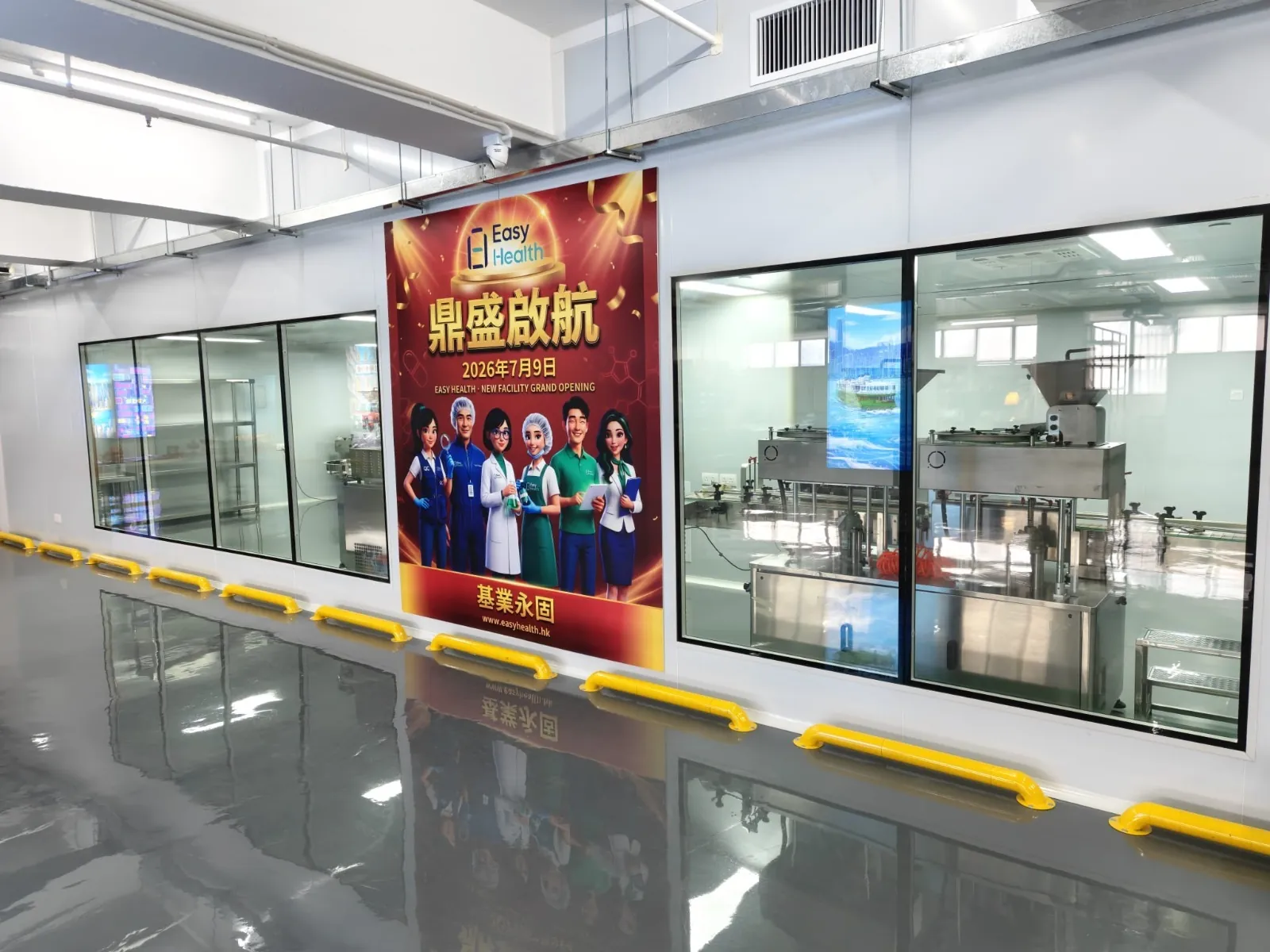
Easy HealthKey quality considerations for reishi supplements include species/part identity, actives targets, contaminant controls and suitable finished formats.Supplement ManufacturingSourcing is planned from recognised red reishi–producing regions, with material specifications (e.g., triterpene and polysaccharide targets) agreed per project. Each batch can be tested against the agreed specification and relevant safety limits.quality testingIncluding triterpene content (HPLC method), polysaccharide content (phenol–sulfuric acid method), heavy metals, pesticide residues, and microbial limits.
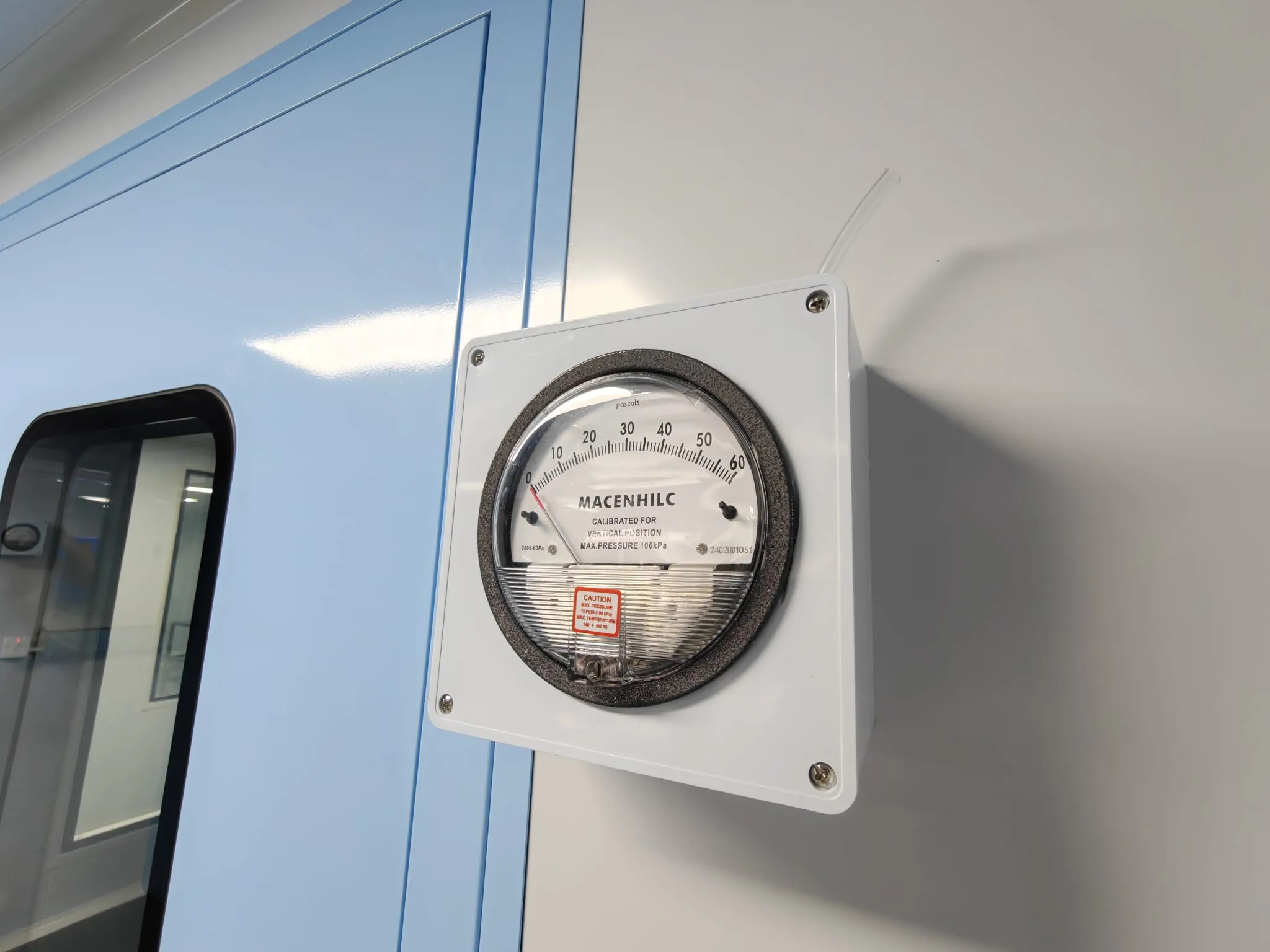
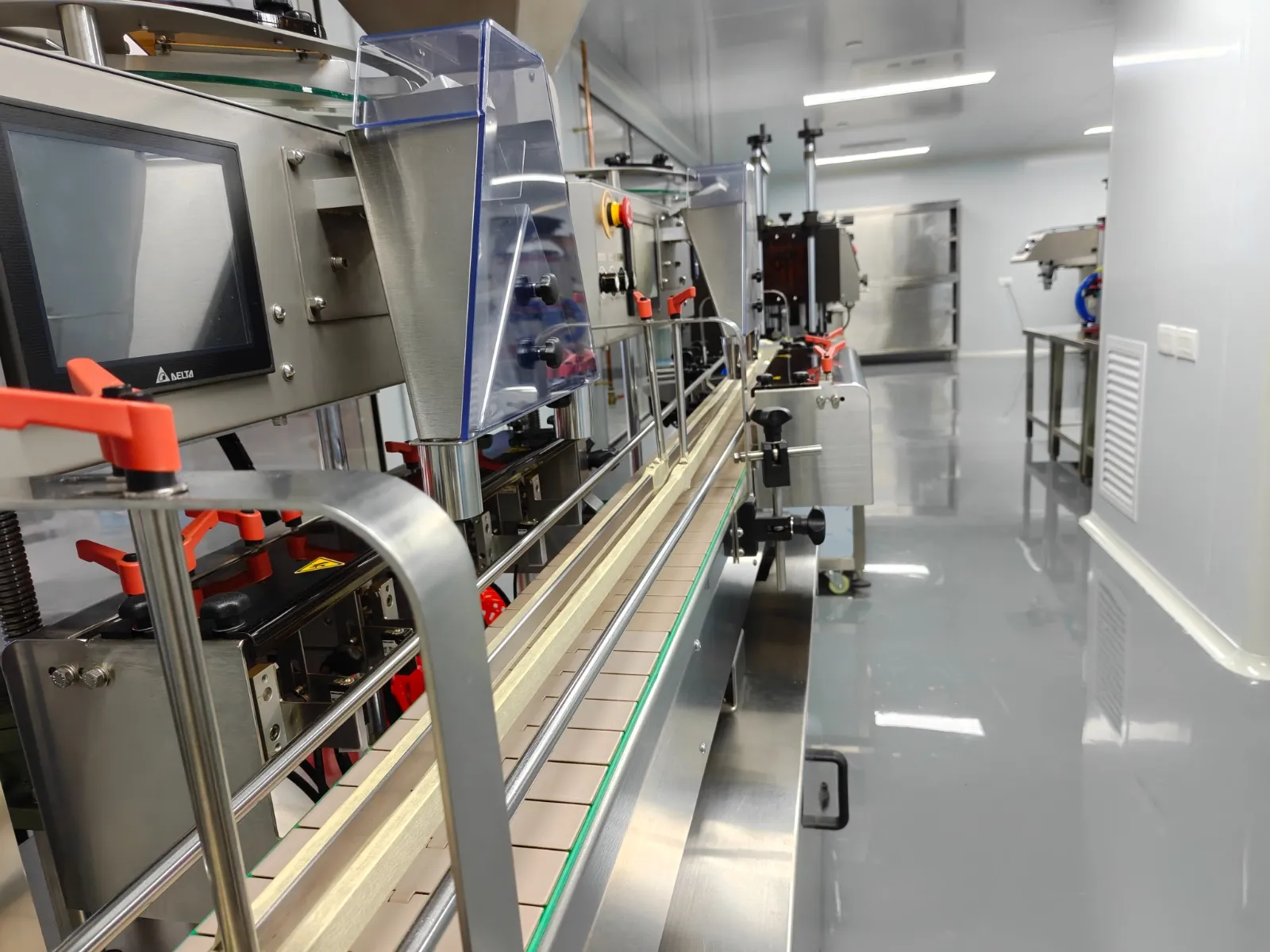
Projects may specify low‑temperature filling to help protect heat‑sensitive constituents. For spore oil, supercritical CO2 extraction is a common option; target triterpene levels and test methods are set in the specification. For packaging, dark glass bottles or blisters can be considered to reduce oxidation.
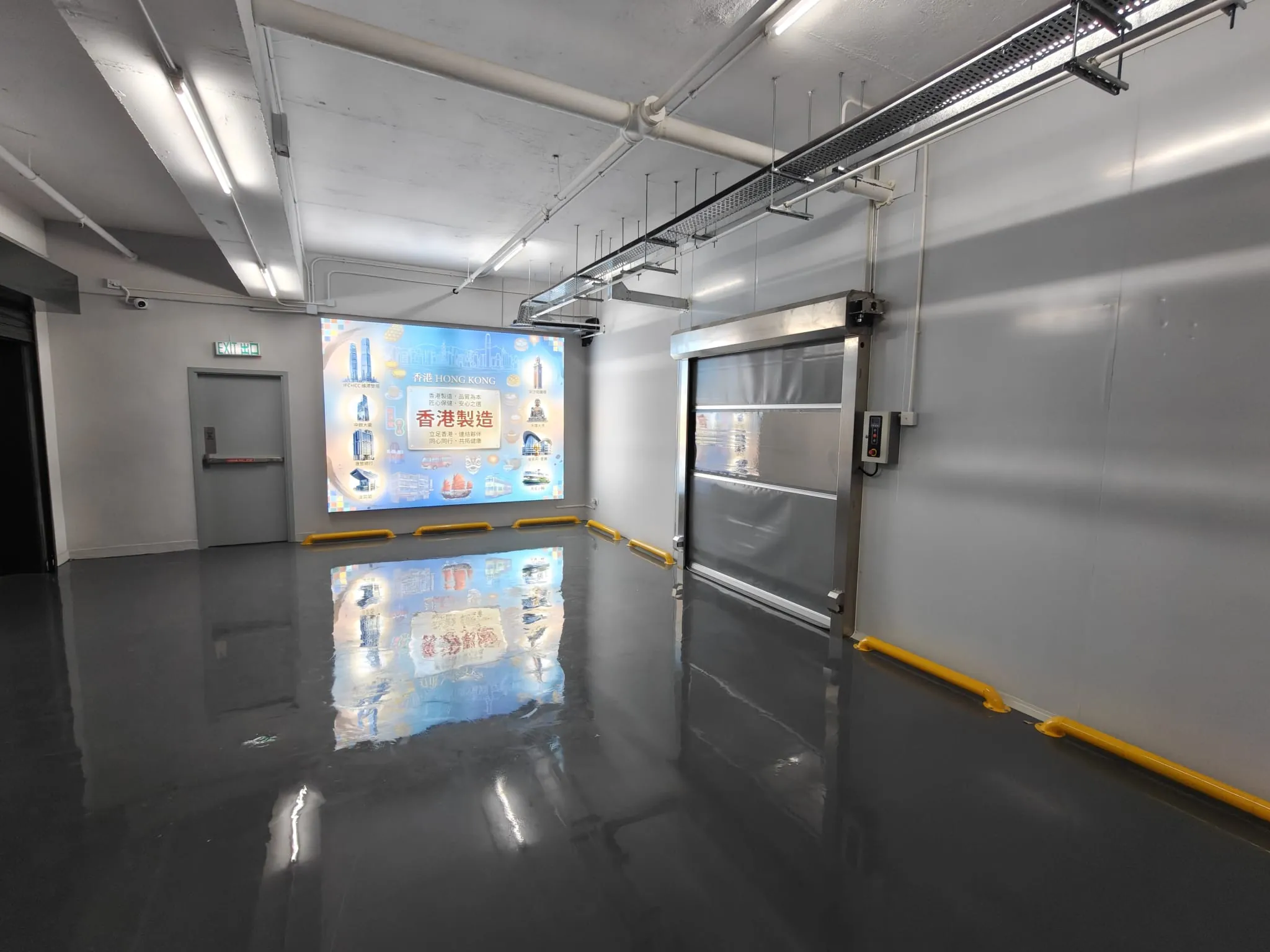
Reishi has strong cultural recognition in Chinese‑speaking markets.Made in Hong KongClear labelling can support transparent product communication. Product formats, including cracked spore powder and spore oil, can be considered according to positioning and consumer needs. Small-batch prototyping and production quantities are assessed case by case according to the formulation, packaging and project requirements.
Specification Items to Confirm for Finished Products
Finished Dosage Form Options
Reishi Supplement Manufacturing FAQs
What's the difference between broken walls and unbreakable walls?
Ling Chi spores have a few hard-cut outer walls, and unbreakable spores have less than 10% digestion. After physical break-ups (99 per cent of the wall break-up rate), active ingredients such as tritium and polythylene can be fully released and absorbed, increasing their efficacy tenfold. We use low-temperature physical break-ups to avoid high-temperature destruction of active ingredients.
What's the difference between Ling Chi Spoon and Ling Chi Spray?
Spray powder is the complete powder of the spam after the break of the wall and contains all the nutrients, including tritium, polypolymer and protein. Sphinx oil is the fat part of the permafrost that is extracted from ultra-continuous CO2 powder, with a higher content of tritium (usually 20% zinc), but does not contain polythylene. Scorpion oil is more highly positioned and suitable for consumers in pursuit of high-strength tritium.
What kind of people does Ling Ji produce fit? What kind of taboo?
Lingxie is suitable for most adults, especially those with weak immunity, poor sleep, high work stress and heavy liver burden. Ling Ji is a drug-eating congener and is highly safe. But people who are using immunosuppressants before and after surgery are advised to consult a doctor. Pregnant and nursing women do not recommend it.
What would Ling Ji match?
The classic combinations include: weeds (both immune effects), ginseng (remedial and resistance to fatigue), gills (presension of liver), typhoids (mentional sleep), and yellow gills (conservation). Modern combinations can be added to GABA (sleeping aid), water fliers (past protection), enzymes Q10 (cardovascular).
What are the prospects for Ling Ji health products in the Chinese market?
In Chinese culture, Ling Ji has a reputation for "soft grass" and consumer recognition and trust is extremely high. The global market for mushrooms has grown by 12 per cent a year, with Lingxie taking the largest share. Hong Kong's Ling Ji products have a natural endorsement in the Gulf and Southeast Asian markets.
Discuss Your Reishi Supplement OEM Project
Discuss end‑to‑end OEM/ODM planning from raw materials to finished packs. Projects are organised around recognised food‑safety management frameworks (e.g., FSSC 22000); certificate scope/evidence can be reviewed during onboarding.
WhatsApp Us About Your Project PlanRelated services and raw materials
Relevant Page Recommendations
Product Profile
Know all the available options.
Learn MoreCapsule Contract Manufacturing
Hard and plant capsules.
Learn MoreTablet Contract Manufacturing
Chewable tablets, coated tablets and effervescent tablets
Learn MoreOEM Manufacturing Services
Provide the formula, we produce it.
Learn MoreODM Formula Development Services
One-stop service from formulation design to finished product
Learn MoreOne‑Stop Contract Manufacturing Process
Understanding the full collaborative process and timeline
Learn MoreKnowledge Hub
In-depth articles and guides for the health profession
Learn MoreOEM vs ODM Distinction
Understanding the differences between the two manufacturing models.
Learn More