Chinese Herbal Supplement Manufacturer for
Herbal Product Lines
The same source of medicine is China’s traditional breeding wisdom, which uses natural materials that are both food and medicine. The current GMP production industry is based on the principle that traditional nutrient formulations can be converted into modern, user-friendly health products. The law on pharmacological co-products is simple and has a very high cultural degree of commonality in the Chinese market and is an ideal option for creating differentiated brands.
Last update: July 2026 | Read time: about 8 minutes
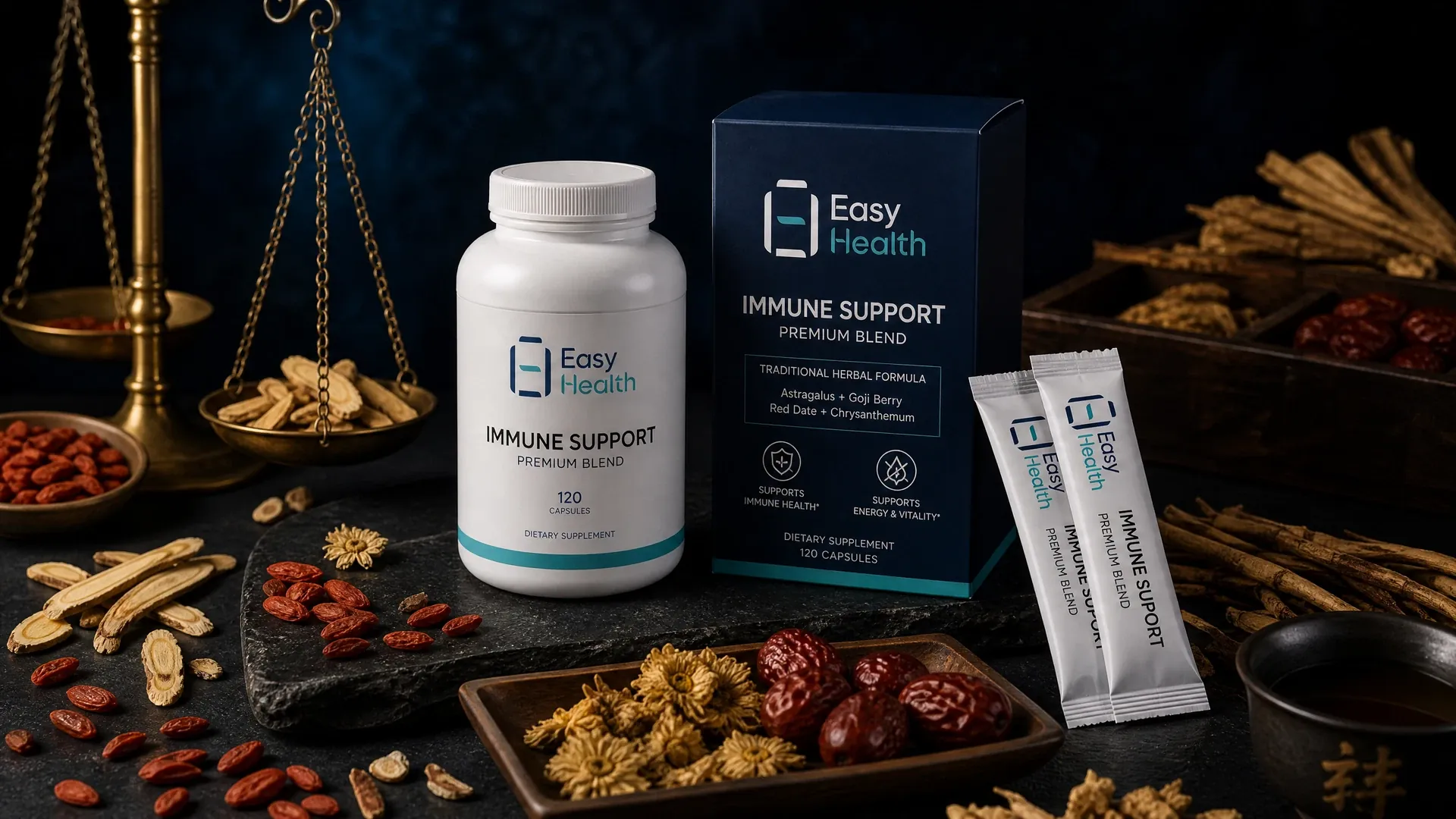
Positioning Themes for Traditional Botanicals
Below are common positioning themes for this category.
Traditional Use and Formula Heritage
Longstanding traditional use and formula heritage, drawing on classical sources. Medicine–food homology concepts have a long history; safety is assessed according to applicable food-supplement regulations and raw‑material controls.
Consumer Interest in Natural Ingredients
The pharmacological congeners are mild and suitable for long-term administration. Unlike chemical synthetics, natural materials are more in line with modern consumer health concepts.
Cultural Familiarity with Food Therapy Concepts
The Chinese market is extremely receptive to the concept of healthy life in China, and the Project Considerations of education for consumers is low. The concepts of "food therapy" and "culture" are deeply rooted.
Differentiation for Herbal Supplement Lines
It's a unique brand. In the Western supplement markets, the concept of Chinese nutrition is a powerful differential strategy.
Formulation Themes and Ingredient Pairing
Traditional botanicals can be combined by season, constitution and functional theme to build a broad product range.
Ingredient Classification and Compliance Checks
The raw materials in the traditional botanicals catalogue can be used as ordinary foods, in accordance with the rules and with the speed at which the products are listed.

Chinese Herbal Supplement Formulation Options
Here is a comparison of common formulations to help you select the most suitable product positioning.
| Formula programme | Core raw materials | Positioning effectiveness | Target population |
|---|---|---|---|
| He's got a good liver. | Chrysanthemum + Goji berry + Cassia seed | The liver. | Worker/eyes |
| An god's sleeper. | Suan Zao Ren + Bai He + Fu Ling + Longan | Ang-go to sleep. | Insomnia/pressure high |
| Beauty formula for enhancing complexion | Red dates + longan + donkey-hide gelatin (Ejiao) + rose | Blood-nourishing and beautifying | Female |
| Spleen-fortifying and stomach-nourishing formula | Monopoly + Penis + Xianmin + Lotus | Spleen wet. | A man with a weak stomach. |
| It's the gas source. | Yellow Curtain + Humans + Red Sky | To make up for fatigue. | Older adults |
Traditional Botanical Ingredient Showcase


Traditional Chinese Herbal Supplements Market Context
With the global “return to nature” trend, medicine–food homology supplements are seeing renewed interest and opportunities. In Mainland China, interest in traditional wellness concepts has risen notably, and consumer awareness and acceptance of dietary tonic formats continues to grow.
In recent years, the medicinal-food convergence market has shown several key trends: 1) Youthful shift — consumers born in the 1990s and 2000s are beginning to embrace the “punk wellness” concept, rapidly increasing interest in traditional Chinese wellness products; 2) Greater convenience — traditional decoction methods are being replaced by instant mix-and-drink powders and capsules; 3) Fashion-forward positioning —Package Designand brand imagery is moving toward a younger, more fashionable look, helping to break “old-fashioned” stereotypes; 4) Precision of positioning — a shift from general wellness to targeted themes (e.g., sleep, liver, beauty).
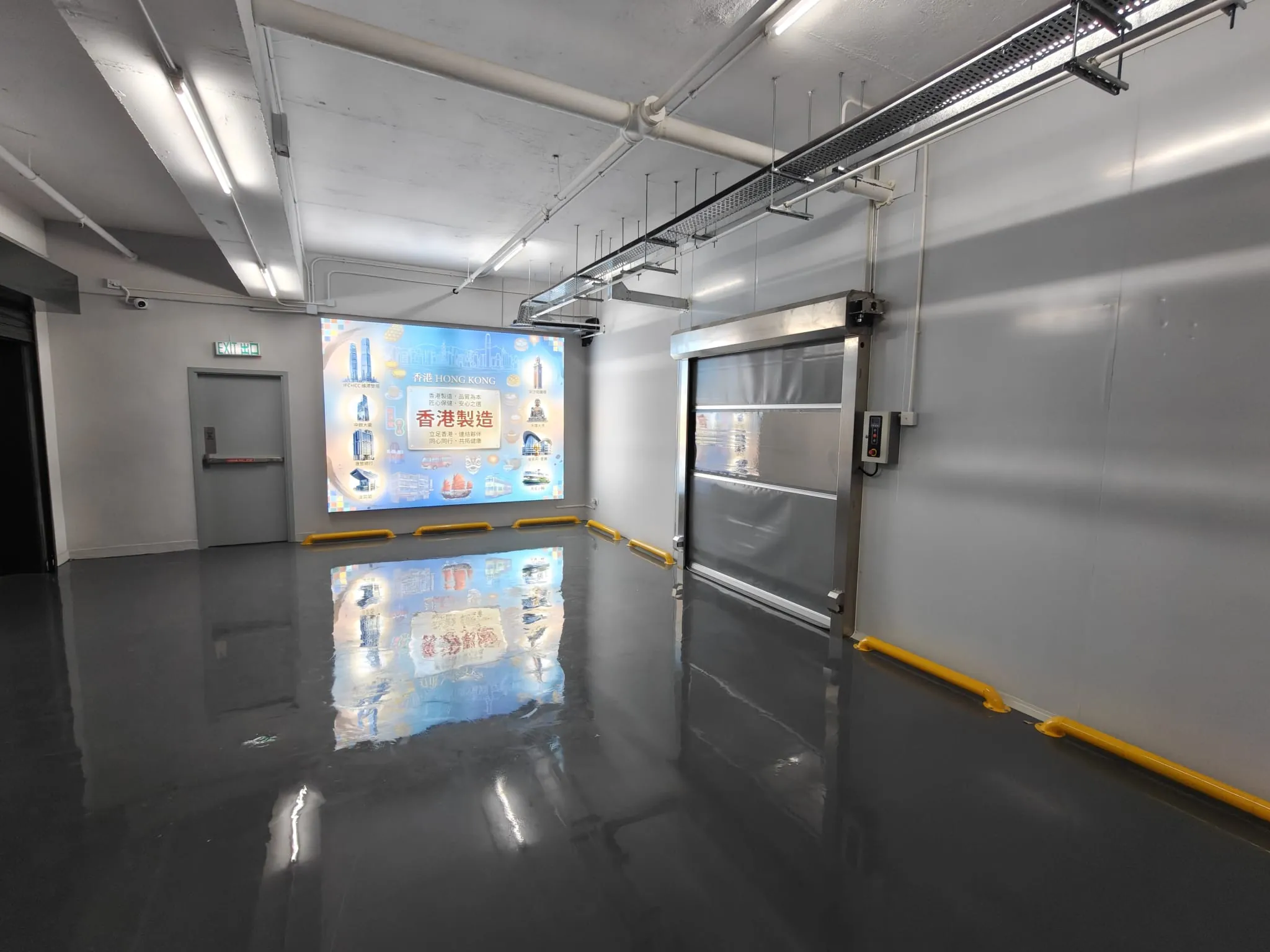
For brands, medicine–food homology offers differentiation potential. In markets where Western supplement formats (vitamins, fish oil, protein powder) are common, traditional Chinese wellness concepts can support a distinct cultural positioning and emotional connection. Especially for overseas Chinese markets,Made in Hong Kongtraditional Chinese wellness products may resonate culturally and be perceived as familiar and trustworthy.
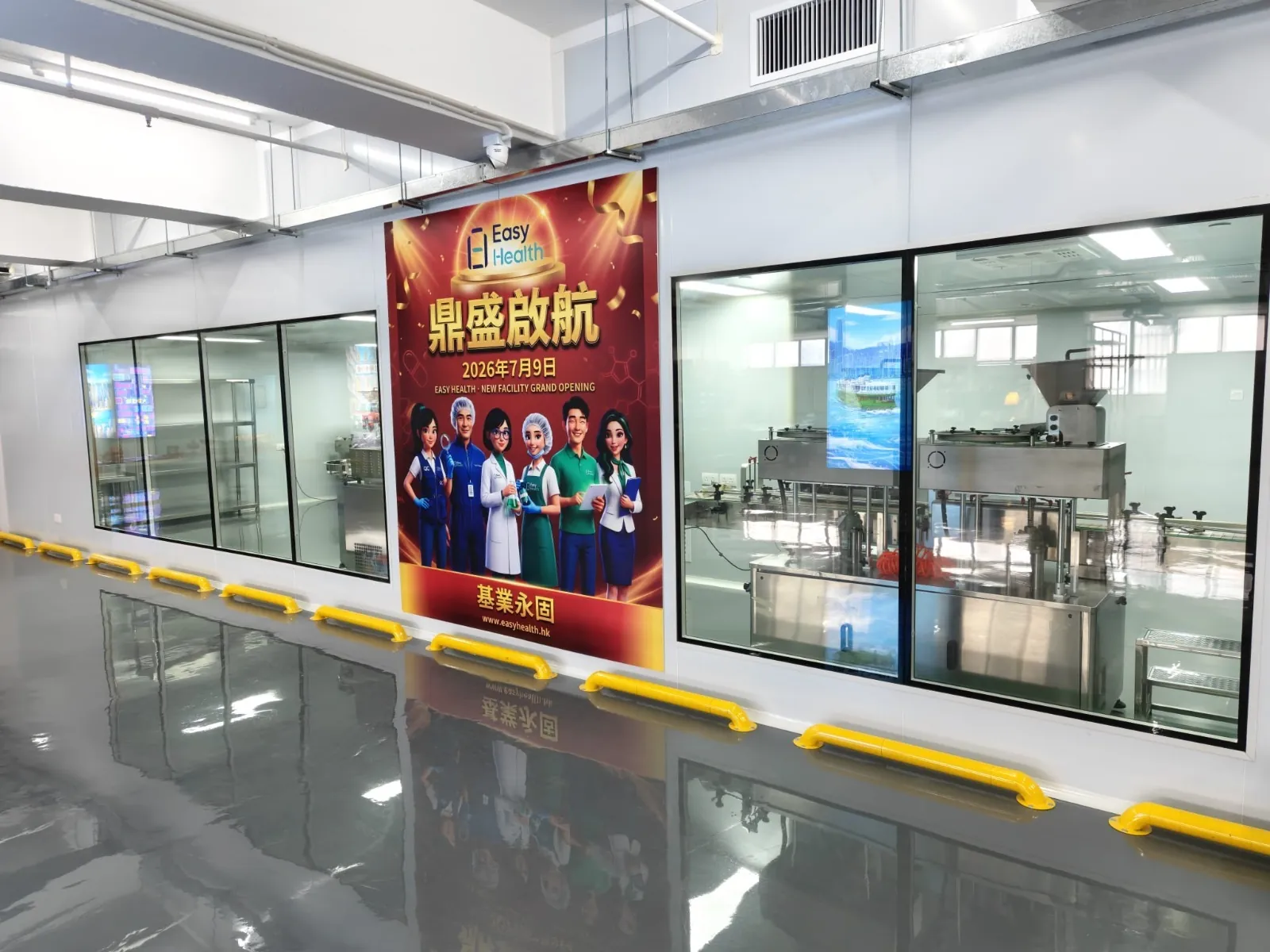
How Easy Health Supports Herbal Supplement Projects
Easy HealthProject support overviewSupplement ManufacturingWe support medicine–food homology projects with advisory input as needed, drawing on TCM and Chinese herbal expertise to develop formulations aligned with your brand positioning and target consumers. Sourcing can be arranged from documented suppliers, including GAP-aligned cultivation bases where applicable, with origin and quality documentation reviewed per project.
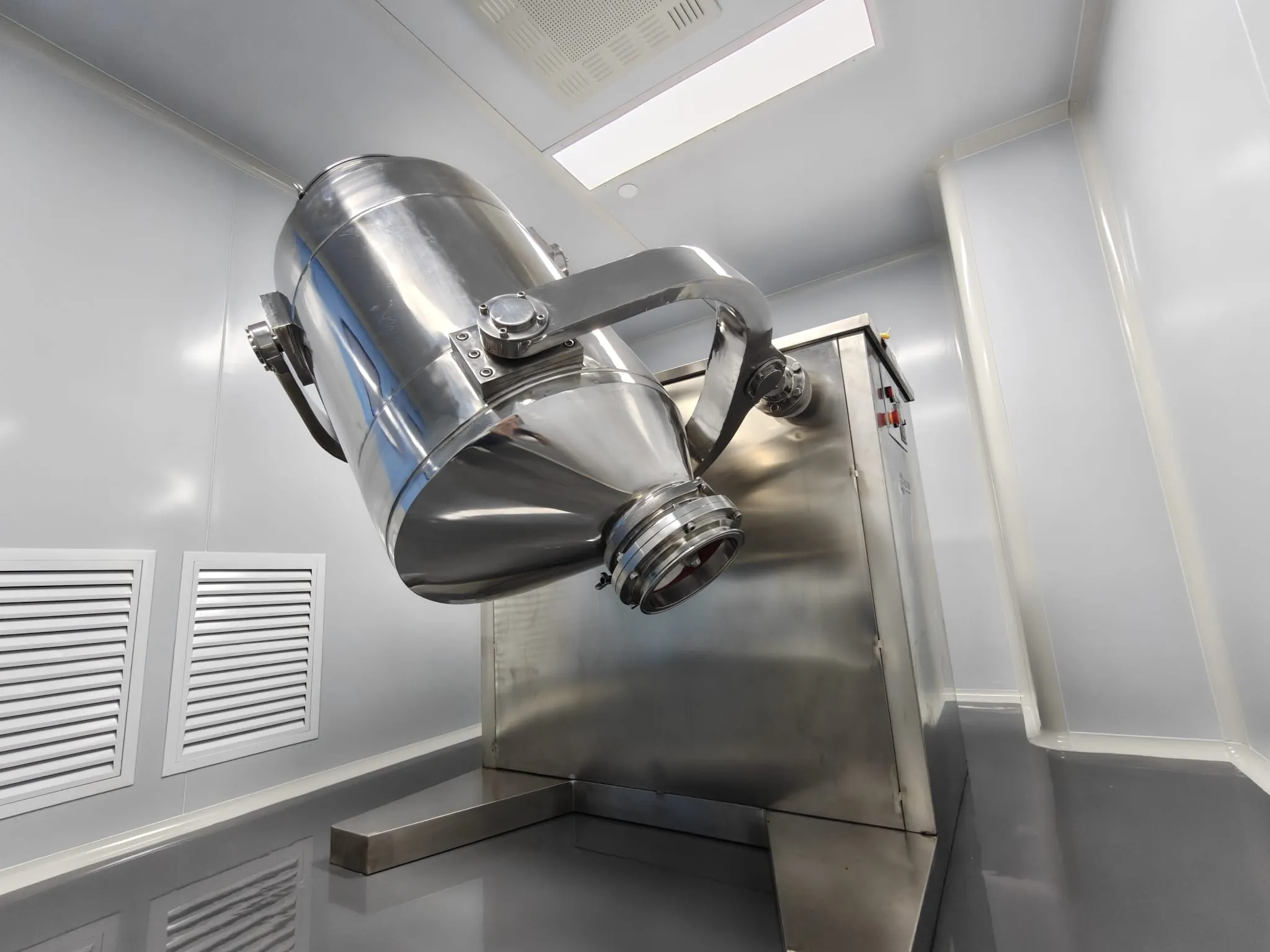
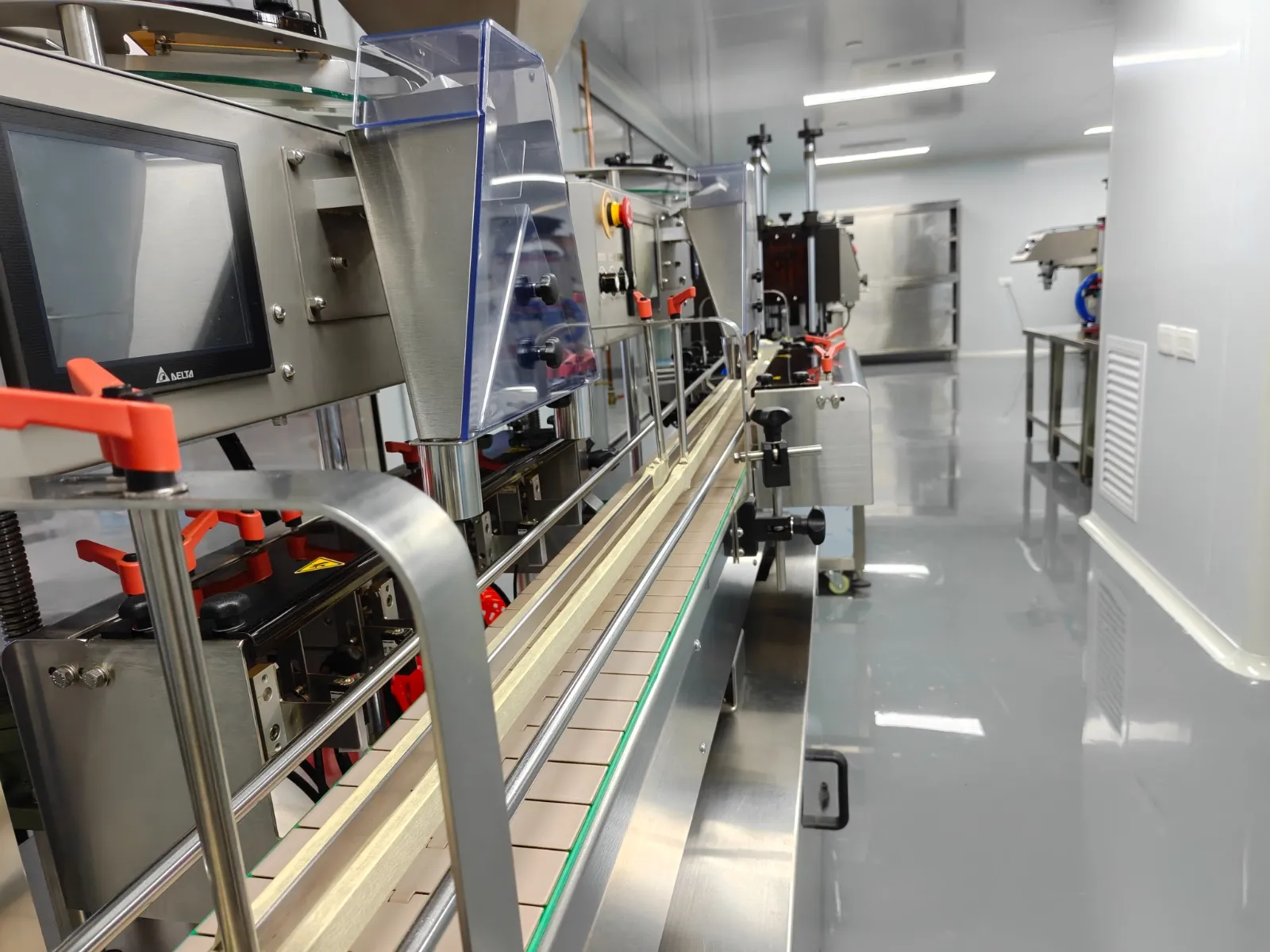
Manufacturing options include extraction and blending intended to preserve the character of botanical raw materials. For powder products, fine milling and granulation can be applied to improve dispersibility. Where taste or mouthfeel needs refinement, flavour and sensory work can be incorporated to deliver a consumer‑friendly profile.
Our food‑as‑medicine OEM services are suited to small‑batch pilot runs and market testing, covering formulation development, prototypes and scale‑up. Timelines and quantities are confirmed case by case, and we can also assist with product positioning.Package Designand regulatory consultation, offering end-to-end support from concept to market launch.
Product Specification Considerations
Supplement Format Options
Chinese Herbal Supplement Manufacturing FAQs
What's a drug congener? What are the common ingredients?
Homology of medicine and food refers to natural substances that can be consumed as food and also have certain medicinal value. Common raw materials include: goji berries, red dates, hawthorn, coix seed, lotus seeds, lily bulb, poria, Chinese yam, longan, chrysanthemum, cassia seeds, sour jujube seed, astragalus, and ginseng (cultivated). These materials are all listed in the National Health Commission’s catalogue of substances for both food and medicine.
What are the legal requirements for a pharmaceutical product?
The raw materials in the traditional botanicals catalogue can be used as ordinary foods, and are generally simple. Product labels need to identify the name and content of the raw material and cannot be described as therapeutic. In Hong Kong, these products are regulated by food laws. Export is required to confirm the acceptance of raw materials in the target market.
What are the pharmacological congener formulations? How are they designed?
Common formulations include: liver-nourishing tea (chrysanthemum + goji berry + cassia seeds), calming-the-mind formula (semen Ziziphi spinosae + lily bulb + poria), beauty-enhancing formula (red dates + longan + donkey-hide gelatin), spleen-strengthening formula (Chinese yam + coix seed + gorgon fruit), qi-tonifying formula (Astragalus + ginseng + Rhodiola), etc. Our traditional Chinese medicine consultants can design bespoke formulations based on brand positioning and target audiences.
Is the pharmaceutical product suitable for export? Which markets have high acceptance?
It is suitable for export to Chinese markets (Southeast Asia, North American Chinese communities, Australia, etc.). These market consumers have a natural acceptance of the concept of healthy Chinese medicine. There is also an opportunity for exporting Japan and Korea, because Chinese/South Korean culture is compatible with China’s health care philosophy. We can help with legal advice on export documents and target markets.
How can traditional formulations become modern health products?
We use modern extraction techniques (water, alcohol, ultra-continental extraction) to extract the active ingredients of the Chinese medicine and to combine modern formulations (capacitors, powders, tablets) to make it easy to take. It preserves the efficacy of traditional formulas and meets the needs of modern consumers for ease.
Discuss Your Herbal Supplement Project
From raw materials to finished products, we provide one‑stop project support. Certificate‑scope and regulatory document checks (e.g., FSSC 22000/HACCP) can be arranged to match your target market.
WhatsApp Us About Your Project PlanRelated services and raw materials
Relevant Page Recommendations
Product Profile
Know all the available options.
Learn MoreCapsule Contract Manufacturing
Hard and plant capsules.
Learn MoreTablet Contract Manufacturing
Chewable tablets, coated tablets and effervescent tablets
Learn MoreOEM Manufacturing Services
Provide the formula, we produce it.
Learn MoreODM Formula Development Services
One-stop service from formulation design to finished product
Learn MoreOne‑Stop Contract Manufacturing Process
Understanding the full collaborative process and timeline
Learn MoreKnowledge Hub
In-depth articles and guides for the health profession
Learn MoreOEM vs ODM Distinction
Understanding the differences between the two manufacturing models.
Learn More