
How to Choose a Cosmetic Packaging Company in Hong Kong

Key Takeaways (TL;DR)
Cosmetic packaging involves specialized sections such as bottling molds, surface processing, material compatibility, etc. This paper provides a complete cooperation guide for brands, from the selection to the delivery, to help you find the most suitable makeup partners.
Cosmetic packaging involves specialized sections such as bottling molds, surface processing, material compatibility, etc. This paper provides a complete cooperation guide for brands, from the selection to the delivery, to help you find the most suitable makeup partners.
Why Does Cosmetic Packaging Need Extra Planning?
Cosmetics PackagingThe complexity is far beyond the imagination. andHealth Supplement PackagingSteps:Food PackagingBy comparison, cosmetics packaging additionally involves: bottle and container mould development (a bespoke bottle shape requires mould creation, with tooling scheduled and assessed case by case according to design complexity), surface-finishing processes (electroplating, spray coating, silk screen, hot stamping and other options), material compatibility testing (to ensure the packaging materials do not react with the formula), and the selection and testing of functional components such as pumps and sprayers; this means that choosingCosmetics PackagingThe company cannot simply look at whether it can be filled, but rather assess its expertise in bottle development, engineering and material science. A real professional.Hong Kong Packaging CompanyIt should be able to engage from the product concept and provide professional advice on bottle design, material selection and craft programmes.

How Should You Compare Stock Bottles and Custom Moulds?
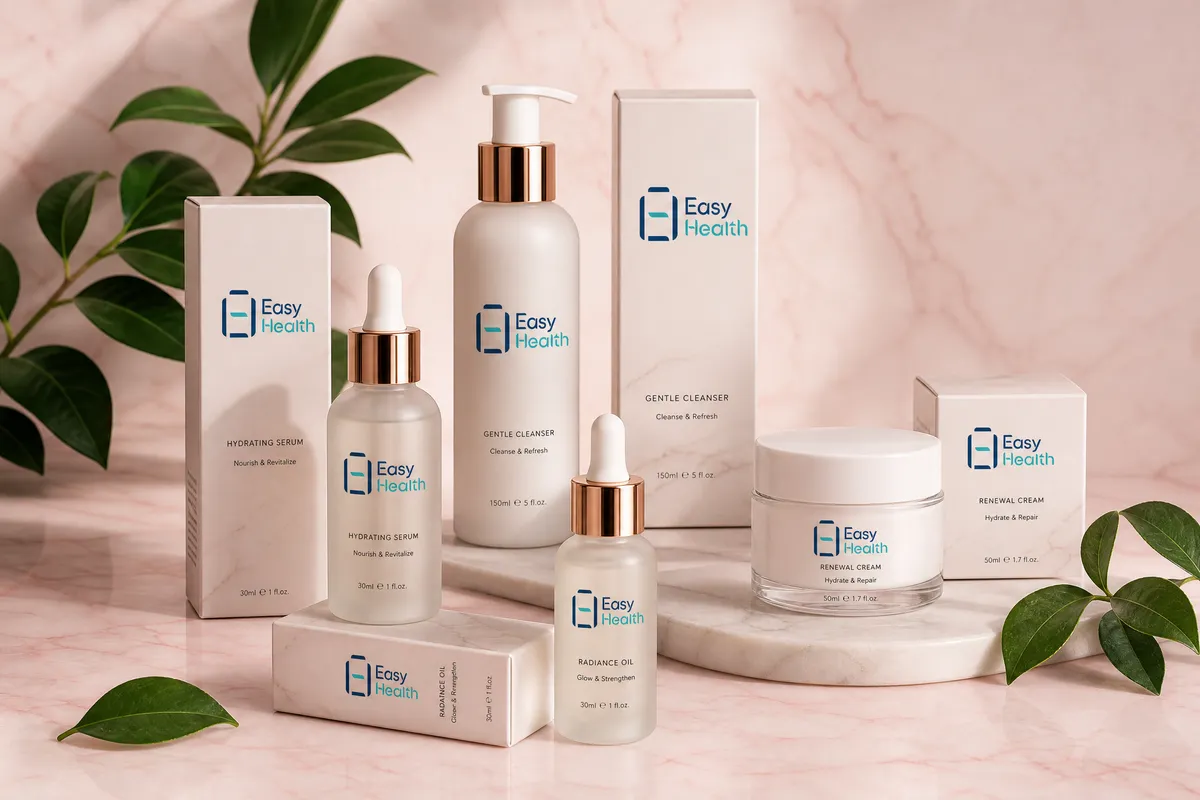
The bottle is.Cosmetics PackagingBottle and container selection is a stage that strongly affects development time and brand identity. The first decision a brand faces is whether to use an in-stock bottle shape or to commission a bespoke mould. In-stock bottle shapes require no mould, allow a smaller starting quantity, and often come with shorter lead times, but offer lower uniqueness as other brands may use the same design, making them suitable for start-up or testing phases; bespoke moulds require tooling according to the design, generally suit larger production quantities, and involve longer lead times including mould fabrication, but deliver high uniqueness as an exclusive design, making them suitable for mature stages or premium positioning. Recommended strategy: start-up brands should first use in-stock bottle shapes plus custom labels/outer boxes to establish brand identity; once the product has validated the market, invest in a bespoke bottle shape to enhance distinctiveness. With yourPackaging Companypartner, confirm the range of in-stock bottle inventories available and the scope of capability for bespoke moulding. Easy Health can provide in-stock bottle options by product type, and can also evaluate bespoke bottle development with clients on a project-by-project basis to support brands at different stages ofCosmetics PackagingDemand.
| Topic | Key Summary |
|---|---|
| Why is cosmetic packaging more complicated than any other? | Cosmetics packaging is far more complex than most people imagine. Compared with health-supplement and food packaging, cosmetics packaging additionally involves: bottle and container mould development (bespoke bottle shapes require mould creation, with tooling… |
| Bottle Development: Custom Molds vs. Stock Bottles | The bottle and container are the elements of cosmetics packaging that most affect development time and brand identity. The first decision for a brand is whether to use an in-stock bottle shape or to commission a bespoke mould. Comparison dimensions include: |
| Surface Finishing: The Key to Elevating Packaging Quality | The surface finishing techniques of cosmetic packaging directly determine the product’s visual and tactile quality: Electroplating (Electroplating): plating the cap or bottle body surface with. |
| Material Compatibility: An Overlooked Key Factor | The most easily overlooked yet potentially most serious issue in cosmetic packaging is material compatibility. Active ingredients in cosmetic formulations may react with packaging materials: Common compatibility. |

How Should You Compare Surface Finishing Options?
Cosmetics Packagingsurface-finishing processes directly determine the product’s visual and tactile quality. Electroplating: applies a metal layer (gold, silver, rose gold, etc.) to the cap or bottle surface to deliver a premium metallic feel, suitable for high-end skincare and fragrances. Spray coating: applies coloured or gradient coatings to the bottle body with a wide choice of colours, suitable for colour cosmetics and youth-oriented brands. Silk screen: prints graphics or text directly onto the bottle surface with good abrasion resistance, suitable for logos and product information; the effect depends on the number of colours and the shape of the printable surface. Hot stamping (gold/silver): transfers metallic foil onto the bottle or outer box to create a luxurious look, suitable for premium brand logos and decorative elements. ChoosingHong Kong Packaging CompanyIn doing so, confirm what surface treatment capacity they have. Some of the work needs to be outsourced and may affect delivery and quality control.
Need a Professional Manufacturing Solution?
Complimentary project consultation with dedicated follow-up based on your product needs. Small-batch sampling is available, and production batch sizes are confirmed per project.

How Should You Assess Material Compatibility?
Cosmetics PackagingOne of the most susceptible to neglect but most likely to cause serious problems is material compatibility. Active ingredients in cosmetic formulations may react to packages: Compatibility problems are common: oil/fragrance dissolved plastic bottle walls (especially PS and parts PET), high-heavy alcohol leads to the degradation of bottlecaps, acid formulations (if acid, water-like acid) decomposition metal parts, and certain preservatives are absorbed by plastic packaging to reduce their efficacy. Compatibility test: Accelerating the aging test – storing the formula at 40°C/75% RR for 3-6 months after filling the package to see if there is a change in colour, taste, silhouette, or package. Vacuum-sealed tests - confirm that the sealing of bottle caps and pumps will not decline after long periods of use. Drop test - Simulation of transport and use of physical impact in the process. Professional.Health Supplement Packaging CompanyAnd make-up packaging companies will complete all the necessary compatibility tests before they are produced. If you.Packaging CompanyIt's a dangerous signal.

Cosmetic Packaging Supplier Checklist: Cooperation Steps
Steps:Cosmetics PackagingA typical co-operation process includes: Step 1 — Requirements discussion: determine product type, target positioning, target market, and launch timeline. Step 2 — Solution design: bottle type selection/design, material solution, surface-finish solution, label/outer box design. Step 3 — Sample approval: bottle prototyping, surface-finish prototyping, print proofing, assembly confirmation. Step 4 — Compatibility testing: accelerated ageing testing, seal integrity testing, and transport simulation testing. Step 5 — Mass production: material procurement, production and filling, quality inspection, and packing and dispatch. Overall timelines depend on design complexity, testing scope and supplier capacity. Using in-stock bottle types and a pared-back testing plan can shorten schedules, though full compatibility testing is advisable.Hong Kong Packaging CompanyIt's a good way to shorten the communication and confirm the timing of the sessions.
Cosmetic Packaging Development Guide: Structure and Optimisation
Cosmetics Packagingcosmetics packaging solution usually comprises several parts, each affecting development time, perceived quality and quality control: bottles/containers, which define product image and usage and require time for mould creation and trials if bespoke; surface finishing—electroplating, spray coating, silk screen, hot stamping—which affects texture and durability; labels/outer boxes, which carry brand design and regulatory information; filling and assembly, where pumps, sprayers and inner plugs must match the bottle; and quality inspection, including appearance, sealing and compatibility checks. Optimisation suggestions: use standard bottle shapes to shorten development time and build differentiation through surface finishing and label design; share components across SKUs—use the same bottles and caps across a series and distinguish only by labels to simplify procurement and management; selectively apply premium processes—focus on the parts consumers first see and touch. With yourPackaging Companyteam communicating product positioning and launch timing clearly, a professionalHong Kong Packaging Companypartner will recommend suitable combinations of materials and processes according to project needs. Easy Health can compare different bottle shapes, materials and process options with clients item by item, with arrangements confirmed by the account manager for each project.
Article Recap
- Why is cosmetic packaging more complicated than any other?
- Bottle Development: Custom Molds vs. Stock Bottles
- Surface Finishing: The Key to Elevating Packaging Quality
- Material Compatibility: An Overlooked Key Factor
- Co-operation process for cosmetic packaging
Easy Health Editorial Team
Easy Health — a Hong Kong health-supplement manufacturer offering OEM/ODM, formulation development and packaging services. FSSC 22000 is a recognised food-safety management system framework that can inform process controls and documentation.
Evidence used for product planning should identify the original study or guidance, its scope and its limitations. Review proposed product claims separately before approving label copy.
Cosmetic Packaging Supplier Selection FAQs
Can cosmetics packaging be prototyped in a small batch first?
Yes. In-stock bottle shapes are generally more suitable for small-batch prototyping first, while production arrangements for bespoke moulds depend on tooling complexity. The actual production quantity will be confirmed by the account manager for each project.
How are moulds for custom bottle shapes assessed per project?
The tooling time and scheduling differ for simple bottle shapes (cylindrical, square), medium complexity (irregular shapes, multi-piece assemblies) and high complexity (precision components, special structures), and will be evaluated and confirmed by the account manager based on the design. Mould ownership and storage arrangements should be confirmed in writing before collaboration begins.
Do compatibility tests have to be done?
Strongly recommended. The risks of skipping compatibility testing include product deterioration (formula reacting with packaging), packaging damage (material degradation), and consumer complaints and recalls. Testing arrangements will be confirmed by the account manager for each project.
How do you judge the bottling capacity of a cosmetic packaging company?
The evaluation points are: whether there is a model space (vs outsourcing), the number and complexity of past model cases, the ability to design and render 3D designs, sample periods and precisions, and whether to provide professional advice to structure engineers.
Want to know more about contract manufacturing?
Our professional team will provide you with free counselling at any time.
Free WhatsApp Consultation