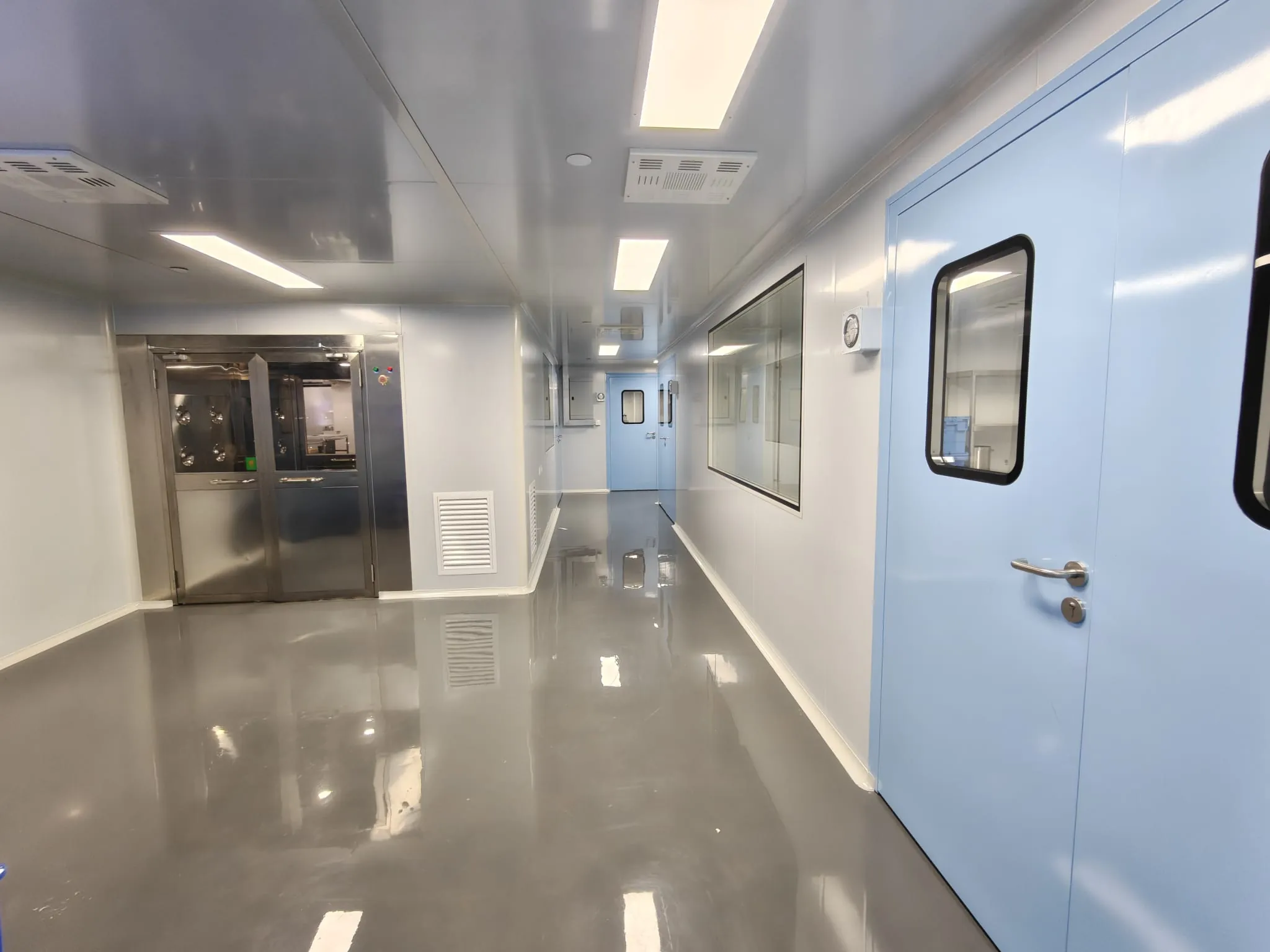
Supplement Quality Control Process from Materials to Release

Key Takeaways (TL;DR)
The quality is the lifeline of the health brand. This is a detailed introduction to the Time-Based Triple Quality Control System (IQC/IPQC/FQC), which shows the complete quality clearance process from raw materials to finished products.
The quality is the lifeline of the health brand. This is a detailed introduction to the Time-Based Triple Quality Control System (IQC/IPQC/FQC), which shows the complete quality clearance process from raw materials to finished products.

IQC, IPQC and FQC in Supplement Manufacturing
IQC (Incoming Quality Control), IPQC (In-Process Quality Control), and FQC (Final Quality Control) form a three-tier system. Each stage has clear standards and operating procedures to ensure zero quality defects in the product.

IQC: Incoming Checks for Raw Materials and Packaging
All raw materials and packaging must undergo IQC testing: 1. Appearance check — normal color, odor, and shape. 2. Quantification test — verify if active ingredient content meets criteria. 3. Microbiological testing — total plate count, coliforms, yeast and mold, etc. 4. Heavy metal testing — levels of lead, mercury, arsenic, and cadmium. 5. Moisture measurement — ensure it is within prescribed limits. 6. COA validation — verify against analytical certificates provided by suppliers. Unqualified raw materials are returned and do not enter the production process.
| Topic | Key Summary |
|---|---|
| Mass Control System Overview | Easy Health implements IQC (Incoming Quality Control) and IPQC (In-Process Quality Control). |
| IQC - Incoming Quality Testing | All raw materials and packaging materials must undergo IQC inspection upon arrival: 1. Appearance inspection — verify color, odor, and form. 2. Content testing — active ingredient content. |
| IPQC - Production Quality Testing | Real-time quality monitoring during production: 1. Environmental monitoring — continuous measurement of temperature, humidity, and cleanliness. 2. Equipment parameters — confirm equipment is operating within correct parameter ranges. |
| FQC - Quality testing of finished products | Final quality confirmation before product release: 1. Assay testing — using HPLC, UV and other analytical methods to verify the active ingredient content matches the labeled value (allowable deviation ±10%). |

IPQC: In-Process Checks During Supplement Manufacturing
1. Environmental monitoring — temperature, humidity, and cleanliness are continuously monitored. 2. Equipment parameters — confirm that equipment operates within the correct parameter ranges. 3. Semi-finished product sampling — regular sampling to test weight and content uniformity. 4. Appearance inspection — capsule integrity, coating appearance, etc. 5. Production records — real-time completion of batch records. 6. Discrepancy processing — immediate stoppage if abnormalities are detected.
Need a Professional Manufacturing Solution?
Complimentary project consultation with dedicated follow-up based on your product needs. Small-batch sampling is available, and production batch sizes are confirmed per project.

FQC: Final Checks Before Product Release
Final mass confirmation before the finished product is released: 1. Enrichment testing — using analytical methods such as HPLC, UV, etc., to confirm that the active ingredient content meets the marker value (permissive deviation of 10%). 2. Decontamination/solvation degree - 80% of the time the capsule collapses to ensure that the product is properly released within the body. Microbiological limits — indicator tests of total population, coliform, yeast, etc. 4. Differences in weight - Confirms that each grain/formation is within the defined range. Packaging integrity - sealing test, tagging correctness check, external inspection. 6. Retention of samples — 3 years for each set of samples for retroactive and stable monitoring. 7. Out-of-plant reports — a complete quality report (COA) containing all items and results.

Quality Issue Management and Corrective Actions
A good quality accident preparedness and management system has been put in place in time: Precaution: 1. Risk assessment - HACCP hazard analysis before each new product is developed, identifying key control points. Pre-emptive maintenance - equipment for periodic maintenance to avoid quality problems due to equipment failure. Personnel training — regular training and appraisal to ensure that operators are familiar with SOP. 4. Vendor management — periodic examination of the suppliers of raw materials to ensure that the quality of the raw materials is stable. Environment Watch - 24 hours of temperature and cleanness surveillance. Accident management process: Discrepancies were detected in the immediate shutdown of the quarantine product and the initiation of the deviation survey to identify the underlying causes and to develop corrective measures to verify the validity of the recovery. In the event that we fail to complete the product for our reasons, we promise to regenerate the product free of charge and bear the loss. This is our commitment to quality and our responsibility to clients.

Continuous Improvement in Quality Management Systems
Quality management is not a one‑off job but a system that needs continuous improvement: periodic internal review — internal quality reviews (e.g. quarterly) to detect potential problems and correct them in time; management review — (e.g. annual) reviews to assess the effectiveness and direction of the quality system; client feedback — a client complaints and corrective‑action mechanism that turns feedback into improvement; professional alignment — staying current with standards and industry best practice to keep improving; technical upgrading — introducing suitable detection equipment and analytical methods to enhance accuracy and efficiency; human development — regular training of quality managers and support for professional development. Time is set aside each year for the construction and improvement of the quality system.
Digitalisation in Quality Management
Modern quality management is moving towards digitalization: 1. Electronic batch recording – replacing paper records, improving data accuracy and traceability. 2. Real-time environmental monitoring – IoT sensors monitor temperature and cleanliness 24/7 with automatic abnormality alerts. 3. Big data analysis – identifying quality trends and potential risks. 4. Supply chain visualization – full traceability system from raw materials to finished products. The digital upgrade of quality management is progressing rapidly.
Article Recap
- Mass Control System Overview
- IQC - Incoming Quality Testing
- IPQC - Production Quality Testing
- FQC - Quality testing of finished products
- Digitalisation in Quality Management
On-time delivery.
Easy Health — a Hong Kong health‑supplement manufacturer offering one‑stop OEM/ODM, formulation development and packaging services. For food safety management schemes such as FSSC 22000, relevant scope and current audit documentation can be reviewed with clients on a project basis.
Evidence used for product planning should identify the original study or guidance, its scope and its limitations. Review proposed product claims separately before approving label copy.
Supplement Quality Control Process FAQs
How is quality testing incorporated into the project assessment?
Internal triple inspections (IQC/IPQC/FQC) are included in the standard process with no additional arrangements required. Third-party laboratory testing (e.g. SGS) can be arranged per project, with details confirmed by the client manager based on the testing items.
What if the finished product doesn't pass?
If a finished product nonconformity is confirmed to be production‑related, we will discuss and agree an appropriate remedy with the client. A deviation investigation will be opened to identify root causes and implement corrective and preventive actions to help prevent recurrence.
Want to know more about contract manufacturing?
Our professional team will provide you with free counselling at any time.
Free WhatsApp Consultation