
Types of Collagen Compared: Type I, II and III

Key Takeaways (TL;DR)
Collagen is the most abundant protein in humans, accounting for 25-35 per cent of total body protein. The various types of collagen are distributed across different tissues, and their efficacy varies. This article compares in detail the differences and applications of Type I, Type II, and Type III collagen.
Collagen is the most abundant protein in humans, accounting for 25-35 per cent of total body protein. The various types of collagen are distributed across different tissues, and their efficacy varies. This article compares in detail the differences and applications of Type I, Type II, and Type III collagen.

What are the main types of collagen?
More than 28 types of collagen have been found in the human body, of which Types I, II, and III account for 80-90 per cent of total collagen. Collagen is lost with age, about 1-1.5% annually after age 25, causing skin sagging and joint degradation. Collagen supplements have become the dominant global choice for beauty and joint health care.

Type I collagen
Type I collagen accounts for 90% of the body’s collagen and is primarily distributed in the skin, bones, tendons, and cornea. Benefits: improves skin elasticity and hydration, reduces wrinkles, promotes wound healing, and supports bone health. Source: mainly extracted from fish skin (marine collagen) or bovine hide (bovine collagen). Fish collagen has a smaller molecular weight (1000-5000 Daltons) and a higher absorption rate.
| Topic | Key Summary |
|---|---|
| Basic knowledge of the collagen. | More than 28 types of collagen have been identified in the human body; types I, II and III account for 80–90% of total collagen. Collagen is depleted with age. |
| Type I collagen | Type I collagen accounts for 90% of the body’s collagen and is mainly distributed in skin, bone, tendons and the cornea. Benefits: improves skin elasticity and hydration, reduces wrinkles, and promotes wound healing. |
| Type II Collagen | Type II collagen is primarily distributed in articular cartilage and is the main structural protein of cartilage. Benefits: supports cartilage structure, relieves arthritic symptoms, and improves joint mobility. Source:. |
| Type III Collagen | Type III collagen is mainly distributed in skin, blood vessels and internal organs, and commonly coexists with Type I collagen. Benefits: supports skin elasticity and suppleness, helps maintain vascular wall structure, and supports internal organs. |
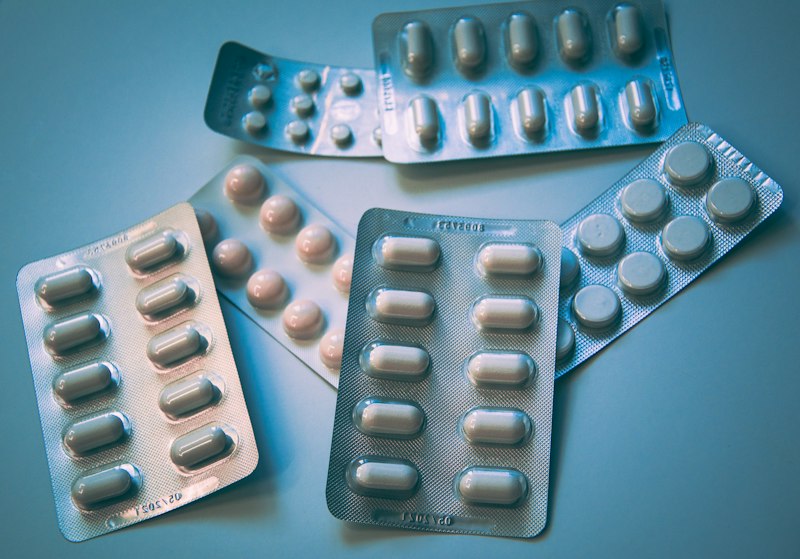
Type II collagen
Type II collagen is mainly distributed in articular cartilage and is the primary structural protein of cartilage. Benefits: supports cartilage structure, relieves symptoms of joint inflammation, and improves joint mobility. Source: mainly extracted from chicken breast cartilage. Type II collagen is available in two forms: hydrolyzed (UC-II non-denatured collagen) and conventional hydrolyzed. UC-II requires only 40 mg daily and protects joints via an immune-modulating mechanism.
Need a Professional Manufacturing Solution?
Complimentary project consultation with dedicated follow-up based on your product needs. Small-batch sampling is available, and production batch sizes are confirmed per project.
Type III collagen
Type III collagen is primarily distributed in the skin, blood vessels, and internal organs, and commonly coexists with Type I collagen. Benefits: supports skin elasticity and suppleness; maintains the structure of vascular walls; supports internal organs. Source: typically extracted together with Type I collagen from bovine hide or fish skin. In cosmetic collagen products, Types I and III are usually used in combination.

How to choose collagen for different supplement goals
Cosmetological purposes → Type I + III collagen (fish collagen, molecular mass < 5000Da, highest absorption). Joint health → Type II collagen (UC-II undenatured collagen 40 mg/day, or hydrolyzed collagen 5000 mg/day). Comprehensive health care → Type I+II+III. Recommended daily dose: hydrolyzed collagen 5000-10000 mg/day, UC-II 40 mg/day. Best time to take: Empty stomach or before sleep for optimal absorption. Combining with vitamin C can boost collagen synthesis.

Collagen market trends and contract manufacturing options
The global collagen category continues to expand, with an expected annual growth rate of around 10% through 2028. Asia–Pacific is the largest region, accounting for over 40% of global share. Collagen trends for 2026: 1. Small‑molecule collagen peptides — ultra‑low molecular weight below 3000Da for higher absorption. 2. Plant‑based collagen alternatives — options for vegetarian/vegan consumers, though the technology remains immature. 3. Functional blends — beauty formulas combining collagen + hyaluronic acid + vitamin C + elastin. 4. Portable formats — ready‑to‑drink shots, jelly sticks and gummies. 5. Men’s collagen — products targeting men’s sports recovery and joint care. OEM/ODM options: Easy Health offers a wide range of collagen manufacturing, including powder stick packs (most popular, 5–10g per pack), hard capsules (suitable for small‑dose actives such as UC‑II) and tablets. Starting quantities and production batch sizes are confirmed per project by the client manager based on formula, packaging and volumes; small‑batch sampling is available. We work with high‑quality collagen ingredient suppliers from Japan and France to ensure raw material quality.
Collagen absorption and bioavailability factors
Collagen product development should distinguish ingredient specifications from consumer efficacy claims. Peptide size, source and accompanying nutrients can be discussed as formulation variables, but absorption, bioavailability, timing of intake, skin outcomes and other health benefits should not be presented as established product effects. Any substantiation and permitted wording need product- and market-specific regulatory review before use.
Collagen supplement guide FAQs
The most common question for consumers about collagen products: Will the collagen be destroyed by stomach acid? The answer is that the molecular mass of hydrolyzed collagen is already very small, does not undergo further decomposition, and can be absorbed directly by the intestines. Are there any alternatives for vegetarians? At present, plant-based alternatives (e.g., soy or wheat extracts) cannot completely replace animal collagen, but they can promote the body's own collagen synthesis.
Article Recap
- Basic knowledge of the collagen.
- Type I collagen
- Type II Collagen
- Type III Collagen
- How to choose the collagen product.
On-time delivery.
Easy Health — a health‑supplement manufacturer in Hong Kong offering one‑stop OEM/ODM, formulation development and packaging services. For projects that require food‑safety certification checks (e.g. FSSC 22000), certificate scope and supporting documents can be reviewed as part of vendor qualification.
Evidence used for product planning should identify the original study or guidance, its scope and its limitations. Review proposed product claims separately before approving label copy.
Fish and bovine collagen FAQs
What about fish and oxen?
Fish collagen has a smaller molecular weight (higher absorption), no religious restrictions (Halal‑friendly), and any fishy note can be managed technologically. Bovine collagen has higher content and is more widely available. Fish collagen is recommended for high‑end beauty products.
What's the gelatin for?
Powder bars are the most popular (high volume, tradable), followed by oral fluids and capsules. A daily recommended dose of 5-10g of glyph protein is difficult to reach and more suitable for powder.
Want to know more about contract manufacturing?
Our professional team will provide you with free counselling at any time.
Free WhatsApp Consultation