Cosmetic bottle selection guide for skincare packaging
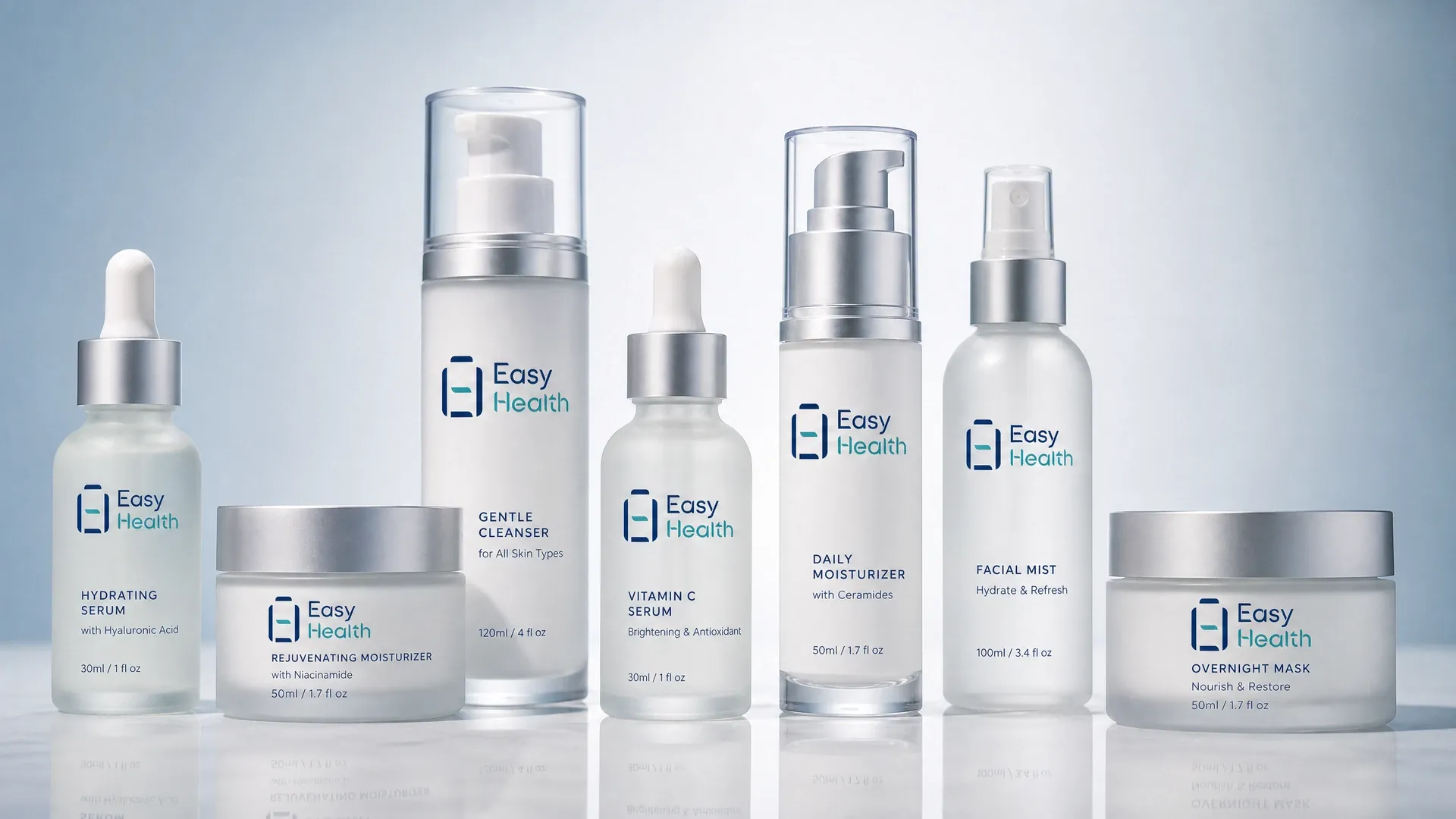
Cosmetic bottle choices go beyond looks: glass vs plastic barrier and compatibility, pump output vs viscosity, neck and liner structures, and bottle decoration and labelling all shape stability, handling and shelf impact. Easy Health operates a Hong Kong facility where packaging and production are coordinated, offering OEM/ODM, design, labels and cartons, bottle/pouch/stick/blister options, sampling and coordinated packaging production.
Summary:Concise guide to selecting cosmetic packaging: skincare glass bottles, plastic cosmetic bottles, and lotion pump bottles. Covers neck finishes, barrier and compatibility, transit protection, decoration and labeling, sampling/testing checklists, plus common pitfalls and alternatives.
How should you compare glass vs plastic cosmetic bottles and pumps?
If you are choosing between skincare glass bottles, plastic cosmetic bottles and lotion pump bottles, this page gives actionable criteria: acids, alcohol, fragrances or oxidation sensitivity; clarity vs matte vs metal look; cross-border transport and weight; pump output, spring and valve matching to viscosity and electrolytes. We also note neck standards (e.g., 18/410, 20/410, 24/410) for accessory fit and labelling/printing considerations on curved, frosted and metallised surfaces. When needed, our account manager will review your formula, channels and merchandising, arrange sampling and coordinate packaging production.
Skincare glass bottles: barrier, neck finishes and closures
Glass provides high barrier and chemical inertness—suited to acids (AHA/BHA), essential‑oil rich or alcohol‑based formulas, and light/oxygen‑sensitive actives. Common necks include 18/410, 20/410, 24/410 and pump/roll finishes. Improve seal integrity with PP/PTFE liners, inner plugs, alu‑plastic caps or TE closures. Pair droppers or pumps for viscous serums; use screw + reducer plugs for low‑vis liquids to control flow. For sprayed, metallised, frosted or spot‑UV bottles, run compatibility and adhesion tests on the finished item (alcohol‑wipe, hot‑humid cycling, cross‑hatch). In logistics, add trays, partitioned cartons and corner cushioning; simulate hot/cold drops per destination and season. For e‑commerce, favour shorter bodies, thick bases and higher shoulders to improve impact resistance.
- High barrier, inert—use for acids/oils/O2‑sensitive
- Neck standards drive pump/dropper fit
- PTFE/PP liners and plugs for sealing
- Re‑test after decoration for adhesion
Plastic cosmetic bottles: materials, structure and recycling
Common plastics: PET, PETG, PP and HDPE. PET is clear and rigid for sprays/cleansers; PETG offers thick‑wall clarity and better stress‑crack resistance; PP/HDPE are matte with stronger chemical resistance for surfactant or oil‑rich formulas. Plan wall thickness, oxygen barrier (multi‑layer or tinted), base push‑up stability, and recycling marks per local rules. For labelling/printing, PET/PETG generally accept inks and labels well; PP/HDPE may need pre‑treatment or specific adhesives. For light‑sensitive actives, use amber/black or UV‑stabilised resins/coatings and add white/UV‑block layers in artwork. To achieve a metallic look without glass weight, consider metallisation with a clear top coat to reduce scuffing.
- PET/PETG for clarity and thick‑wall look
- PP/HDPE for higher chemical resistance, matte
- Use conformable labels and tailored adhesives
- Tint/white layers help light‑sensitive stability
Visual guide: bottle forms, decoration and testing
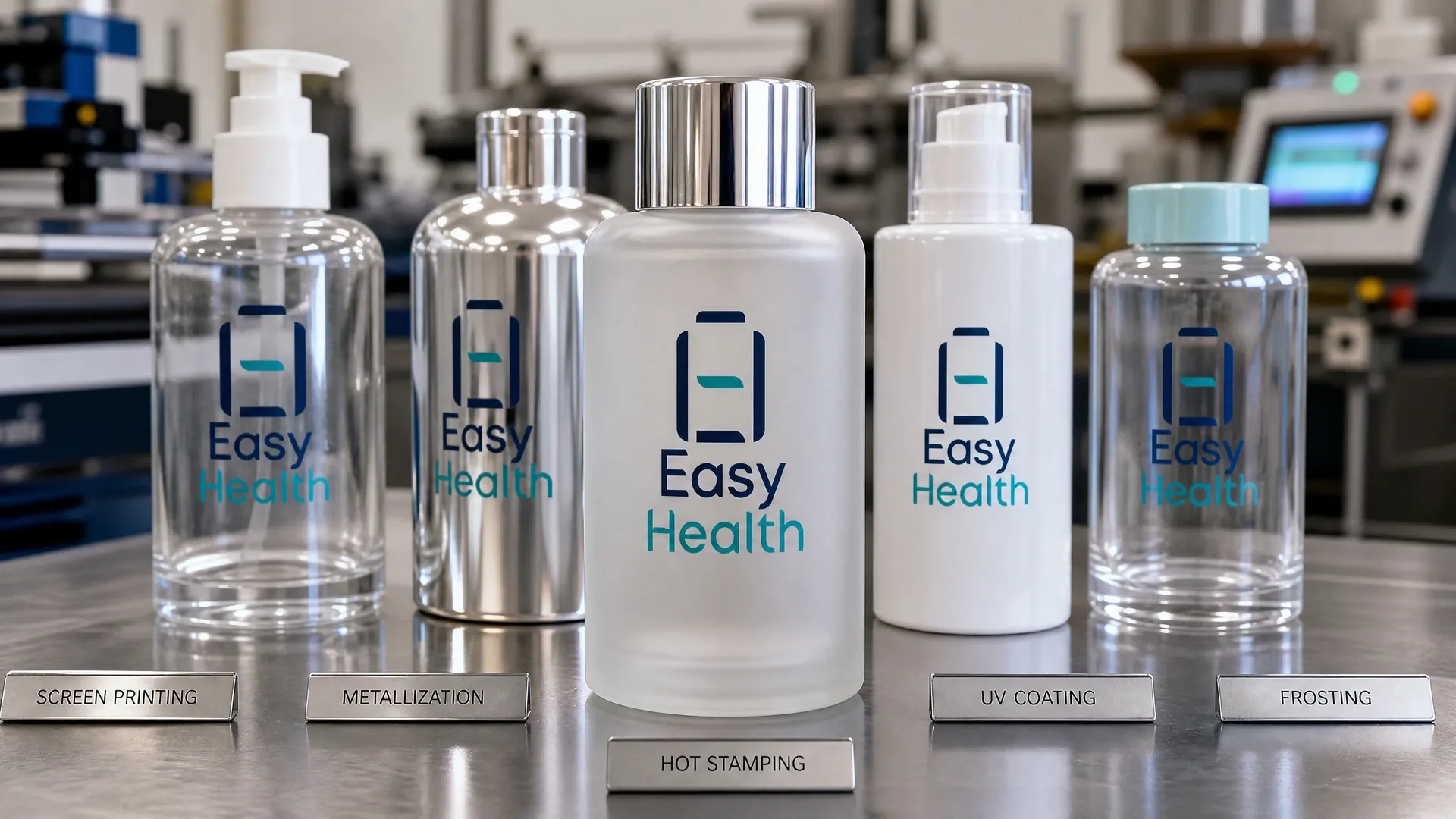
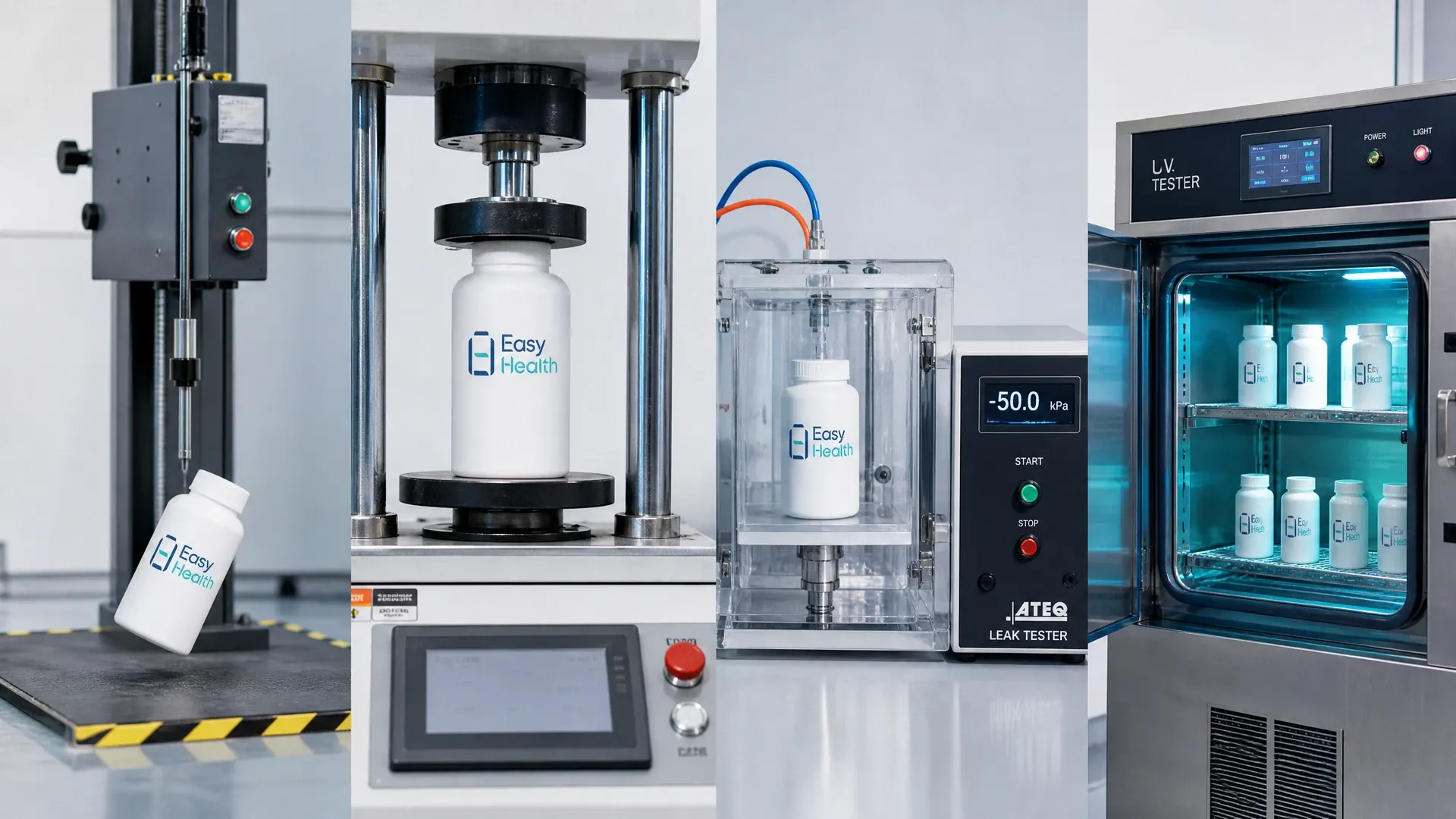
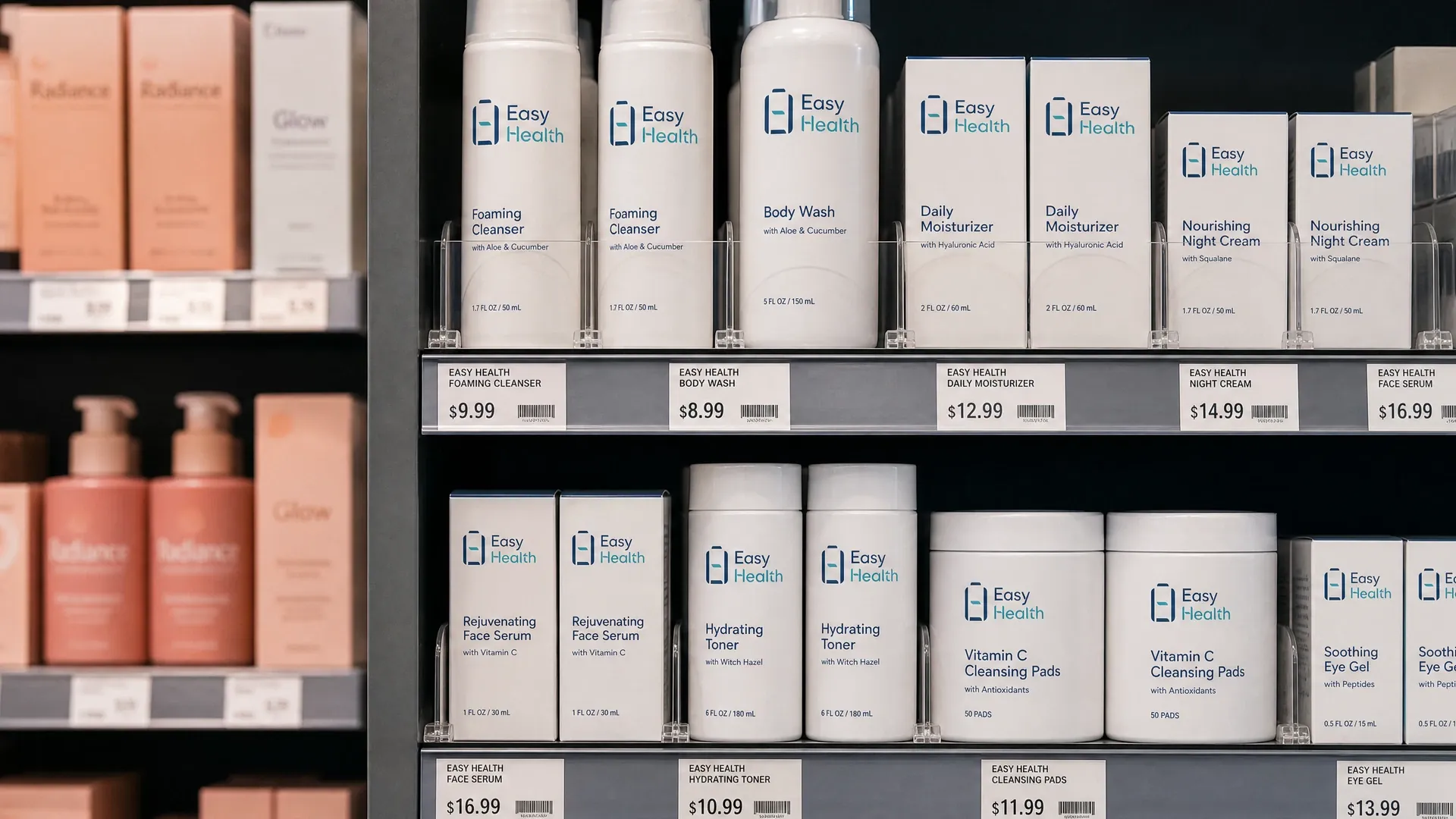
Images below show common cosmetic bottle types, decoration finishes, and basic drop, seal and continuous actuation tests. Use them to compare material look, coating coverage and reflectivity, label conformity on curved/frosted surfaces, and shelf visibility and legibility.
Lotion pump bottle selection: output, viscosity and backflow control
Pump matching and long‑term stability are crucial. Typical outputs range 0.2–1.5 ml/actuation; set it by desired dose and number of presses. High viscosity needs larger chambers, longer strokes and wider dip‑tubes; low viscosity benefits from anti‑drip geometry and sensitive valves. Choose stainless or plastic springs; for saline/acidic or surfactant‑rich formulas, assess corrosion‑resistant options. Use V‑cut/angled dip‑tubes to minimise residue, cut to near the base without curling. Reduce backflow/splatter with dual‑valve layouts and tuned air‑return paths. Add travel locks or clip caps where accidental actuation is a risk. Test leakage, thermal cycling and actuation fatigue on decorated, filled assemblies before approving mass production.
- Set output by dose and feel
- High viscosity: larger chamber/longer stroke/wider tube
- Check corrosion safety for saline/acidic systems
- V‑cut tube, dual‑valve and anti‑drip geometry
Decoration and labelling: process options and test list
Decoration options include spray coating (clear/translucent/solid), metallisation, screen, hot foil, pad and heat‑transfer, with PS labels or sleeves. For glass, balance scratch resistance, alcohol tolerance and thermal cycling; for plastics, verify surface energy, primer and top‑coat compatibility. Use conformable label stocks on curves; apply segmented die‑cuts for complex shapes. Add white/metal underlayers for opacity and contrast. During sampling, test with actual fill or simulants: cross‑hatch, tape‑pull, alcohol‑wipe, climate cycling and condensation. Check barcode scanability and placement of lot/expiry/tracking info. On shelf, manage reflectivity so branding stays legible under lighting.
- Re‑test adhesion and wipe resistance
- Conformable labels and segmented dies
- White/UV‑block for opacity and light protection
- Verify barcode scans and lot code placement
How Easy Health coordinates bottle selection
- Requirements and formula focus:Review actives, viscosity, solvents/oils, light/oxygen sensitivity, dose and channels.
- Bottle and closure proposal:Propose glass/plastic bottles and pump/spray specs, outlining material risks.
- Compatibility and functional tests:Run compatibility, leakage, output, backflow and corrosion tests; refine materials.
- Sampling and decoration sign‑off:Arrange samples; confirm coating/plating/printing, label fit, colour and scratch resistance.
- Labelling and compliance check:Prepare label fields, languages and warnings per market; proof and test in advance.
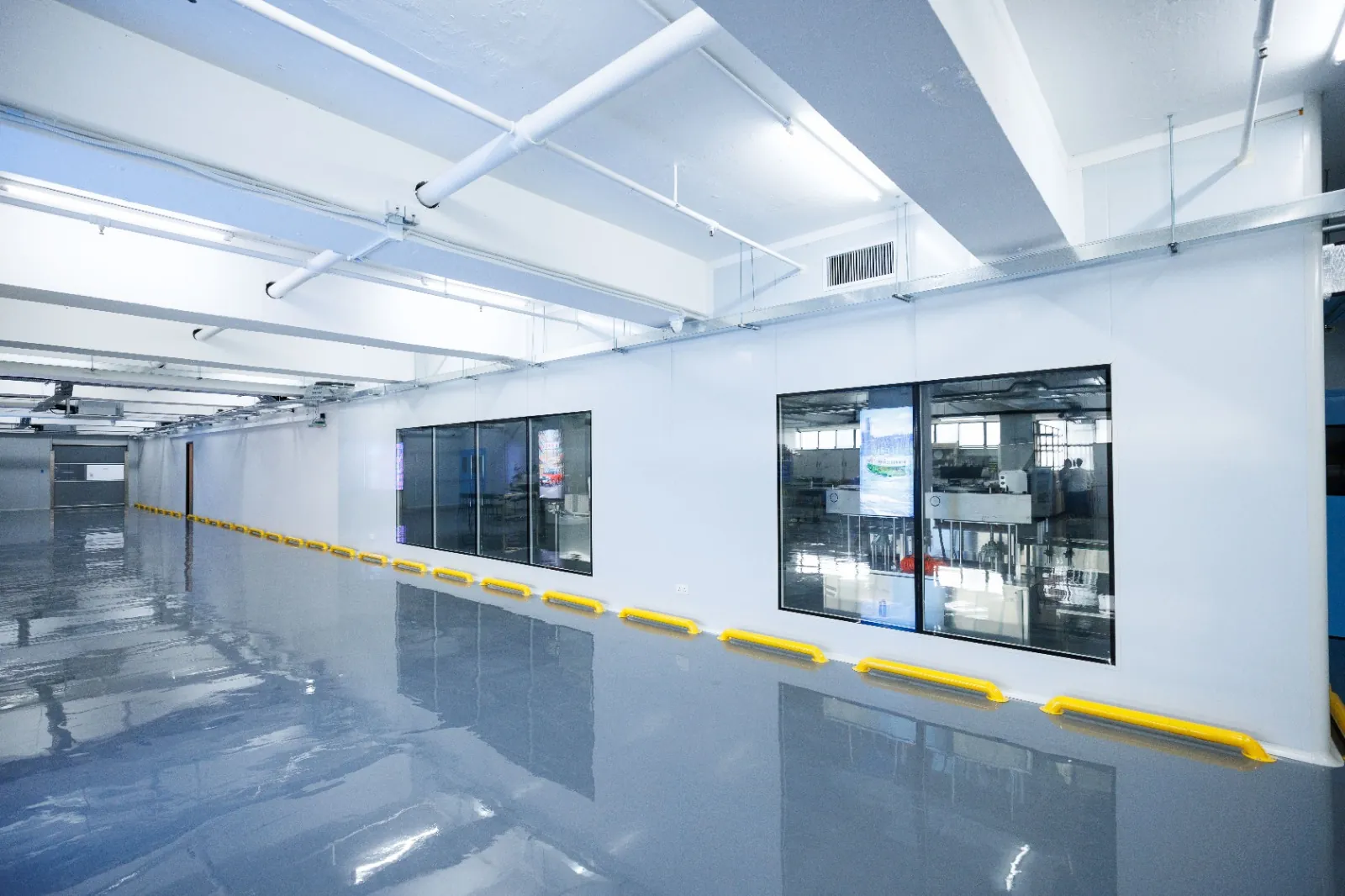
Inside the Easy Health Hong Kong Facility


Common cosmetic bottle materials (quick reference)
| Material | Barrier/compatibility | Look & feel | Closures/accessories/neck standards/notes |
|---|---|---|---|
| Glass | High barrier, inert | Clear/frosted, heavy base | Screw/pump/dropper; 18/410–24/410; use inserts, drop protection |
| PET | Moderate barrier; crack‑resist; avoid strong solvents | High clarity, lightweight | Screw/spray; 20/410 common; avoid heat warpage |
| PETG | Moderate barrier; tougher | Thick‑wall clarity, heft | Screw/pump; 20/410–24/410; prone to scuffing |
| PP/HDPE | Higher chemical resistance, matte | Soft touch, shatter‑tolerant | Screw/pump; 24/410 common; surface energy for labels |
| PMMA/AS (thick‑wall look) | Limited solvent tolerance | High refractive, glass‑like | Mostly screw; verify print adhesion |
Guidance only. Final selection should combine formula tests, channel and logistics context, with account manager confirmation.
Pre-final checks for bottles and pumps
- Confirm formula compatibility with bottle material (fragrance/acid/salt/alcohol).
- Match pump output to viscosity, usage frequency and preferred feel.
- Validate spring and valve materials for corrosion and fatigue.
- Dip‑tube length, V‑cut and no curling; low residuals at end of use.
- Pass drop, hot/cold cycling and seal integrity tests.
- Re‑test adhesion, alcohol‑wipe and scratch resistance after decoration.
Cosmetic bottle selection FAQs
How do I choose between glass and plastic cosmetic bottles?
Start with formula sensitivity: acids, essential oils or oxidation‑prone actives favour glass; lightweight, shatter tolerance or travel‑friendly handling favour plastics. Align with brand look (clear/matte/metal), logistics (cross‑border, air, home‑delivery) and labelling needs. Test with your formula for compatibility, drop, light and climate cycling, then confirm with our account manager.
How do I match lotion pump bottles to viscosity and output?
Work back from dose per use and desired presses to set output, then pick the chamber size and spring force. For higher viscosity, use larger chambers, longer strokes and wider dip‑tubes with lower valve resistance; for low viscosity, prioritise anti‑drip features and sensitive valves. Use V‑cut tubes to clear residues and test priming, backflow and end‑of‑use residue with the actual formula.
Will spray coating or metallisation on glass affect compatibility?
It can. Coating chemistry, solvents, hardness and adhesion all impact wipe resistance, scratch performance and label stability. Test on finished decorated bottles: alcohol‑wipe, cross‑hatch, tape‑pull, climate cycling and condensation. Adjust coating systems or switch to selective print/foil if needed.
Labels lift on plastic bottles—how can I fix this?
Check material and surface energy. PP/HDPE may need pre‑treatment or LSE‑specific adhesives. Use conformable stocks for curves and reduce edge spring‑back; increase white‑ink coverage for opacity. Control temperature/humidity and cleanliness during application, and validate on decorated bottles with wipe tests.
Do e-commerce channels need extra protection?
Yes. Prefer shorter bodies, heavy bases and higher shoulders for impact resistance, add partitions and cushioning in cartons. For glass, trays and shoulder rings absorb shocks; for plastics, check base push‑ups against compression. Run drop and climate tests on the final packed set to verify seal and appearance.
Related Packaging Services
Discuss bottle and pump options for your formula
WhatsApp us your formula highlights, target dose and use scenario. Our account manager will assess your needs, arrange sampling and coordinate packaging production, with related steps and checks completed through our Hong Kong facility.
Last updated: