Cleanser packaging design for skincare and sunscreen packs
Cleansers and sunscreens differ markedly in viscosity, sensorials and usage scenarios, demanding distinct structures and barriers. This page guides you through foaming pumps, tubes, and airless formats, plus travel minis and segmented SKUs. Easy Health coordinates design, labels and cartons, sampling and packaging production in Hong Kong. Timelines vary by project and are confirmed by your account manager.
Summary:Packaging support for cleansers and sunscreens in Hong Kong: design-to-production coordination across tubes, foaming and airless pumps, travel minis, and cartons, plus label/box design and sampling. Work proceeds in a GMP-standard environment, with projects assessed and managed by dedicated account managers.
Which pack structures suit different cleanser and sunscreen viscosities?
Gel/mousse cleansers fit foaming pumps or PP/PE bottles with anti-slip flip-tops. Creamy cleansers often use multi-layer tubes (EVOH optional for added barrier). Most mid-to-low flow sunscreens go into tubes; formulas prone to oxidation or with volatile components suit airless pumps or bag-in-bottle systems, with tinted or UV-absorbing packages and inner barriers considered. Always run compatibility and dispensing control tests; your account manager will refine and confirm per project.
Cleanser packaging design: foaming, wet-hand use and dosing
For cleanser packaging, aim for one-handed, wet-hand operation with secure sealing. Mousse formats suit foaming pumps to generate fine foam at lower surfactant dosing. Gels and creams work with flip-top bottles or multi-layer tubes; add finger rests or anti-slip textures for grip. Scrubs or high-viscosity amino-acid systems need larger orifices and tests for suck-back and residue. In humid bathrooms, choose water-resistant labels and wrinkle-resistant films. Family sizes may use lockable or twist-to-close features. Secondary cartons for sets should balance moisture protection and shelf appeal without over-packaging.
- Foaming pumps: air–liquid ratio and mesh define foam quality
- Tubes: co-extruded/multi-layer improve odour and O2 barrier
- Flip-tops: leak-preventing liners and textured grips
- Labels: water- and surfactant-resistant stock/inks
Sunscreen packaging design: barriers, dosing and light protection
Beyond dosing control, sunscreen packs must mitigate UV and oxygen exposure. For oil-rich or oxidation-prone filters, use airless pumps or bag-in-bottle to minimise ingress. Multi-layer co-ex tubes (EVOH/PA) improve barrier and reduce odour permeation. Outdoor use calls for one-hand operation and leak resistance; choose durable hinges and anti-kink flip-tops. Higher viscosities benefit from narrow-orifice nozzles to reduce single-dose volume. For light protection, use amber or smoke tints or UV-absorbing masterbatch. Add tactile grips to prevent slips when hands are sweaty. Travel, kids and sports lines require stronger locks, impact-resistant plungers and anti-accidental-opening tests.
- Airless: reduces oxygen ingress, stabilises first-dose
- Multi-layer tubes: EVOH/PA for barrier strength
- Light-shielding: amber/smoke/UV-absorbing resins
- Outdoor: narrow nozzles and durable flip-top hinges
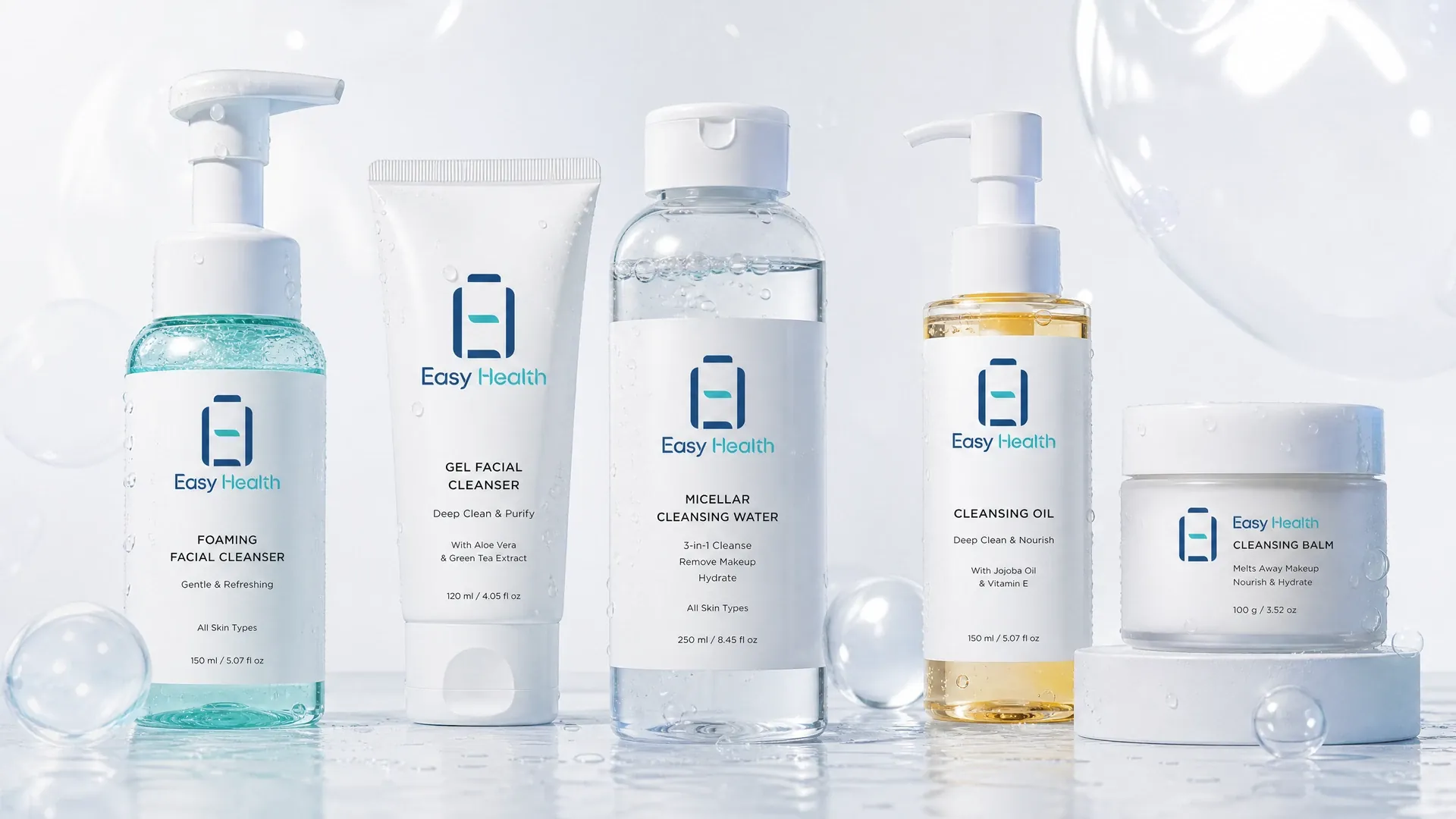
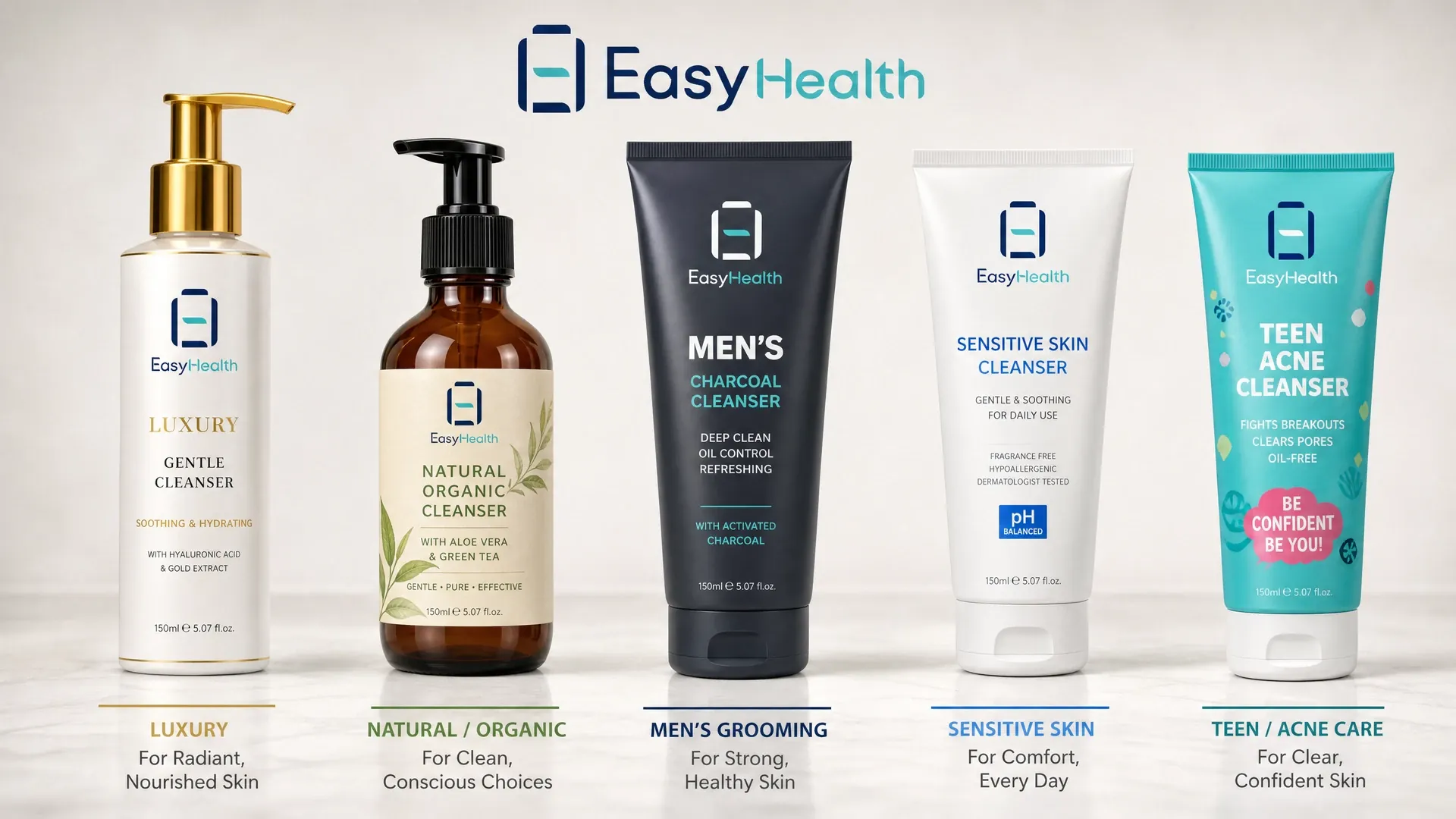
Visual guide: structures and scenarios for cleansers and sunscreens
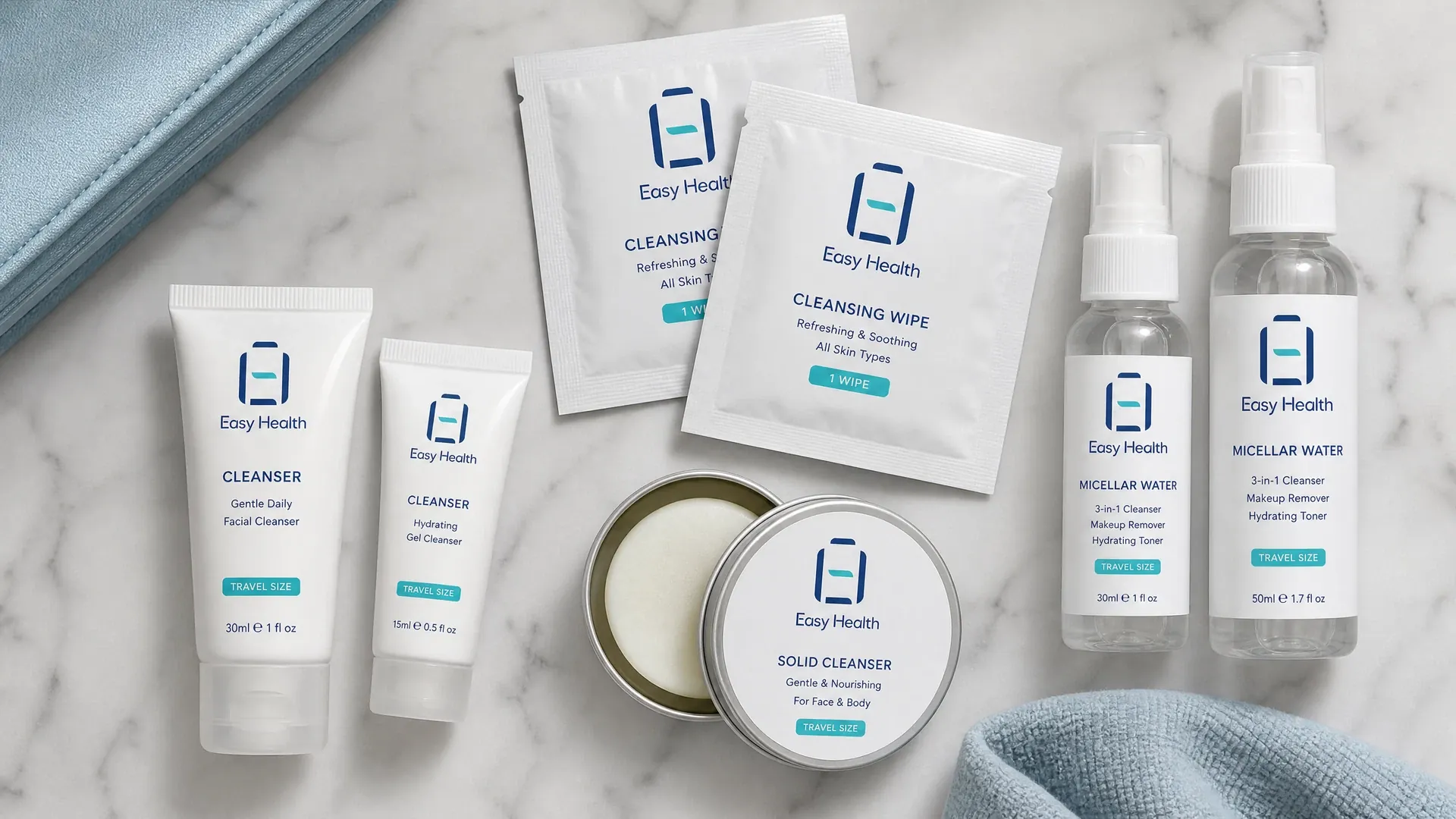
The visuals illustrate foaming pumps, tubes, airless and sachets across home and travel use, highlighting grip, opening mechanics and on-shelf segmentation. Use them as references for sampling and merchandising alignment.
Japanese-style skincare packaging: minimal, translucent, tactile
Japanese-style packaging prioritises restraint and function: white space, low-saturation palettes, native material tones and refined matt finishes for cleanser/sunscreen lines. Structures are light-walled with smooth radii. Visuals employ grid systems and balanced proportions; consider frosted PP, semi-matte PETG, matte tube films and fine-sand coatings, finished with selective foil or spot UV. Separate bilingual information blocks and make SPF/PA highly legible. For sustainability, consider PCR PP/PE tubes and detachable pumps, with clear recycling disassembly cues.
- White space and muted palette highlight form
- Semi-matte substrates with spot gloss contrast
- Soft radii and lightweight feel
- Info zoning; clear SPF/PA readouts
Travel packs and range segmentation: sizes, structures and testing
Travel, outdoor and gym contexts require lightweight, leak-resistant builds. Cleansers: 30–60 ml tubes or mini foaming pumps with drop, seal and fatigue tests. Sunscreens: narrow-nozzle tubes, mini airless or clip bottles with locks and anti-accidental openings. Kids/sensitive lines should be visually distinguished with larger instructions and icons. Trial promotions can use sachets/sticks; specify foil/nylon layers and seal strength to prevent leaks. For multi-climate shipping, assess temperature–humidity cycles and pressure changes, especially air freight. Run compatibility, sweat/UV exposure and weathering tests for all structures.
- Small tubes/foaming minis: leak/drop testing
- Mini airless for premium or oxidation-prone formulas
- Sachets: focus on heat-seal and interlayer strength
- Clear line differentiation with larger guidance
Hong Kong-coordinated packaging design workflow
- Briefing and assessment:Your account manager reviews formula traits, viscosity, use scenarios and styling to propose initial structures, materials and barriers.
- Structure and visual proposal:Propose foaming/tube/airless options with label/carton directions; confirm size, orifice and dosing.
- Sampling and compatibility tests:Arrange samples and coordinate compatibility, drop, water-resistance and light-exposure tests; adjust as needed.
- Supply coordination and production:Coordinate materials and printing, finalise artwork, colour standards and QC specs; timelines vary by project.
- Packing and dispatch confirmation:Pack and check against agreed specs, advise on cartonisation/transport, and complete delivery documents.
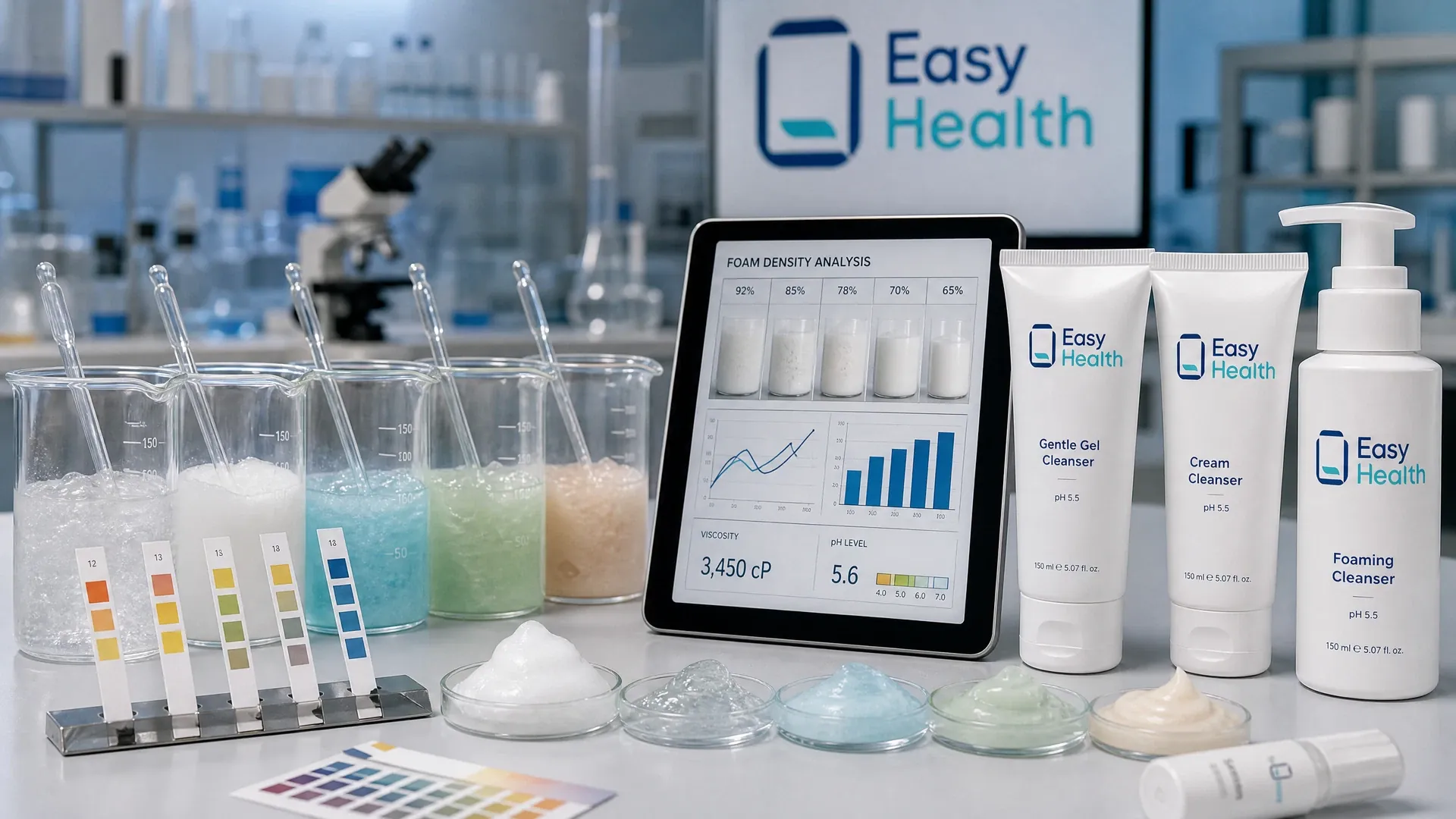
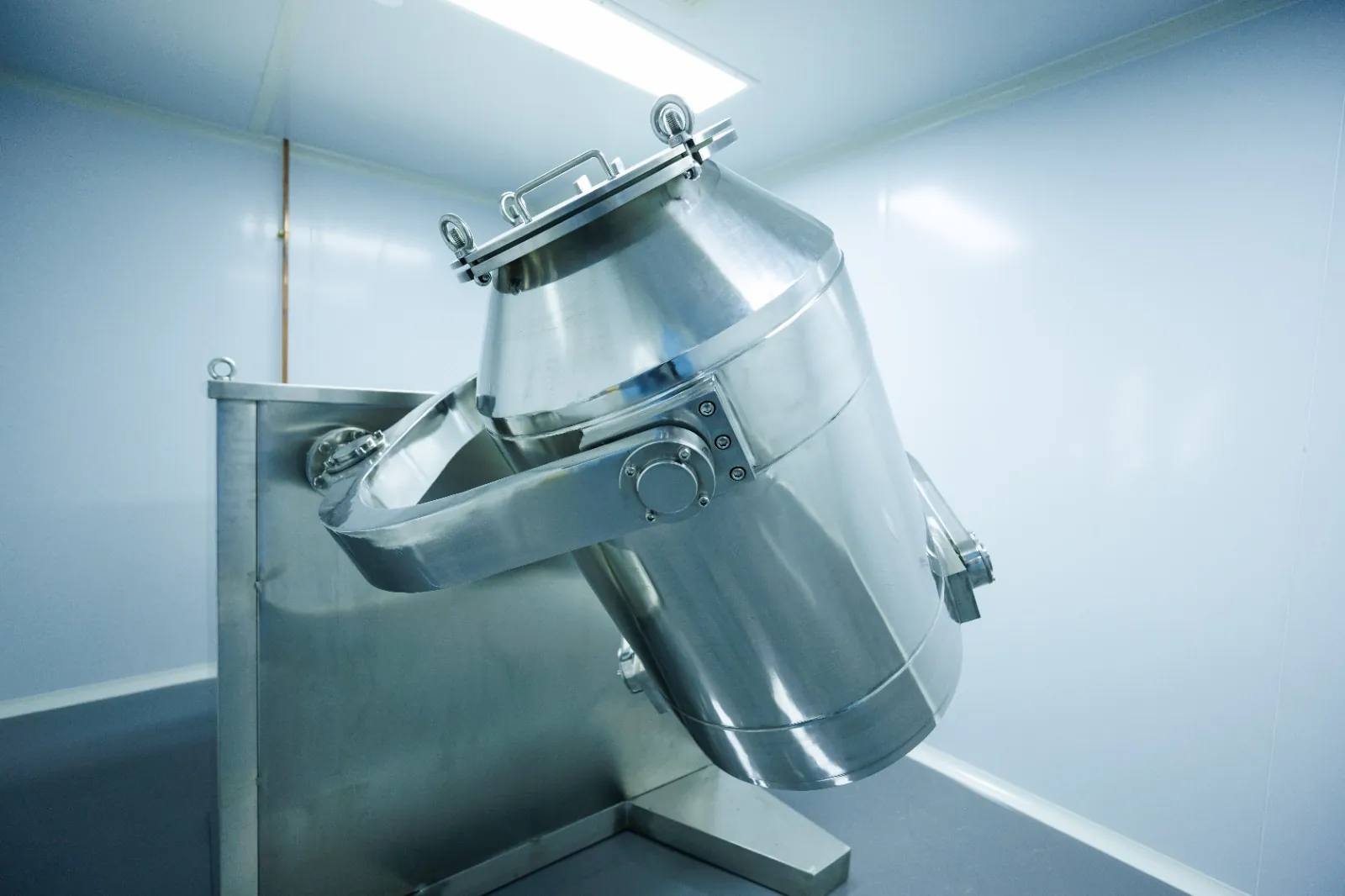
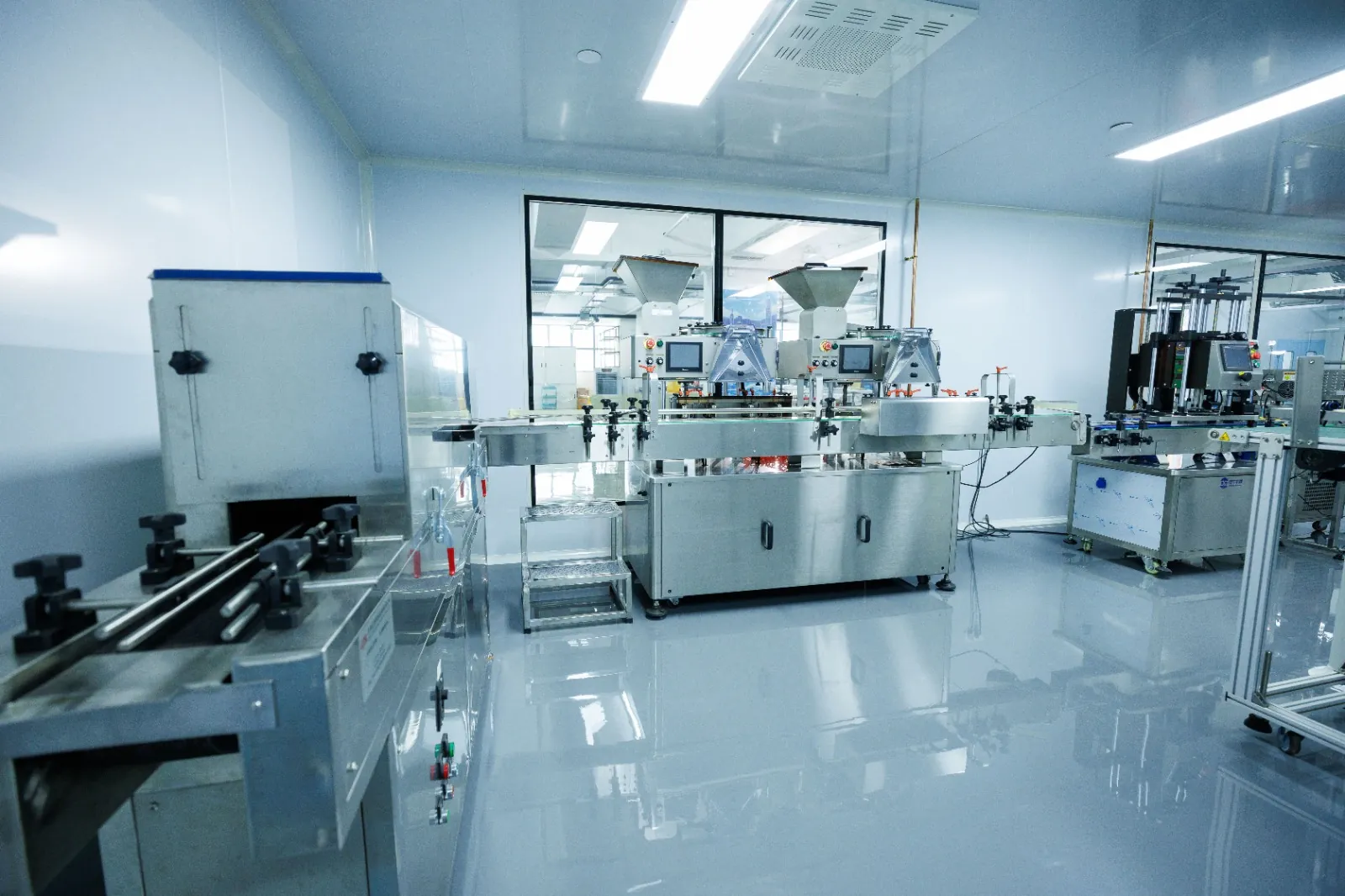
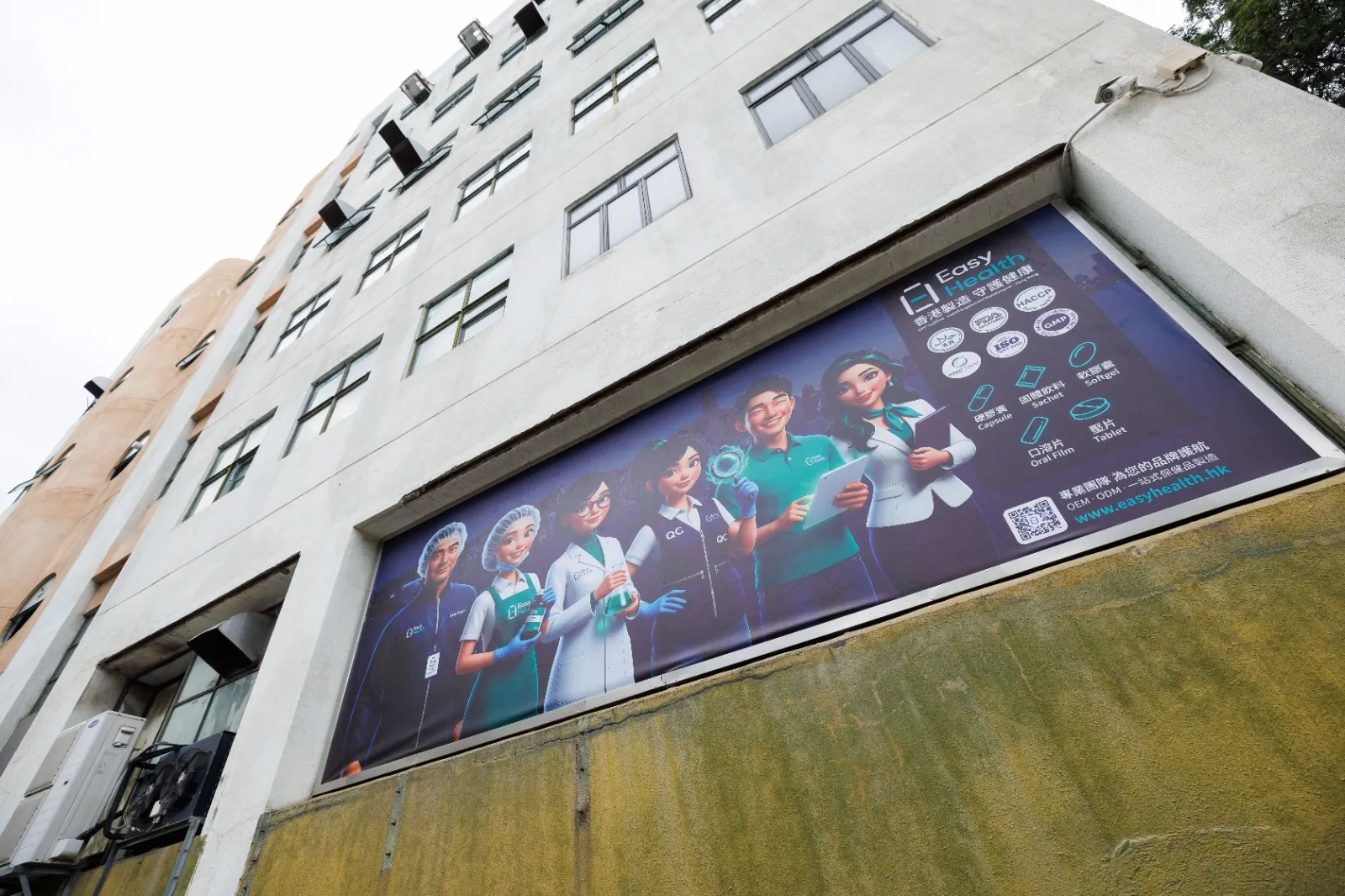
Inside the Easy Health Hong Kong Facility
Common structures for cleanser and sunscreen packs
| Structure | Typical materials | Viscosity fit | Key strengths | Notes |
|---|---|---|---|---|
| Foaming pump bottle | PP/PE with foamer | Low–medium | Fine foam, wet-hand friendly | Tune air–liquid ratio/mesh |
| Flip-top bottle | HDPE/PP | Low–medium | One-hand open, controlled dosing | Hinge durability and leak seal |
| Multi-layer tube | PE + EVOH/PA | Medium–high | Barrier, portable | Seal strength and roll-back |
| Airless pump | PET/PP + airless | Medium–high | Low oxygen ingress, precise dose | Compatibility and first-shot |
| Sachet/stick | Foil/nylon laminate | Low–medium | Lightweight for trials/travel | Heat seal and interlayer strength |
General guidance only; final choices depend on testing and account manager confirmation.
Pre-design and sampling checklist
- Confirm viscosity and abrasives to size orifices and select pump type.
- Assess need for multi-layer tubes or airless for barrier performance.
- Specify label stock/inks resistant to water, sweat and surfactants.
- Define light protection via tints, UV masterbatch or liners.
- Run compatibility, drop and dispensing stability tests.
- Plan travel vs main sizes and test anti-accidental opening.
Cleanser and sunscreen packaging FAQs
Can we use PCR materials for tubes or bottles?
Yes, PCR PP/PE can be considered. Run colour stability, odour and mechanical tests. For sunscreens, verify barrier and light shielding; position PCR layers appropriately in multi-layer structures to balance aesthetics and performance.
What helps labels resist wrinkling or lifting in bathrooms?
Specify water- and surfactant-resistant stocks and inks, and adhesives suited for curves. For tubes, use conformable film labels or direct printing. Improve surface treatment (e.g., corona/coating) and validate via 24–72 h soak-and-wipe tests.
How do we validate sunscreen stability in-pack?
Use a trio approach: light protection (tints/UV masterbatch), barrier (multi-layer tubes/airless) and compatibility (liners, valves, gaskets). Combine accelerated temp cycling, UV/light exposure and first/last-dose assays; your account manager coordinates specifics.
What files and specifications are needed for sampling?
Share structure selection (bottle/pump/tube), orifice and target dose, volume, label layout or tube print die line, carton die line, Pantone references and finishes. Provide AI/PDF vectors plus 3D references and critical clearances.
What storage and transport checks should be planned?
Avoid heat, direct sun and over-stacking. For long-haul/air shipments, use proper dunnage and run drop plus temp–humidity cycles. For tubes and airless, check seals and valves for leakage after pressure changes.
Related Packaging Services
Discuss your cleanser and sunscreen packaging brief
Share your formula traits, volumes and style goals. Easy Health in Hong Kong coordinates labels, cartons, sampling and packaging production. Your account manager will assess and confirm details; timelines vary by project.
Last updated: