Cosmetics container selection guide
This guide focuses on practical decisions for cosmetics container selection: chemical compatibility checks, material choices, when to opt for airless or mist, and specifying droppers and light protection for serum containers. With a Hong Kong facility and GMP-standard environment, Easy Health coordinates labels, cartons, components sampling and packaging production, with details confirmed by your project manager.
Summary:Cosmetic packaging goes beyond aesthetics. This page covers viscosity and actives sensitivity, barrier and closure selection, transport testing, and compliance labelling—helping you match materials and components, coordinate sampling, and finalize project details with oversight.
Should I decide the look first, or the material and closure?
Start with formulation-driven choices, then finalise shape and decoration. Steps: 1) Assess viscosity, pH, solvent/essential oil content, and light/oxygen sensitivity; 2) Choose between glass, PET, HDPE, PP, acrylic (PMMA), PCR or bio-based per compatibility and barrier; 3) Specify closure (dropper, pump, mist, airless) and liners/inserts; 4) Run compatibility and leak tests; 5) Finalise form factor, tactile feel and print options.
1) Cosmetic packaging material selection: compatibility and barrier checks
Let the formulation dictate the packaging material. Alcohols, solvents, acidic/alkaline systems and high oil phases raise extraction and stress-cracking risks in plastics; light-sensitive actives call for amber glass, opal bottles or secondary cartons. Glass offers high chemical inertness and premium tactility—ideal for serums and oils. PET provides clarity and light weight for cleansers and mists. HDPE/PP offer better chemical resistance for washes, body care and kids’ lines. Acrylic (PMMA) delivers visual depth but weaker solvent resistance, often used as an outer shell. For sustainable options, consider PCR or bio-based plastics, then verify odour and mechanical properties. Add induction foil seals or adopt airless structures to reduce oxidation.
- Glass: inert, amber/opal options suit active serums
- PET: clear and light; check compatibility with solvents
- HDPE/PP: robust chemical resistance; decoration can be coordinated
- PMMA: high-clarity outer shells; pair with inner bottles
2) Closures: droppers, pumps, mists and airless systems
Closures shape dosing and user experience. Droppers suit low–medium viscosity serums; specify bulb volume (e.g., 0.5–1.0 ml), neck finish, and wiper for clean dispensing. Pumps fit lotions/gels—match pump core (POM/PP), spring spec, and target dose per stroke. Mists require defined spray angle and droplet distribution. Airless packs reduce backflow and oxygen exposure for sensitive or low-preservative formulas, but rely on viscosity and rebound—run full-stroke validation before scaling. Add inserts/liners and induction seals to improve transport robustness and first-open integrity.
- Serum containers often use droppers—tune bulb volume and wiper
- Lotions: pick pumps with consistent dose and rebound
- Mists: define spray angle and droplet size distribution
- Airless: for oxidation-prone formulas; check viscosity window
At-a-glance visuals: structures and sealing details
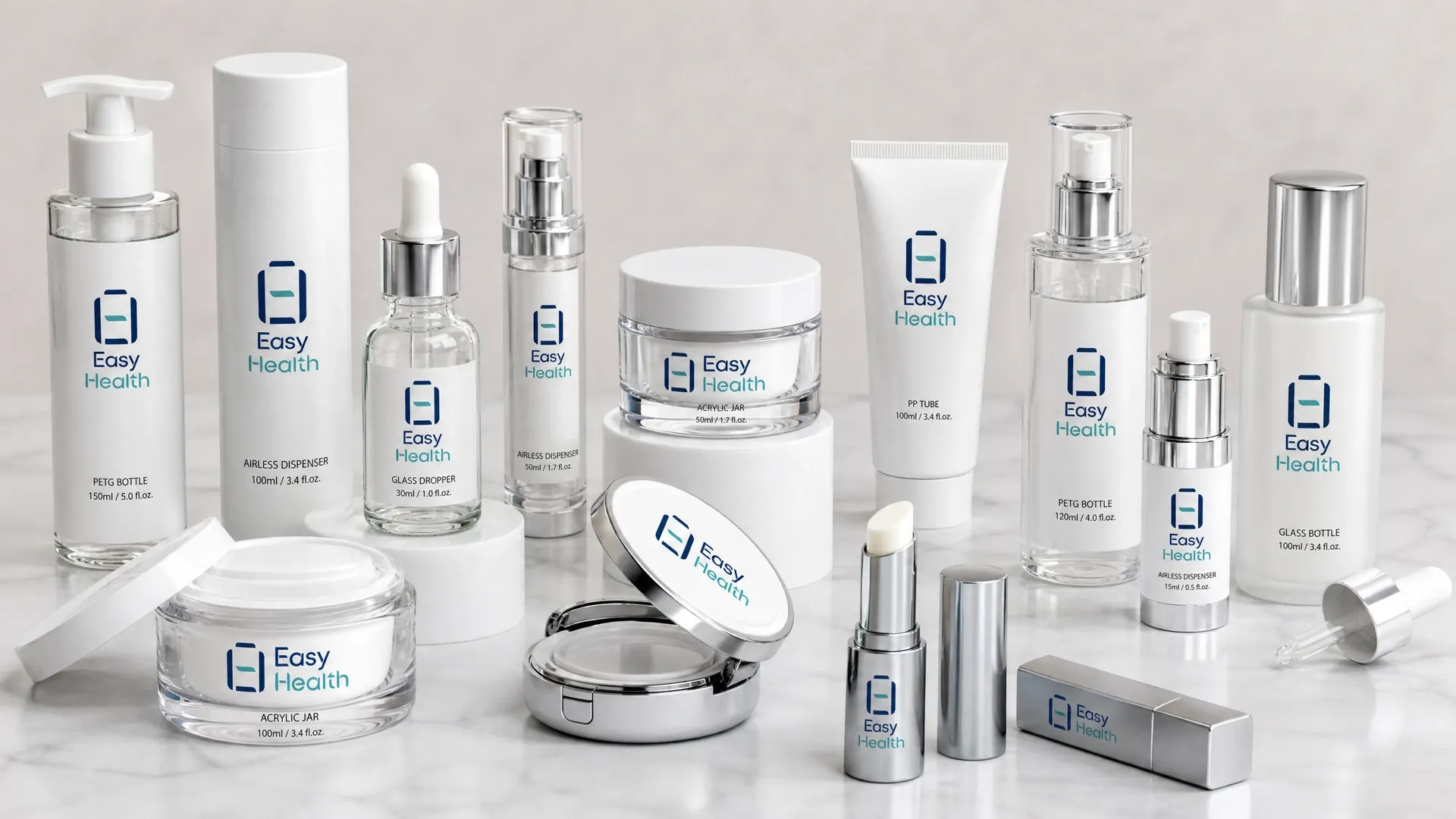
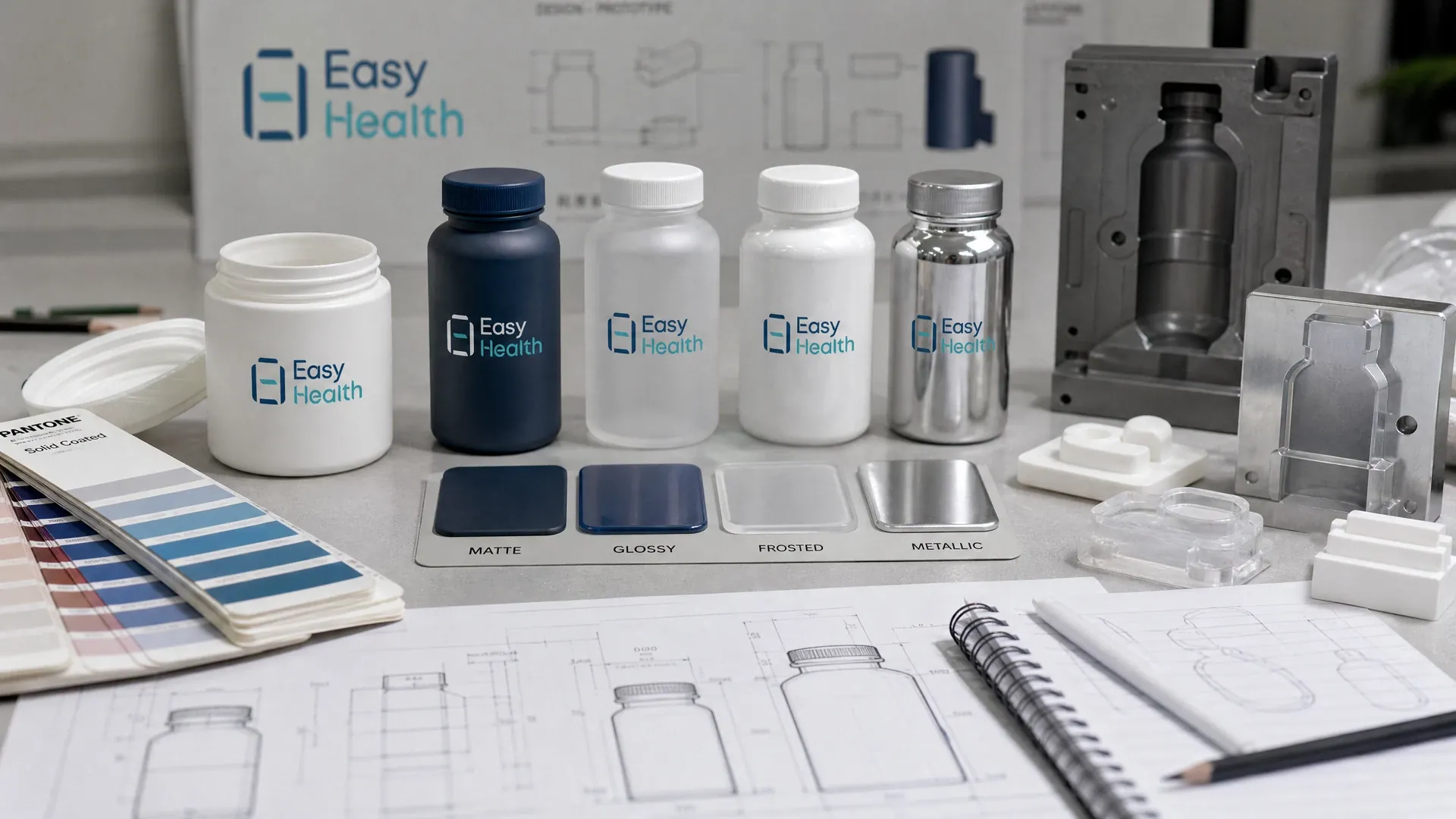
Images illustrate common structures (dropper, pump, airless), inserts and liner types, light-protection options and secondary packaging fit. We also show label zones and legibility tips to help teams align on specifications quickly.
3) Testing and verification: from compatibility to transit
Before finalising, cover three test domains: 1) Compatibility/stability: accelerated and ambient checks for deformation, leakage, discolouration and odour transfer; 2) Function/seal: inversion, drop, pressure/vacuum and cycling to validate dose consistency and rebound; 3) Transit/display: simulate long-haul transport, humidity/temperature swings and shelf lighting to catch label lift and actuator lock failures. Consider induction foil, EPE/PS liners or inner plugs to enhance sealing. Easy Health coordinates sampling and packaging production; timelines depend on the project and are confirmed by the project manager.
- Run both accelerated and ambient studies
- Validate dosing, rebound and sealing
- Assess transport and shelf lighting together
- Add induction seal or inner plug if needed
4) Decoration and labelling: durability and information
Balance look and durability. Common methods include screen print, heat transfer, foil, pressure-sensitive and shrink sleeves; for soft or low-surface-energy substrates, specify compatible inks or switch to sleeves. Labels should cover bilingual name, INCI listing, net content, directions, cautions, batch code and expiry/PAO, avoiding therapeutic claims. For multi-market launches, confirm symbols, font sizes and mandatory statements with local requirements. Easy Health coordinates labels and cartons, validating layout during sampling.
- Use clean-resistant decorations to prevent rub-off
- Consider sleeves for curved or low-energy surfaces
- Include INCI, batch and expiry/PAO on label
- Verify languages and symbols for each market
How Easy Health supports container pre-selection
- Scoping and pre-selection:Your project manager reviews formula traits, target users and channels, proposes candidate materials and closures, and compiles a sampling list.
- Sampling and test plan:We arrange components sampling and agree on test items and acceptance criteria (compatibility, sealing, transit, light).
- Label and carton coordination:We coordinate label and carton supply, provide die-lines and verify artwork; materials/inks adjusted where needed.
- Pilot validation and production:Run a pilot, review test outcomes, fine-tune specs as needed; production and delivery timelines are confirmed by the project manager.
- Quality management in Hong Kong:Managed in our Hong Kong facility with procedures referencing GMP principles and the FSSC 22000 framework, focusing on hygiene, traceability and identification.
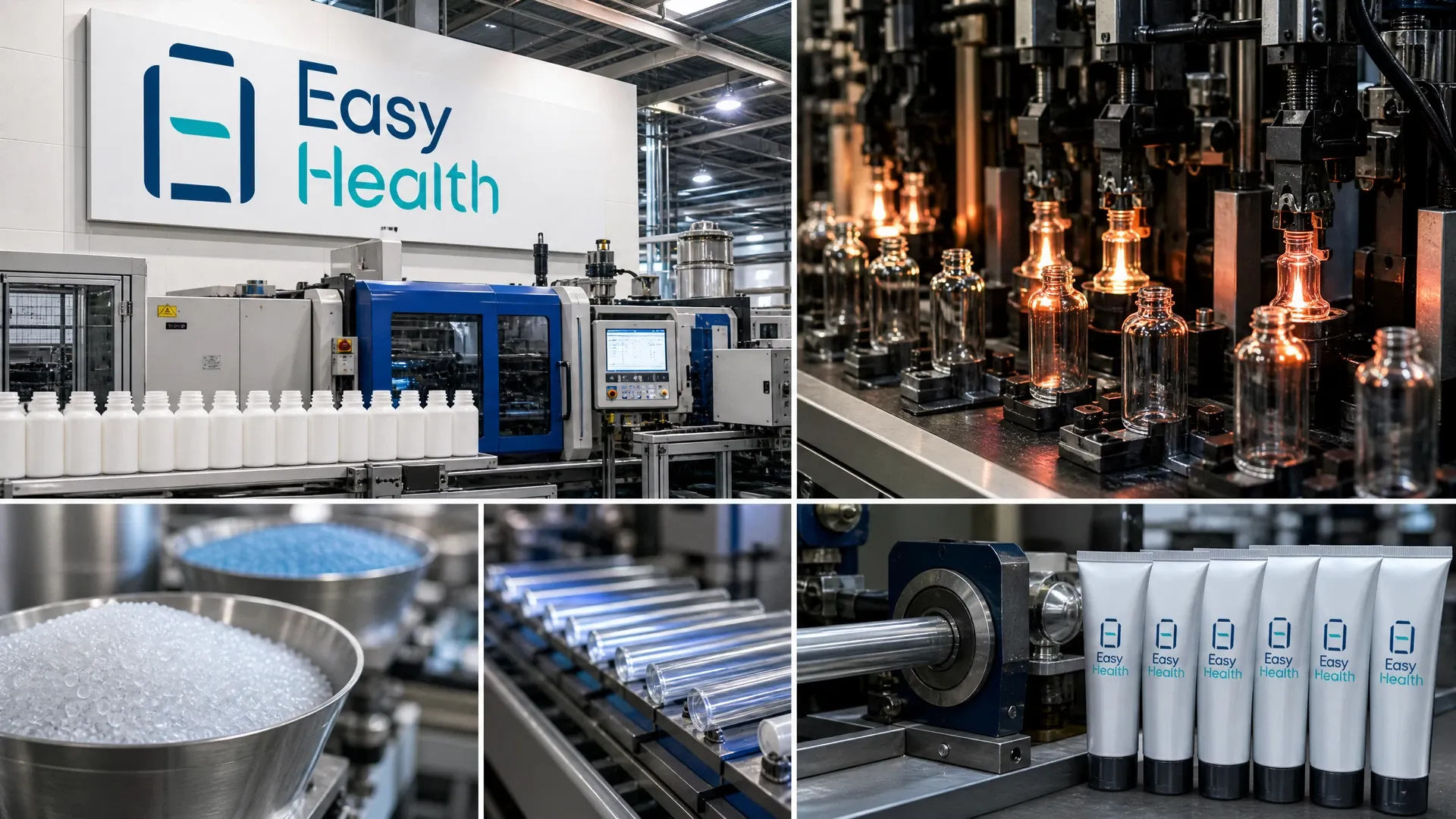
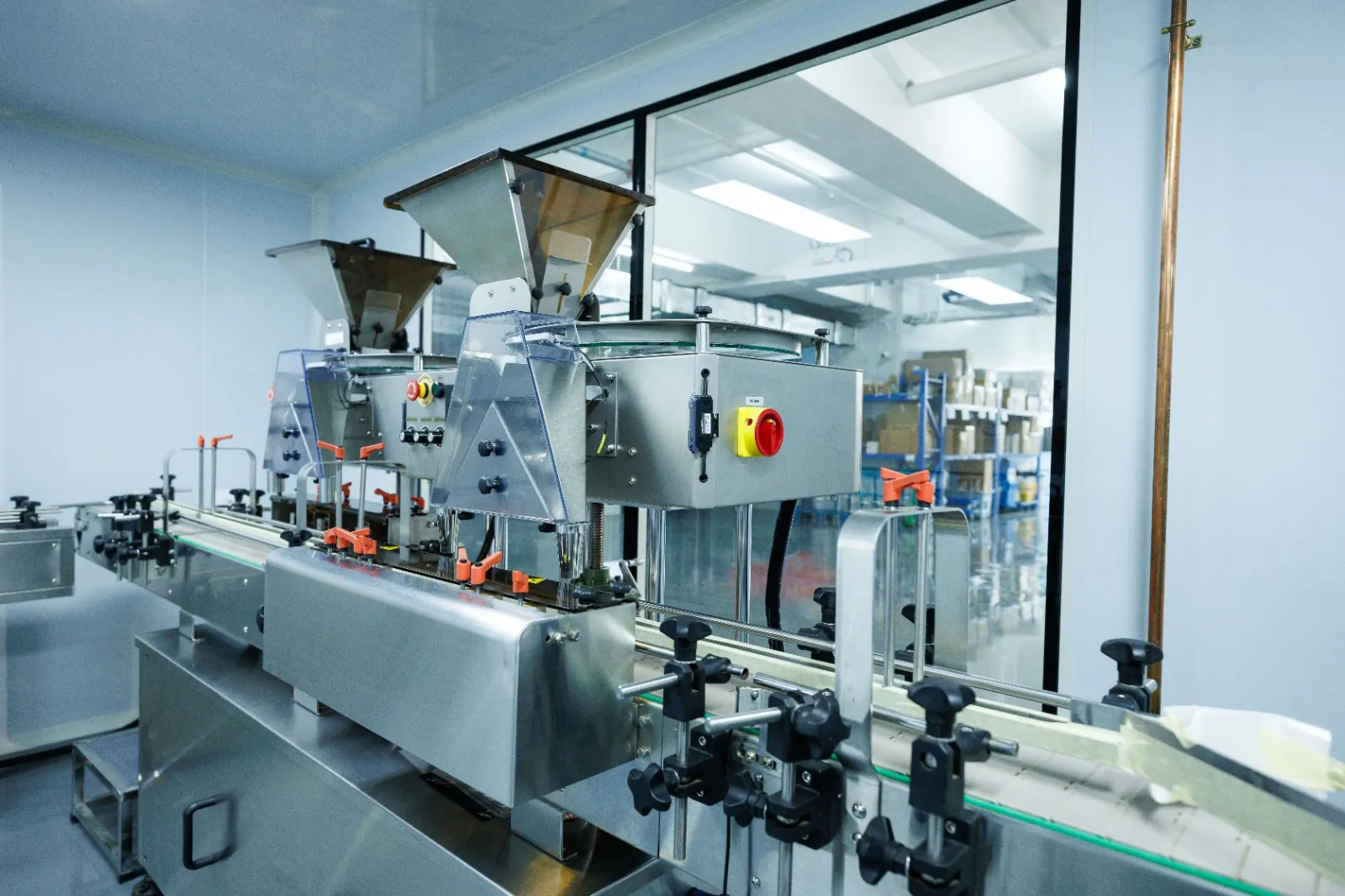
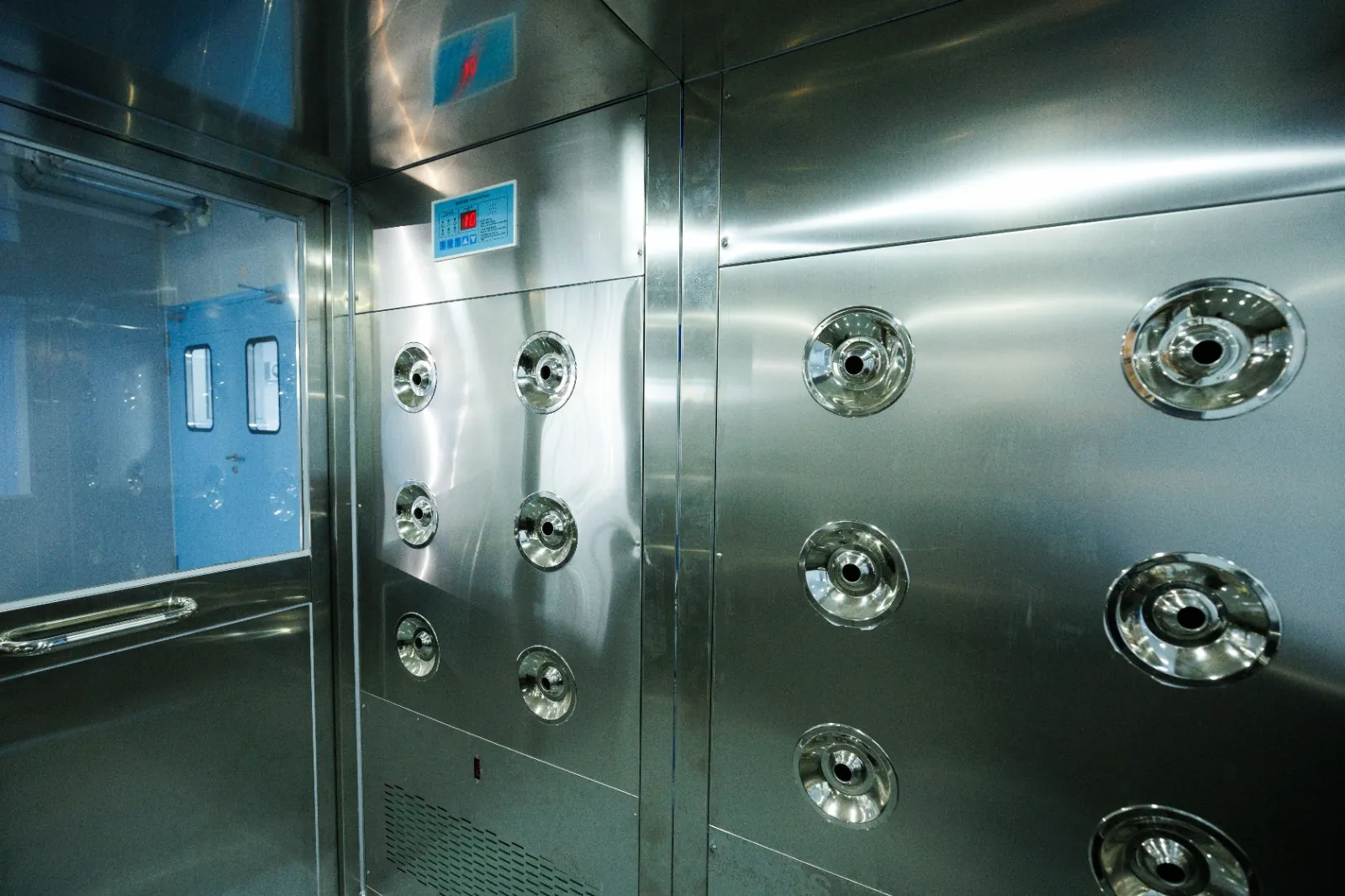
Inside the Easy Health Hong Kong Facility

Common cosmetic containers and suitability notes
| Container | Suited for | Barrier/light | Closure notes |
|---|---|---|---|
| Dropper glass bottle | Low–medium viscosity serums, oils | Inert; amber/opal for light | Match bulb volume and wiper fit |
| Lotion pump bottle | Lotions, gels, suncare | Add induction seal to limit O2/leaks | Define dose per stroke and rebound |
| Mist bottle (PET/glass) | Tonics, essence mists | PET is light; glass stable | Tune spray angle and droplet size |
| Airless (PP/multilayer) | Oxidation-prone, low-preservative | Minimises backflow/air contact | Verify viscosity window and full stroke |
| Cream jar (single/double) | Creams, balms, clays | Inner cup/double wall for barrier | Add inner disc; assess hygienic pickup |
Guidance only—final selection should be validated by testing.
Container specification checklist
- Formula parameters: viscosity, pH, oil/alcohol/solvent ratio, light/oxygen sensitivity
- Material and colour: glass/PET/HDPE/PP/PMMA/PCR, amber or opal
- Closure: dropper/pump/mist/airless with target dose
- Sealing: inner plug, liners (EPE/PS), induction foil
- Decoration/labelling: process, ink compatibility, font and languages
- Test plan: accelerated/ambient, leak, drop, transit and light exposure
Cosmetics container selection FAQs
How do I choose serum bottle packaging for a dropper formula?
Measure viscosity and check for high levels of volatiles or essential oils. Low–medium viscosity is typically suitable; higher viscosity can impair uptake and cut-off. Match neck finish and wiper to minimise drips. Validate with real-fill tests for dose repeatability, multi-actuation and inverted leakage; if needed, adjust bulb hardness or switch to an airless pump.
What label artwork specifications are required?
Supply editable vector files (AI/PDF) with fonts, using our die-lines. Include bilingual name, INCI list, net content, directions, cautions, batch and expiry/PAO. For special finishes (foil, sleeves), allow bleed and minimum readable sizes. We will coordinate checks during sampling.
Can PCR or bio-based plastics affect colour or odour?
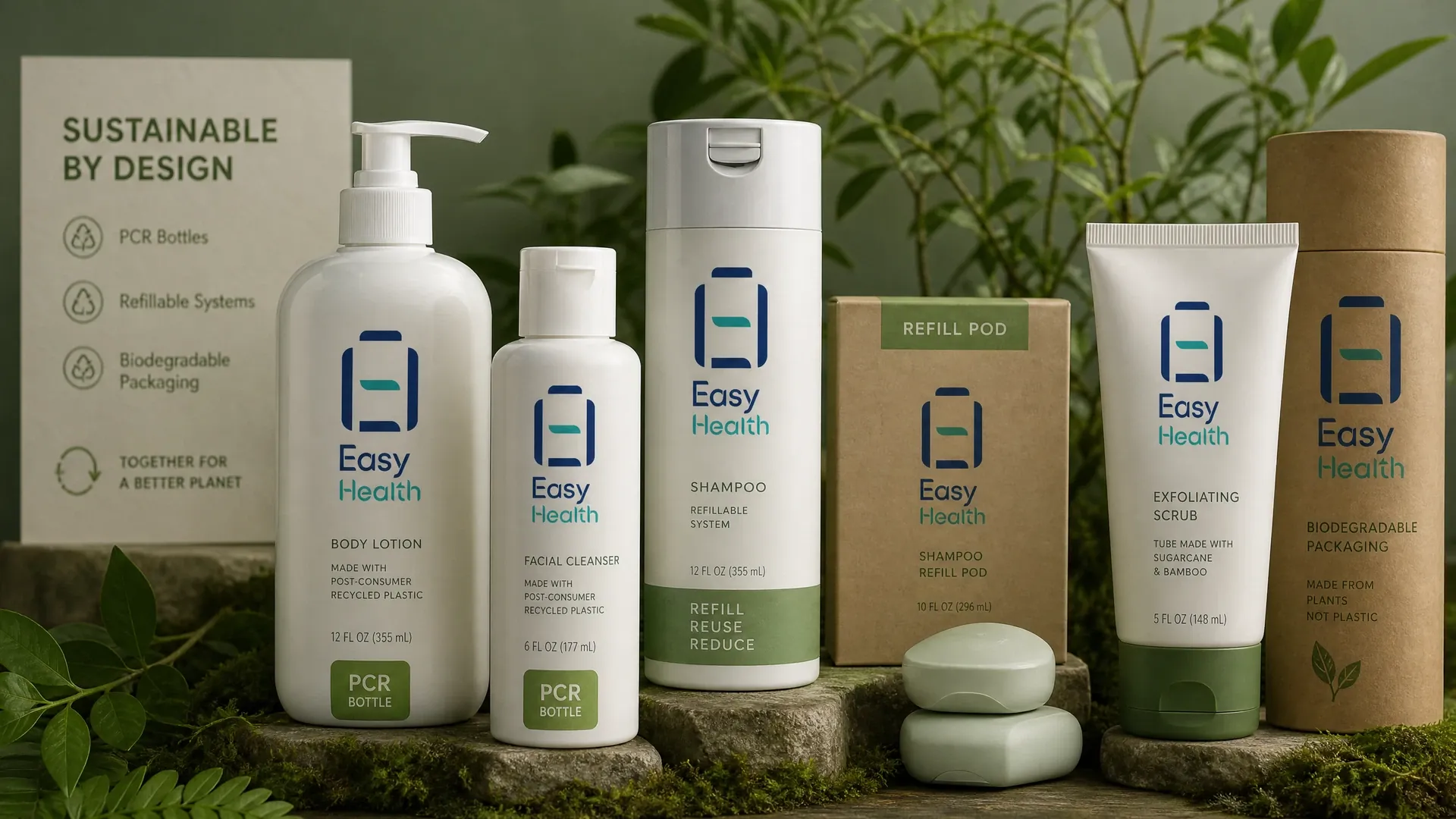
PCR or bio-based plastics may introduce colour variance, speckling and slight base odours—more noticeable on light or clear designs. Set colour tolerances and deodorisation requirements, and run odour migration and ageing tests with your formula. Inner-bottle structures or shell+inner combos can balance aesthetics with sustainability.
Do I need an induction foil seal?
Use induction seals for tamper evidence, long-haul shipping, or to reduce oxygen ingress. Confirm neck finish, liner structure and sealing parameters, and test first-open feel and any residual foil impact. For droppers and mists, inner plugs or actuator locks can complement sealing.
How long do sampling and tests take?
Timelines depend on the project and will be confirmed by the project manager, considering components mix, test scope and decoration. Plan windows for compatibility/stability, seal/function and transit tests, and run early lab samples to reduce rework.
Related Packaging Services
Discuss cosmetics container selection with Easy Health
Message our Easy Health project manager on WhatsApp to review formulation traits, serum container options and test plans. With a Hong Kong facility and procedures referencing GMP principles, we coordinate labels, cartons and component sampling—details confirmed per project.
Last updated: