Cosmetic dropper bottles and cream jars
Cosmetic dropper bottles suit serums and actives, while cream jars cover high-viscosity formats like moisturisers and balms. Beyond aesthetics, dosing precision, compatibility, barrier and leak control, inner seals and liners, as well as label and carton alignment all affect user experience and stability. Easy Health coordinates materials and assembly in Hong Kong, advising on testing and sampling based on your formula. Details are confirmed by your account manager.
Summary:Guides practical selection of cosmetic dropper bottles and cream jars, covering materials, structure, sealing/barrier, accessories/labeling, testing, and logistics. Provides OEM/ODM and packaging design coordination, with each project assessed by a dedicated account manager.
Should I choose a dropper bottle or a cream jar?
Start with texture and use: low-viscosity, precise dosing and minimal back-contamination favour cosmetic dropper bottles; high-viscosity, massage-on formats suit cream jars with an inner lid and spatula. Next, consider the formula: volatile solvents or light-sensitive actives point to amber glass droppers or thick-walled jars with liners; high oil content requires silicone and liner compatibility checks; exfoliating grains or clays benefit from wide mouths and easy cleaning. Finally, consider scenarios: travel sets and gift boxes need enhanced leak control and cushioning, with label and carton sizes aligned.
Cosmetic dropper bottles: structure and dosing
A cosmetic dropper bottle comprises the bottle, collar/cap with silicone bulb, a glass or plastic pipette, and a wiper. Key choices: (1) pipette bore and tip geometry govern dose size and clean cut-off; (2) bulb hardness (Shore A) affects rebound and grip—slightly softer suits higher viscosity; (3) the wiper must match pipette OD to minimise splash and back-contamination; (4) amber or coated bottles help protect light-sensitive or essential oil-based formulas; (5) add tamper-evident shrink or seal labels if needed. Easy Health coordinates bottle and component sourcing and assembly, and recommends sampling with dose tests.
- Pipette bore/tip = drop size and cut-off
- Bulb hardness = suction efficiency and feel
- Wiper fit = less backflow and smearing
- Light-shielding = protects sensitive actives
Cream jars and balm jars: hygiene, liners and compatibility
Common materials include glass, PET, PP and acrylic (outer shell + inner cup). Key points: (1) an inner lid reduces evaporation and contamination; (2) liner materials (PE, EPE, EVA, foil) influence sealing and compatibility—oily or atypical pH formulas should be tested; (3) wide mouths aid access and cleaning but need enhanced leak control and cushioning during transport; (4) double-wall designs appear premium but verify net fill to avoid labelling confusion; (5) include a spatula and plan storage in the cap or carton. Easy Health coordinates materials and assembly and advises testing per your formula.
- Inner lid lowers contamination/evaporation
- Liner choice must pass compatibility
- Wide mouth needs stronger leak control
- Double-wall: verify declared volume
Visual guide to droppers and jars
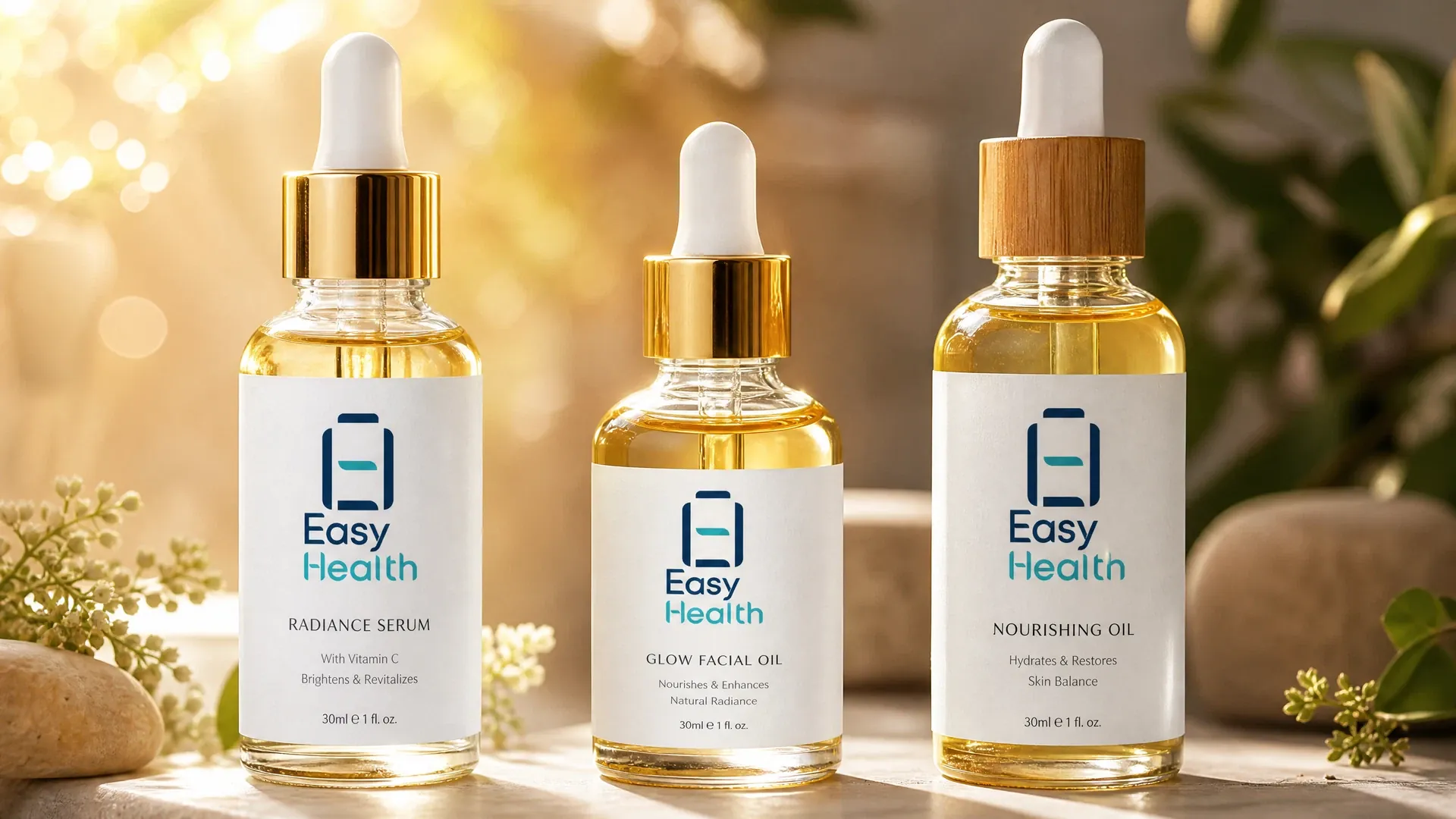
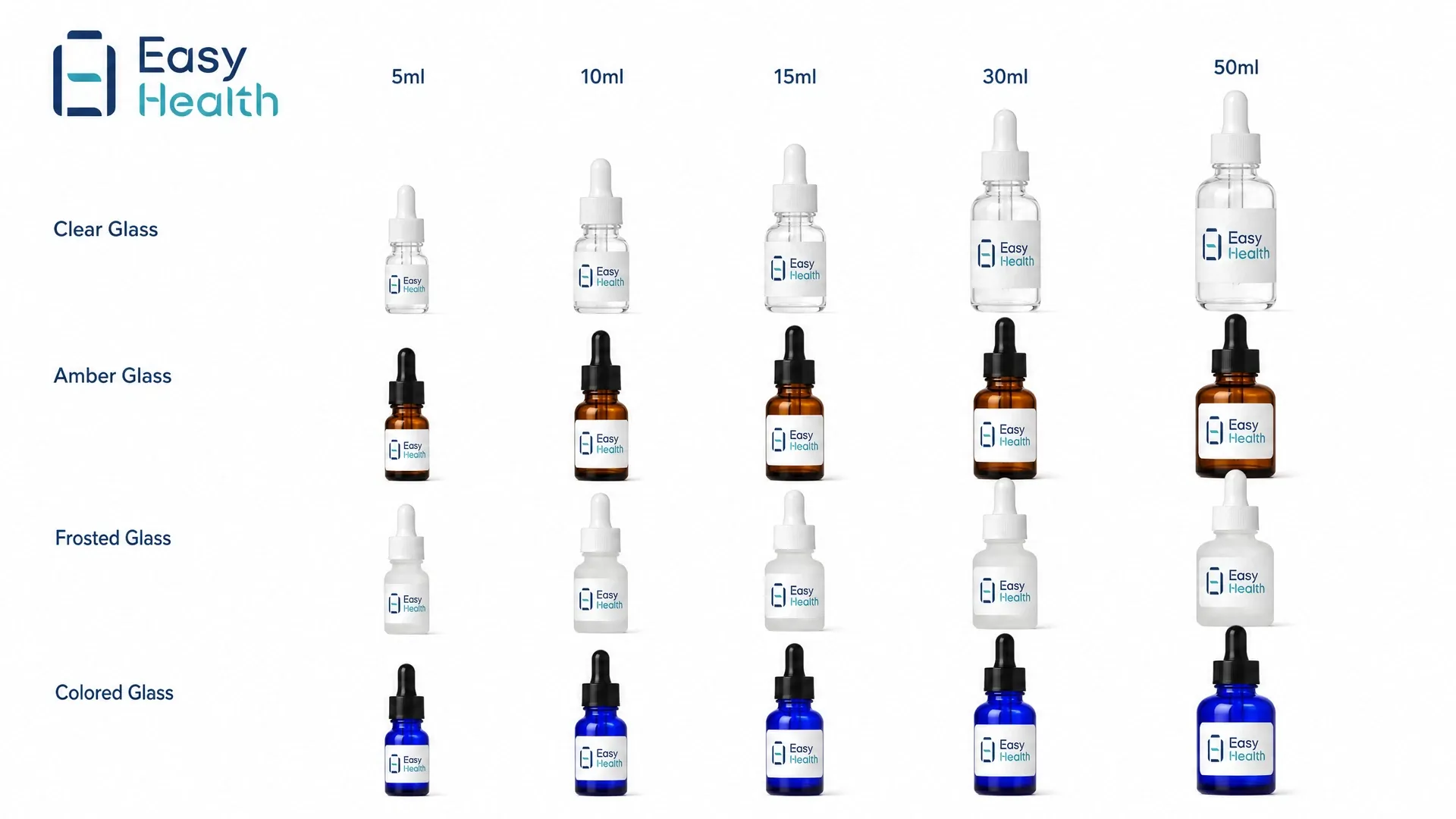
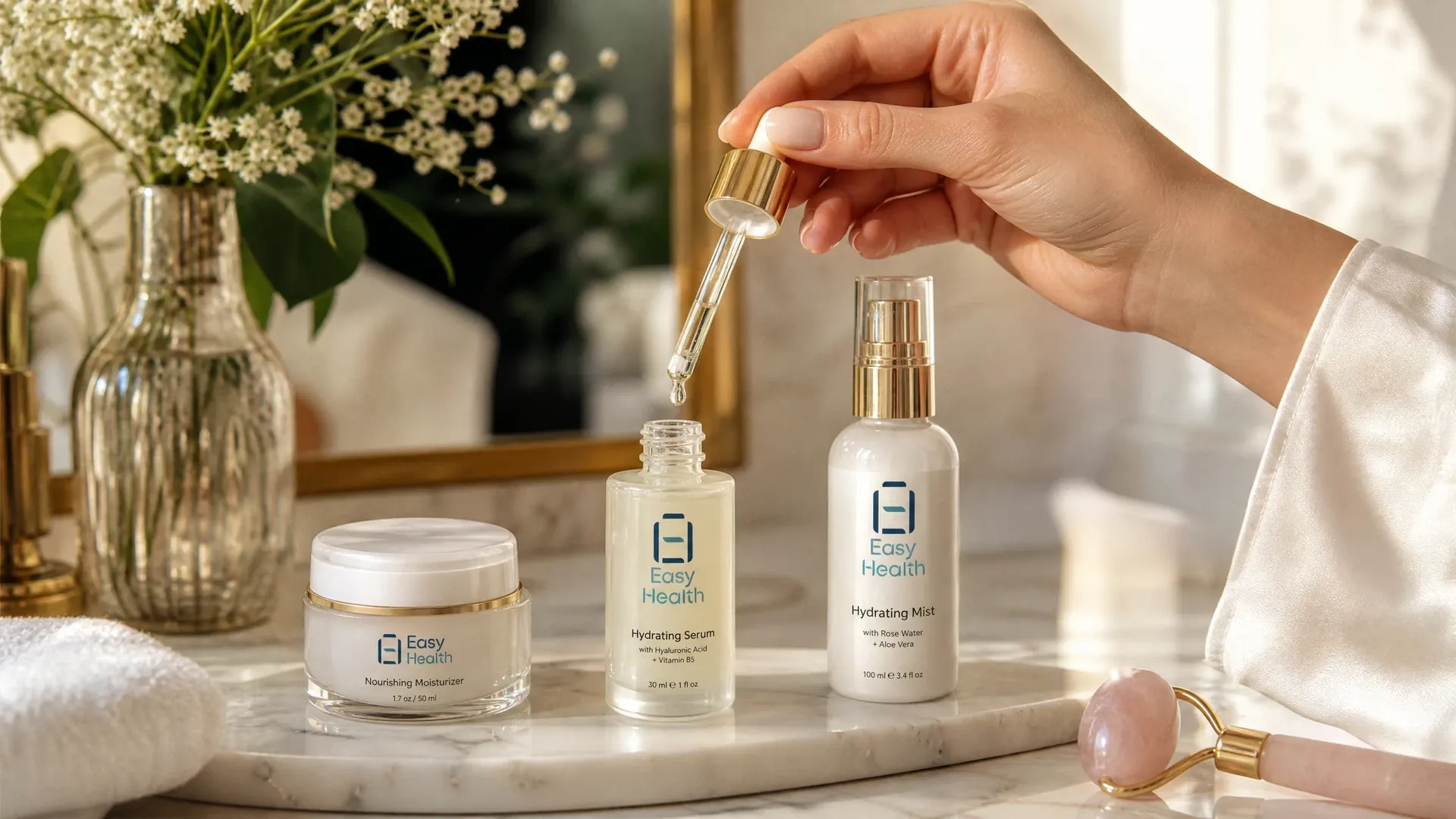
The visuals show component breakdown and assembly of droppers, how pipette bores and bottle shapes affect dosing, and real skincare usage grips and scooping, helping teams align on specifications and design direction.
Barrier, sealing and logistics: validate by testing
Serums and creams are sensitive to oxygen, light and evaporation. Measures: (1) amber or coated bottles plus cartons for light reduction; (2) combine inner lids, liners and tamper-evidence for sealing; (3) leak control depends on neck fit, tolerances and applied torque; droppers also need inversion and agitation tests; (4) for long-haul or cross-border shipments, consider temperature cycling and simulated air-pressure drop; (5) labels must resist oil/water and peel cleanly; (6) retain samples and records for traceability. Easy Health coordinates packaging tests in Hong Kong. Timelines vary by project and are confirmed by the account manager.
- Light-shielding + carton reduce exposure
- Inner lid/liner/seal: layered security
- Inversion/agitation test for leakage
- Labels: oil/water resistance and clean peel
Labels and cartons: hierarchy and fit
Dropper bottles have limited cylindrical area—set the information hierarchy (name, net content, directions, warnings, batch/expiry, INCI) before choosing single or twin labels. Cream jars offer more space but keep opening cues and inner-lid notes clear. Substrate affects ink and adhesive choice: glass suits higher-tack, oil-resistant systems; PP/PE may need surface treatment or dedicated label stocks. Keep net quantity consistent across primary and secondary packs, and list contents clearly for sets. Easy Health coordinates labels and cartons with die-lines matched to your container.
- Prioritise info hierarchy on droppers
- Material drives ink/adhesive choice
- Align net content across packs
- List set contents clearly on cartons
How packaging format coordination works
- Brief and formula notes:Discuss texture, viscosity, sensitive actives, target fill size and use scenarios to shortlist droppers or jars.
- Spec proposal and samples:Select materials and structures, inner lids/liners/dropper parameters, arrange samples and initial compatibility/dose tests.
- Label and carton alignment:Provide die-lines and layout guidance, coordinate label and carton suppliers, and proofing to fit the container.
- Stability and logistics checks:Recommend light, temperature cycling and inversion/agitation checks as needed to optimise sealing and barrier.
- Production coordination:Coordinate assembly and packaging production at our Hong Kong facility. Timelines vary by project and are confirmed by the account manager.
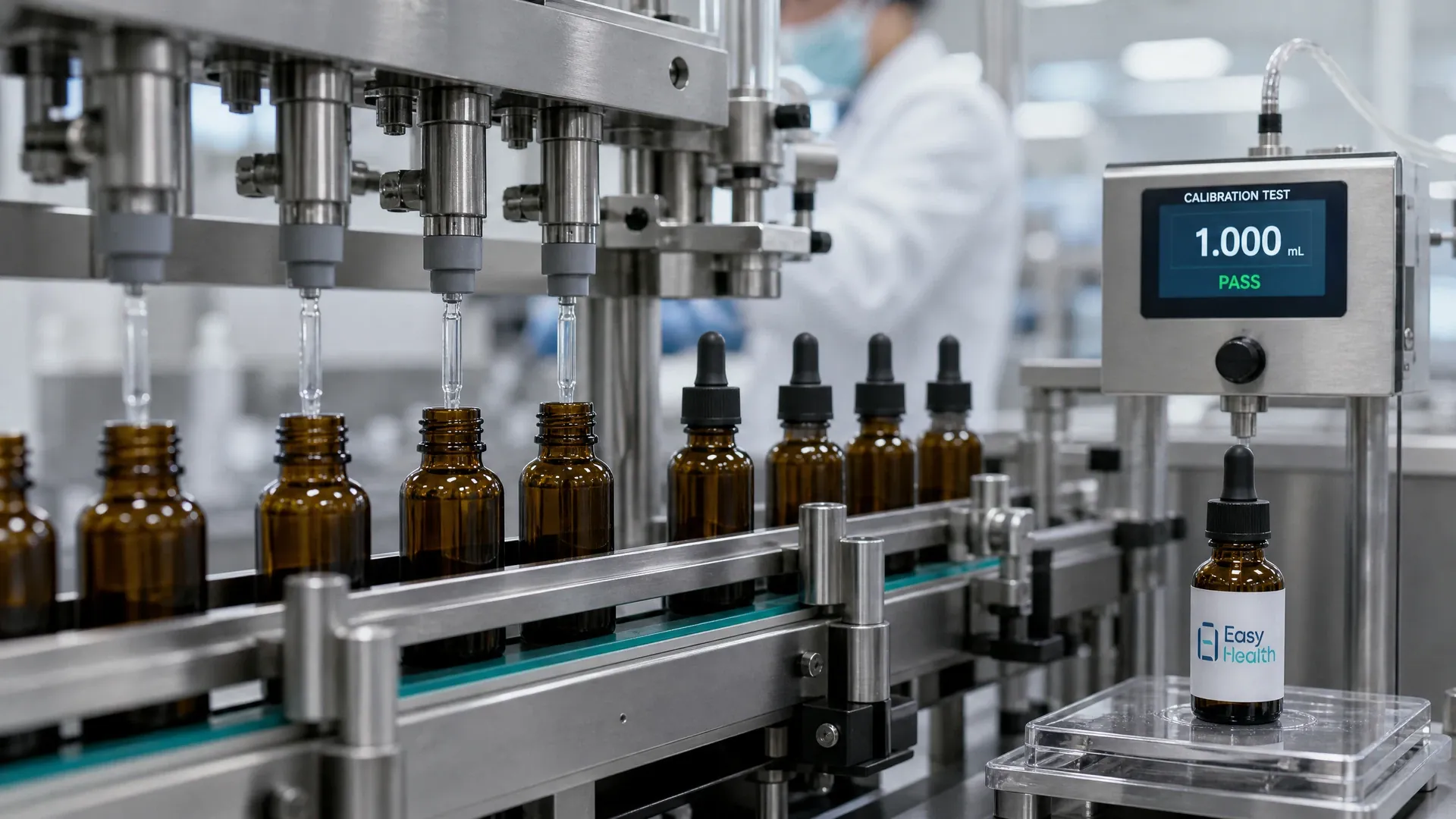
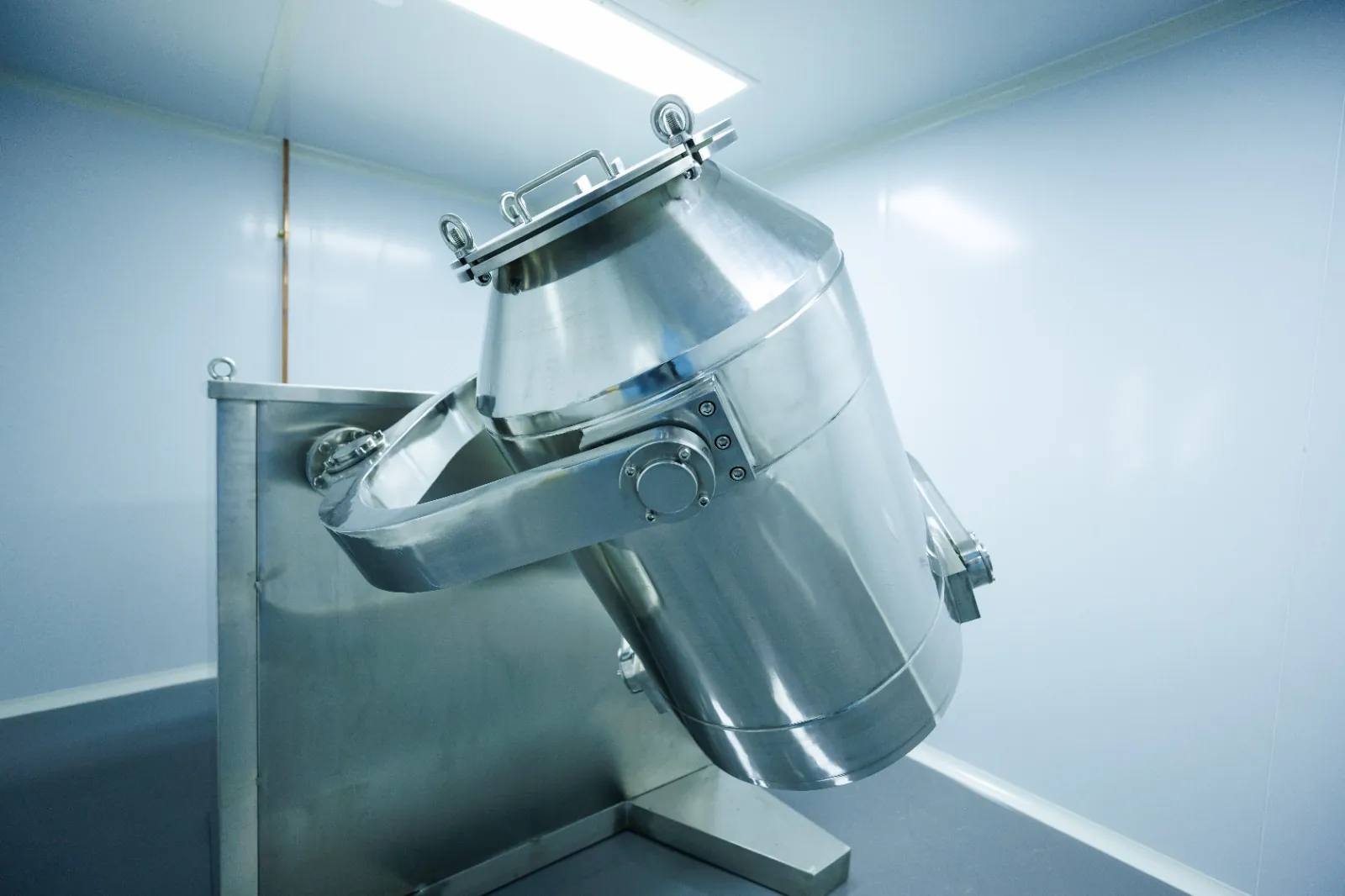
Inside the Easy Health Hong Kong Facility


Dropper bottles vs cream jars: quick reference
| Aspect | Dropper bottle | Cream/balm jar | Note |
|---|---|---|---|
| Use cases | Serums, actives, oils | Creams, balms, clays | Choose by viscosity/use |
| Viscosity | Low to medium | Medium to high | Impacts dosing |
| Dosing | High (per drop) | Medium (scoop) | Accessory dependent |
| Contamination | Lower (no backflow) | Higher (wide mouth) | Inner lid helps |
| Light protection | Amber/coated strong | Thick wall/carton assist | Material dependent |
General guidance only—confirm via sampling and tests.
Pre-development quick checks
- Does the formula contain essential oils, acids or solvents? Run material compatibility tests.
- Target per‑use dose? Match pipette bore and wiper and validate.
- Need light protection? Consider amber/coating plus a carton.
- Transport route and conditions? Plan leak control and cushioning.
- Label stock and print? Verify oil/water resistance and adhesion.
- Need a spatula or instruction label? Reserve storage and space.
Dropper bottle and cream jar FAQs
How do I choose pipette length and bulb hardness?
Match pipette length to the intended fill height without bottoming out, calculated from bottle geometry and validated with samples. Bulb hardness (Shore A) should suit viscosity: harder for thinner serums to improve cut-off, softer for thicker formulas to improve uptake. Sample first to measure per-drop volume, continuous dosing and cut-off cleanliness.
What sealing features are recommended for cream jars?
Typical stacks use a screw cap plus liner (or foil seal) and an inner lid, with outer shrink or seal labels. For long-haul shipping, run inversion and agitation tests and add inner trays or inserts to limit movement. The final stack depends on neck size, tolerances and formula—your account manager will advise and confirm.
Any labelling tips for glass vs PP/PE?
Glass has higher surface energy—use higher-tack, oil/water-resistant stocks and inks. PP/PE may need corona treatment or dedicated label materials and adhesives. For small curves on droppers, use narrower or twin labels to prevent lift. Check rub and alcohol resistance after printing.
Can sampling and tests be arranged?
Yes—sampling and relevant checks (dosing, sealing, compatibility, light-shielding and logistics simulations) can be arranged. The scope and timeline depend on your needs and will be confirmed by the account manager, coordinated in Hong Kong.
How should artwork and net content be prepared?
Provide editable vector files (AI/PDF) with fonts and linked images. Request die-lines and build to the actual label or carton layout. Keep net content units consistent; for double-wall jars, use inner-cup capacity. Confirm INCI, batch and expiry placement during physical proofs.
Related Packaging Services
Discuss your dropper or cream jar project
Whether you need precise dosing with cosmetic dropper bottles or hygienic sealing for cream/balm jars, Easy Health coordinates containers, components, labels and cartons, sampling and packaging production in Hong Kong. Message our account manager on WhatsApp to share your formula and requirements and receive practical specification and testing guidance.
Last updated: