
Packaging Printing Techniques: How to Choose in 2026

Key Takeaways (TL;DR)
The choice of packaging print process directly affects visual impact, tactile experience and production planning. Hot stamping highlights a brand logo with a luxurious finish, spot UV creates visual focal points, and digital printing suits small-batch, personalised runs. This article compares effects, key process points and use cases to help you choose the most suitable printing method for your product.
The choice of packaging print process directly affects visual impact, tactile experience and production planning. Hot stamping highlights a brand logo with a luxurious finish, spot UV creates visual focal points, and digital printing suits small-batch, personalised runs. This article compares effects, key process points and use cases to help you choose the most suitable printing method for your product.

Mainstream packaging printing techniques
Offset lithography — the most common commercial printing method, suited to high-volume colour work. Principle: ink transfers from the plate to a rubber blanket and then onto paper. Strengths: accurate colour and fine detail, ideal for long runs. Limitations: plate-making is required, so it is less flexible for small batches. Typical uses: high-volume labels, cartons and inserts. Gravure — suited to very large volumes and special effects. Principle: the image is engraved on a metal cylinder; ink fills the cells and transfers to the substrate. Strengths: dense ink film, saturated colour, good for metallic and speciality inks. Limitations: plate-making involves more steps, so it suits very large runs only. Typical uses: very high-volume flexible pouches and shrink films. Flexography — suited to pressure-sensitive labels and flexible packaging. Principle: flexible plates print on a wide range of substrates. Strengths: versatile, fast and compatible with water-based inks. Typical uses: pressure-sensitive labels, corrugated cases and flexible packaging.

Special finishes: hot foil packaging and spot UV
Hot stamping — Effect: metallic lustre with a premium feel. Principle: a heated metal die transfers metallic foil onto the substrate. Common options: bright gold, matte gold, rose gold, silver, holographic gold. Project planning: foil area and artwork are assessed per project; tooling is confirmed by the client manager. Applications: brand logos, product names and border accents. Note: avoid excessive foil coverage, which increases process complexity and can reduce visual impact. Spot UV — Effect: localised high gloss contrasting with matte areas. Principle: UV varnish is applied to selected areas and cured to a glossy layer. Project planning: requires an additional plate; details confirmed by the client manager. Applications: highlighting product images, brand logos and key text. Advanced: raised UV can create a tactile relief. Related option: embossing/debossing may be combined with foil or spot UV; feasibility is confirmed per project.
| Topic | Key Summary |
|---|---|
| Mainstream Printing Techniques | Offset Lithography — The most commonly used commercial printing method, suitable for large-volume color runs. Principle: ink is transferred from a printing plate to a rubber blanket, then to the printing surface. |
| In-Depth Analysis of Special Printing Techniques | Hot Stamping — Effect: metallic sheen, luxurious and premium. Principle: a heated metal die transfers metallic foil onto the substrate. Common options. |
| The advantages and limitations of digital printing | Digital printing has advanced rapidly in recent years and is increasingly used in packaging. Advantages: 1) No plate-making — the plate stage is skipped, giving more flexibility for small batches. 2) Fast turnaround — design to finished pieces in a short time. 3) Personalisation — every sheet can differ, ideal for variable-data printing. 4) Easy proofing — quick samples to confirm the result. 5) Short-run friendly — more flexibility for short runs. Limitations: 1) Very large volumes — offset is usually the better fit for very large runs. 2) Colour gamut — some special colours (e.g. metallics, fluorescents) cannot be reproduced. 3) Substrates — some speciality materials are unsuitable. 4) Durability — rub resistance can be lower than conventional print. Best for: new brands testing the market with small batches, limited editions, personalised gift boxes and event giveaways. |
| Recommended Printing Solutions | Option 1: Essential (for start-up brands) — offset printing + matte lamination. Effect: accurate colour, good surface protection and a simple process. Suitable for: everyday supplements and food packaging. Planning: samples can be arranged first; production volume is confirmed per project. Option 2: Quality (for mid-tier brands) — offset + matte lamination + spot UV + logo hot stamping. Effect: rich layering, clear focal points and a premium feel. Suitable for: mid-to-high-end supplements and cosmetics. Planning: the finishing combination is confirmed by the client manager based on design, materials and quantity. Option 3: Luxury (for high-end brands) — offset + speciality paper + hot stamping + embossing + magnetic flip lid. Effect: luxurious, highly tactile and a memorable unboxing. Suitable for: premium gift boxes and limited editions. Planning: materials and processes are confirmed by the client manager; production volume is assessed per project. Option 4: Agile (for e-commerce brands) — digital printing + gloss lamination. Effect: fast iteration, personalisation and vivid colour. Suitable for: small-batch testing, seasonal editions and KOL collaborations. Planning: short runs are supported; lead time and volume are confirmed by the client manager. |

Advantages and limitations of digital printing
Digital printing has advanced rapidly in recent years and is increasingly used in packaging. Advantages: 1) No plate-making — the plate stage is skipped, giving more flexibility for small batches. 2) Fast turnaround — design to finished pieces in a short time. 3) Personalisation — every sheet can differ, ideal for variable-data printing. 4) Easy proofing — quick samples to confirm the result. 5) Short-run friendly — more flexibility for short runs. Limitations: 1) Very large volumes — offset is usually the better fit for very large runs. 2) Colour gamut — some special colours (e.g. metallics, fluorescents) cannot be reproduced. 3) Substrates — some speciality materials are unsuitable. 4) Durability — rub resistance can be lower than conventional print. Best for: new brands testing the market with small batches, limited editions, personalised gift boxes and event giveaways.
Need a Professional Manufacturing Solution?
Complimentary project consultation with dedicated follow-up based on your product needs. Small-batch sampling is available, and production batch sizes are confirmed per project.
Recommended print combinations for packaging
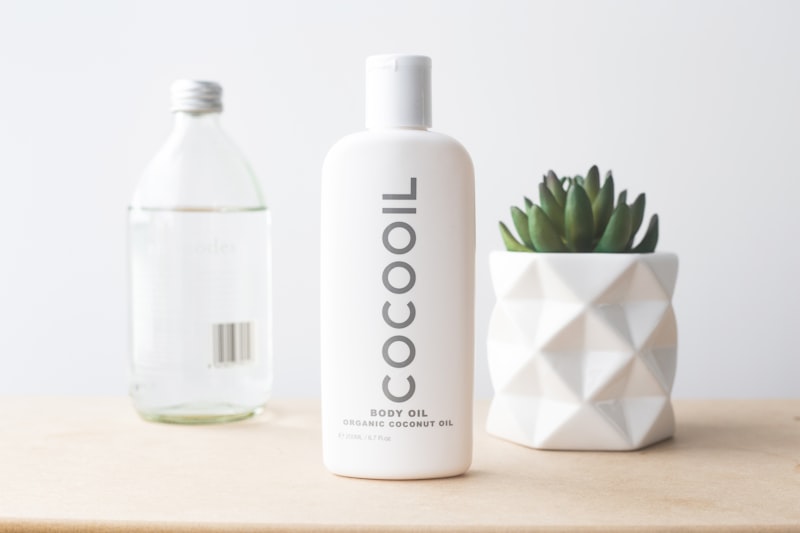
Option 1: Essential (for start-up brands) — offset printing + matte lamination. Effect: accurate colour, good surface protection and a simple process. Suitable for: everyday supplements and food packaging. Planning: samples can be arranged first; production volume is confirmed per project. Option 2: Quality (for mid-tier brands) — offset + matte lamination + spot UV + logo hot stamping. Effect: rich layering, clear focal points and a premium feel. Suitable for: mid-to-high-end supplements and cosmetics. Planning: the finishing combination is confirmed by the client manager based on design, materials and quantity. Option 3: Luxury (for high-end brands) — offset + speciality paper + hot stamping + embossing + magnetic flip lid. Effect: luxurious, highly tactile and a memorable unboxing. Suitable for: premium gift boxes and limited editions. Planning: materials and processes are confirmed by the client manager; production volume is assessed per project. Option 4: Agile (for e-commerce brands) — digital printing + gloss lamination. Effect: fast iteration, personalisation and vivid colour. Suitable for: small-batch testing, seasonal editions and KOL collaborations. Planning: short runs are supported; lead time and volume are confirmed by the client manager.

Print quality control
Colour Management - Use the Pantone colour to specify the colour and request the vendor to provide a sample confirmation. The time difference in volume production is controlled at ΔE <3 (the body's eye is almost indistinguishable). It is suggested that the standard colour be kept as a match. Speculator precision - Multi-colour printing sets should be contained within 0.1 mm. Print density - Ink density affects colour saturation. It is recommended that density measurements be used to ensure consistency between batches. Surface treatments are attached to the power - the attachments of surface treatments such as iron, UVs, etc., need to be tested through tape (3M 610 tape). The lack of strength can lead to loss of use. Text clarity - Minimum font is not less than 6 pt (about 2 mm high) and anti-white is not less than 8 pt. Small text is easy to print.

How to brief your printing supplier
Provides a complete design file — using AI/PDF format, text curvatures, image resolution not less than 300dpi, haemorrhaging 3mm. Colour mode uses CMYK, special color label Pantone. Clarity of the work requires that specific areas such as ironing, UVs, and prints be clearly indicated in the design, and that a work map be provided. Material sizes - Clear paper gravitation (e.g. 350g white card), membrane type (light/mute), surface treatment requirements. It is important to make sure that before a product is produced, it is done. Numerical identification of colours and layouts, physical identification of work effects and material quality. Batch requirements - specify the number of units, the demand for delivery and the way they are packaged. Mass purchase orders recommend batch delivery, which is in quality control.
Article Recap
- Mainstream Printing Techniques
- In-Depth Analysis of Special Printing Techniques
- The advantages and limitations of digital printing
- Recommended Printing Solutions
- Print quality control.
EASY HEALTH
To brief your printing supplier, share print-ready files and dielines, specify substrate, finishes and colour targets (CMYK/Pantone), and state quantity and delivery timing. Your client manager will coordinate artwork/plate checks and confirm feasibility with the print plant; any requests around standards (e.g. FSSC 22000 documentation for packaging) are handled via certificate-scope/document verification.
Evidence used for product planning should identify the original study or guidance, its scope and its limitations. Review proposed product claims separately before approving label copy.
Packaging Printing Techniques FAQs
Hot and UV. Which works better?
The two effects are different and cannot be easily compared. It's a cash metal-supplendant, suitable for a prominent brand, Logo, and high-end sense, and UVs for high-supplied contrasts, for highlighting product images and creating visual focus. Many high-end packages use two kinds of work at the same time.
Which printing method suits small-batch packaging?
For short runs, consider digital printing; for medium volumes, consider offset; for very large volumes, consider offset or gravure. For simple labels, pressure-sensitive flexo is also a suitable choice.
How long does it usually last?
Digital printing: 1-3 working days. Courage printing: 5-7 working days. This is a special work (soft + UV + print): 7-10 working days. Mass orders (10,000+): 10-15 working days. This does not include design and sample time.
How can packaging print processes and material choices be optimised?
1) Plan production volumes to reduce repeat plate-making and press set-ups. 2) Limit special finishes to key areas (e.g. hot stamping on the logo only). 3) Gang-print multiple SKUs on one sheet. 4) Use standard sizes to reduce material waste. 5) Simplify the design and use fewer ink colours for a leaner process.
What are the options for environmental printing?
1) Water-based inks (instead of solvent-based inks). 2) FSC-certified paper. 3) Water-based lamination (instead of OPP film). 4) Soy-based inks. 5) UV-curable inks with minimal VOC emissions during curing. 6) Degradable packaging materials. Specific materials and processes are assessed per project.
Want to know more about contract manufacturing?
Our professional team will provide you with free counselling at any time.
Free WhatsApp Consultation