Packaging Printing Specification Checklist for Artwork
This page focuses on printing assessment for labels, cartons and flexible packs. From paper and film selection, digital vs offset press strategies, to foiling and UV finishing, plus bilingual labelling checks, we coordinate materials and printing in Hong Kong. A project manager confirms details case by case.
Summary:To assess packaging printing projects, define substrate, structure, print method, finishing and quantity planning, then verify usage and labelling needs. Easy Health operates in Hong Kong; projects follow documented food-safety procedures referencing recognised frameworks (e.g., FSSC 22000), with scope confirmed per project, and a project manager coordinates each confirmed brief.
Packaging Print Specifications: What to Prepare First
Please share: final size and dieline, substrate direction (paper or film), bilingual copy, colour references, intended use and storage conditions, finishing needs (foil/UV/lamination/emboss), barcode or variable data, sampling needs and batch planning. Our project manager will assess printing methods and coordinate materials; timelines are confirmed per project.
Substrate and Structure for Printability
The first decision is substrate and structure. Papers (coated, folding boxboard, duplex) and films (PET, BOPP, PE) differ in surface energy and ink reception, affecting ink systems and finishing compatibility. Labels also require matching adhesive to application surfaces (glass, plastic, metal) to reduce lifting. Cartons must balance board strength and closure design; flexible packs require barrier and seal layer considerations. Storage and transport conditions impact lamination and adhesion. Provide a precise dieline, window or hanger positions, thickness direction and machine orientation so our manager can coordinate materials, printing methods and arrange any necessary testing.
- Surface energy affects inking
- Adhesive must match surfaces
- Carton strength vs closure design
- Flexible packs need barrier and seal
Print Processes, Colour and Finishing Choices
Offset handles rich imagery and fine gradients; digital excels in agility and versioning; screen printing adds thick ink and tactile spot effects. Finishes such as hot foil, spot UV, emboss/deboss, matt/gloss lamination, cold foil, perforation and tear notches can alter board stiffness, seal performance and overlap tolerance. Performance for spot colours, metallics and scratch resistance varies by process, so assess against real use scenarios such as retail display, cold-chain or e‑commerce shipping. Provide swatches or physical references and confirm trapping, dot gain and minimum line weights during sampling to stabilise mass production.
- Offset for detailed imagery
- Digital for agile versioning
- Screen adds tactile effects
- Finishes change feel and caliper
Visual Guide to Substrates, Presses and Finishes
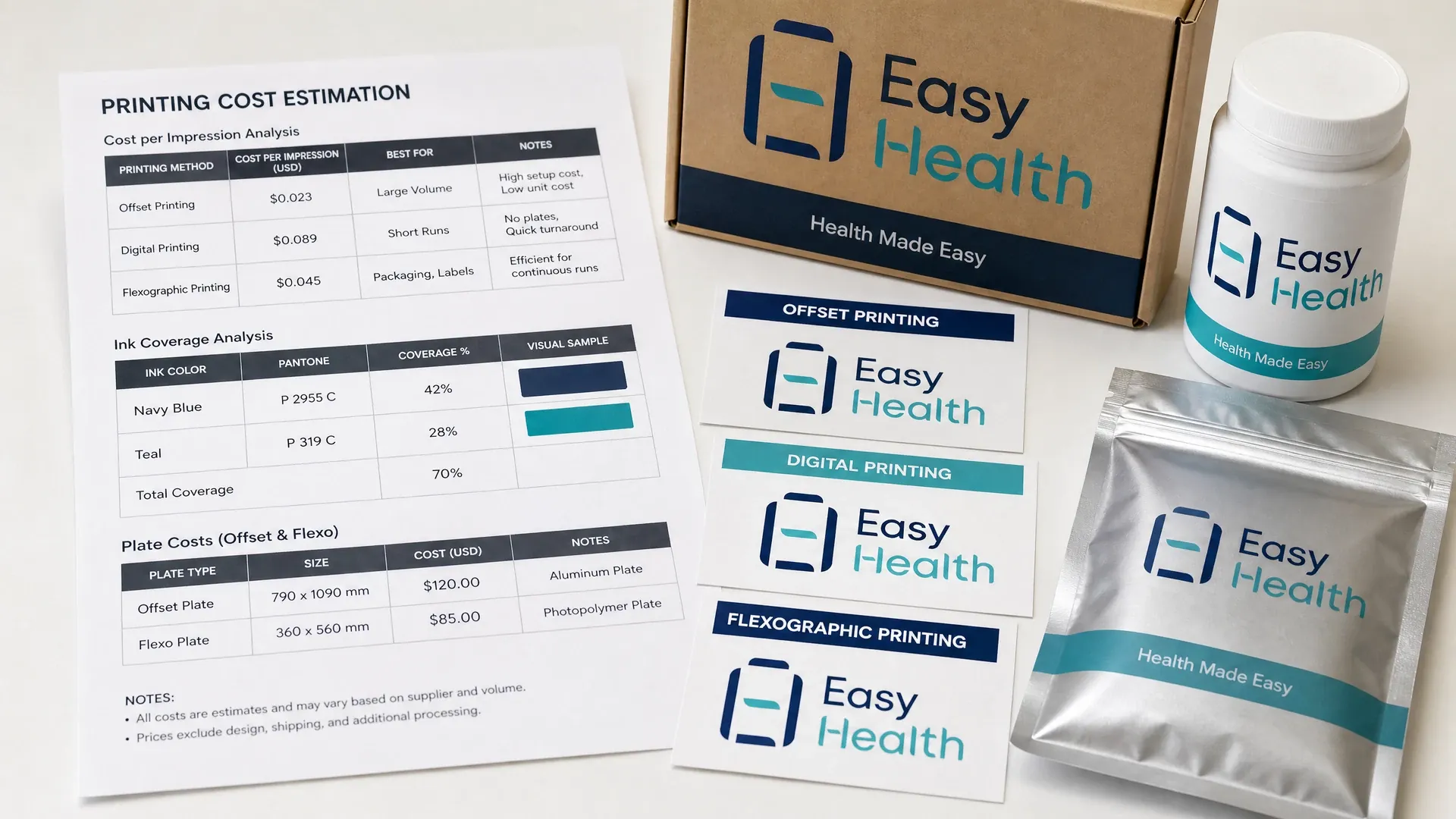
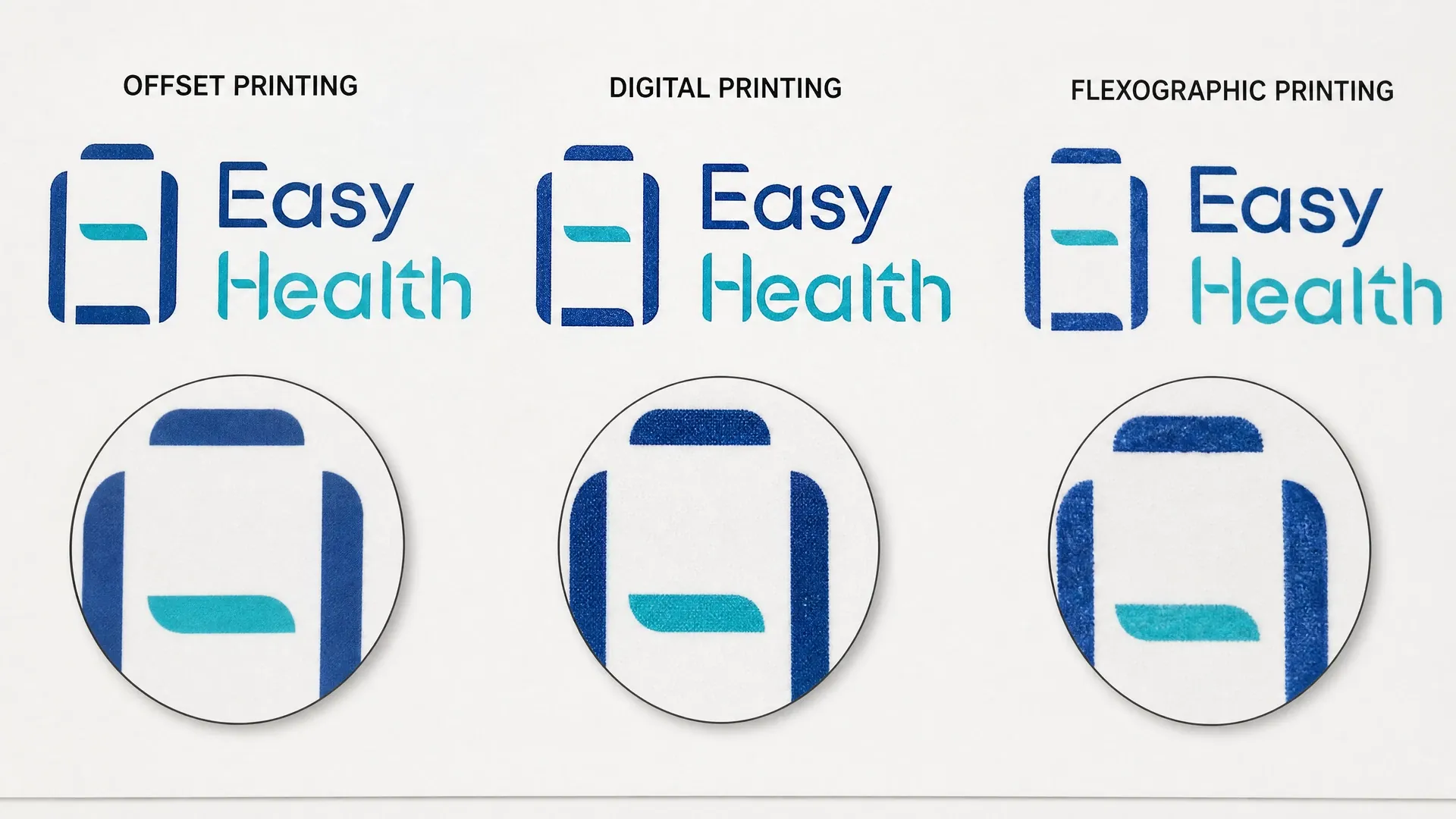
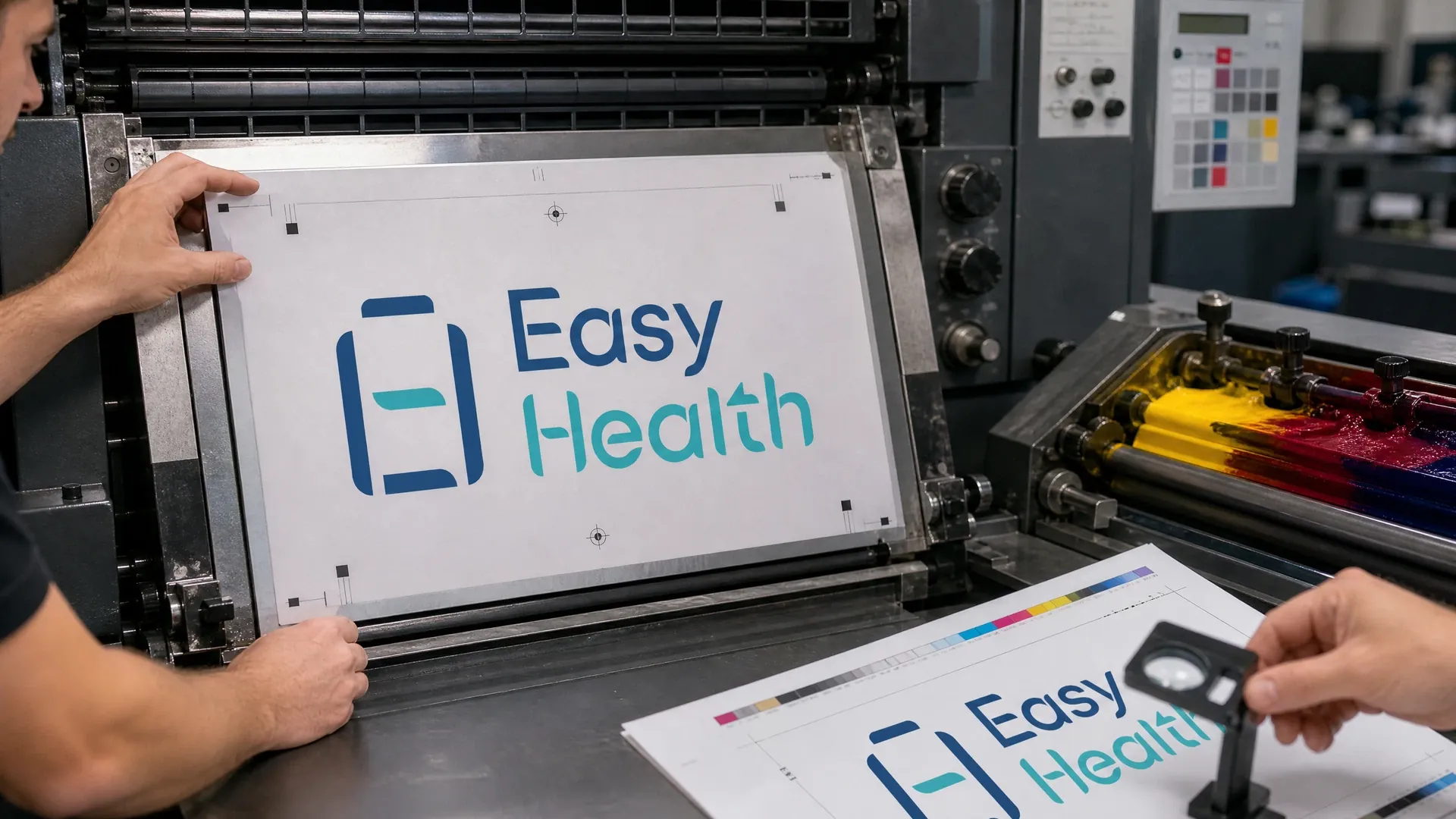
Use the visuals to compare paper and film textures, dot characteristics of digital vs offset, and how foiling, spot UV and lamination affect look and feel. Key crease lines, trapping areas and overlap zones are highlighted to streamline design and press discussions.
Version and Batch Planning for Press Selection
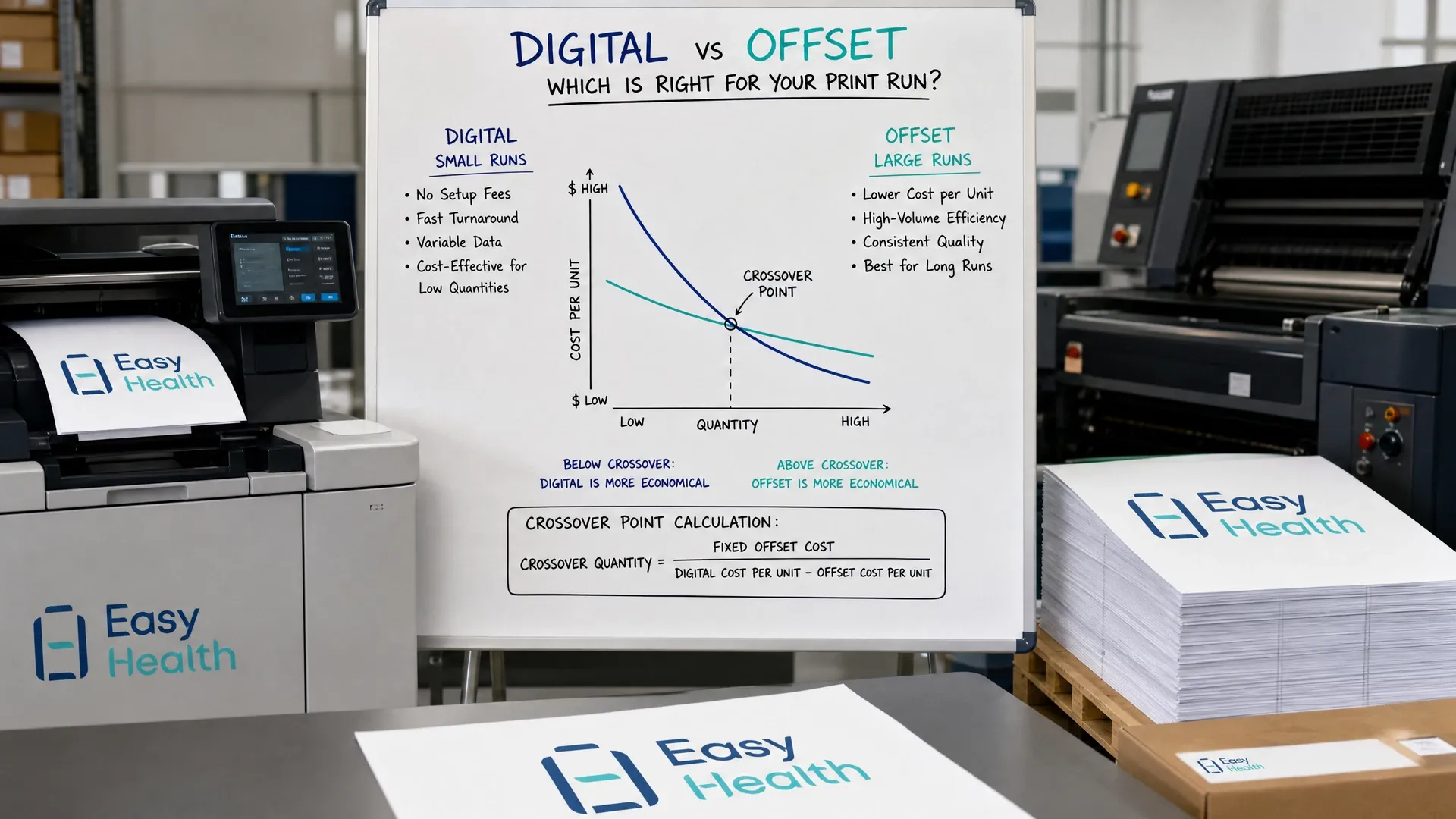
Planned quantities, number of versions and batching influence the press choice and scheduling. Variable data, barcodes or rolling updates often align with digital; stable, long-running SKUs are planned around offset or other mass methods, validated through sampling. Share batch cadence and any staged replenishments so we can assess ganging opportunities, shared press runs and colour standards. Where relevant and subject to project confirmation, we can coordinate arrangements for any pre‑press tests (e.g., film seal and adhesion) and orchestrate packaging production at our Hong Kong facility. Timelines are confirmed by the project manager.
- Define versions and batch plan
- Variable data guides press choice
- Sampling validates colour/finish
- Schedule confirmed case by case
Labelling Points for Food Packs and Cartons
For prepackaged foods in Hong Kong, consider the Food and Drugs (Composition and Labelling) Regulations (Cap.132W) and the “1+7” nutrition scheme where applicable, plus language requirements—Chinese or English; if both are used, the food name and ingredients list must appear in both. For Mainland China, refer to GB 7718 and GB 28050 for general guidance. Chinese proprietary medicines and herbal materials fall under the Chinese Medicine Ordinance (Cap.549). Provide product name, ingredients, allergen statements, net quantity, date wording (“best before” or “use by”), storage advice and importer details where applicable. We coordinate label proofing, and, subject to project confirmation, can facilitate related test arrangements, assisting with common mandatory items and bilingual layout; specifics are confirmed per project.
- Cap.132W for prepackaged foods
- Apply the “1+7” nutrition scheme where applicable
- Refer to GB standards for Mainland
- Provide bilingual copy and dates
How We Coordinate Specification Review
- WhatsApp and brief:Share dieline, size, substrate intent, batch/version plan, applicable regulations and draft artwork; we frame the assessment.
- Initial materials and process plan:We propose substrates, press method and finishing based on use cases and target appearance, and coordinate material sourcing.
- Sampling and colour standards:Arrange sampling and, where needed, coordinate any pre‑press test arrangements, confirming swatches, trapping and minimum line weights as applicable.
- Artwork and labelling checks:Assist in checking common labelling items and bilingual layout, refining wording and hierarchy where relevant.
- Packaging production coordination:Coordinate production at our Hong Kong facility and schedule printing and finishing; timeline confirmed by the manager.
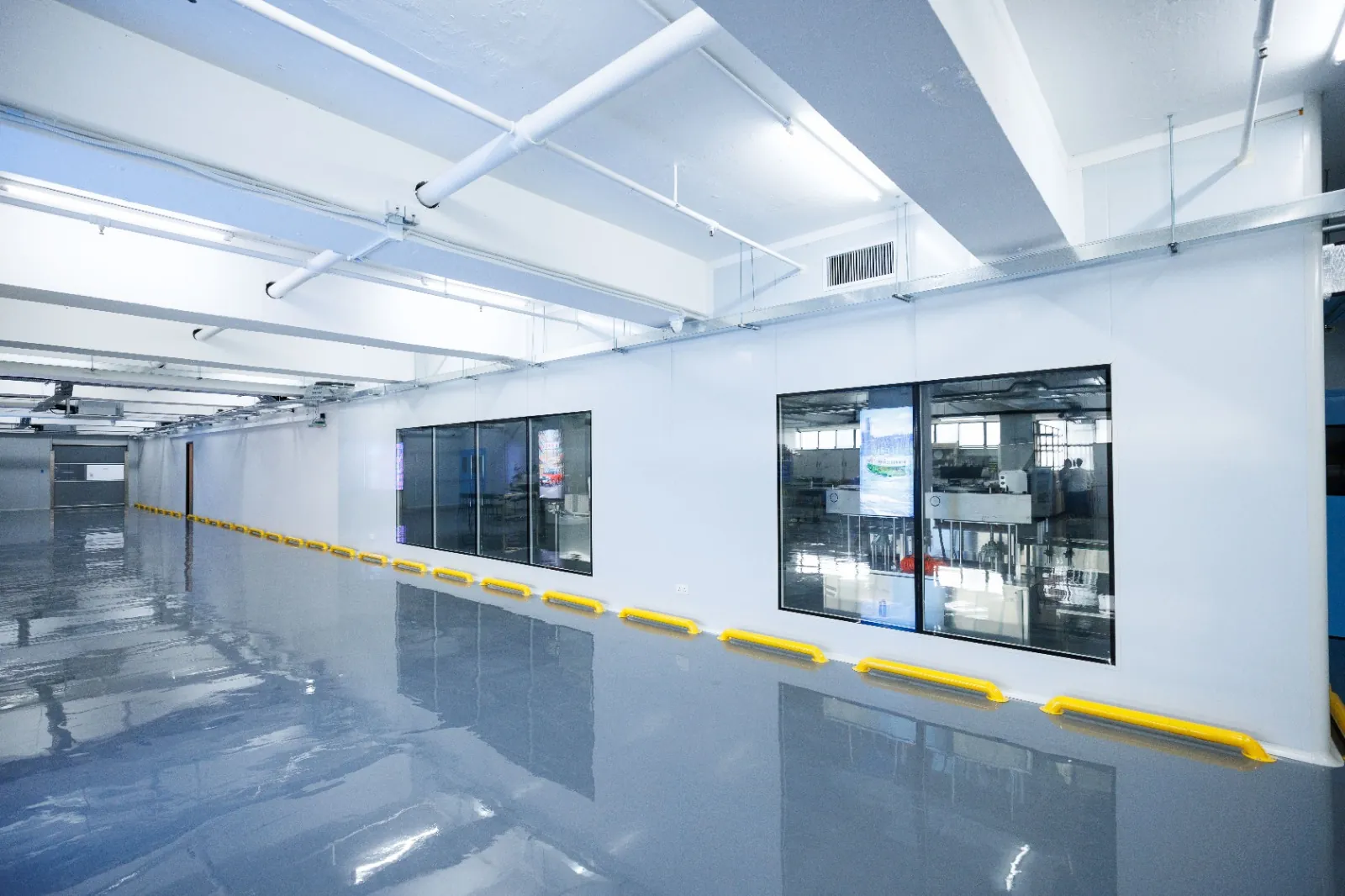
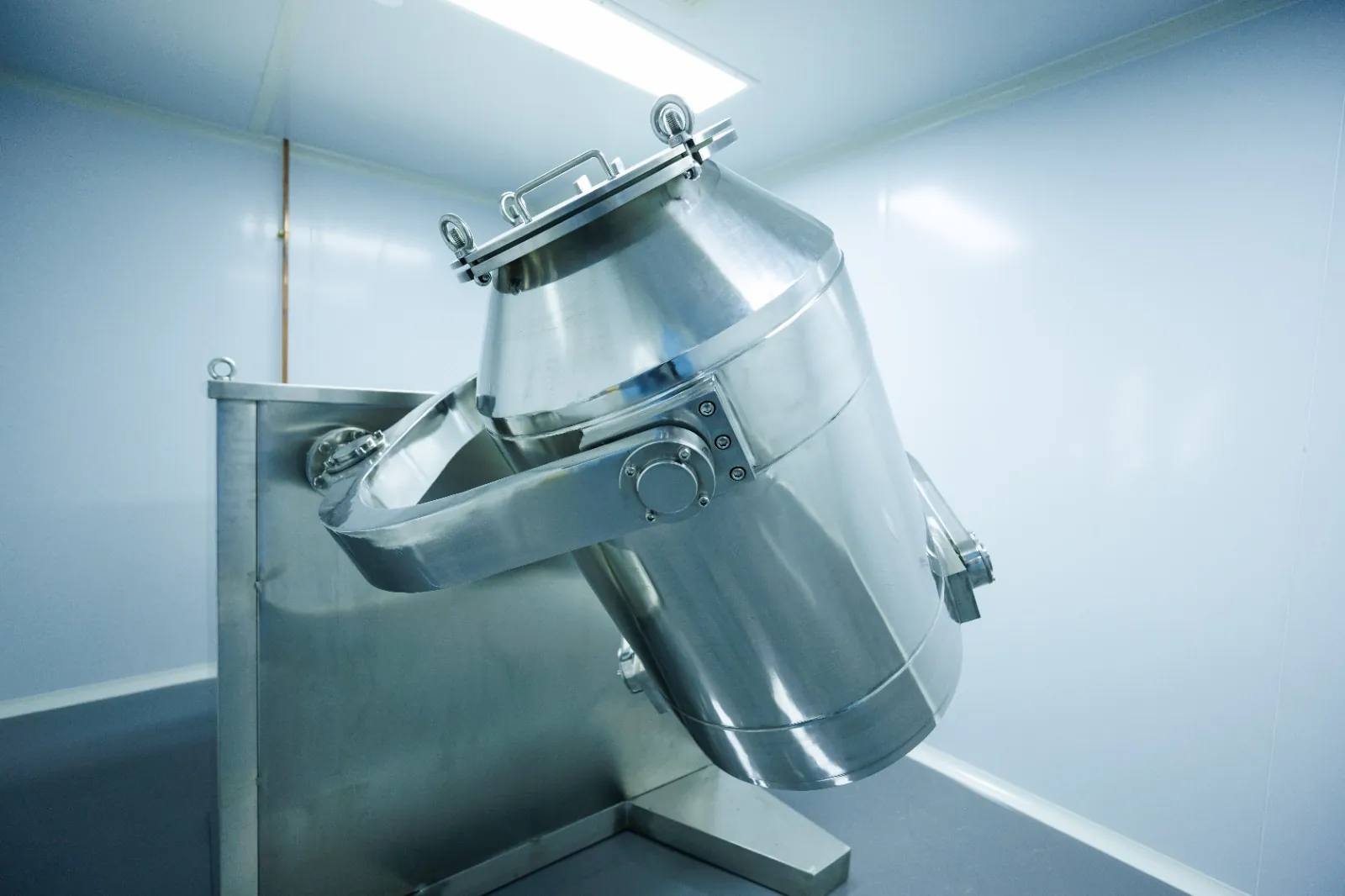
Inside the Easy Health Hong Kong Facility

Common Printing Methods and Suitable Uses
| Aspect | Digital | Offset | Screen |
|---|---|---|---|
| Best for | Versions/variable data | Detailed imagery/spot | Textured spot effects |
| Colour | Agile gamut | Fine and stable dots | Solid, thick laydown |
| Substrates | Broad compatibility | Paper excellence | Uneven surfaces |
| Finishing | Lam., spot UV | Foil, emboss, lam. | Spot UV, thick inks |
These are general traits; decisions are based on project tests and sampling.
Print-Ready Packaging Artwork Checklist
- Editable dieline with bleed; mark creases and windows
- Consistent CMYK/spot definitions with swatches or samples
- Bilingual copy ready; verify product name and date wording
- Barcode placed on flat area with clear scan space
- Substrate, lamination and foil clear of creases or seal areas
- State application surface and adhesive direction; provide container sample
Packaging Printing Specification Checklist FAQs
What Does a Printing Specification Assessment Cover?
There is no single standard. We first define substrate (paper or film), structure and size, print method (digital, offset, screen), finishing needs (foil/UV/lamination/emboss), versioning and batch plans, any variable data or barcodes, and whether sampling is required. We also align ink and finishing with usage and storage conditions. A complete dieline and bilingual copy helps earlier checks on labelling requirements.
How Is the Project Scope Confirmed?
Our manager confirms details case by case: gather dieline, substrate intent, version/batch plan, finishing needs and applicable regulations; arrange sampling and, where relevant, coordinate any pre‑press test arrangements; then confirm press strategy and material coordination. For multi‑market launches, share labelling differences early to shape layout. Timelines are project‑dependent and confirmed in writing.
Which Details Affect Printability and Finishing?
Key factors include substrate and orientation, carton structure or flexible pack layers, print method (digital/offset/screen), number and scope of finishing steps, colour standards and spot inks, variable data, storage and logistics conditions, plus sampling rounds and approvals. Define usage and on‑shelf goals first, then align press strategy and materials with our manager for Hong Kong‑based production.
Which Packaging Tests May Be Arranged?
Depending on the project, we can facilitate arrangements for tests on substrate compatibility, heat‑seal integrity, ink adhesion and barcode readability. For food applications, packaging contact material tests can be coordinated as needed. Outcomes inform press settings and finishing choices and are reviewed alongside sampling.
How Should Print-Ready Packaging Artwork Be Prepared?
Supply editable vector files with linked images, correct resolution and bleed; keep CMYK and spot definitions consistent and include colour references. Mark creases, windows, tear notches and foil/UV areas, avoiding seal lines or label application zones. Finalise bilingual copy and use “best before” or “use by” wording for dates where applicable.
Related Packaging Services
Share Your Dieline and Artwork for Review
Share your dieline, substrate intent, version/batch plan and draft artwork. Easy Health will assess the project, coordinate materials and presses, and, subject to project confirmation, arrange production in Hong Kong. Timelines are confirmed by a project manager.
Last updated: