Packaging proofing guide: digital, printed and white dummy samples
Easy Health coordinates the project requirements in Hong Kong. Confirm which certificate scopes, quality records and supporting documents apply to the proposed arrangement. We coordinate packaging sampling for nutraceuticals, including labels, cartons, bottles, pouches, stick packs and blisters, arranging print and material supply, and overseeing sampling confirmation through to packaging production. Each project is assessed individually by an account manager.
Summary:This page focuses on packaging sampling arrangements: digital mock-ups, printed proofs, white dummies and colour verification. Learn when to use each option, what to prepare, and key trade-offs. Each project is individually assessed by an account manager based on materials, processes and quantity planning. Timelines depend on scope. Chat with us on WhatsApp.
Digital proof vs printed proof: when is a white dummy useful?
Decide based on product needs and launch timing: use a digital mock-up for rapid visual checks; request a printed proof for spot colours, metallic inks or post-press finishes; select a white dummy to validate strength, capacity and opening experience. If you have a preferred substrate (e.g. foil laminate, glass, composite film), request swatches and finish samples. Start with virtual sampling if artwork is evolving, then move to colour and structural verification. Your account manager will assess the workflow by materials, processes and quantity planning.
How is the proofing scope defined?
There is no single standard for assessing sampling options. Scope depends on substrate properties, structural complexity, print and finishing processes, colour management, quantity planning and the number of sampling rounds. A common path is: digital mock-up for layout and hierarchy, printed proof to verify colour and finishes on the chosen material, then a white dummy to validate protection, sealing and opening experience. For multi-SKU ranges, a master spec is often set first, then extended. Timelines and steps are confirmed by the account manager.
- Confirm substrate and finish direction first
- Define a master spec for series work
- Progress sampling in phases when needed
- Balance colour accuracy and legibility
How can proofing help manage packaging risk?
Sampling is not only about appearance; it is a risk-reduction step. Review in order: regulatory and information hierarchy, real-world colour and tactility, then filling, sealing and logistics. Digital mock-ups aid layout communication; printed proofs validate spot colours, screens, overprints, varnish and foil; white dummies stress opening, stacking and support. If your product falls under Hong Kong Cap. 132W or Mainland GB 7718/GB 28050 labelling for prepackaged foods, verify label language, nutrition format, and best before/use by placement during sampling; where both languages are used, ensure the name and ingredient list appear in both.
- Validate info hierarchy before colour
- Test print/finishes on intended stock
- Simulate filling and transit for structure
- Pre-check bilingual text and date terms (where applicable)
Visual checkpoints from virtual artwork to physical samples
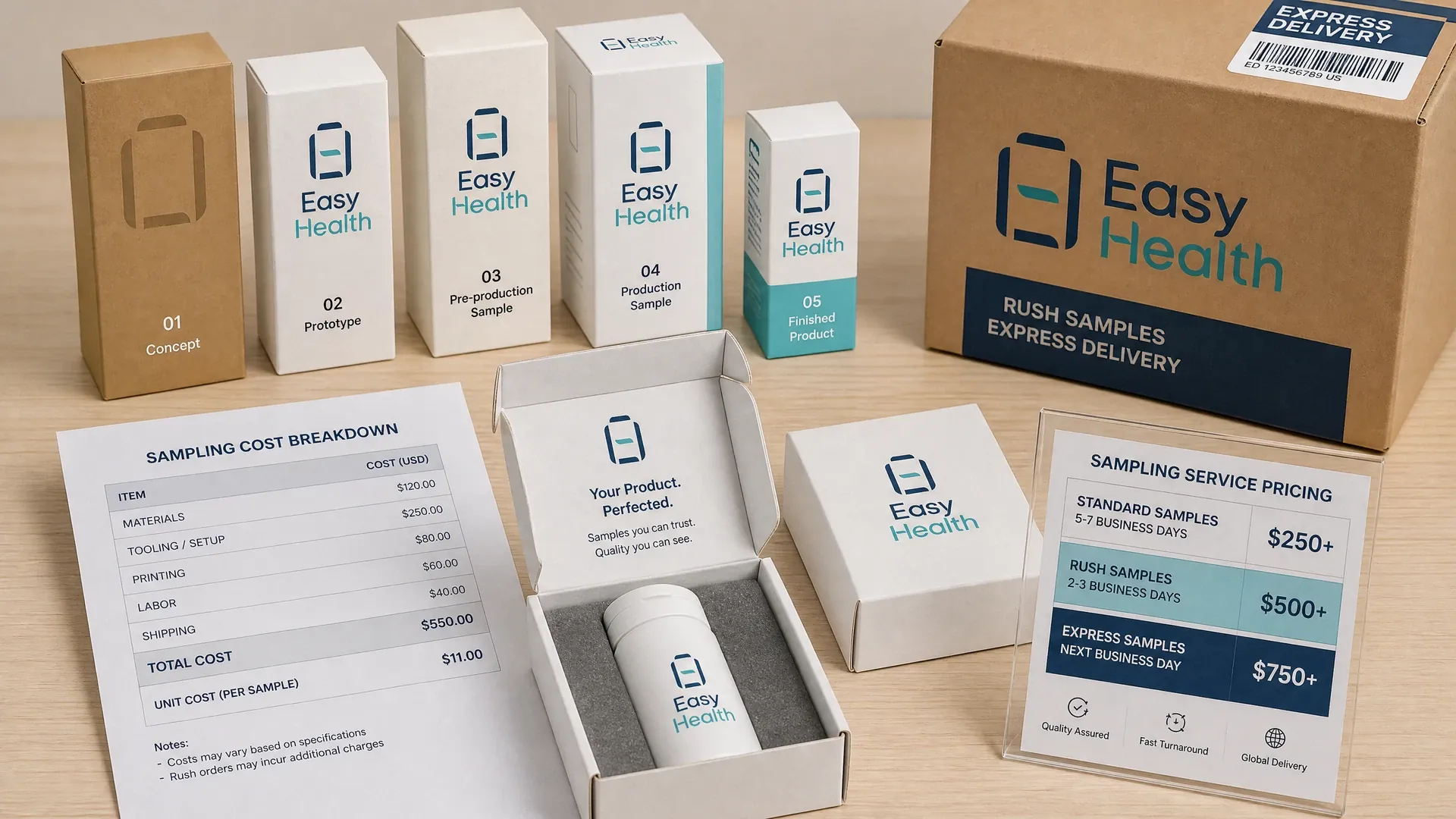
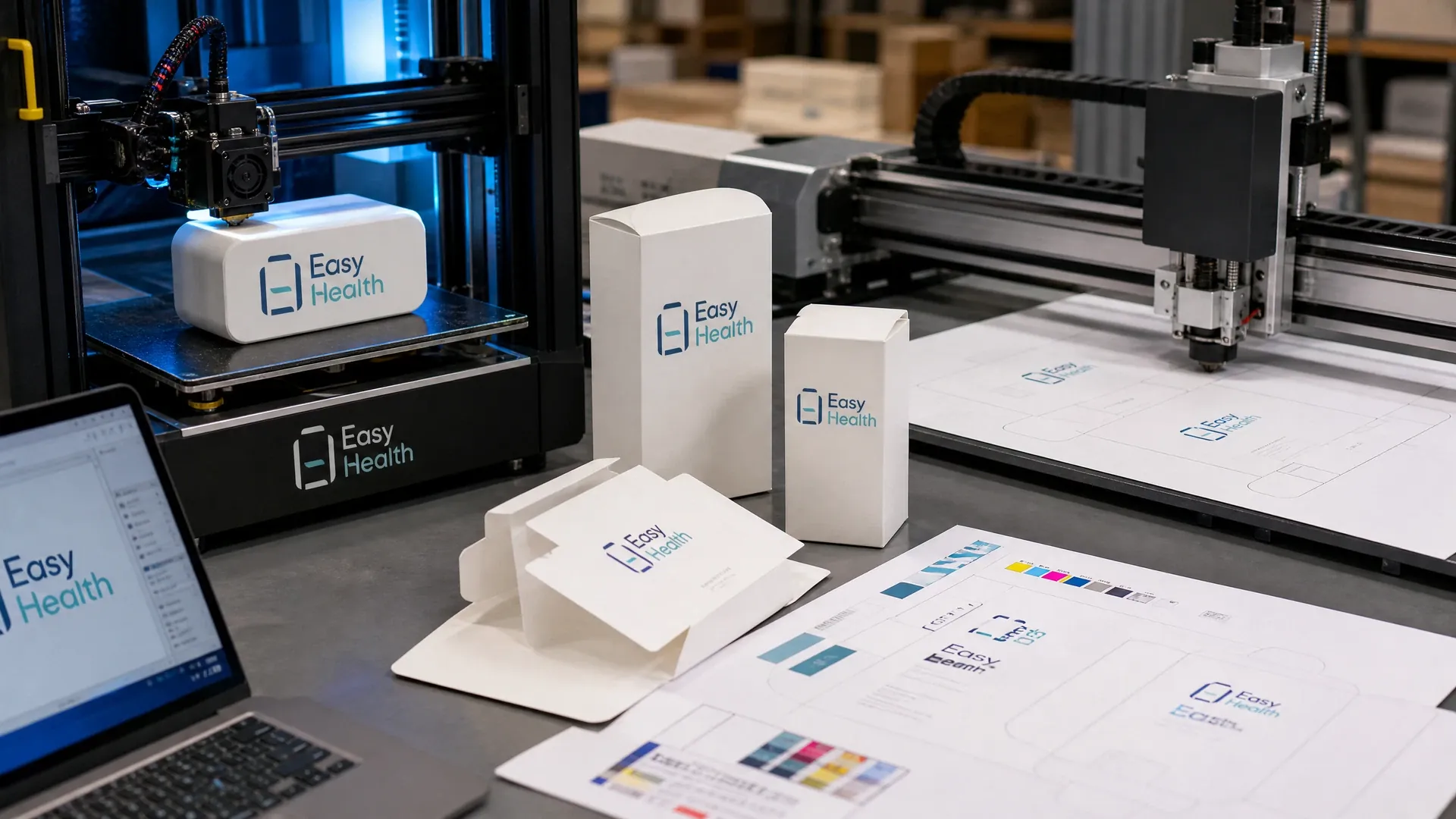
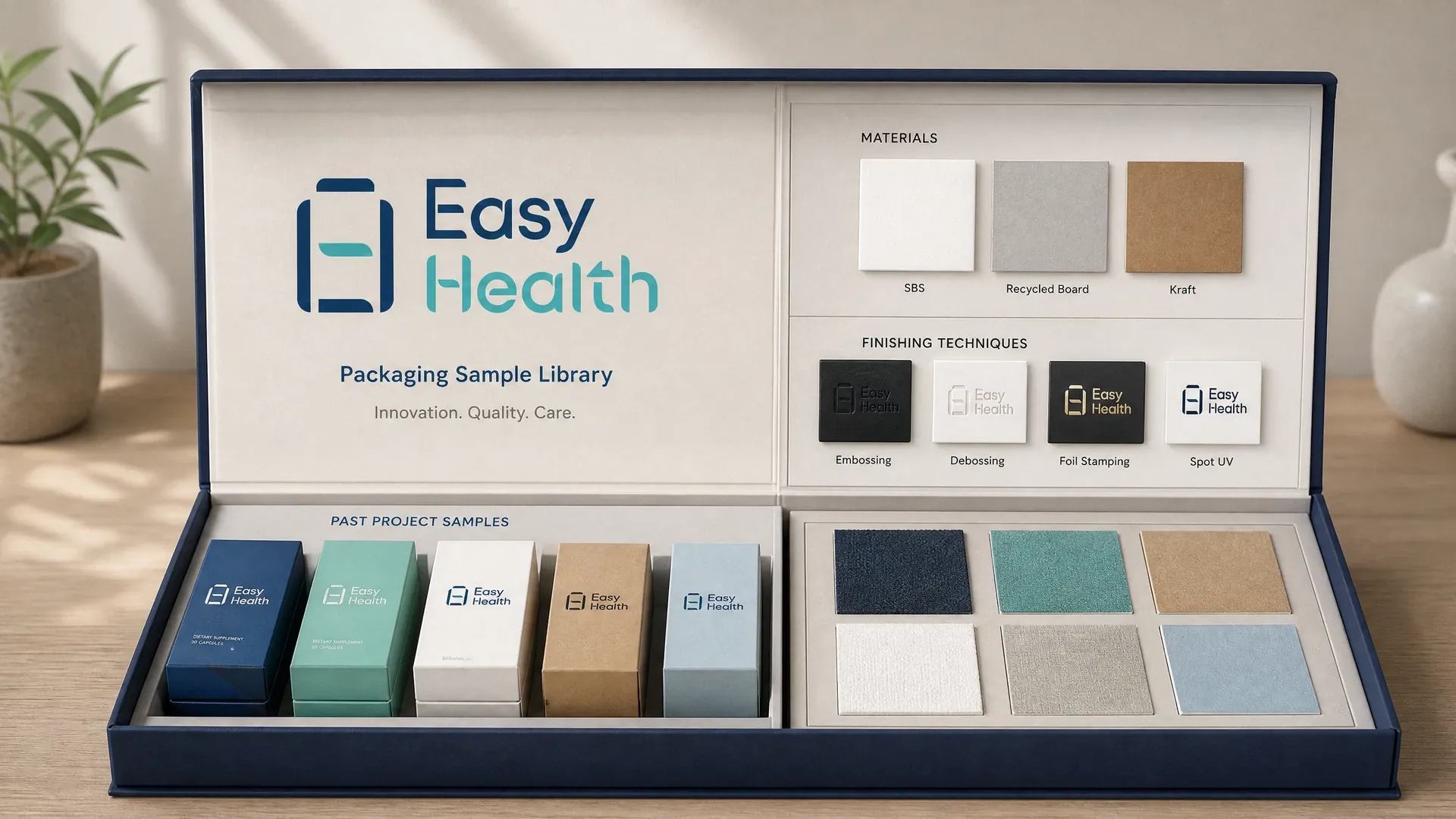
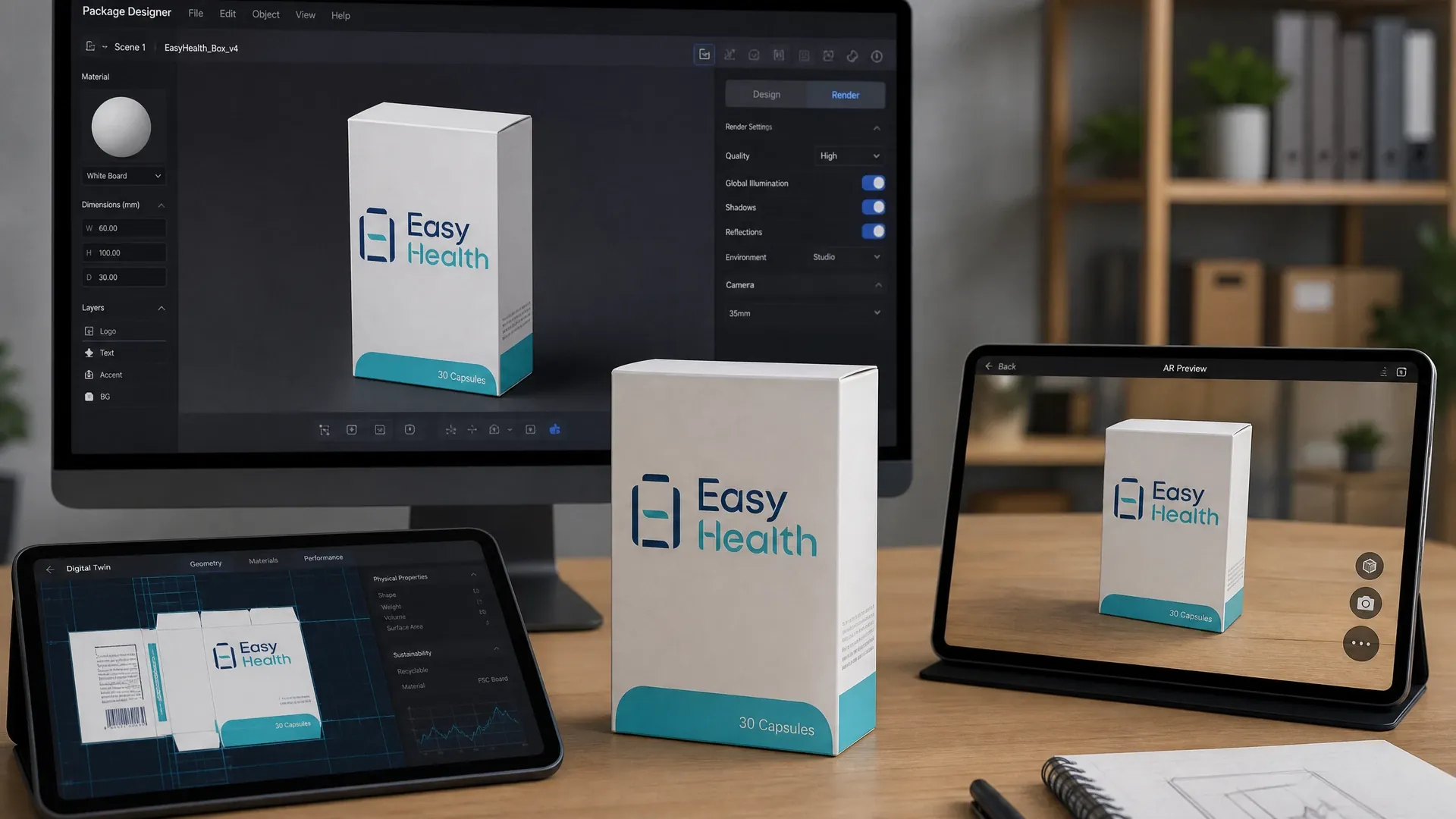
Images illustrate key checkpoints for digital, printed and white-dummy samples, including folds, glue flaps, seal zones and high-abrasion areas. We also show how a master spec scales across SKUs, helping you plan sampling rounds and sign-off priorities.
Proofing sample types by use case
Digital mock-ups focus on layout and are effective for early checks. Printed proofs on the target stock or film allow evaluation of spot colours, metallics, varnish and foil. White dummies, made from unprinted material, validate structure, capacity, sealing and opening. Colour verification may include swatches, contract proofs and tolerance notes for later production runs. For glass, foil laminates, composites or eco papers, also review barrier needs, scuff resistance and rub-off risk. Use virtual sampling for fast iterations, then anchor critical points with physical samples.
- Digital for early confirmation
- Printed for colour and finishes
- White dummy for structure strength
- Colour guides enable scalability
Confirmation workflow and documentation
To reduce rework, prepare near-final label text, dimensions, substrate direction, varnish/foil areas, sealing/opening method, cartonisation, and intended markets with applicable regulations. Your account manager will arrange sampling and checks, including legibility (bilingual where both languages are used), barcode proportions, Hong Kong nutrition “1+7” format where applicable to prepackaged foods, and a preliminary view on whether Cap. 549 (Chinese medicines) may be relevant. Where testing is needed, we can coordinate relevant arrangements with external parties on a project basis.
- Provide near-final artwork
- Mark sealing and stress points
- State markets and regulations
- Confirm any external arrangements on a project basis if needed
Proofing and confirmation workflow overview
- Project assessment and inputs:Your account manager reviews product needs, materials and processes, quantity planning and markets, then defines sampling priorities and expected milestones.
- Virtual sampling and first checks:Create 3D or context visuals to review layout, information hierarchy and indicative regulatory placements.
- Physical sample validation:Produce printed proofs and white dummies as required to verify colour, finishes, protection, sealing and handling.
- Colour and text sign-off:Lock colour tolerances with swatches or proofs, and cross-check bilingual text, barcodes and regulatory fields.
- Packaging production coordination:Coordinate print and material supply and align with production at our Hong Kong facility; timelines depend on scope and are confirmed by the account manager.
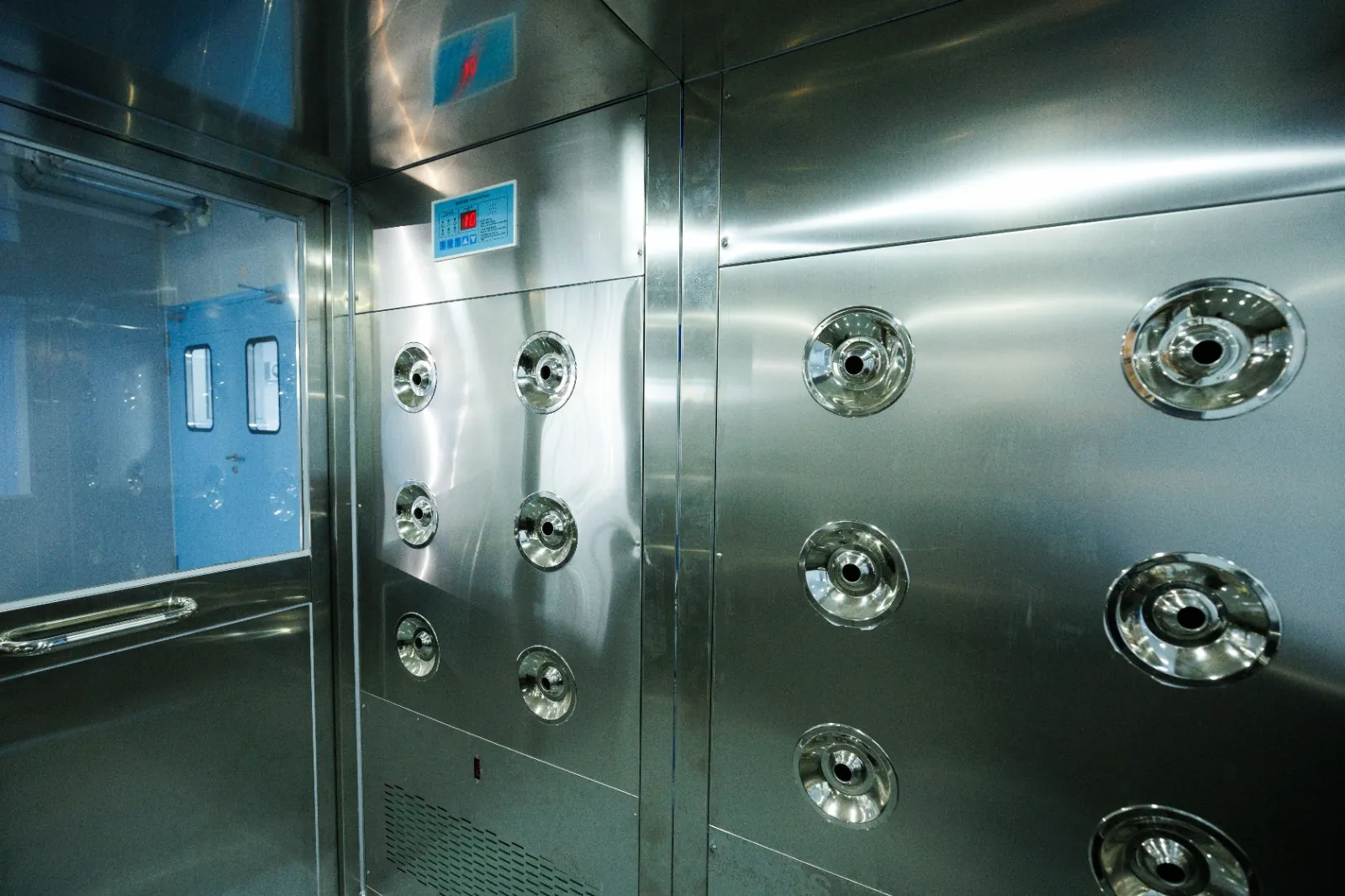
Inside the Easy Health Hong Kong Facility


Proofing options and suitable uses
| Item | Digital mock-up | Printed proof | White dummy |
|---|---|---|---|
| Best stage | Concept and layout | Colour and finishes | Structure and handling |
| Key focus | Info hierarchy | Colour and finishing | Support/seal/capacity |
| Inputs | Near-final artwork | Target stock and colour | Dieline and caliper |
| Watch-outs | Visual reference only | May differ from run | Test on same substrate |
This is a general comparison; actual arrangements are confirmed by the account manager.
What to prepare before proofing starts
- Near-final bilingual content with regulatory fields
- Dieline, dimensions and bleed marks
- Substrate direction, surface and finishing needs
- Sealing method, tear notch and reclose design
- Logistics context: filling, stacking, transit and retail display
- Target markets (HK/Mainland etc.) and applicable rules
Packaging proofing guide FAQs
How should the master print specification be set?
Define a master spec first—substrate, colour baseline and key finishes. Align layout with a digital mock-up, then use targeted printed proofs for colour and tactility, and white dummies for structure if needed. For multi-market launches, review Hong Kong Cap. 132W and Mainland GB 7718/GB 28050 labelling where applicable to prepackaged foods. Sampling rounds and timelines are assessed and confirmed by the account manager.
How can colour be kept consistent across runs?
Create a colour pack: on-substrate contract proof, tolerance-marked swatches, notes on tints/spot colours, plus how varnish/foil affects appearance. For production, test on the same substrate and align press parameters; keep a reference sample for matching. Your account manager coordinates print and material supply to support consistency.
Which labelling references should be checked?
For prepackaged foods in Hong Kong, Cap. 132W and the “1+7” nutrition scheme apply; for Mainland sales, refer to GB 7718 and GB 28050. Labels in Hong Kong may be in Chinese or English; where both languages are used, the name and ingredient list must appear in both, and the nutrition label must also be bilingual. Chinese proprietary medicines are governed by Cap. 549. Verify essentials during sampling and consult local authorities for specifics.
When should I use white dummy packaging samples?
Use a white dummy when structure affects support, stacking, leak prevention or opening design. Simulate filling and transit to observe seals, folds and stress points. For specialty papers or laminates, also review caliper direction and scuff resistance. A white dummy helps lock critical dimensions and steps before production.
Should printed proofs use the intended materials?
For accurate colour and finishing, proofs on intended production stock are recommended, especially with varnish, foil or metallic inks. Substrate absorption and reflectivity shift gamut and detail. If you are still evaluating materials, test on representative options and document observations for comparison.
Related Packaging Services
Discuss your packaging proofing route
Unsure which sampling route to take—digital, printed or white dummy? Send your artwork, specs and target markets via WhatsApp. Our account manager will assess the workflow based on materials, processes and quantity planning. Timelines depend on the project.
Last updated: