Food and Cosmetic Packaging Project Planning
For brand owners in Hong Kong and the GBA, this page clarifies the key factors that shape packaging project assessment for food and cosmetics: material and structure selection, labelling and regulations, print and finishing, quantity planning and sampling, storage and usage scenarios. Easy Health coordinates projects through a Hong Kong facility that follows GMP-referenced practices; each project is individually assessed and confirmed by an account manager.
Summary:This page explains how project assessment can differ between food and cosmetics packaging: food packaging may require a food-labelling and food-contact-material review, while cosmetics require a separate review of applicable cosmetic labelling, product and packaging requirements. Do not apply food legislation or nutrition-labelling rules automatically to cosmetics. Each project is assessed and confirmed by an account manager based on the supplied information.
Why Do Packaging Planning Factors Differ by Product?
Food and cosmetics face different legal frameworks and usage interfaces. Food involves Cap.132W and the “1+7” nutrition scheme, food-contact materials and barrier needs; cosmetics may require bilingual warnings under Cap.456A, container compatibility, and tactile/appearance finishes. Filling method, shelf context, logistics and storage, sampling rounds and long-term packaging planning further affect material structure and print/finishing choices. An Easy Health account manager will review your information and confirm the scope accordingly.
What Shapes Food Packaging Planning?
There is no single formula for assessing food packaging. Prepackaged foods in Hong Kong are subject to Cap.132W and the “1+7” nutrition scheme, which shape how the name of the food, ingredient list, allergen cues, net content and nutrition information are presented. Material selection must align with food-contact suitability and barrier needs (oxygen, moisture, light) as well as the filling method. Print and finishing choices depend on the sales channel and shelf context. Multiple sampling rounds or cross-size structures can increase complexity. Easy Health can coordinate bottles, pouches, sticks and blisters, with scope confirmed by an account manager.
- Confirm applicability of Cap.132W and “1+7”
- Define food name, ingredients and allergens
- Assess food-contact suitability and barriers
- Match colours/finishes to channels and scuffing
What Shapes Cosmetic Packaging Planning?
Cosmetics emphasise brand hierarchy and tactile finishes, while noting relevant requirements under Cap.456A. Depending on product characteristics and composition, bilingual warnings and usage statements may be needed. Beyond appearance, evaluate container compatibility with the formulation (including fragrance and alcohol content) and long-term stability. Metallic effects, soft-touch films, foiling or spot UV should be validated early for ink/laminate compatibility with the container. Structural choices for cartons, sleeves and fitments affect protection and unboxing. Easy Health coordinates label and carton design, material and print arrangements, with scope confirmed by an account manager.
- Review warnings potentially under Cap.456A
- Evaluate container–formula compatibility
- Plan tactile and metallic post-finishes
- Design protection and opening experience
Food and Cosmetic Packaging Projects at a Glance
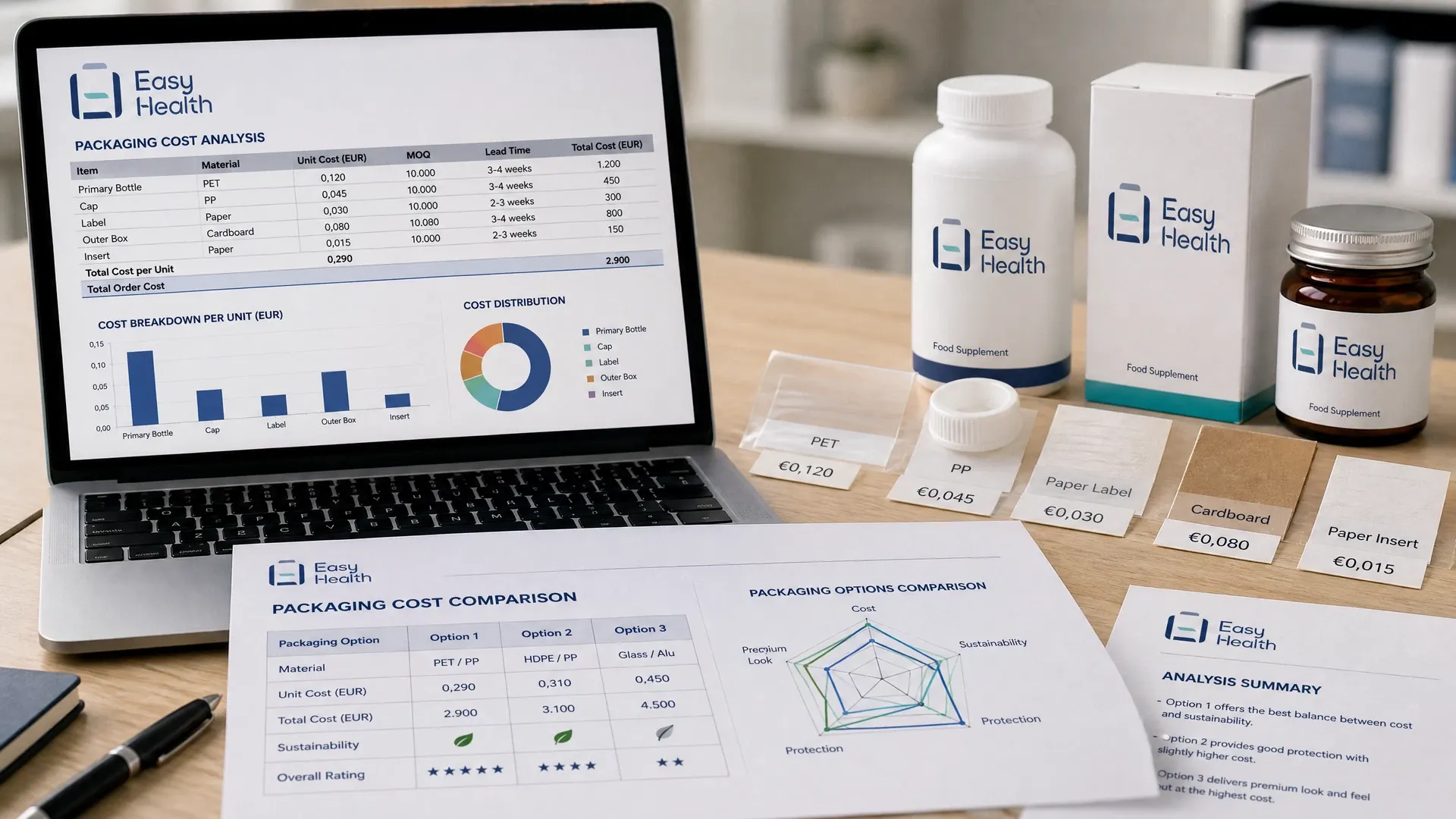
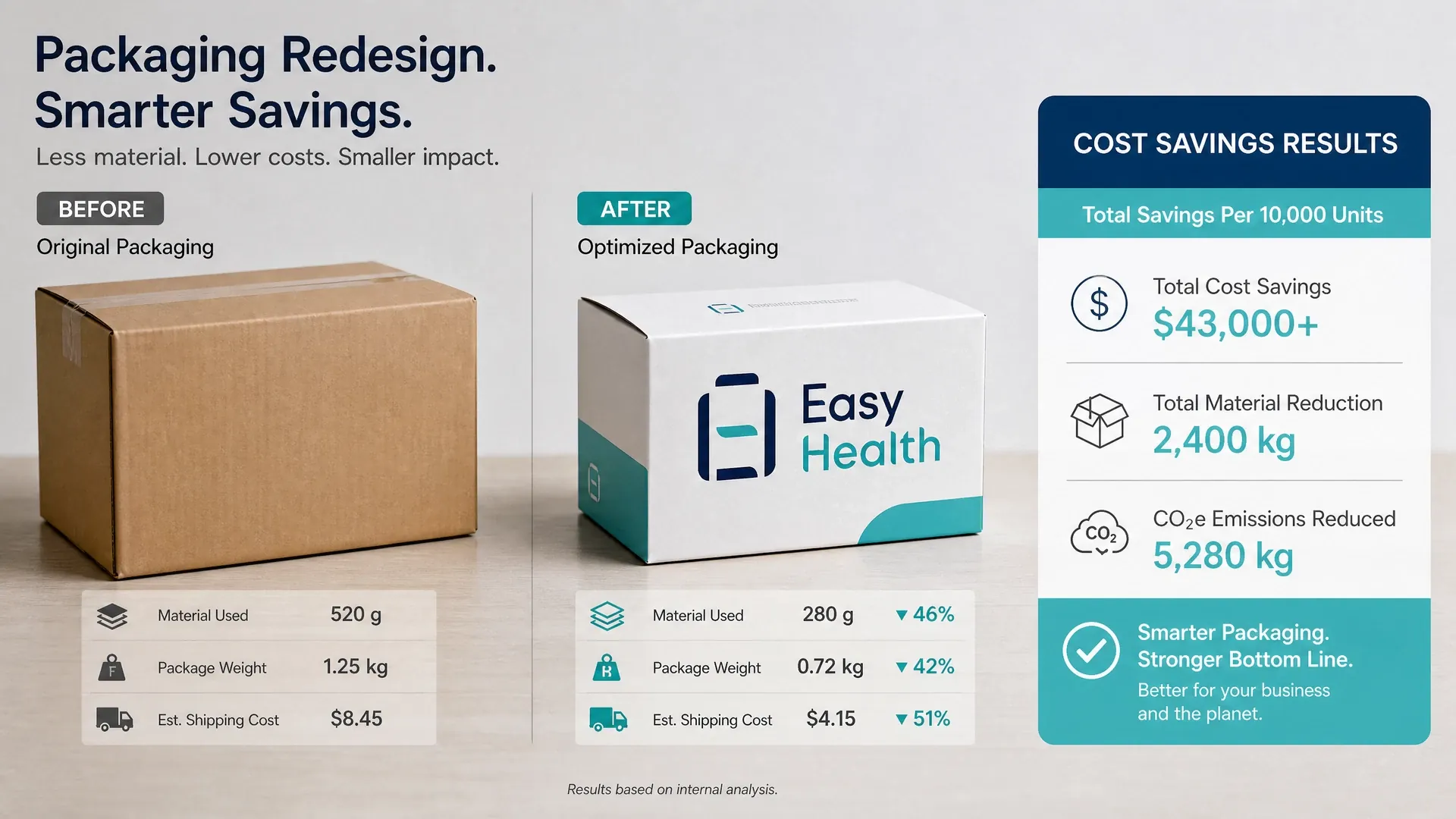
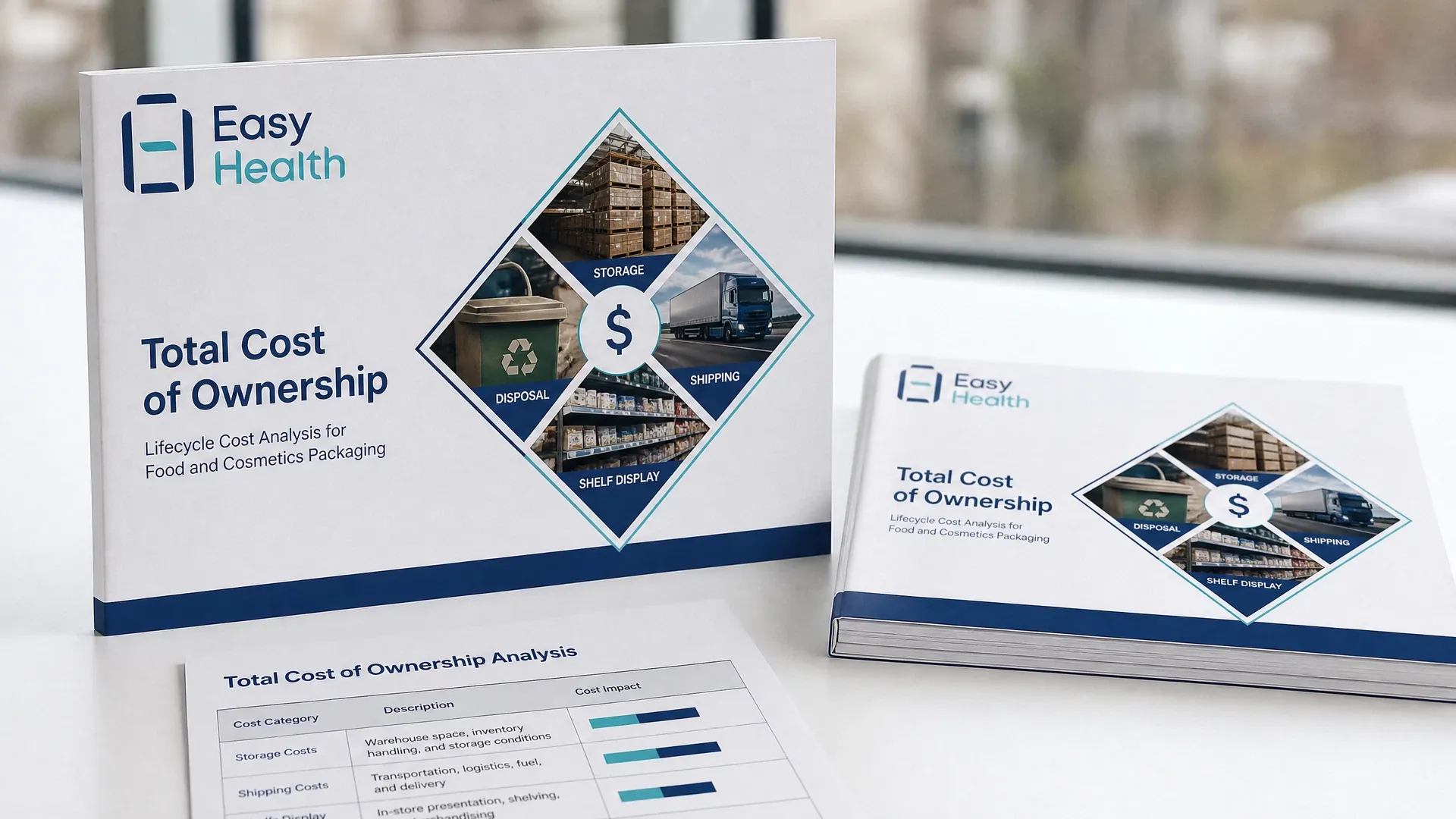
Illustrations show how food packaging leans towards labelling requirements and barrier design, while cosmetics prioritise tactile finishes and container compatibility. Both are shaped by sampling, print/finishing, logistics and long-term planning. Your account manager confirms the scope based on the information provided.

Labelling and Regulatory Points to Check
Food labels for prepackaged foods involve Cap.132W and the “1+7” scheme. If marketed bilingually, the food name and ingredient list are typically presented in both Chinese and English. Date markings commonly use “best before” or “use by”. For cosmetics, check whether bilingual warnings and usage statements potentially fall under Cap.456A. For Mainland China, refer to GB 7718 and GB 28050 as general pointers. Details vary by market; consult local authorities or advisers. Easy Health assists with label content checks, test coordination and sampling.
- Food: Cap.132W and “1+7”
- Cosmetics: Cap.456A warnings
- Dates: best before/use by
- Mainland (prepackaged foods): GB 7718/28050
Quantity, Sampling and Replenishment Planning
Consider expected sales cadence and SKU architecture during assessment. Early planning for shared structures or artwork can streamline production and replenishment. The number of sampling rounds affects arrangements, especially for special laminates, tactile coatings, foiling or spot UV, where compatibility and visual checks come first. Storage and logistics scenarios influence barrier layers and shipper protection. Easy Health’s Hong Kong facility coordinates packaging production and assembly across bottles, pouches, sticks and blisters, with confirmation by an account manager.
- Plan shared structures/artwork
- Estimate sampling rounds and timing
- Define storage and display needs
- Align replenishment and change cycles
Typical Planning Flow for Packaging Projects
- Initial consultation and product background:Understand category, formula overview, target markets and channels to frame regulations and use cases.
- Key needs and style positioning:Define functions, brand hierarchy, labelling languages, structural needs and unboxing direction.
- Material and structure proposals:Propose options around barriers, compatibility and finishes; coordinate supply and testing as needed.
- Label draft and regulatory checkpoints:Assist in checking key label fields and hierarchy against applicable requirements.
- Sampling and refinements:Arrange samples, validate visuals and tactility, and refine materials and finishes based on feedback.
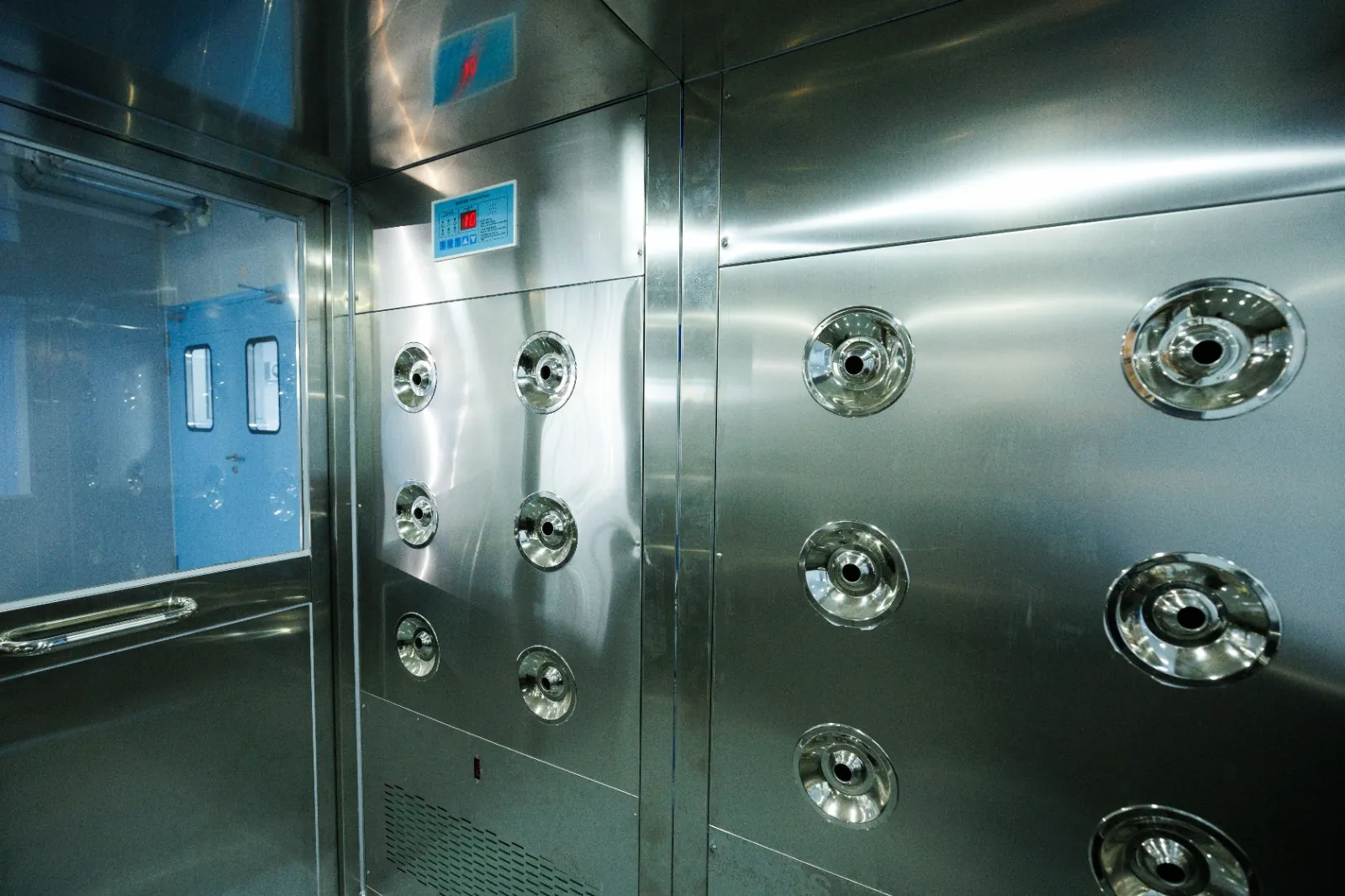
Inside the Easy Health Hong Kong Facility


Planning Focus: Food vs Cosmetic Packaging
| Criteria | Food (prepackaged) | Cosmetics (consumer goods) | Notes |
|---|---|---|---|
| Applicable rules | Cap.132W; “1+7” nutrition label where applicable | Cap.456A (as applicable) | Confirm per market |
| Labelling language | Chinese or English; if both, name and ingredients in both | Warnings or cautions in Chinese and English | Confirm separately for export markets |
| Date marking | best before/use by | As relevant to product | Clarity is key |
| Material focus | Food-contact, barriers | Container compatibility, look/feel | Early compatibility review |
| Typical formats | Bottle, pouch, stick, blister | Bottle, tube, pump, carton | Inserts and cushioning |
Easy Health coordinates labels, cartons and bottle/pouch/stick/blister formats; details are confirmed per project by the account manager.
Planning Inputs Beyond a Basic Packaging Design Brief
- Product category and formula overview (active attributes)
- Target markets and channels (HK/Mainland/cross-border)
- Labelling languages and key fields to be covered
- Filling method and process (ambient, chilled or special)
- Preferred materials, structures and tactile finishes
- Expected sampling rounds and suggested milestones
Food and Cosmetic Packaging Planning FAQs
How Should I Approach Packaging Project Planning in Hong Kong?
There is no one-size-fits-all approach. Focus on product type (food vs cosmetics), labelling pointers (e.g. Cap.132W with “1+7”, or Cap.456A where applicable), material/structure choices (barrier or compatibility), print/finishing (tactile or metallic), quantity planning and sampling rounds, plus logistics and shelf context. Prepare product background, labelling languages and key fields, preferred formats and finishes, then speak with our account manager via WhatsApp to confirm step by step.
What Labelling Information Is Typically Needed for Food?
For prepackaged foods in Hong Kong, prepare the name of the food, ingredient list, allergen cues, net content, nutrition information (within the “1+7” scheme) and date marking style (“best before” or “use by”). If sold bilingually, present the food name and ingredient list in both languages. Details may vary by market; consult local authorities or advisers. We can assist in checking layout and key fields.
What Should Cosmetic Product Labels Consider?
Cosmetics fall under general consumer goods. Review relevant matters under Cap.456A. Depending on product characteristics, bilingual warnings and usage directions may be needed. Also review ingredient naming conventions, origin and net content presentation. Requirements differ by market, so confirm for your product with local authorities or advisers. We can assist with label checkpoints and arrange relevant testing.
How Should Food-Contact and Barrier Needs Be Reviewed?
Share formulation attributes (pH, oils, fragrance) and logistics context (temperature, humidity, light). These drive barrier layers (oxygen, moisture, light) and sealing structures, and relate to print/finishing compatibility. We can coordinate compatibility or migration-related tests where needed, propose bottle/pouch/stick/blister options, and iterate based on Sampling Arrangementsdback.
What Should a Packaging Sampling Checklist Include?
Define what you need to validate: hierarchy, colour consistency, tactile finishes, structural strength and compatibility. For foiling, spot UV, soft-touch or metallic inks, consider staged sampling from mock-ups to physical samples. Allow copy space for channel or regulatory updates. Easy Health arranges sampling and refines design and finishes after each round.
Related Packaging Services
Talk to Our Team About Food and Cosmetic Packaging Planning
Share product details, labelling languages, material/finish directions, expected sampling rounds and logistics scenarios. Easy Health’s Hong Kong team will assess your needs against target markets and channels, then confirm the packaging approach step by step.
Last updated: