Supplement label and carton printing assessment
This page focuses on project assessment for supplement label and carton print. Key factors include materials, structures, print methods, finishing, automation readiness for labelling/boxing, quantity and batch planning, and common labelling rules in Hong Kong and Mainland China. Each project is individually assessed and confirmed by an Easy Health account manager, with communication via WhatsApp.
Summary:Project assessment for supplement labels and cartons has no one-size-fits-all answer. Material, structure, print and finishing, quantity planning, sampling rounds, and labelling field reviews all shape the scope. Easy Health coordinates the project requirements in Hong Kong. Confirm which certificate scopes, quality records and supporting documents apply to the proposed arrangement. We provide OEM/ODM support, label and carton coordination, sampling and packaging production, with a dedicated account manager assessing each project.
What should you prepare for a label and carton printing assessment?
Provide: 1) dosage form and primary pack (e.g., bottle, jar, pouch) with dimensions; 2) usage and storage conditions (ambient, light/moisture considerations); 3) intended markets (HK/Mainland/others) for labelling language and rule checks; 4) design readiness (AI/PDF, spot vs CMYK, metallic inks/spot varnish); 5) batch cadence and sampling rounds; 6) automation requirements for labelling or cartoning. An account manager will confirm feasible options and timelines accordingly.
Supplement label printing assessment: factors that shape the scope
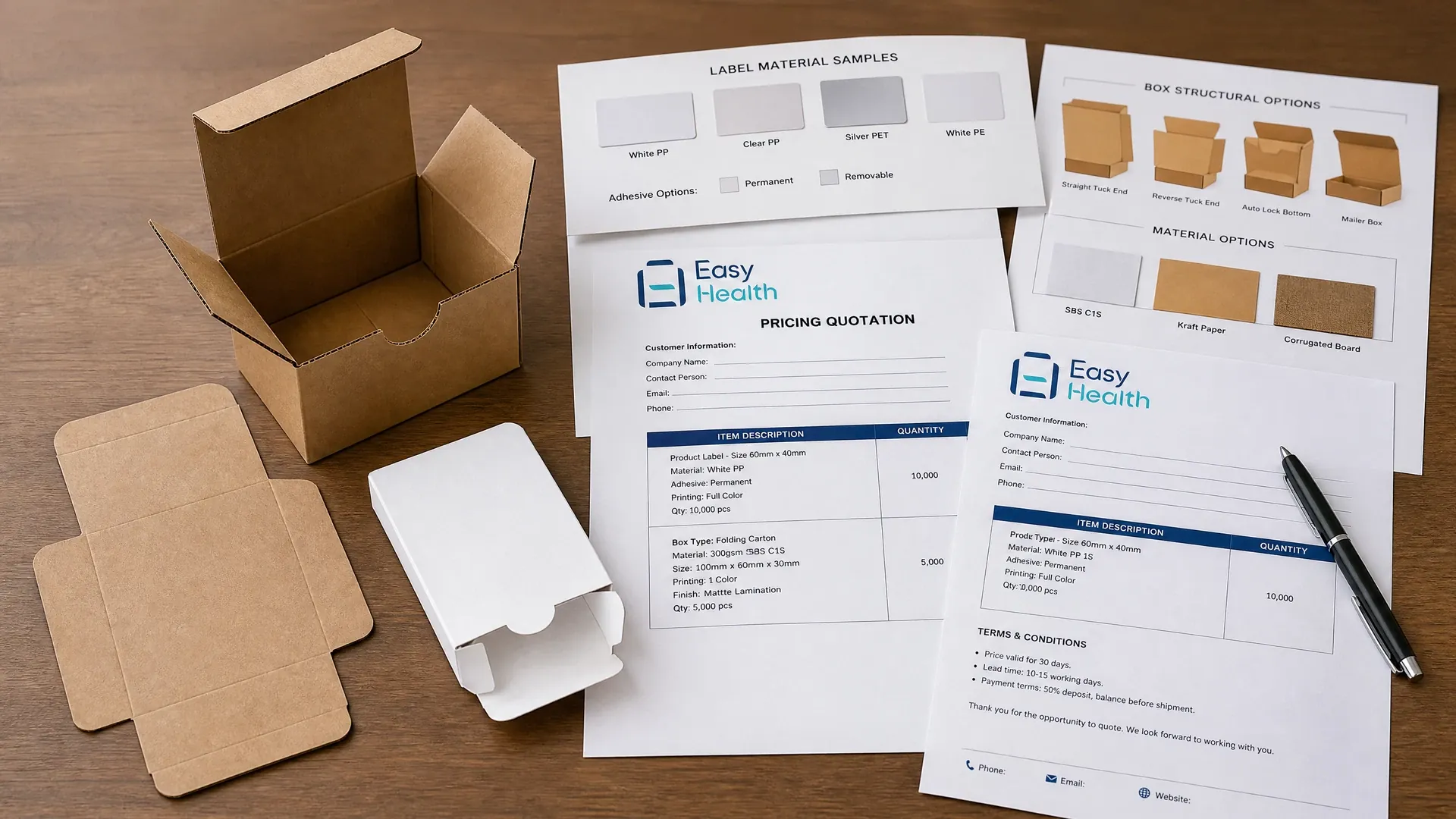
There is no single standard for supplement label assessment. We prioritise fit-for-purpose choices: facestock (paper, synthetic films) and adhesive suitability for container materials and moisture/temperature; print method and spot colour control; feasibility of spot varnish, hot foil, and embossing; roll direction and core to suit manual or automated application; batch cadence and sampling rounds; layout capacity for barcode, best before/use by, and nutrition data. Your account manager will propose combinations based on product and usage, confirming testing and material supply arrangements as needed.
- Match facestock/adhesive to container and environment
- Spot colours, metallic inks, scratch resistance
- Feasibility of spot varnish, foil, emboss
- Roll direction and core for the applicator
Supplement carton printing planning: structure, protection and logistics
Assessment for supplement cartons hinges on structure and logistics. Tuck-end, crash-lock or rigid lid choices affect stacking strength and cartoner compatibility; GC/CCNB/white card rigidity and smoothness influence spot colours, foil and lamination; inserts (paper pulp/foam) must balance display and shock protection; die-line layout impacts material usage and finishing flow. For multi-market packs, bilingual info can be planned on one carton; allocate clear zones for barcode, batch and coding. Your account manager will orchestrate sampling and production coordination.
- Style drives strength and cartoner fit
- Board rigidity affects finishing quality
- Inserts balance display and protection
- Reserve coding and labelling zones
Visual guide: checkpoints for labels and cartons
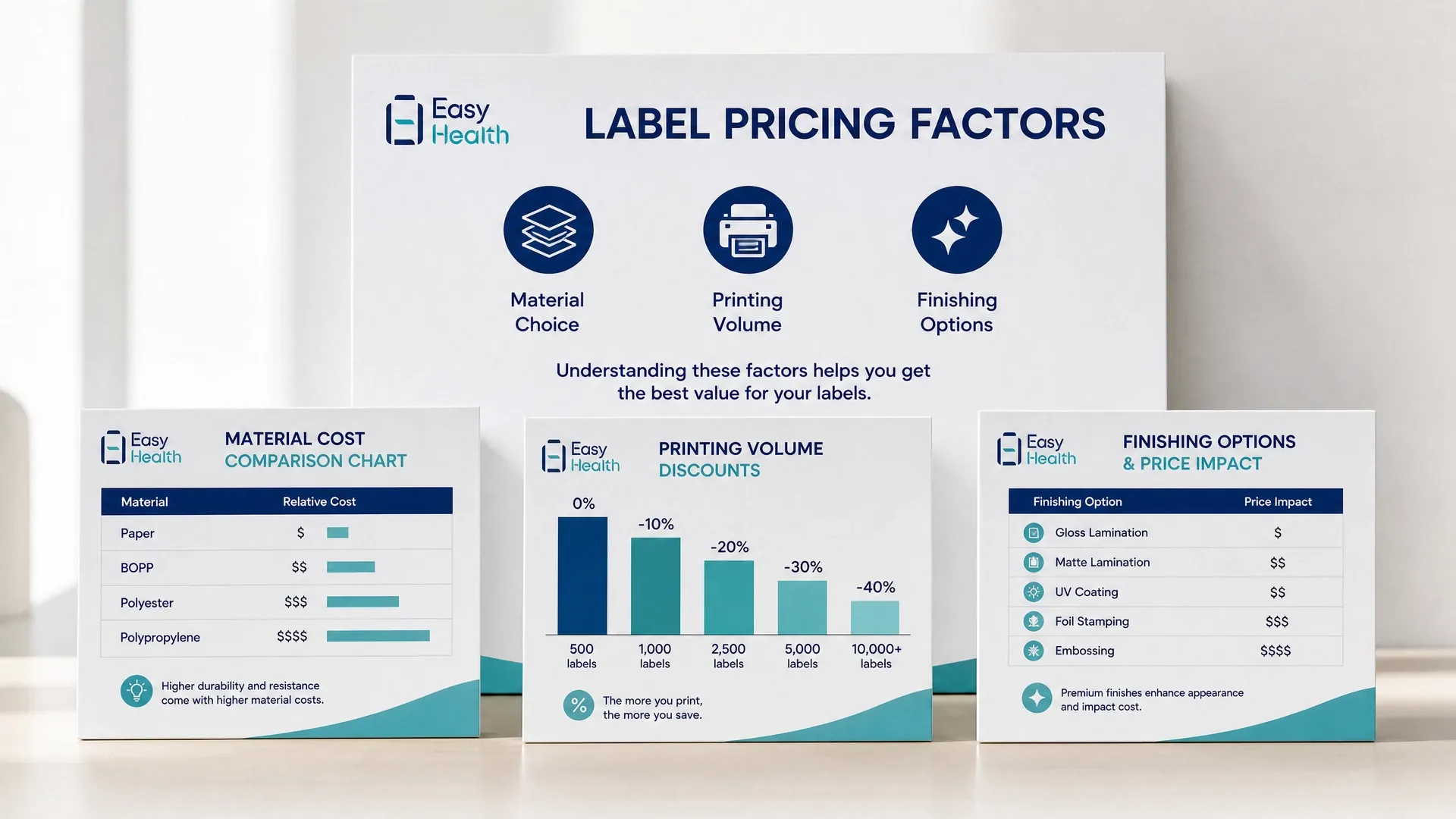
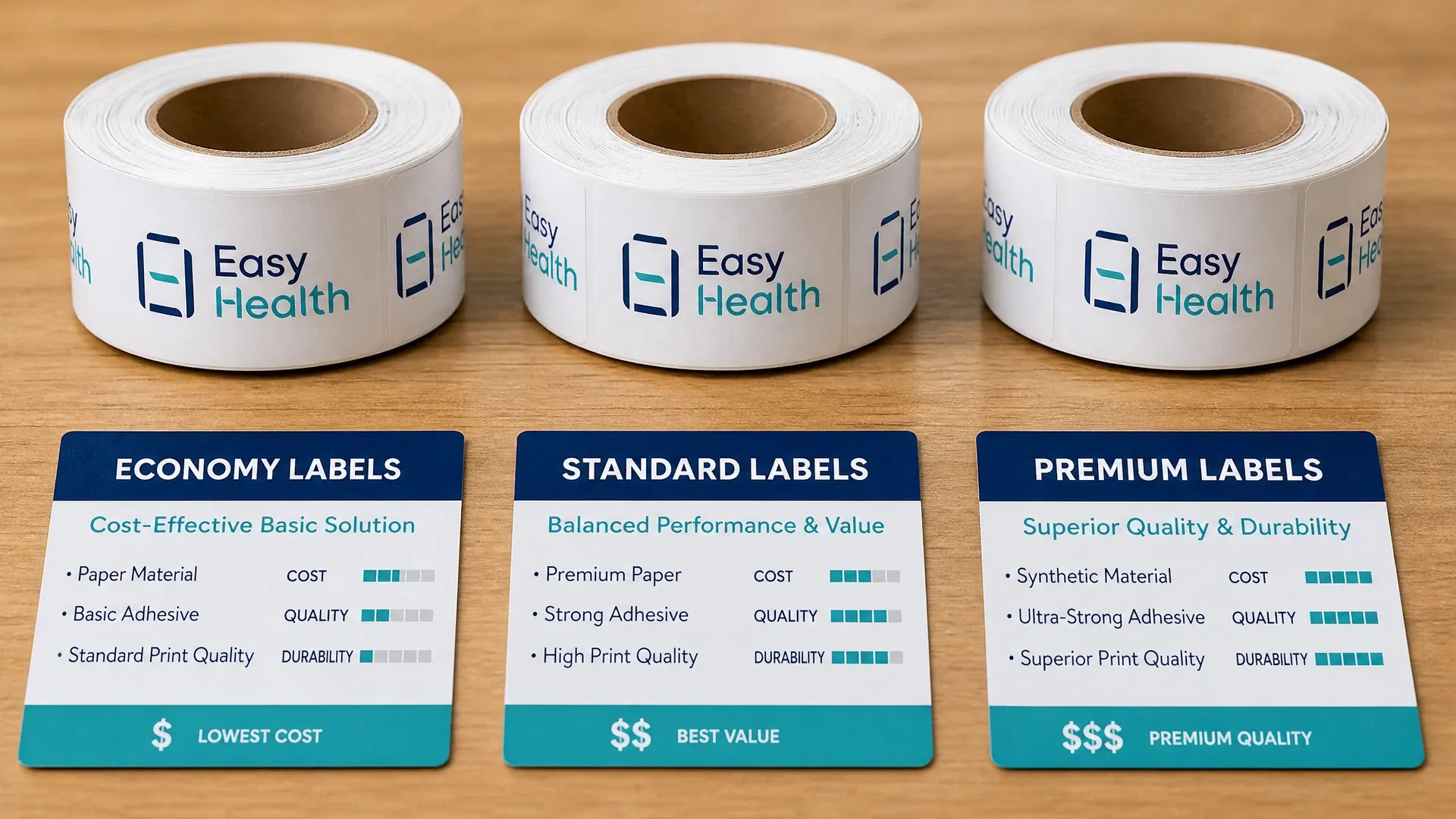
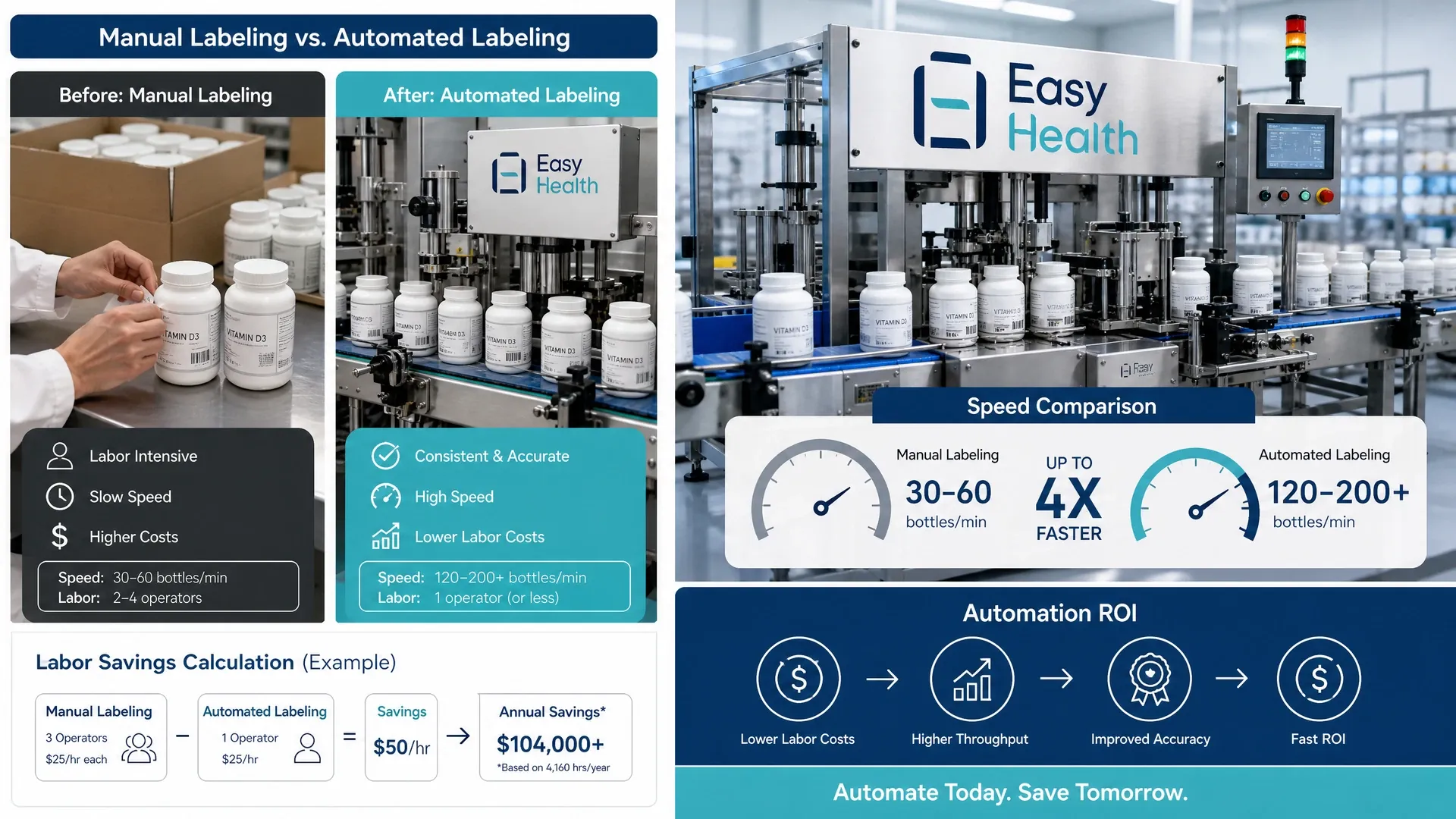
Diagrams highlight facestock/adhesive pairing, roll direction, carton structures and inserts, plus interfaces with automated labelling/cartoning. They also show typical placement and white space for regulatory fields to align design with compliance planning.
Compliance reference points for Hong Kong and Mainland China
For prepackaged foods in Hong Kong, the Food and Drugs (Composition and Labelling) Regulations (Cap.132W) and the “1+7” nutrition scheme may apply. In Mainland China, GB 7718 and GB 28050 are common references for prepackaged foods. For proprietary Chinese medicines/herbal materials, Cap.549 applies. Plan language and mandatory fields by classification and market; when bilingual, product name and ingredients appear in both languages. Use “best before” or “use by” date wording as appropriate. We help review field completeness and layout, and confirm testing and material supply arrangements as required.
- Cap.132W for prepackaged foods; “1+7” where applicable
- GB 7718/GB 28050 in Mainland
- Cap.549 for Chinese medicines/herbs
- When bilingual, name and ingredients in both languages
Automation and batch planning
For automated labelling/cartoning, confirm roll direction, spacing, OD and carton tolerances early and align with the equipment vendor. Batch cadence guides material planning and sampling rounds: validate adhesive, abrasion resistance and finishing via samples before locking production parameters. To reduce colour drift, supply master samples and colour targets, and stabilise screens/angles or spot inks. Your account manager coordinates printing and material arrangements, confirming timelines per project.
- Lock roll spec and tolerances early
- Use samples to de-risk key points
- Provide colour and finishing masters
- Batch plan drives material staging
Assessment workflow for labels and cartons
- Brief and data capture:Confirm product form, markets, environmental conditions, artwork status and batch cadence to frame initial options.
- Material and structure options:Account manager proposes facestock, adhesive, board and structures per use case, coordinating material sourcing.
- Sampling and validation:Arrange samples to validate colour, adhesion, abrasion and finishing details; confirm related testing arrangements if needed.
- Layout and field review:Review field completeness, bilingual layout and date wording by market; provide layout feedback.
- Production coordination:Confirm schedules per project, coordinate print and finishing, and arrange packaging production orchestration.
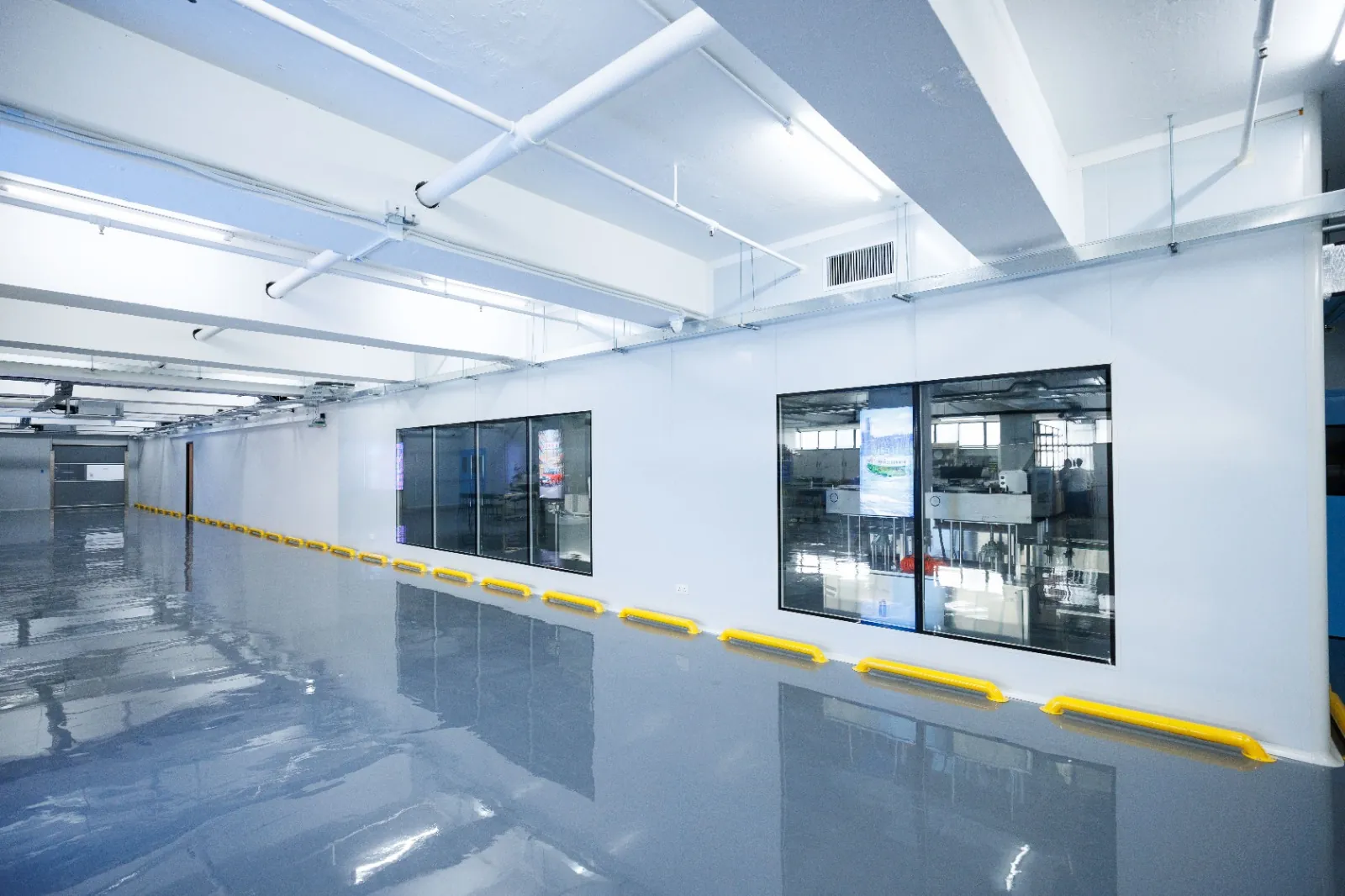
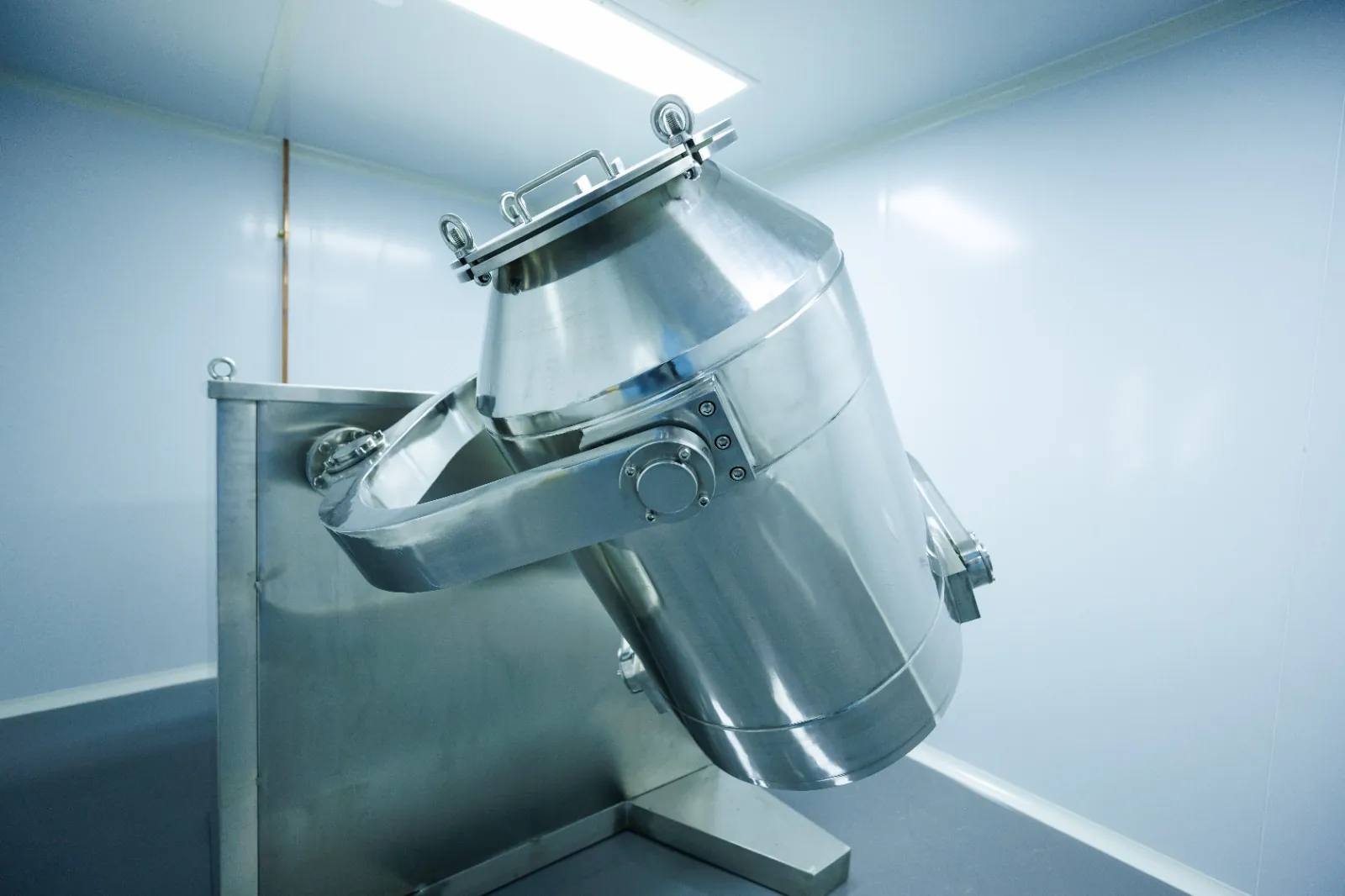
Inside the Easy Health Hong Kong Facility

Labels vs cartons: assessment snapshot
| Aspect | Label | Carton | Note |
|---|---|---|---|
| Material | Paper or film | White card/CCNB | Match moisture and rigidity |
| Print method | CMYK or spot | CMYK or spot | Spot stability matters |
| Finishing | Spot varnish/foil/emboss | Lamination/foil/emboss | Align with design depth |
| Structure | Flat application | Style with insert | Assembly and protection |
| Adhesion/support | Adhesive recipe | Board stiffness | Environment and load |
Lock automation tolerances and interfaces early; your account manager will coordinate confirmation.
Pre-assessment checklist
- Container material and dimensions
- Markets and languages (ZH/EN)
- Barcode, batch and date code zones
- Use and storage conditions
- Artwork format and colour settings
- Automation requirements, if any
Label and carton printing assessment FAQs
How are sampling rounds and batch cadence planned?
Sampling rounds and batch cadence are planned around product form, print method and materials. For multiple variants or phased launches, the account manager can advise on sequencing to stabilise colour, plan material sourcing and align with automation. Share container dimensions, markets and artwork readiness to begin the assessment.
How should label fields be planned for Hong Kong and Mainland China?
Confirm classification and markets first: for prepackaged foods in HK, refer to Cap.132W and the “1+7”; in Mainland, GB 7718/GB 28050 are common references; Cap.549 applies to proprietary Chinese medicines/herbal materials. Reserve space for product name, ingredients, allergens, nutrition, barcode and date wording, using bilingual layout when needed. We help review completeness and placement.
What artwork files are required for sampling?
Supply editable AI/PDF with fonts and linked images, noting spot or metallic inks. Include colour targets, finishing references or physical masters if available. For labels, specify roll direction and core; for cartons, share dielines or dimension sketches so the account manager can coordinate sampling.
How can label lifting under chilled or humid conditions be assessed?
Match facestock and adhesive for moisture resistance and container surface energy, and consider curvature and application pressure. Run chilled/humidity trials on samples and check edges and abrasion. The account manager can confirm related testing and roll-setting arrangements to improve adhesion stability.
For automated cartoning, how are dielines and tolerances confirmed?
Share cartoner specifications and samples to fine-tune locks, tuck angles and crease depth, and test during sampling. Flat size, tolerances and grain direction affect pick-and-fold performance. Your account manager coordinates confirmations with supply partners.
Related Packaging Services
Discuss your label and carton assessment with our team
Share product details, markets, artwork and batch cadence. Easy Health coordinates the project requirements in Hong Kong. Confirm which certificate scopes, quality records and supporting documents apply to the proposed arrangement. We coordinate label/carton materials, sampling and packaging production. An account manager will confirm a feasible approach for your project.
Last updated: