
GMP and HACCP in
Supplement Manufacturing: Frameworks
In addition to the FSSC 22000 highest certification, multiple international certifications such as GMP (Good Manufacturing Practice), HACCP (Hazard Analysis Critical Control Point), ISO 22000 (Food Safety Management), and ISO 9001 (Quality Management) are in place to build a comprehensive quality assurance system.
Last update: July 2026 | Read time: about 8 minutes
What Are GMP Manufacturing Standards?
GMP (Good Manufacturing Practice) sets out how health supplements and foods should be produced in controlled conditions to achieve consistent, reliable quality. In supplement manufacturing, GMP principles guide areas such as facility design, personnel hygiene, documentation, validation and change control. GMP underpins other food-safety systems; without sound GMP practices, an effective food-safety management system is difficult to establish.
What Does HACCP Cover in Supplement Production?
HACCP is a systematic food safety approach that identifies, evaluates and controls hazards. In supplement production, HACCP plans typically cover the process from raw-material receipt through manufacturing to finished-product release. The number and nature of Critical Control Points (CCPs) are defined by the specific product and process, with monitoring, verification and corrective-action procedures set accordingly.
Hazard analysis
Identification of potential biological, chemical and physical hazards from raw materials to finished products, assessment of risk levels
Confirm key control points
Identification of critical points that control hazards (e.g., metal detection, temperature control, microbiological testing, etc.)
Create Key Limit
Set acceptable safety limits for each key control point based on scientific data and legal requirements
Surveillance
Set up a continuous surveillance system to ensure that key controls are within control, including automatic surveillance devices
Corrective measures
When surveillance indicates deviation, immediate corrective measures, including product isolation, cause analysis and pre-emptive measures
certification and Records
Periodically verify the validity of the HACCP system, keep complete records and ensure traceability
How ISO 22000 Food Safety Management Relates to Production
ISO management system standards provide recognised frameworks for food safety and quality. In supplement manufacturing, ISO 22000 links HACCP principles with management-system requirements to structure risk controls across procurement, production and release. During supplier qualification, certificate scope and validity should be checked against the intended products and processes.
ISO 22000
Food safety management
International food safety management system standards, integrating HACCP principles and food safety management system requirements. It is a matter of making sure that the whole supply chain of food from the farm to the table is safe.
ISO 9001
Quality management
International quality management system standards to ensure that the organization continues to provide products that meet client and legal requirements. It's about customer satisfaction, continuous improvement and risk management.
ISO 13485
Medical equipment quality
Medical equipment management system standards, adapted to higher quality requirements for some health products. It is important to ensure that products are designed, produced and sold over the life cycle.
FDA Registered
US FDA Registration
For exports to the United States, relevant facilities may be required to register with the U.S. Food and Drug Administration (FDA). FDA facility registration is renewed biennially; registration status and scope should be verified for the specific site and product category.
Implementation Areas for Standard-Based Controls
The following illustrates typical implementation areas for standard-based controls within supplement manufacturing operations.
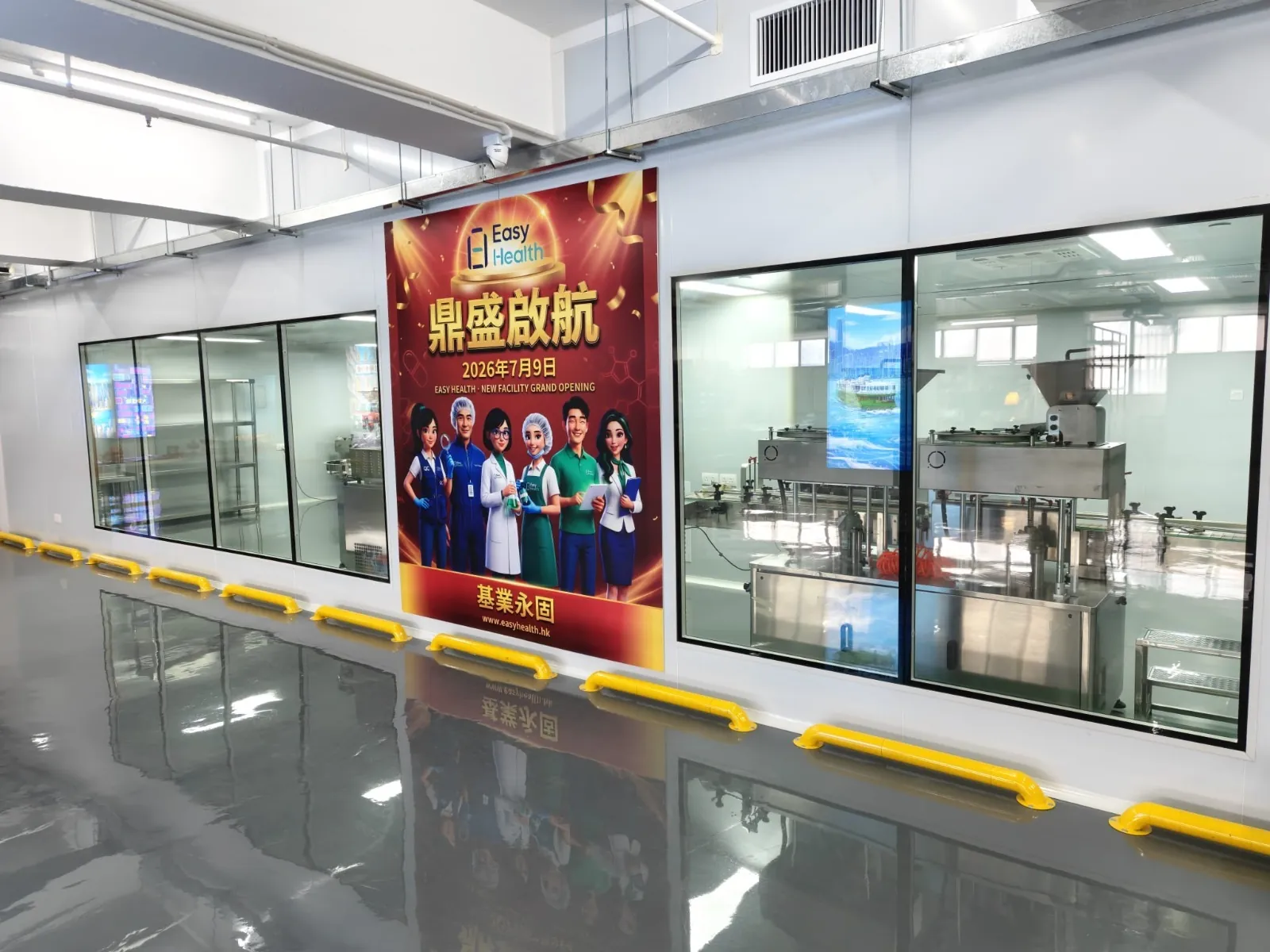
Controlled cleanroom and hygiene zoning aligned with GMP principles
HACCP Key Control Point Monitoring System

ISO Quality Management File System

Regular calibration and maintenance records.

Regular GMP training and appraisal
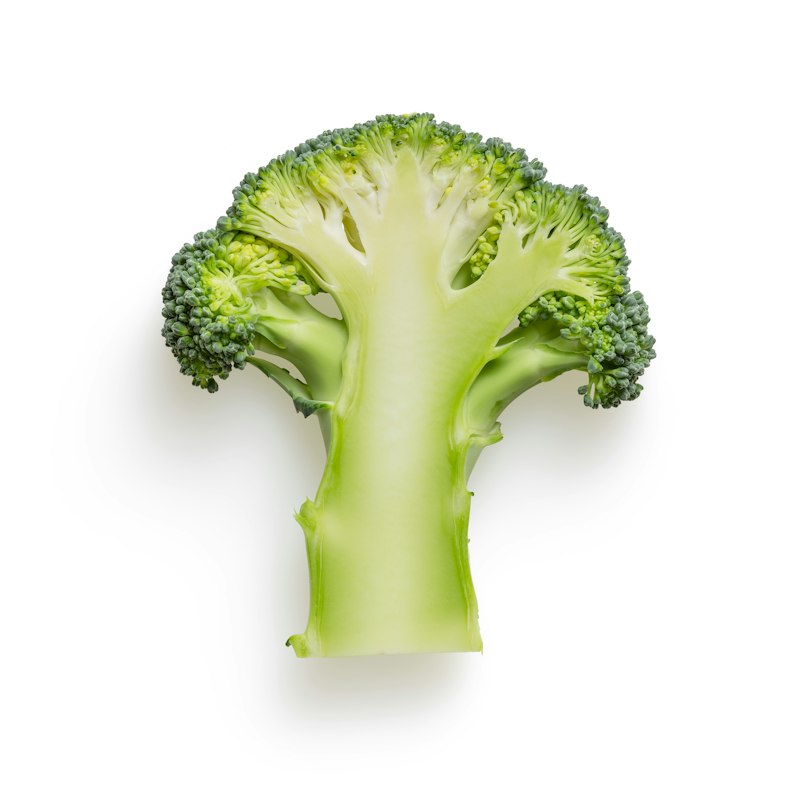
Temperature and purity instant surveillance.
Comparison of GMP, HACCP and ISO Frameworks
Understanding the coverage and suitability of the certification systems
| certification system | Core Range | Fit to match | Review Period | Time-based state |
|---|---|---|---|---|
| GMP | Production and environment | All food/health plants | Annual | It's still working. |
| HACCP | Hazard analysis and control | Food safety management | Annual | It's still working. |
| ISO 22000 | Food safety management system | Food supply chain. | Validation every / 3 years | It's still working. |
| ISO 9001 | quality management system | All trades | Validation every / 3 years | It's still working. |
| FDA Register | United States Market Access | Exporting American companies | Update every 2 years | ✓ Registered |
| FSSC 22000 | Maximum food safety certification | GFSI Recognized Enterprises | Validation every / 3 years | It's still working. |
Why Brands Review Multiple Food Safety Frameworks
In health supplement industries, single certification often fails to meet the needs of different markets and clients. The legal requirements for health production vary from country to country and from region to country: The EU market values HACCP and GMP, the US market requires FDA registration and cGM and the Asian market generally recognizes ISO system certification. The time-sensitive possession of multiple international certificates ensures that customers' products, regardless of the market, meet local legal requirements.
Another important value of multiple certification systems is the comprehensiveness of risk management. The GMP ensures that the production environment and operating specifications are in line with standards, HACCP systematically recognizes and controls food safety hazards, ISO 22000 establishes a complete food safety management system, and ISO 9001 ensures product consistency from a quality management perspective. These certificates complement each other and form an unimpaired quality assurance network.
For new brands or SMEs, building and maintaining these certification systems independently demands significant complexity and resources. By choosing Easy Health as your OEM/ODM partner, you can directly benefit from the quality assurance and market access advantages of multiple certifications, without investing your own time and resources into certification setup. Our certificates can be used by clients for brand promotion and channel development.
How GMP, HACCP and ISO Controls Work Together
Time-based quality management systems do not identify individual operations, but rather integrate them into a single management system. For example, the production of a group of NMN capsules: GMP regulations to ensure the cleanliness of production spaces, the calibration of equipment and the hygiene of personnel; HACCP systems to identify critical hazards such as microbial contamination of raw materials, metallic input, and control measures in the appropriate environment; ISO 22000 to include these controls in system management to ensure continuous and effective operation; and ISO 9001 to ensure consistency in the quality of the product in terms of client satisfaction.
The advantage of this integrated management is a dual uplift in efficiency and effectiveness. Staff follow a single set of unified procedures to meet all certification systems simultaneously. With one management review, leadership can assess the performance of quality and food safety management comprehensively. This not only reduces administrative burden but also ensures consistency and coordination across systems.
In practice, our quality management team conducts regular cross-examinations to ensure that the requirements of the certification systems are effectively implemented in daily production. A monthly quality conference reviewed quality data, client feedback and internal audit findings from last month, developed improvements and tracked implementation results. This continuous improvement ensures that the identification system is not just document-based, but actually integrated into the day-to-day operations of the company.
GMP, HACCP and ISO 22000 FAQs
What does GMP certification have to do with FSSC 22000?
GMP is the foundational requirement for food safety, while FSSC 22000 is a higher-level certification. FSSC 22000 encompasses all GMP requirements and, on that basis, adds more stringent requirements such as system management and continual improvement. We hold both certifications to ensure dual assurance of basic standards and an advanced management system.
How does HACCP certification help export products?
HACCP is a globally recognized food safety management approach; the food import regulations of most countries require manufacturers to implement an HACCP system. Holding HACCP certification can significantly simplify export compliance processes, especially for exports to developed markets such as the EU, the United States, and Japan.
How often do these checks take place?
GMP and HACCP typically undergo surveillance audits once a year. ISO certifications have annual surveillance audits and are re-certified every three years. FDA registration is renewed every two years. We maintain the continuous validity of all certifications to ensure uninterrupted quality assurance for our customers' products.
Is the customer's product automatically certified?
The customer's product was produced at our certified factory, i.e. on behalf of the product, in an environment consistent with the FSSC 22000/GMP/HACCP/ISO criteria. We can provide copies of factory certificates for customers, for brand promotion and channel outreach.
What if it doesn't pass?
There has never been a major inconsistency with the certification that led to the suspension. We have put in place a well-established internal vetting mechanism, which will allow for full self-censorship and overhaul prior to external review and ensure that all certification requirements are continuously met.
What's the difference between FDA registration and FDA certification?
FDA registration refers to a facility’s listing with the FDA to notify the agency of its existence and manufacturing activities. The FDA does not issue “certifications”; registration is a regulatory listing requirement for certain products entering the U.S. market. Registration status, site number and product scope should be verified case by case during vendor qualification.
Discuss Standard Requirements for Your Supplement Project
Discuss the GMP/HACCP/ISO-based controls and documentation your supplement project may require. Speak with our team.
Free WhatsApp ConsultationRelated Services
Relevant Page Recommendations
OEM Manufacturing Services
Provide the formula, we produce it.
Learn MoreODM Formula Development Services
One-stop service from formulation design to finished product
Learn MoreOne‑Stop Contract Manufacturing Process
Understanding the full collaborative process and timeline
Learn MoreAbout Easy Health
Know our history and team.
Learn MoreFactory Tour
Anticipate access to FSSC 22000 certification facility
Learn MoreOEM/ODM Common problem
It's a question-and-answer system for working together.
Learn MoreCertification and Export FAQ
There's a problem with certification and exit.
Learn MoreService Arrangements and payoffs FAQ
Project Terms and time lines are a problem.
Learn More