Supplement Manufacturing Quality Control
and Testing Coordination
IQC (incoming), IPQC (in‑process), and FQC (finished) checks are applied as a three‑stage quality control approach to verify each batch against relevant food safety requirements and client specifications. Where required, samples can be submitted to an independent laboratory (e.g. SGS) for additional testing.
Last update: July 2026 | Read time: about 8 minutes
Three-Stage Supplement Manufacturing Quality Control Workflow
IQC: Incoming Material Checks and Document Review
IPQC: In-Process Checks and Production Records
FQC: Finished Product Checks and Batch Records
Optional Third-Party Supplement Testing Arrangements
In addition to the internal three‑stage checks, third‑party laboratory testing can be coordinated on request. Recognised inspection agencies such as SGS, Intertek and Bureau Veritas may be engaged subject to project needs and laboratory availability, with reports issued directly by the laboratories.
SGS Test
The world's largest certification agency, internationally recognized for export and brand promotion.
Microbiological testing
Comprehensive testing for bacteria, Salmonella, Staphylococcus aureus, and yeast.
Heavy Metal Detection
Testing of heavy metal content such as lead, mercury, arsenic, and cadmium, complying with national limits.
It's the medicine.
Multiple pesticide residue tests for plant extracts to ensure raw material safety.
Level Test
Consistency of active ingredient content and metrics, using precision devices such as HPLC
Stability test
Accelerated stability and long-term stability testing provide scientific data to support shelf-life determination.
Regulatory Information and Document Coordination
We provide comprehensive and coordinated support to ensure that your products meet the requirements of the target market. Our legal team is familiar with the health code of Hong Kong, Mainland China, Southeast Asia, and Europe and America, and can provide clients with professional and standard counselling and document processing services.
Label Rules Review
It is crucial to review whether labels comply with target market regulations. Furthermore, Hong Kong, Mainland China, Southeast Asia, Europe, and the US have specific labeling requirements.
Export documentation
Export documents such as CHKO (Certificate of Hong Kong), FehB 311 (Health Certificate), FSC (Free Sale Certificate). Usually 5-10 working days.
Legal Advice
Health care legislation in Hong Kong, Mainland China and South-East Asia is available to avoid risks. It includes the rules of composition, declaration and assembly.
Production support
We facilitate the filing of health food products in Mainland China and product registration in Southeast Asia, providing the full set of technical documentation required for the application.
Certification Scope and Supporting Evidence Checks
Facilities and procedures are organised with reference to recognised certification frameworks; the following points illustrate how scope and supporting evidence are reviewed for applicable projects.
Microbiological limits: confirm test items and methods referenced in certificates/reports align with the product specification.

HPLC assays: check method reference/validation status and that testing falls within the stated scope.
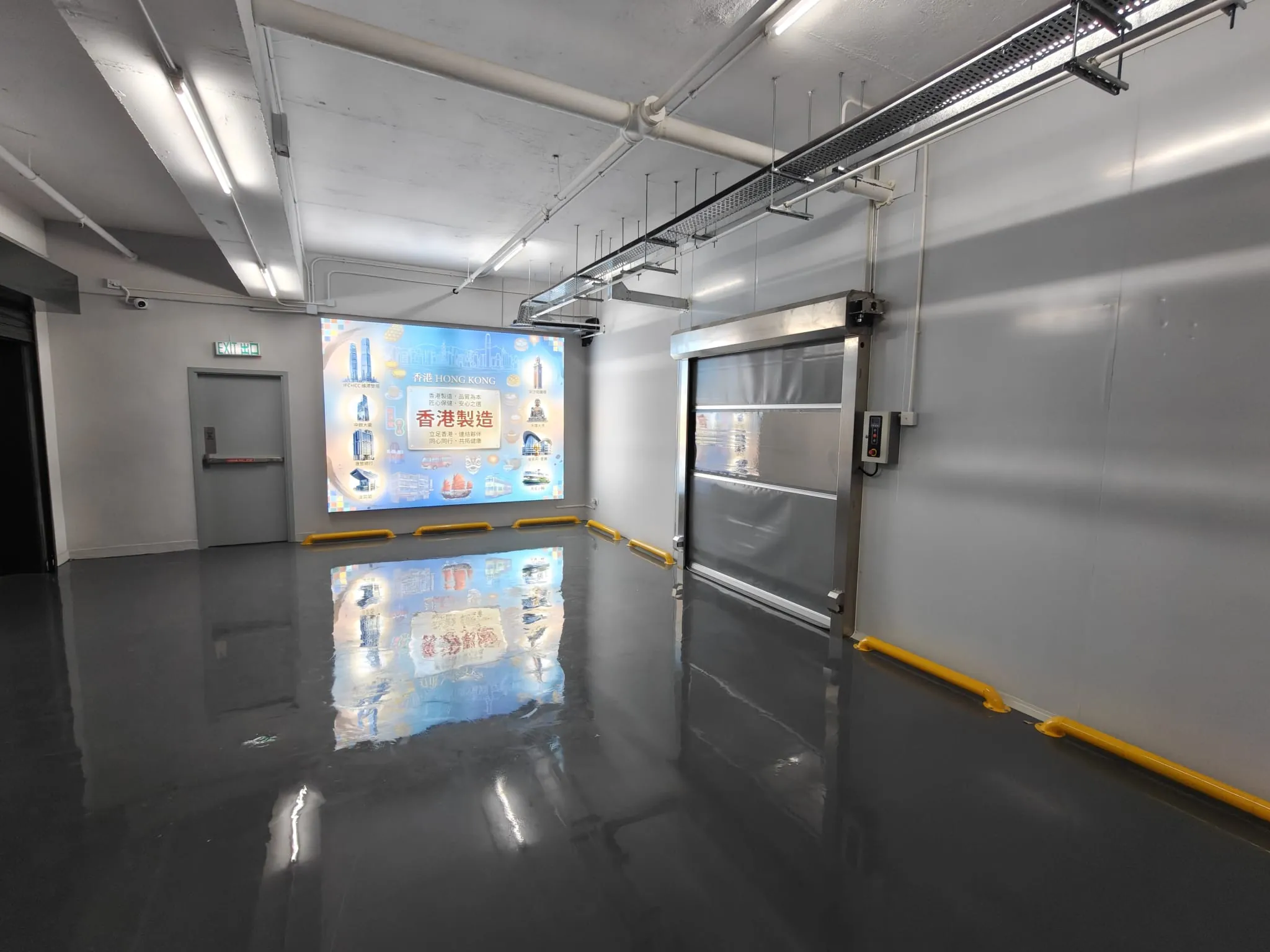
IQC raw‑material intake: review sampling, quarantine and release records against the documented quality system/certificate scope.
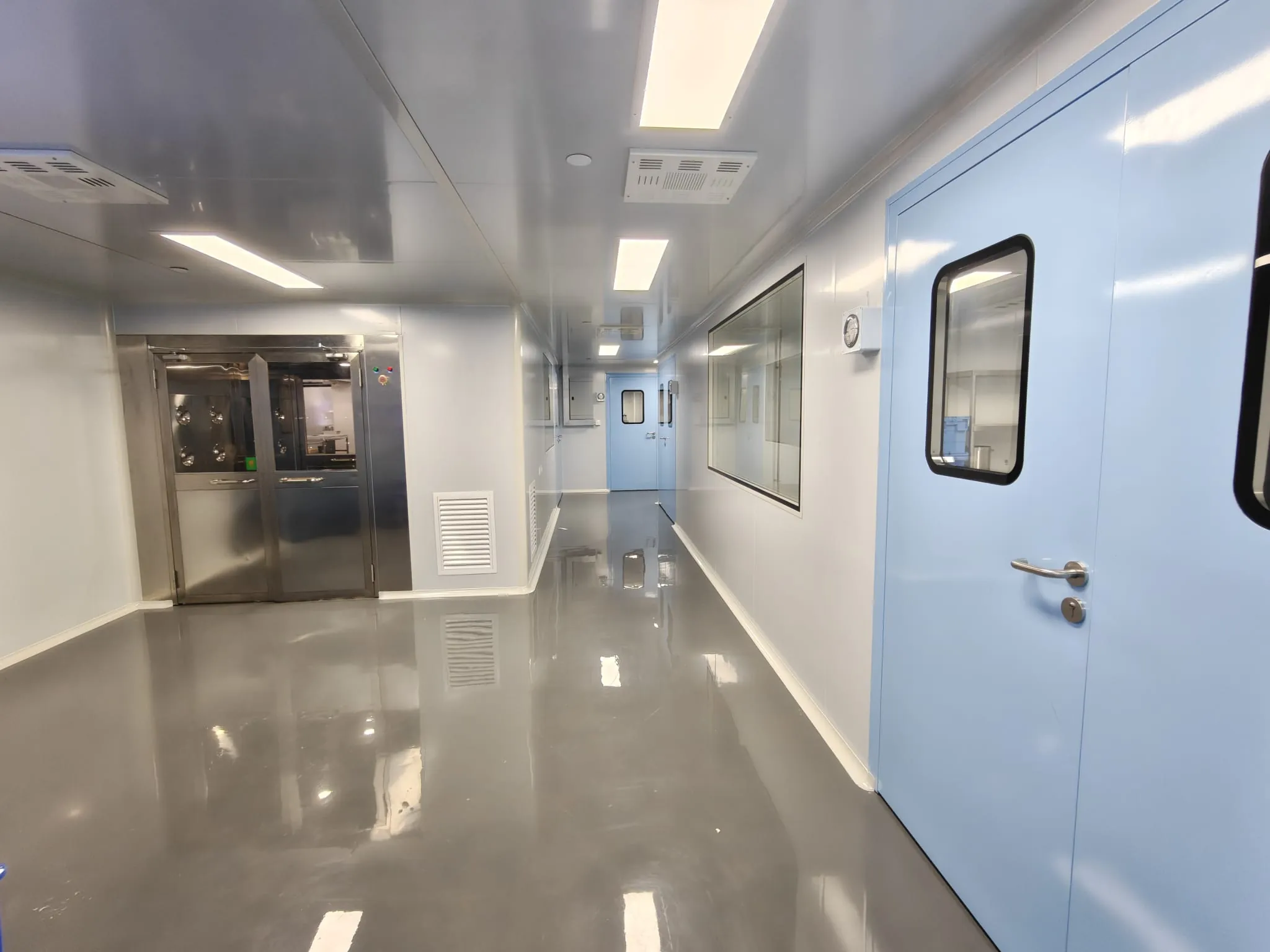
IPQC monitoring: verify in‑process control records and parameter limits are documented within the quality system.

FQC final testing: confirm release criteria and test responsibilities are defined and traceable to supporting evidence.
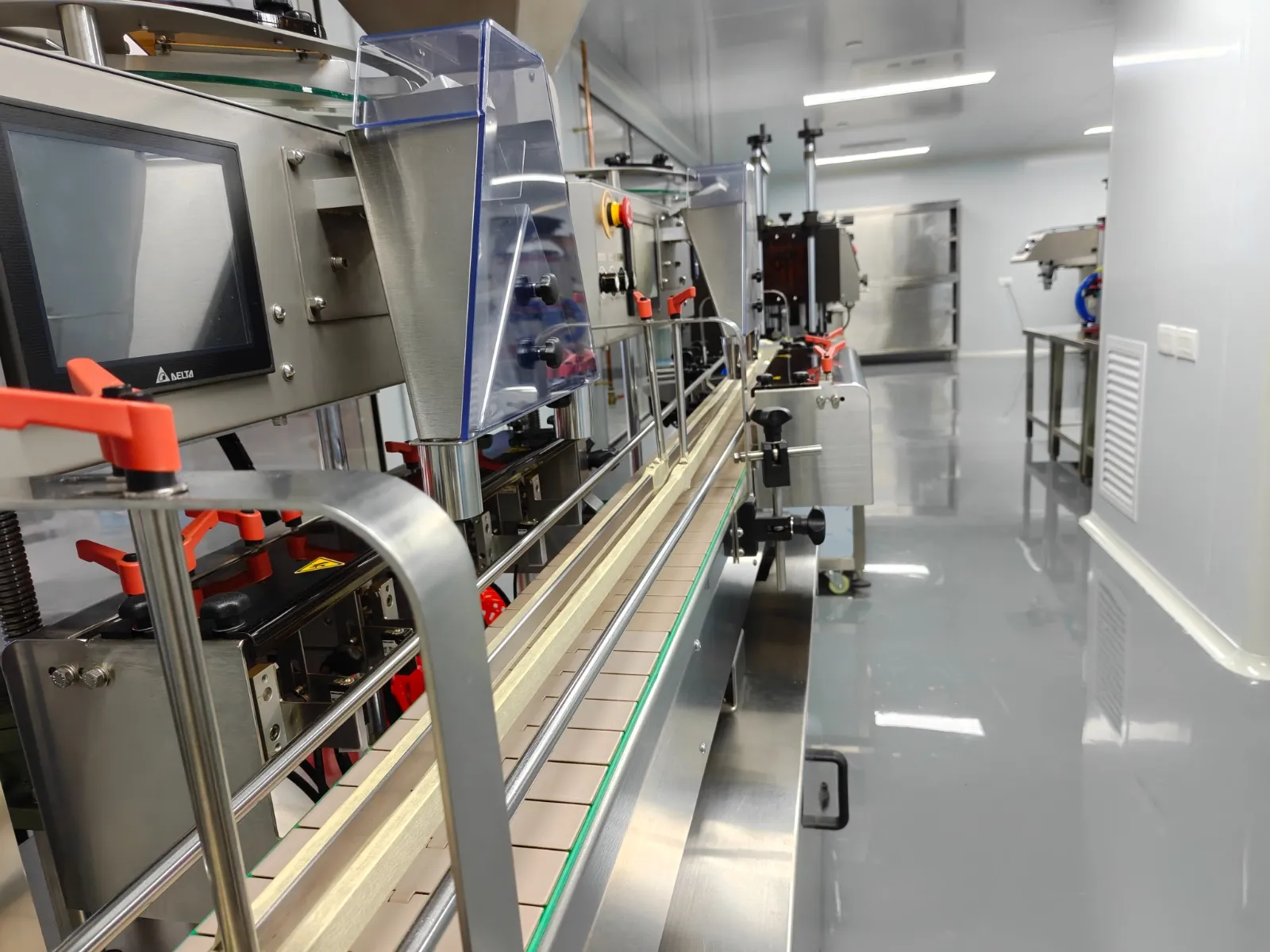
Controlled storage (heat/humidity): check qualification, mapping and ongoing monitoring records are maintained.
Quality Checkpoints and Review Scope
Understanding the coverage and suitability of the certification systems
| Check Session | Check Item | Frequency | Standard basis | Unqualified processing |
|---|---|---|---|---|
| IQC into the factory | Appearance, content, microbes, heavy metal | Each batch | Vendor COA + internal standard | Return to supplier |
| IPQC Production | Environment, equipment, semi-finished samples | Every 2 hours | SOP + GMP request | Cut off and fix it. |
| FQC finished | Content, collapse, microbes, packaging | Each batch | Product Book + Law | Isolation is not allowed. |
| Third parties | SGS/GSO projects | As required | Client Request + Export Rules | Reproduction |
| Stabilization | Accelerating + Long-term stabilization | Periodic | ICH Guide | Adjust formulation/package |
How Does the IQC, IPQC and FQC Workflow Operate?
IQC-IPQC-FQC is a quality assurance program that has been tested for years. The IQC (Incoming Quality Control) entry test is the first line of defence to ensure that all raw materials entering the production ring meet quality standards. Our IQC team conducts external inspection, content tests, microbiological limit tests and heavy metal tests for each batch, and verifies COAs provided by suppliers. Unqualified raw materials are immediately returned and are not allowed into the production ring.
IPQC (In-Process Quality Control) process quality inspection functions as the second line of defense, continuously monitoring product quality throughout production. Our IPQC personnel sample and test the production environment (temperature and humidity, cleanliness), equipment operating parameters, and semi-finished products every 2 hours. Any deviation from standards triggers a stop-the-line corrective procedure to ensure issues are controlled at the source. All process data are recorded in real time in the electronic quality management system, enabling complete production traceability.
FQC (Final Quality Control) finished-product quality inspection is the final line of defense, ensuring that every batch released from the factory complies with the product specification and regulatory requirements. FQC test items include assay (content) testing, disintegration/dissolution testing, microbial limit testing, packaging seal integrity, and label accuracy. Only products that pass all FQC test items are released for shipment. A retention sample is kept for each finished-product batch, with a retention period of 3 years, for quality traceability and customer complaint investigations.
How Do External Test Reports Support Regulatory Review?
External test reports issued by recognised laboratories (e.g. SGS, Intertek, Bureau Veritas) can support regulatory submissions such as product registration, export clearance or market communications. On request, we can coordinate third‑party testing and help interpret laboratory reports; all arrangements are scoped per project and confirmed with the client manager.
In terms of regulatory support, our legal team can provide a full range of client counselling services. These include: product labelling and certification (rations, list of ingredients, declaration), export documentation (CHKO Hong Kong certificate, FEHB 311 health certificate, FSC certificate of free sale), targeted market law advice (Hong Kong, Mainland China, Southeast Asia, Europe and the United States), and preparation/registration assistance. These services help clients avoid systemic risks and speed up the marketing process.
We have a special focus on the management of stabilization tests. According to ICH (International Coordinating Committee on Drug Registration) guidelines, we conduct accelerated stabilization tests for each new product (40°C/75% RH, 6 months) and long-term stabilization tests (25°C/60% RH, 24 months) to support the quality of products with scientific data. The results of the stabilization test are also important supporting documents for the registration of exports.
Supplement Manufacturing Quality Control FAQs
Is every batch tested?
Yes. Every batch undergoes triple inspection: IQC, IPQC and FQC. This is a basic requirement of our quality management system; no inspection step will be omitted due to order size or client type. Even the smallest batch orders follow the full triple-inspection process.
Who arranges and takes responsibility for third-party testing?
Basic internal triple testing is included in our OEM/ODM process. If additional third-party tests (such as SGS) are required, they will be evaluated per project and arranged by the client manager according to the test items and sample quantity; we can coordinate and provide an itemised project list.
Is the inspection report available to clients?
Yes. The internal inspection reports of each product are available to clients. The original third-party inspection report will also be delivered to the client. We can also customize the inspection report format to client needs, for brand promotion or channel outreach.
How long to save?
For each batch, the sample is kept for a period of 3 years (or product security period + 1 year, which is the preferred). This is the first time that we have been able to find out what we've done. The maintenance room is equipped with hot and wet equipment to ensure that samples are stable.
What if it doesn't pass?
IQC nonconformance: Raw materials are returned to the supplier. IPQC nonconformance: Immediately stop the production line; analyze the cause and implement corrective actions before resuming. FQC nonconformance: Products are quarantined and not released; after cause analysis decide whether to rework or scrap. All nonconformance handling is fully documented and traceable.
Can the client assign an inspection item?
Yes. Beyond our standard triple testing items, clients can add specific tests as needed, such as particular allergen screening, specific heavy metal limits, or specific microbiological indicators. Any added tests will be evaluated per project and confirmed by the client manager.
Discuss Testing Coordination for Your Supplement Project
Choose international standard quality assurance. Contact us today for certification details.
Free WhatsApp ConsultationRelated Services
Relevant Page Recommendations
OEM Manufacturing Services
Provide the formula, we produce it.
Learn MoreODM Formula Development Services
One-stop service from formulation design to finished product
Learn MoreOne‑Stop Contract Manufacturing Process
Understanding the full collaborative process and timeline
Learn MoreAbout Easy Health
Know our history and team.
Learn MoreFactory Tour
Anticipate access to FSSC 22000 certification facility
Learn MoreOEM/ODM Common problem
It's a question-and-answer system for working together.
Learn MoreCertification and Export FAQ
There's a problem with certification and exit.
Learn MoreService Arrangements and payoffs FAQ
Project Terms and time lines are a problem.
Learn More