Beverage packaging formats for bottles, cans and cartons
Among beverage formats, bottles, aluminium cans and Tetra Pak-style cartons serve very different scenarios. This page is format-led—not flavour-led—helping you decide by technical criteria: pH and carbonation, hot-fill or aseptic fill, shelf-life and cold chain, labelling and cartons, recycling codes and palletisation. Easy Health coordinates sampling and packaging production at our Hong Kong facility, advising on compliance and on-pack information.
Summary:Compare beverage packaging options: bottle shape design, aluminum cans, and Tetra Pak-style cartons. We outline barrier performance, filling methods, carbonation/aseptic needs, labeling, and logistics, distilling trade-offs into an actionable decision checklist for selecting the right format.
Should I choose bottles, cans or Tetra Pak-style cartons?
Start with formulation and distribution: for carbonated or high-acid beverages in ambient channels, aluminium cans offer strong light/oxygen barriers; for chilled chains and custom brand details (e.g., sports caps, pumps), prioritise bottle shape design; for ambient aseptic and family/school settings, Tetra Pak-style cartons provide lightweight, shatter-resistance and a paper touch. Then refine by fill method (hot-fill, pasteurised, aseptic), label stock, secondary packaging and palletisation. Our account managers will confirm each item based on your formula and channels.
Beverage bottle design: material, structure and labelling trade-offs
Bottle shape design goes beyond looks. Decide material (PET, HDPE, glass), wall gauge/barrier, neck finish and closures (sports caps, flip-tops), and temperature resistance for hot- or cold-fill. For chilled chains and grip-led branding, consider custom moulds; for hot-fill, confirm heat resistance and deformation risk. Clear bottles aid merchandising but may need light protection; darker substrates or shrink sleeves can help. For wet/cold use, specify moisture-resistant PP labels or sleeves; for carbonated products, account for panel deformation versus label shrink ratio. Taller bottles require suitable cartons and pallet patterns to prevent tilt and crush. Easy Health coordinates bottle, closure, label and carton sourcing and sampling, and oversees packaging production in Hong Kong.
- Match material to fill temperature and channels
- Use dark substrates/sleeves for light-sensitive formulas
- Validate panel deformation for carbonated SKUs
- Specify label stocks for condensation and abrasion
Aluminium can packaging for beverages: carbonation, light protection and lining checks
Aluminium cans suit carbonated and light-sensitive beverages. Verify internal lacquer type against product pH/alcohol content, and consider nitrogen dosing for structural stability. Decoration can be shrink sleeve or pre-printed; for many SKUs in short runs, coordinated sleeve options increase agility. Choose lid formats (standard or wide-mouth) for the intended occasion. Cans resist shattering but dent easily—use dividers and shrink wrap. For ambient channels, align with pasteurised or aseptic processes; for chilled specialities, confirm CO2 solubility and sensory at low temperatures. Easy Health coordinates can supply, lining information, labels/sleeves and carton sampling, and advises on regulatory placement.
- Match lacquer with formula pH/alcohol
- Assess nitrogen dosing and headspace
- Sleeves enable agility for multi-SKU runs
- Use dividers and wrap to mitigate dents
Visual guide to common beverage formats and size ranges
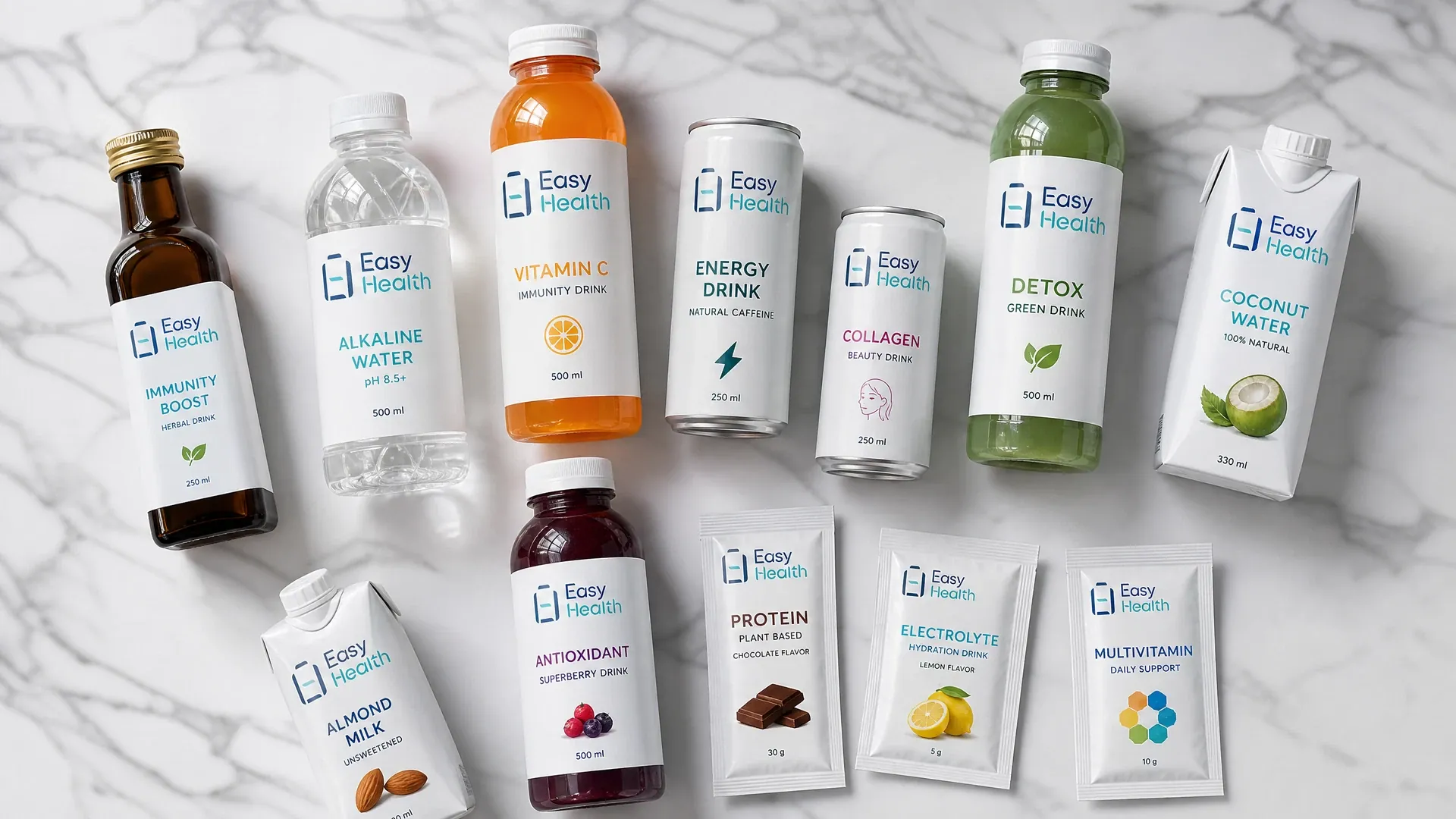
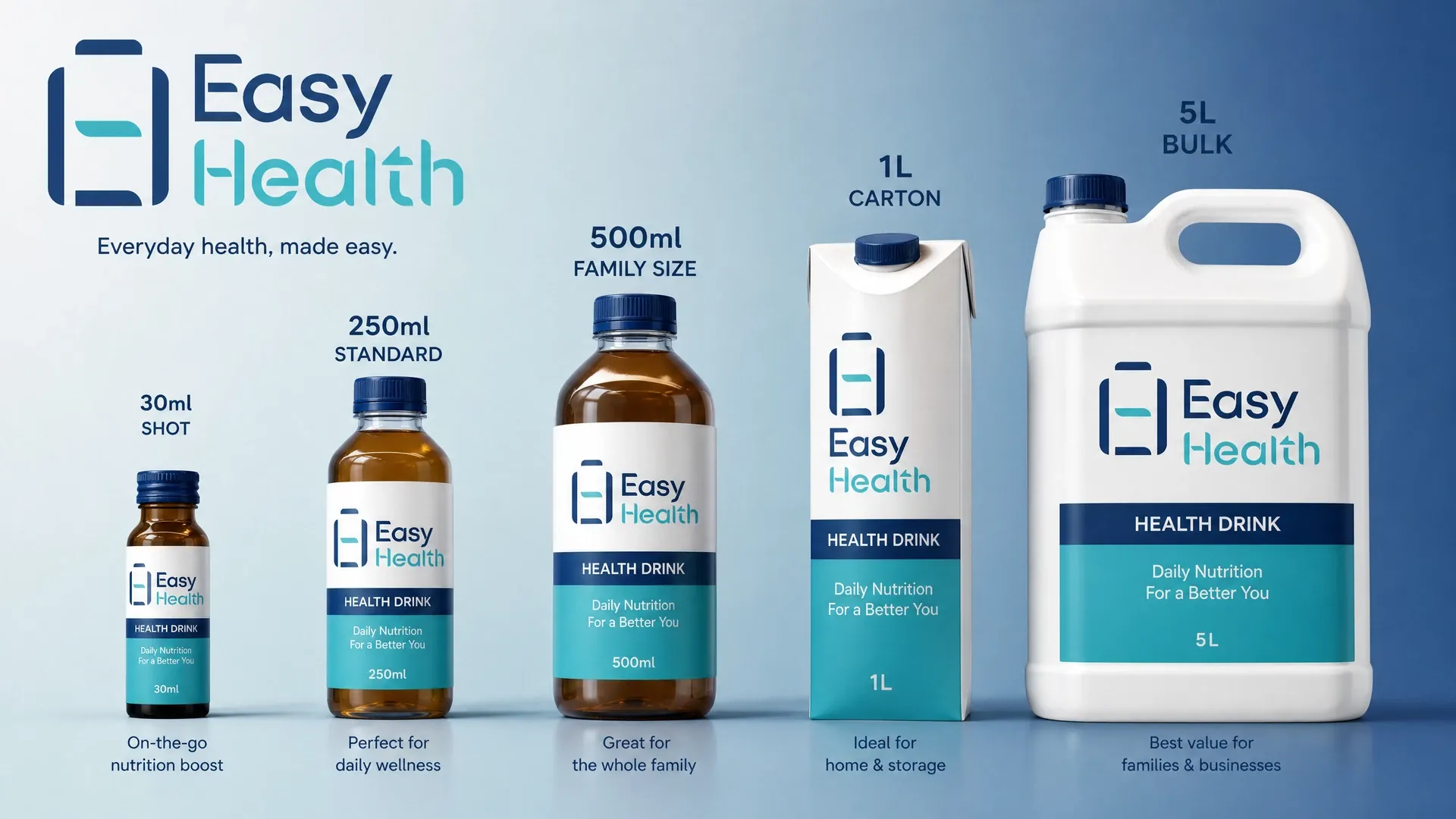
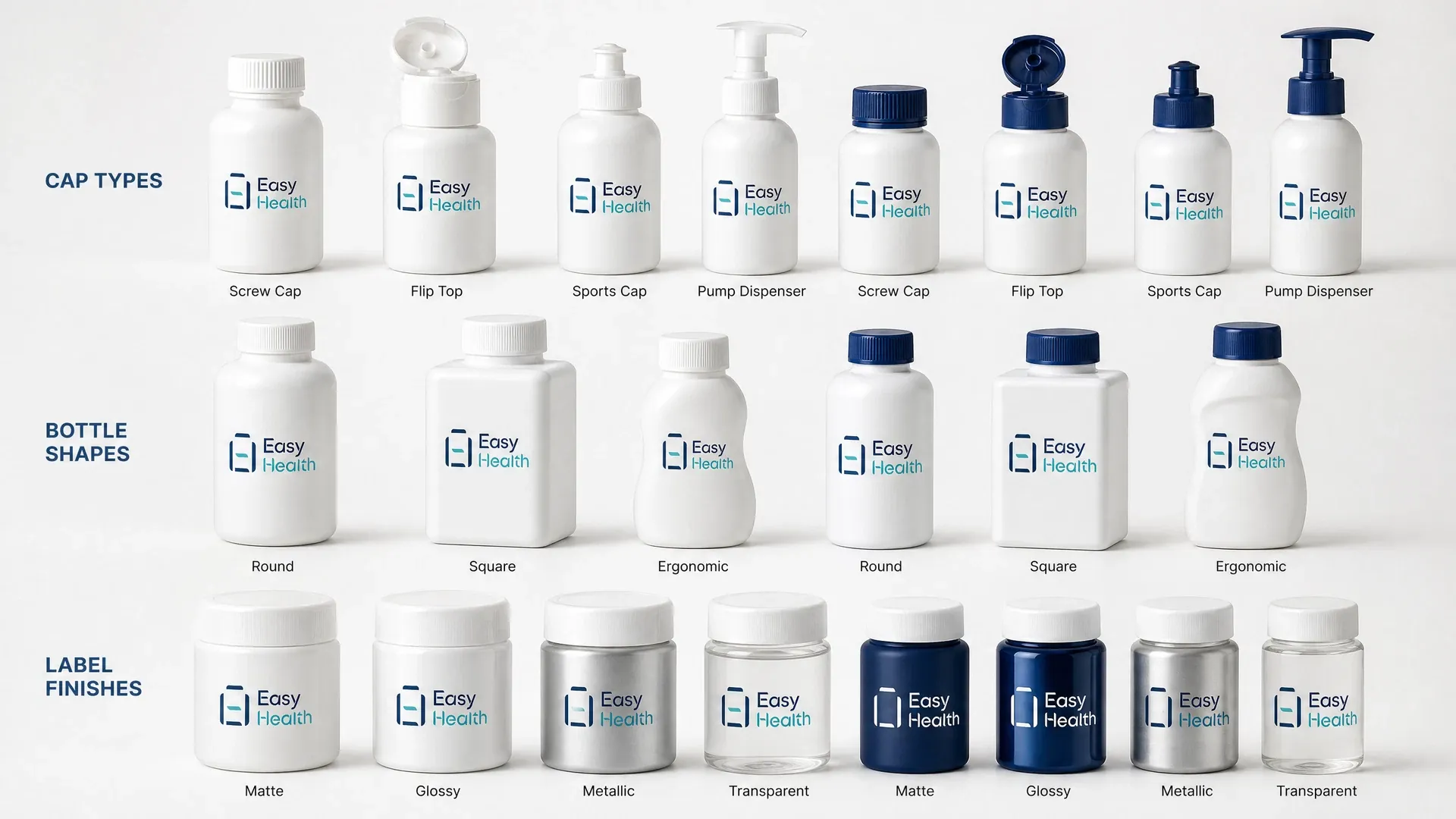
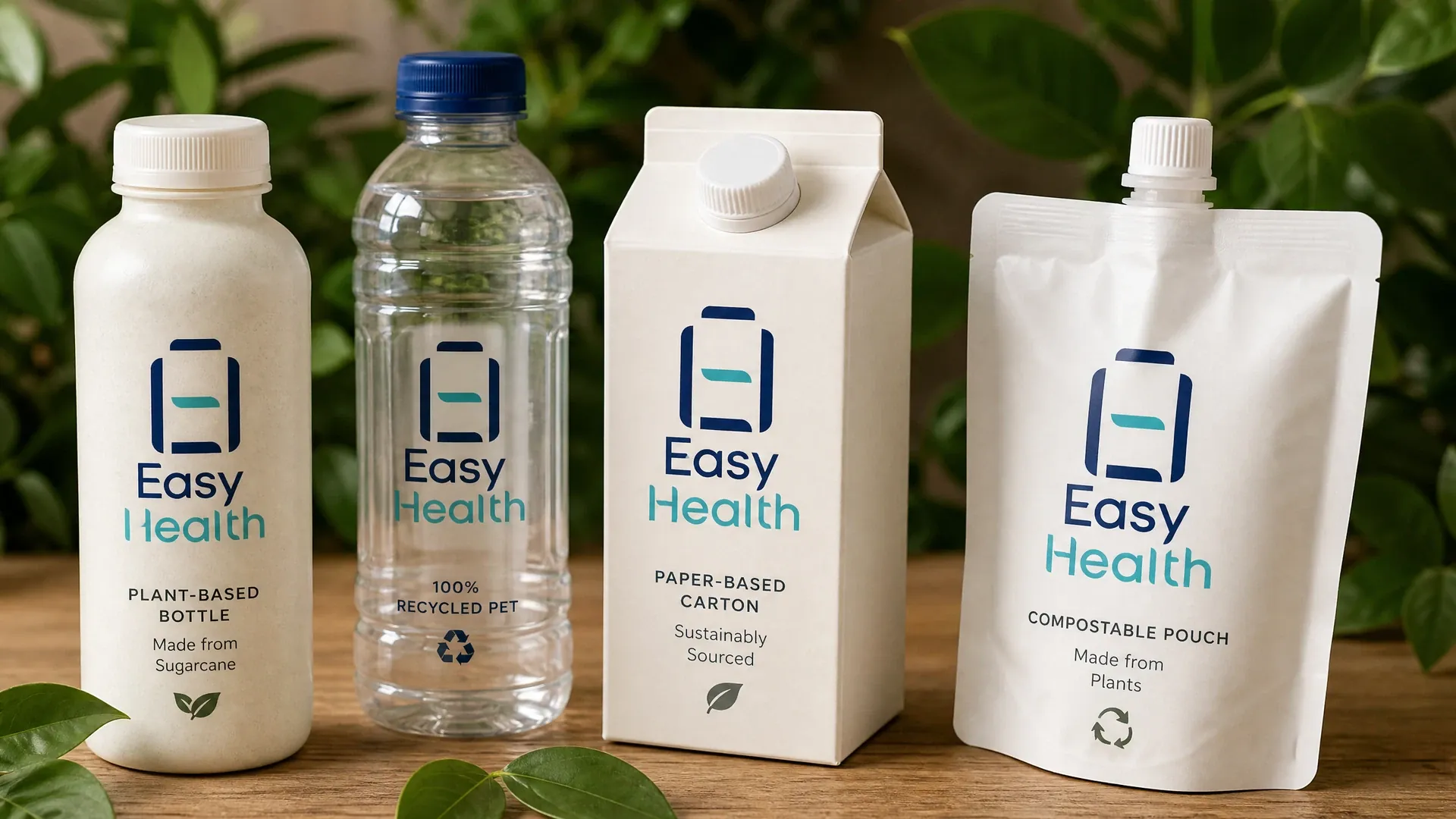
The images below show the look-and-feel of three main beverage formats, typical volumes (e.g., 150–350 mL singles, 500–1000 mL family packs) and customisable options—neck finishes, can ends, straw add-ons, sleeves/labels, cartons and outers—plus eco/recycling notes for brand alignment.
Tetra Pak-style cartons: ambient aseptic and family-use considerations
Carton formats are popular for family and school settings—lightweight, shatter-resistant and easy to stack. For ambient distribution, focus on aseptic treatment and barrier configuration; evaluate oxygen/light sensitivity and whether an aluminium layer is required. Straw-attached packs need robust adhesion and carton punch-out alignment. Large print areas favour nutrition and educational content; manage humidity in storage to protect paper substrates. Clear statements for post-opening refrigeration are recommended. Easy Health coordinates carton structure, straw components, labels and outer packs, with sampling and packaging production oversight in Hong Kong.
- Plan for aseptic fill in ambient channels
- Select alu barrier based on sensitivity
- Align straw adhesion with carton design
- Control humidity during storage and transit
Secondary packaging and logistics: format-led configurations
Formats drive outer pack and pallet choices. Bottles need upright stability and neck protection; cans need dent protection and stack stability; cartons require humidity control and corner protection. Use moisture-resistant label stocks and strong adhesives for chilled chains. For sea freight, plan for condensation from temperature cycling; for road freight, manage vibration and bracing. Easy Health coordinates cartons, outers, inserts and palletisation, advising on stack patterns and markings (orientation, fragile, chilled) to fit your warehouse limits.
- Bottles: neck cushioning and upright stability
- Cans: dividers plus shrink for dent resistance
- Cartons: humidity control and corner guards
- Chilled: moisture-resistant labels/adhesives
How we review format-specific packaging options
- Scoping formula and channels:Confirm carbonation, pH, filling method (hot/cold/aseptic), ambient vs chilled, target volumes and merchandising.
- Format and material proposal:Compare bottles, cans and cartons across barrier, light protection, labelling and secondary packs, then propose options.
- Sampling and validation:Coordinate material samples and pilot runs to verify labelling, sealing, drop tests and temp-humidity cycling.
- Regulatory and artwork checks:Check layouts and mandatory particulars for Hong Kong and Mainland requirements, and confirm nutrition labelling.
- Packaging coordination and dispatch:Oversee packaging production in Hong Kong; transport, palletising and outer markings confirmed per project.
Inside the Easy Health Hong Kong Facility
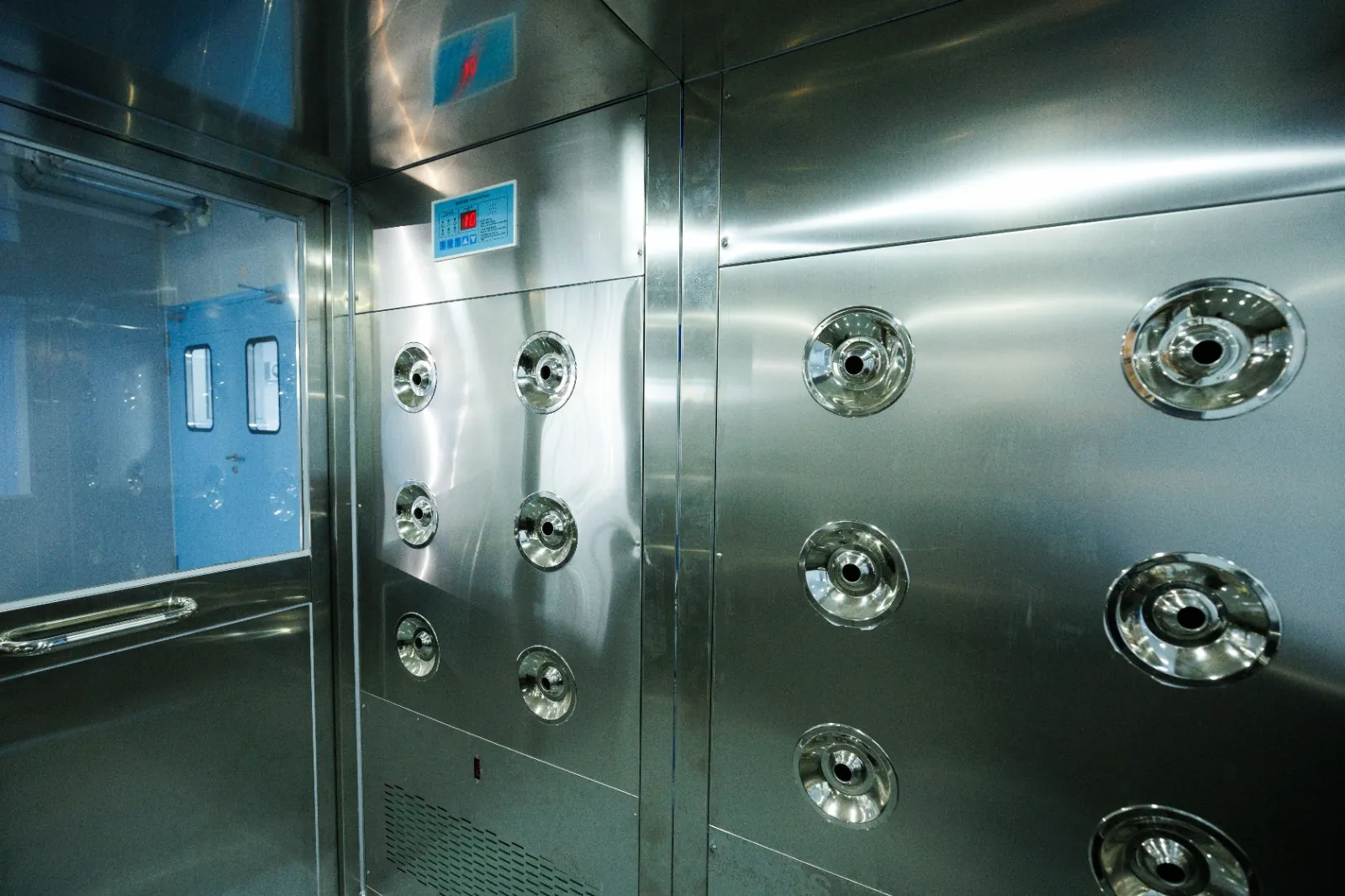
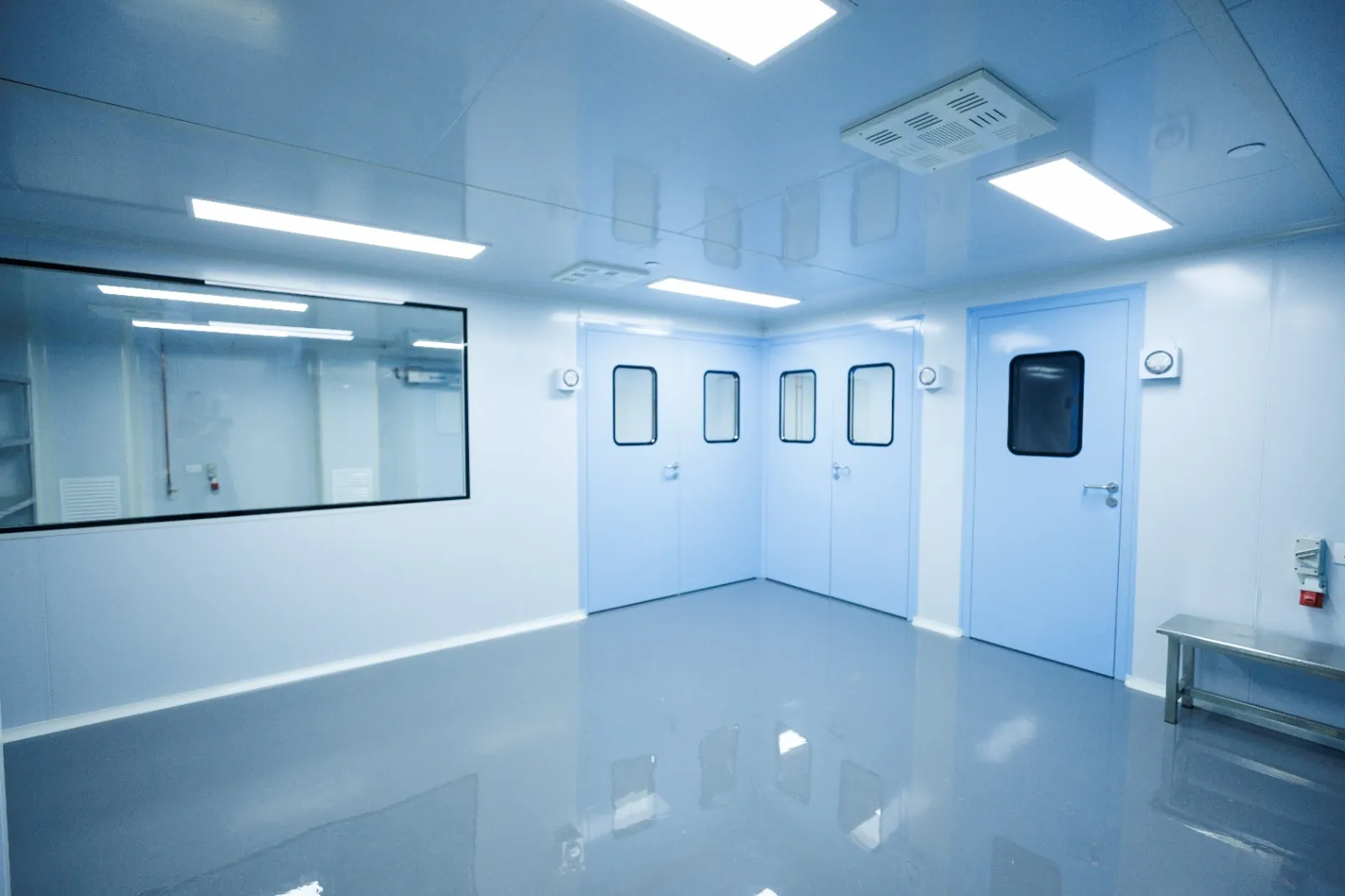
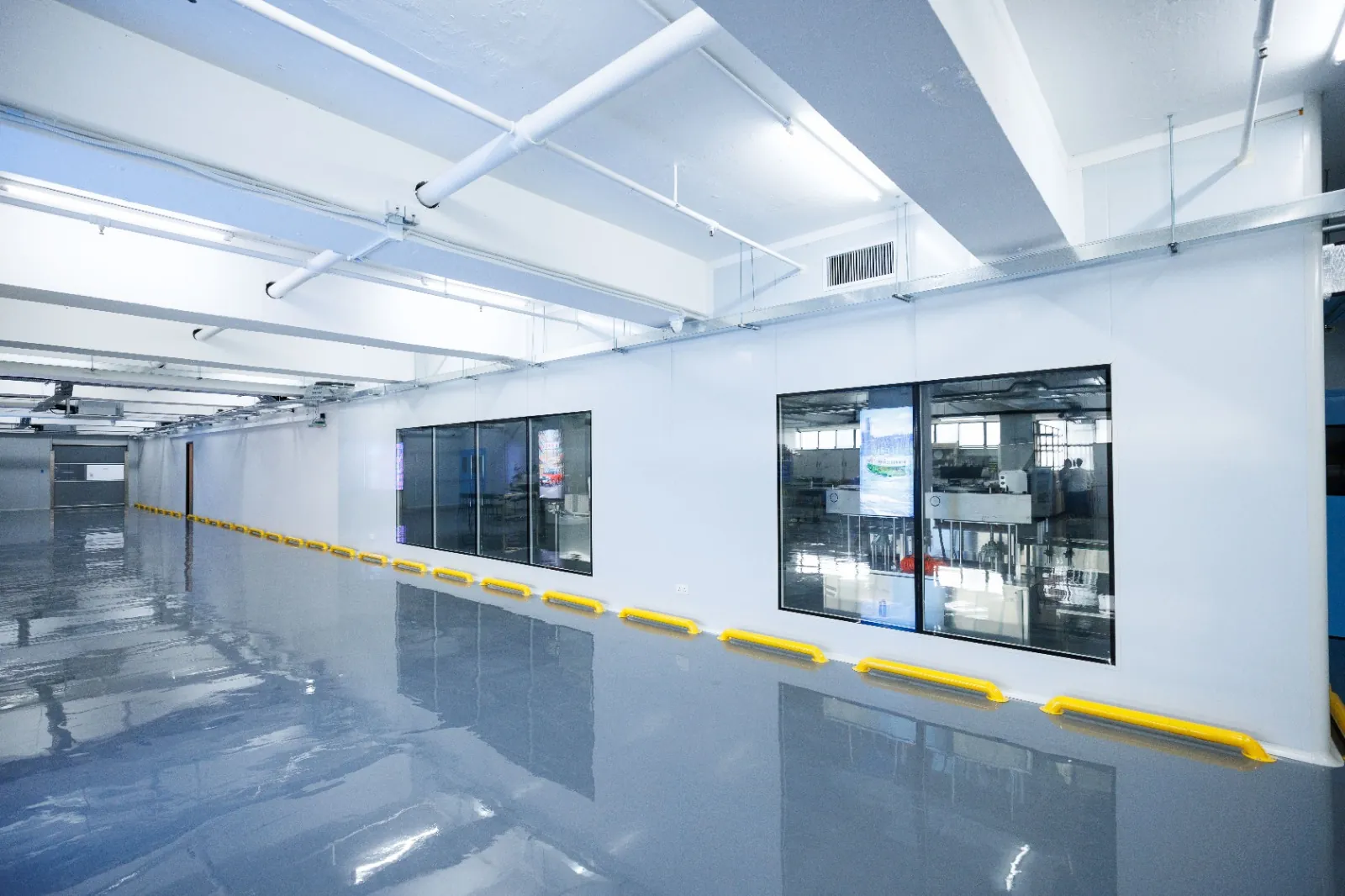
Key considerations across three beverage formats
| Format | Typical volume | Filling method | Carbonation fit | Light/barrier | Labelling | Logistics |
|---|---|---|---|---|---|---|
| Bottle (PET/Glass) | 250–1000 mL | Cold/Hot/Pasteurised | Moderate (wall/cap dependent) | Moderate—add light shield | PSA/Sleeve | Upright stability and neck protection |
| Aluminium can | 150–500 mL | Cold/Pasteurised/Aseptic | High (inherent) | High (light + lining) | Pre-print/Sleeve | Dents: dividers + shrink |
| Carton (Tetra Pak-style) | 150–1000 mL | Aseptic mainly | Low (not for carbonated) | Moderate—barrier dependent | Direct print area | Humidity and corner protection |
| Secondary pack | Multi/Case | — | — | — | Carton/Outer/Pallet | Channel-led pallet design |
Guidance only. Final configuration depends on formula and channels, confirmed by our account manager.
Technical checklist before choosing a beverage format
- Have carbonation, pH and light/oxygen sensitivities been assessed?
- Are channels (ambient/chilled/school) and shelf-life strategy defined?
- Does the container tolerate the selected filling temperature/method?
- Will label stocks withstand condensation, abrasion and cleaners?
- Do outer cartons and pallet patterns pass drop and compression tests?
- Compliance: aligned with Hong Kong Cap.132W and Nutrition Label ‘1+7’?
Beverage packaging formats FAQs
Bottles or cans for carbonated drinks?
Cans typically offer stronger gas retention and light protection for carbonated or lightly sparkling beverages. Bottles can work if wall rigidity, closure seal and filling temperature are validated, and transport vibration is considered. Run pilot tests with your formula; our account manager will confirm the final setup and secondary packaging.
Do cartons need an aluminium barrier layer?
It depends on oxygen/light sensitivity and intended shelf-life. Ambient aseptic SKUs with sensitive nutrients or lipids often require higher barrier; chilled short-life items may use lower barrier. Use accelerated and real-time studies before confirming the laminate.
How should label lifting be managed in chilled chains?
Choose moisture-resistant films (PP/PE) with strong adhesives, control substrate temperature and surface dryness at labelling, and consider sleeves or direct print for cans/cartons. Validate with pull and abrasion tests under real condensation.
Selling in Hong Kong—what must the label include?
Follow Hong Kong Cap.132W for name, ingredient list, net quantity, origin, allergen warnings, durability date, etc. If nutrition labelling applies, follow the ‘1+7’ scheme for energy and seven specified nutrients and claims. For Mainland sales, also reference GB 7718 and GB 28050.
How should artwork be prepared for each format?
Supply editable vectors with bleed for pressure-sensitive and sleeve labels. For printed cans, follow circumference specs and safe zones for draw areas. For cartons, respect fold lines, straw zones and batch-print clearances. Obtain dielines and layout guides first, then run colour-accurate digital proofs before release.
Related Packaging Services
Discuss your beverage format with Easy Health
Whether bottle shape design, aluminium cans or Tetra Pak-style cartons, message us on WhatsApp. Our account managers will review your formula and channels, confirm materials, structures, labelling and secondary packs, and arrange sampling with packaging production coordination in Hong Kong.
Last updated: