Packaging materials for supplements: a practical guide
Once the formula is set, the right packaging material often determines real-world shelf-life and user experience. This guide focuses on barrier, light protection, moisture control and compatibility for health supplement packaging, plus common structures and labelling notes. Easy Health coordinates the project requirements in Hong Kong. Confirm which certificate scopes, quality records and supporting documents apply to the proposed arrangement.
Summary:A practical guide to choosing packaging materials for health supplements. We compare HDPE, PET, glass, aluminium foil laminates and paperboard by barrier, light protection, moisture, compatibility and recycling, with actionable checkpoints for Hong Kong and GBA brands and buyers.
How should bottles and aluminium foil laminate packaging be compared?
Start with product attributes: dosage form, sensitivity to oxygen/moisture/light, presence of alcohol/acids/essential oils, and expected reuse/open cycles. Powders and effervescents prioritise moisture and seal integrity; oil-based softgels need sorption/leaching checks; tinctures require compatibility verification with PET/HDPE; highly sensitive or long shelf-life products may use foil laminates or amber glass. If aiming for recyclability, verify the local recycling pathway. Final choices and timelines depend on the project and will be confirmed by our account manager.
What guides supplement packaging material selection?
Work from inside out: define formulation sensitivities and match material and structure. Key variables include oxygen and moisture barrier (derived from target shelf-life and water activity/antioxidant strategy), light protection level (UV/visible), chemical compatibility (alcohols, acids/alkalis, essential oils, lipids), seal integrity and recontamination risk (opening cycles, child resistance), logistics stacking and temperature/humidity, and recycling targets. For food-contact materials, obtain market-appropriate compliance documents from suppliers and run stability/compatibility tests under real use. Easy Health can coordinate prototyping, pilot runs and testing arrangements, with project-specific assessment by an account manager.
- Translate shelf-life to barrier needs
- Set light sensitivity before shading
- Test compatibility with oils/alcohol/acids
- Usage period shapes closure/liner choice
Common material options in Hong Kong
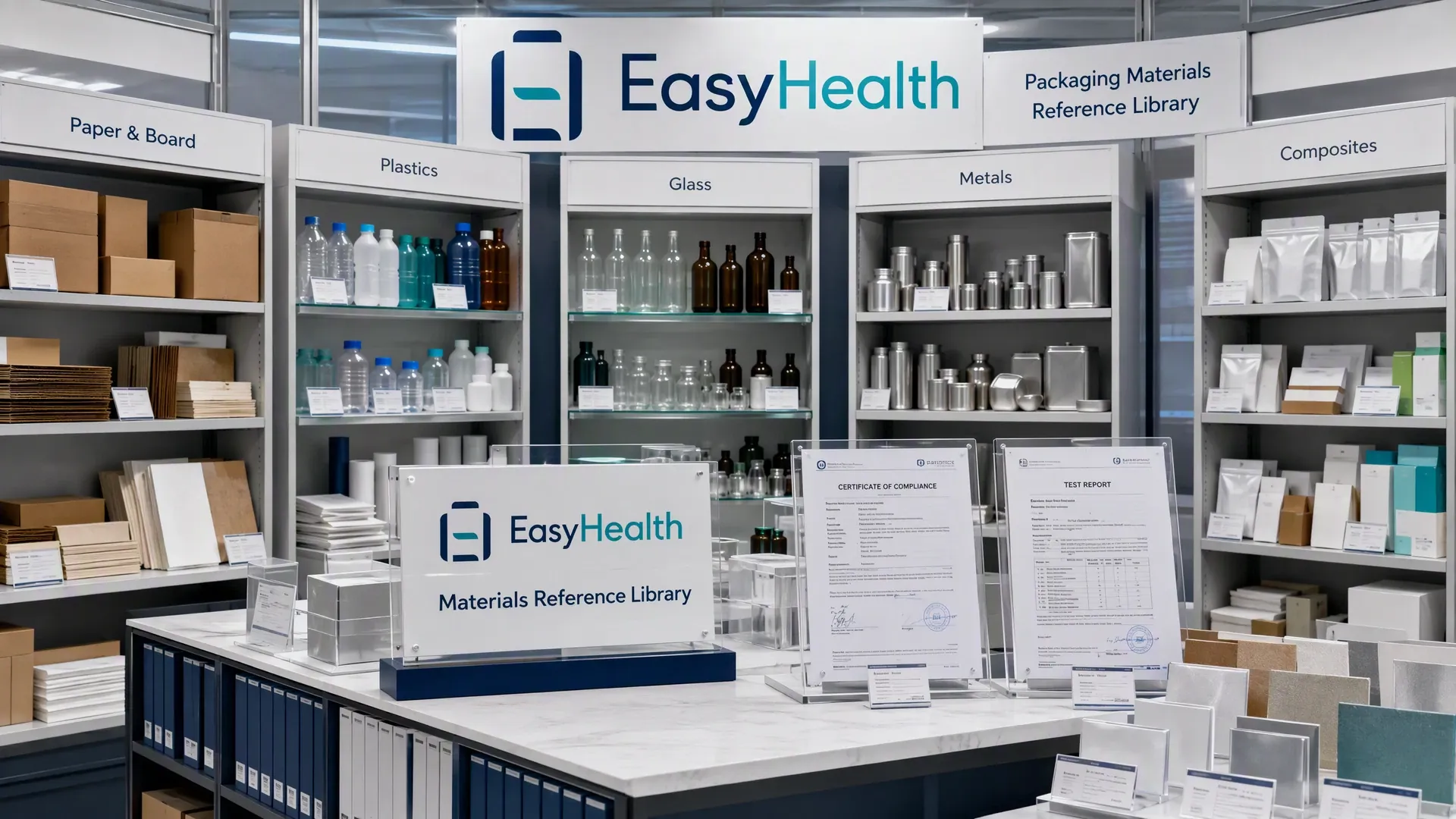
- HDPE: Chemically resistant, lightweight; better moisture barrier than PET but moderate oxygen barrier. Suitable for powders, tablets and some liquids; watch for stress cracking and aroma sorption. - PET: High clarity and stiffness; balanced O2/H2O barrier; verify compatibility with high alcohol or essential oils. - Glass: Highly inert with near-zero gas and moisture ingress; choose amber for light-sensitive formulas; heavier and needs cushioning. - Aluminium foil laminates: Very high barrier for sticks, sachets and blister lidding; sealing must be well controlled; recycling depends on local streams. - Paperboard: Outer cartons for stacking, light shielding and branding; co-design with inner bottle/pouch is key. These are common health supplement packaging materials; final selection should be confirmed by testing.
- HDPE: strong moisture, mid O2
- PET: clarity, check alcohol
- Glass: inert, heavier
- Foil laminates: top barrier
Visual references for materials, tests and coordination
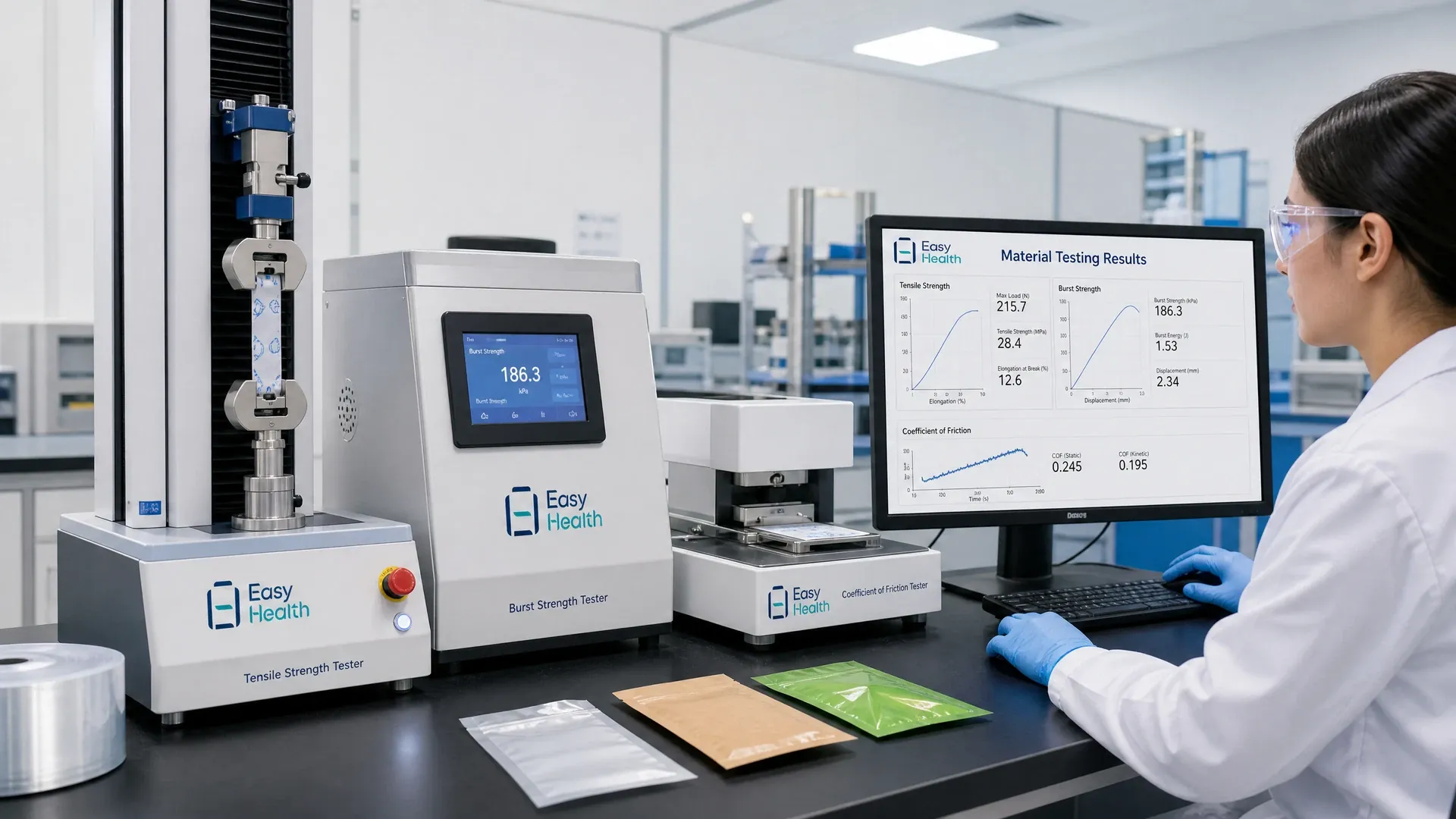
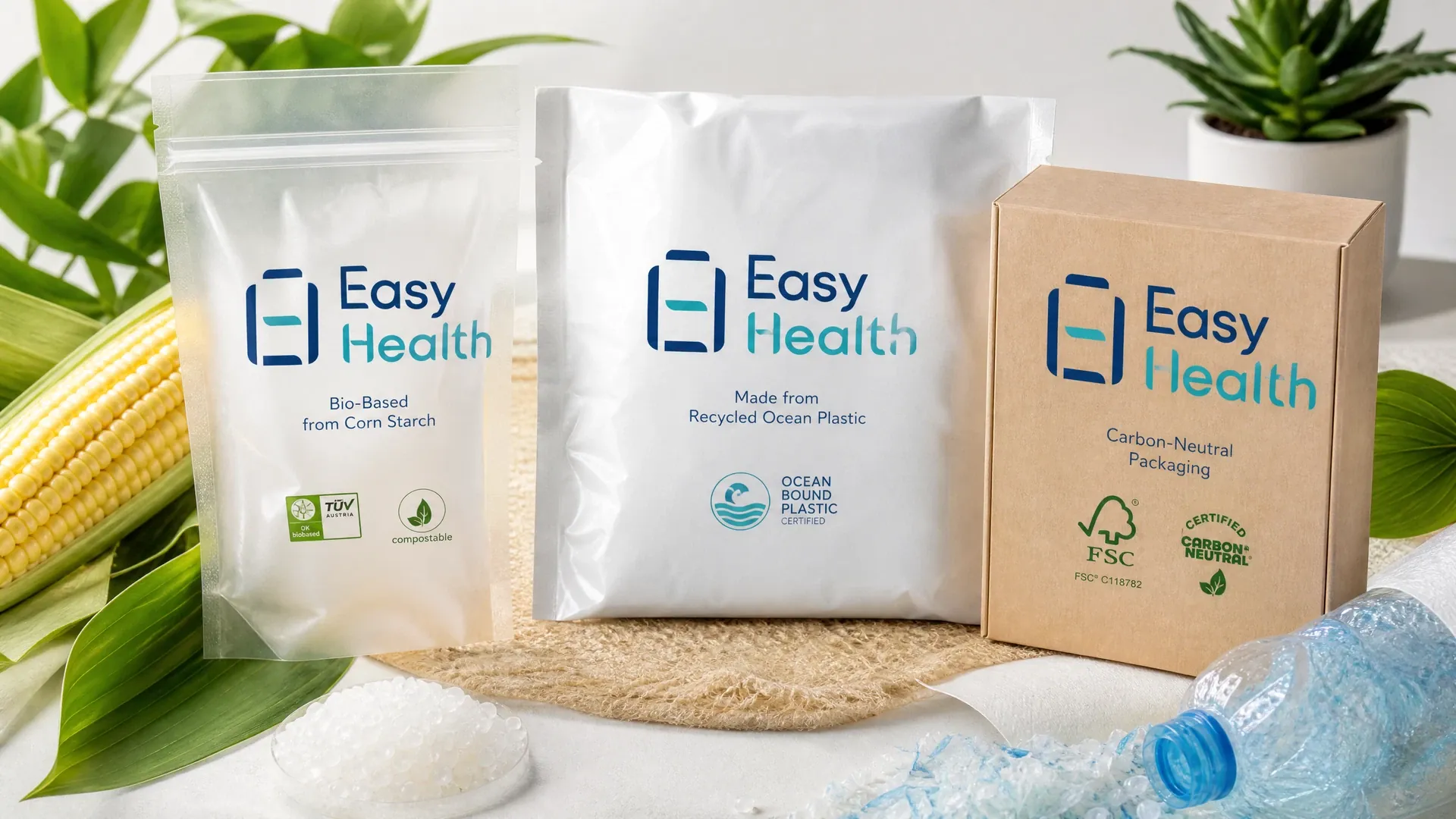
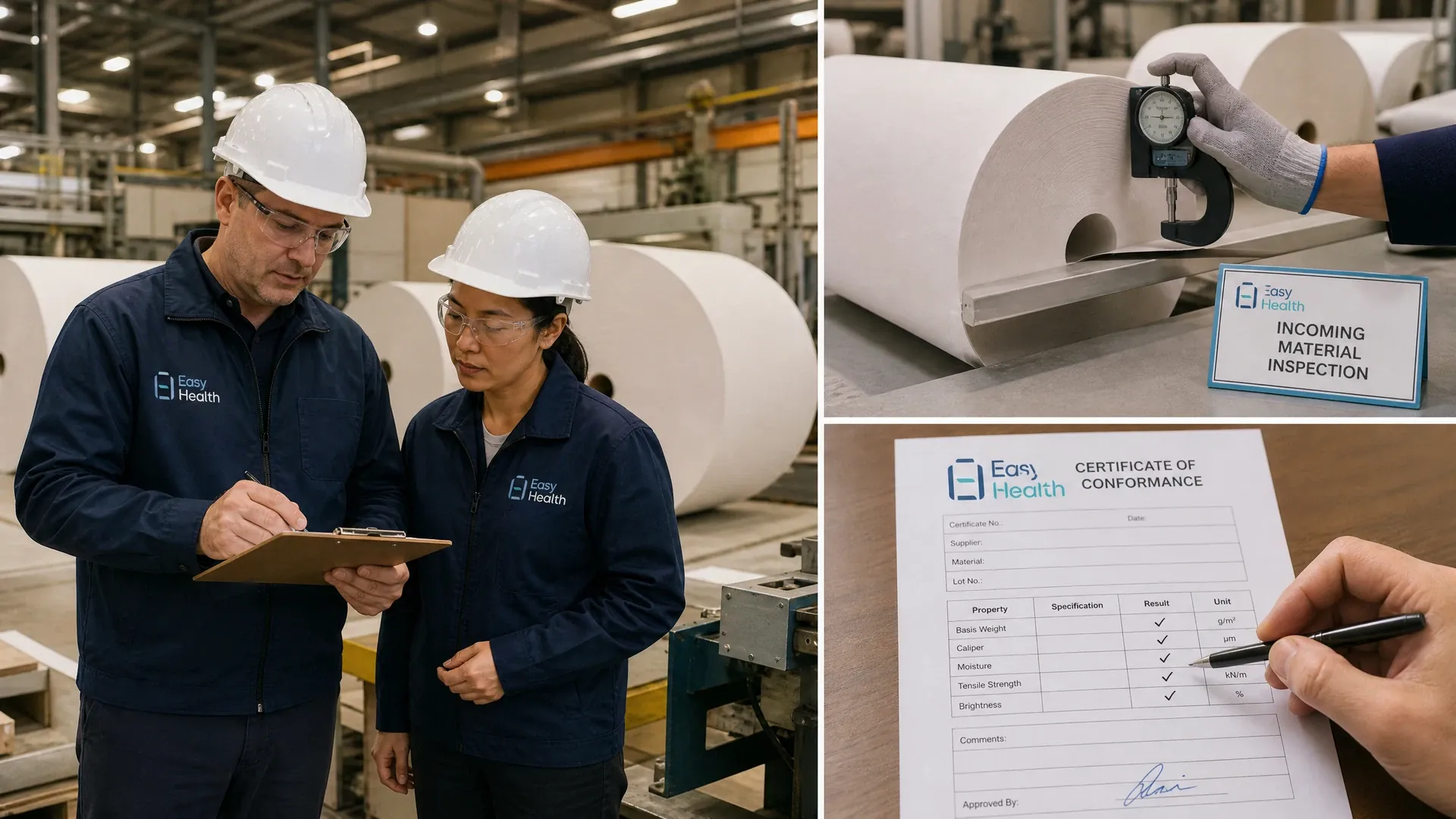
Images illustrate common packaging materials, basic barrier and seal test setups/arrangements, eco-material exploration, and supply-chain coordination. Compare appearance, structures and feasible combinations against your product needs.
Barrier and light protection: quantify before choosing
Translate shelf-life into measurable targets: OTR, WVTR and spectral transmittance. For unsaturated oils, probiotics or hygroscopic salts, prioritise high-barrier options (foil laminates, glass, or barrier-coated systems/liners). For light sensitivity, use amber glass or UV-inhibited plastics; for powders/tablets, add inner pouches or induction foil liners. Aroma-retentive products require both inward/outward odour control. Closures and liners (pressure-sensitive, induction foil, EPE) strongly affect net barrier and tamper evidence; test under real filling conditions.
- Use OTR/WVTR as baselines
- Amber/UV layers for light labile
- Liners shift total barrier
- Manage odour in/out diffusion
Compatibility and stability checks before final selection
Interactions include leaching (additives), sorption (actives into plastics/paper), permeation (odours/solvents), and environmental stress cracking (notably HDPE). For alcohols, essential oils, organic acids/alkalis or lipid-rich formulas, run contact tests under accelerated and real-time conditions; for foil laminates, validate sealing windows and check residual solvent risks against contents. For food-contact compliance, obtain appropriate documentation from material suppliers and retain records. Easy Health can coordinate material prototyping and pilot fills and prepare test samples at our Hong Kong facility.
- Soak tests for alcohol/oils
- Check additive leach risk
- Validate foil seal window
- Keep food-contact docs
Our material selection workflow
- Scoping and risk mapping:Our account manager gathers formula, dosage form, target markets and shelf-life to outline barrier, light and recycling directions.
- Material screening and prototyping:Propose 2–3 viable routes across HDPE, PET, glass, foil laminates and paperboard, with prototyping priorities.
- Sample prep and baseline tests:Prepare samples at our Hong Kong facility for seal checks and preliminary feasibility review; pilot fills if needed.
- Regulatory and artwork check:Review label elements and claims per market; verify type sizes, nutrition data and required statements (see notes below).
- Material and print coordination:Coordinate bottles, pouches, cartons, labels and printing suppliers; timelines depend on project and are confirmed by our account manager.
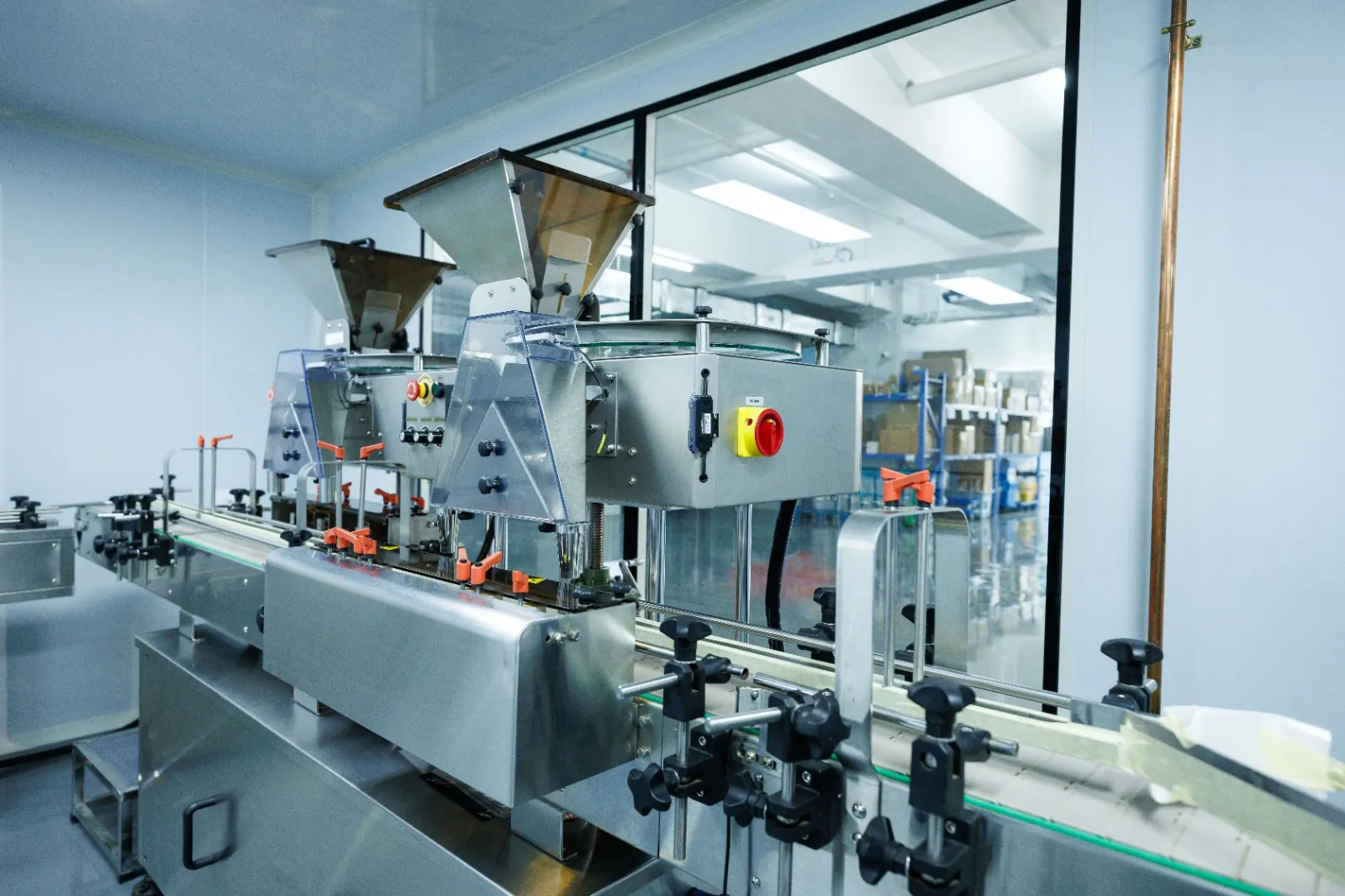
Inside the Easy Health Hong Kong Facility


Packaging material comparison at a glance
| Material Type | Functional Focus | Suitable Supplements | Sustainability |
|---|---|---|---|
| PET bottle | High clarity inspection | Capsules and tablets | Locally recyclable |
| Glass bottle | Chemical inert storage | Liquid drops | Reusable potential |
| Foil pouch | Lightweight high barrier | Powder blends | Material reduction |
| PP jar | Heat and impact resistance | Chewable tablets | Recyclable streams |
| Paper tray | Secure cushioning | Gift sets | Easily recycled paper |
The above is general guidance; final proposals are assessed and confirmed by your account manager.
Packaging material preparation checklist
- Formula summary: actives, solvents, pH, alcohol/oil content
- Dosage form and target shelf-life (map to barrier needs)
- Light/heat/moisture sensitivity assessment and test plan
- Post-opening use period and closure/liner intent
- Target markets, label languages and regulatory fit list
- Recycling or recycled content direction (if any)
FAQs about packaging materials for supplements
Which materials are commonly considered for probiotic powders?
Probiotics are sensitive to moisture and oxygen. Foil laminate sticks or high-barrier inner pouches with an outer carton are common. For plastic bottles, add an induction foil liner and validate OTR/WVTR. Desiccants can help but confirm product tolerance and user experience. Final choice should be confirmed by accelerated and real-time studies.
What are key moisture controls for effervescent tablets?
They need very low WVTR and robust seals. Typical builds are HDPE or glass tubes with foil seals and desiccants. For sachets, use foil laminates and validate sealing windows and drop resistance. Ensure labels do not compromise sealing or moisture performance.
Can alcohol-based tinctures use PET?
It depends on alcohol strength and essential oils. High alcohol or oils may pose compatibility and odour permeation risks. Compare PET vs glass or barrier-treated plastics, and run soak plus accelerated tests. Validate closure and liner materials together.
How can label lifting on HDPE bottles be improved?
Check surface energy and cleanliness first. Review adhesive type (chilled/ambient/high-tack), overlamination, and application pressure/temperature. For panels or ribs, use conformable film labels. Apply after adequate cooling/relaxation post-capping.
Which Hong Kong packaging and labelling rules should be checked?
For Hong Kong prepackaged foods, common references include Cap.132W and the “1+7” nutrition labelling scheme. Labels may be in Chinese or English; if both languages are used, the food name and ingredient list must appear in both. If the product is a proprietary Chinese medicine/herbal material, Cap.549 applies. For Mainland China, GB 7718 and GB 28050 govern prepackaged foods in the Mainland market. Ensure name, ingredients, net content, origin, nutrition, allergens, directions and warnings are addressed. Type sizes/layout vary by market; consult local bodies or professional advisers.
Related Packaging Services
Discuss packaging material options for your supplement project
Chat with an Easy Health account manager on WhatsApp to discuss your product data and packaging needs. With a Hong Kong facility and GMP-aligned controls within a food safety management approach referencing FSSC 22000, we coordinate labels, cartons and bottling/pouch/stick/blister formats. Timelines vary by project and are confirmed by our account manager.
Last updated: