Pharmaceutical packaging materials guide
This page focuses on choosing pharmaceutical packaging materials: barrier, compatibility, light protection and labelling. At our Hong Kong site, Easy Health coordinates materials and print, providing OEM/ODM, packaging design, sampling and production management, with case-by-case manager confirmation.
Summary:Pharmaceutical-grade packaging materials safeguard stability, barrier and compliance. Easy Health in Hong Kong coordinates bottles, sachets and blisters under a GMP-standard environment, managing material sourcing, samples and packaging runs with project-by-project confirmation.
How do pharmaceutical packaging materials affect product stability?
Barrier, compatibility, inner-surface treatments and seal integrity directly impact moisture/oxygen ingress, photodegradation and potential leachables. Typical trade-offs include moisture protection of HDPE vs glass, light shielding of PVC/PVDC vs alu-alu blisters, plus cap liners and induction seals selection.
What are common pharmaceutical bottle and blister packaging materials?
Pharmaceutical packaging materials prioritise traceable grades, consistent barrier and clean processing. Typical options: HDPE/PP bottles with pressure-sensitive or induction foil liners; PET bottles for visibility (add light protection if needed); glass for superior gas barrier; blisters in PVC/PVDC, PET, Aclar (PCTFE) or alu‑alu. Sachets/pouches often use alu‑laminates for moisture protection. Choose the container format by dosage form and logistics, then refine grade and closures.
- Tablets/capsules: bottles or blisters
- Liquids/oily fills: check solvent compatibility
- Light‑sensitive formulas: foil or dark containers
- Long-haul: high barrier and shatter resistance
Barrier and light protection: matching environment and shelf-life needs
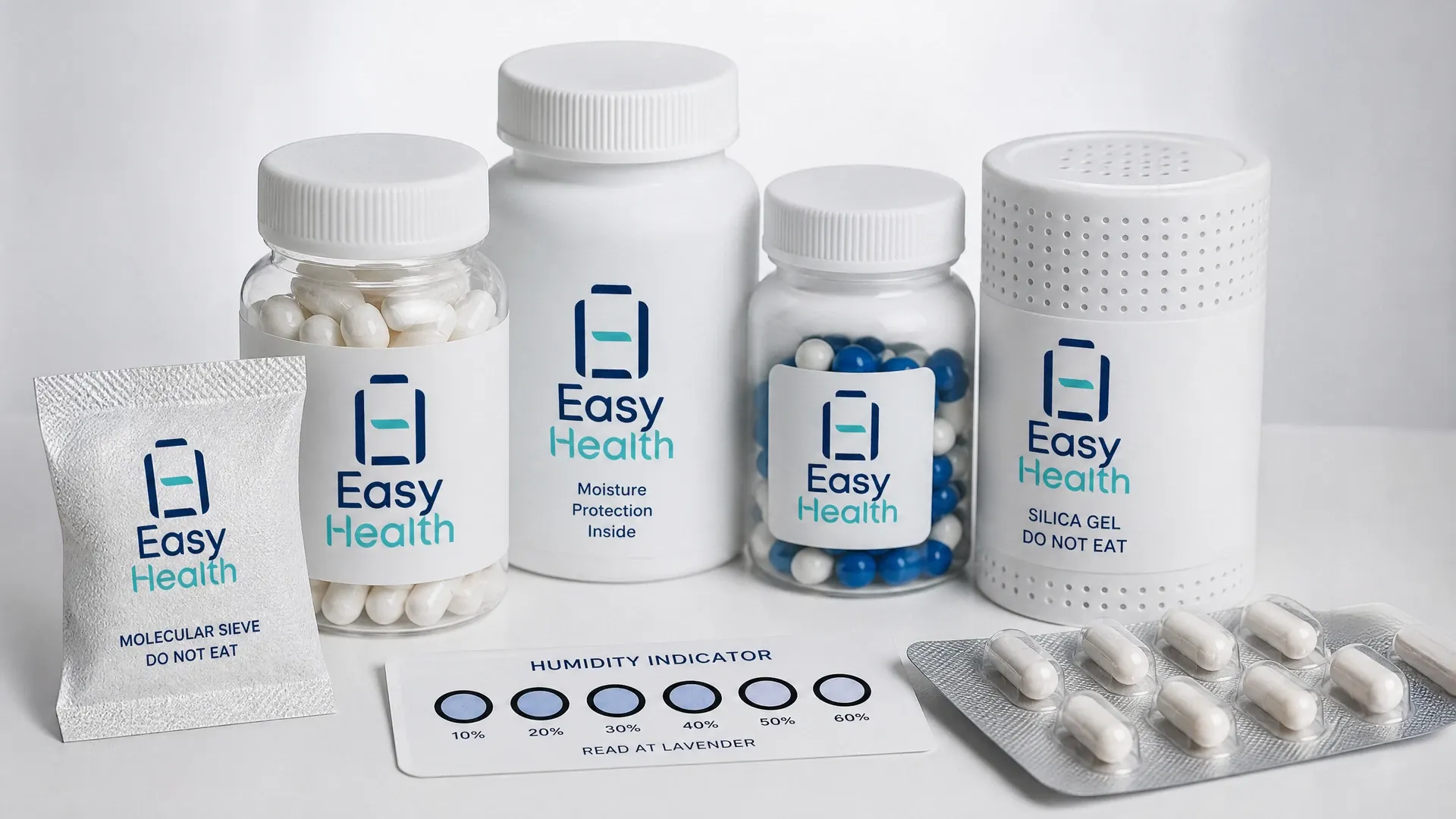
Design barrier against moisture, oxygen and light. For high moisture protection: thicker HDPE, alu‑laminates or alu‑alu blisters. For oxygen: induction foil seals plus low‑OTR materials. For light: amber glass, dark bottles or full‑alu blisters. Desiccants may be used if compatible. For hot/humid markets, combine inserts, seals and secondary packs, and evaluate packs under accelerated and real‑life conditions (coordinated by our managers).
- High aw formulas: prioritise high-barrier
- Induction seals improve tightness and tamper‑evidence
- Amber glass shields blue/UV well
- Secondary boxes add light and shock buffering
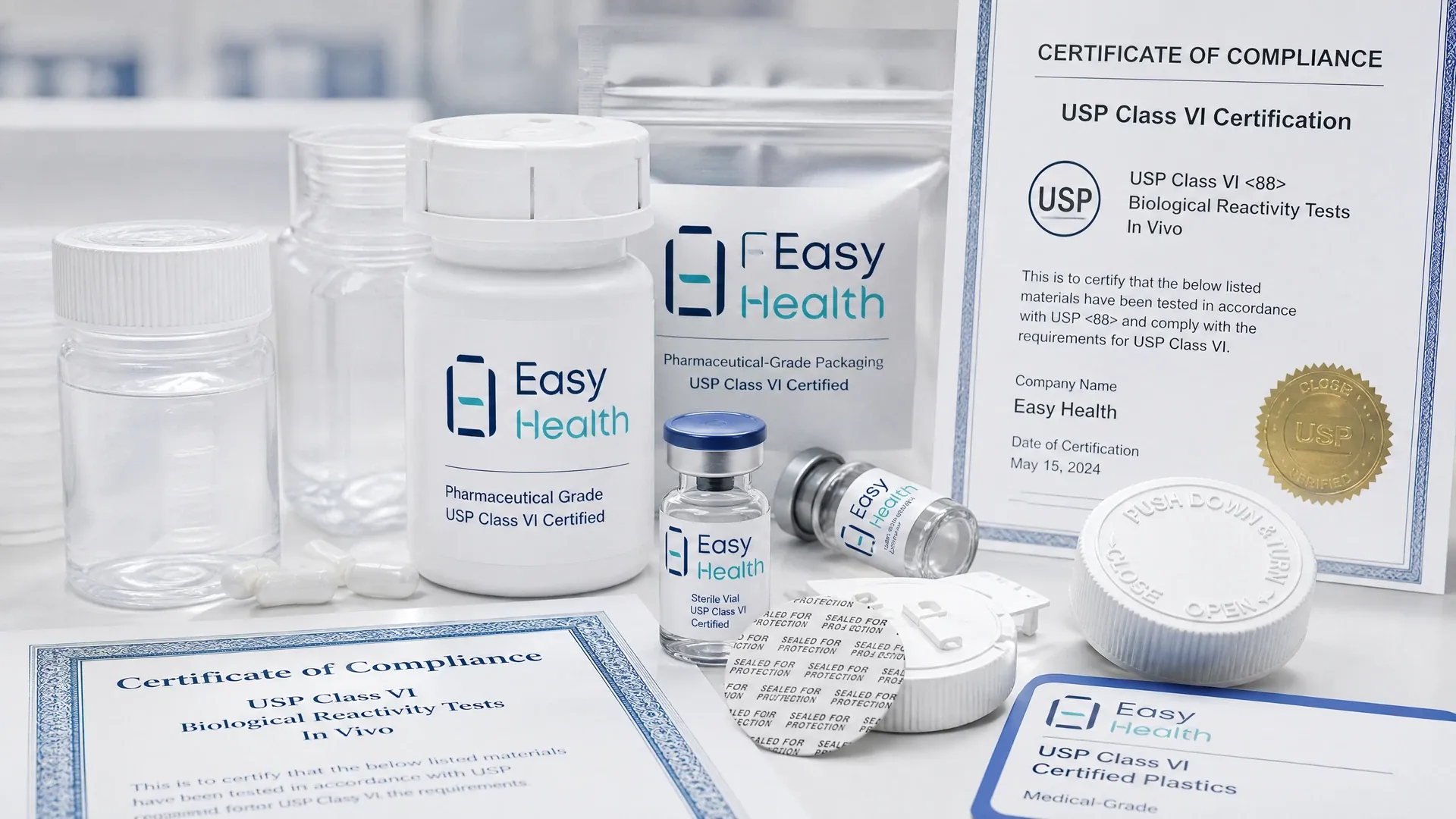
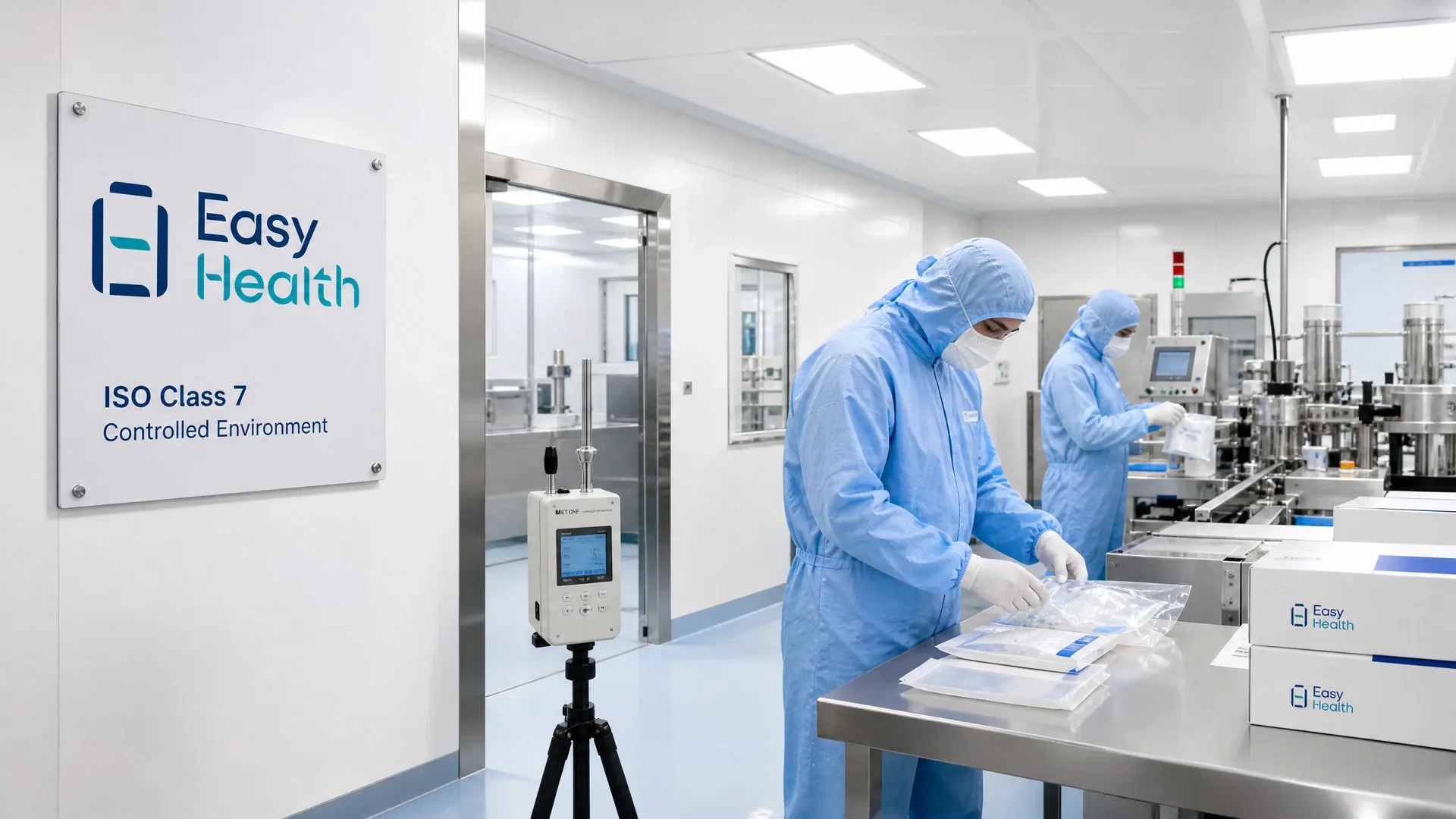
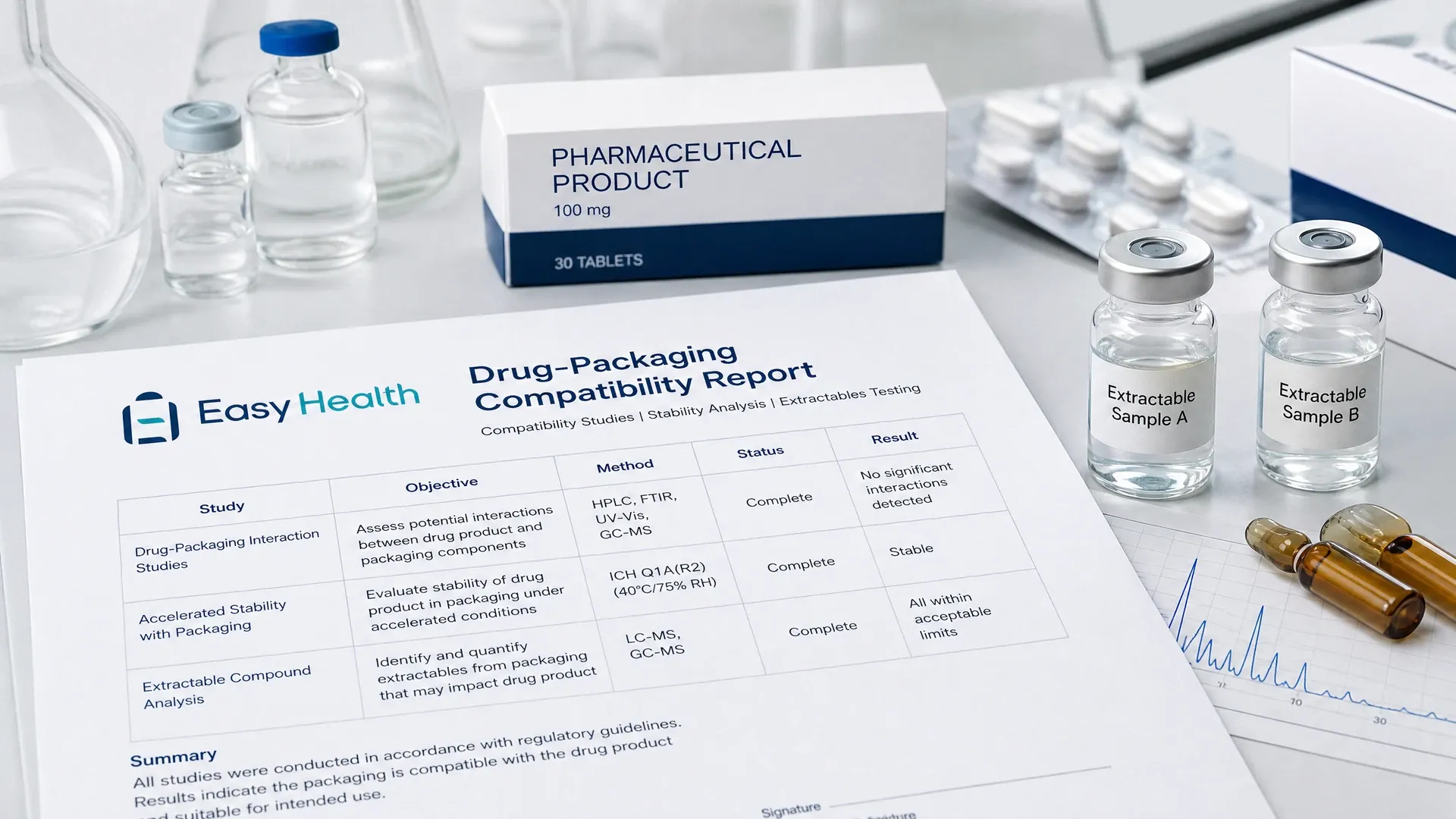
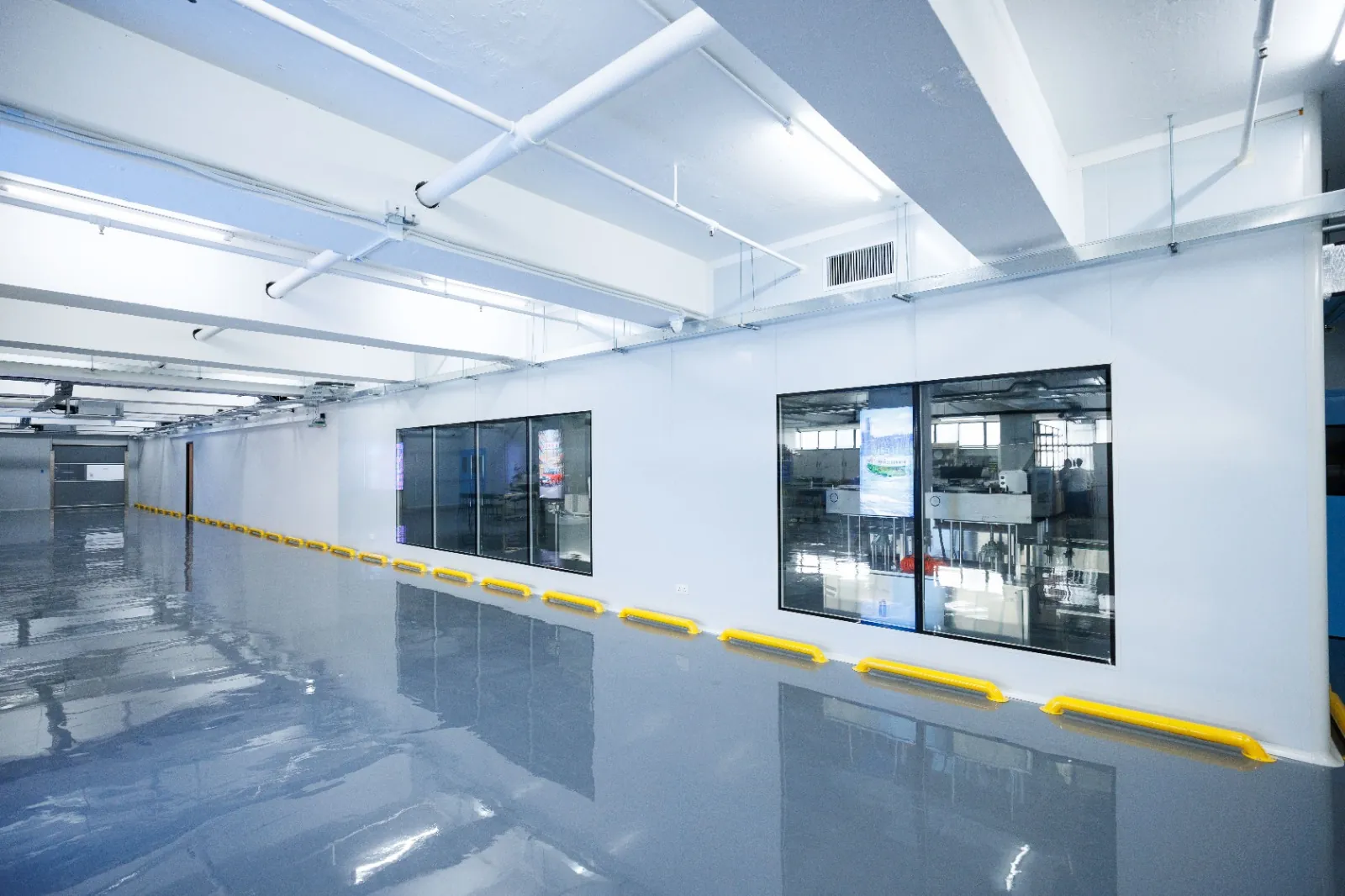
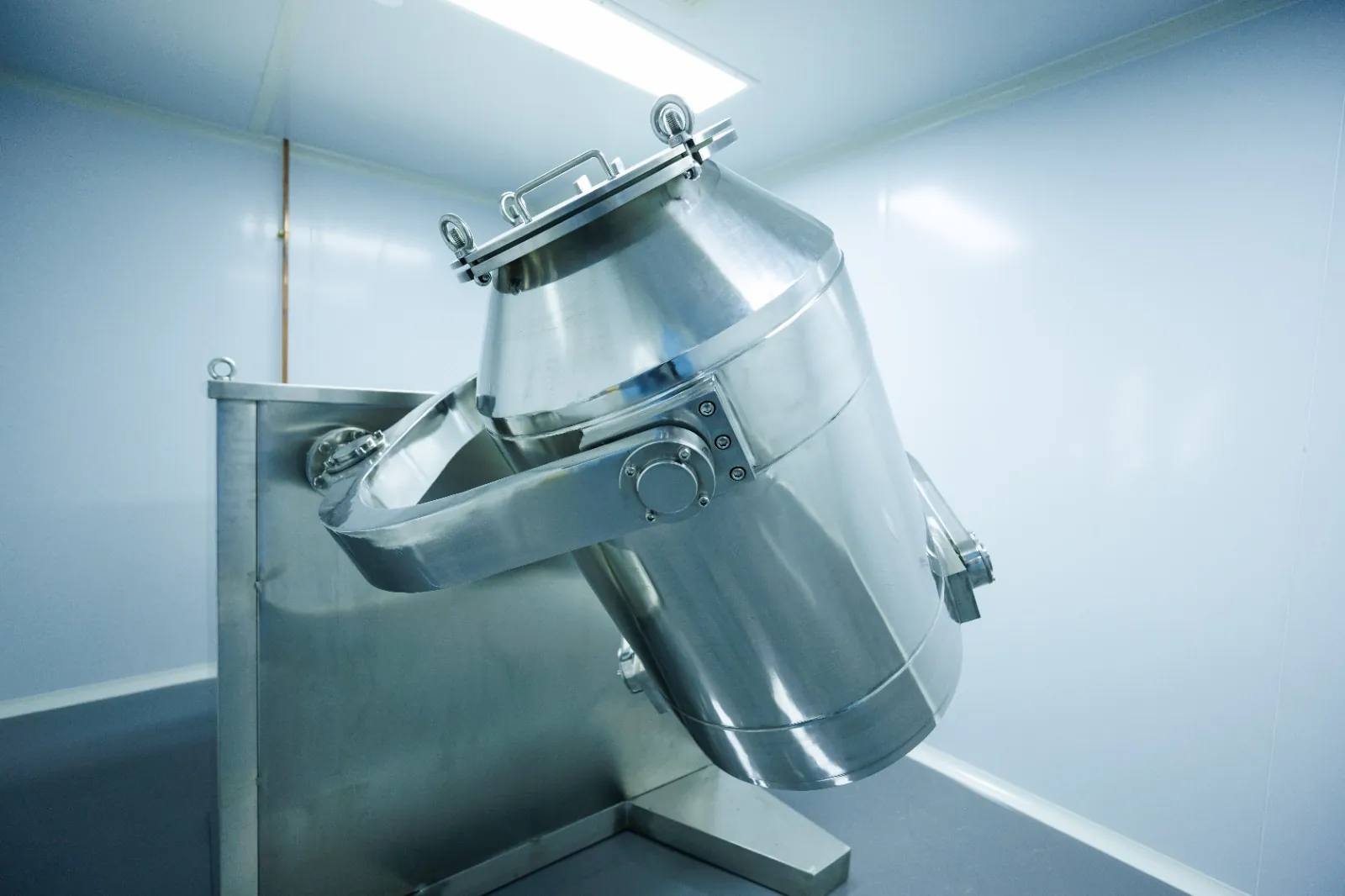
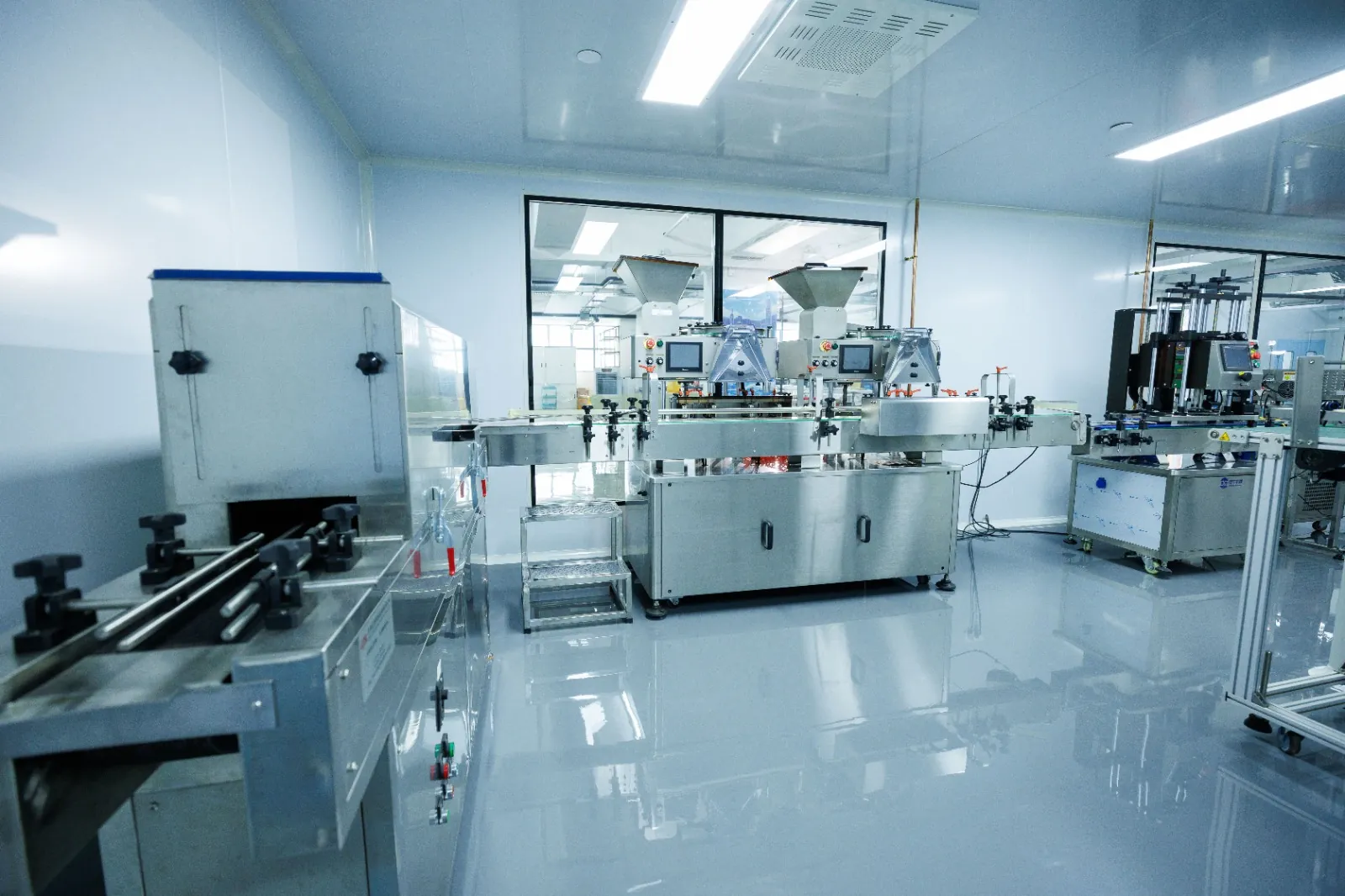
Visual reference for material features and handling conditions
Images illustrate pharma‑grade materials, cleanroom environment, moisture control and compatibility checks: laminate cross‑sections, blister light‑shield comparisons, seal/liner configurations, and controlled points within clean packaging areas.
Compatibility and leachables: questions to review before design
Assess formulation–material compatibility, including interactions with plasticisers, adhesives and oily solvents, and potential extractables/leachables. Typical steps: select pharma‑grade resins or glass, review supplier documentation, run short contact tests with the actual fill, and check closure liners (EPE/EVA/foil) for taste/odour impact. Easy Health can coordinate sampling and fill tests, and arrange packaging within our Hong Kong facility.
- Check solvent system and lipophilicity
- Review grade specs and declarations
- Test with real product for odour/colour
- Balance liner choice for barrier and mouthfeel
Labelling and print points for durability and regulatory review
Labels on pharmaceutical packs must address regulatory points and real‑world wear. In Hong Kong, the Food and Drugs (Composition and Labelling) Regulations (Cap.132W) and the 1+7 nutrition labelling apply to relevant food categories; for Mainland China, refer to GB 7718 and GB 28050. Ensure legible fonts, batch/expiry readability, and durability against moisture, abrasion and alcohol wipes. Easy Health coordinates label stocks and print (PS labels, TTO, UV/screen) and aligns bottle labels, cartons and blister cards.
- Reserve areas for LOT/EXP coding
- Use inks/laminates with rub and alcohol resistance
- Choose high‑tack labels for humid settings
- Verify rules early for multi‑market packs
How packaging material selection is coordinated
- Needs and risk scoping:Manager reviews formula, dosage form, markets and logistics to define barrier, light and labelling needs.
- Material and format proposal:Recommend bottle/blister/sachet options and grades, outlining trade‑offs and test needs.
- Sampling and fill tests:Coordinate materials and print, produce samples, and run short contact and seal checks with real fills.
- Label and compliance review:Verify statements, font sizes and LOT/EXP areas against target market rules.
- Pilot run and refinement:Arrange pilot packing under Hong Kong GMP-standard conditions to observe and refine.
Inside the Easy Health Hong Kong Facility
Comparison table: common packaging materials and focus points
| Material/format | Suitable forms | Barrier/light | Labelling/print notes |
|---|---|---|---|
| HDPE bottle | Tablets/capsules/powders | Good moisture barrier; add light tint | Wrap labels; reserve coding area |
| PET bottle | Tablets/softgels | Clear, lower light barrier | Scratch‑resistant lamination; dark tints |
| Amber glass | Liquids/drops | Excellent gas barrier and light | High‑tack labels; alcohol‑resistant ink |
| PVC/PVDC blister | Tablets/capsules | Medium‑high barrier; partial light | LOT often on foil lidding |
| Alu‑alu blister | Tablets/sensitive | Very high barrier and light | Ensure crisp embossing of codes |
Confirm compatibility and market rules before selection; arrangements are confirmed per project by our managers.
Information checklist for material review
- Formula brief and API/excipient traits (pH, oiliness, sensitivities)
- Target markets and regulatory scope (HK/Mainland/others)
- Dosage form, fill count/volume and unit pack preference
- Light/moisture/oxygen requirements and storage/logistics
- Planned label languages, font sizes and LOT/EXP coding method
- Desired sample timing and tests (seal, compatibility, etc.)
Pharmaceutical packaging materials FAQs
How to choose between bottles and blisters?
Blisters suit unit dosing, portability and a tamper‑evident look; bottles fit multi‑count packs and home use. Then match sensitivity: HDPE or glass for bottles, or alu‑alu for very high barrier. Validate seal integrity and user opening via samples and trial fills.
What compatibility or leachables checks are commonly considered?
Review solvent/oil profile, material grades and documents, run short contact tests for colour/odour/particulates, and assess liner impact on taste/odour. If needed, extend to accelerated observations. Specific items are coordinated by our manager as required.
What labelling differences matter for Hong Kong and Mainland China?
For foods/supplements, refer to Cap.132W and the 1+7 scheme in HK, and GB 7718/GB 28050 in Mainland. Ensure item name, ingredient list, net content, origin, allergen info and nutrition fields with proper font sizes. For other markets, consult local authorities or advisors.
How should caps, liners and seals be combined?
Use screw caps with EPE/EVA liners for fit; add induction foil for one‑time sealing and tamper evidence; include inserts/desiccants for higher moisture control. Verify taste/odour impact and test application torque, reseal and leak resistance.
Do cleanroom images mean all aseptic needs are covered?
Images illustrate controlled packaging practices suitable for supplements and pharma‑grade materials. Specific process and environmental classes depend on product and regulations, and are evaluated and confirmed case by case by our manager.
Related Packaging Services
Discuss your packaging material brief
Share your formula brief, target markets and preferred formats. Easy Health’s manager will review pharmaceutical packaging materials, labelling/print coordination, sampling and packaging arrangements, confirming details per project. Contact us on WhatsApp.
Last updated: