HDPE vs PET bottles for supplements: materials guide
Bottle material affects more than looks—it impacts product stability, shipping safety and labelling compliance. Easy Health coordinates the project requirements in Hong Kong. Confirm which certificate scopes, quality records and supporting documents apply to the proposed arrangement. We coordinate bottle selection, labels and cartons, sampling and packaging production to turn concepts into scalable solutions; certificate scope and documents can be confirmed per project.
Summary:Choosing the right bottle for supplements? This guide focuses on use scenarios, barrier needs, label compatibility and regulations. Compare HDPE pharmaceutical bottles and PET supplement bottles alongside other food‑grade packaging materials to shortlist options and prepare for sampling and production.
How do HDPE and PET bottles compare for supplements?
Start with the formula: oil-based, alcohol-containing, light-sensitive or highly active contents often suit opaque matte HDPE; products prioritising shelf visibility lean towards clear PET. Consider barrier and logistics: for long e-commerce routes or moisture-sensitive formulas, use desiccants and foil induction seals. Label fit differs—HDPE pairs with PE/PP labels and hot-melt adhesives; PET often uses PET/PP labels with UV varnish. Validate via sampling: squeeze, drop and seal tests.
Common supplement bottle materials: HDPE, PET, PP and glass
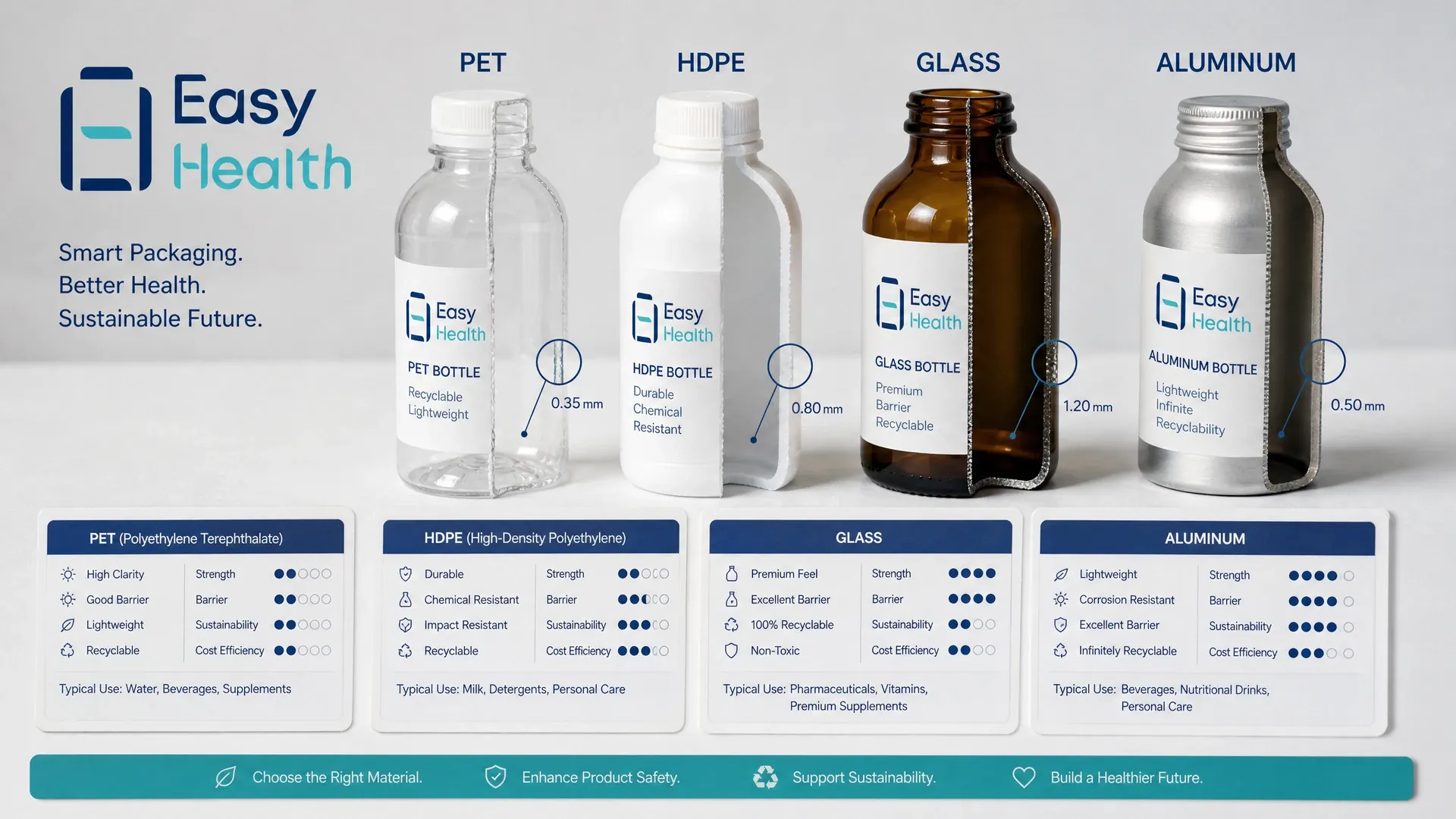
Food-grade packaging materials commonly used include HDPE, PET, PP and amber glass (for light protection). HDPE offers strong impact and chemical resistance—good for oil-based softgels and light-sensitive powders. PET provides clarity to showcase tablets/capsules. PP is lightweight with better heat tolerance for short high-temp contact or hot-fill scenarios. Amber glass provides strong barrier and light protection for photosensitive formulas and longer storage. Balance filling method, logistics, target labelling rules and shelf presentation, and design closures, desiccants and liners as a system.
- HDPE: impact/light protection
- PET: high clarity display
- PP: light and heat tolerant
- Amber glass: barrier + light block
Barrier and sealing: pair with foil seals, liners and desiccants
Bottle barrier must work with the sealing system. PET generally has higher gas barrier than HDPE, while HDPE often excels in drop resistance. For moisture- or oxygen-sensitive formulas, add desiccants, consider thicker walls and use induction foil seals with easy-peel features. Cap liners (EPE, pressure-sensitive, foil + heat seal) affect tightness and reclosure. Transport validation should include drop, temperature-humidity cycling and leak tests. Easy Health can coordinate materials and samples and align test conditions with your logistics profile.
- Induction foil boosts primary seal
- Place desiccant away from product
- Liner choice affects reseal/leak
- Test to real route risk
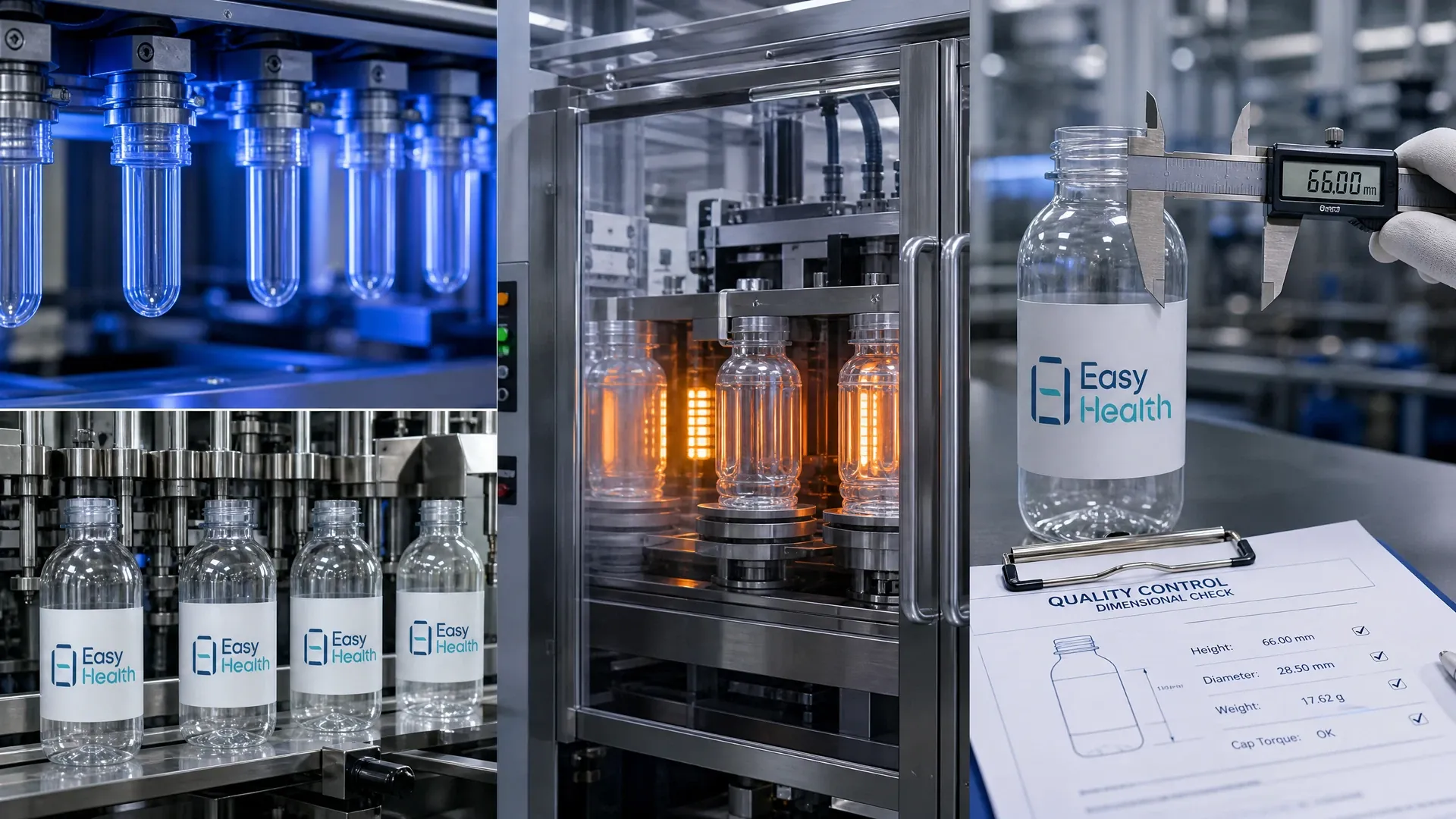
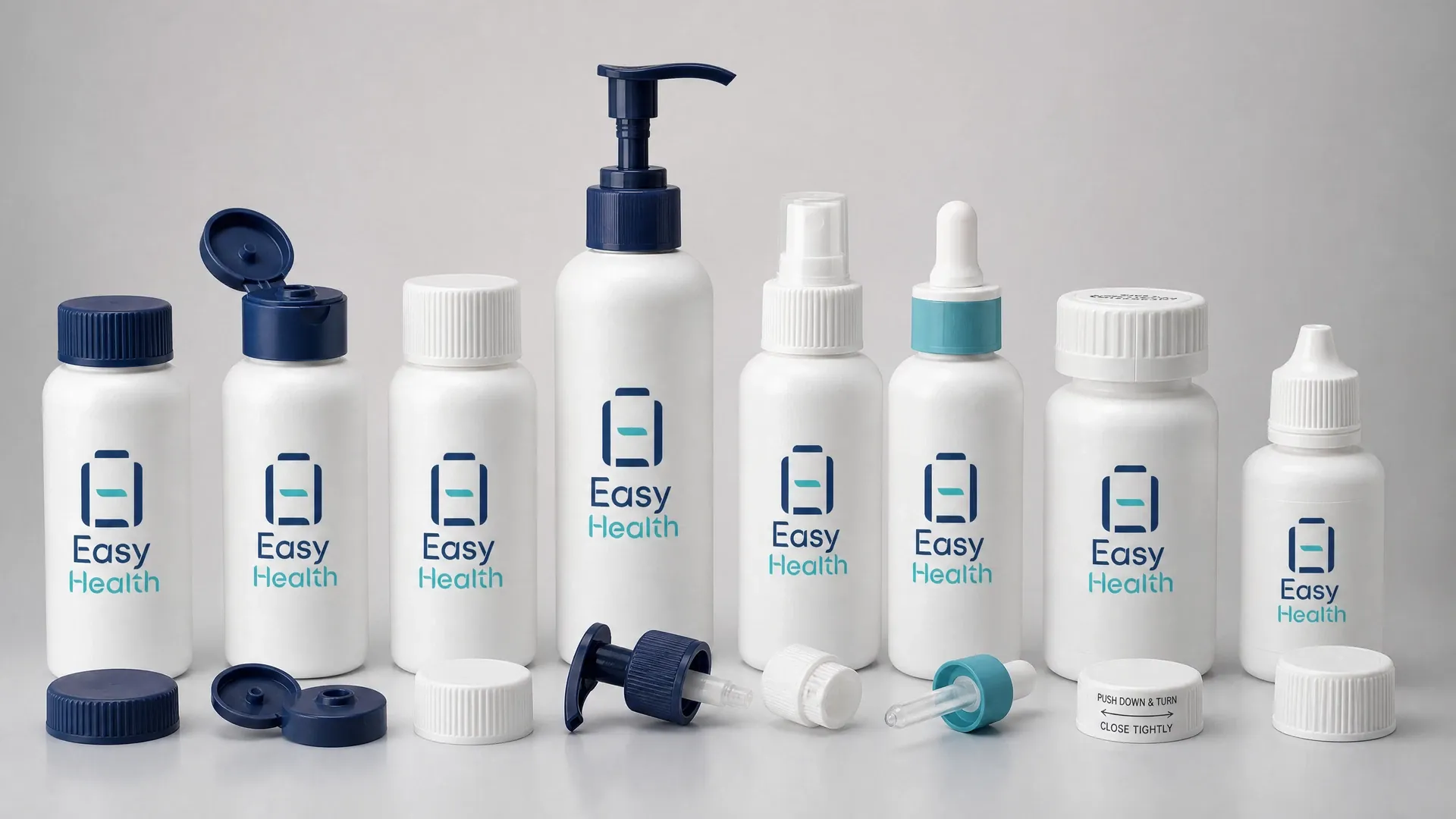
Visual guide: bottle materials, seals and closure details
Images highlight wall-thickness differences between HDPE and PET, how shoulders/necks affect label areas, induction foil seals and liner structures, plus common closures (TE caps, press, flip-top) and plug options—useful for aligning packaging, design and regulatory teams.
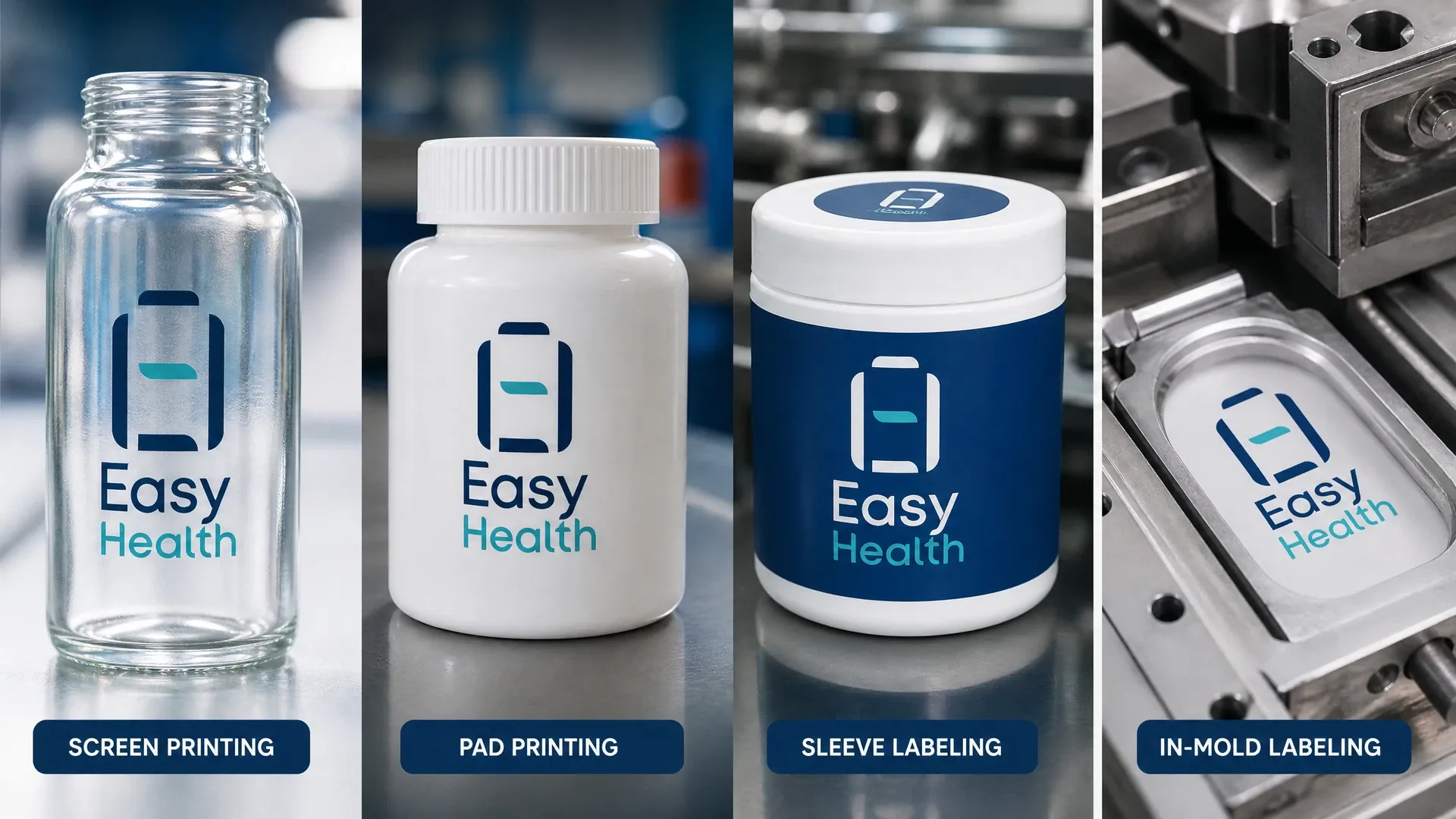
Labels and decoration: surface energy, curvature and labelling layout
HDPE’s lower surface energy requires matched label stocks and adhesives—PE/PP labels with hot-melt or tailored systems are common. PET accepts labels more readily and can use PET/PP wrap labels or shrink sleeves. Curves and neck tapers reduce workable label area—leave 2–3 mm bleed and closure allowance. Content should meet Hong Kong Cap.132W and the ‘1+7’ nutrition scheme, and Mainland GB 7718/28050. For Chinese medicines or botanicals, also check Cap.549 classification and labelling needs.
- Adhesive choice key for HDPE
- Shrink sleeve suits PET display
- Allow space on curved areas
- Layout to Cap.132W and 1+7
Use scenarios and testing: e-commerce, retail and temperature exposure
Cross-border e-commerce stresses compression and leak resistance; retail prioritises appearance and tamper evidence. If chilled storage or short hot-fill is involved, check heat distortion and shrink behaviour. At minimum, run torque/open-close, drop, squeeze, seal integrity, label chemical resistance (sweat/alcohol) and environmental cycling tests. Easy Health can coordinate pilot packing during sampling and tailor test items to your channels and storage, with project-by-project confirmation by an account manager.
- E-commerce: compress/leak risk
- Retail: display and tamper needs
- Verify thermal stability first
- Run core validation tests
Bottle packaging selection workflow
- Brief and regulatory alignment:Understand formula, channels and markets; align labelling scope and required tests, assessed case-by-case by an account manager.
- Material and structure proposal:Recommend HDPE/PET/PP/glass, capacities, neck/liner solutions, and align label and carton design.
- Sampling and validation:Coordinate samples, labelling and sealing trials; align tests to real logistics/storage and document results.
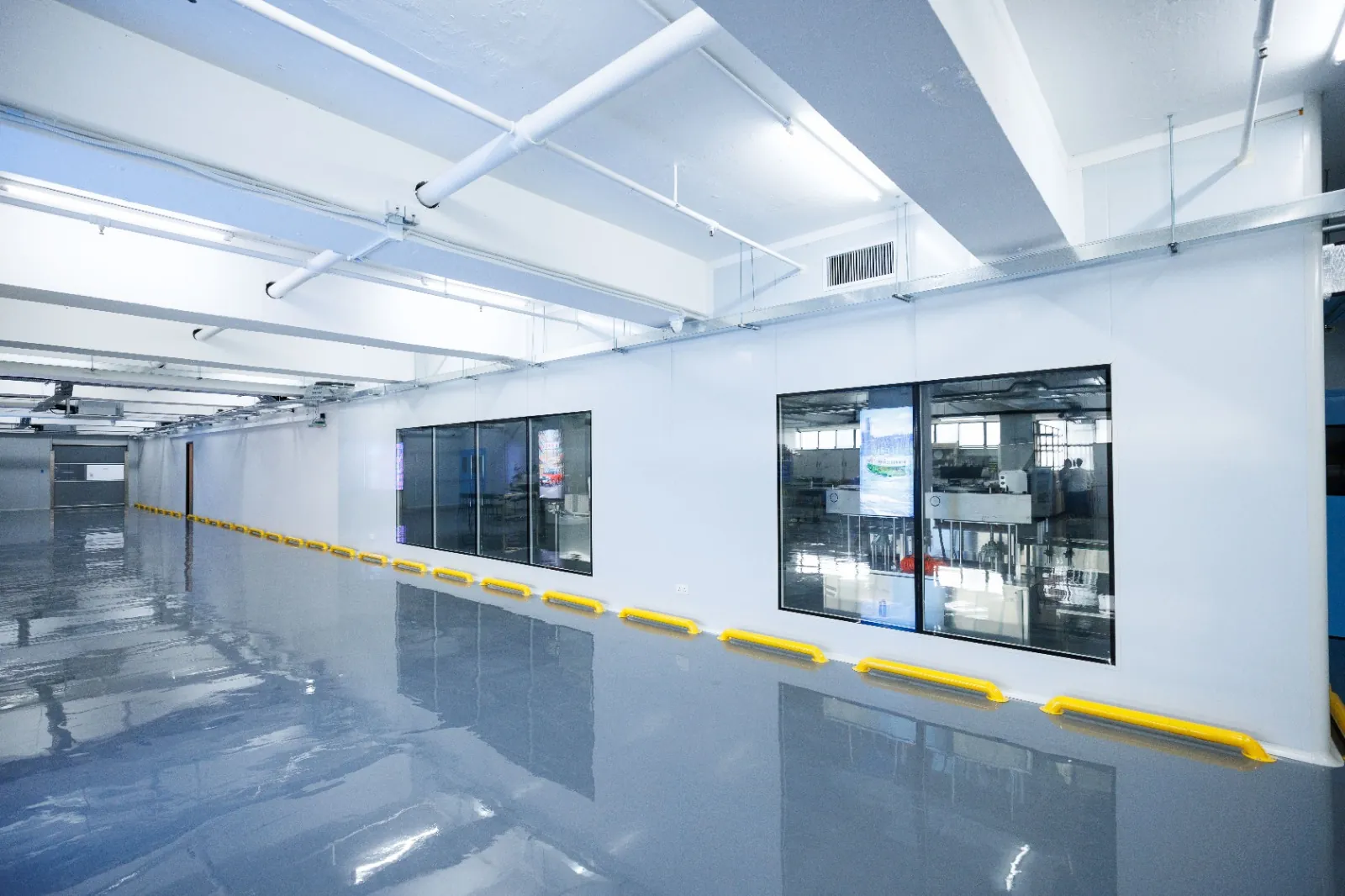
- Packaging production coordination:Operate in a GMP-standard environment at our Hong Kong site; coordinate materials and scheduling. Timelines vary by project and are confirmed by the account manager.
- Dispatch and continuous refinement:Arrange dispatch and language variants per channel; gather market feedback to refine future batches.
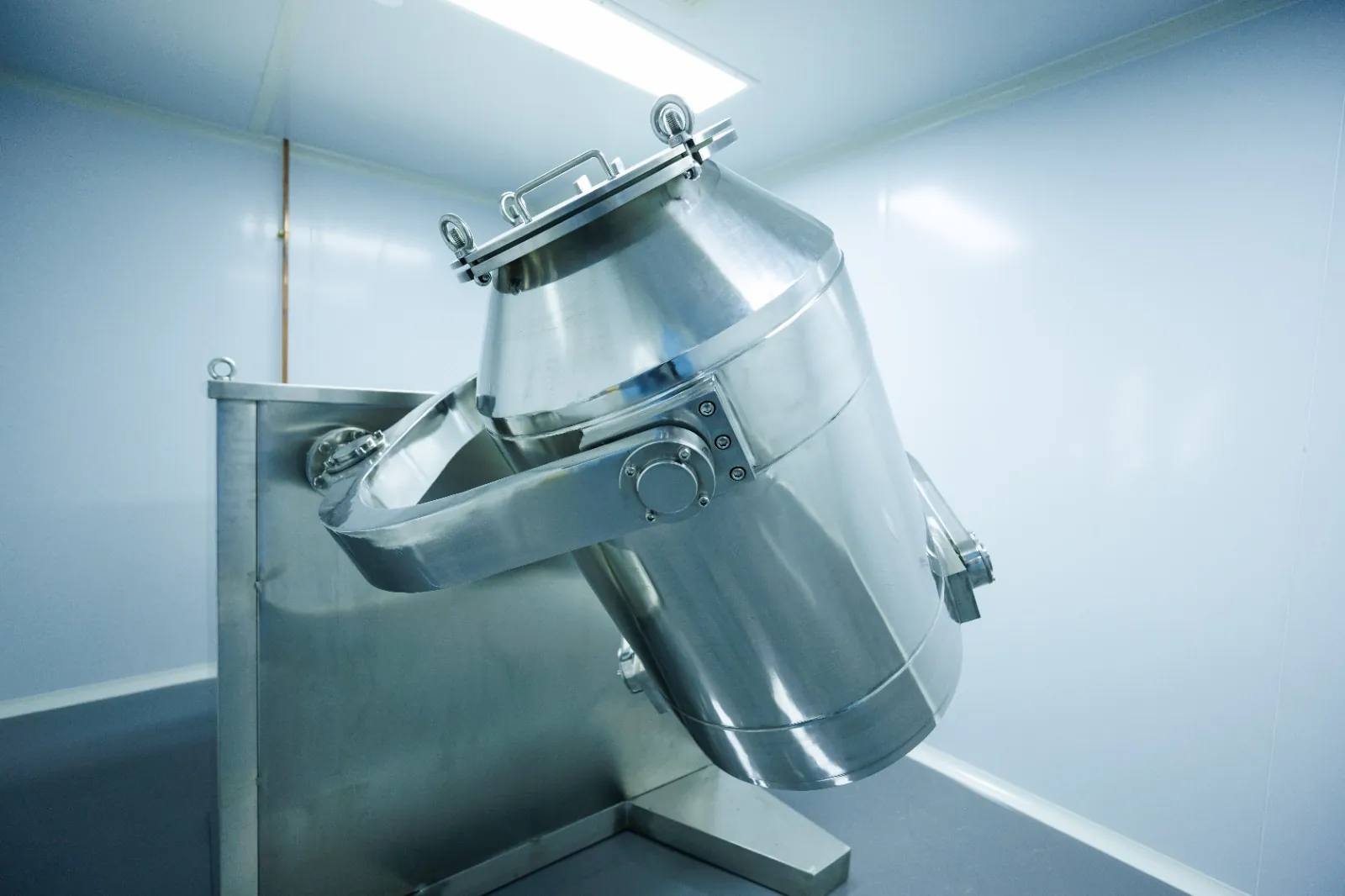
Inside the Easy Health Hong Kong Facility

Quick look: common supplement bottle materials
| Material | Barrier/resistance | Suitable for | Notes |
|---|---|---|---|
| HDPE | Impact, chemical resistant | Softgels, powders | Low surface energy—adhesive fit |
| PET | Higher gas barrier | Tablets, capsules | Clear; scratch visibility |
| PP | Better heat tolerance | Hot-fill scenarios | Lower rigidity—check warpage |
| Amber glass | High barrier, light block | Photosensitive | Heavier; breakage risk |
| PETG/co-poly | High clarity, tough | Premium display | Test glue/ink compatibility |
General characteristics only; final choice depends on formula, design and test results.
Supplement bottle selection checklist
- Does the formula contain oil/alcohol, is hygroscopic or light-sensitive?
- Are transport routes and storage temperature/humidity defined?
- Do you need tamper evidence and which seal type (foil/pressure)?
- Are label stocks and adhesives compatible with the bottle?
- Need desiccants, specific liner thickness or thicker walls?
- Have target-market languages and labelling rules been confirmed?
Supplement bottle materials FAQs
When should I choose HDPE supplement bottles instead of PET?
Choose HDPE when formulas are oil-based, volatile or light-sensitive, and when impact resistance and opacity matter. Opt for PET supplement bottles if visibility and shelf appeal are priorities. Always consider the sealing system, desiccants and label compatibility, and confirm via samples with drop and seal tests.
What labelling checks apply to supplement bottles in Hong Kong?
Follow Cap.132W for ingredients, net quantity, origin and allergens, and apply Hong Kong’s ‘1+7’ nutrition scheme. For Mainland distribution, also check GB 7718 and GB 28050. Share your artwork and we can help coordinate layout and checks.
Labels keep lifting—could the bottle be the cause?
Yes. HDPE’s low surface energy requires compatible label stocks/adhesives and proper surface prep and application settings. PET accepts labels more readily, but curves and neck tapers still challenge adhesion. Test on actual bottles for heat/humidity and alcohol wipe resistance.
What can be checked during sampling?
We can coordinate bottle-closure fit, sealing method (induction foil/pressure), label materials/process, desiccant placement, drop and seal tests, and label chemical resistance. Test plans are tailored to your logistics and storage needs and confirmed by the account manager.
What should be checked for cold-chain or higher-temperature handling?
Yes. Cold chain can cause condensation affecting labels and metal parts; heat may induce shrinkage or raise internal pressure. Define temperature/humidity ranges and exposure duration, run environmental cycling tests, and adjust wall thickness, liner material and adhesive system as needed.
Related Packaging Services
Shortlist suitable supplement bottle materials
Share your formula traits, channels and draft artwork. Our account manager will assess your needs and advise on HDPE pharmaceutical bottles, PET supplement bottles or other food-grade packaging materials, then coordinate sampling and packaging production. Contact us on WhatsApp.
Last updated: