Sustainable packaging design in Hong Kong for supplements
This page focuses on planning, not material catalogues: assess outer box necessity, inserts, recyclable and separable structures, refills, and transit carton optimisation to build a practical sustainability roadmap. At our Hong Kong facility, Easy Health provides OEM/ODM, packaging design and production coordination. Each project is individually evaluated by an account manager; sampling and timelines are project-dependent, with labelling and recycling information checks provided.
Summary:Lead with reduction-first eco packaging: structural right-sizing, recyclable and separable formats, refill solutions, and transit carton optimisation. Easy Health coordinates the project requirements in Hong Kong. Confirm which certificate scopes, quality records and supporting documents apply to the proposed arrangement. A dedicated account manager evaluates each project, coordinates prototyping and packaging production, and assists with labelling and recycling instruction checks.
How should supplement brands build a reduction-first packaging roadmap?
Start with reduction: validate removal of outer boxes and inserts, and prioritise mono-material or separable structures. Next, assess refills (pouches or sticks for powders, capsules, or liquids) and add clear recycling instructions. Finally, optimise shipper dimensions and packing to minimise voids and damage. Easy Health coordinates prototyping and production, and offers general checks on the applicability of Hong Kong Cap.132W and the “1+7” nutrition labelling (for prepackaged foods), including bilingual placement guidance.
Sustainable packaging design in Hong Kong: protect, reduce, then refill
In the Hong Kong context, set protection and regulatory baselines first, then reduce. Reassess the need for outer boxes and inserts; if used mainly for display, consider structural strengthening or hang tabs. If multilingual space is needed, move content onto the primary pack. Where recycling streams exist, prioritise mono-material or easily separable designs and add clear dismantling and recycling instructions. Introduce refills as a second phase: establish brand experience with the main container, then extend with pouches or sticks to balance retail and logistics efficiency.
- Start with protection/regulation
- Keep outer boxes only if needed
- Prioritise mono-materials
- State clear recycling steps
Four critical decisions for sustainable packaging
Plan sustainable packaging around four pivots: structural reduction (remove voids and non-essential parts), recyclability and separability (avoid hard-to-process laminations), a refill pathway (primary pack plus refills), and transit optimisation (shippers and pallet patterns). Evaluate each against product form, stability, labelling needs, and channel storage conditions. Easy Health coordinates prototyping and pilot validation, with an account manager assessing each case to phase the roadmap and launch milestones. It helps to pilot a sustainable option on one core product first, record how sampling, shipping and shelf display perform in practice, and then decide whether to extend it across the range.
- Remove non-essential parts
- Enable easy separation
- Phase in refills
- Optimise shippers/pallets
Visual guide: from reduced structures to refill concepts
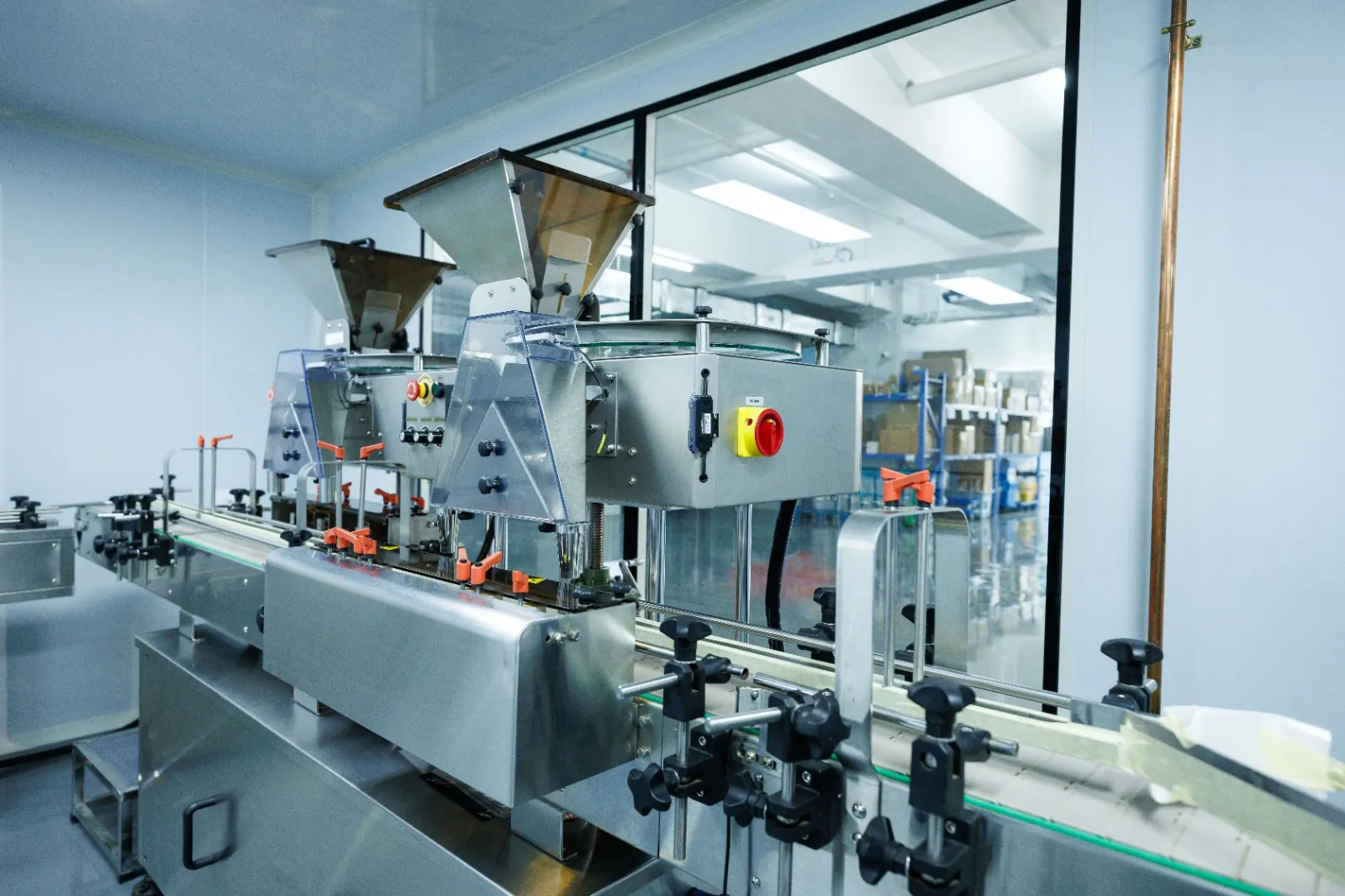
The images illustrate how structural reduction, refills and separable designs cut material use, and how packaging steps are coordinated with our Hong Kong production environment. They also show common styles of on-pack environmental marks, so space for marks and explanations can be planned early.
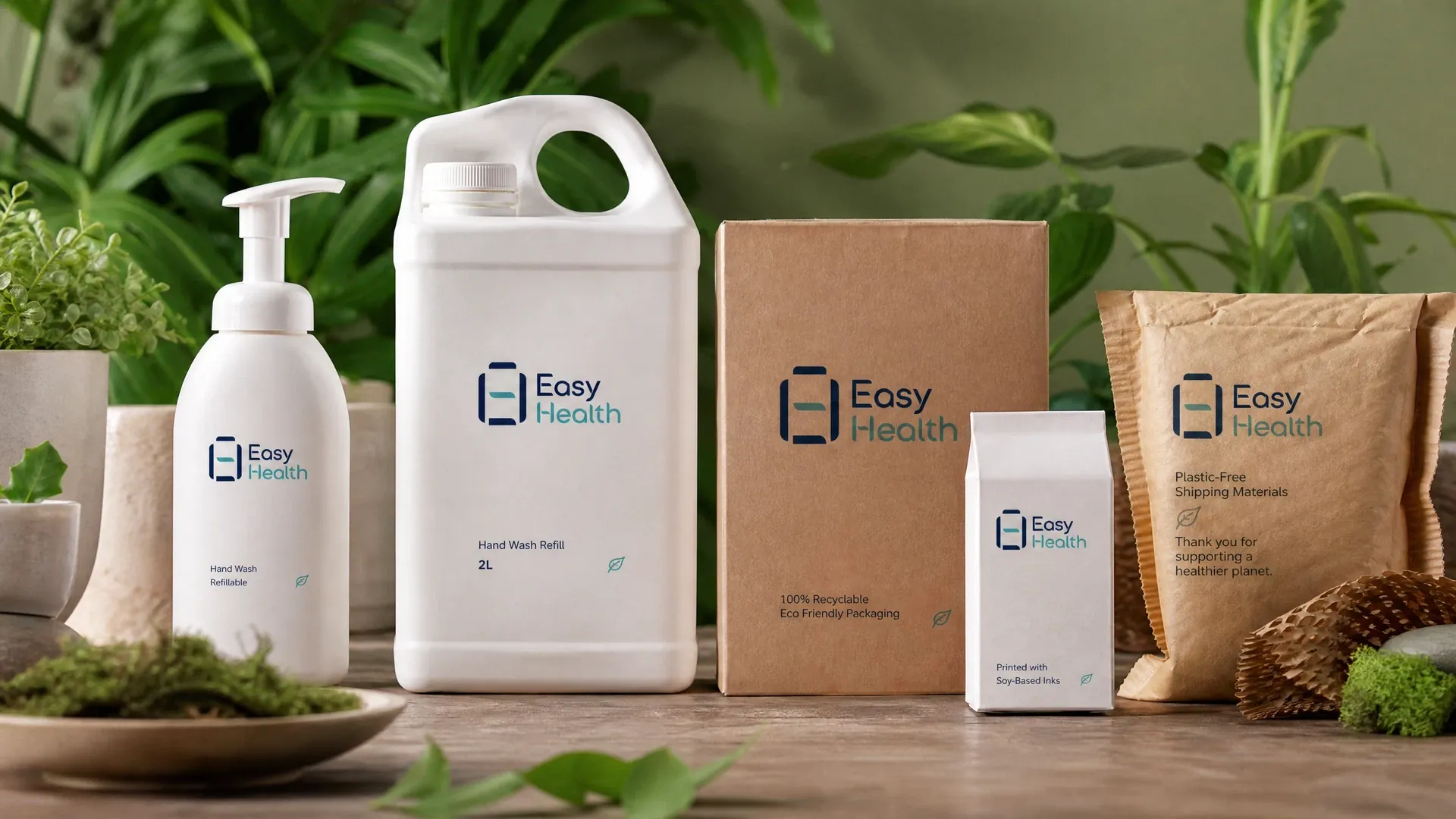
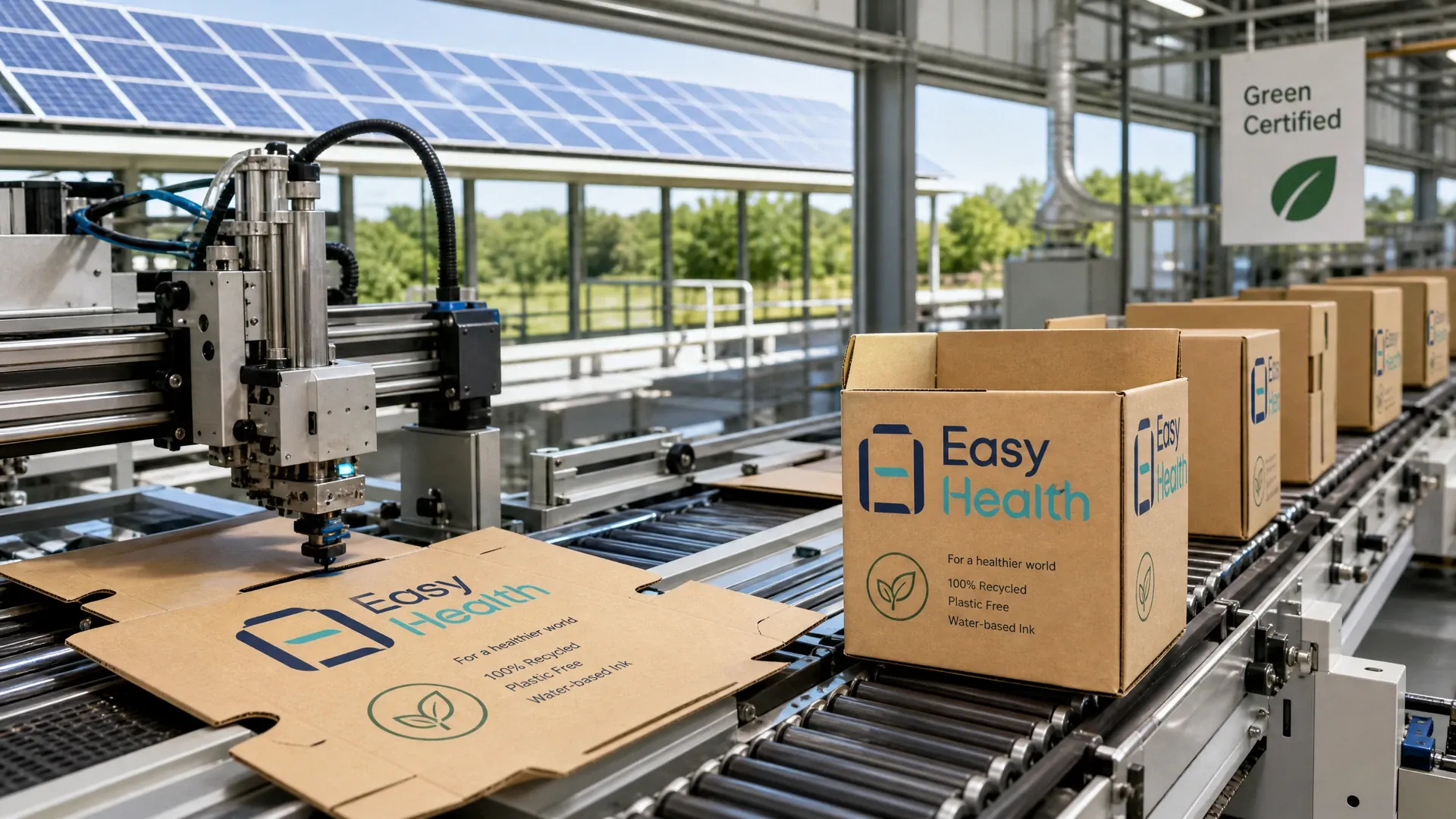
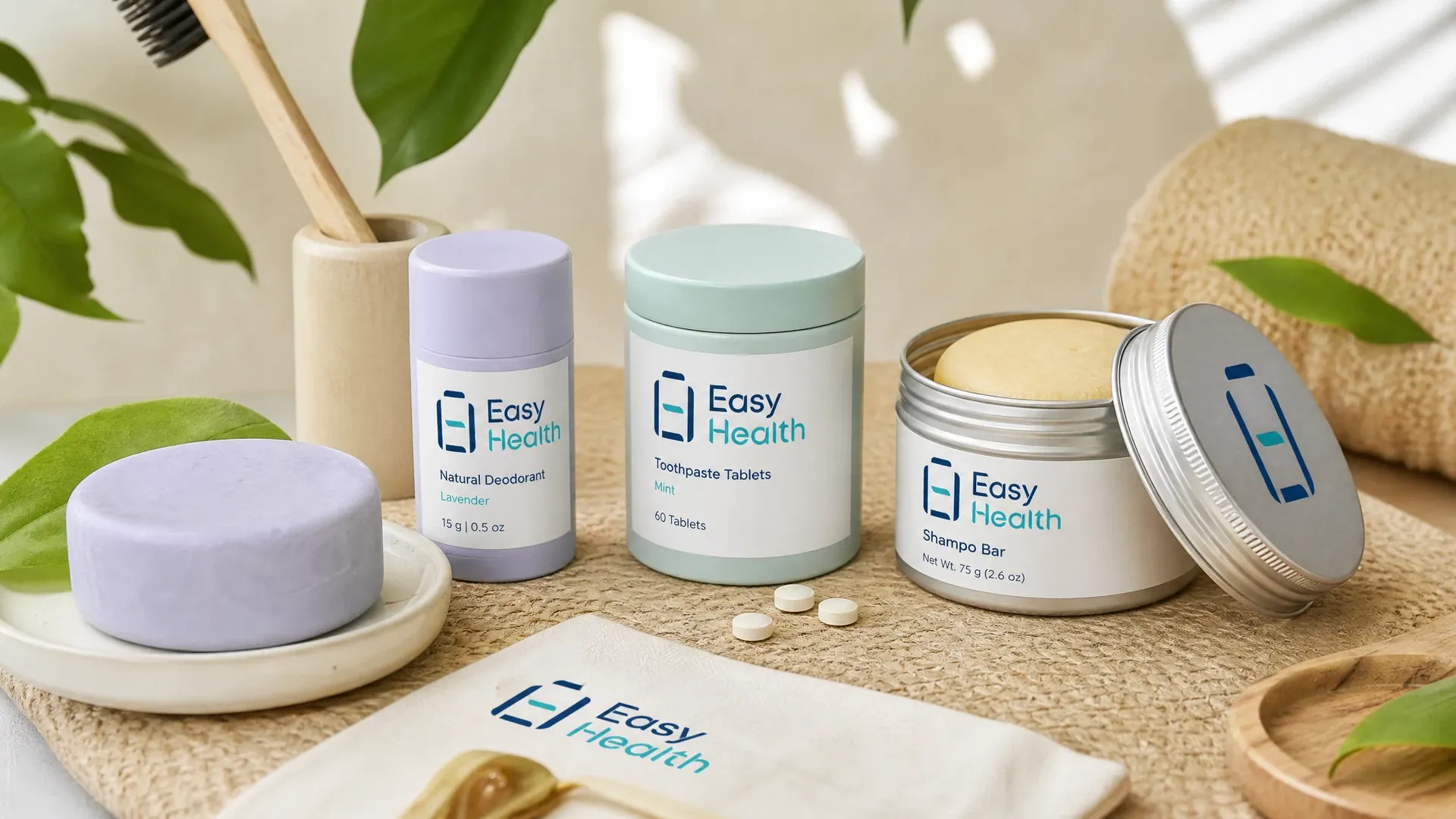
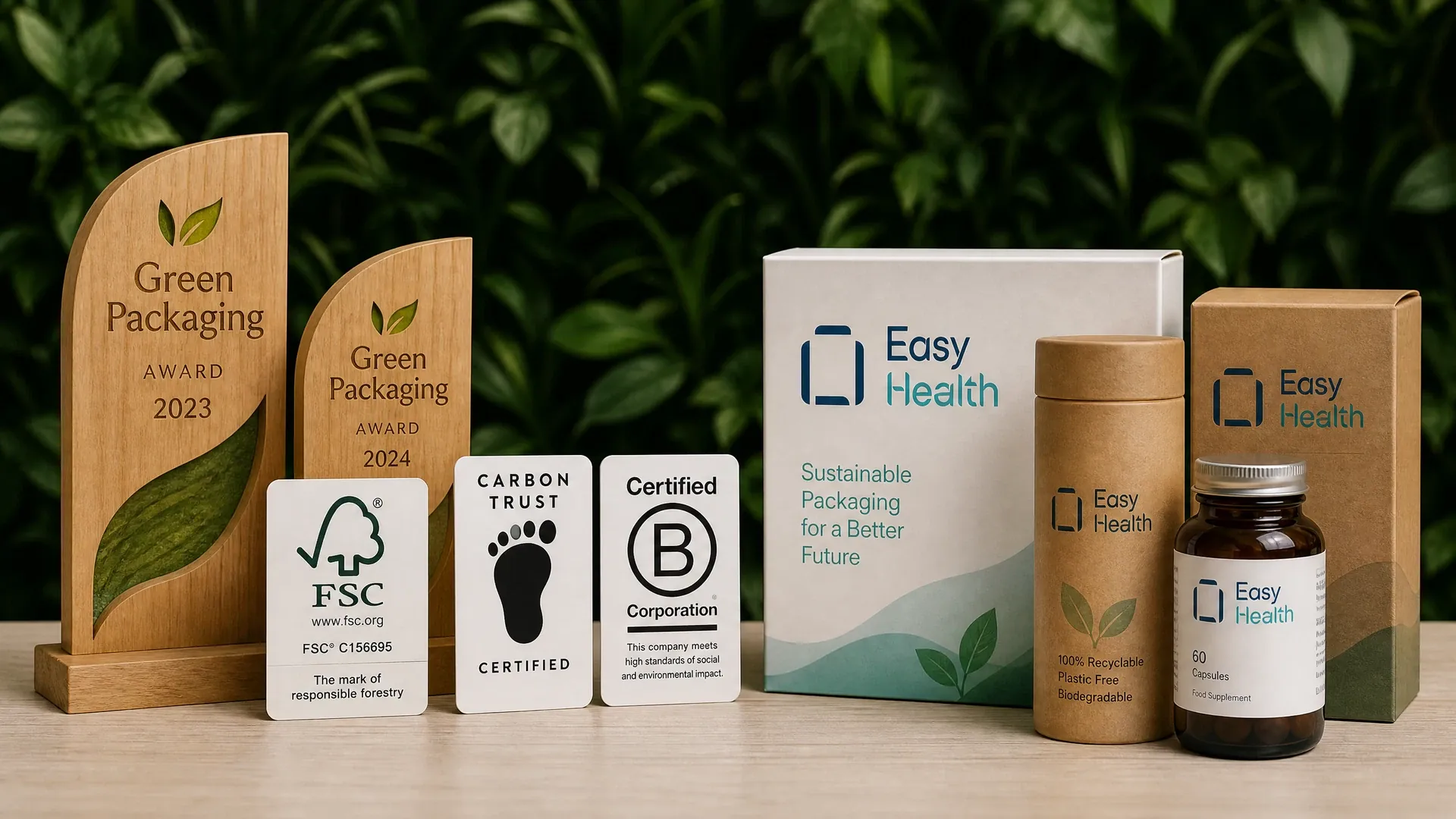
De-boxing, de-traying and structural right-sizing
Before removing outer boxes or inserts, assess drop and crush resistance, retail display method, and available labelling area. Thick-walled or squat bottles often work with label plus tamper-evidence only; fragile glass may need energy-absorbing pads or shoulder locks. Sticks and pouches can use hang holes or windows to aid display and recognition. For separable structures, include clear dismantling and sorting guidance to reduce contamination. Easy Health can coordinate label/carton material supply and arrange printing and packaging production. If an outer carton is removed, consider moving directions and cautions to the bottle label or a scannable page, while confirming the label is large enough for the required particulars.
- Validate protection first
- Maximise primary pack legibility
- Use hang holes for display
- Show dismantling guidance
Refills and recycling instructions: user-centred trade-offs
Define refill frequency, transfer steps, and secondary sealing. Powders/capsules commonly use stand-up or zipper pouches; liquids may use spouted pouches or easy-tear stand-up pouches. Provide bilingual instructions for first use and after-refill handling, including cleaning, drying and reclosure. For recyclable or separable structures, include recycling codes, material names, and the placement for “best before/use by.” Easy Health can coordinate related testing and layout, and manage sampling to production.
- Plan refill cadence
- Bilingual handling steps
- Add recycling codes/materials
- Position date statements
Eco-friendly supplement packaging design workflow
- Needs and baseline:Define protection, regulatory applicability, and channel conditions to set non-negotiables.
- Data gathering and tests:Compile dimensions, drop/seal needs, and coordinate any required tests project-wise.
- Concepts and mock-ups:Propose reduction, separability and refill concepts; coordinate prototypes and iterations.
- Pilot validation:Validate with real filling and simulated transit; fine-tune structures accordingly.
- Artwork and label checks:Check bilingual content, recycling codes and date statements to avoid omissions.
Inside the Easy Health Hong Kong Facility


Common packaging waste reduction approaches
| Aspect | Mono-material flexibles | Paper-based packaging | Refill design |
|---|---|---|---|
| Main goal | Easier entry into suitable recycling streams | Reduce plastic use | Reduce repeated outer packaging |
| Suitable products | Pouched powders, granules and capsules | Cartons, tubes and sleeves | Powders, capsules and tablets |
| Barrier | Coatings may be needed | Often needs a liner or coating | Refill bags need good sealing |
| Labelling | State the material | State material and disposal method | Explain refill steps clearly |
| Caution | Recycling depends on local arrangements | Laminates can affect recyclability | Confirm the original container can be reused |
This is general guidance only; the final solution is assessed and confirmed by the account manager for each project.
Pre-launch packaging reduction checklist
- Clear rationale and evidence for de-boxing/de-traying
- Bilingual text legible and not obscured by folds
- Recycling codes, materials and dismantling steps included
- Date statements positioned away from tear lines
- Shipper size matches contents; voids and pads validated
- Refill sealing and reclosure tested
Packaging reduction design FAQs for supplements
Can supplement bottles remain protected without an outer box?
It depends on crush/drop performance and display method. Thick-walled or squat bottles often work with labels plus tamper evidence; tall or glass containers may need shoulder locks or pads. We recommend pilot drops and transit simulations, then adjust structures and labelling area. Easy Health coordinates prototyping, testing arrangements, printing and production.
Which supplement forms suit refills?
Powders and capsules commonly use stand-up or zipper pouches; liquids may use easy-tear or small spouted pouches. Plan transfer steps, secondary sealing and user guidance. Some channels request specific shipper marks for refills. Final plans are individually evaluated and confirmed by the account manager.
How should we write recycling and dismantling instructions bilingually?
Use action-led step lists with pictograms, and add material names and recycling codes. For prepackaged foods, align with Hong Kong Cap.132W and the “1+7” scheme on language and items: labels may be in Chinese or in English; if both languages are used, the food name and ingredient list must appear in both. Place text and icons away from tear lines and folds.
What documentation supports environmental packaging claims?
Request supplier specifications, recycling codes and composition statements; arrange relevant tests or third-party documents where applicable. Avoid absolute wording on packs; use actionable guidance (e.g., “Remove pump before recycling bottle”). Easy Health can coordinate information collection and layout placement.
What environmental or logistics marks go on transit cartons?
Typically include product name (EN/CN), lot, quantity, storage conditions and recycling mark positions. For refills or separable designs, add identifiers and stacking notes. Carton dimensions should fit contents closely, with void fillers validated in simulations before finalisation.
Related Packaging Services
Discuss your supplement packaging reduction plan
Chat with an Easy Health account manager on WhatsApp to discuss product data, reduction, refills and labelling checks. Sampling and timelines are project-dependent and confirmed by the account manager.
Last updated: