Eco-friendly supplement packaging for sensitive formulations
Eco-friendly supplement packaging is not just a material swap; it must address oxygen/moisture sensitivity, barrier structures, retail/e-commerce transit, and local recycling realities. In Hong Kong, Easy Health coordinates bottles, pouches, sticks and cartons in a controlled environment, referencing recognised food-hygiene and safety frameworks (e.g. GMP, FSSC 22000) as applicable; certificate scope and supplier documentation are reviewed per project to balance sustainability with real-world performance.
Summary:We focus on eco supplement packaging with practical degradable and recyclable routes, balancing barrier, stability, retail display and real recycling streams. Easy Health provides OEM/ODM, label/carton design, and material/print coordination in Hong Kong, with case-by-case assessment by your account manager.
How should sustainable supplement packaging balance product protection?
Define formulation sensitivity, shelf-life and distribution first, then choose material and structure. Highly sensitive actives prioritise mono-material high-barrier or aluminium; more tolerant powders/tablets may use paper-based formats and rPET. Use recycled-fibre cartons and low-migration inks, and verify that “recyclable” aligns with local streams. Testing and compliant labelling come first, with timing confirmed by your account manager.
Where does recyclable supplement packaging fit alongside degradable options?
“Degradable” and “recyclable” are not the same. Recyclable routes fit current streams such as rPET, glass, aluminium and mono-material PE/PP; degradable options like PLA/PHA films or paper composites require scrutiny of barrier and composting infrastructure. Match to dosage form and shelf-life: high-sensitivity formulas choose high-barrier recyclable structures; powders/tablets can use paper canisters with liners or rPET jars; short-run promos may adopt bio-based pouches. Easy Health coordinates sourcing and prototyping, guided by test data.
- Verify local recycling streams first
- Use high-barrier recyclable for sensitive products
- Paper usually requires an inner liner
- Validate barrier and heat limits for bio-films」「Ensure claims align with disposal routes
Barrier structure: managing oxygen and moisture
Eco options must still meet target OTR/WVTR. Recyclable routes include mono-material high-barrier PE/PP (oxide-coated or coated films) or aluminium cans; glass provides excellent tightness but is heavier; paper requires recyclable or bio-based liners. Tablets may use desiccant caps or sachets; powders can adopt easy-tear mono-material sticks or zipper pouches. Choose wash-off adhesives and compatible label materials to reduce recycling contamination. Easy Health fine-tunes film thickness, layers and sealing per test results, and coordinates prototyping and production.
- Set product OTR/WVTR targets
- Pick mono-material high-barrier films
- Integrate desiccants with closures
- Use wash-off and compatible labels」「Ensure resealability and easy opening
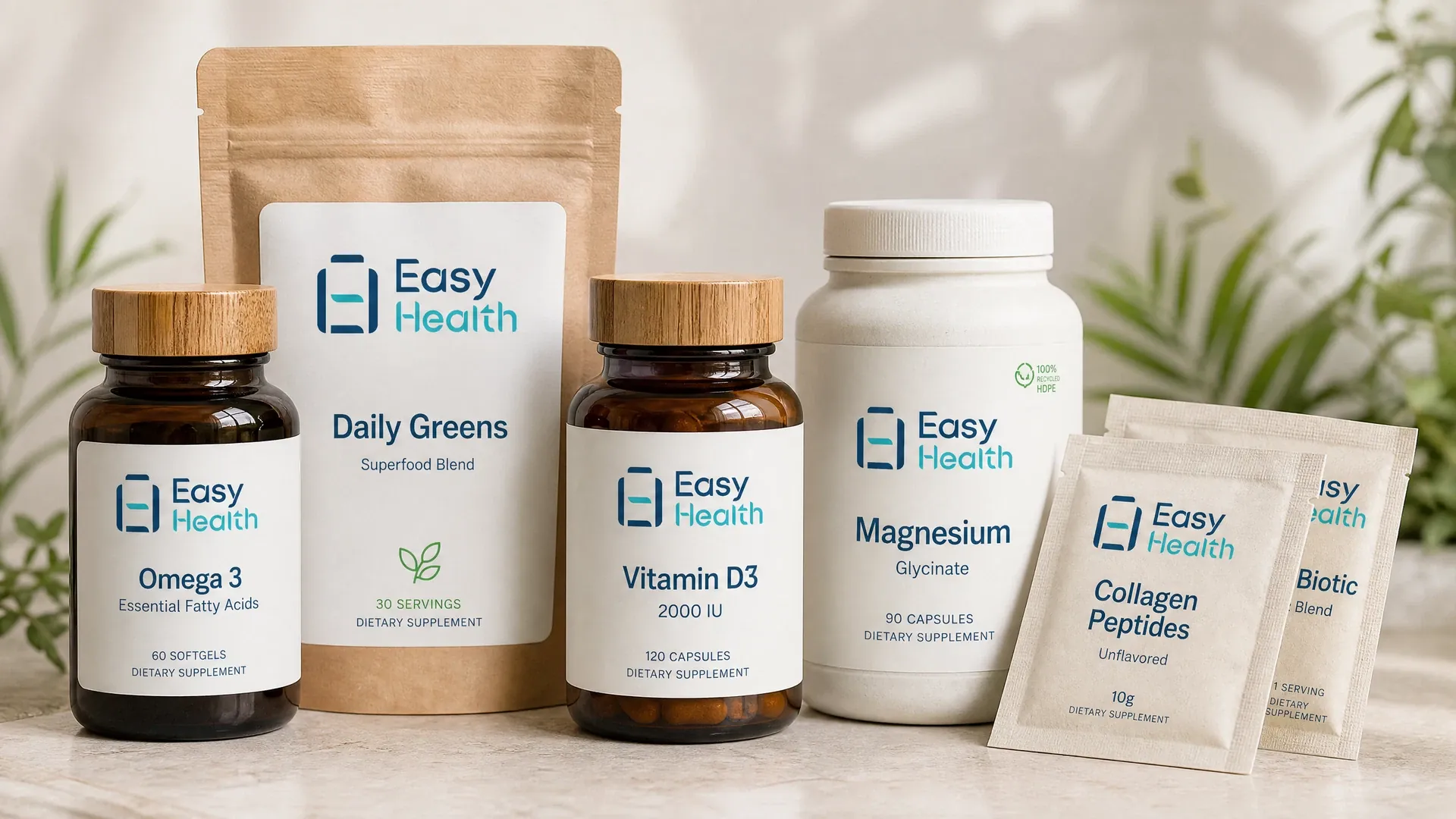
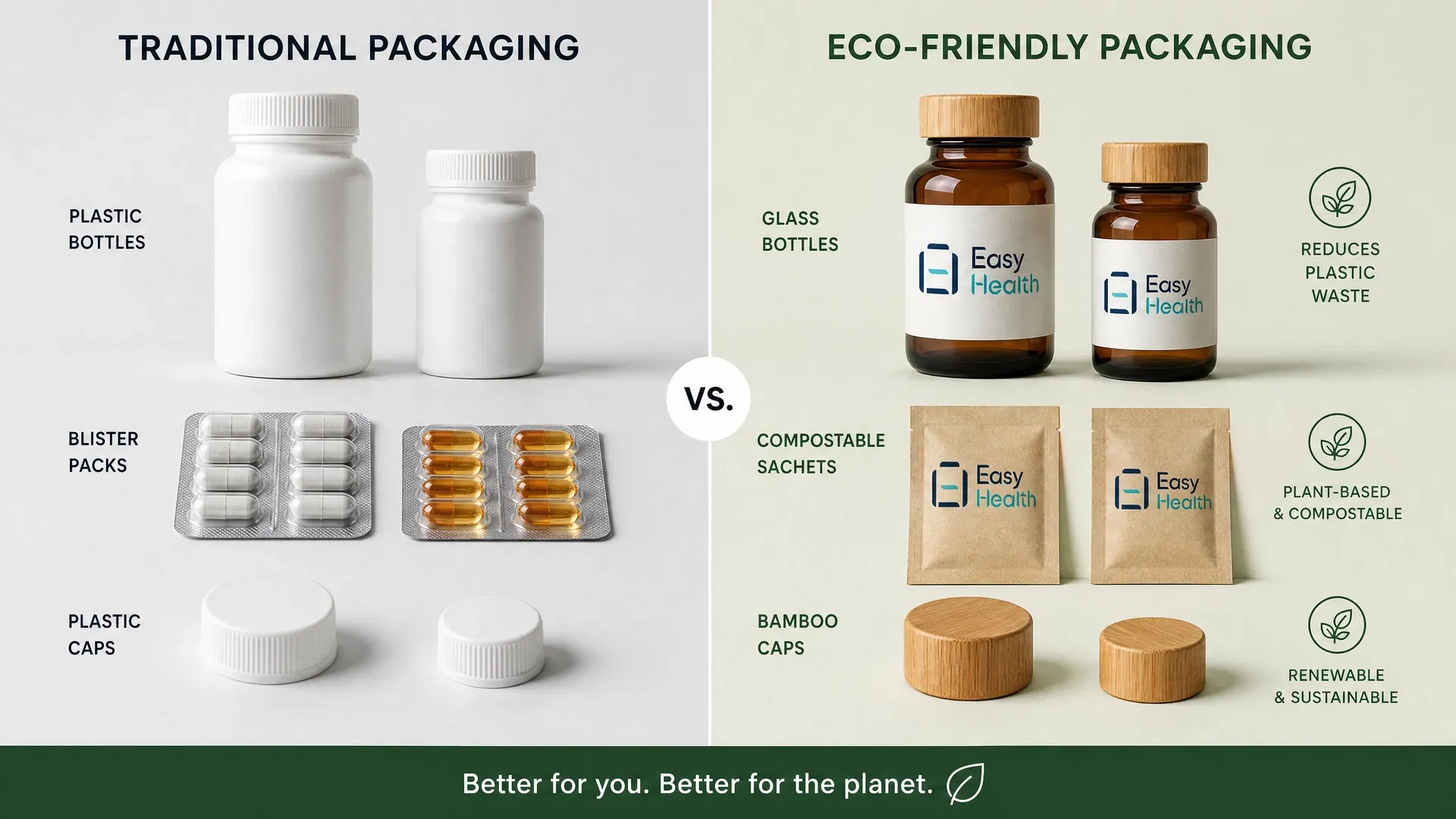
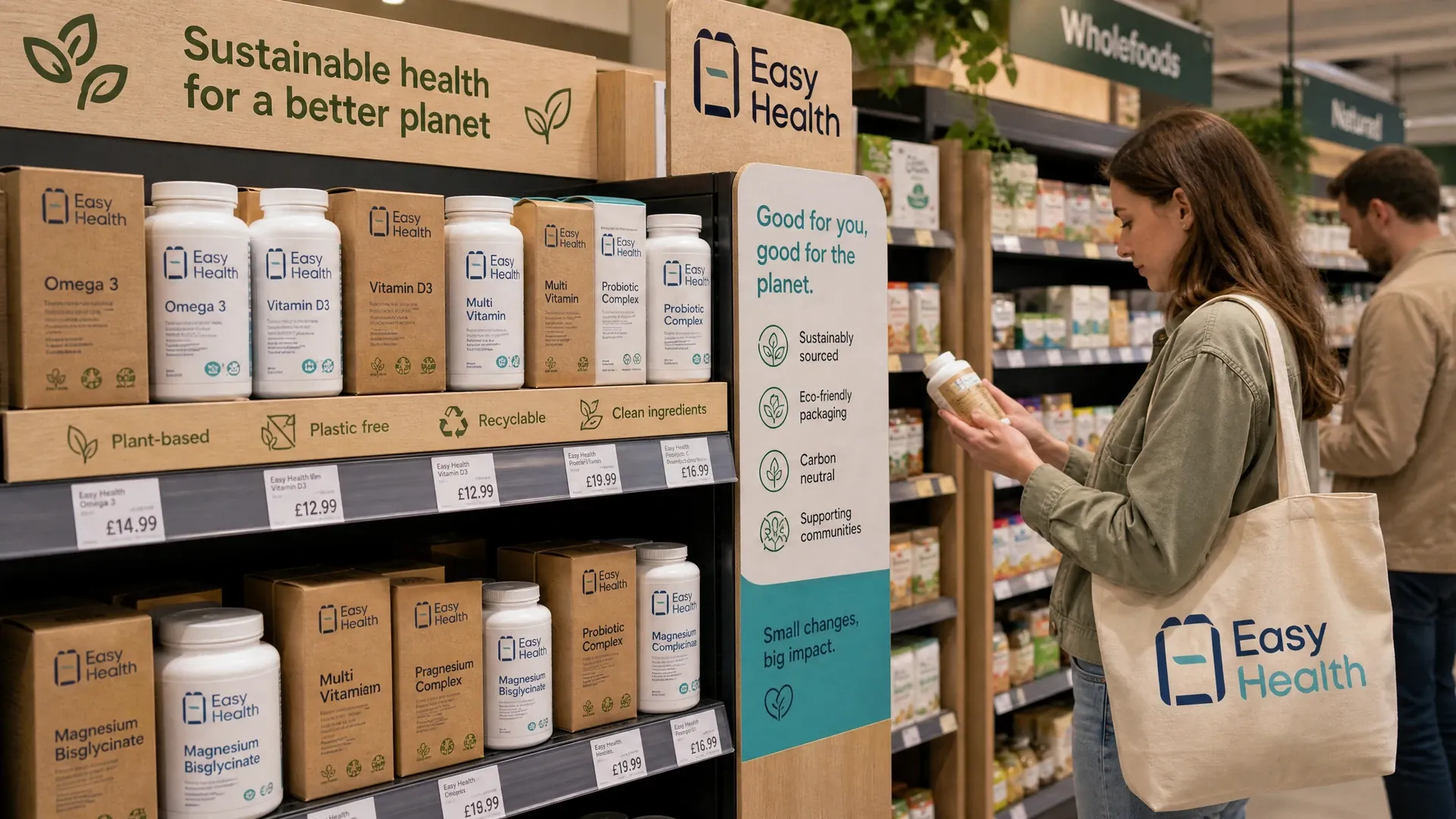
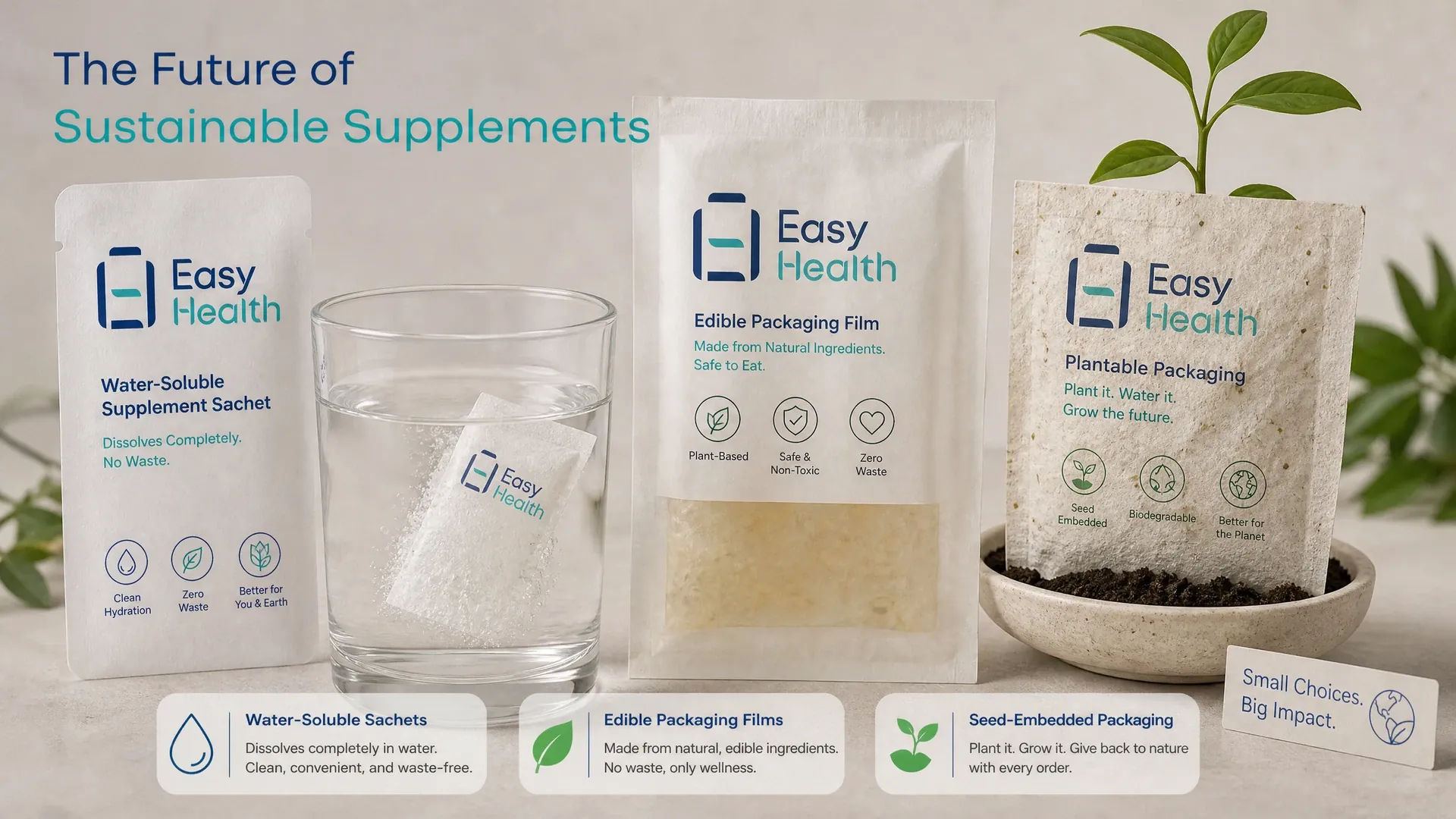
Visual guide to eco-friendly supplement packaging trade-offs
Use the visuals to compare conventional versus eco structures, retail displays and innovation snapshots. See typical barrier ranges, recyclability notes, labelling treatments and user guidance placements to shortlist before prototyping and tests.
Labelling and compliance for environmental claims
Eco claims must be clear and verifiable. In Hong Kong, follow Cap.132W and the “1+7” nutrition rules; products containing Chinese medicinal ingredients fall under Cap.549. For Mainland markets, refer to GB 7718 and GB 28050. Terms such as “recyclable”, “compostable” and “bio-based” should be backed by supplier documentation and aligned with available collection or composting routes, with conditions and limitations stated on-pack. Easy Health coordinates label design, nutrition panels and eco iconography, with item-by-item confirmation by your account manager.
- Follow Cap.132W and 1+7
- Apply Cap.549 where Chinese medicinal ingredients exist
- Refer to GB 7718/28050 for Mainland
- Back eco claims with documents and routes」「Avoid vague or misleading wording
Usage, storage and logistics considerations
Performance depends on real use. For retail, adopt slim-edge cartons, simplified inserts and separable liners; for e-commerce, consider durable mono-material mailers or reinforced paper corner protectors to cut secondary packaging. Control warehouse temperature/humidity to avoid caking and returns. Conduct stacking, drop, vibration and seal-integrity tests so paper-based or mono-material pouches survive long-haul transit. Easy Health coordinates shipper markings, barcodes and date placement to support FIFO and lot traceability.
- Reduce inserts and void space
- Use mono-material mailers and paper protectors
- Control warehouse temperature/humidity
- Run stack/drop/vibration tests」「Clear shipper and lot markings
How we assess packaging options
- Needs and compliance scan:Define dosage form, shelf-life, markets and labelling rules; set feasible scope for recyclable/degradable claims.
- Material and structure options:Shortlist recyclable and degradable routes, outlining barrier, compatibility, streams and risks.
- Prototyping and tests:Coordinate materials and samples; run barrier, compatibility, seal and transit tests as needed with documented conditions.
- Label and artwork checks:Design labels/cartons and verify regulatory points, nutrition data and eco iconography/wording.
- Packaging production coordination:Arrange printing and material supply; complete assembly and quality checks in Hong Kong, timing confirmed case by case.
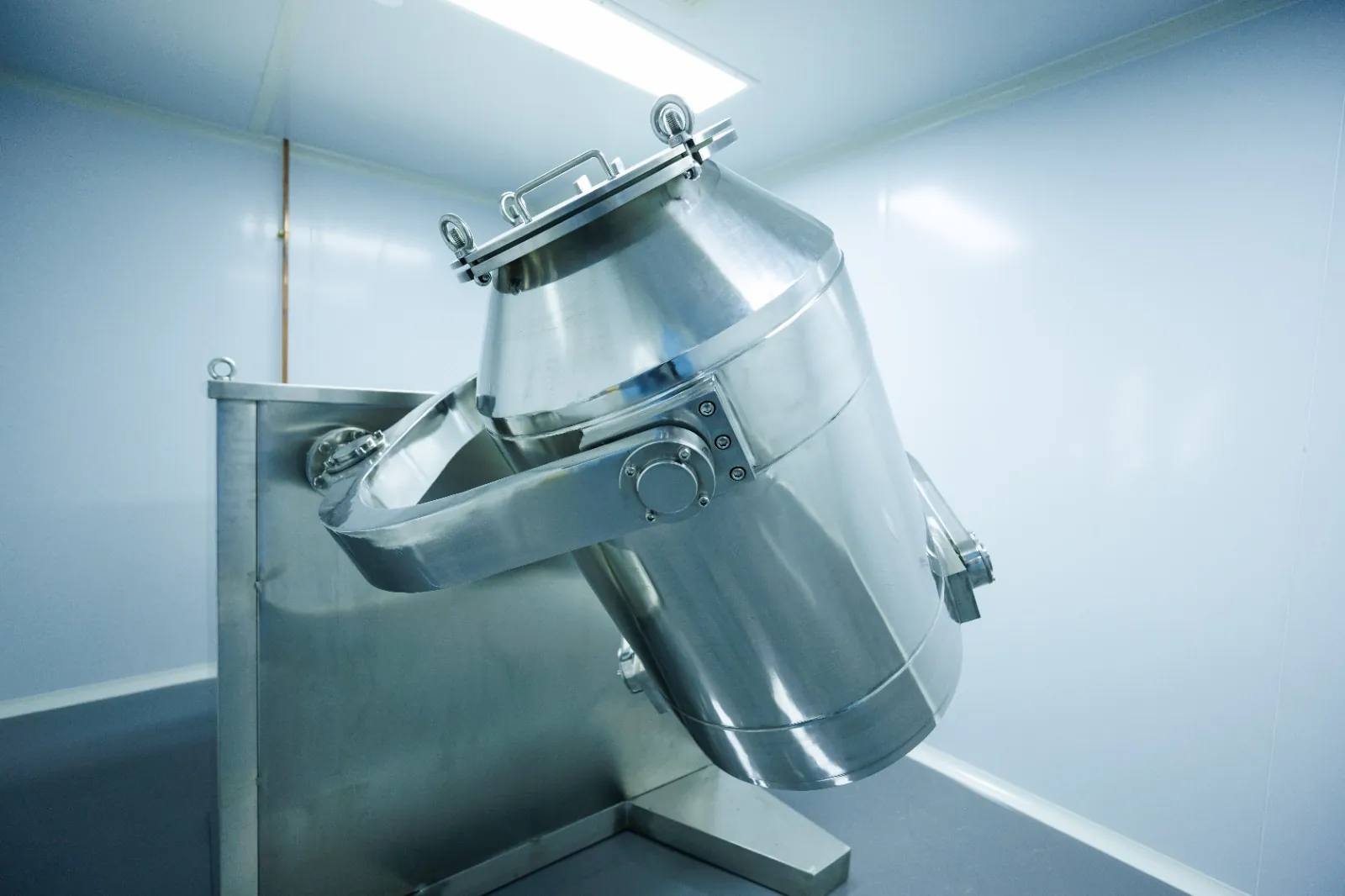
Inside the Easy Health Hong Kong Facility


Common materials and suitability factors
| Material | Barrier | Recyclability | Forms | Notes |
|---|---|---|---|---|
| rPET | Medium | Recyclable | Bottles/jars/labels | Avoid high heat |
| Glass | Very high | Recyclable | Bottles | Weight and breakage |
| Aluminium | High | Recyclable | Cans/closures | Check liner compatibility |
| Paper + liner | Low–Mid | Liner-dependent | Cartons/tubes | Check liner separability |
| Mono PE/PP | Mid–High | Recyclable | Pouches/sticks | Use high-barrier coat and proper sealing |
“Recyclability” depends on local streams and label compatibility; barrier levels are indicative and require validation.
Eco-friendly supplement packaging planning checklist
- Sensitivity to oxygen and moisture confirmed
- Primary recyclable or degradable route chosen with backups
- Labels/cartons to use recycled fibre and low-migration inks
- Evidence and actual channels for recycling/composting verified
- Stacking, drop, vibration and seal-integrity tests completed
- Barcodes, lot and date info clear for FIFO operations
Sustainability FAQs for supplement packaging
Are degradable options suitable for long shelf-life products?
It depends on barrier and storage. Some bio-based films have higher OTR/WVTR and may not suit long shelf-life or highly sensitive formulas. Consider high-barrier mono-material or aluminium for primaries, while applying eco measures to cartons and labels. Your account manager will confirm testing and feasibility.
Which label materials suit recyclable supplement packaging?
Use rPET or paper labels with wash-off adhesives to reduce contamination. For PE/PP packs, prefer material-matched labels and low-migration inks. Keep label coverage moderate to aid washing and reduce adhesive residue. Final choices depend on recycling streams and print performance, coordinated by your account manager.
How can you assess whether a high-barrier mono-material pouch is suitable?
Set target OTR/WVTR based on sensitivity and climate, then validate with accelerated or real-time tests. Also test seal strength, tear notches and zippers to ensure transport and daily-use reliability. Easy Health can coordinate samples and test arrangements.
How can paper canisters and cartons balance display and recyclability?
Reduce lamination area or use easily separable liners; avoid fixed multi-material inserts. Prefer recycled-fibre boards with large single-colour areas, pair with wash-off labels and clear recycling instructions. Add tear strips in the dieline to separate paper and liners.
Is rPET suitable for oily formulas or gummies?
rPET offers clarity and stiffness but watch for volatile oils and odour sorption. Use barrier liners and desiccants, and run compatibility and odour tests. For light protection, consider colour masterbatch or switch to aluminium cans or paper canisters with liners.
Related Packaging Services
Plan packaging options for your supplement
Whether you need recyclable mono-materials or degradable routes, Easy Health coordinates materials, labels and packaging production in Hong Kong. Message our account manager on WhatsApp with your product details to receive tailored recommendations and sampling arrangements.
Last updated: