Biodegradable packaging guide for supplement products
Seeking packaging waste reduction across retail and e‑commerce? Biodegradable packaging can be an alternative to conventional plastics, with careful balance of barrier, strength and labelling compliance. Easy Health coordinates bottles, pouches, stick packs and cartons in Hong Kong, assessing material fit for your product profile and supply chain, with sampling and production orchestration.
Summary:Helps health brands pursue packaging waste reduction: guides material selection and structural trade-offs, barrier and logistics needs, and bagasse use cases; includes GMP and FSSC 22000 framework considerations with certificate scope/document checks where required, plus co‑ordinated printing, materials, sampling and production in Hong Kong.
Should you switch to biodegradable packaging?
Decide based on product moisture, oxygen/moisture barrier needs, storage/transport conditions, and end‑of‑life context. Sensitive powders, oily softgels and long shelf‑life items may need bio‑coatings, multilayers or inner pouch + outer carton; display trays, inserts and dry‑goods outers can prioritise bagasse or paper‑based options. An Easy Health account manager will assess and confirm requirements per project.
Biodegradable vs compostable packaging: key differences
Biodegradable packaging is not a single material but a set of structures built around bio‑based or degradable polymers. For supplements, define where degradation is intended (home vs industrial composting) and when (no deterioration within shelf‑life). Hong Kong and GBA’s warm, humid climate elevates moisture/oxygen barrier needs, while retail and cross‑border routes add shock, compression and temperature variance. Design to the highest‑risk step: use an inner pouch or film for barrier, then an outer structure for support and branding—progressively achieving packaging waste reduction.
- Define end‑of‑life scenario and timing
- Design to the highest‑risk step
- Inner layer for barrier, outer for support
- Assess storage/transport temperature and RH
Where bagasse packaging inserts can be used
Bagasse packaging is fibre‑moulded, ideal for trays, click‑fit inserts, cushioning and gift box inners. It can replace some foams and plastic inserts, with embossing or cut‑outs to secure bottles, jars or stick‑pack cartons. For oil or moisture resistance, consider wax or bio‑based coatings; for direct contact with powders or tablets, verify food‑contact suitability and conduct migration testing first. The outer carton can pair with responsibly sourced paper and soy‑based inks (co‑ordinated via partners), with labels carrying clear disposal instructions to avoid confusion.
- Best for trays, inserts and cushioning
- Emboss/cut to secure containers
- Add bio‑coating if moisture is a risk
- Migration testing before direct contact
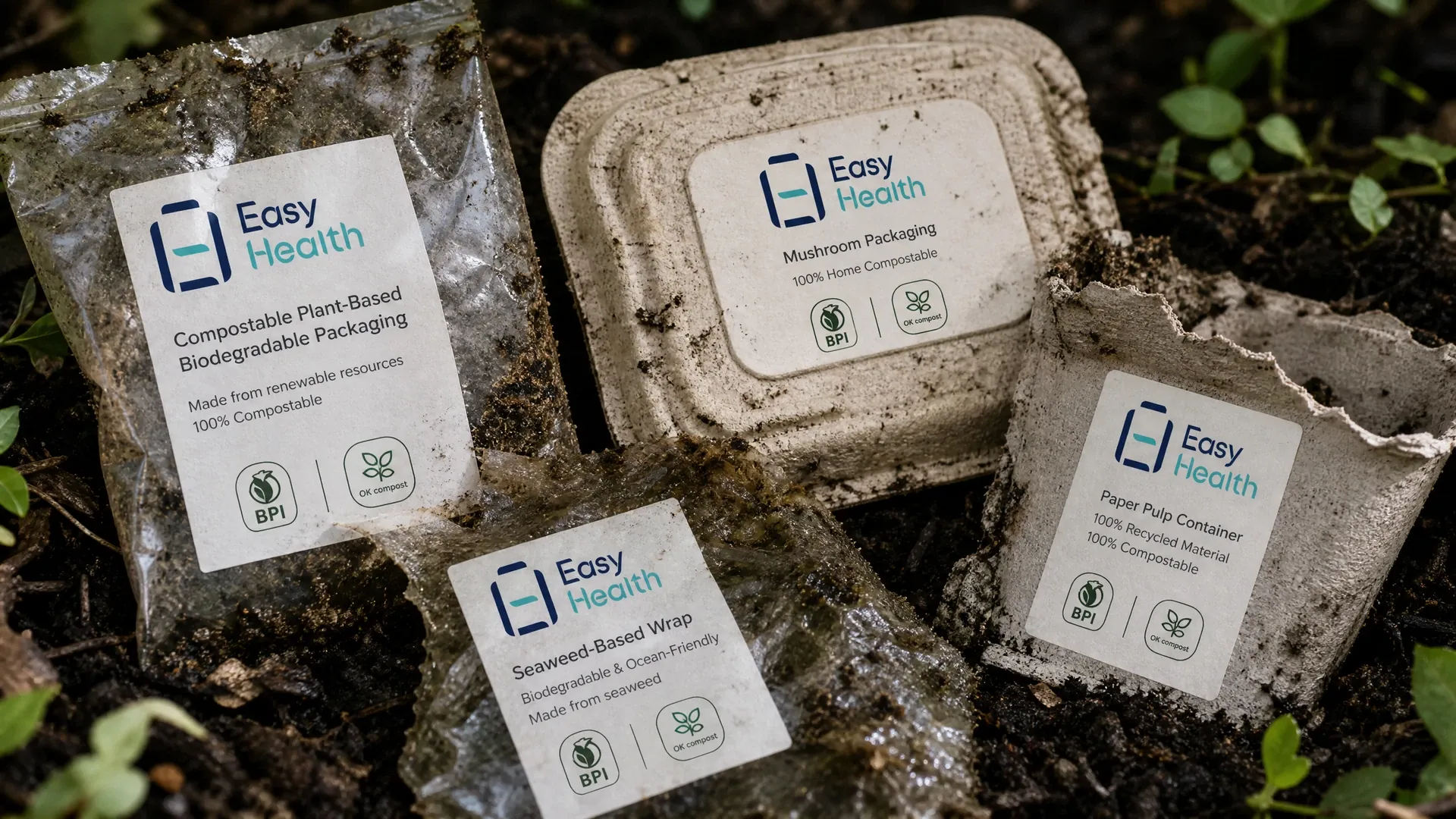
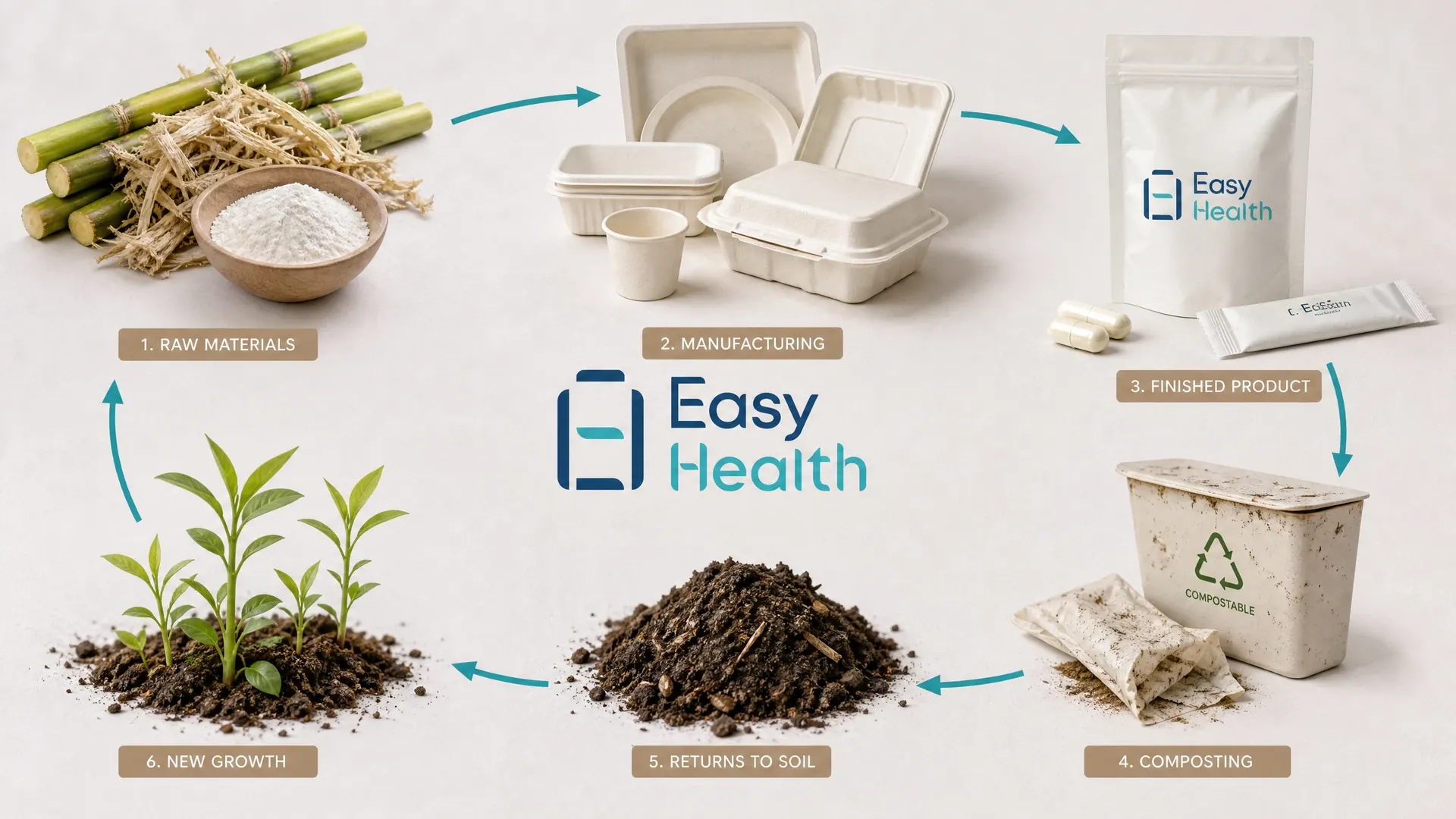
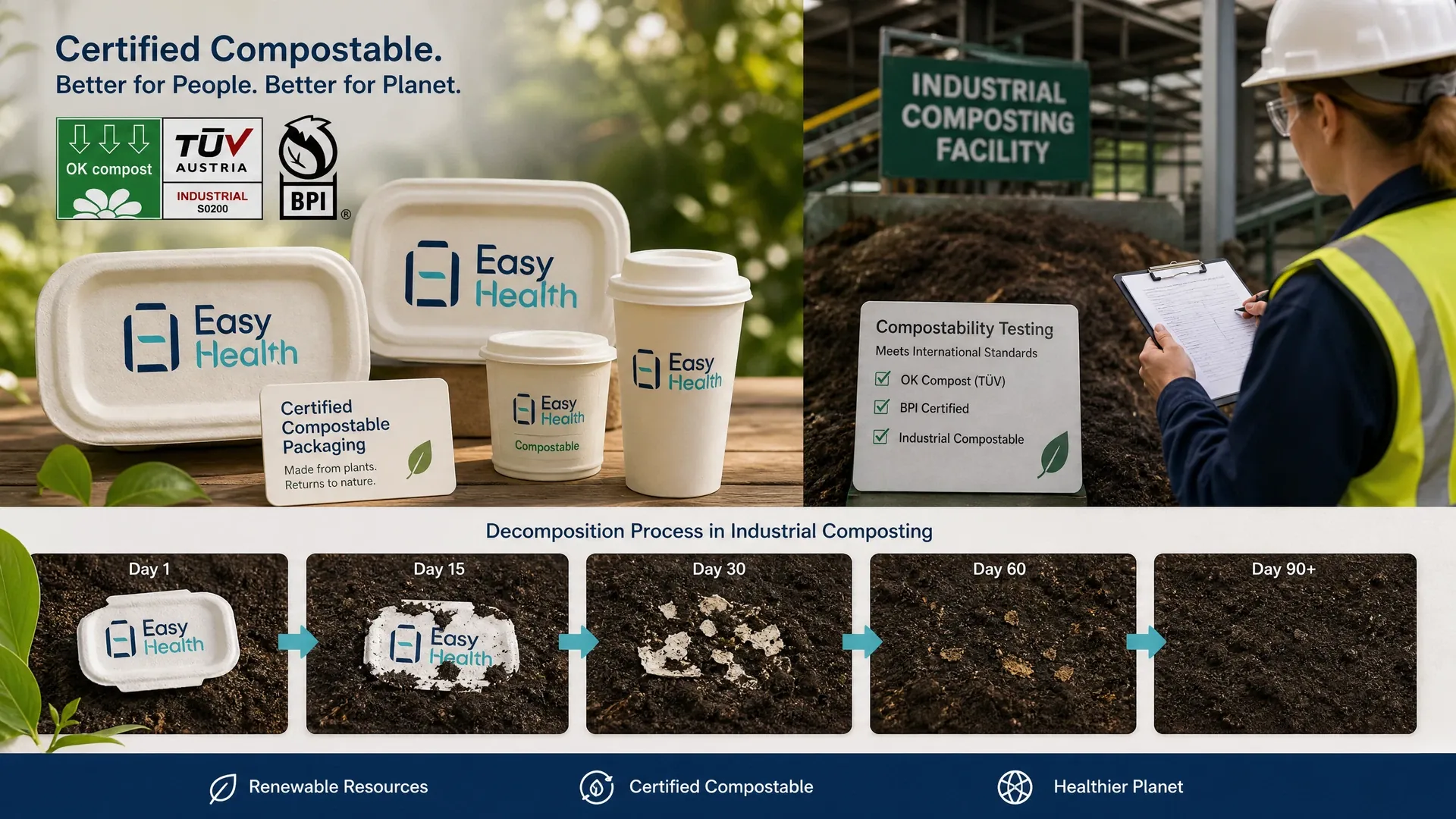
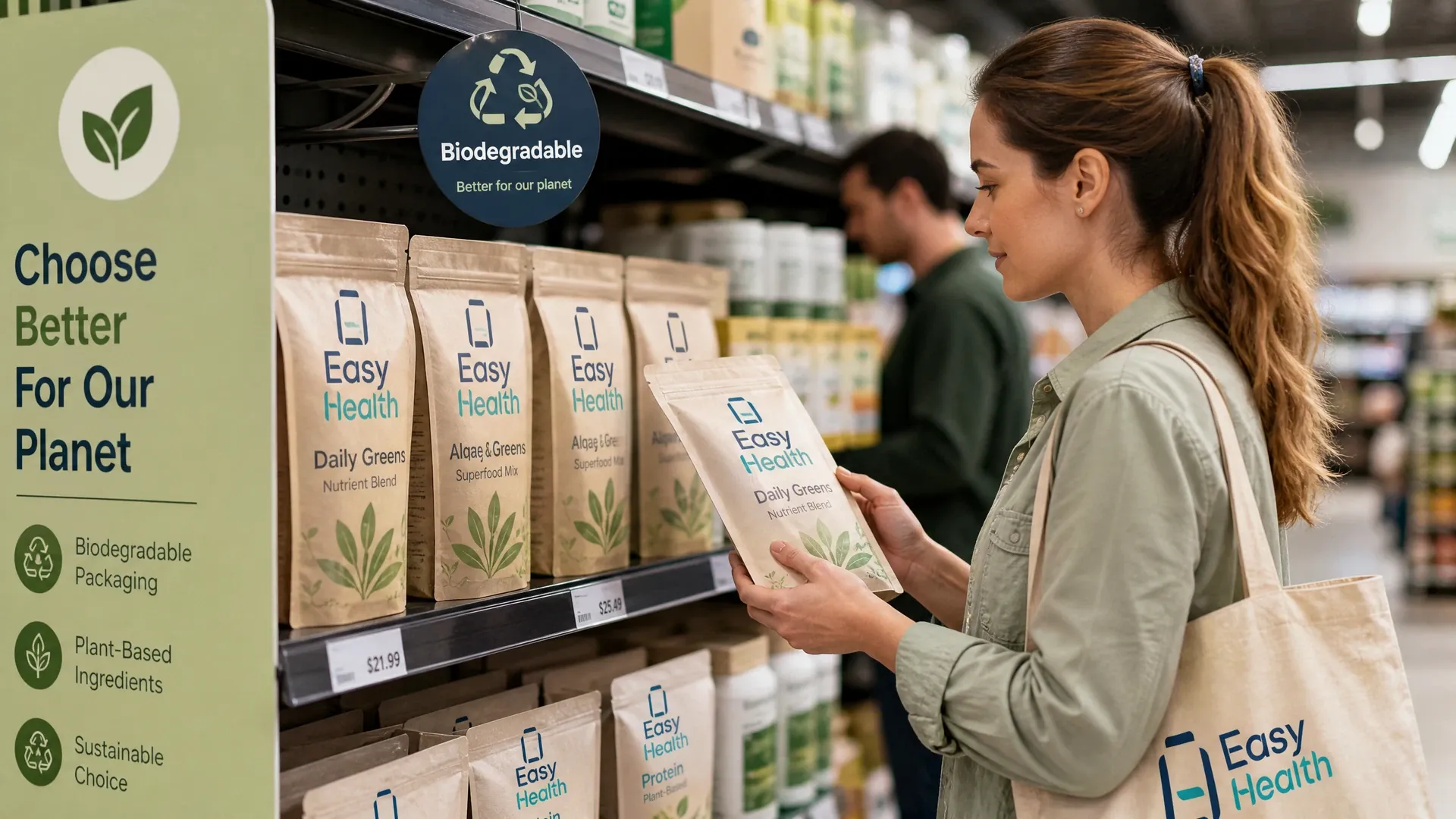
Visual guide to material choices and end-of-life routes
Use the visuals to compare structures, barrier levels and retail presentation of different biodegradable materials, and to map waste‑reduction levers across the life cycle. See typical eco‑label placements to align your design and compliance team.
Barrier trade-offs for films in stick packs and pouches
PLA, PBS or PBAT‑blend films suit stick packs, three‑side‑seal and small pouches. They offer stiffness and sealability but only moderate WVTR; for longer shelf‑life, consider bio‑coatings or light metallisation to boost barrier, supported by a bagasse tray or carton. Use desiccants for hygroscopic powders; assess plasticiser compatibility and migration for softgels. Prior to rollout, run accelerated ageing, drop/compression tests and small‑scale route validation in live logistics.
- PLA/PBS/PBAT for sticks and pouches
- Moderate WVTR—review shelf‑life
- Coatings/metallisation to raise barrier
- Ageing and logistics tests required
Labelling and compliance: clear, non-misleading eco claims
Environmental claims must reflect real end‑of‑life routes, e.g. stating home/industrial composting conditions or “dispose as per local guidance.” Composition and nutrition data should follow Hong Kong’s Food and Drugs (Composition and Labelling) Regulations (Cap.132W) and the “1+7” nutrition scheme where applicable; products under the Chinese Medicine Ordinance (Cap.549) follow its provisions. For Mainland China sales, prepare labels per GB 7718 and GB 28050, and confirm with local bodies or professional advisers. Easy Health co‑ordinates label/carton printing and provides sampling in Hong Kong.
- Align eco claims with real disposal
- State disposal/composting conditions
- Follow Cap.132W and “1+7”
- Check GB rules before cross‑border
How Easy Health reviews packaging options
- Needs and risk scoping:Account manager reviews product profile, shelf‑life and route, confirming barrier, strength and end‑of‑life goals. Timelines vary by project and will be confirmed.
- Material and structure proposal:Recommend combinations of bagasse, paper‑based or bio‑films, balancing waste reduction with stability.
- Labelling and regulatory review:Review copy and icons against Cap.132W, “1+7” and related requirements, advising placement and font sizes.
- Sampling and functional tests:Prototype in Hong Kong; arrange ageing, drop and seal tests, adjusting structures or coatings if needed.
- Print and material co‑ordination:Co‑ordinate print and material supply, verify colour tolerances and legibility, and prepare production files.
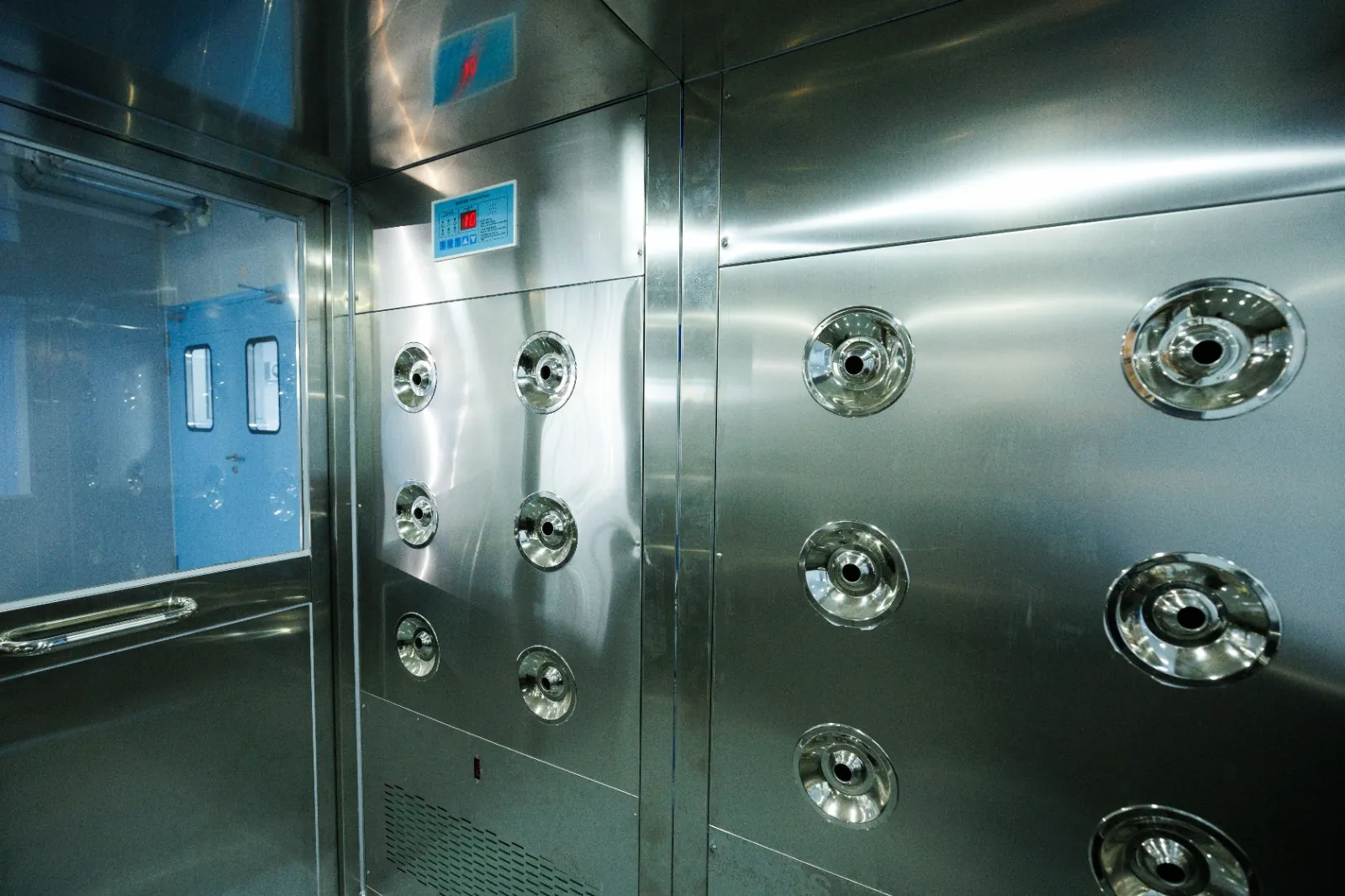
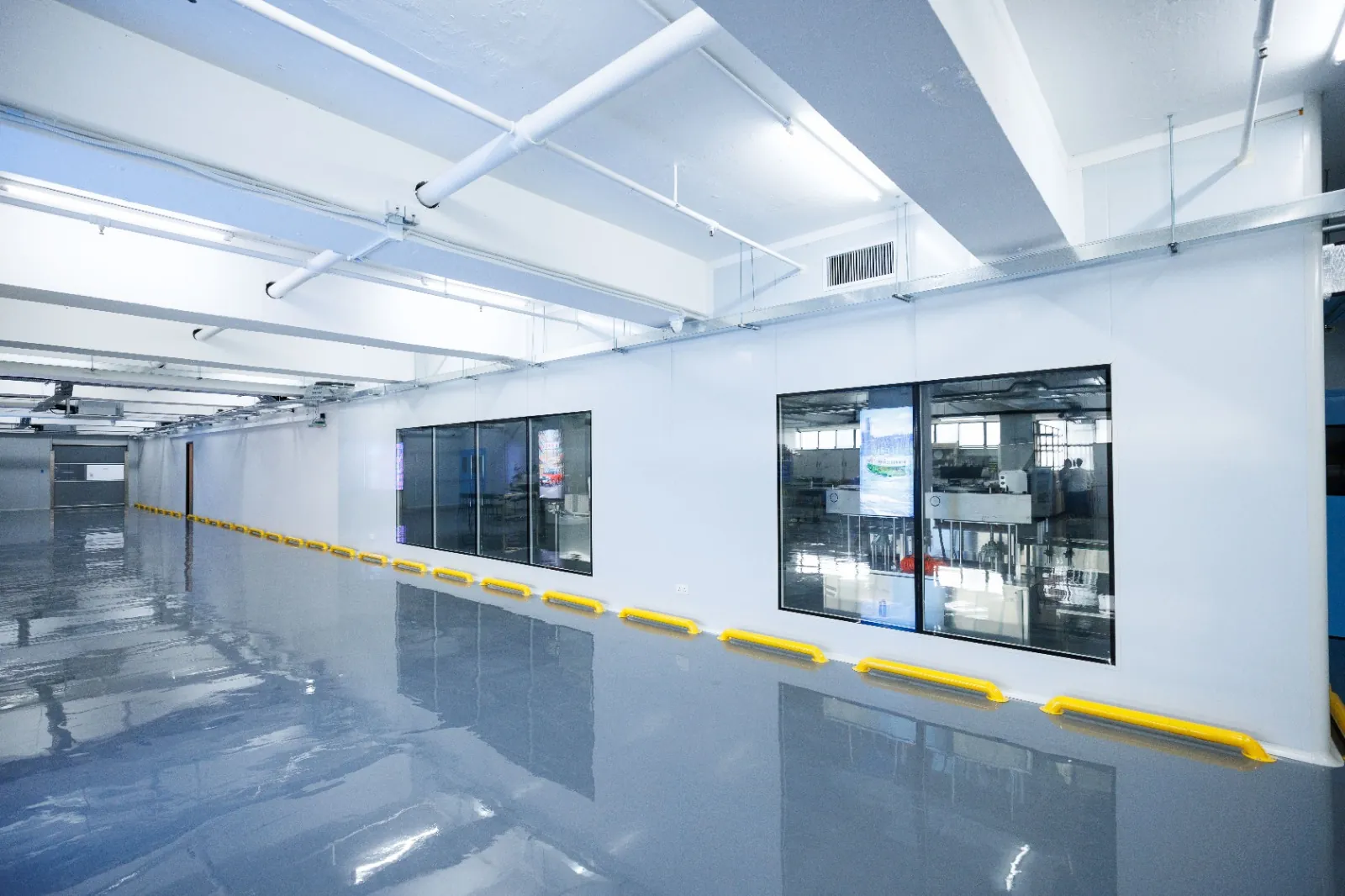
Inside the Easy Health Hong Kong Facility

Common material structures and disposal notes
| Material/structure | Form | Barrier | Suitable use | Disposal note |
|---|---|---|---|---|
| Moulded bagasse fibre | Tray/insert | Low–mid | Securing bottles, box inners | Follow local guidance/composting |
| PLA/PBAT blend film | Stick/pouch | Mid (moderate WVTR) | Powder sachets, samples | Compostable per conditions/guidance |
| Paper + bio‑coating | Carton/sleeve | Low–mid | Outer packs, display | Separate for recycling or as guided |
| Light‑metallised bio‑film | Inner pouch | Mid–higher | Inner layer for longer shelf‑life | Dispose per local guidance |
Barrier ratings are indicative; confirm with batch‑specific test data.
Checklist before changing packaging materials
- Quantify actual WVTR/OTR and shelf‑life needs
- End‑of‑life route defined (home/industrial composting or local guidance)
- Plan tests for storage/transport temperature, humidity and compression
- Direct‑contact materials assessed for food contact and migration
- Eco claims and disposal instructions verified for compliance
- Artwork includes mandatory info with adequate font size/contrast
Biodegradable packaging FAQs
How can you reduce moisture-related pouch deformation in Hong Kong’s climate?
Use stiffer bio‑films with a bio‑coating to improve WVTR, pair an inner pouch (barrier) with an outer carton (support), add suitable desiccants, and control storage temperature/humidity. Avoid floor/wall contact. Validate stability with accelerated ageing and drop/compression tests on the intended logistics route.
Can bagasse packaging directly contact tablets or powders?
It depends on the specific formulation and coatings. Conduct food‑contact and migration tests on the actual batch, and assess oil/moisture resistance and cleanliness. If uncertain, use an inner pouch for direct contact and bagasse for support and location. Easy Health can co‑ordinate testing and sampling.
What should environmental claims and labels include in Hong Kong?
Avoid vague “degradable” claims. State conditions and disposal routes, e.g. “decomposes under industrial composting conditions” or “dispose per local guidance.” Prepare applicable composition and nutrition data under Cap.132W and the “1+7” scheme; products under Chinese Medicine Ordinance (Cap.549) should follow its requirements.
How should sample and pilot packs be validated?
Yes. Easy Health can arrange sampling in Hong Kong and run appearance, seal integrity, drop and compression tests, co‑ordinating print and materials for validation. Before full rollout, conduct a small live shipment on the intended route. Timelines vary and will be confirmed by the account manager.
Do printing and inks affect biodegradability?
They can, especially with lamination and heavy ink coverage. Choose compatible bio‑coatings and low‑migration inks, and manage coverage and thickness. For high chroma, shift colour to the outer carton while keeping the inner pouch minimally printed for clarity and end‑of‑life performance. Easy Health will co‑ordinate print and materials.
Related Packaging Services
Discuss packaging material assessment with our Hong Kong team
Share your product details, target shelf‑life and retail/logistics route. Our account manager will assess barrier, structure and labelling needs, and arrange sampling with production orchestration. Contact us via WhatsApp.
Last updated: