Green packaging materials for supplement products
Eco-friendly packaging is more than a slogan. Supplements demand hygiene and stability: barrier, structure, recyclability or degradation conditions, labelling and printing all matter. This page outlines use-cases and limits of recyclable, degradable, paper-based and recycled materials to help you choose solutions that work in real supply chains.
Summary:Looking to adopt greener packaging for supplements? This page compares practical trade-offs across recyclable, degradable, paper-based, mono-material flexibles and rPET, with barrier, print and compliance points. Easy Health operates a Hong Kong facility offering OEM/ODM, packaging design and production coordination, confirmed per project by an account manager.
What should you prioritise when choosing eco materials?
Start by setting your primary goal: recyclability, plastic reduction, carbon reduction, or degradability. Each direction shifts material and barrier needs. For oily powders or probiotics, higher barrier may be essential. For recyclable-first, assess mono-material flexibles and PP/HDPE/PET bottles. For degradable-first, note they break down only under specific conditions and may trade off barrier. Then fine-tune structures by production, labelling and printing methods.
How to choose green packaging materials by product, barrier and end-of-life route
Sustainability has no single answer. Map product sensitivities (oxygen, moisture, light, aroma), logistics and storage, then choose end-of-life: recyclable, degradable, or paper-led. Sensitive powders or softgels often need higher OTR/WVTR performance; for recyclability, prefer mono-material with foil-alternative layers; for paper-led, add coatings or liners to maintain strength/barrier; for bio-based/compostables, verify real-world degradation conditions versus shelf-life. Define goals upfront to minimise rework.
- List product sensitivity to O2/H2O/light
- Confirm stacking strength for retail/cross-border
- Choose recycle, reuse or degrade route
- Set barrier needs before mono- or multi-material
Paper-based options and sourcing: balancing feel and function
Cartons, tubes and paper pouches deliver strong shelf presence. Pair with liners or coatings for barrier and scuff resistance. Surface finishes affect recyclability; spot varnish can reduce overall films. Paper source markings may be requested from suppliers. For Hong Kong prepackaged food labels/cartons, follow Cap. 132W and the “1+7” nutrition scheme. Labels may be in Chinese or English; if both are used, show the food name and ingredient list in both. For Mainland sales, check GB 7718/GB 28050 differences.
- Cartons look premium; liners add strength/barrier
- Less lamination generally aids recycling
- Ask suppliers for paper source documentation
- Cross-border labels need market-specific checks
Material structures and testing highlights
Diagrams and photos contrast layer stacks, zips/spouts, visual traits of recycled content, and steps for OTR/WVTR and seal tests—clarifying when to choose paper-led, mono-material flexibles or rPET.
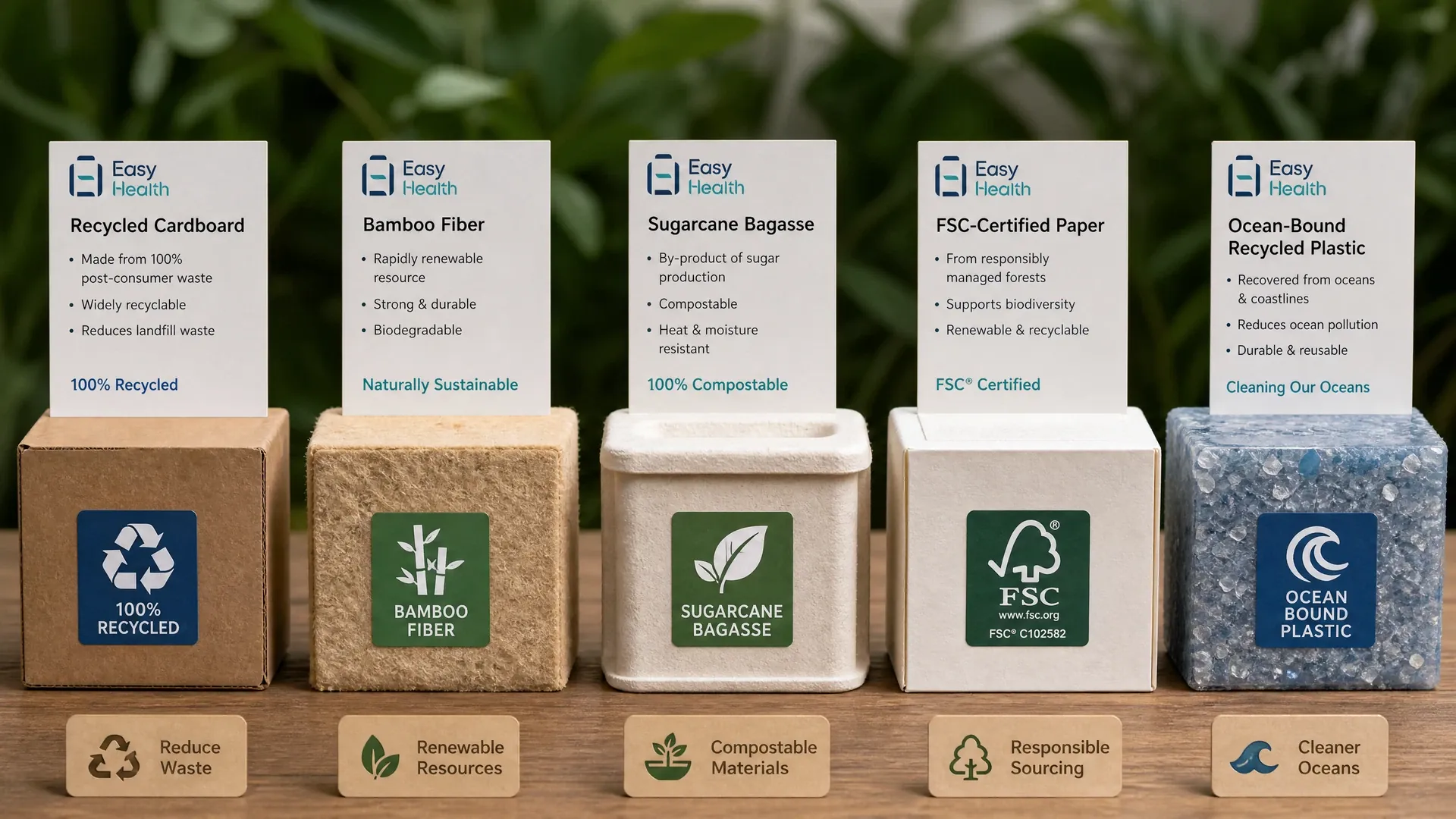
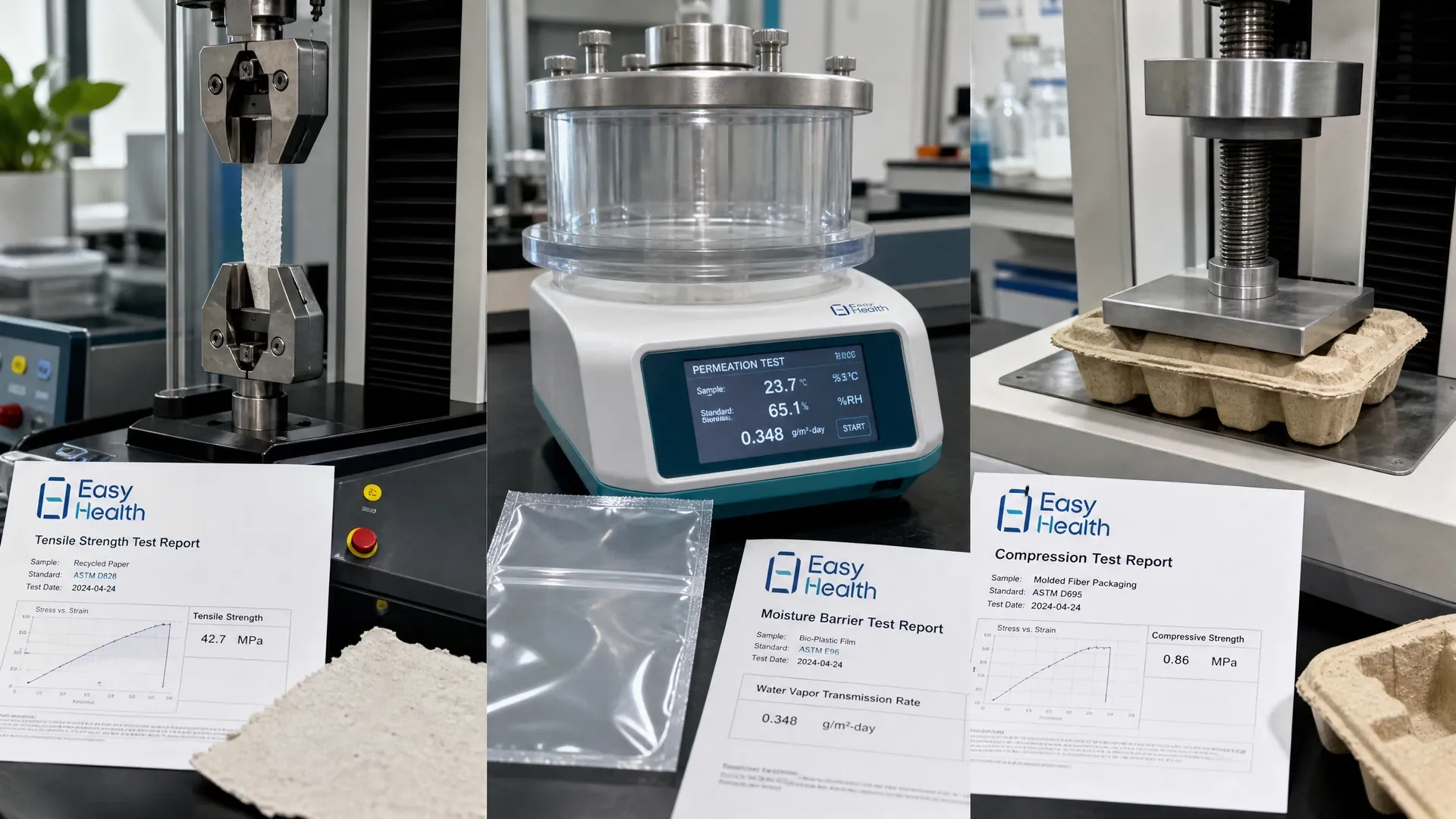
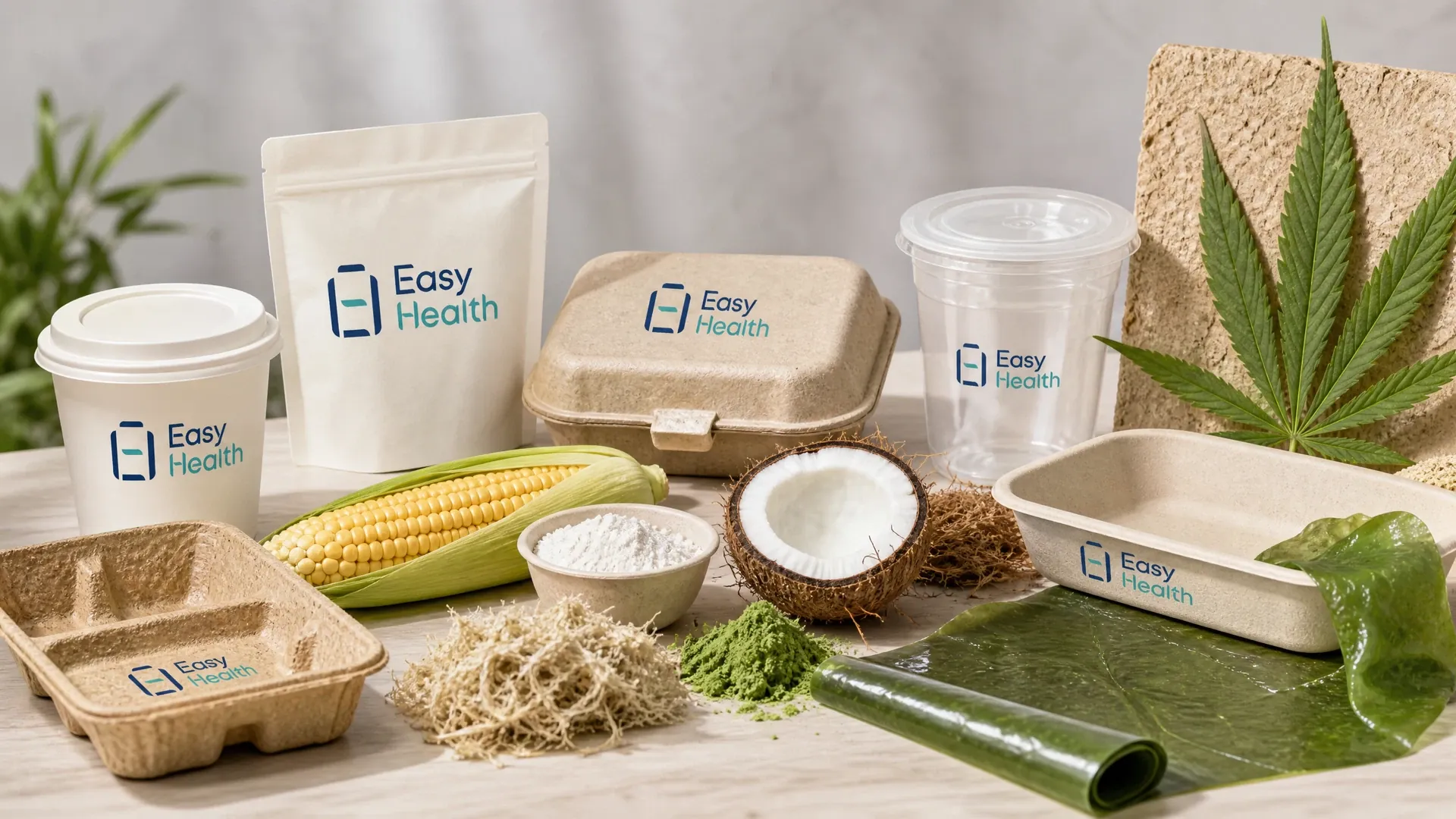
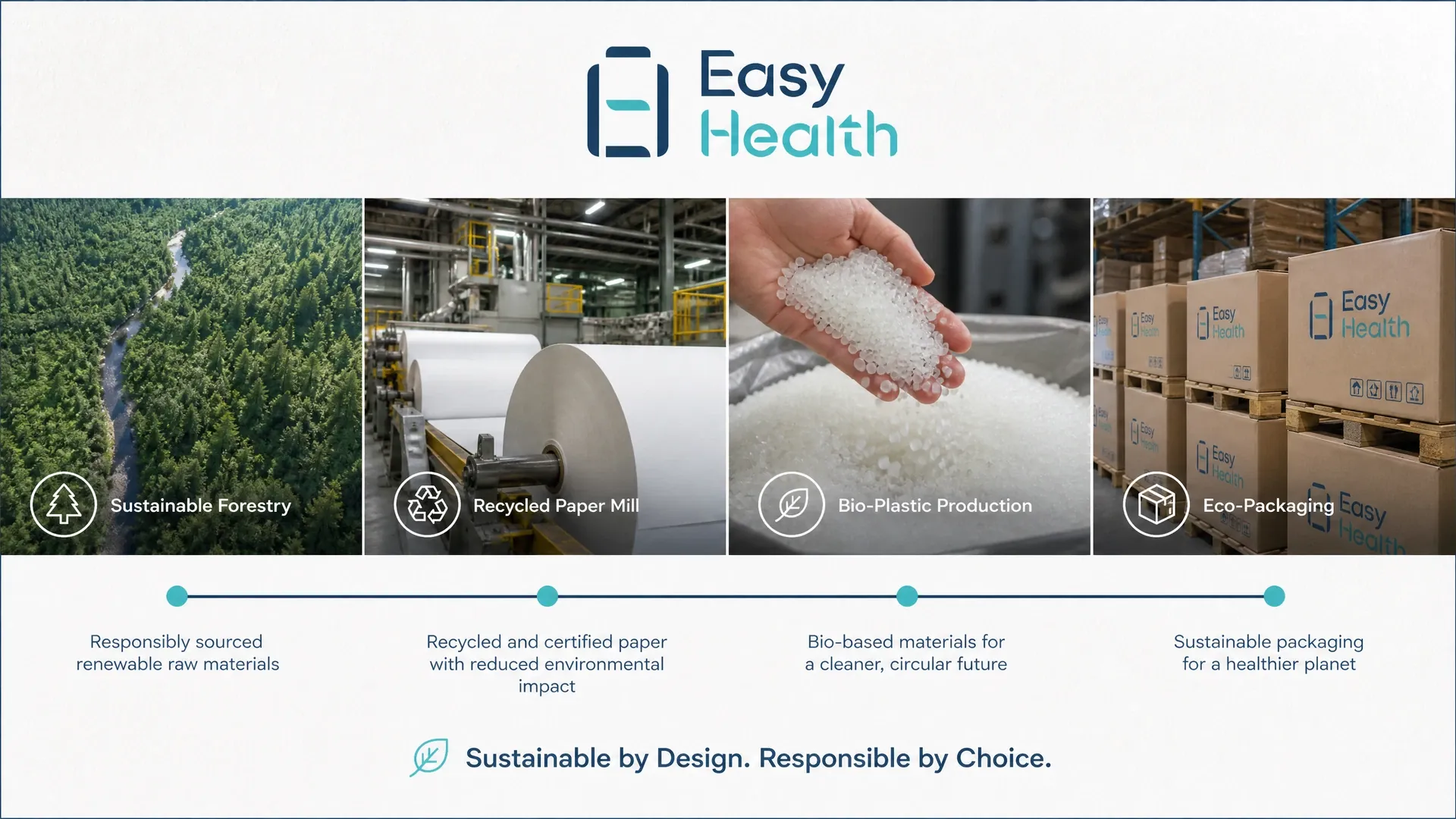
Recyclable packaging materials: mono-material flexible packs
Mono-material films (all-PE or all-PP) can enter recycling streams more readily but require careful barrier and heat resistance design. Use oxide-coated or coated layers to lift barrier, with compatible inks/adhesives. Zips, tear notches and spouts should be same-material or detachable. For O2/H2O sensitive products, consider accelerated stability and seal integrity testing; arrangements are confirmed per project before finalising film stack, sealing windows and nitrogen flushing.
- All-PE/PP aids recyclability
- Coatings boost OTR/WVTR performance
- Choose same-material or detachable fitments
- Validate seals and stability before launch
Recycled packaging materials: rPET and common bottle options
Recycled PET (rPET) bottles offer rigidity and clarity, suitable for tablets and capsules; colour tone and flow marks may vary, mitigated by tints or sleeves. PP/HDPE bottles have robust chemical resistance with established recycling routes. For barrier, add liners, desiccants or foil induction seals. Prefer removable or same-material labels, and consider wrap, sleeve or direct print impacts on recycling.
- rPET provides rigidity and clarity
- PP/HDPE have mature recycling streams
- Foil seals and desiccants aid shelf-life
- Labels should be removable or same-material
How Easy Health coordinates eco-material selection
- Needs and product review:Account manager reviews product sensitivity, target markets and green goals, assessing the project as needed.
- Material and structure proposal:Recommend recyclable, paper-led, rPET or degradable routes with clear trade-offs.
- Sampling and test coordination:Arrange samples; any seal, barrier or compatibility test arrangements are confirmed per project.
- Labelling and regulation checks:Assist with labelling checks (e.g., Cap. 132W, “1+7”, or GB 7718/28050 where applicable).
- Artwork and print method:Confirm print methods and ink compatibility; coordinate label and carton material supply.
Inside the Easy Health Hong Kong Facility

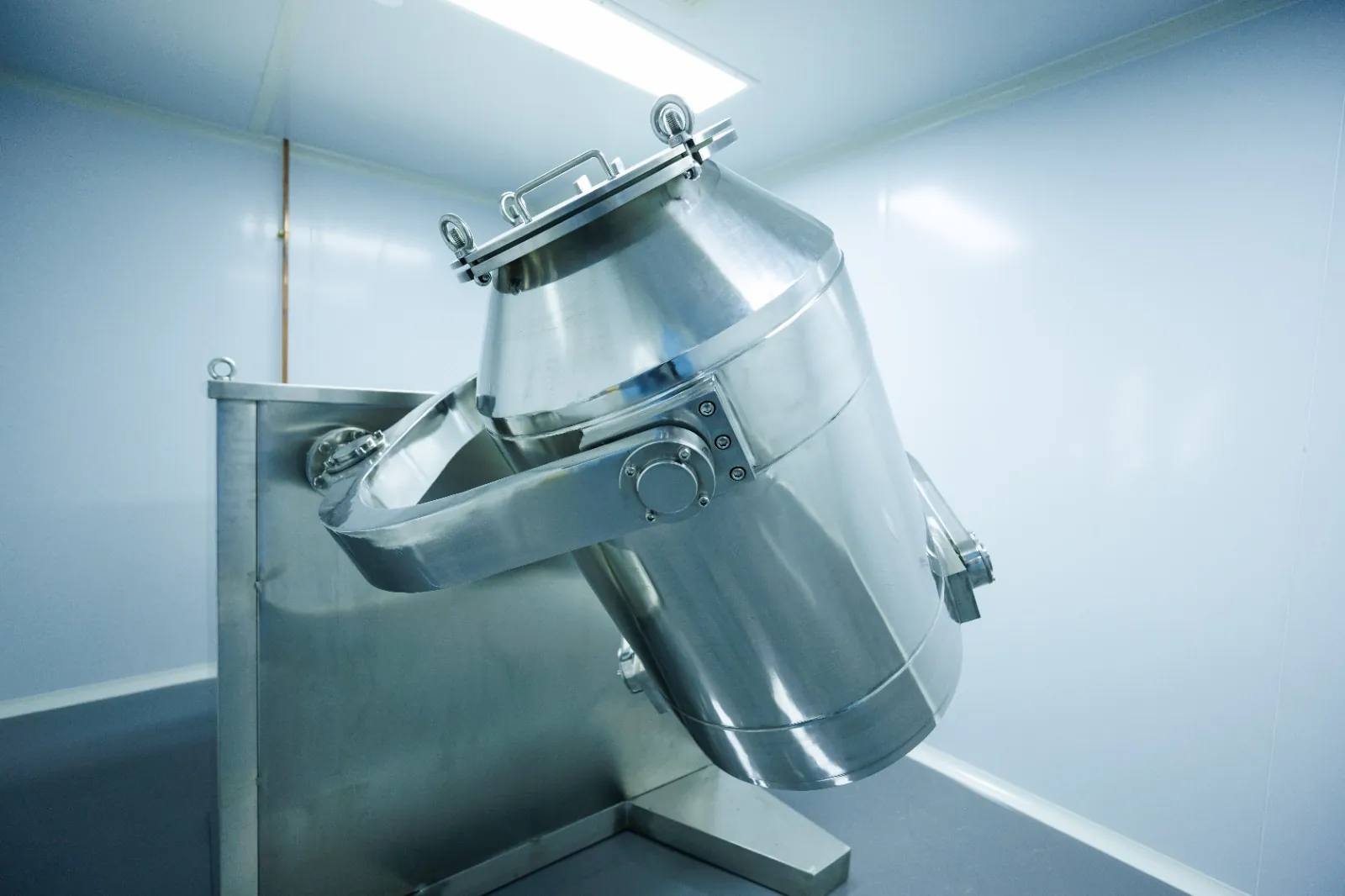

Green packaging materials comparison
| Material option | Green benefit | Suitable uses | End-of-life route |
|---|---|---|---|
| Recycled paperboard | High recycled content | Cartons and sleeves | Paper recycling stream |
| Bagasse fiber | Upcycled agro byproduct | Trays and inserts | Industrial composting |
| Bio-based polylactic acid | Plant-based polymer | Clear flexible films | Industrial composting preferred |
| Recyclable polyethylene film | Mono-material design | Sealed pouches | Film collection stream |
| Cellulose film | Cellulose derived | Windows and overwrap | Breaks down only under specific conditions |
This is general guidance only; the final solution is assessed and confirmed by the account manager for each project.
Quick pre-selection checklist
- Define the primary goal: recyclable, plastic reduction or degradable
- List sensitivity to oxygen, moisture, light and aroma
- Confirm markets and applicable labelling rules (e.g., Cap. 132W)
- Set barrier targets before choosing mono- or multi-material
- Decide seal method, desiccant and induction liners
- Plan removable/same-material labels and closures
Supplement eco-material FAQs
How do I balance green goals with product shelf-life?
Define target shelf-life and sensitivities (O2, H2O, light). If recyclability is priority, start with mono-material flexibles or PP/HDPE/PET bottles and add coatings or seals to lift barrier; for tougher needs, use foil-alternative layers and desiccants at critical points. Consider seal and accelerated stability testing; arrangements are confirmed per project before finalising.
Are degradable packs suitable for all supplements?
Not always. Degradable/compostable materials often require specific temperature, humidity and microbial conditions, and may have lower barrier/heat resistance. For O2/H2O sensitive products or challenging logistics, review real conditions and test data; our account manager can confirm feasibility per project.
How do Hong Kong and Mainland China labelling rules differ?
For Hong Kong prepackaged foods, follow Cap. 132W and the “1+7” nutrition scheme. Labels may be in Chinese or English; if both languages are used, the food name and ingredient list must appear in both. Mainland prepackaged foods follow GB 7718 and GB 28050 with differing name/ingredient/nutrition formats. Cosmetics or medicines are not covered by these food rules. For cross-border, check each market and retain documents for environmental claims.
Can rPET be used for clear bottles, and will colour vary?
Yes. rPET can produce clear bottles, though tint/clarity may vary between batches. Use masterbatch tints, design elements or sleeves to harmonise appearance. Samples can be arranged to confirm aesthetics and performance, with project details confirmed by the account manager.
Do zips and spouts affect mono-material pouch recyclability?
They can. Different-material zips or spouts may complicate recycling. Choose same-material options or easily detachable designs. Ensure ink/adhesive compatibility and consider seal/drop tests; arrangements are confirmed per project to validate durability.
Related Packaging Services
Discuss eco-material options for supplement packaging
Message our Easy Health account manager on WhatsApp to discuss product traits, packaging routes and labelling. We operate a Hong Kong facility coordinating packaging and production, offering OEM/ODM, label/carton design and coordination for bottles, pouches, sticks and blisters. Where relevant, we align to recognised frameworks (e.g., GMP, FSSC 22000) and can provide scope/document checks on request. Timelines vary by project and are confirmed by the account manager.
Last updated: