Beverage Packaging Design for Functional Drinks
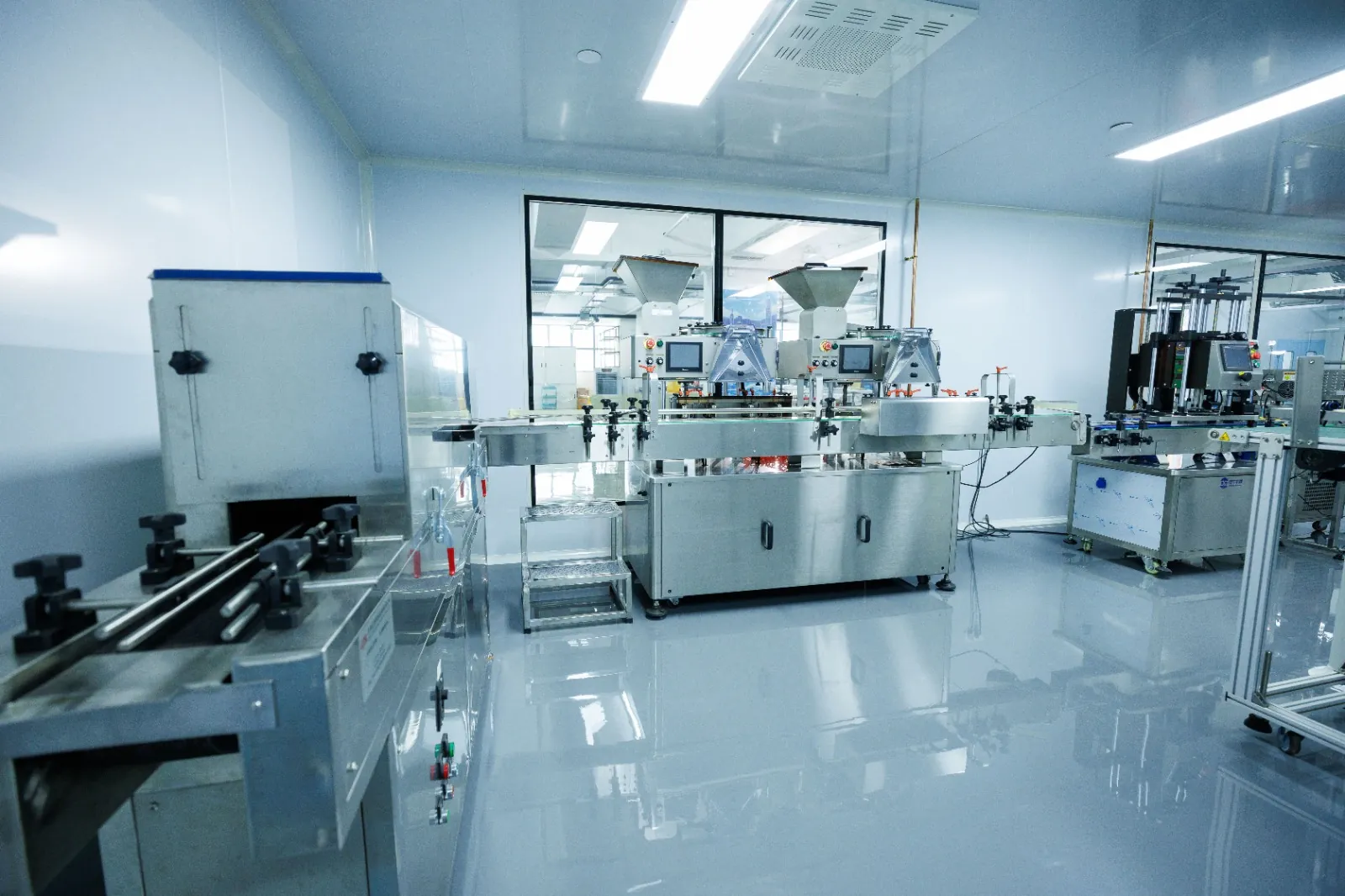
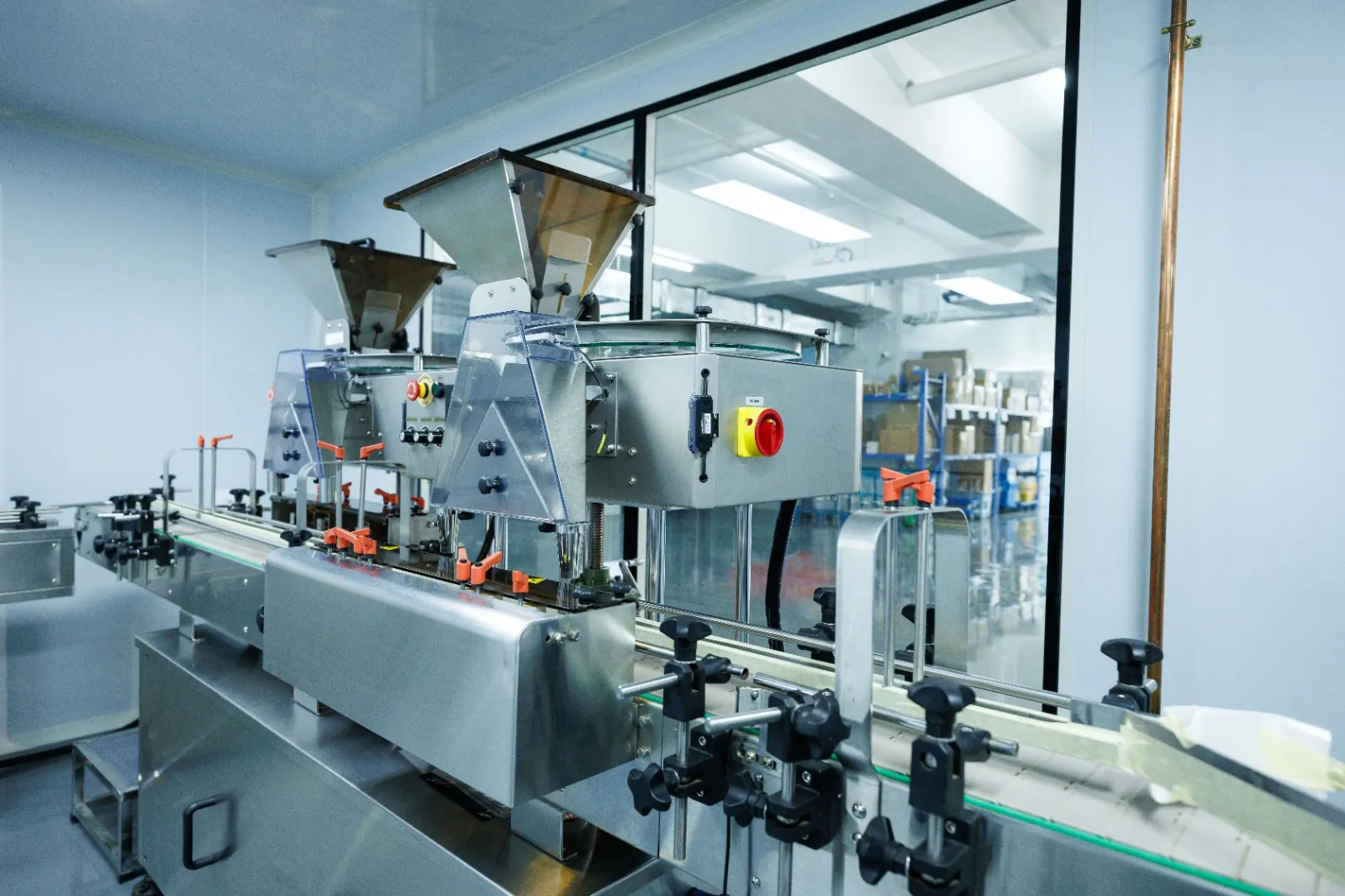
For functional and ready-to-drink health beverages, we begin with structure and material, aligning labels, shrink sleeves, outer cartons and transit packaging, with hot/cold fill in mind. With a Hong Kong plant and GMP-standard environment, Easy Health provides prototyping and packaging production coordination. Lead time is project-dependent and confirmed by our account manager.
Summary:Focused guidance for functional and ready-to-drink health beverages: container materials, hot/cold fill compatibility, labelling and shrink sleeves, display and transport. Easy Health coordinates the project requirements in Hong Kong. Confirm which certificate scopes, quality records and supporting documents apply to the proposed arrangement.
What should you prepare for a functional drink packaging project?
Outline product characteristics (acidity, sugar, particulates), intended filling method (hot/cold; collaboration confirmed per project), target storage temperature (ambient/chilled), date coding (“best before”/“use by”), merchandising (upright/flat/hook), logistics (palletisation, urban or cross-border), and labelling languages/markets. These inputs drive container, barrier and label choices and speed up prototyping and artwork lock.
How do you choose PET, glass, aluminium cans or carton packs?
Beverage packaging design hinges on matching product properties with filling and merchandising. For functional beverages, common options are PET, glass, aluminium cans and carton-based composites. Acidic/sugared formulas benefit from better gas-tightness and oxygen barriers. Hot-fill demands heat resistance across the container and closure; cold-fill focuses on oxygen ingress and post-fill hygiene. Plan pack height/diameter for coolers/vending, and outer-carton strength for cross-border shipping. Easy Health coordinates bottles, caps, liners and label/shrink solutions, and arranges prototypes for review, with details confirmed per project by the account manager.
- PET is light and clear
- Glass is heat-stable, premium
- Cans give strong light barrier
- Cartons suit flat displays
How do hot-fill and cold-fill affect containers and closures?
Hot-fill requires heat-resistant containers and shrink control—typically heat-set PET or glass, with shoulder/rib designs to manage vacuum. Labels should use heat-tolerant films and adhesives. Cold-fill can use standard PET, aluminium cans or carton packs; priorities are oxygen barrier, seal integrity and the chosen ambient/chilled route. For either method, closures, liners and tamper-evidence must match torque, pressure and sealing needs. Where filling is involved, Easy Health confirms collaboration per project; we coordinate packaging structures and materials, and provide physical samples to test labelling, sleeving and case packing fit.
- Hot-fill: heat and shrink control
- Cold-fill: barrier and sealing
- Closures matched to torque
- Heat-rated label films/adhesive
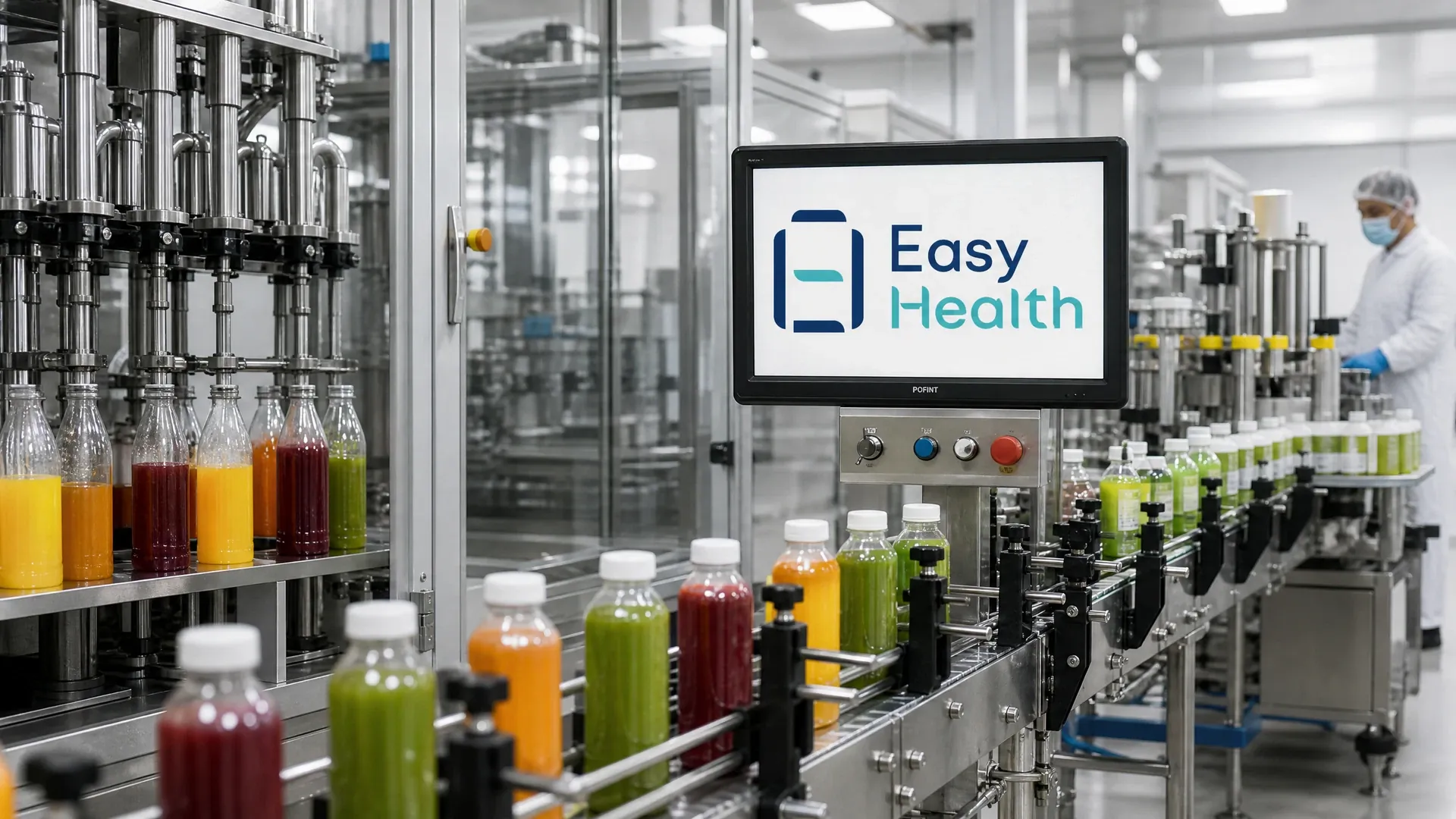
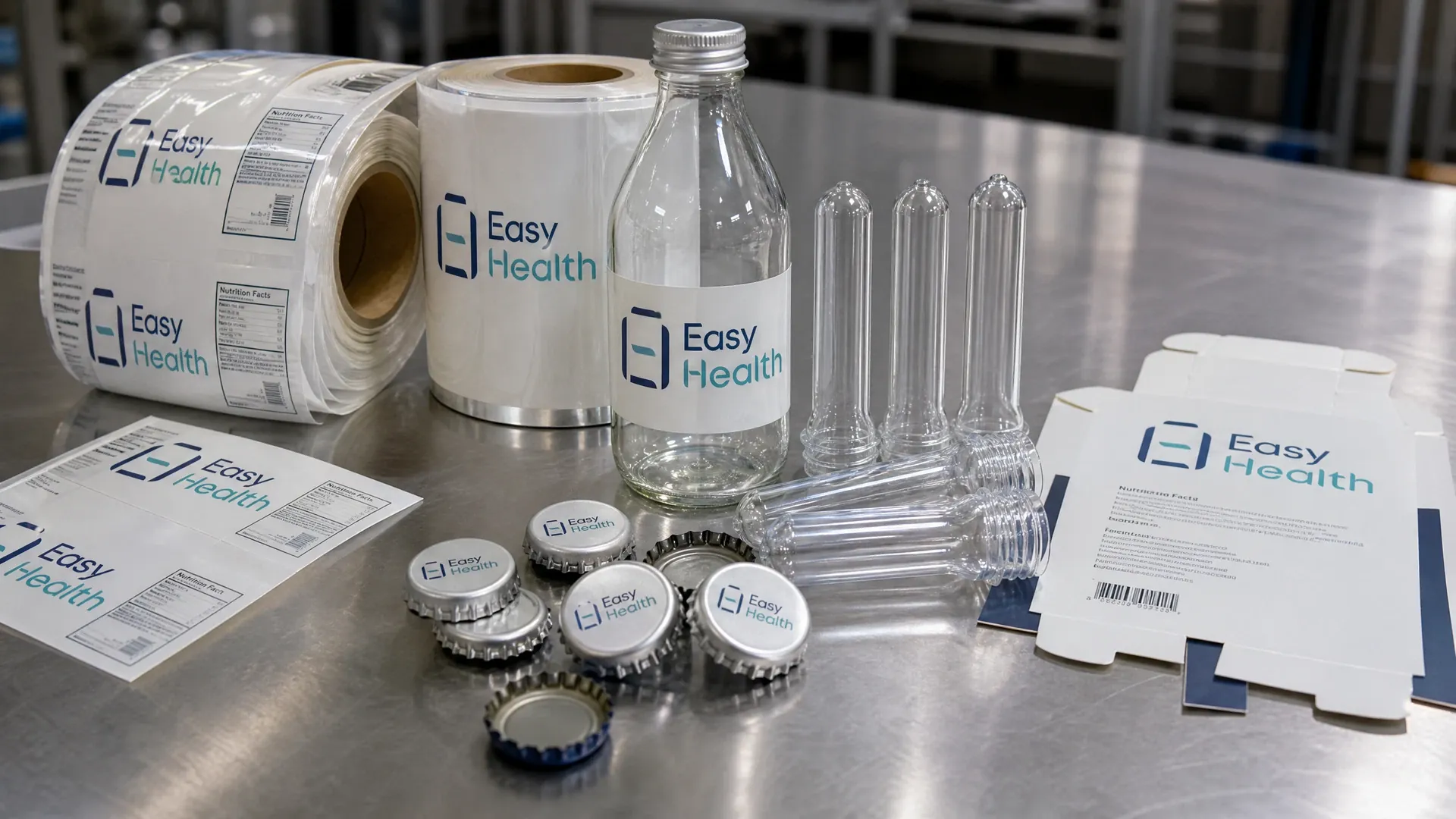
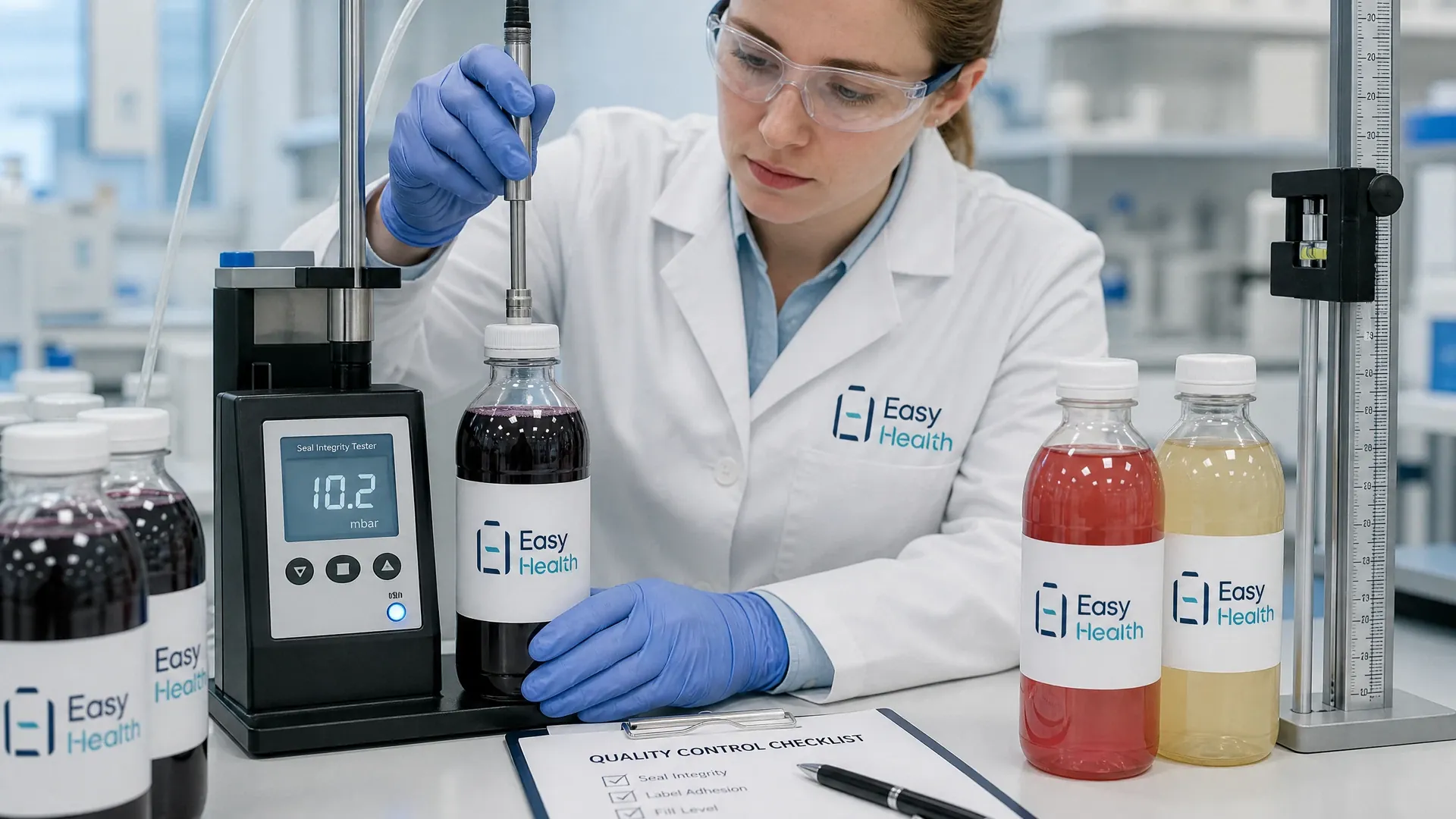
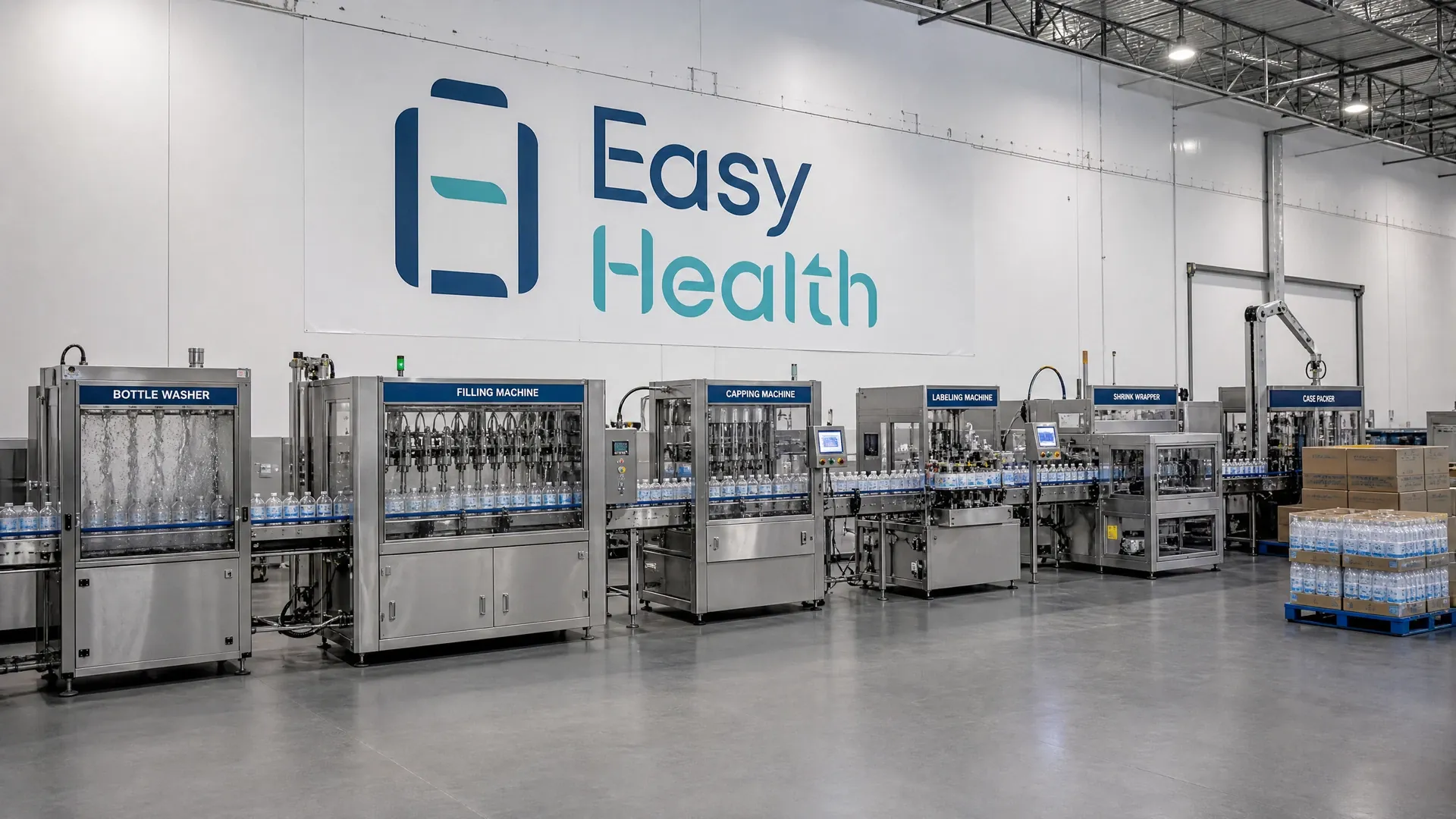
Visual guide to beverage packaging design checkpoints
These visuals outline key checkpoints—from material/component coordination and quality checks to labelling/sleeving, case packing and dispatch—serving as a practical reference for functional beverage packaging projects.
Labelling and shrink sleeves: compliance and shelf impact
Prepackaged beverages are foods in Hong Kong and follow Cap.132W and the “1+7” nutrition labelling scheme. When bilingual, the name of the food and ingredients list must appear in both languages. Practically: round PETs often use OPP labels or shrink sleeves; cans take sleeves or can printing; carton packs rely on printed panels. Functional beverage packaging often needs larger information panels—full-body sleeves help, with optional clear windows to show colour. Easy Health coordinates label materials and print methods, and helps check essential statements and date marking usage.
- Prepacked drinks follow Cap.132W
- Use the “1+7” nutrition scheme
- Bilingual key fields when needed
- Full sleeves boost visibility
How do display, storage and transport affect pack design?
For RTD products, diameter, height and contour affect grip and shelf density in coolers and vending. Matte/gloss finishes and spot foils lift recognition. Shippers should match palletisation and warehouse flow, with openings and crush strength, plus dividers where needed. Ambient products prioritise oxygen/light barriers; chilled SKUs need crack-resistant sleeves and low-temperature label adhesion. For cross-border routes, reserve barcode/date coding zones and validate with drop and stack tests. Easy Health coordinates such testing and packaging production, with specifics confirmed by the account manager.
- Measure cooler/vending bays
- Shippers designed for stacking
- Low-temp label adhesion
- Reserve barcode/coding zones
Our packaging and labelling coordination process
- Scope and regulatory mapping:Review beverage properties, target markets and applicable rules to fix languages, date marks and mandatory fields.
- Material and structure proposal:Recommend containers, closures and label structures based on fill method, barrier needs and merchandising.
- Prototyping and fit checks:Arrange samples to test labelling/sleeving, torque and case-fit; coordinate related tests where required.
- Artwork and print coordination:Provide dielines and safe-area guides, coordinate printing and materials, and prepare pre-production samples.
- Packaging production coordination:Coordinate relevant packaging operations and QC checkpoints in our Hong Kong facility; timeline confirmed per project.
Inside the Easy Health Hong Kong Facility

Common containers for functional beverages
| Aspect | PET bottle | Glass bottle | Aluminium can |
|---|---|---|---|
| Weight and portability | Light and portable | Heavier with a premium feel | Light and easy to chill |
| Filling | Cold fill; hot fill needs heat-set PET | Suits hot fill | Mostly cold fill |
| Oxygen and light barrier | Depends on bottle and barrier layer | Good oxygen barrier; dark glass blocks light | Good oxygen and light barrier |
| Labelling | Labels or shrink sleeves | Labels or direct print | Can printing or sleeves |
| Design note | Leave a window to show the liquid | Protect against impact in transit | Make the opening method clear |
This is general guidance only; the final solution is assessed and confirmed by the account manager for each project.
Pre-design and prototyping checklist
- Confirm hot or cold fill with target temperatures and container limits
- Confirm labelling languages, mandatory fields and “1+7” applicability
- Measure cooler/vending dimensions and constraints
- Plan barcode, coding and best before/use by zones
- Define logistics routes, pallet patterns and shipper strength
- Decide sleeve vs label and select materials/machinability
Beverage packaging design FAQs
What mandatory labelling is needed for functional beverages?
Prepackaged beverages in Hong Kong are foods and typically follow Cap.132W and the “1+7” nutrition labelling scheme. When bilingual, the name of the food and the ingredients must be presented in both languages. Use “best before” or “use by” for date marking as appropriate.
How do I choose label materials for hot or cold fill?
For hot-fill, use heat-tolerant films and adhesives, and check shrink ratios and shoulder geometry. For cold-fill, OPP/PETG sleeves or standard pressure-sensitive labels work, but review oxygen barrier, condensation and low-temperature adhesion. We can arrange samples and labelling trials; final choices are confirmed per project.
Can you coordinate drop and stack testing?
We can coordinate relevant tests per project, including drop, stacking and label adhesion evaluations. Specifications and sample quantities are confirmed by our account manager. Results help optimise shipper structures, dividers and inserts to mitigate damage.
What formats and bleed settings are required for artwork?
Supply editable vector files (AI/PDF) with embedded fonts in CMYK. Use our dielines to set bleed and safe areas. Provide separate layers for spot foils, varnishes or shrink sleeves to facilitate print coordination.
What should I check before selling the same SKU in Mainland China?
For Mainland prepackaged foods, GB 7718 and GB 28050 generally apply and differ from Hong Kong rules. Define markets first and plan layouts separately. For other markets, consult local authorities or professional advisers.
Related Packaging Services
Talk to us about your beverage packaging project
Message our Easy Health account manager on WhatsApp. Share your beverage profile, filling approach and markets to receive practical guidance on containers, sleeving/labelling and shippers. Timelines are project-dependent and confirmed by our team.
Last updated: