Natural skincare packaging design and visual style options
Natural/organic, men’s, and medical-aesthetic each require distinct packaging logic across materials, visuals, tactility and user flow. Easy Health provides OEM/ODM for health supplements, packaging design, label and carton coordination, with sampling and packaging production arranged in our Hong Kong facility; timelines are project-dependent and confirmed by your account manager. The guidance below covers structure, protection, labelling tone and merchandising to help you decide faster.
Summary:This section focuses on natural skincare packaging design and visual style options, with adjacent references to men’s grooming and clinical cues where helpful. It covers actionable choices on materials, structures, labelling tone and usage scenarios. Easy Health coordinates the project requirements in Hong Kong. Confirm which certificate scopes, quality records and supporting documents apply to the proposed arrangement.
Should you choose the style or container first?
Define brand positioning and sales scenarios first, then assess style and container together. Natural/organic tends to glass, recycled boards and plant-based inks; men’s favours one-hand operation, anti-slip and larger type; medical-aesthetic stresses professional tone, light protection and airless formats. After confirming shelving, wet-area use, e-commerce logistics and any refill plan, your account manager will review materials, structures, labelling layout and print treatments step by step.
Natural skincare packaging design: material and visual cues
For natural/organic skincare, material choices must echo the brand narrative. Typical routes include uncoated or lightly coated recycled boards, amber or clear glass, separable labels and plant-based inks. If using cartons, consider minimal lamination or aqueous coatings to retain fibre tactility; opt for easy-peel bottle labels to aid cleaning and recycling. For wet-area use, consider moisture-tolerant outers or omit the outer box and add grip textures with enlarged typography on the bottle. If refills are planned, design cartridges or inner pouches with compatible interfaces and clear return/recycling guidance. On labels, present directions, full ingredient list, sensitivities and allow space for batch/date markings; keep claims such as “natural/organic” restrained and supported by your brand.
- Recycled or lightly coated boards
- Amber/clear glass with easy-peel labels
- Plant-based inks, minimal lamination
- Moisture-tolerant finish for wet areas
Men's skincare packaging design: usability, durability and clarity
Men’s packaging prioritises one-handed use and quick recognition. Consider soft-touch anti-slip areas, enlarged pumps or flip-tops operable with wet hands; for sticks or travel bottles, evaluate locking devices and leak rings. Visually, use low-saturation or dark palettes with high-contrast type and icons, and amplify core cues (purpose, steps, dosage) while avoiding lengthy benefit copy. For bathroom and sports scenarios, build in scratch-resistant and anti-fingerprint finishes; for e-commerce, add drop-tolerant trays or inserts and indicate upright storage. Where outer cartons are unnecessary, omit them and optimise bottle grip zones with matte finishes for faster handling and soil resistance.
- One-hand opening and grip zones
- High-contrast type and iconography
- Anti-slip coating or soft-touch
- Leak control and travel locks
Visual cues for materials, structures and gift sets
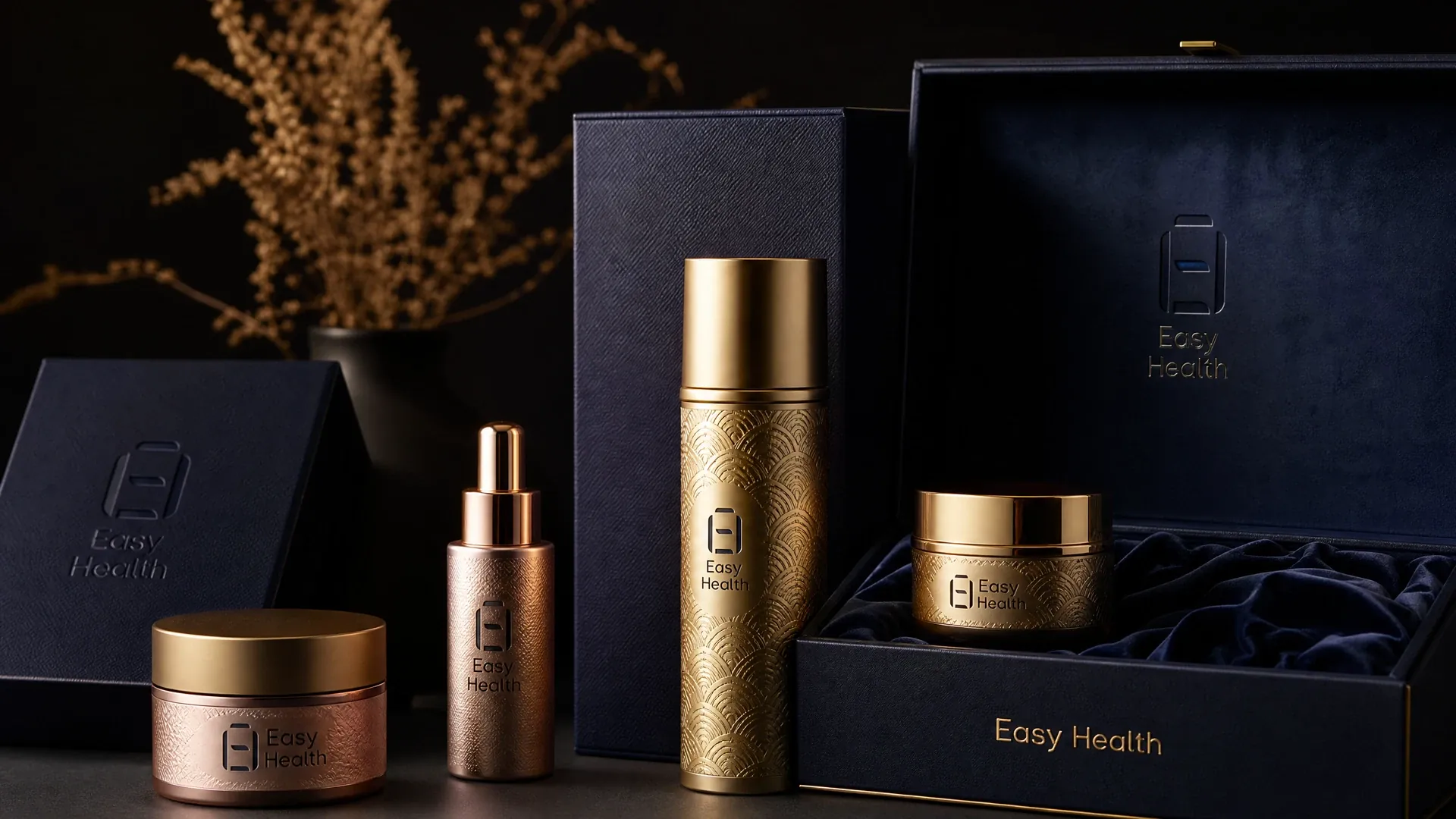
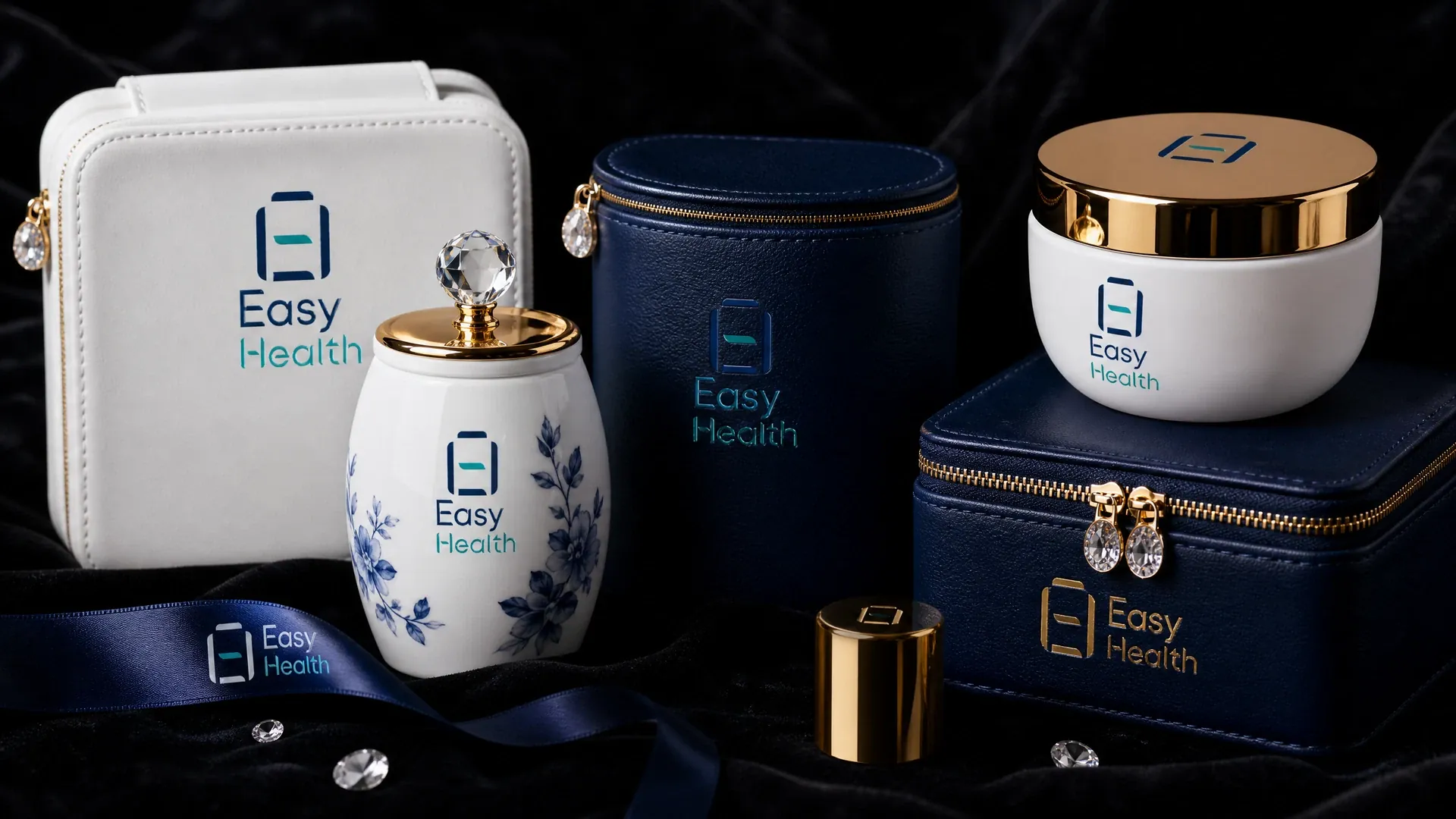
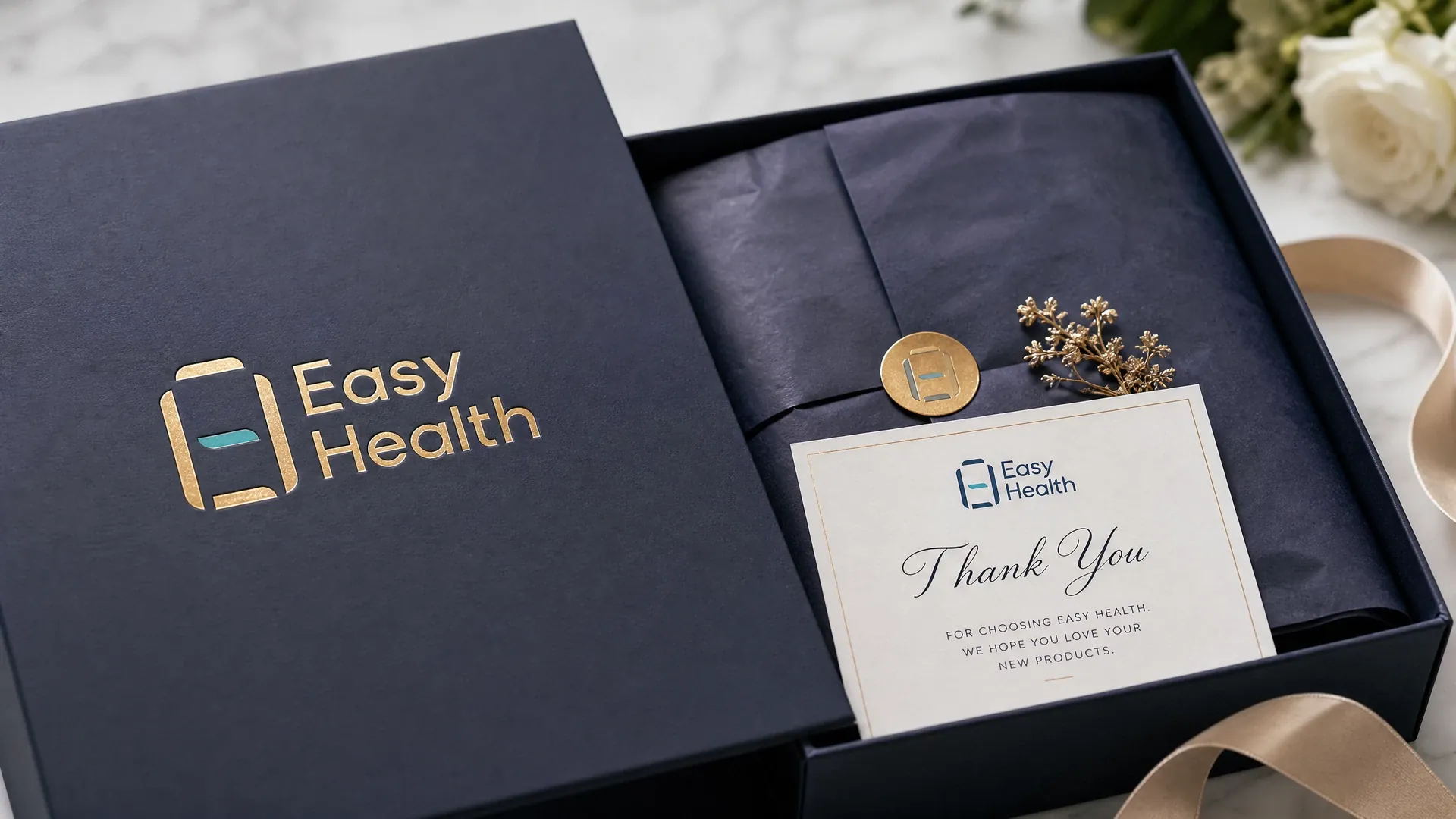
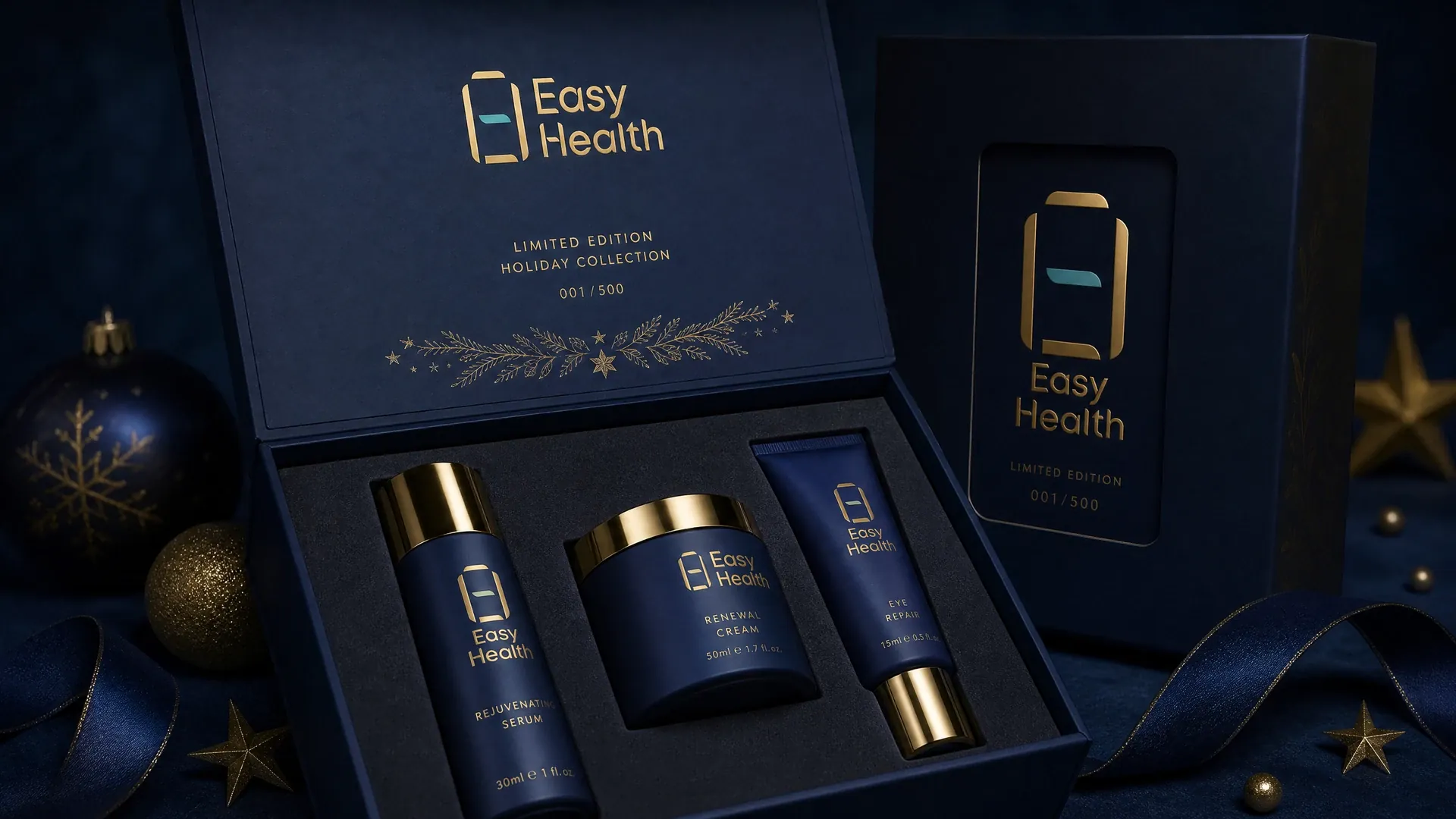
The image set illustrates luxurious materials, giftset opening paths and seasonal editions—useful as extended inspiration for the three styles. Observe opening resistance, tray stability, easy-tear constructs and label contrast, and assess whether light protection, airless formats or seasonal sleeves/belly bands are needed.
Clinical-style skincare packaging design: visual tone and claim boundaries
Medical-aesthetic styling employs a clinical visual language and structured content while avoiding overstated claims. Choose light-protective packaging and/or airless formats to respectively mitigate photodegradation and oxidation; add dosage markings to droppers or pumps for precision where relevant. For multi-step kits, label sequence with step numbers and colour keys, and add tamper-evident seals or tear cues to reduce misuse. Instructions should be ordered (steps, dosage, frequency, cautions) with generous type and spacing; a QR code can extend to diagrams or regimen guidance. Externally, use low-interference grids, fine lines and white space to convey professionalism, and allocate space for batch/date markings for traceability.
- Light-blocking or airless formats
- Clear batch/date marking zones
- Readable steps and cautions
- Sequencing guides for kits
Hong Kong and cross-border labelling notes
In Hong Kong, cosmetics are covered by the Consumer Goods Safety Regulation (Cap. 456A); warnings or cautionary statements must appear in both Chinese and English. The Food and Drugs (Composition and Labelling) Regulations (Cap. 132W) and the “1+7” nutrition labelling apply only to prepackaged foods, not cosmetics. For other markets, language, ingredient disclosure and caution requirements vary—verify with local authorities or advisors before final artwork. Maintain a professional tone using common ingredient names and concise purpose statements; avoid medical or efficacy-like wordings. Easy Health can coordinate content layout, bilingual checks and batch/date marking zones, with final details confirmed by your account manager.
- Cap. 456A bilingual cautions
- Cap. 132W not for cosmetics
- Verify cross-border rules first
- Coordinate bilingual label checks
Workflow for style-led packaging projects
- Briefing and positioning:Your account manager consolidates product traits, sales scenarios and style direction, outlining material/structural constraints to build an evaluation checklist and risk items.
- Style boards and material options:Present palettes, typography and tactile routes, with compatible combinations of boards, glass/containers and print finishes plus alternates.
- Structure and labelling layout:Lock opening method, grip areas and protection needs while planning bilingual hierarchy, caution placements and batch/date zones.
- Sampling and production coordination:Arrange samples at our Hong Kong facility; after approval, coordinate printing and material supply. Timelines are project-dependent and confirmed by your account manager.
- Final checks and assembly:Assist in checking key content, label placements and serial/batch markings, and arrange assembly and pre-dispatch review.
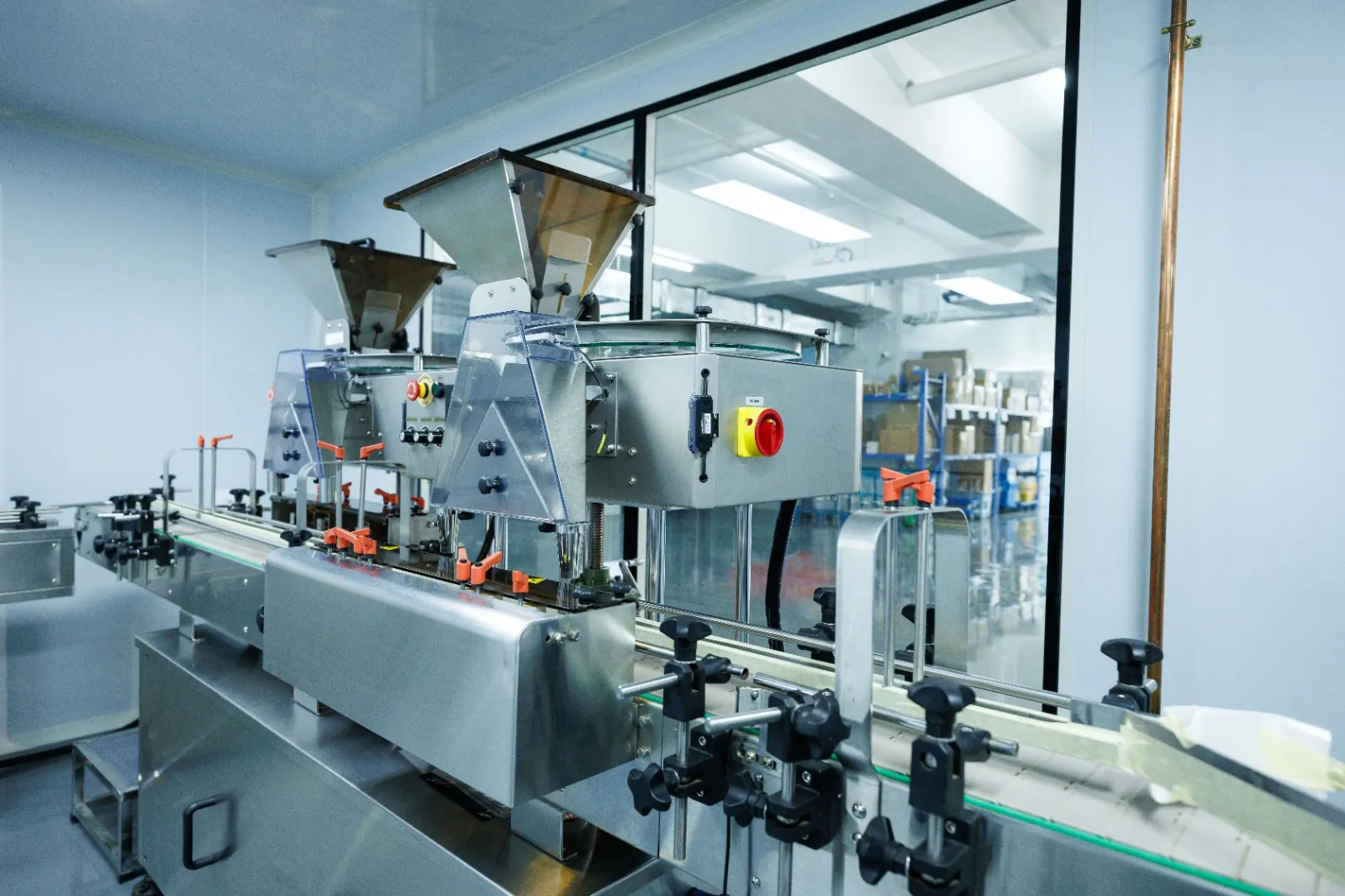
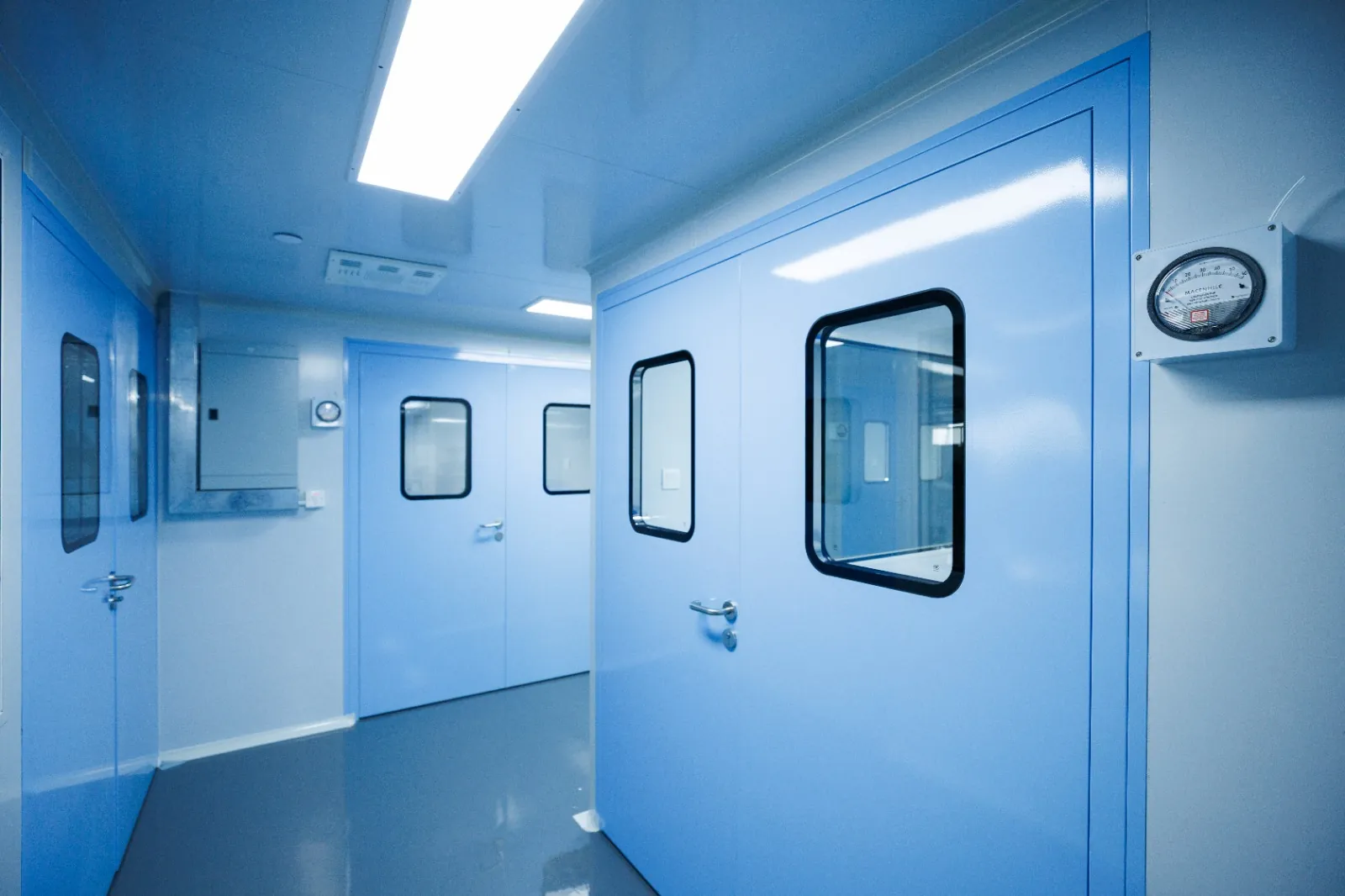
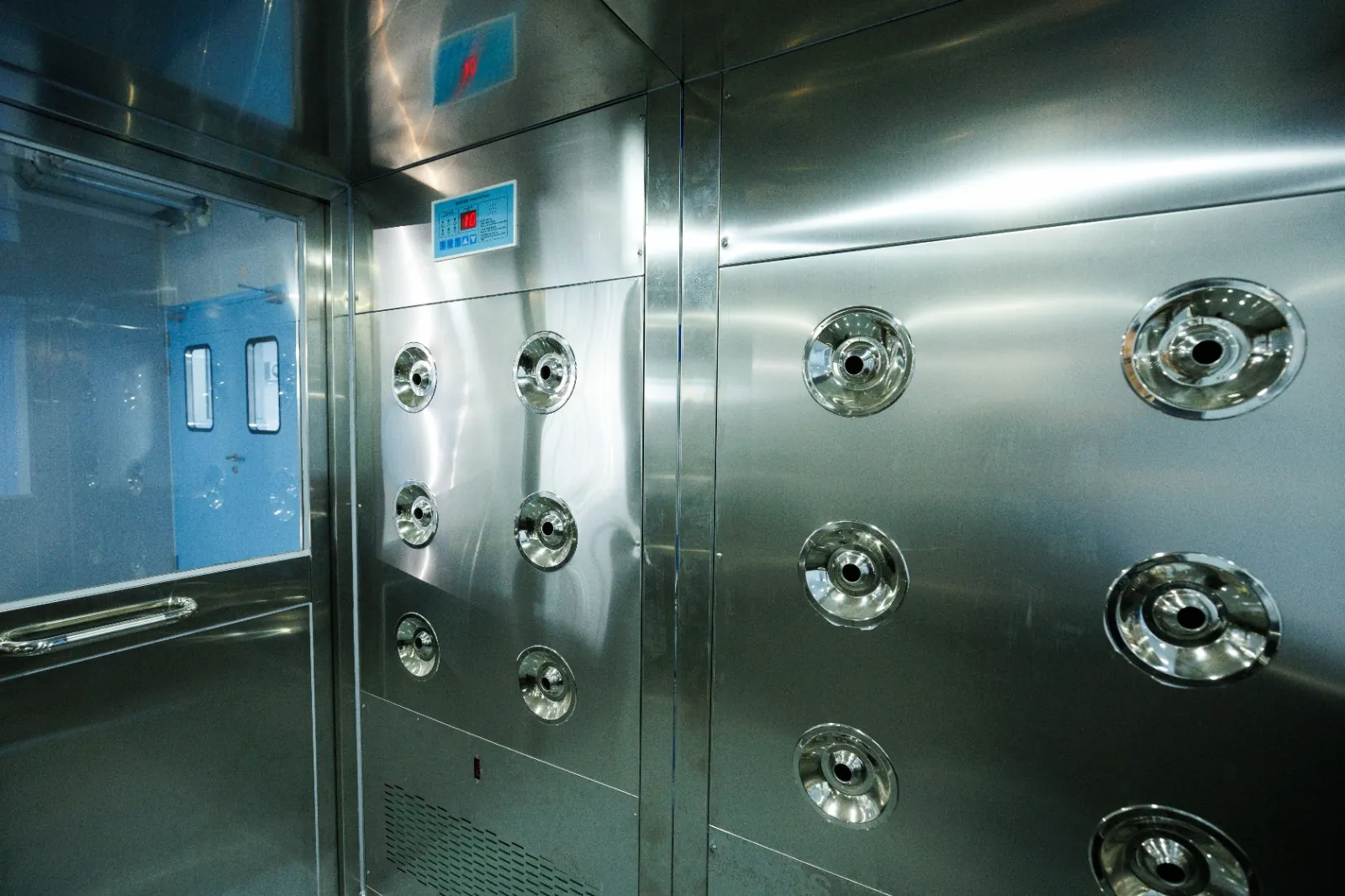
Inside the Easy Health Hong Kong Facility
Key considerations across three styles
| Aspect | Natural/Organic | Men’s | Medical-aesthetic |
|---|---|---|---|
| Palette & type | Low-sat, sans serif | Dark, high-contrast | Neutrals, clinical grid |
| Container | Glass, separable label | One-hand flip/pump | Light-safe or airless |
| Surface finish | Light coating, minimal lam. | Anti-slip or soft-touch | Fine lines, whitespace |
| Info layout | Ingredients/directions lean | Amplified steps/dosage | Ordered steps/cautions |
| Use context | Wet-area grip/resistance | Shower/travel-friendly | Kit sequencing |
Elements may be tuned to brand tone; final execution follows sampling confirmed by your account manager.
Pre-production packaging checklist
- Chosen a style direction: natural/organic, men’s, or medical-aesthetic
- Confirmed wet-area usage and anti-slip/moisture needs
- Decided on light-protective or airless formats
- Bilingual labelling and caution statements ready
- Planned any refill or cartridge option
- Leak resistance and scratch tolerance for travel/logistics confirmed
Skincare packaging design FAQs
Does a natural-style skincare design need uncoated boards?
Uncoated feels authentic but may warp in wet areas. Consider lightly coated boards or aqueous protection. If omitting the outer box, add grip textures and larger type on the bottle, and use easy-peel labels to aid recycling. Run samples and observe in wet environments; your account manager will advise after evaluation.
Is glass suitable for men's skincare lines?
It can work if one-hand operation, wet-grip and drop risks are addressed. Consider thick-wall plastics, or glass with silicone sleeves plus leak-control features and travel locks. Validate with grip, abrasion and drop simulations via sampling; your account manager will adjust recommendations accordingly.
Does clinical-style positioning require airless bottles?
Airless formats reduce air exposure and are common for oxygen- or light-sensitive formulas. The need depends on formula sensitivity, light protection and usage frequency; unit-dose ampoules or calibrated droppers are alternatives. Obtain R&D input and validate via structural samples.
What bilingual information should appear on labels?
Include product name, purpose/directions, full ingredients, warnings/cautions (Chinese and English), net content and brand/contact details, with batch/date zones reserved. In Hong Kong, Cap. 456A applies and bilingual cautions are required. Verify local formats and wordings before cross-border launches.
Can you coordinate tests such as moisture resistance or label adhesion?
We can coordinate relevant third-party tests as needed, including moisture, abrasion and adhesion, and observe outcomes via sampling at our Hong Kong facility. Arrangements and timelines are confirmed case by case.
Related Packaging Services
Discuss your skincare packaging design brief with Easy Health
Share your product details, sales scenarios and style direction via WhatsApp. Our account manager will evaluate materials, structures and labelling, and arrange sampling and packaging production in our Hong Kong facility.
Last updated: