Custom packaging in Hong Kong for supplement brands
This page outlines our custom packaging service for brands in Hong Kong and the Greater Bay Area. Leveraging our Hong Kong facility, Easy Health coordinates bespoke bottles, pouches, stick packs, blisters and cartons, covering labelling and box design, prototyping, and packaging production orchestration. Each project is confirmed case by case by an account manager, with timelines depending on the project. Connect via WhatsApp to begin.
Summary:Balance structure, barrier, labelling and compliance for custom packaging in Hong Kong. Easy Health coordinates the project requirements in Hong Kong. Confirm which certificate scopes, quality records and supporting documents apply to the proposed arrangement. We deliver customisation, prototyping and production orchestration, with case-by-case assessment via an account manager on WhatsApp.
How should you plan custom packaging in Hong Kong?
Define three things first: product format (powder, tablet, liquid), required barriers (moisture, oxygen, light) and opening experience (tamper-evidence, portability, single-serve). Then confirm compliance and labelling: Hong Kong Cap.132W, HK Nutrition Labelling 1+7, and whether Mainland GB 7718/GB 28050 also apply. Finally, select the structure and materials (bottle, foil pouch, stick pack, blister, and carton combination) and schedule prototypes to test seal integrity, drop and transit. Your Easy Health account manager will coordinate the rest within our one-stop packaging service in Hong Kong.
Why local packaging execution matters
For health supplements and foods, packaging is more than appearance—it drives stability, regulatory compliance and fulfilment efficiency. Executing custom packaging in Hong Kong enables faster checks on labelling rules and market wording, while accommodating Greater Bay Area requirements when needed. With a Hong Kong facility and processes referenced to GMP practices and the FSSC 22000 food safety framework, Easy Health orchestrates material sourcing, printing coordination and prototyping within one project to reduce iterations. Practically, our account manager maps product traits, target markets and logistics, then matches pack formats (bottle, pouch, stick, blister, carton set) and barrier levels, confirming timelines and details per project.
- Faster labelling and wording checks
- Fewer prototype loops and edits
- Barrier, structure and transit aligned
- Live coordination via WhatsApp
Packaging customisation in Hong Kong: material and structure trade-offs
Choose materials by product and storage needs. Oil-bearing powders often require high-barrier foil laminates; probiotics or hygroscopic blends need stronger moisture and light protection; liquids demand tight sealing, swelling resistance and secondary packs. Structurally, bottles suit multi-dose refills; sticks enable single-serve on-the-go; blisters emphasise unit protection and identification; foil pouches (flat or stand-up) are flexible and space-efficient. For print and labels, plan batch/expiry placement, tear notches and score lines, and ensure alignment with the outer carton. Easy Health coordinates material and printing suppliers and uses prototypes to verify heat-seal windows and seal integrity after drop and vibration, with mass-production specifics confirmed by the account manager.
- Set barrier first, then looks
- Single vs multi-serve drives form
- Synchronise print and labelling
- Prototype to validate sealing
Visual walkthrough: key checkpoints from consultation to handover
The images highlight four stages—custom packaging consultation, prototype development, finished project showcase and client handover. We annotate critical points such as dieline checks, barrier structures, seal testing, label application and shipper markings to guide faster, focused approvals.
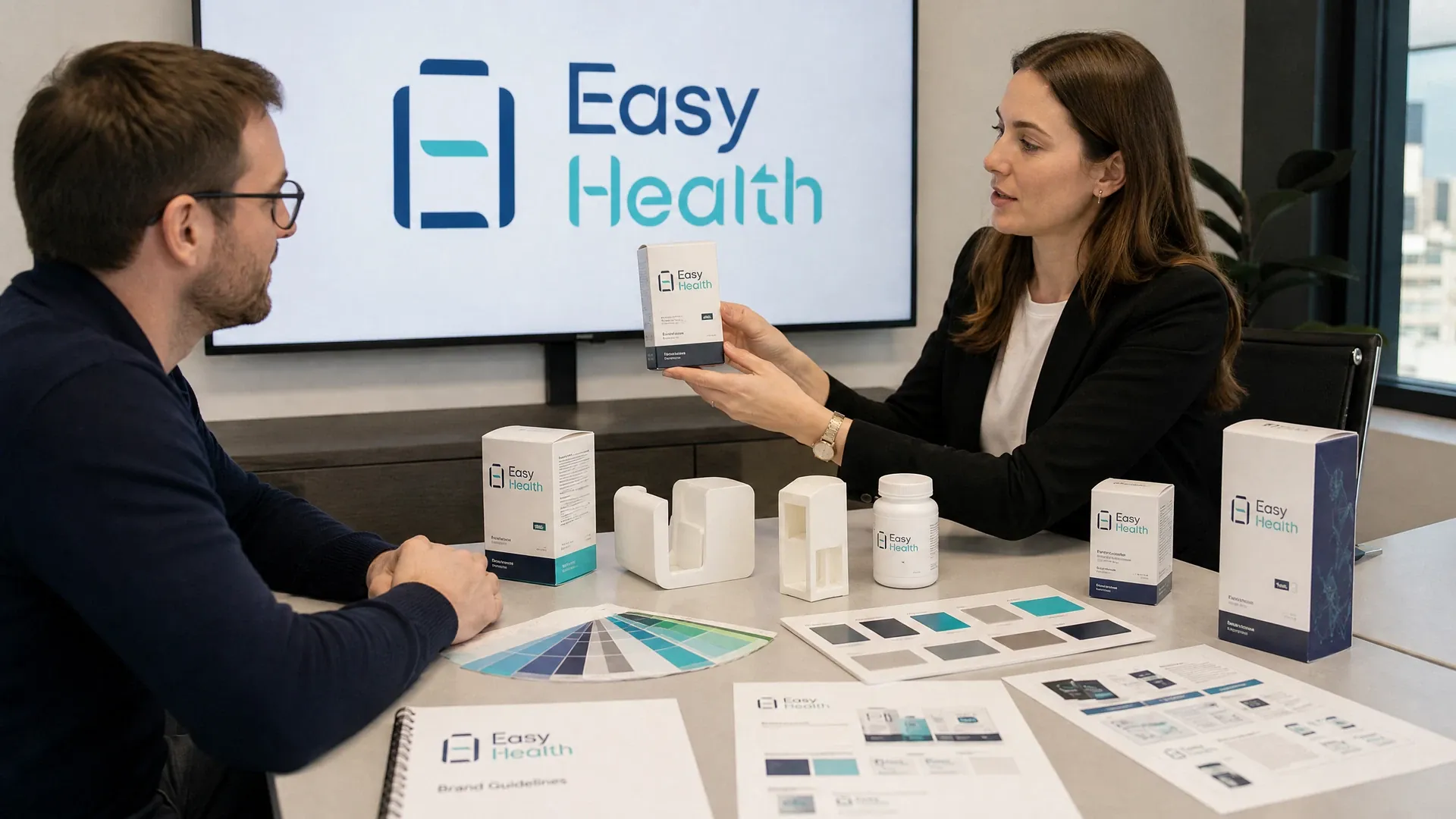
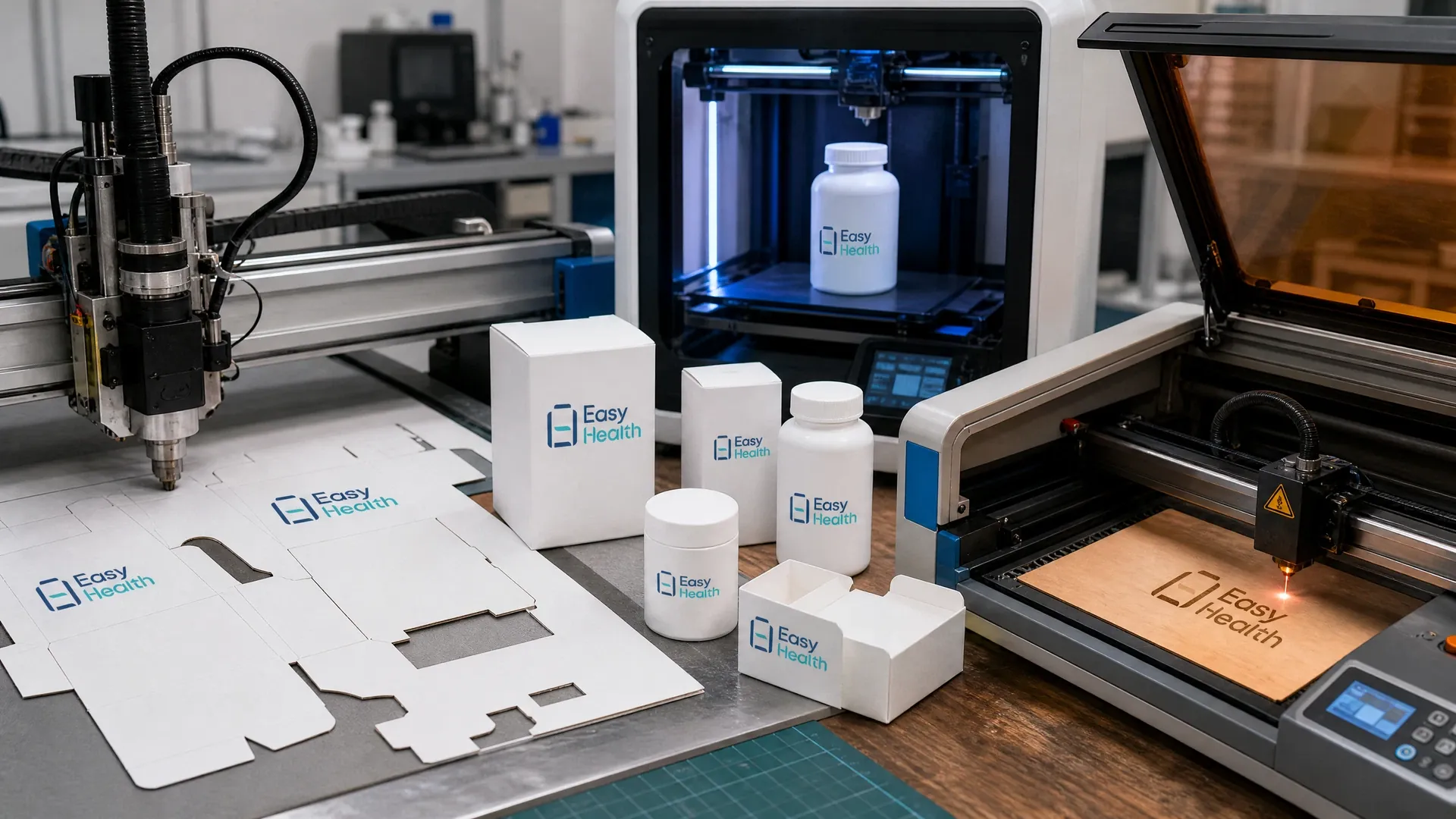

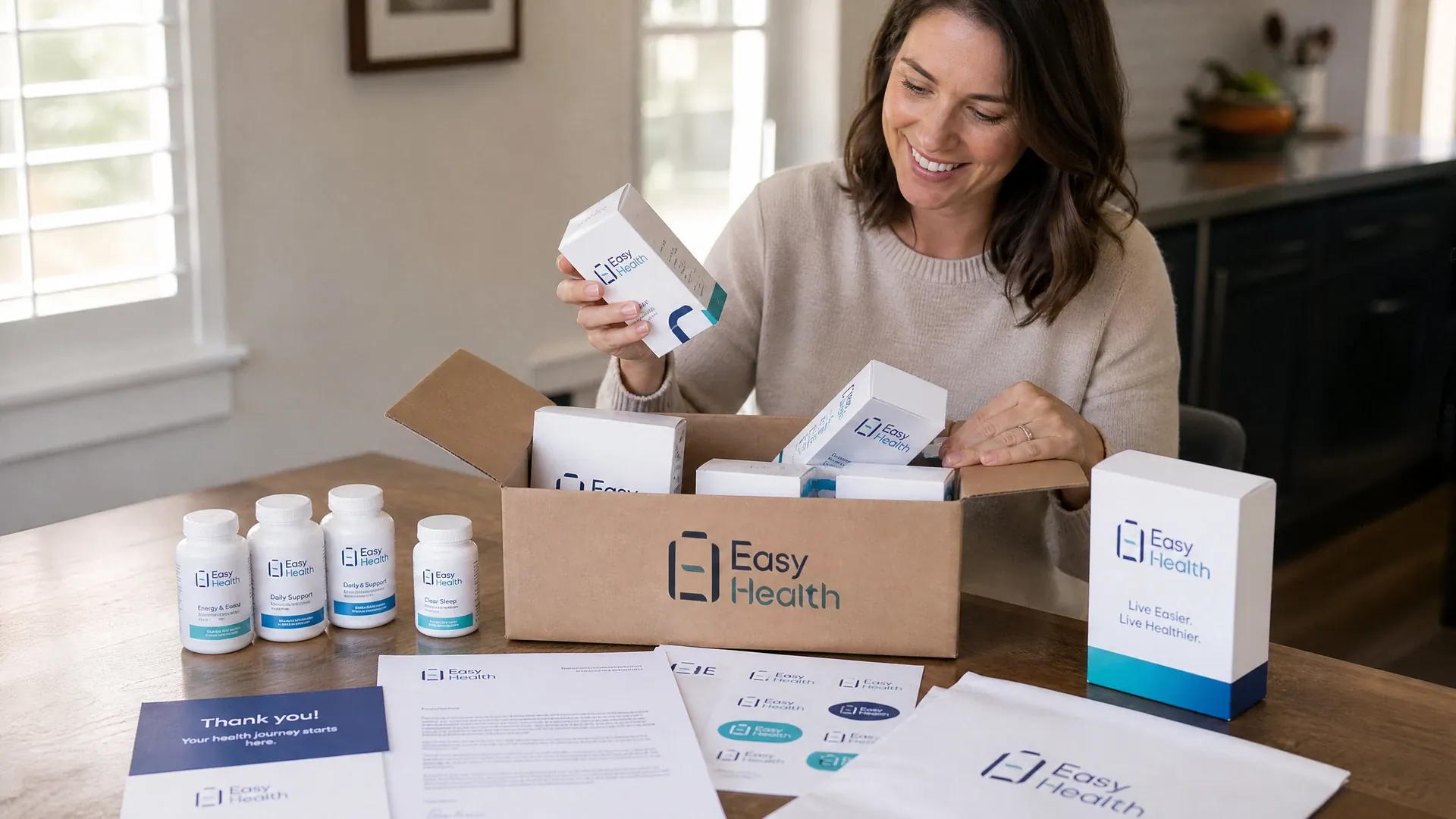
Coordinated one-stop packaging services in Hong Kong: artwork to handover
We coordinate label and carton design, supplier and printing alignment, and packaging production arrangements. Provide editable vector artwork with embedded fonts and linked images, or build on our dieline. Regulatory checkpoints typically include items required under Hong Kong Cap.132W, whether Nutrition Labelling 1+7 applies, and, if selling in Mainland, formatting per GB 7718 and GB 28050. During sample review, assess opening force, visual hierarchy and code legibility. Before mass production, the account manager consolidates confirmations on: material specs, label revision code, batch/expiry format and position, sealing and sticker application, shipper markings and packing list.
- Supply editable files + fonts
- Lay out strictly on dielines
- Check opening force and legibility
- Pre-production sign-offs itemised
Compliance and labelling: managing multiple markets
For Hong Kong, check Cap.132W items, including ingredient list, allergen declarations, net quantity units, origin, directions and storage advice. If nutrition claims are made, align with HK Nutrition Labelling 1+7. For concurrent Mainland sales, format nutrition tables per GB 7718 and GB 28050, including font sizes, alignment and measurement units. Market wordings differ, so review versions side by side early to avoid late-stage rework. Easy Health provides practical input on layout and dieline space; for legal interpretation, consult relevant authorities or professional advisers.
- Early side-by-side version review
- Unify units and decimal places
- Reserve batch/expiry real estate
- Clarify allergens and directions
Packaging process overview
- Discovery and assessment:Via WhatsApp, your account manager maps product traits, target markets, compliance focus and logistics, suggesting pack formats and barrier levels.
- Specification and dieline:Confirm fill weights, material structures, sealing methods and labelling zones; issue dielines for design and layout.
- Artwork and labelling check:Validate Cap.132W and 1+7 requirements; if Mainland-bound, cross-check against GB 7718/28050.
- Prototyping and functional tests:Produce samples and test heat-seal windows, drop/vibration, opening force and code readability; adjust as needed.
- Material and printing coordination:Coordinate material and printing suppliers and schedules; confirm batch/expiry format and placement.
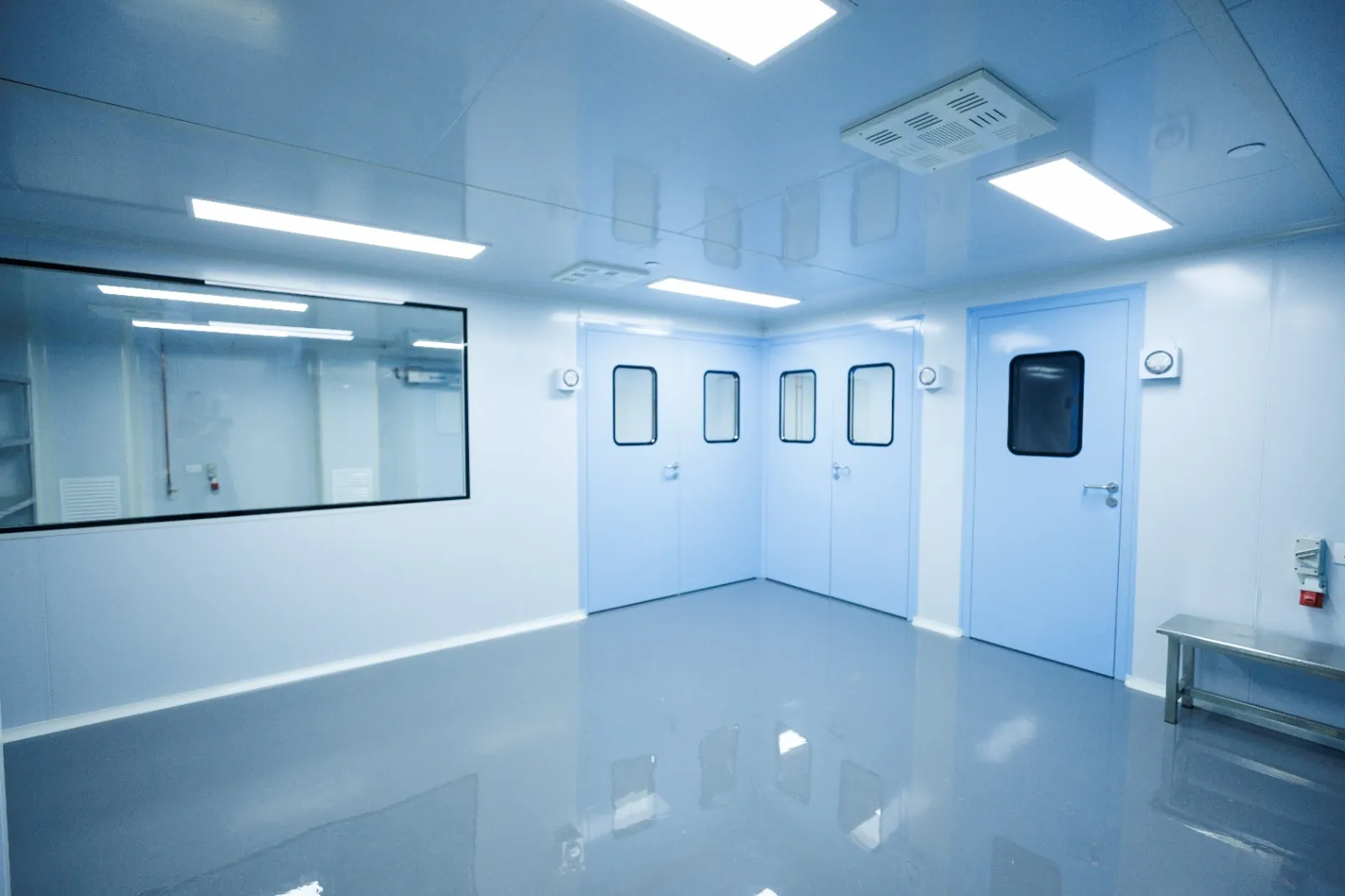
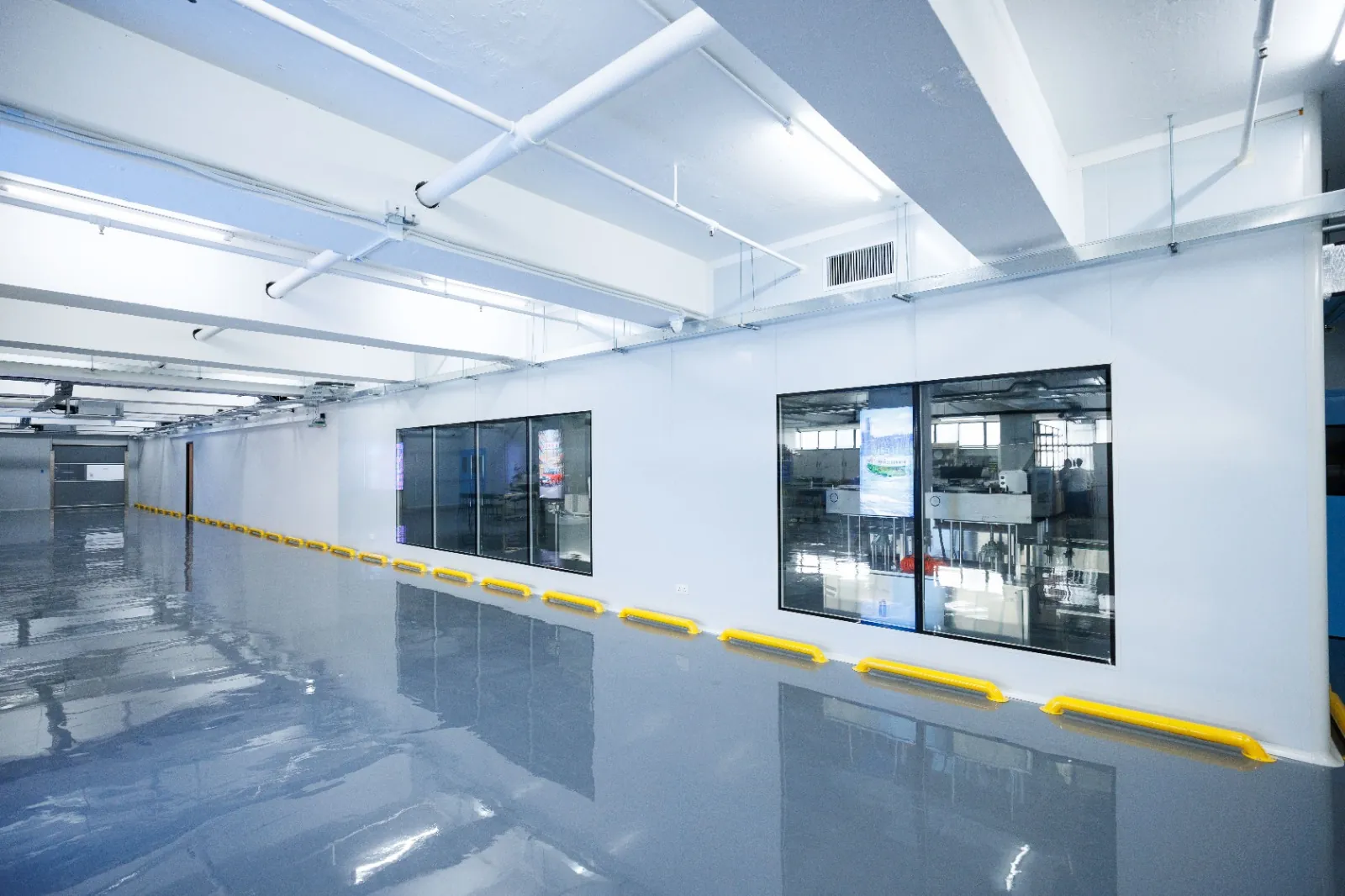
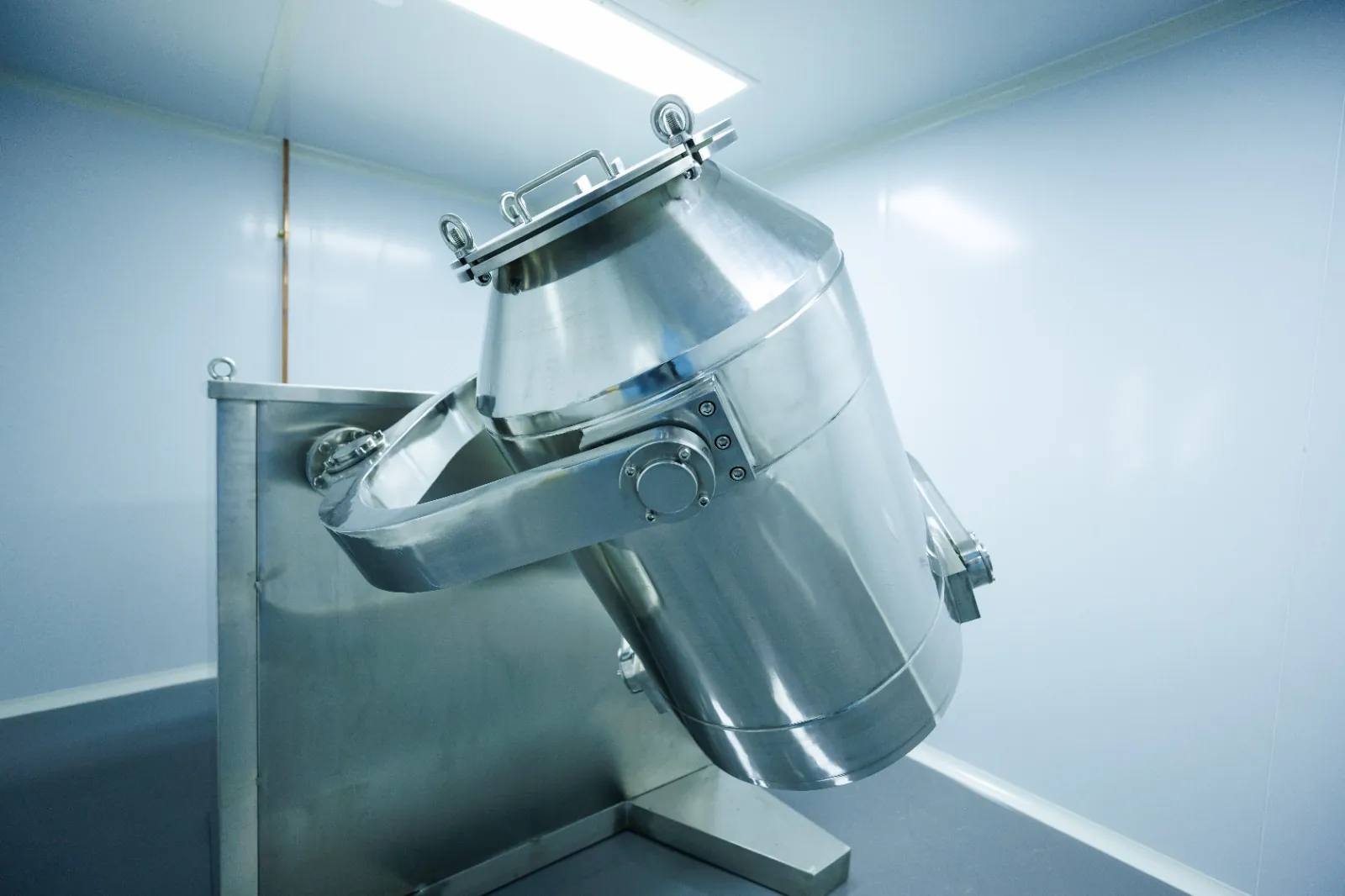
Inside the Easy Health Hong Kong Facility
Common pack formats and fit-for-purpose tips
| Format | Suitable for | Structure | Barrier need | Labelling/print | Notes |
|---|---|---|---|---|---|
| Bottle | Capsules/tablets/powder | Bottle + closure + TE | Medium–high as needed | Label or sleeve | Bulkier, good shelf presence |
| Foil pouch | Powder/granules/solids | Flat or stand-up | Medium–high | Print/label | Stable heat-seal window |
| Stick pack | Single-serve powder/liquid | 3/4-side seal stick | High MVTR/O2 protection | Clear batch | Design notch and dust control |
| Blister | Tablets/softgels | PVC/PVDC/alu-alu | Barrier by spec | Card/backer info | Unit dose moisture control |
| Carton | Kits/gifting | Printed box + insert | Non-barrier, protection | Barcode/reg blocks | Align with inner pack info |
Guidance only; final specs are confirmed case by case by the account manager.
Before you start: packaging checklist
- Define product traits and required barrier level
- Confirm markets and applicable labelling rules
- Choose pack format and single/multi-serve strategy
- Reserve print area for batch and expiry
- Prepare editable artwork with fonts/links
- Schedule prototypes and define test items/criteria
Custom packaging in Hong Kong FAQs
For probiotics or hygroscopic products, which materials and structures are suitable?
Prioritise strong moisture and light barriers: foil laminates (with alu or high-barrier metallised films), alu-alu blisters, or bottles paired with desiccant solutions. During prototyping, test seal strength and accelerated moisture uptake. Cartons are non-barrier and for protection/information only. Final specs are confirmed by the account manager per formula and logistics.
Can you coordinate stick packs, and what should I prepare?
Yes, we can coordinate stick packs. Share product properties, target fill per serve, barrier requirements, preferred tear direction and print/lot code positions. Artwork must follow the dieline with crease and seal areas reserved. Prototypes test powder flow, seal window and tear feel; mass production is confirmed by the account manager.
How should I prepare artwork to avoid rework?
Provide editable vector files (AI/PDF) with embedded or supplied fonts and linked images. Lay out strictly on our dieline, marking batch/expiry areas, barcode quiet zones and regulatory blocks. Include CMYK builds and spot colour notes, plus a low-res JPG for quick checks. Control revisions using date + version codes.
What tests are recommended for packaging?
Typical tests include heat-seal strength and integrity, drop and vibration simulation, opening force, barcode/QR readability, label adhesion and creep, and, for liquids, leakage and swelling observations. Accelerated ageing may be considered to monitor appearance and seal changes. Your account manager confirms the test matrix during prototyping.
How should labelling be arranged for Hong Kong and Mainland China?
Develop two layouts from the outset and review in parallel, unifying units and decimal places. Ensure HK Cap.132W and Nutrition Labelling 1+7 items are present; for Mainland, format per GB 7718/GB 28050 with specified table styles and font sizes. If space is tight, consider a carton main panel plus insert or QR-linked supplemental info. Consult local authorities or professional advisers for legal interpretation.
Related Packaging Services
Discuss your custom packaging project on WhatsApp
Share your product profile, markets and desired unboxing experience. In Hong Kong, Easy Health coordinates prototyping, labelling and packaging production as a one-stop service; timelines and specifics are confirmed case by case by the account manager.
Last updated: