Packaging design process for supplements
This page focuses on the packaging design process itself: who does what, required deliverables, when to lock structure and materials, how colour is controlled and proofed, and at which points regulatory checks occur. Built for supplement brand owners and product managers, so packaging is not only beautiful but manufacturable in a GMP-standard Hong Kong facility.
Summary:This page concisely explains our packaging design process for supplements: from briefing and regulatory checks to structure/material choices, colour control, prototyping, and production coordination, supported by a Hong Kong facility and FSSC 22000 to turn concepts into compliant, manufacturable packaging.
I have an initial concept—how do we kick-start the packaging design process quickly?
Compile the product format (bottle, pouch, stick, blister), fill/size, target markets and languages, functional needs (tear notch, easy-tear, moisture and barrier), plus branding assets (logo, colour refs, fonts). Contact our account manager via WhatsApp. After an initial assessment, we align on feasible structure, label and carton directions, required nutrition data and regulatory checkpoints, then arrange prototyping and production coordination. Timelines depend on the project and are confirmed by the account manager.
How does the packaging design process support manufacturability?
To land packaging smoothly, creativity and manufacturing must move in sync: lock structure and materials early, and advance regulatory content in parallel to avoid rework. We assess product format (bottle/pouch/stick/blister) and retail context to decide barrier, scuff resistance, labelling area, shelf legibility and shipping/stacking needs, then finalise dielines. Copy and mandatory information are placed with references to Hong Kong Cap.132W and the “1+7” nutrition rules; for Mainland China we flag general GB 7718 and GB 28050 directions. Colour proofing and prototyping follow, while we coordinate print and material supply for production in our Hong Kong facility.
- Lock structure/material before visuals
- Prioritise dielines and labelable area
- Run legal copy checks in parallel
- Plan colour proofing and prototypes early
How should packaging structure and materials be specified for the use case?
Start with the scenario: ambient e-commerce and humid retail channels impose different needs on barrier and abrasion resistance. Bottles require curved-surface legibility and grip; pouches call for foil or high-barrier clear films, easy-tear, stand-up bases and seal strength; sticks need notch direction and per-stick readability; blisters require board gauge, window placement and tray stability. These choices affect print method, registration, recyclability and downstream cartoning in our Hong Kong facility. For gift boxes, align board fluting, inserts and protective clearance with the actual pack to prevent transit deformation.
- Define sales and logistics first
- Confirm barrier, scuff and opening features
- Check labelable area and window placement
- Evaluate cartoning and case packing together
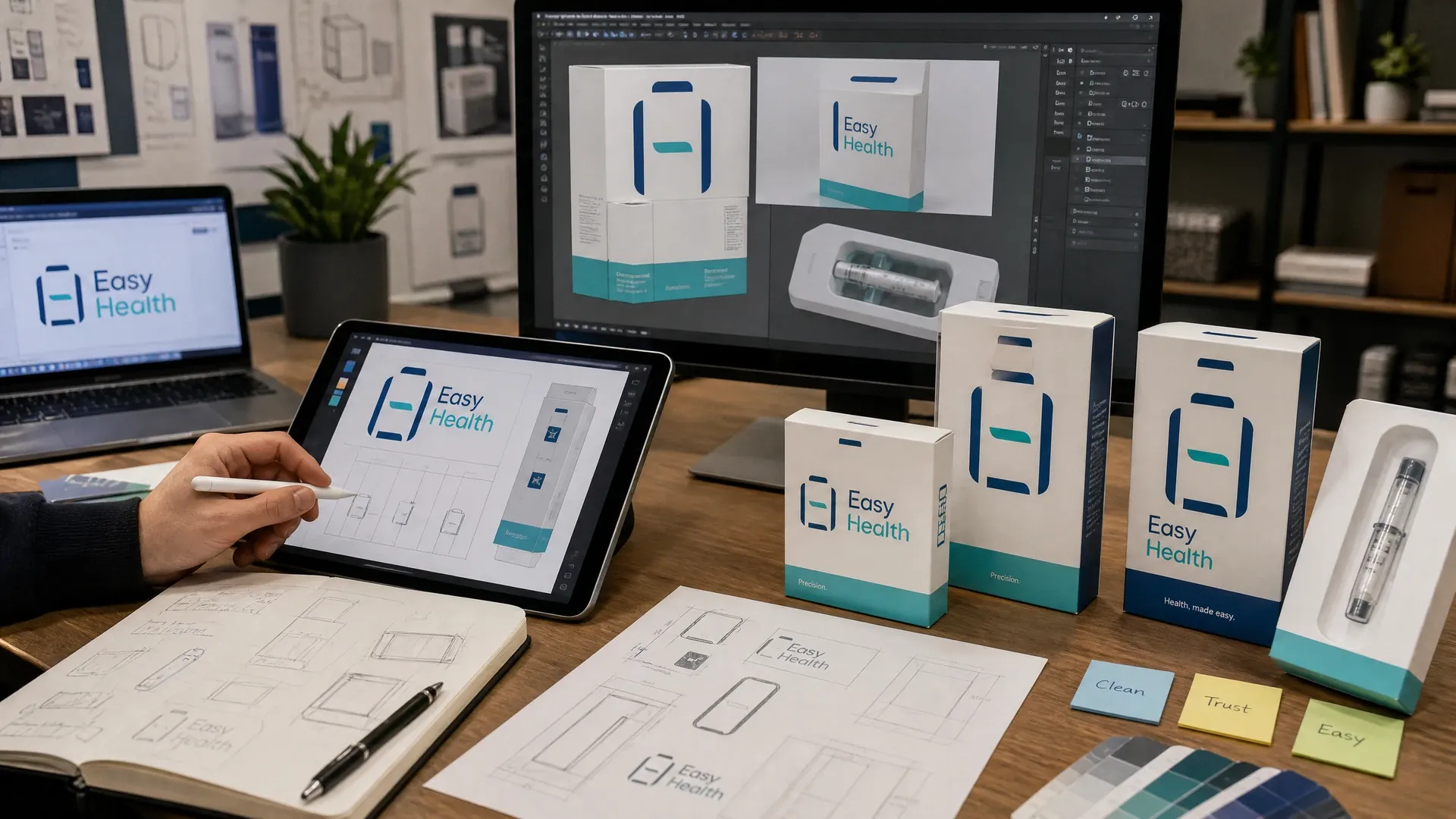
Visual walkthrough from dielines to press-ready artwork
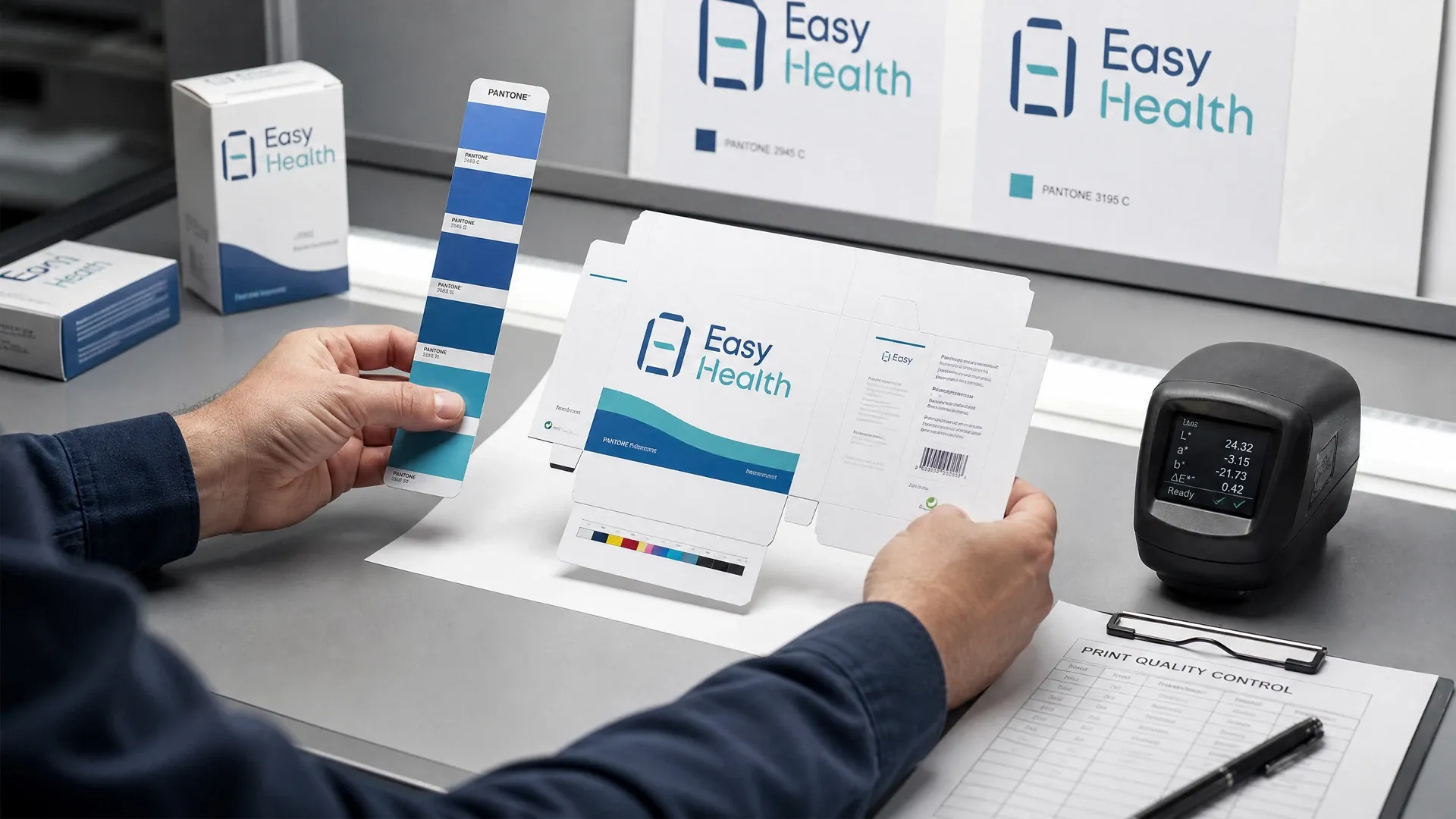
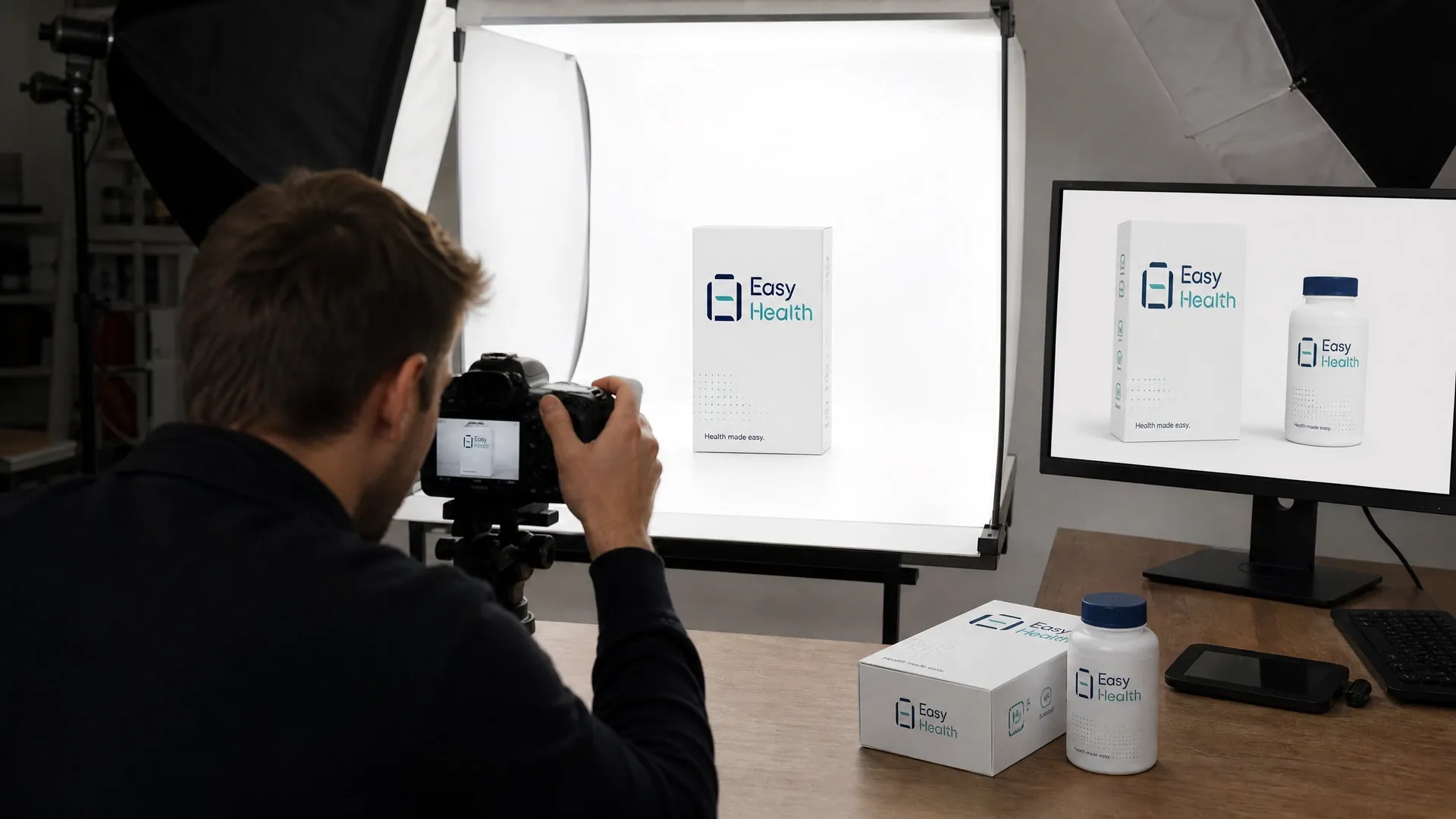
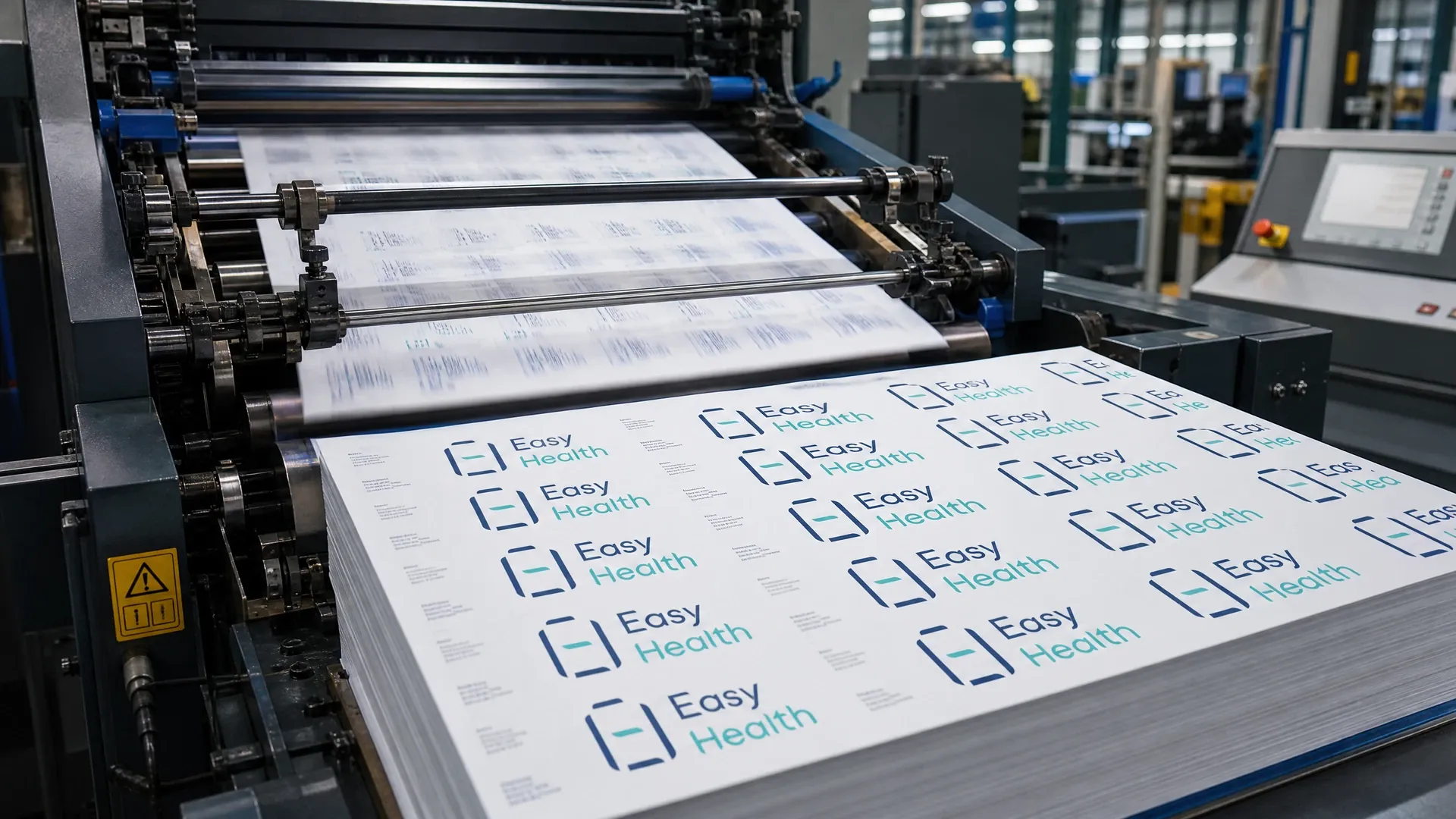
The images illustrate each step from dielines and layouts to colour checks, product photography and pre-press confirmations. Use them to verify structure, labelling, colour and assembly before production.
Mandatory labelling information to plan early
Place mandatory fields in the first layout: product name, net content, ingredient list, the Hong Kong “1+7” nutrition panel, origin, cautions, directions, and reserved coding areas. Align with Cap.132W for Hong Kong; if involving Chinese medicinal elements, consider Cap.549 classification. For Mainland China, self-check against GB 7718 and GB 28050 and consult local bodies or advisers for final confirmation. Avoid medical or therapeutic claims. When bilingual, ensure consistent Chinese-English content and legible font sizes.
- Reserve legal panels from draft one
- Maintain bilingual consistency
- Reserve batch/date coding areas
- Avoid medical/therapeutic claims
Colour control and prototyping for print-ready files
Colour control hinges on a single source of truth—aligned colour spaces, ink settings and spot usage. For metallics or selective varnish, validate feasibility and registration tolerances first. Typical proofs include digital proofs, on-press wet proofs and white mock-ups; colour proofs check hue and screens, while white dummies validate structure and fit. For product photography, shoot after finalising formula and appearance, using approved proofs as colour references. Easy Health coordinates printing and material supply and verifies assembly in our Hong Kong facility to minimise colour and fit risks.
- Align colour space and spot usage
- Validate special finishes early
- Use colour and white proofs appropriately
- Use proofs as photo colour reference
Product packaging design workflow and deliverables
- Briefing and data intake:Confirm pack format, fill, markets and languages, regulatory priorities and timing, and compile existing brand assets and references.
- Structure proposal and dielines:Propose materials and structures per scenario and barrier needs; assess label area and assembly path, then supply dieline sketches for approval.
- Mandatory panels and copy check:Insert mandatory fields per regulations, align bilingual copy, units and sizes, and reserve batch/date coding areas for production.
- Visual layout and first proof:Design on the approved dieline, check hierarchy, spacing and alignment, and review legibility and shelf recognition.
- Colour proofing and prototypes:Arrange digital/on-press proofs and white dummies, validate spot colours, screens and structural fit, and consolidate revisions to approval.
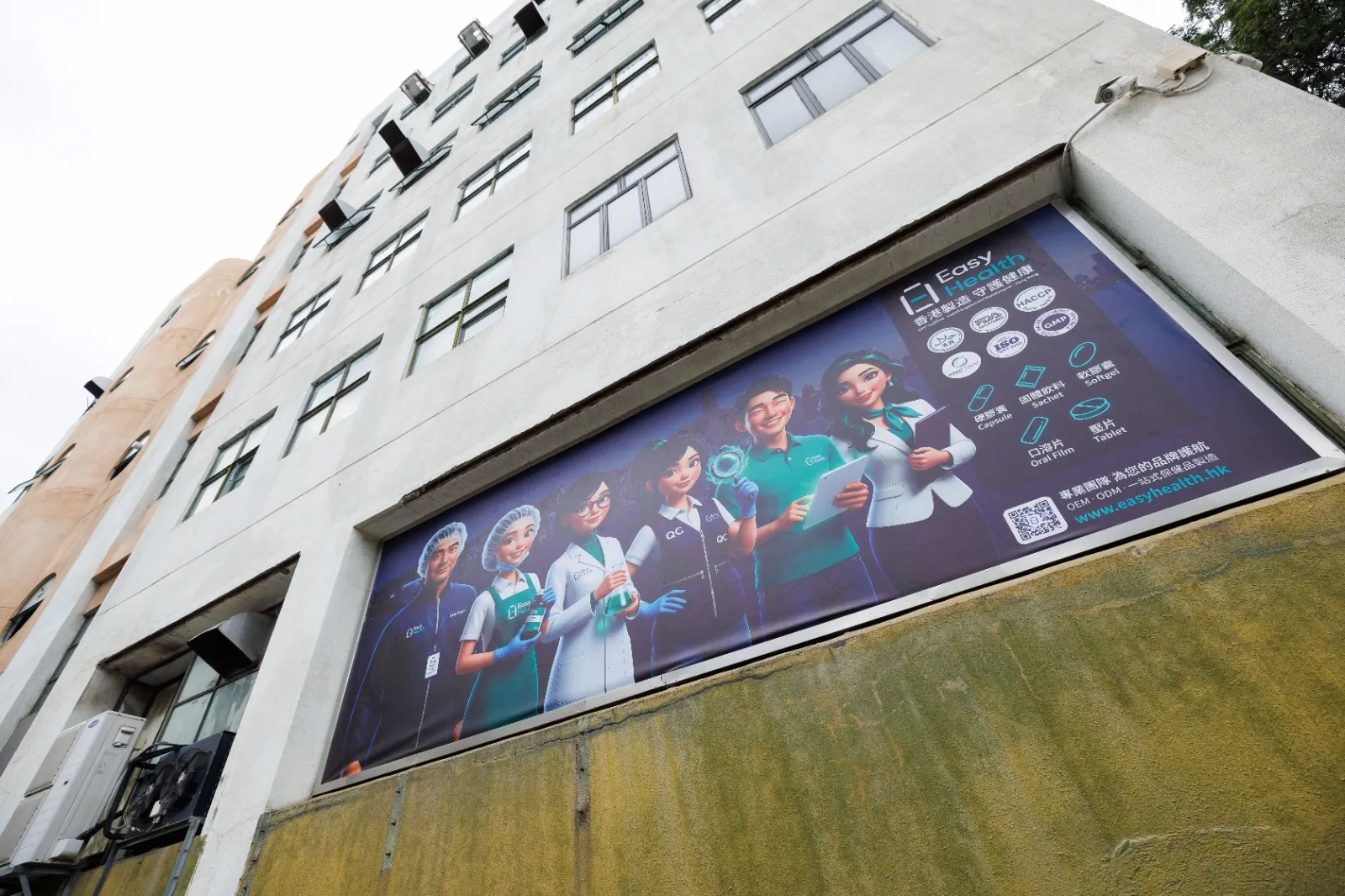
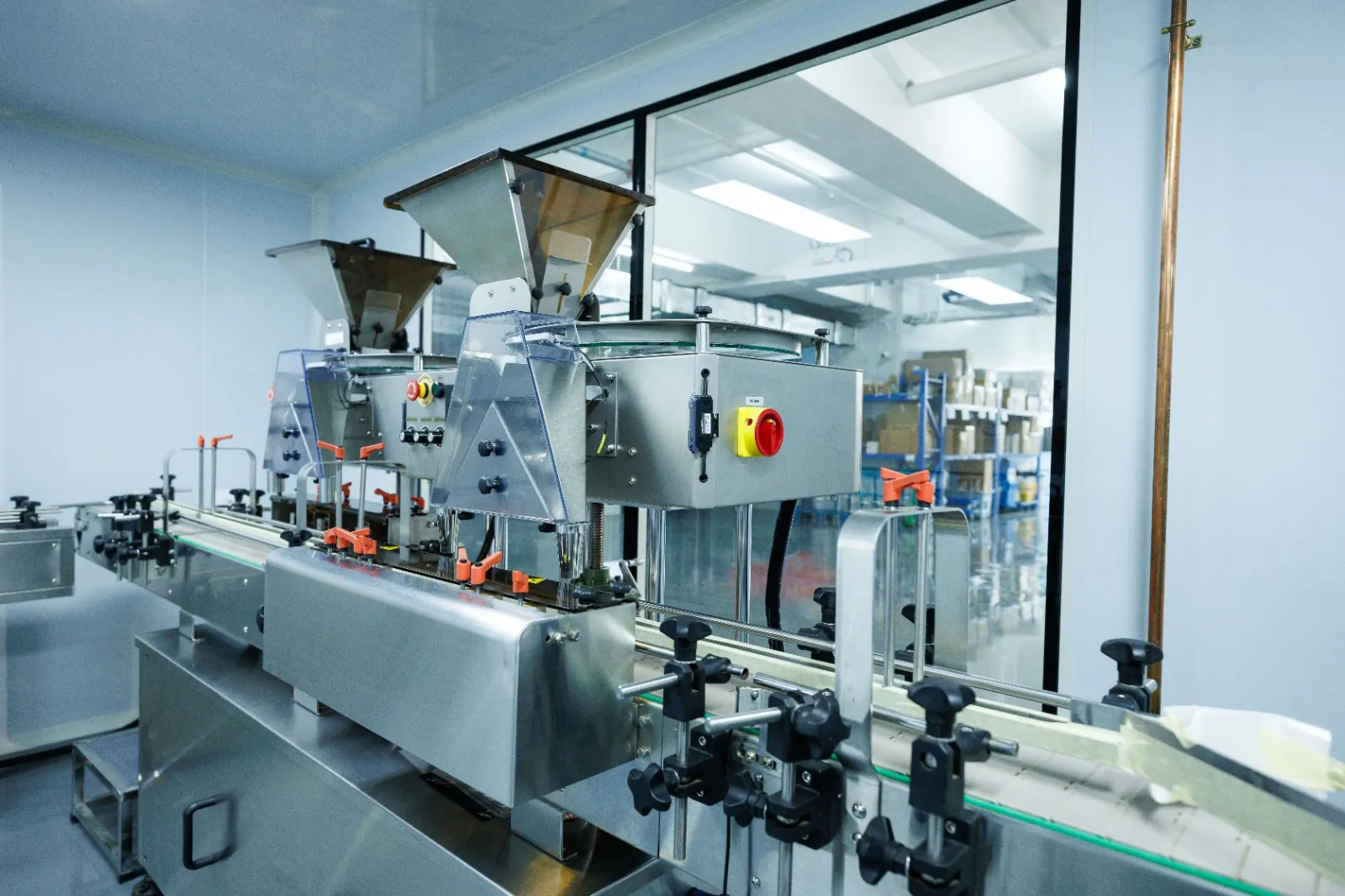
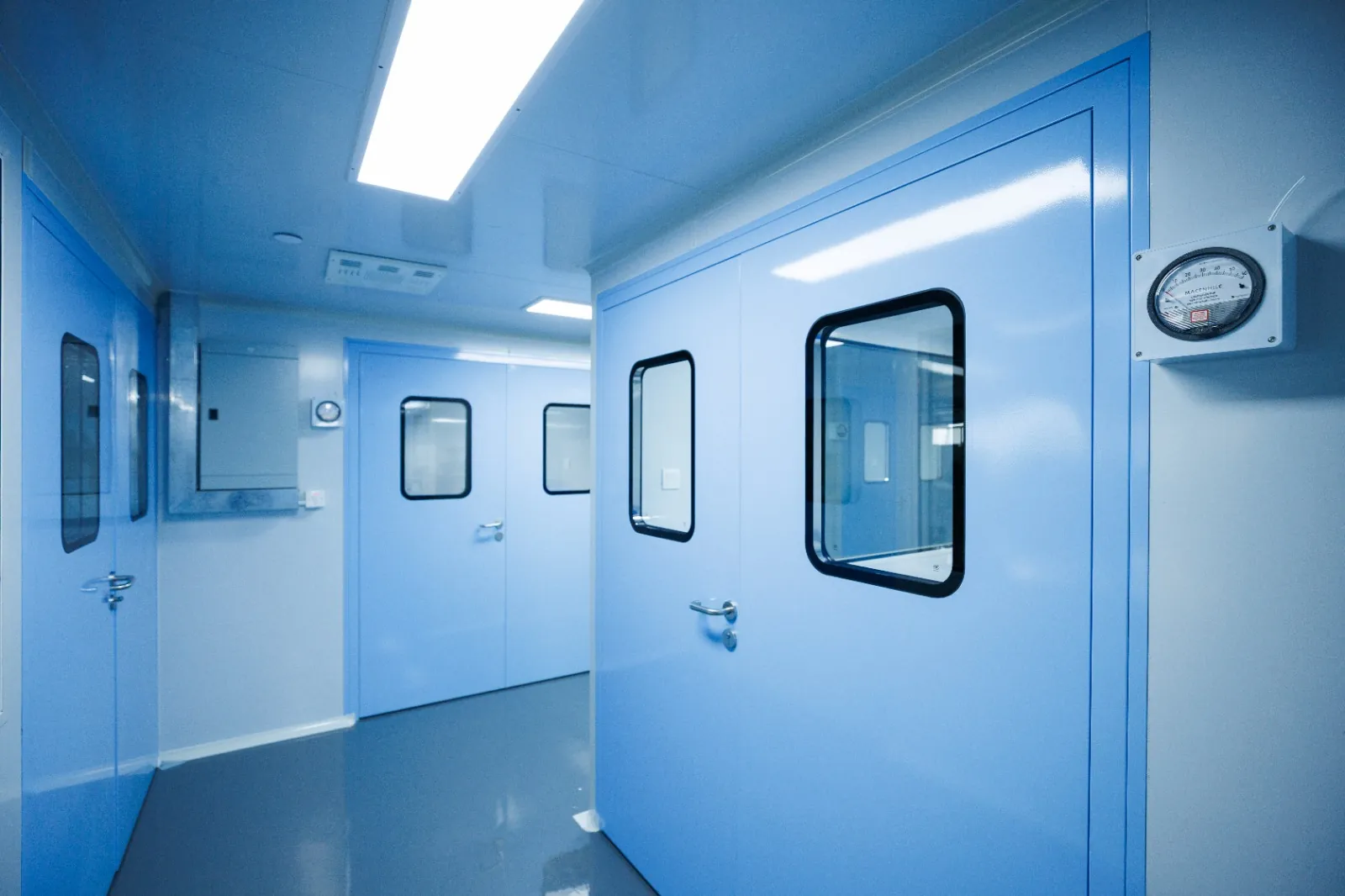
Inside the Easy Health Hong Kong Facility
Proofing methods and suitability guide
| Method | Purpose | What to check | Notes |
|---|---|---|---|
| Digital proof | Initial layout and hue check | Typography, registration, near-colour shifts | Substrate feel may differ from final |
| On-press wet proof | Very close to production colour | Spot inks, screens, overprints | Press time required; project-dependent |
| White dummy (structure) | Fit and assembly verification | Seals, tabs, window, stability | No final colour or print finish |
| 3D visual mock-up | Quick visual and shelf simulation | Glare, legibility, spatial balance | Visual reference only, not physical |
Using one or more proof types in parallel reduces risk; the account manager will assess and confirm as needed.
Pre-submission design checklist
- Dieline and bleed aligned; key info clear of folds and seal areas.
- Bilingual copy matched; regulatory fields complete with clear units and sizes.
- Black text set to K-only; barcode placed on a flat area and test-scanned.
- Spot and process colours separated; metallics/varnish on separate plates.
- Coding area reserved with printable substrate; batch/expiry positions fixed.
- White mock-up passed assembly test; cartoning and case-packing documented.
Packaging design process FAQs
What colour space and file format should I use?
Use CMYK as primary with spot channels where required; images at 300 dpi or above; outline fonts or provide licences. Export to a PDF/X standard with a low-res visual. For foils/varnish/emboss, place on separate, clearly named layers. We will preflight on receipt and advise if adjustments are needed.
Who provides nutrition panels and cautions?
You usually provide the formula and nutrition data. We place and check against Hong Kong’s “1+7” rules and Cap.132W. For Mainland China, we flag GB 7718 and GB 28050 general items and recommend final confirmation with local authorities or professional advisers.
Can carton and label design proceed in parallel?
Yes. For efficiency, confirm inner pack (bottle/pouch/stick/blister) sizes and label content first, then open the carton dieline and layout in parallel. This exposes window placement, cartoning tolerances and stacking constraints early.
How is colour variation controlled and referenced?
We align colour settings and provide digital proofs or on-press wet proofs if needed. Wet proofs are typically very close to production colour. Keep approved proofs as master references and use them during product photography to ensure consistency.
How are proofing, prototyping and production coordination handled?
Your account manager coordinates suitable proofing, printing and material supply, followed by assembly checks in our Hong Kong facility. Timelines depend on the project and are confirmed by the account manager.
Related Packaging Services
Discuss your supplement packaging design requirements
Contact Easy Health via WhatsApp to discuss product data, mandatory labelling, structure and material choices, colour proofing and prototyping. We offer supplement OEM/ODM, label and carton design, bottle/pouch/stick/blister formats, sampling and packaging production coordination. Each project is individually assessed and confirmed.
Last updated: