Vitamin packaging design by supplement dosage form
Dosage forms dictate packaging structure and material choices. This page outlines practical strategies for tablets, capsules, gummies, powders, liquids and effervescents, covering light and moisture protection, usability and labelling—giving clear direction for vitamin, gummy and lutein packaging design.
Summary:An at-a-glance guide linking supplement dosage forms (tablets, capsules, gummies, powders, liquids, effervescents) to packaging choices. Focus on barrier, light protection, moisture control and labelling to inform vitamin, gummy and lutein packaging design decisions.
How should you compare bottles, blisters and stick packs?
Start with dosage form and usage: e.g., vitamin tablets for home use suit bottles, while on‑the‑go doses suit blisters or sticks. Match barrier and light needs (foil laminates, amber bottles), opening frequency and accessories (desiccant, induction seal), then check Hong Kong labelling under Cap.132W and the “1+7” nutrition rules. Your customer manager will confirm details before sampling.
Dosage-form-led packaging: start with stability and use cases
Tablets, capsules, softgels, gummies, powders, liquids and effervescents vary in sensitivity to oxygen, moisture and light. Assess first: 1) formulation stability—do you need high barrier (foil laminates, thicker blisters) or light protection (amber bottles, low‑transmittance labels); 2) opening frequency and portability—family share packs lean to bottles, travel prefers sachets or sticks; 3) flow behaviour—caking‑prone powders need moisture control and suitable films; 4) secondary packs—cartons consolidate multipacks and compliant label space; 5) storage and shipping—palletising, burst resistance and seal integrity. Easy Health coordinates materials and production for bottles, pouches, sticks and blisters, with sampling to validate risks.
- Evaluate oxygen, moisture and light tolerance first
- Choose structure: bottle, pouch, stick, blister
- Portability vs at‑home use shapes fill size
- Plan desiccant, induction seal and light protection together
Vitamin packaging design: moisture control and accessibility
Vitamin packaging design commonly covers tablets and capsules. Typical routes: PP/PET bottles with desiccant and induction seal for home storage; blisters (PVC/PVDC/ACLAR with aluminium) for unit dosing and reduced moisture ingress; sticks or sachets for on‑the‑go use. Prioritise water vapour transmission, light protection and opening force. Labels should allocate Hong Kong “1+7” nutrition and mandatory particulars. Cartons can hold multiple blisters or sticks while following Cap.132W layout norms. Easy Health coordinates labels, cartons and bottle/blister operations, with sampling prior to packaging production.
- Bottles: desiccant plus induction seal for dryness
- Blisters: unit doses reduce moisture rebound
- Sticks: portable—verify seal strength and tearability
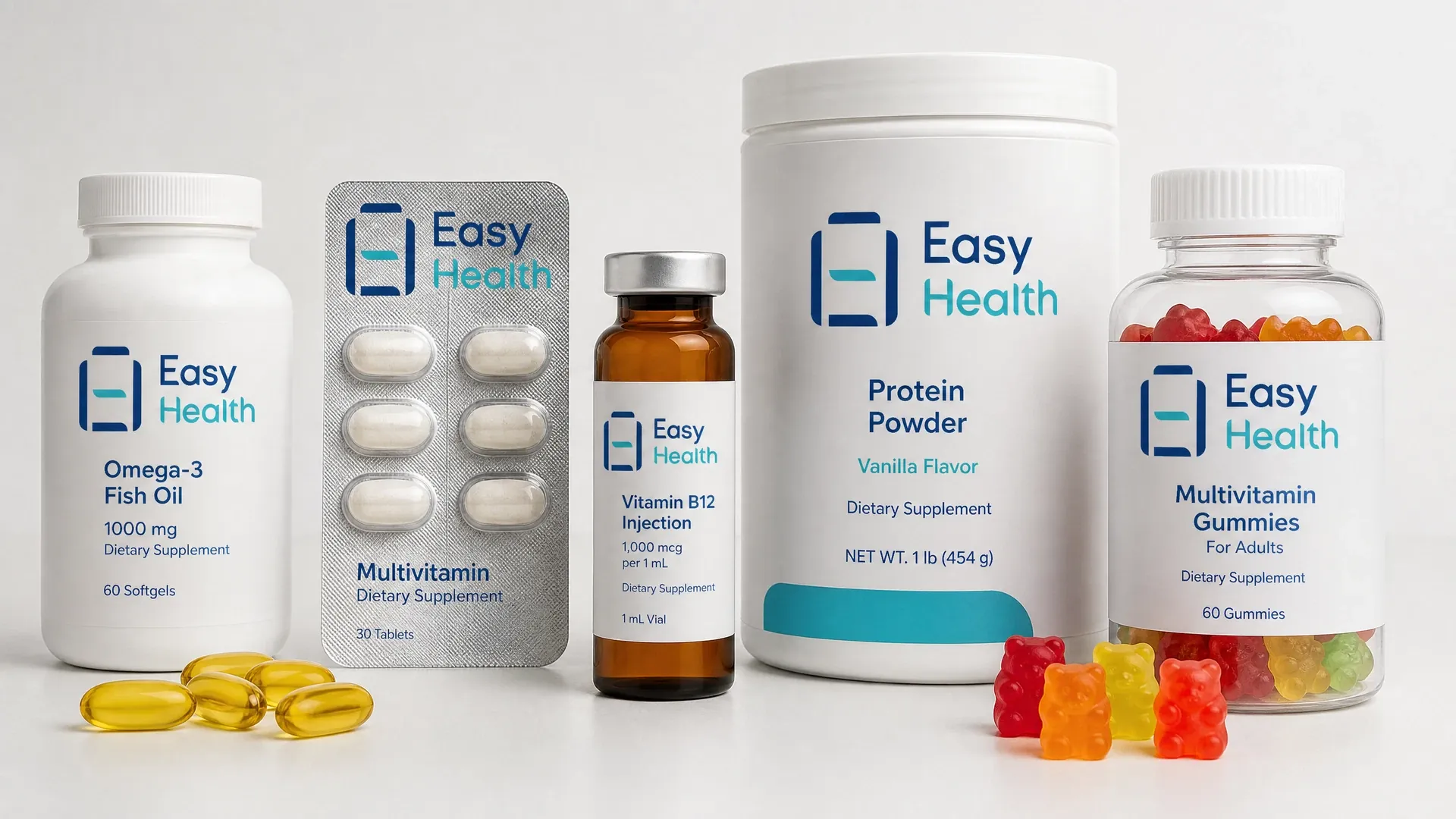
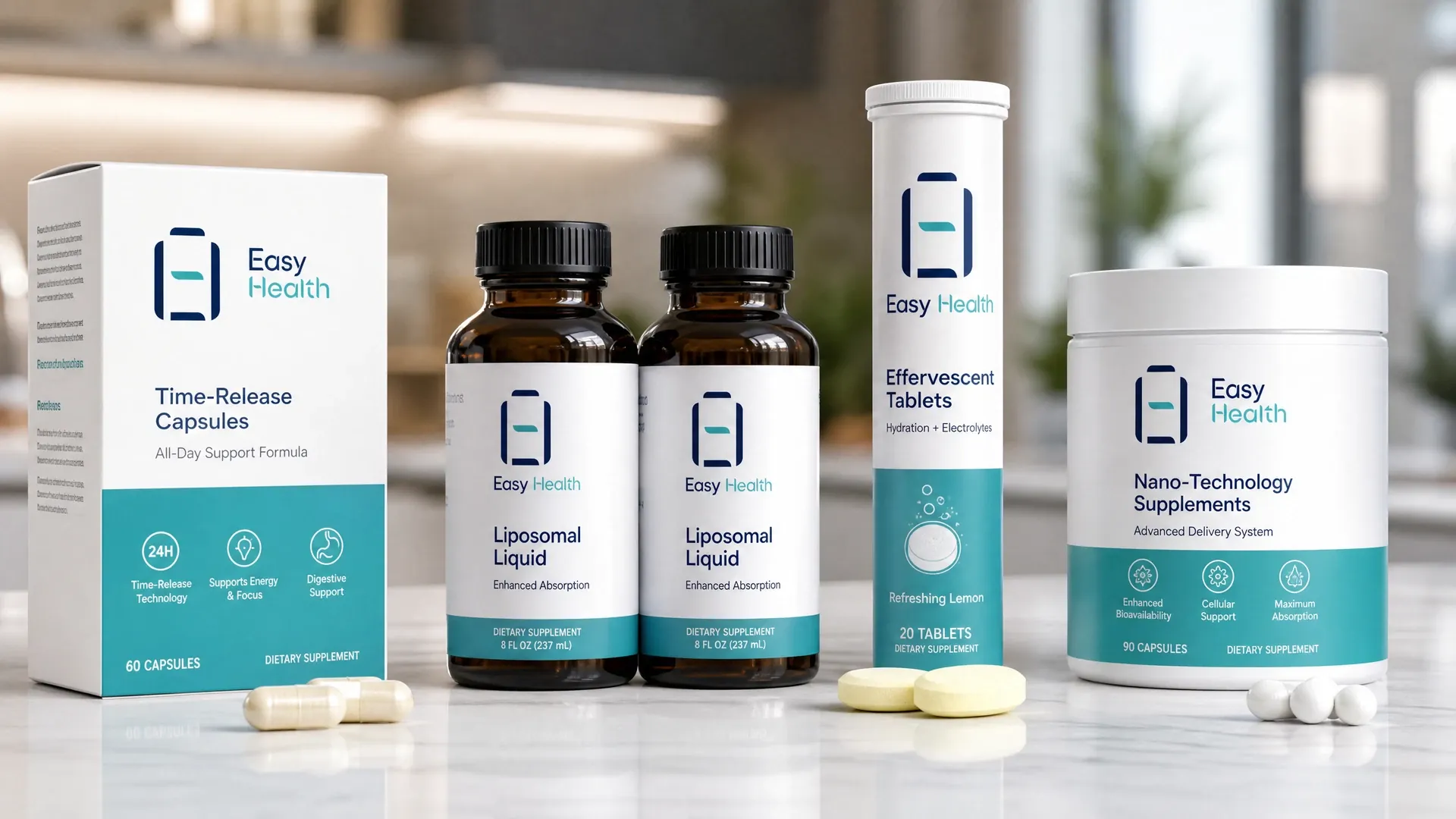
Visual overview: dosage forms × packaging structures
Use the illustrations to grasp how key dosage forms map to bottles, pouches, sticks and blisters—when to prioritise light/moisture protection versus portability and unit dosing—and how cartons support shelf display and mandatory information.


Gummy packaging design: tackiness, oiling and shape protection
Gummies can clump or oil at higher heat and humidity. Gummy packaging design should address: 1) moisture barrier and anti‑stick inner layers; 2) headspace and inserts to prevent deformation; 3) easy‑tear control and seal parameters for foil pouches; 4) PET/PP bottles with desiccant and induction seals, sized for easy access; 5) scuff‑resistant label inks and films. Cartons can add shelf presence and cushioning. Easy Health can arrange sampling to test tackiness, seal quality and rub‑resistance, and coordinate bottle or pouch production.
- Choose high‑barrier pouches or PET/PP bottles
- Manage headspace/inserts to protect shapes
- Validate easy‑tear and seal heat dwell to avoid failures
Lutein packaging design: light shielding and oxygen control
Lutein, often in softgels or oil‑based forms, is light‑sensitive. Lutein packaging design should prioritise amber bottles or low‑transmittance labels with induction seals; high‑barrier blisters (PVDC/ACLAR) for unit dosing; and foil laminates for sachets/sticks with controlled residual oxygen and seal integrity. For Hong Kong, follow Cap.132W and the “1+7” nutrition scheme; for Mainland China, refer to GB 7718 and GB 28050. Easy Health coordinates material supply and sampling, with project‑by‑project confirmation by a customer manager.
- Use light‑blocking structures: amber bottles, opaque labels
- High‑barrier blisters or foil pouches to cut O2 and light
- Control residual O2 and seal consistency in stick packs
How we plan dosage-form packaging with you
- Scoping:Define dosage form, use cases, barrier and light needs; note labelling and compliance points.
- Proposal:Recommend materials and structures for bottle/pouch/stick/blister, plus label and carton plan.
- Sampling & tests:Arrange samples; verify seal, tear, light shielding and moisture protection parameters.
- Production coordination:Coordinate materials and packaging production; timeline varies by project, confirmed by your manager.
- Delivery & records:Provide batch packaging records and archive final label artworks.
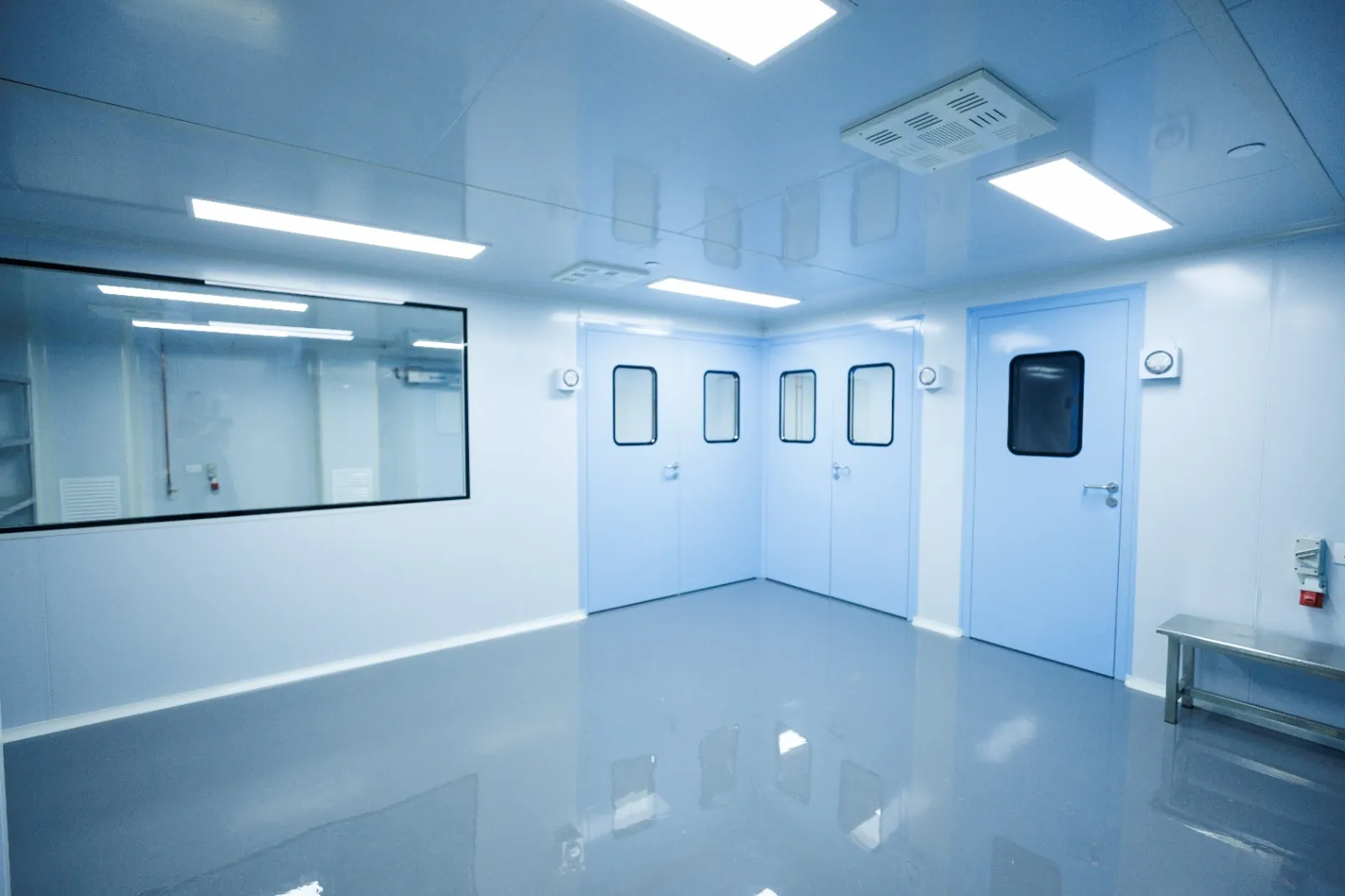
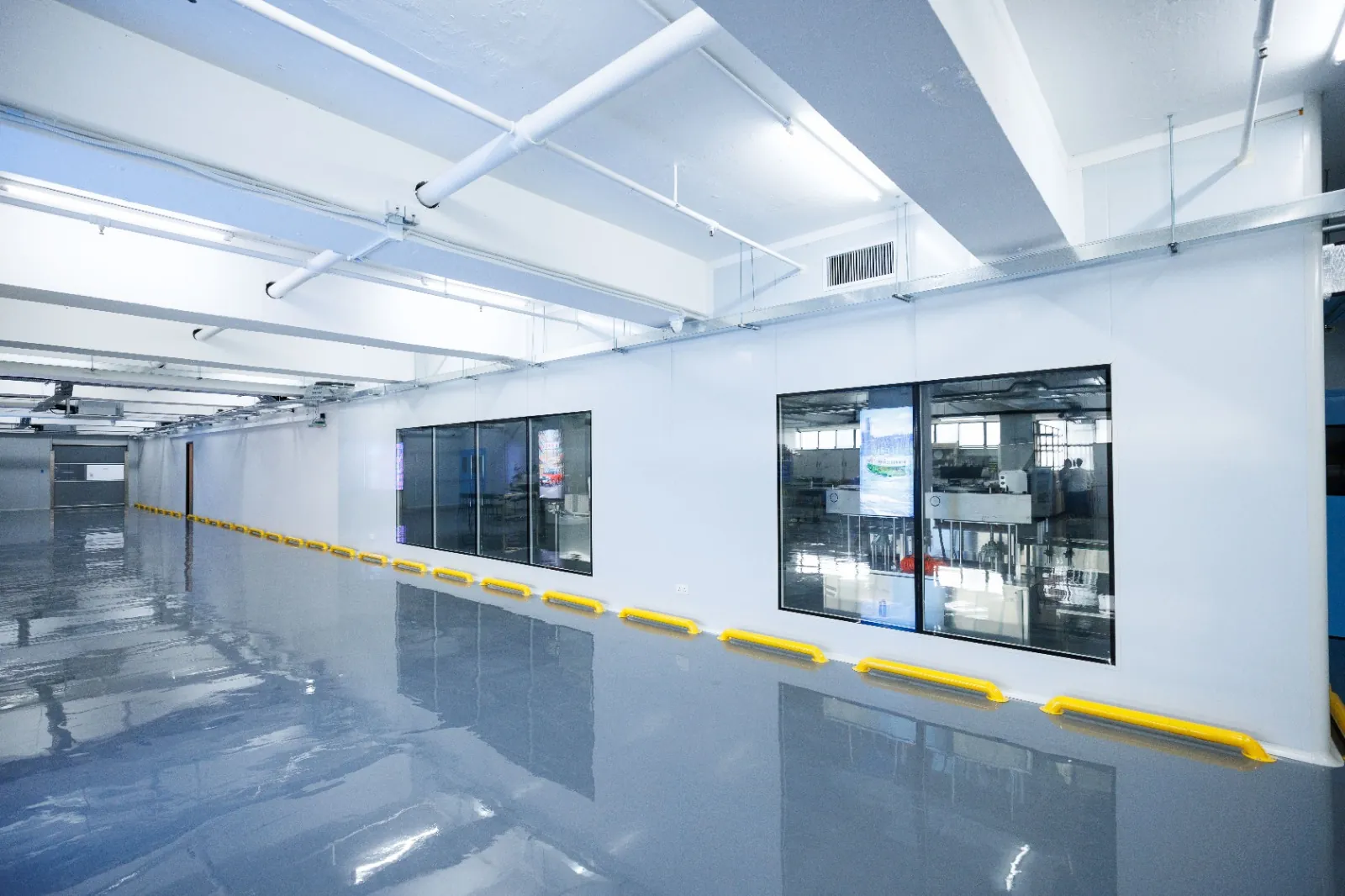
Inside the Easy Health Hong Kong Facility
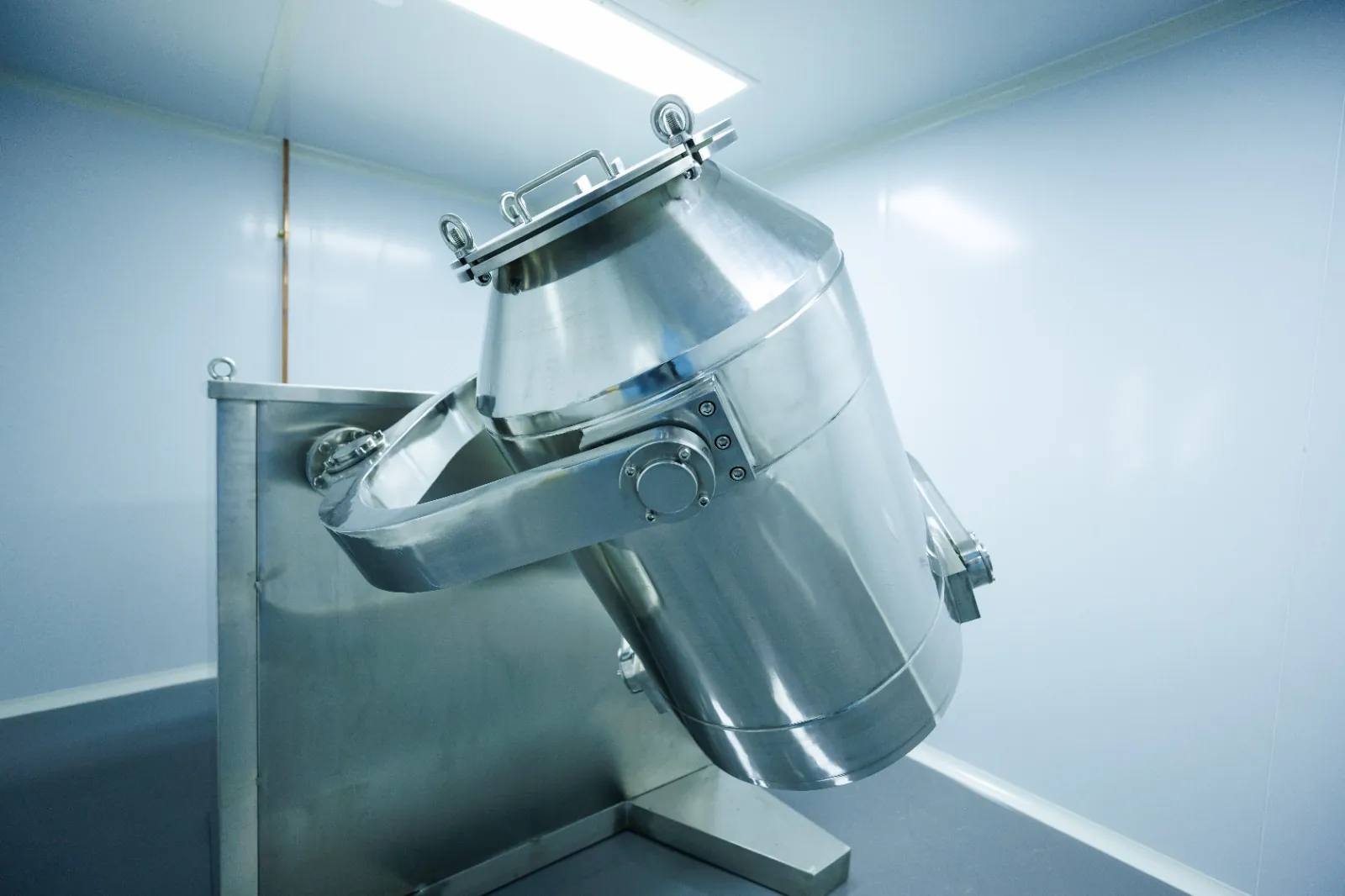
Dosage forms and packaging structure essentials
| Dosage form | Common packs | Barrier/light | Use case/notes |
|---|---|---|---|
| Tablets/capsules | Bottles, blisters, sticks | Moisture first; light if needed | Bottles at home; sticks/blisters on‑the‑go |
| Softgels | Amber bottles, blisters | Light block + mid‑high barrier | Oil‑based forms are sensitive |
| Gummies | PET/PP bottles, foil pouches | Mid barrier + moisture control | Manage clumping and headspace |
| Powders | Foil pouches, canisters | High barrier + moisture | Plan for caking risk |
| Liquids | Glass/PP bottles + carton | Amber or opaque label if needed | Seal integrity and ship safety |
For exports, verify labelling with local authorities or advisors.
Dosage-form packaging checklist
- Have light, oxygen and moisture sensitivities been quantified?
- Does the chosen structure fit real use scenarios?
- Are desiccant, induction seal and tamper features specified?
- Does the label reserve space for HK “1+7” nutrition?
- Can the carton carry mandatory and multilingual copy?
- Have seal strength and easy‑tear been tested for pouches/sticks?
Vitamin packaging design FAQs
What should be reviewed during packaging sampling?
Typically: seal strength, tear performance, scuff resistance, indicative film thickness and WVTR references, desiccant effectiveness in bottles, and blister forming/cutting accuracy. Light shielding and stacking checks may be added. Your customer manager will confirm the exact test set.
What Hong Kong labelling points should be checked?
Follow Cap.132W and the “1+7” nutrition scheme, covering mandatory particulars such as ingredients, net quantity, directions and nutrition information. If Traditional Chinese medicine components are involved, note Cap.549. For Mainland China, refer to GB 7718 and GB 28050. We can coordinate layout and verification.
How to choose bottle material and colour?
Prioritise barrier and light needs: light‑sensitive products like lutein benefit from amber bottles or low‑transmittance labels; common vitamins suit PET/PP with desiccant and induction seals. Also assess neck size, gloved access and carton fit.
Which dosage forms fit sticks or sachets?
Ideal for portability and single servings: powders, granules and daily units of tablets/capsules. Use foil laminates or mid‑high barrier films; validate easy‑tear orientation and heat‑seal settings. Consolidate full information on the outer carton if needed.
How to select blister materials?
PVC suits many tablets; for lower moisture ingress choose PVDC or ACLAR, paired with aluminium lidding. Review die‑cut layouts and carton fit to reduce transit vibration.
Related Packaging Services
Talk to our team about your dosage-form packaging
Easy Health operates from Hong Kong, with project work coordinated locally. Any applicable certificates and production/food‑safety documentation (e.g., FSSC 22000 or GMP‑related materials) can be checked for scope and validity during onboarding. We support supplement OEM/ODM, packaging design, label and carton development, and coordination of bottles/pouches/sticks/blisters. Sampling and packaging production can be coordinated. Contact us on WhatsApp for project‑by‑project assessment and confirmation.
Last updated: