
How to choose supplement packaging materials: a practical guide

Key Takeaways (TL;DR)
The choice of health supplement packaging materials directly affects product stability and consumer trust. By explaining the core differences between pharmaceutical-grade and food-grade packaging, this guide provides brand owners with scientific selection criteria.
The choice of health supplement packaging materials directly affects product stability and consumer trust. By explaining the core differences between pharmaceutical-grade and food-grade packaging, this guide provides brand owners with scientific selection criteria.

Why does supplement packaging material selection matter?
Health Supplement PackagingMaterials are not merely the product’s ‘outer layer’; they are crucial to ensuring product stability, safety and compliance. Incorrect material selection may lead to: degradation of active ingredients (e.g., probiotics losing viability when exposed to moisture); chemical reactions between packaging and contents (e.g., oxidation of vitamin C); failure to meet regulatory requirements in the target market (e.g., the EU’s restrictions on plasticisers). According to Hong Kong Department of Health statistics, in 2025 around 35% of supplement recalls due to packaging issues were related to improper material selection. As a professionalHealth Supplement Packaging CompanyEasy Health invests significant R&D resources in material selection to ensure each product uses the most suitable packaging solution. Choosing the rightPackaging CompanyThe material problem can be solved at the source.

How does food-contact packaging for supplements differ from pharmaceutical packaging?
Many branders are confused about the difference between "pharmaceutical grade" and "food grade" packages. The following is a systematic comparison of the following:Health Supplement PackagingWe suggest that high-end products with active ingredients (e.g. NMN, CoQ10) use drug-grade packages, and more highly qualified products, such as vitamins, minerals, etc., use food-grade packages to control Project Considerations.
| Topic | Key Summary |
|---|---|
| Why is the Choice of Supplement Packaging Materials So Critical? | Health supplement packaging materials are not merely the product’s "outerwear" — they are central to ensuring product stability, safety and regulatory compliance. Choosing the wrong materials can lead to: degradation of active ingredients (. |
| Pharmaceutical-Grade vs Food-Grade Packaging: Core Differences | Many brand owners are unclear about the distinction between "pharmaceutical-grade" and "food-grade" packaging materials. Below is a systematic comparison of the two: | Comparison dimension | Pharmaceutical-grade packaging | Food. |
| Best package options for different formulations | Capsule format: HDPE bottle (high-density polyethylene) is the mainstream choice for capsule supplement packaging, offering excellent moisture resistance and chemical stability. It is recommended to include a desiccant and cotton inside the bottle. |
| Packaging supply-chain management and efficiency optimisation | When selecting a supplement packaging company, its packaging-material supply chain management directly affects your Project Considerations and lead times. Top Hong Kong packaging firms typically have: a stable network of packaging-material suppliers (at least. |
Common packaging material options by supplement format
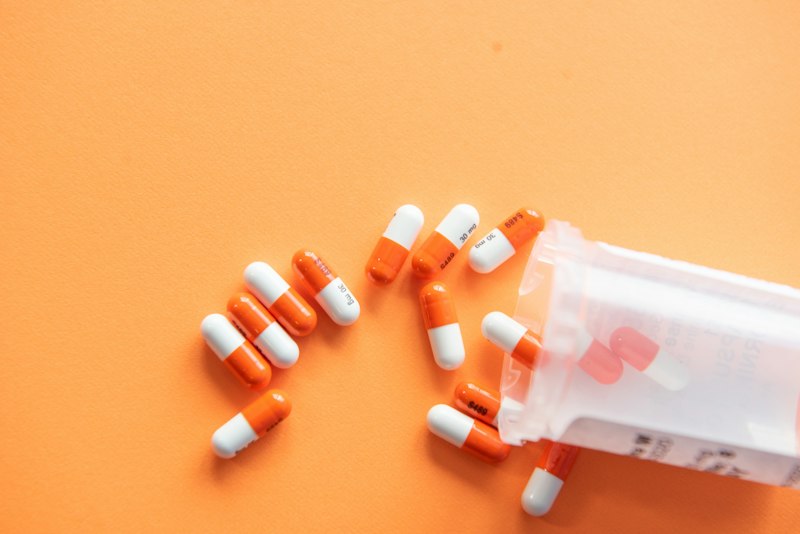
The capsule type: HDPE bottles are capsulesHealth Supplement PackagingMainstream choice, well-prepared for damp and chemical stability. It is recommended to add dryers and cotton to the bottle. High-end products may be covered with dark glass bottles (which are more luminous) or oscillates (separate seals). Tablet: Similar to capsules, but with additional consideration for the brittle size of the tablet. PTP packaging is the ideal option for a tablet, each of which is sealed independently and is best protected from oxidation. Powder type: Powder bags (triple floor: PET/AL/PE) are powderHealth food packagingThe first option, a nitrogen-filled seal, could further prolong the security period. Liquid formulations: Glass or PET bottles are sealed in conjunction with the seal, and oral fluids are recommended for preservation with brown glass bottles.
Need a Professional Manufacturing Solution?
Complimentary project consultation with dedicated follow-up based on your product needs. Small-batch sampling is available, and production batch sizes are confirmed per project.

What packaging coordination factors should you check?
SelectionHealth Supplement Packaging CompanyAt the time, its supply chain management capacity directly affects your Project Considerations and timing. Excellent.Hong Kong Packaging CompanyIt is usually prepared: a stable package of commercial networks (at least 2-3 candidates), bulk purchasing bargaining power, and a rigorous selection process. 1. Standardized bottles - Standardized bottles using generic models are 40-60% cheaper than customized bottles. 2. Merger of purchases — multiple products using the same standard of bottlers and caps to increase purchases at lower Project Terms. 3. National Alternatives - Some non-critical packages (e.g., outer boxes, notes) can use national alternatives to imports. Long-term contracts — andPackaging CompanyAn annual framework agreement was signed to lock the Project Terms of materials to avoid a wave.

What regulations apply to food-contact packaging for supplements?
Different markets.Health Supplement PackagingThe material has different legal requirements. Hong Kong Market: To comply with the provisions of the Public Health and Municipal Ordinance on access to food materials, please refer to the FDA 21 CFR criteria. Inland market: Standards for the use of food contact materials and additives and the GB 4806 series must be met. EU Markets: Subject to EC 1935/2004 Framework Law and specific material law (e.g. plastic EU 10/2011). Professional.Health Supplement Packaging CompanyDuring material selection, review the legal requirements of the target market to avoid post‑production export or market‑placement issues. For each project, relevant food‑contact packaging rules in the intended jurisdictions should be checked before finalising specifications.Health food packagingThe law ensures that your product meets the target market requirements from the design stage.

Packaging material trends to watch
Trends I: Degradable material - Bio-based materials such as PLA (polylic acid) and PBS (polybutadiol ester) presentHealth Supplement PackagingThere is a growing number of applications, especially for European and Japanese markets. Trend two: Smart packaging – temperature indicator tags, NFC anti-fake chips and electro-ink preservation periods show entering the high-end supplement markets. The trend is three: reduction design – environmental programmes such as paper-formulated bottles, mackerel boxes and regenerative PET are getting more and more branded. The fourth trend is that functional packages - active packages with anti-bacterial, anti-oxidizing, anti-exposure, anti-decomposition, are beginning to take place.Health food packagingThese are emerging directions in packaging; assess feasibility and regulatory fit for your target markets before adoption.Hong Kong Packaging CompanyIt'll keep your brand up for innovation.
Article Recap
- Why is the Choice of Supplement Packaging Materials So Critical?
- Pharmaceutical-Grade vs Food-Grade Packaging: Core Differences
- Best package options for different formulations
- Packaging supply-chain management and efficiency optimisation
- Key Regulations Governing Supplement Packaging Materials
Easy Health Editorial Team
Easy Health — a Hong Kong‑based health‑supplement manufacturer providing OEM/ODM, formulation development and packaging services. Where projects require specific food safety management credentials (e.g. FSSC 22000 scope), documentation checks can be arranged.
Evidence used for product planning should identify the original study or guidance, its scope and its limitations. Review proposed product claims separately before approving label copy.
Supplement packaging material selection FAQs
How Much More Does Pharmaceutical-Grade Packaging Project Considerations Than Food-Grade Packaging?
The average Project Considerations is 30-80 per cent, depending on the type of specific material. The HDPE drug-grade bottle is about 30 per cent more expensive than the food-grade bottle; the difference is about 50 per cent for the poached bag; the difference is about 20 per cent for the glass bottle.
How to verify the quality of the package suppliers?
Supplyers are required to provide: material inspection reports (a third party such as SGS/Intertek), production permits, GMP or ISO certification, migration testing reports. A professional health supplement package company will complete a vendor review for you.
Can a small batch order be drug-graded?
Yes, but the overall commitment will be higher. We recommend starting with standard pharma-grade sizes (e.g., 100 ml/150 ml HDPE bottles) to avoid the additional commitment of custom moulds. Easy Health holds a range of standard pharma-grade packaging in stock, available even for small batches.
What's the quality of the bag?
Unopened packages typically have a quality security period of 2-3 years (to be saved under appropriate conditions). An open package should be used in six months. A professional health supplement package company will carefully manage first-in-first-out storage (FIFO).
Want to know more about contract manufacturing?
Our professional team will provide you with free counselling at any time.
Free WhatsApp Consultation