Folding cartons for supplements and rigid boxes
Folding cartons emphasise efficiency and automation; rigid boxes deliver structural stability and premium presence. In Hong Kong, Easy Health coordinates board selection, die-cut and creasing, lamination and hand assembly, with tailored inserts and tamper seals for bottles, pouches and sticks. Each project is individually assessed by a client manager; timelines vary by project.
Summary:Solve outer-box pairing for bottles, sachets and stick packs. The page compares folding cartons and rigid boxes, covering materials, structures, inserts, labeling and printing compliance, plus transport and storage, with OEM/ODM and packaging coordination supported by GMP-standard and FSSC 22000 workflows.
Should your supplement pack use a folding carton or a rigid box?
Choose folding cartons when automation and logistics efficiency matter and the pack is lighter (sticks, sachets, plastic bottles). Opt for rigid boxes for premium display, heavier glass sets or gifting. Evaluate: net weight and drop risk, insert needs (pulp, EVA, corrugated), finishes (matt film, foil, UV), compliant label visibility, and tamper evidence. Our client manager will assess with your samples and load conditions.
Use cases and trade-offs in supplement box packaging
Folding cartons suit standard sizes and automated gluing/packing lines, ideal for sticks, sachets and lightweight bottles with efficient stacking and display. Rigid boxes are wrapped greyboard structures with superior compression and flatness—favoured for glass bottles, sets and gifting, and for adding magnets or ribbons. Decide by reviewing load and desired drop performance, shelf height and facing, one-hand vs two-hand opening, ease of disassembly for recycling, and pallet stacking and shipper planning.
- Lightweight + automation: folding carton
- Premium + heavy load: rigid box
- Unboxing feel: pull force and seal design
- Recyclability: fewer mixed materials is better
Materials and structures: boards, inserts and protection
Folding cartons typically use SBS/GC boards; grammage and grain affect stiffness and gluing stability. Rigid boxes use wrapped greyboard; thickness drives compression strength and surface flatness. Inserts include pulp, corrugated, EVA, EPE or hybrids—balance cushioning, tolerances and recyclability. For bottles, review shoulder/base load and anti-wobble gaps; for sticks/sachets, consider bundle orientation and ease of retrieval. Easy Health coordinates die-cut/creasing, wrapping and hand assembly, with mock-ups to verify fit and display.
- Cartons: mind grain direction and crease depth
- Rigid: greyboard thickness and wrap accuracy
- Inserts: cushion vs recyclability
- Prototype first to validate tolerances
Visual guide: from die-cutting to assembly
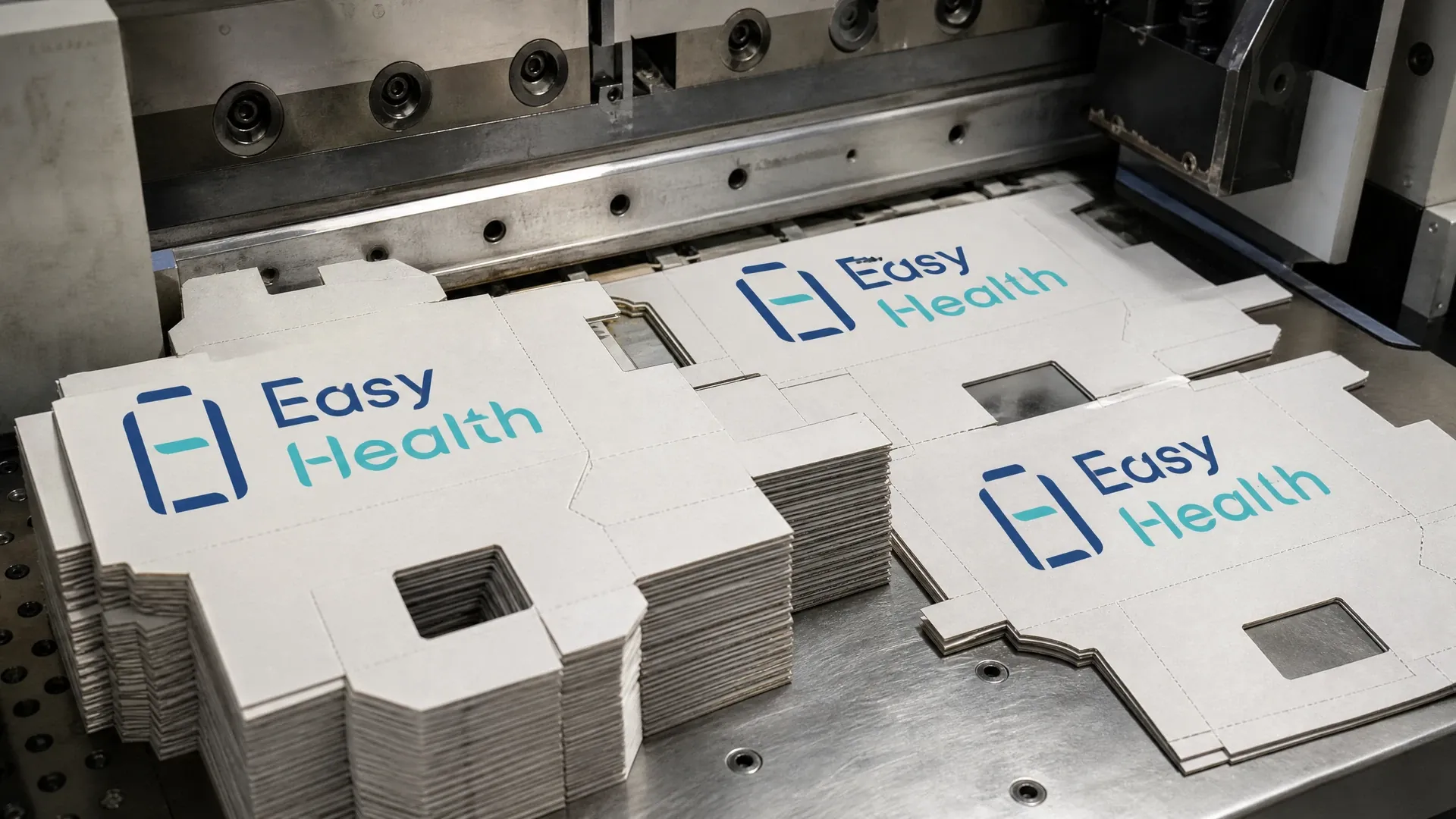
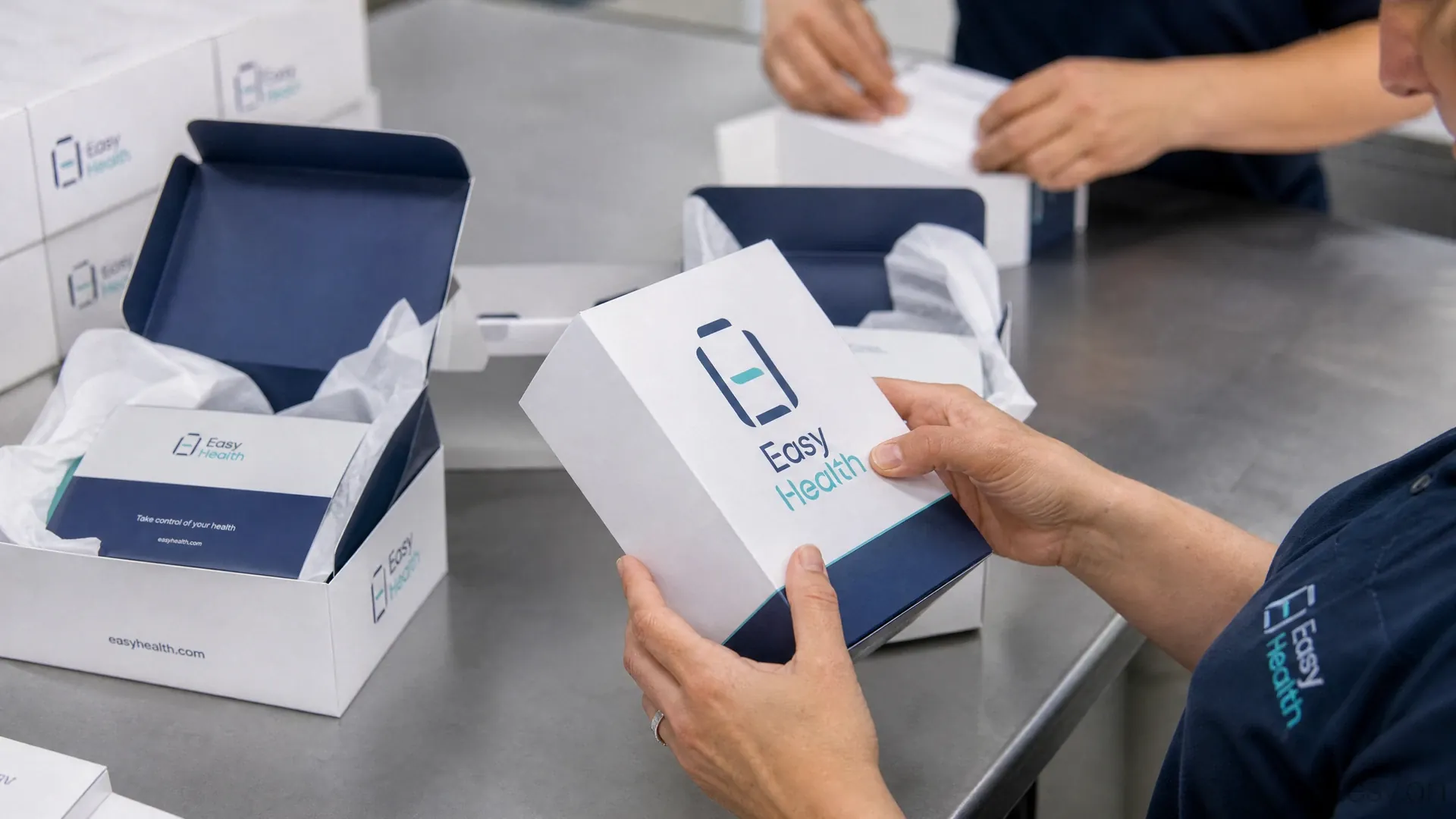
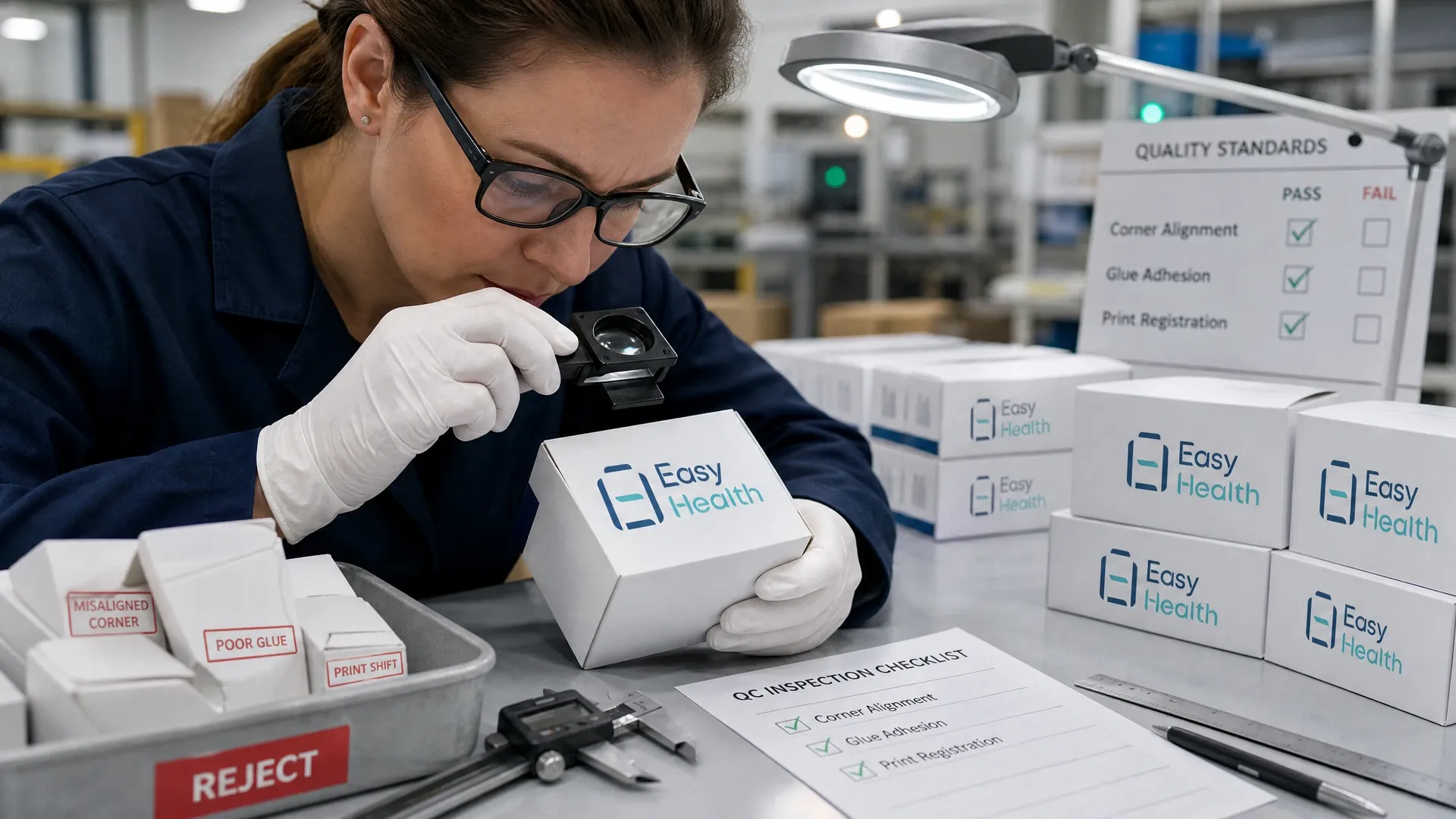
See how automated folding-gluing runs, how precise die-cut and creasing affect assembly, how hand-wrapped premium boxes are cornered and laminated, and how QC validates appearance, legibility and seals. These checkpoints define the look and durability of folding cartons and rigid boxes.

Printing and labelling: readability and market checks
Plan legal panels and font sizes per market. In Hong Kong follow Cap.132W and the “1+7” nutrition scheme; for Chinese herbal medicines refer to Cap.549. For Mainland China, arrange details per GB 7718 and GB 28050. Practical tips: do not place critical text over creases or seals; reserve QR/serial areas; test how matt film, foil, UV and embossing affect scanability. Easy Health coordinates labels and cartons with quality checks.
- Keep key data off creases/seals
- Reserve QR/serial real estate
- Validate scanability after finishing
- Confirm content per sales market
Packing coordination: automation, handwork and QC checks
For folding cartons, focus on automated gluing and forming accuracy; glue flaps and locks must fit the packing line. For rigid boxes, wrapping alignment and corner quality are critical; set handwork QC checkpoints to prevent bubbling and cracked edges. Both require precise die-cut/crease for repeatability, with real-fill tests for loading speed, seal completion and tamper-label placement. Easy Health in Hong Kong coordinates prototyping, material and print suppliers, hand assembly and QC, plus inserts, labelling and packing sequence as required.
- Carton: glue seam strength + line compatibility
- Rigid: wrap alignment and corner finish
- Accurate die/crease for smooth assembly
- Real-fill tests before kitting
Workflow for folding carton and rigid box projects
- Needs and sample review:Confirm contents, weight and logistics path; provide samples or dimensions for individual assessment by our client manager.
- Dieline and structure:Provide or refine dielines; plan glue seams, locks and tamper labels; allocate legal panels.
- Material and finish:Recommend board caliper and insert type; test matt film, foil and UV for legibility and rub resistance.
- Prototyping and fit test:Produce white/printed mock-ups to verify tolerances, loading flow and stacking stability.
- Print and material coordination:Coordinate print and material supply with QC checkpoints and retains; timeline varies by project.
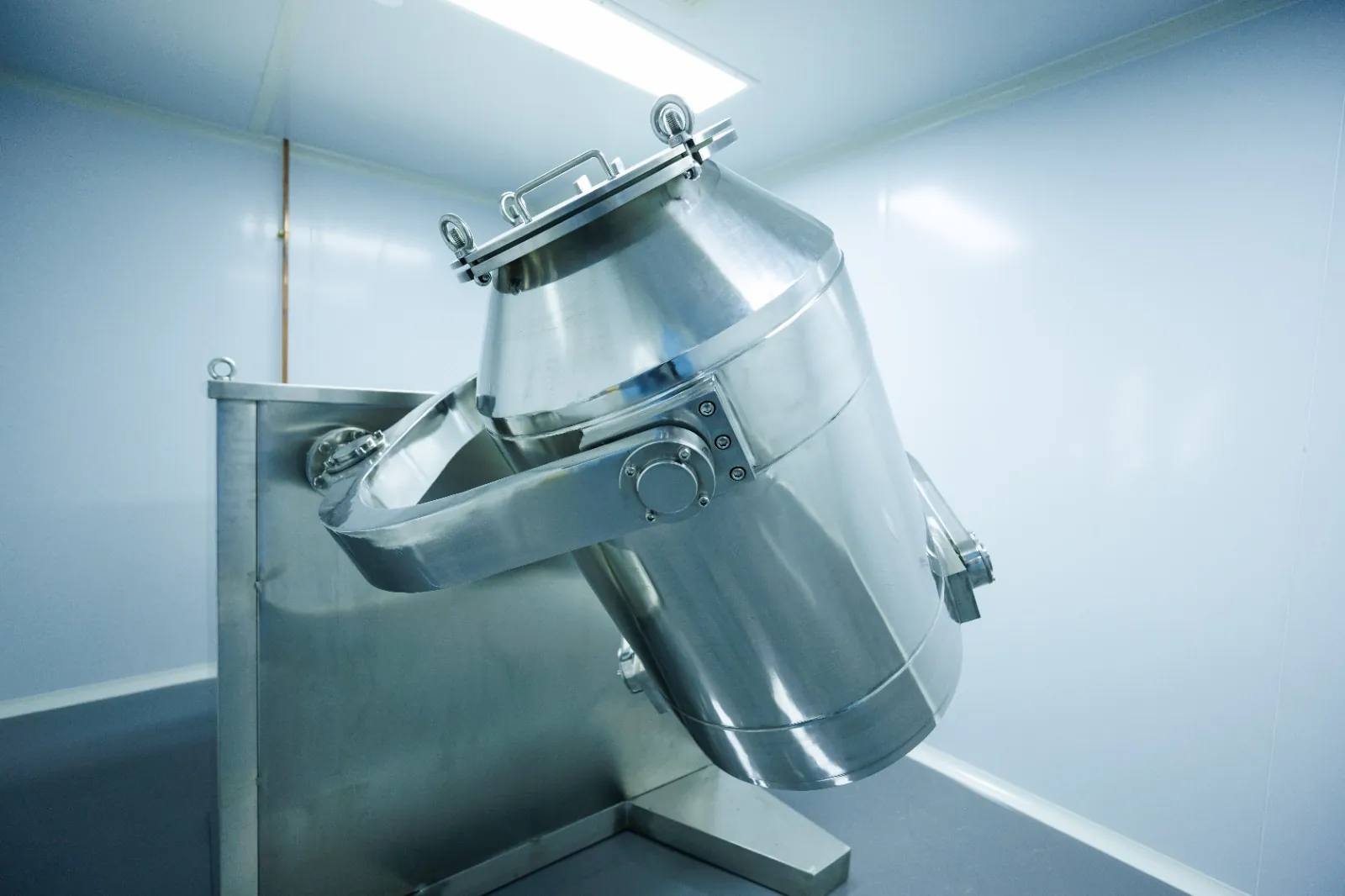
Inside the Easy Health Hong Kong Facility


Structure and use comparison
| Need focus | Structural traits | Typical inserts | Suitable products |
|---|---|---|---|
| Automation/efficiency | Cartonboard with glued seams | Pulp, light corrugated | Sticks, sachets, light bottles |
| Premium/heavy load | Wrapped greyboard, high compression | EVA, EPE, heavy corrugated | Glass bottles, sets, gifting |
| Display/finishes | Foil, UV, embossing options | Design-dependent | Launch packs, enhanced facing |
| Recycling/disassembly | Fewer materials recycle better | Pulp/paper inserts preferred | Recycling-led markets |
This table is a general guide. Final solutions are confirmed case by case by our client manager.
Checklist before confirming a carton or premium box project
- Confirm legal text size and placement per market; keep off fold lines.
- Provide product samples to test drop performance and anti-wobble gaps.
- Define seals or tamper labels and plan the opening path.
- Choose board caliper and insert material with recyclability in mind.
- Confirm QR/serial location and scanning angle.
- Request white or printed mock-ups to verify tolerances and display.
Carton and premium box packaging FAQs
What board grammage or thickness should I use for folding cartons?
It depends on size, load and stacking. We evaluate grain direction, crease depth and glue flap width to ensure forming and line compatibility. Provide a sample or simulated weight for prototyping; our client manager will confirm case by case.
How should cracked corners on rigid boxes be managed?
Optimise greyboard thickness, wrap width and grain direction of wrap paper; control adhesive application and drying. For dark matt films, run rub tests. Add in-process QC to catch bubbling or tearing. Easy Health coordinates wrapping and hand-assembly quality checks.
How do I align carton and label content with Hong Kong and Mainland China requirements?
In Hong Kong refer to Cap.132W and the “1+7” nutrition scheme; for Mainland China follow GB 7718 and GB 28050. Reserve sufficient font sizes and clear panels, avoiding folds and seals. Please verify details with your legal team or local authorities.
Can you provide white or printed mock-ups for fit tests?
Yes. We can produce white prototypes to validate structure and tolerances, followed by printed samples to assess line run and code legibility. Timelines vary by project and will be confirmed by our client manager.
What should I consider for storage and transport?
Control temperature and humidity to prevent warping; set shipper stack heights according to compression and route vibration. For rigid boxes, protect corners and consider anti-scratch films. Simulated stacking and drop tests help validate insert cushioning and seal integrity.
Related Packaging Services
Discuss folding cartons for supplements or rigid boxes
Whether you need automated folding cartons or high-support rigid boxes, Easy Health coordinates dielines, boards, printing, inserts and assembly in Hong Kong for supplements OEM/ODM projects. Project documentation can include certificate scope and document checks (e.g. FSSC 22000 where relevant) and labelling references. Contact our client manager on WhatsApp for a project-specific assessment and recommendations.
Last updated: