Health Supplement Export Labelling
This page focuses on export labels for dietary supplements to Mainland China: from regulatory essentials to materials and labelling methods, turning compliance content into production-ready Chinese labels. Easy Health operates in Hong Kong with GMP-standard facilities, FSSC 22000 certified food safety system, and dedicated project-by-project evaluation by an account manager.
Summary:This page guides compliant export labeling for dietary supplements to Mainland China: aligning with GB 7718/GB 28050, covering ingredients, nutrition, storage, and importer details, and addressing general trade vs. CBEC differences. Easy Health coordinates review, prototyping, and labeling in Hong Kong.
What must be shown on export labels for supplements to China?
Typically: product name and food category, net content with units, ingredients in descending order, allergens, directions and storage, date format (YYYY/MM/DD), batch/lot, nutrition information per GB 28050, manufacturer and Mainland importer details, origin statement, and necessary cautions. Actual requirements vary by product nature and customs route. Have our account manager coordinate a pre-design review and prototype to verify readability and label placement.
Scope and positioning of export labels
“Export labels for supplements” refers to Chinese on-pack information designed for the Mainland China market, adapted to the sales channel and customs route. For general trade, mandatory items must appear on the container or pack; for CBEC, front-end listing info, in-pack labels, and inspection focus may differ. Define product form (capsule, tablet, powder, liquid), pack type (bottle, pouch, stick, blister), smallest sales unit, and whether to harmonise with existing Hong Kong packs. Easy Health coordinates content review, Chinese terminology alignment, readability tests (font weight/size), and arranges label prototyping and production in Hong Kong.
- Confirm customs route and channel
- Fix smallest sales unit before layout
- Align bilingual terminology first
- Reserve area for batch/date coding
Mainland labelling essentials (GB 7718 / GB 28050)
As design and review references, use GB 7718 (General Standard for the Labelling of Pre-packaged Foods) and GB 28050 (Nutrition Labelling) as the baseline: descending ingredient order, allergen indication, standardised units, origin statement, consistent date and batch formats; nutrition panel presented with required items and tabular style. If packs are shared with Hong Kong retail, also check HK Cap.132W and the “1+7” scheme and harmonise layouts. If your product falls under the Chinese Medicine Ordinance (Cap.549), separate considerations may apply. Applicability depends on product attributes and regulatory interpretation.
- State ingredients/allergens clearly
- Use GB 28050 structure for nutrition
- Apply YYYY/MM/DD date format
- Ensure proper units and legible sizing
Visuals: checkpoints from review to labelling
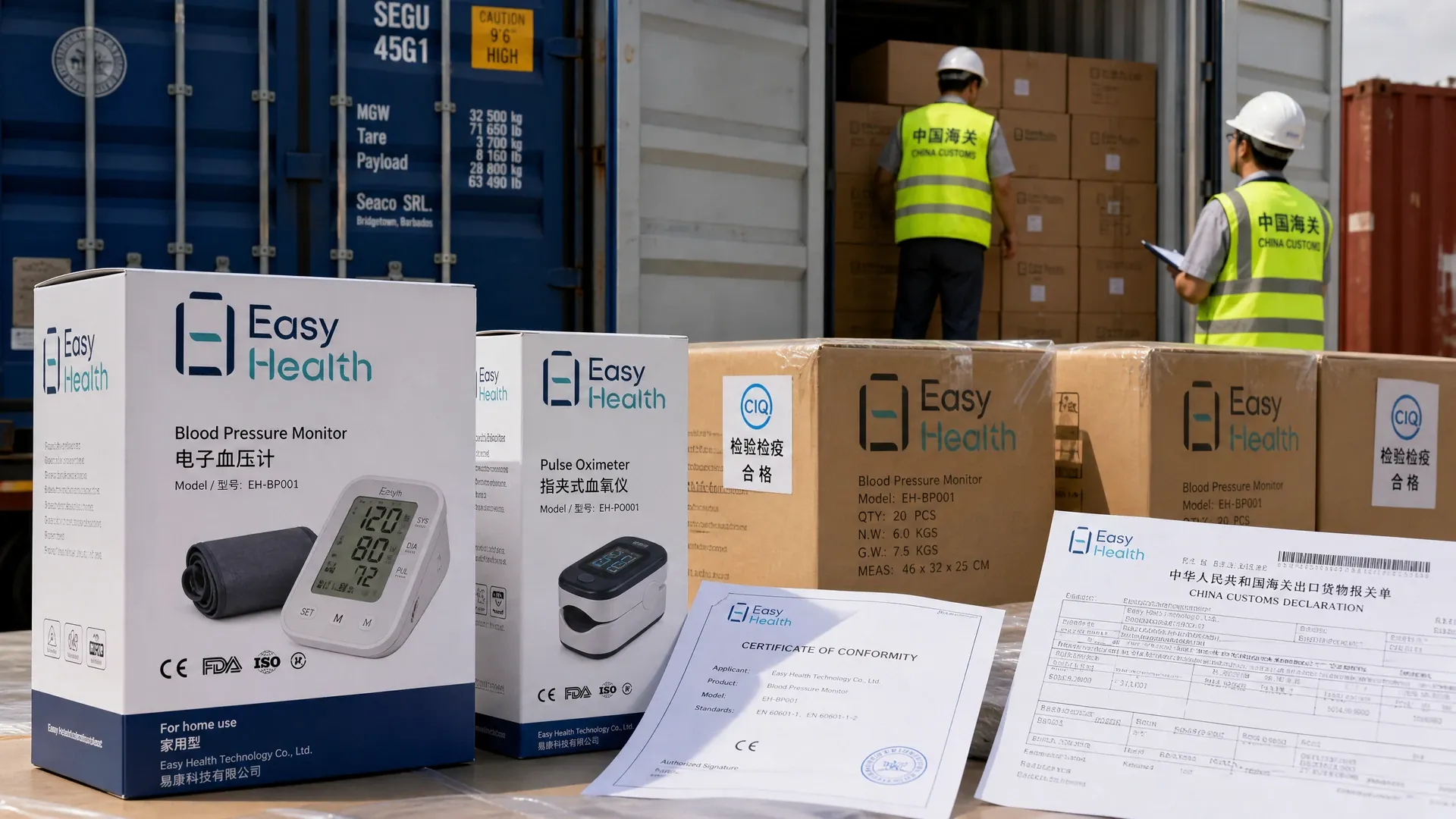
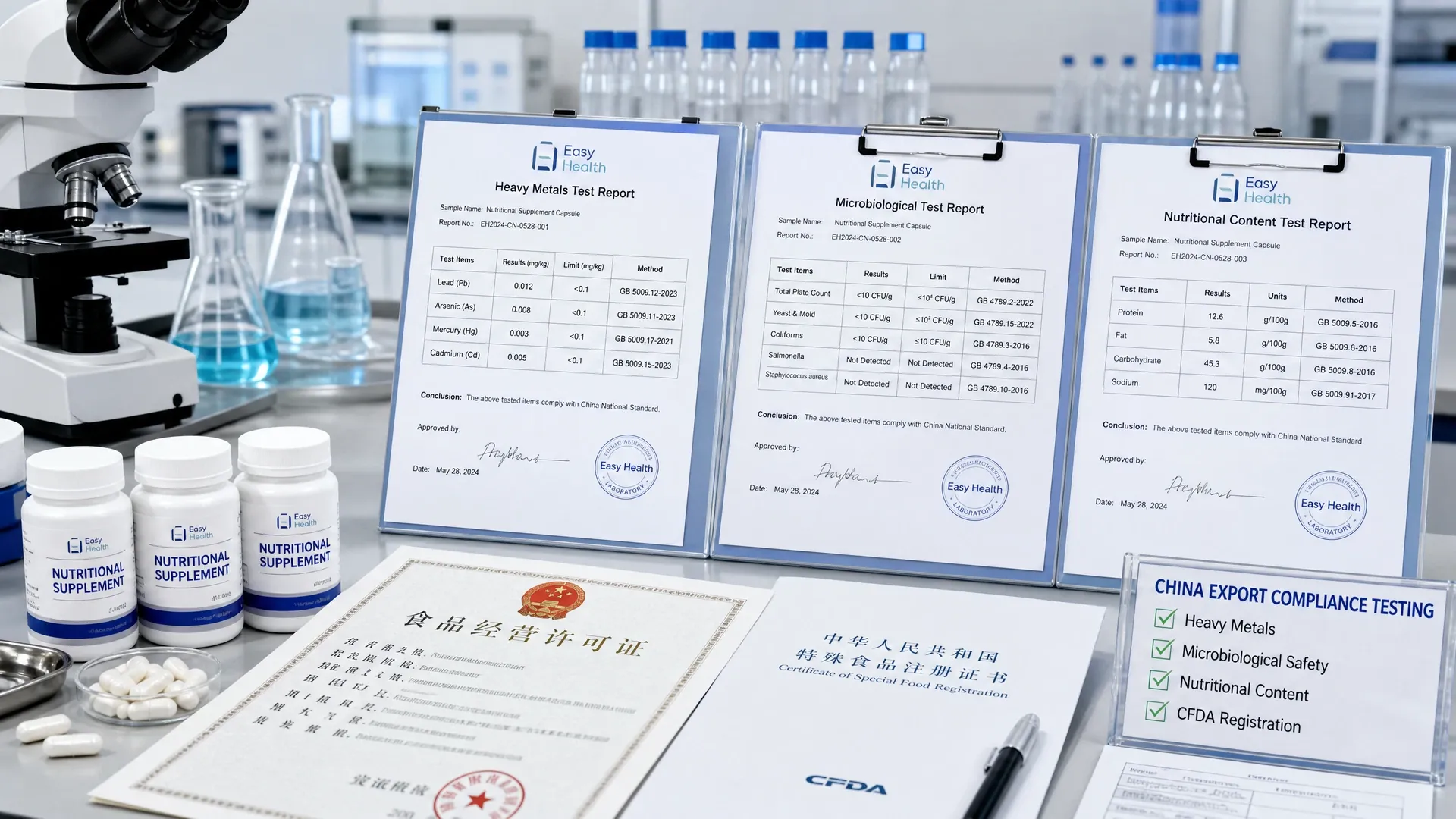
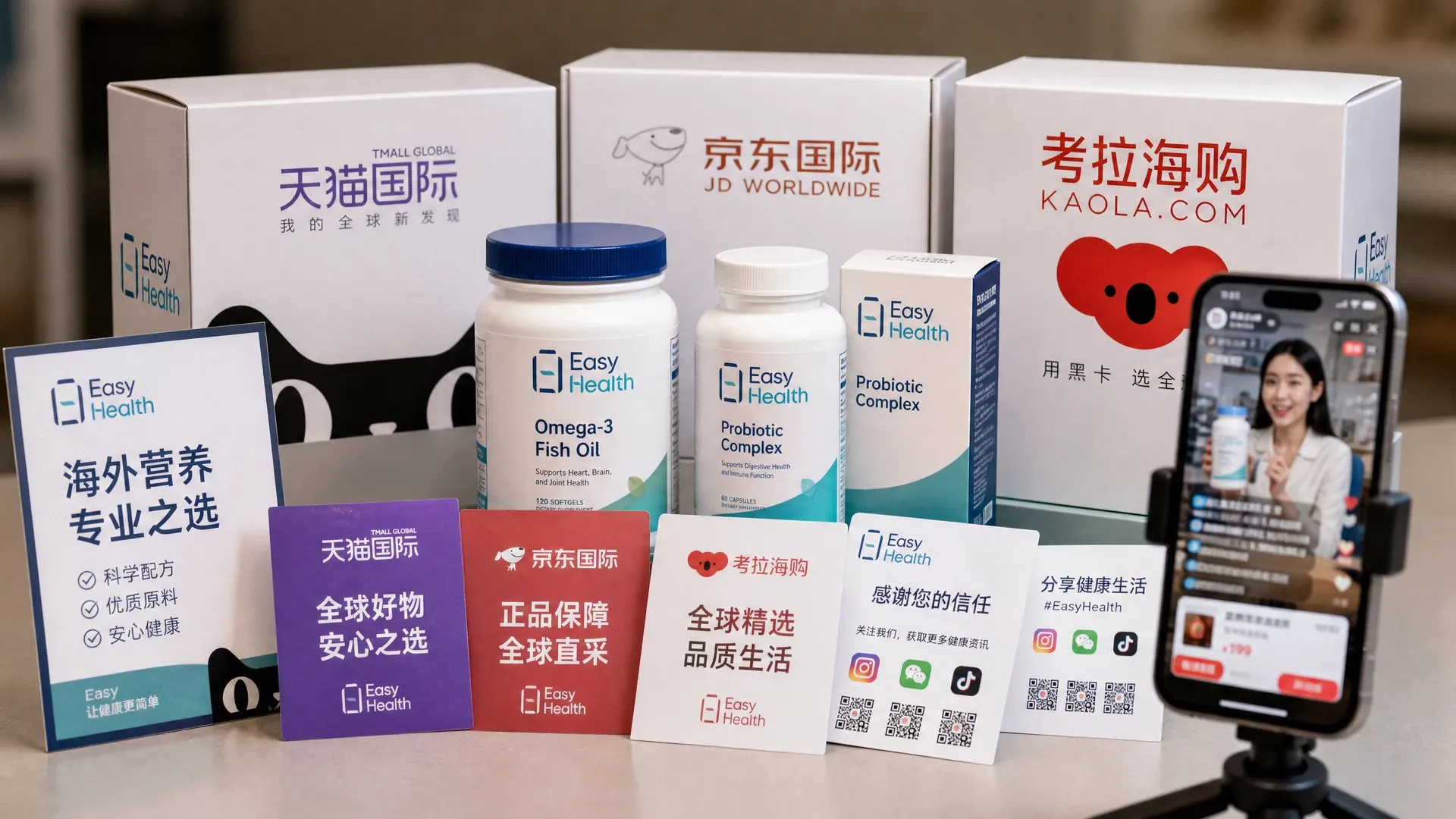
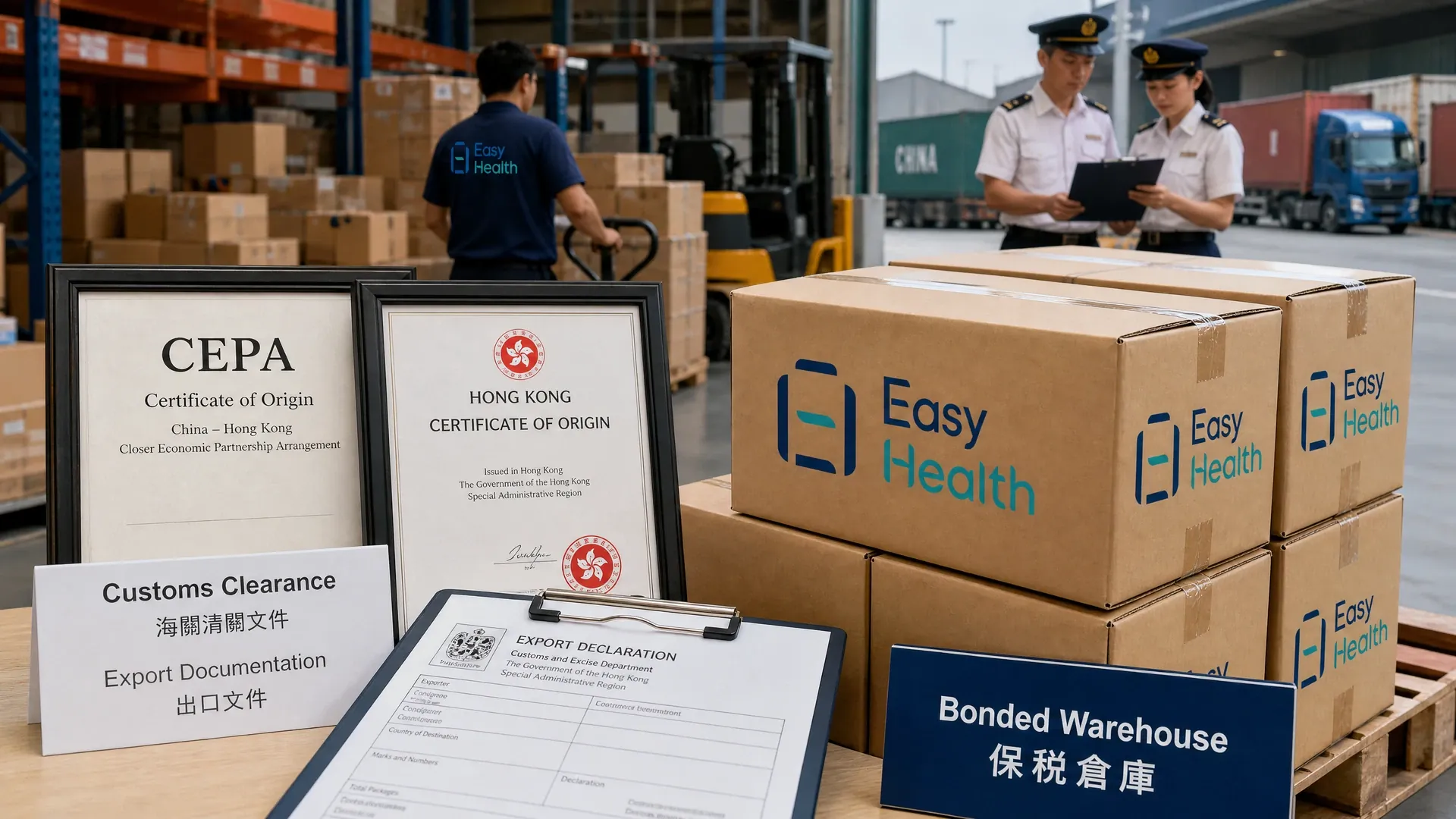
The visuals illustrate: distribution of mandatory items on each panel, font size/contrast examples, lot/expiry coding positions, high-risk areas prone to seals/folds, and CBEC front-end info versus on-pack stickers for reference.
CBEC vs general trade labelling handling
CBEC and general trade can differ in label presentation and inspection focus, such as front-end listing info, on-pack Chinese stickers, and importer details; practices may vary by port. Before launch, our account manager can coordinate layered information by customs route, distinguishing e-commerce pages, shipper/carton, and retail unit elements, with reserved areas for adjustable Chinese stickers. For export labels, we prototype in small runs to check readability, code space, and whether seals/folds obscure mandatory items, reducing inspection risks. Confirm specifics with relevant authorities or professional advisors.
- Layer info by customs route
- Reserve label/QR-code space
- Prototype before mass run
- Port practices may differ
Design to production: materials, structure, labelling
Beyond content, materials and structure matter. Bottles typically use paper or synthetic labels—check adhesion and moisture resistance; pouches and sticks must keep seal areas clear of mandatory items and reserve windows for lot/date coding; blister plus card should retain key info after opening. For chilled or humid conditions, use water/scratch-resistant coatings; if secondary Chinese stickers are used, design flat zones for accurate placement. Easy Health coordinates material supply, print scheduling, and prototyping, and completes labelling and packaging orchestration in Hong Kong.
- Match material to humidity/substrate
- Keep seals clear of mandatory info
- Reserve lot/expiry coding window
- Flat zones for label placement
How the process moves
- Scope and customs route:Clarify product form, channel, and customs route; define the smallest sales unit and labelling strategy.
- Content review vs standards:Map content to GB 7718/GB 28050 and relevant HK rules; align terminology and units.
- Artwork and readability:Create bilingual layouts, test font size/contrast, and reserve areas for coding/QR.
- Prototype and lab test:Produce material samples and trial labelling to check seal interference and adhesion.
- Print and material coordination:Coordinate materials and print scheduling; confirm press parameters and colour control.
Inside the Easy Health Hong Kong Facility



HK domestic vs Mainland export: label elements
| Item | HK common practice | Mainland export note | Watch-outs |
|---|---|---|---|
| Date format | DD/MM/YYYY or YYYY/MM/DD | Use YYYY/MM/DD | Keep consistent on shared packs |
| Nutrition panel | 1+7 scheme | GB 28050 table format | Use standard Chinese item names |
| Allergens | Within ingredients or separate | Must be clear | Keep clear of seals |
| Importer details | Not typical for HK-only | State name and address | May vary by trade/CBEC |
| Units | Mixed usage | Follow GB units | Match net content sizing |
If products fall under the Chinese Medicine Ordinance (Cap.549) or specific Mainland classifications, additional labelling rules may apply; confirm with relevant authorities or advisors.
Pre-shipment label self-check
- Generic name and food category clearly stated
- Ingredients in descending order with allergen disclosure
- Nutrition panel follows GB 28050 items and format
- Date and lot format shown as YYYY/MM/DD
- Mainland importer name and address visible
- Net content with correct units and legible sizing/contrast
Frequently Asked Questions
How should vitamins and minerals be ordered in the nutrition panel?
Start with GB 28050’s core items (e.g., energy, protein, fat, carbohydrate, sodium), then list additional vitamins and minerals using standard names and units. Keep a clear tabular layout with legible font size and spacing, and reserve room to avoid interference from stickers or seals.
How to adapt an existing HK pack for Mainland export?
Audit current mandatory items and readability. Address gaps via supplementary Chinese stickers where appropriate. Ensure seals/folds do not obscure required info and standardise date/lot formats. Easy Health can coordinate Chinese stickers, coding zones, small-batch prototypes, and labelling in Hong Kong.
Are CBEC and general trade labels necessarily different?
Presentation and inspection focus may differ, but specifics vary by category, port, and operations. Use GB 7718/GB 28050 as the baseline, then layer information by customs route and confirm details with relevant authorities or advisors.
What files and data are needed for prototyping?
Provide editable vector files (AI/PDF), fonts, CMYK values, spot colours, bleeds, and dielines. Include bilingual copy with unit tables. For QR or traceability codes, supply dimensions and quiet-zone specs for layout and label tests.
How should efficacy-related claims be handled?
Avoid medical or therapeutic claims; present compliant product attributes and usage guidance instead. If your product requires specific Mainland classification or filing, additional rules apply—confirm with local authorities or advisors. We can coordinate wording reviews during label design.
Related Packaging Services
Preparing export labels for Mainland China?
Message our Easy Health account manager on WhatsApp to discuss product details, key label elements, prototyping, and labelling orchestration. Timelines vary by project and will be confirmed by the manager.
Last updated: