Supplement packaging FAQ for design and format choices
Based in Hong Kong with our own facility, Easy Health coordinates supplement OEM/ODM, packaging design, labels and boxes, format selection (bottles/sachets/sticks/blisters), sampling and production coordination. Project controls follow GMP-related practices and recognised food-safety frameworks, with certificate scope and documents confirmed with relevant supply partners as required. This FAQ addresses your most common packaging decisions.
Summary:Your go-to FAQ on “what to watch in supplement packaging design”, “how to choose packaging”, and “how long packaging design takes”. Practical pointers on materials, barriers, structure, labelling, sampling and coordination. Each project is assessed and confirmed by an account manager.
My formula is set. Where should I start with packaging?
Define usage and logistics first (temperature, humidity, stacking, retail channel). Your account manager will assess suitable structures and barrier needs and confirm required labelling fields. Then we arrange sampling and functional checks (sealability, tearability, drop tests) while reviewing artwork and compliance. Timelines vary by project and are confirmed by the account manager.
What to consider in supplement packaging design: scenarios and risks
Work backwards from reality: is your product moisture-, oxygen-, light- or volatile-sensitive? Will the supply chain face warm warehouses, cold-chain breaks or long-haul transit? Are sales mainly e-commerce or stacked retail? These define bottle, pouch, stick, or blister selection and whether you need foil barriers, reinforced cartons, cushioning, or tamper-evidence. For labels, list statutory fields and brand messages first to avoid later rework. During sampling, validate opening experience, dosing convenience and reclosure. Each project is assessed and confirmed by an account manager.
- Define moisture/oxygen/light risks
- Map storage and transit conditions
- Pick structure and barrier layers
- Prioritise statutory label fields
How to choose supplement packaging: material and structure trade-offs
Different dosage forms demand different materials. Tablets/capsules often use bottles or blisters; powders/granules suit pouches or sticks; liquids may need chemically resistant bottles or unit sticks. Barrier stacks such as PET/AL/PE, NY/PE, or PP co-extrusions are chosen by oil, acidity and water activity. Cartons must balance stacking strength and shelf efficiency; inserts reduce transit movement. Label stocks (coated paper, PP synthetic, moisture-resistant films) and adhesives should match the container surface. Easy Health coordinates materials and print supply and oversees packaging production.
- Match format to dosage form
- Select barrier by sensitivities
- Balance carton strength/display
- Ensure label–surface compatibility
Visual guide: enquiry, samples and timeline planning
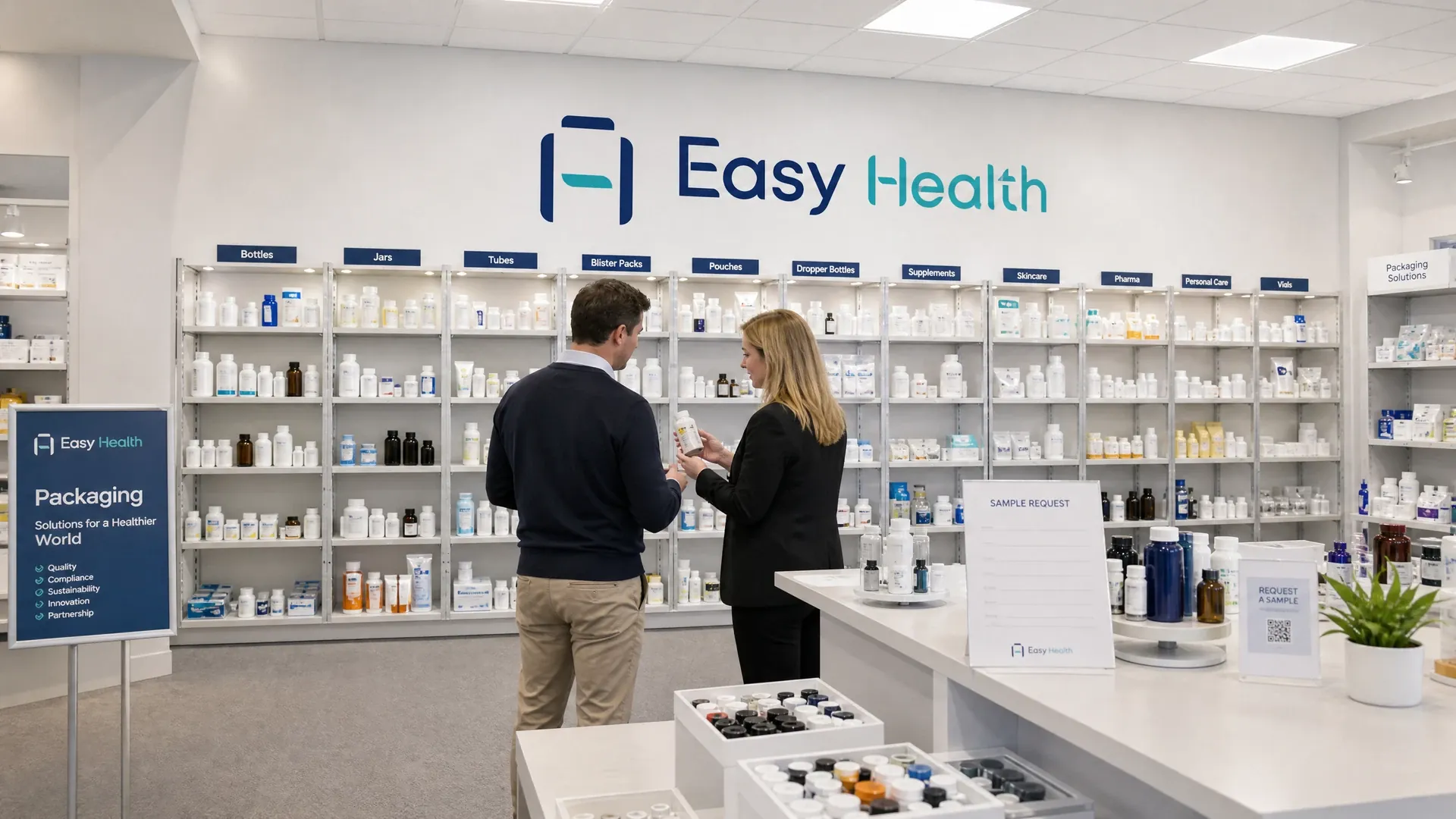
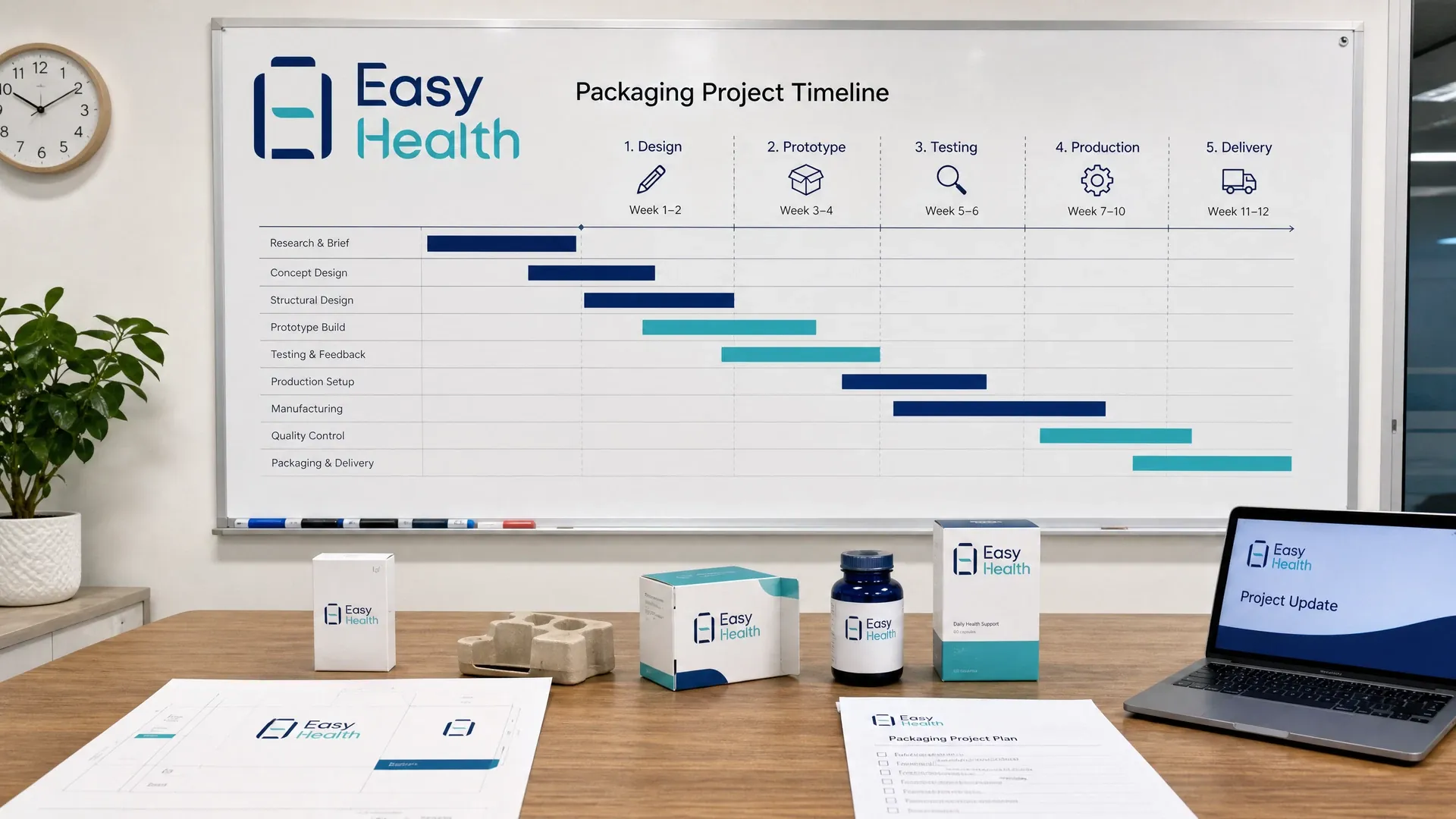
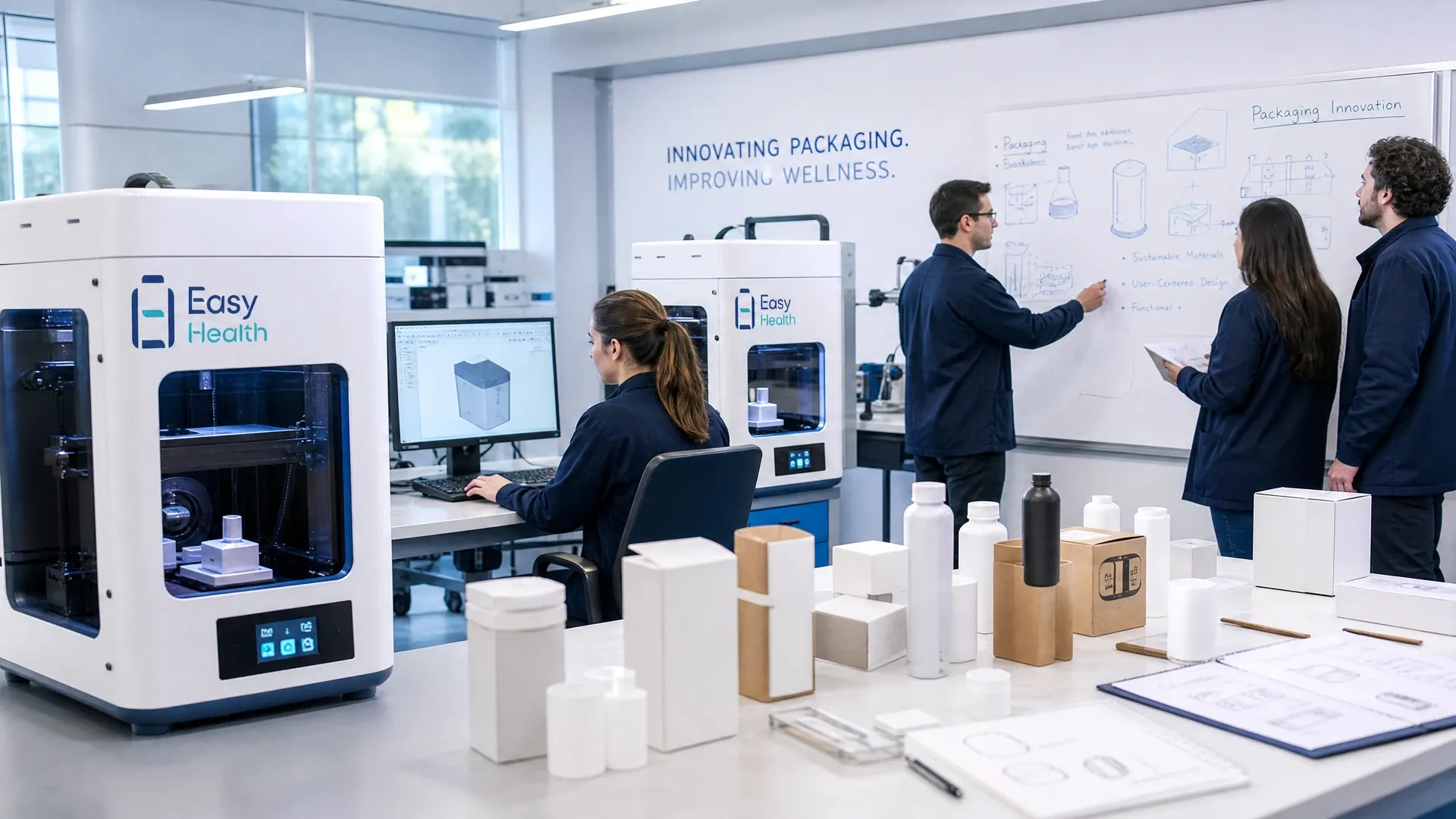
Images of our customer service hub, sample showroom, project timeline and innovation lab illustrate how we capture requirements, present common structures, plan milestones and validate new materials or barrier options—helping you benchmark your project quickly.

Regulatory and labelling checks before creative design
For Hong Kong, align with the Food and Drugs (Composition and Labelling) Regulations (Cap.132W) and the “1+7” nutrition labelling scheme; for proprietary Chinese medicine, refer to the Chinese Medicine Ordinance (Cap.549). For Mainland China, commonly consult GB 7718 and GB 28050. Markets vary on claims, font size, language, net content and allergen info. In artwork, first allocate statutory blocks: product name and ingredients, net content, directions/cautions, batch/expiry zone, nutrition/actives panel, and production/importer info. Reserve print areas for variable data and any code zones.
- Cross-check target-market rules
- Place “1+7” fields early
- Reserve batch/expiry zones
- Vet claims, fonts and language
Timing and sampling: how long does supplement packaging design take?
Timelines vary by project and are confirmed by the account manager. Typical stages include needs assessment, material/structure confirmation, sampling and functional tests, regulatory and artwork checks, coordination of packaging production, and intake. To shorten timelines: confirm sensitivities and markets early, supply complete copy and mandatory fields, prepare editable artwork (with bleed, swatches, font rights) to the dieline, and plan drop and seal tests early. Our Hong Kong-based team coordinates materials and print supply, with related operations overseen in our Hong Kong facility under GMP-related controls.
- Timeline confirmed by manager
- Complete copy/layout saves time
- Sample early and validate
- Run regulatory checks in parallel
Packaging collaboration workflow
- Scope and regulatory goals:Discuss markets, regulations, logistics and label languages with the account manager via WhatsApp to set boundaries.
- Material and structure proposal:Assess barrier stacks, structural strength and label–surface compatibility for the dosage form and sensitivities.
- Sampling and functional checks:Produce samples and run seal, tear, drop and shipping simulations; adjust where needed.
- Artwork and compliance review:Review mandatory fields and typography per target rules; confirm dielines, bleeds and variable data zones.
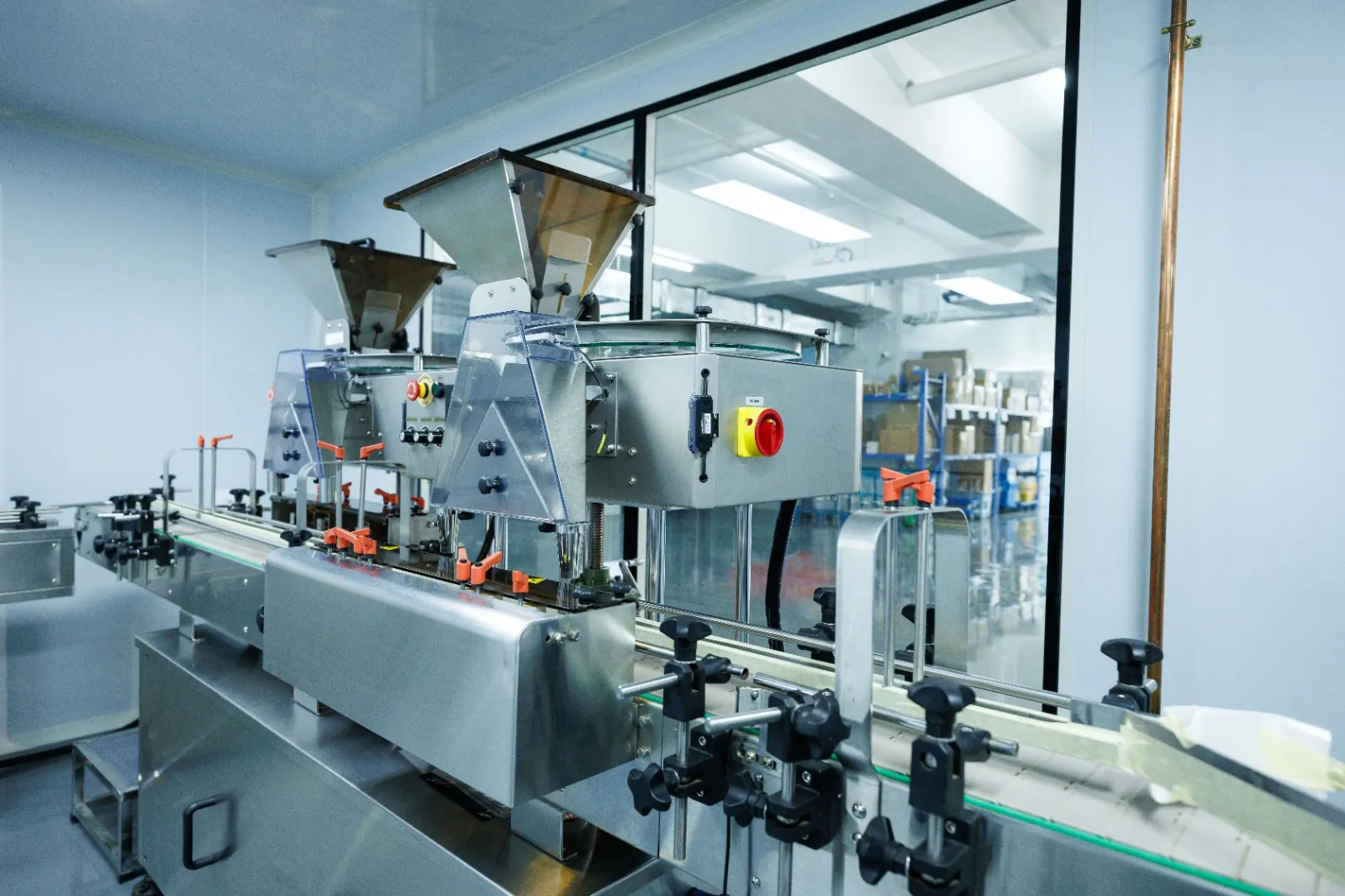
- Packaging production coordination:Coordinate materials and print supply; manage related operations in our Hong Kong facility under GMP-related controls.
Inside the Easy Health Hong Kong Facility


Product types and suggested packaging formats
| Product type | Suggested format | Barrier focus | Labelling notes |
|---|---|---|---|
| Tablets/capsules | Bottle or blister | Moisture/oxygen | Clear batch & expiry |
| Powders/granules | Pouch or stick | Moisture/tear | Clear directions |
| Liquids | Chem-resistant bottle/stick | Acid/alkali, light | Net content & cautions |
| Oil-based | Dark bottle or foil pouch | Light/oxidation | Allergen info |
General guidance only; the account manager will assess and confirm per project.
Packaging information checklist before review
- Target markets and applicable regulations listed (HK/Mainland, etc.)
- Product sensitivities (moisture/oxygen/light) documented
- Logistics route and temperature/humidity ranges stated
- Mandatory label fields and copy completed
- Editable artwork with dielines and bleed ready
- Sampling needs and test items confirmed
Supplement packaging FAQ: common brand questions
What should I consider in supplement packaging design?
Start with product sensitivities (moisture, oxygen, light, volatiles) and supply-chain risks (heat, cold-chain breaks, long transit). Match format (bottle, pouch, stick, blister) and barrier layers accordingly. Prioritise mandatory label fields, aligning with Cap.132W and the “1+7” nutrition scheme; for Chinese medicine, see Cap.549. Provide editable artwork and reserve batch/expiry and code zones. Timings vary by project and are confirmed by the account manager.
How should I choose packaging for supplements?
Anchor choices to dosage form and scenario: bottles or blisters for tablets/capsules; pouches or sticks for powders; chemically resistant bottles or unit sticks for liquids. For moisture/oxygen risks, consider foil or high-barrier laminations. E-commerce prioritises drop resistance and reclosure; retail stacking needs carton strength and display. Ensure label stock/adhesive suits the container. Your account manager will assess and confirm as needed.
How long does supplement packaging design take?
Timelines vary by project and are confirmed by the account manager. Drivers include material/structure complexity, need for high-barrier or speciality films, sampling and test iterations, artwork/regulatory revisions, and logistics coordination. Providing complete copy and editable artwork early and planning samples/tests upfront typically accelerates progress.
Which packaging formats and print items can be coordinated?
We support bottles, pouches, stick packs and blisters, and coordinate label and carton design, material and print supply, plus sampling and packaging production. Feasibility and specifics are assessed and confirmed by the account manager.
Which labelling rules should be checked?
For Hong Kong, refer to the Food and Drugs (Composition and Labelling) Regulations (Cap.132W) and the “1+7” nutrition scheme. For proprietary Chinese medicine, see the Chinese Medicine Ordinance (Cap.549). For Mainland China, commonly consult GB 7718 and GB 28050. Check language, font size, claims and allergen requirements early.
Related Packaging Services
Discuss your packaging questions on WhatsApp
Unsure about barriers, labels or sampling? Send us your product details and target markets. An account manager will assess your needs, confirm next steps and coordinate packaging design and production with you.
Last updated: