Chinese medicine packaging requirements FAQ
Designed for brand owners and buyers in Hong Kong and the GBA, this FAQ focuses on regulatory labelling and practical execution for proprietary Chinese medicine packaging. Easy Health operates in Hong Kong, supporting OEM/ODM, label and carton design, packaging formats (bottles, pouches, sticks, blisters), sampling and production coordination. Each project is individually assessed and confirmed by our account manager. Regulatory notes are based on published rules; seek professional advice for case-specific matters.
Summary:This FAQ focuses on proprietary Chinese medicine packaging in Hong Kong. We summarise labelling and leaflet essentials under Cap. 549 and Cap. 549F, answer “What must appear on Chinese medicine packaging?”, and clarify expiry/batch marking, outermost Chinese name, and why a leaflet cannot be replaced by labels. Practical notes cover panel planning, light/moisture protection, sampling and carton structures.
How is Hong Kong proprietary Chinese medicine labelling different from health supplements?
They are governed by different regimes. Proprietary Chinese medicines fall under Cap. 549 with label and leaflet requirements set out in Cap. 549F ss.26–28, including the registration number, the Chinese name of the certificate holder on the outermost package, and a leaflet as prescribed (not replaced by labels). Expiry date and batch number must appear at least in Chinese, with the expiry expressed with the words year/month/day; EXP/LOT may be added. For health supplements that are prepackaged foods, Cap. 132W and the “1+7” nutrition labelling apply, which differ in scope and wording.
What are the key Chinese medicine packaging requirements for labels?
Under Cap. 549 and Cap. 549F ss.26–28: before sale, proprietary Chinese medicines require prescribed labels and a leaflet (the leaflet cannot be replaced by labels). Labels generally include the product name, registration number, the name of the certificate holder (the outermost package must state this in Chinese), relevant particulars such as ingredients/category, directions for use, appropriate warnings (if applicable), and production identifiers. The expiry date and batch number must appear at least in Chinese; the expiry must bear the words year/month/day, with EXP/LOT optionally added. Exception: locally manufactured products solely for export may omit the leaflet, but labels must still show product name, certificate holder and registration number. Allocate clear panels and use durable print or labels for traceability.
- Include the registration number
- Outermost pack shows holder’s Chinese name
- Expiry and batch at least in Chinese
- Expiry shows year/month/day wording
Leaflet and carton panels: insertion, folds and readability
Leaflet requirements are set out in s.28. Because content is substantive, choose suitable folds and paper weight to balance legibility and insertion efficiency. Practical tips: reserve a fixed leaflet bay in the carton; avoid interference with bottles; for blisters or pouches, size single or bi-folds for sealing lines. Keep type size and leading readable for directions for use, and indicate where the leaflet is stored. During sampling, validate carton structure, leaflet fold stack height and unboxing experience to avoid bowing or jamming. For locally made export-only products, handle the leaflet per the exception, and plan languages to suit the destination.
- Do not replace leaflet with labels
- Reserve a fixed leaflet bay
- Confirm folded stack height
- Keep key text legible
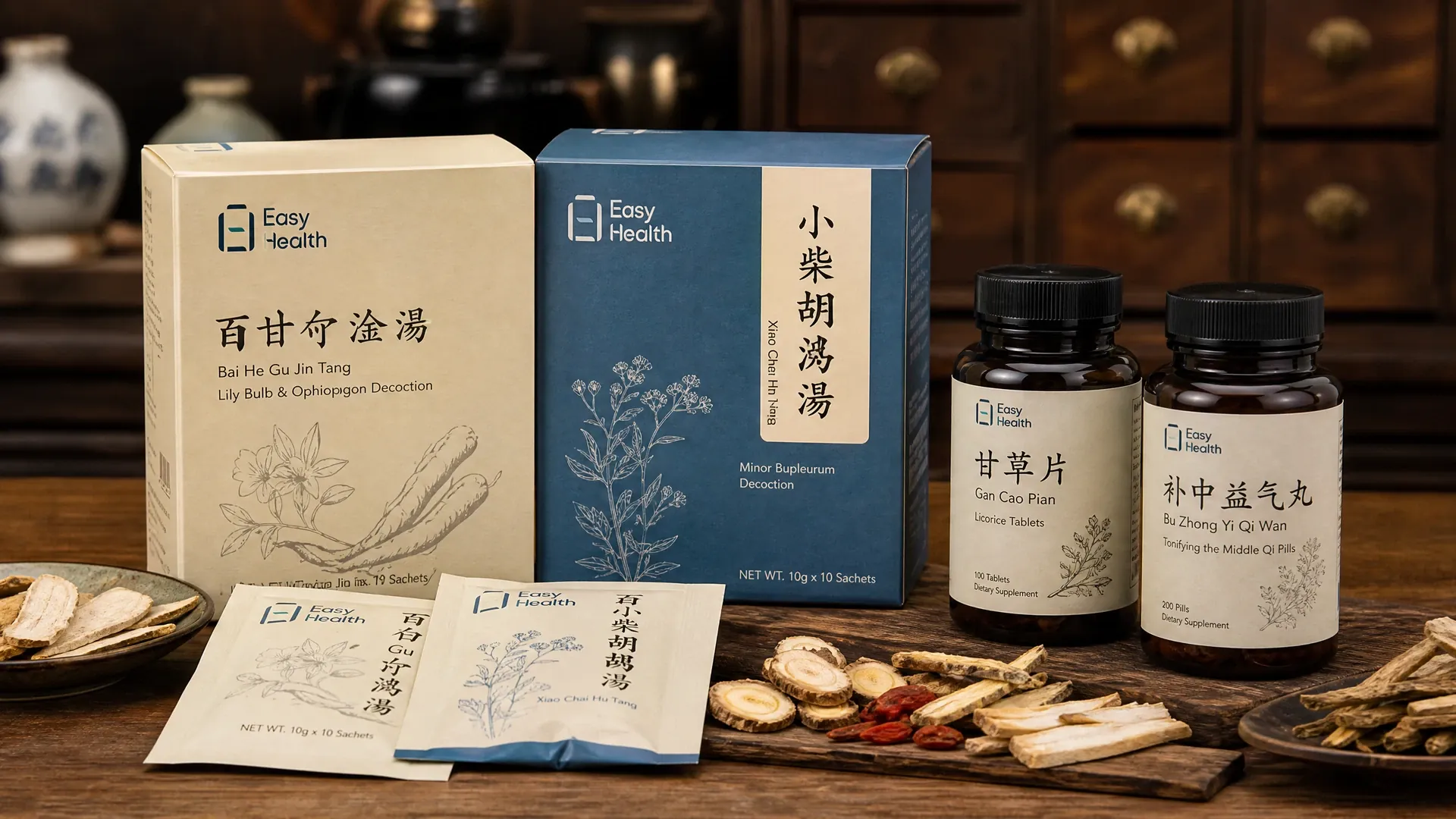
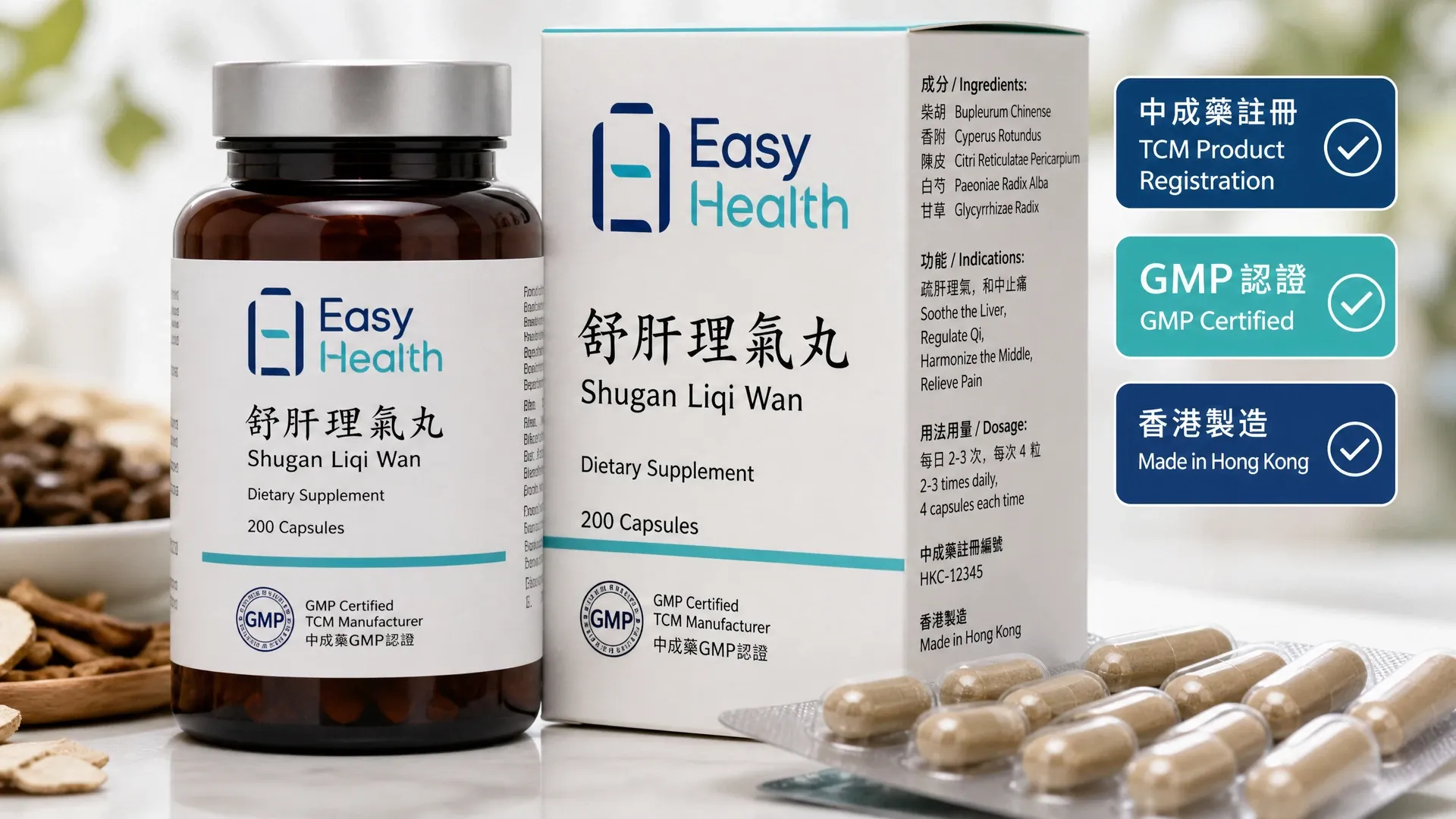
Visual guide: carton structures and leaflet insertion
Use the visuals to compare common carton types (tuck-end, reverse tuck, lock-bottom) and see how leaflet fold height affects insertion space. Typical positions for batch/expiry on carton sides, bottle bases, or label panels are also shown to streamline panel planning during sampling.
Light and moisture protection: materials and durable marking
Many products are light/moisture sensitive. Typical formats include amber glass with desiccant pads, alu–PVC blisters and foil pouches. Consider print durability: laminated cartons reduce scuffing; UV or alcohol-resistant inks help keep batch/expiry readable. If late-stage coding is needed, test adhesion on varnished/laminated surfaces. For storage/transport, use inserts to limit vibration; mark outer cases with orientation/stacking notes; and indicate any temperature/humidity needs on paperwork and cartons. Easy Health coordinates material supply and printing, and can arrange tests and sampling as required, with timing confirmed by our account manager.
- Prioritise light and moisture barriers
- Lamination improves scuff resistance
- Test code adhesion beforehand
- Mark case orientation clearly
Planning for multiple markets: language and labelling reminders
When selling across markets, language and content differ. In Hong Kong, proprietary Chinese medicines follow Cap. 549 and Cap. 549F; if a product is sold as prepackaged food, it falls under a different framework. Mainland prepackaged foods use GB 7718 and GB 28050 (for foods only), which are distinct from Chinese medicine controls. Clarify market status first, then plan bilingual/multilingual panels, barcode zones and batch/expiry placement. Easy Health can coordinate materials and multilingual sampling, and assist with cross-checking known points at project start; seek local authorities or professional advisors for final interpretations.
- Clarify market status first
- Distinguish food vs. medicine rules
- Plan multilingual and barcode zones
- Cross-check key points early
How we coordinate packaging and labelling
- Needs and regulatory scoping:Our account manager clarifies product attributes and markets, outlines known regulatory points and a labelling checklist, and confirms timeline and deliverables per project.
- Format and panel planning:Recommend carton/container structures and plan fixed zones and wording for registration number, Chinese holder name, expiry and batch.
- Sampling and test arrangements:Provide samples and coordinate print, code adhesion and scuff-related tests as needed; the project team follows up on outcomes.
- Material coordination and production:Coordinate substrates and printing, and orchestrate packaging production and insertion/binding details.
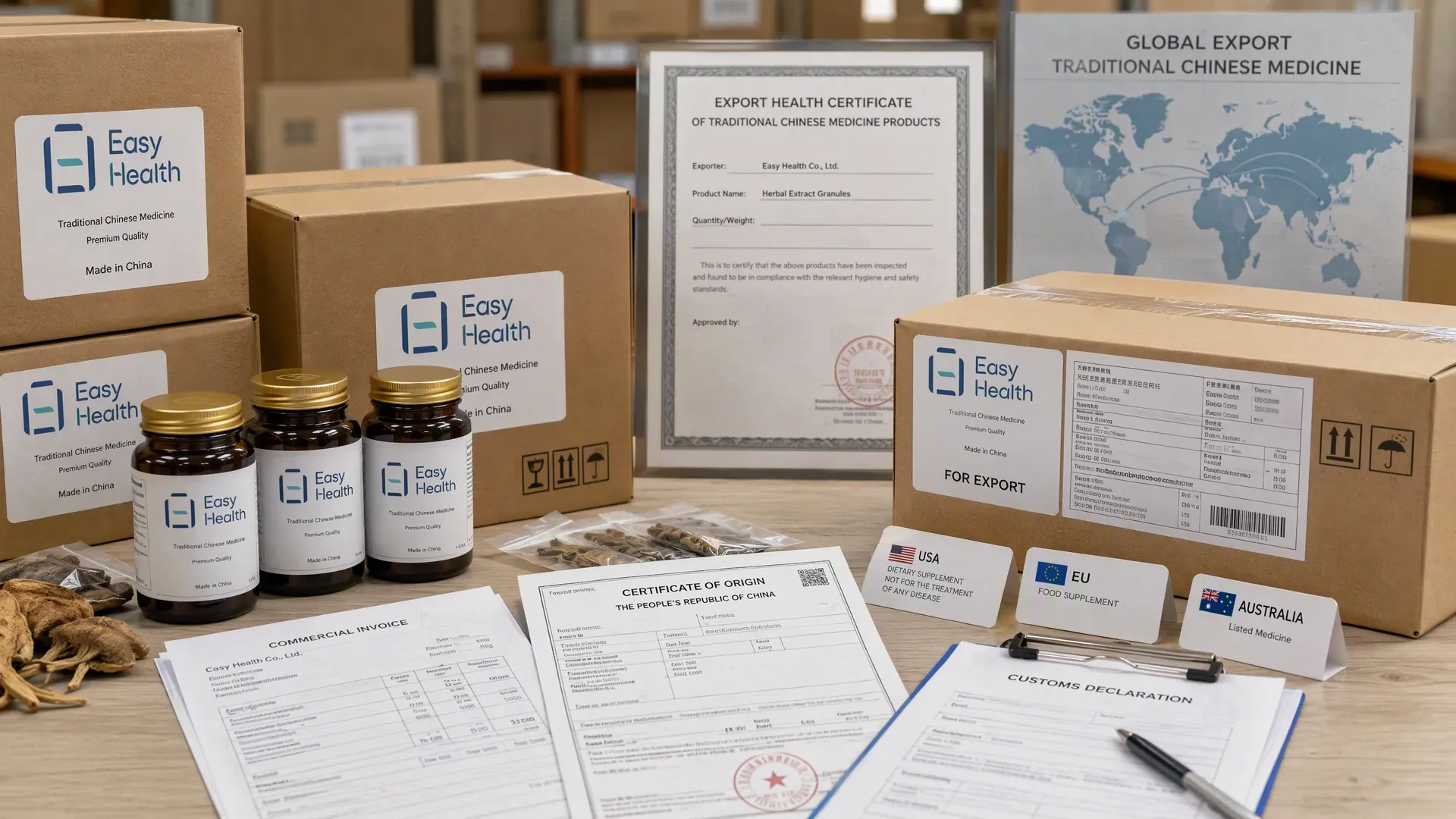
- Final checks and despatch:Before despatch, cross-check label items and placement, and prepare carton markings and related documents as per project.
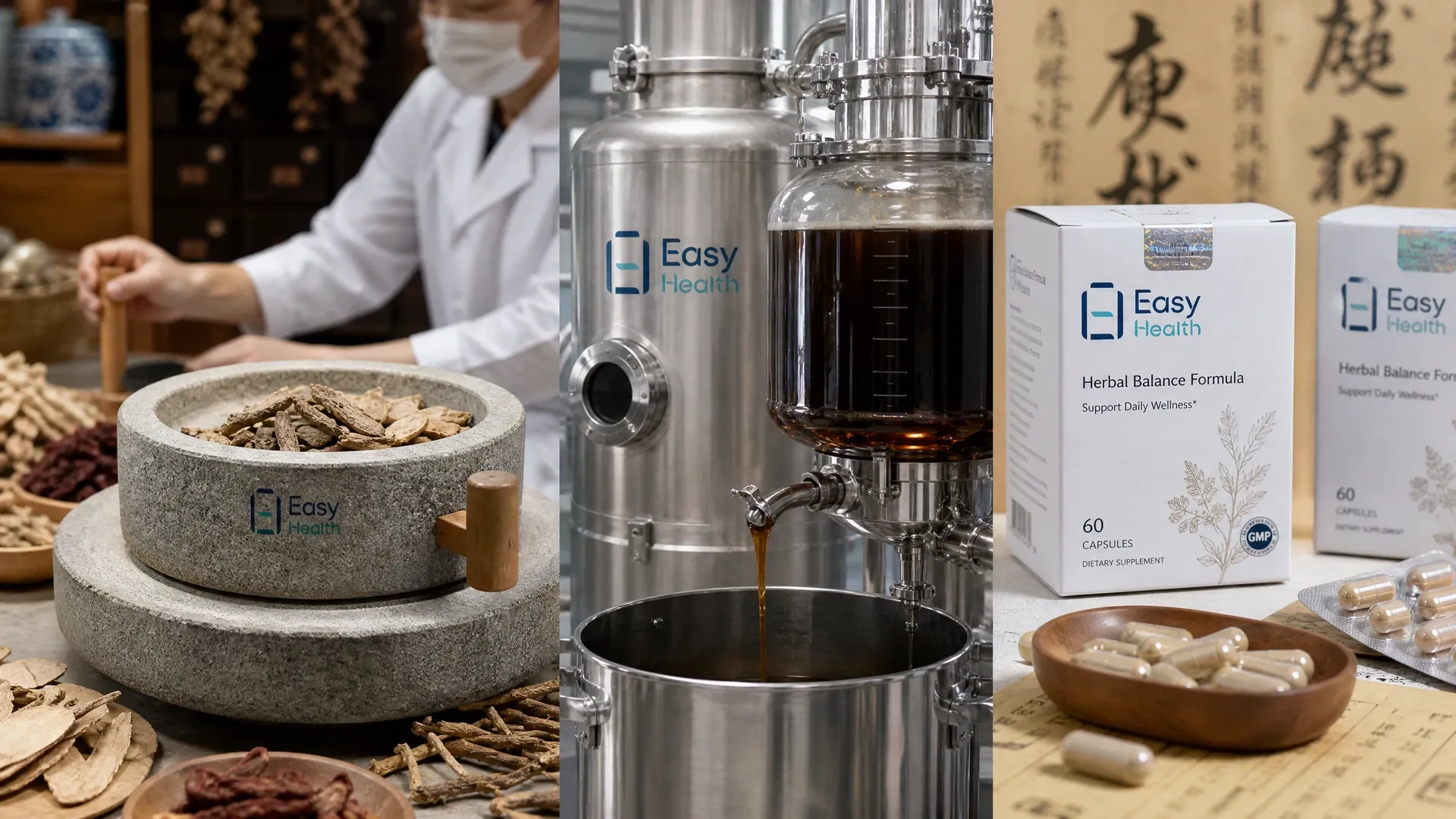
Inside the Easy Health Hong Kong Facility



Common carton structures and typical use cases
| Item | Tuck-end | Reverse tuck | Lock-bottom |
|---|---|---|---|
| Rigidity | Medium | Medium | Higher |
| Weight range | Light–medium | Light–medium | Medium–heavier |
| Insertion speed | High | High | Medium |
| Leaflet bay | Side, easy | Side, easy | Bottom, expandable |
| Typical use | Bottles, blisters | Bottles, sticks | Bottles, larger fills |
For reference only. Confirm with sampling based on board weight and insertion method.
Pre-project labelling information checklist
- Product name, dosage form and spec (Chinese primary)
- Registration number and holder’s Chinese name
- Draft directions for use and cautionary statements
- Planned formats for expiry and batch codes
- Leaflet draft and language requirements
- Carton structure, leaflet fold and insertion method
Chinese medicine packaging FAQ
What must appear on proprietary Chinese medicine packaging?
Under Cap. 549F ss.26–28 and Cap. 549: before sale, labels and a leaflet are required, and the leaflet cannot be replaced by labels. Labels typically include the product name, registration number, and the Chinese name of the certificate holder on the outermost package, plus relevant particulars such as ingredients/category, directions, applicable cautions, and the expiry date and batch number (at least in Chinese; the expiry must include the words year/month/day; EXP/LOT may be added). Locally manufactured export-only products may omit the leaflet, but labels must still show the product name, certificate holder and registration number.
How should expiry date and batch number be shown?
Expiry date and batch number must appear at least in Chinese, and the expiry must contain the words year/month/day. Avoid food-only wording such as “best before/use by”. EXP/LOT may be added alongside the Chinese. For readability, allocate fixed zones, use scuff-resistant inks or lamination, and if coding, test adhesion on varnished/laminated surfaces and confirm character height and contrast at sampling.
What additional details must the outermost package carry?
The outermost package must display the certificate holder’s Chinese name. It should also have stable zones for the registration number and other required particulars. Reserve panels on carton sides or base to avoid courier labels covering them. If using shrink wrap or gift sleeves, ensure the individual pack still bears the holder’s Chinese name and the registration number once the outer wrap is removed.
Can the leaflet be replaced by labels on the carton or bottle?
No. Under s.28, the leaflet is a separate document and cannot be replaced by labels. Key directions and warnings may be repeated on the carton, but the complete content should be provided in the leaflet. Reserve a dedicated bay inside the carton and indicate “leaflet enclosed” for user access.
For locally made export-only products, how are leaflets and labels handled?
Export-only products manufactured locally may omit the leaflet; however, labels must still show the product name, certificate holder and registration number. Plan languages and other markings according to the destination’s requirements, and consult local authorities or professional advisors for specifics.
Related Packaging Services
Discuss Chinese medicine labelling and packaging on WhatsApp
Planning carton structures, leaflet folds, expiry/batch zones, or sampling and print coordination? Message us on WhatsApp. Our account manager will assess and confirm arrangements based on your project.
Last updated: