Pet supplement packaging design for labels and formats
This page focuses on packaging choices and labelling essentials for dog and cat supplements and treats. With a Hong Kong facility, Easy Health coordinates bottles, stand-up pouches, sticks and blisters, delivering pet supplement packaging design and sampling arrangements. Each project is individually assessed by an account manager.
Summary:Design safer, easy-to-use, bite-resistant packaging for pet supplements and treats. Easy Health operates a Hong Kong facility and provides pet supplement packaging design and OEM/ODM, coordinating bottles, pouches, sticks and blisters with sampling. We focus on oil/moisture barrier, reclosable zips and clear labelling.
How is pet supplement packaging different from standard packs?
Pet products are often oil-rich and odorous, requiring stronger grease and moisture barriers; dogs and cats may chew packages, so materials need tear and puncture resistance. Reclosable formats support portion feeding. Labels should clearly state target species, purpose (e.g. “treat”, “supplement”), feeding and storage. Easy Health coordinates bottles, zipper pouches, foil sticks and blisters with sampling, and assists in checking label content and date formats.
Key considerations in pet supplement packaging design
Pet supplement packaging must balance durability, hygiene and feeding convenience. As pets may chew, materials should resist puncture and tear. Oil-rich powders, fish oils and freeze-dried treats need higher barriers to reduce oxidation and odour escape. Reclosable zips or snaps support portion use; add tear notches, desiccants or oxygen absorbers as suitable. For e-commerce, evaluate inserts and transit tests to reduce burst and leakage risks. Easy Health advises by dosage form and coordinates cartons and labels for shelf and fulfilment efficiency.
- Prioritise bite and puncture resistance
- Match barrier to oil content and aroma
- Use reclosable zips or snaps
- Set tear notch and pouring width by texture; reinforce inner packing for e-commerce
Materials and formats: choosing bottles, pouches, sticks and blisters
Each dosage form has distinct needs. Granules and powders often use HDPE/PET bottles with liners and desiccants. Freeze-dried treats suit stand-up zipper pouches; consider multilayer barriers (e.g., PET/AL/PE) for moisture and grease resistance. Jelly or paste sticks benefit from foil laminates with strong seals and clean tear. Tablets or soft chews may use blisters with a card for unit dosing. Easy Health coordinates labels and cartons and can arrange relevant tests (e.g., seal integrity) to refine structures.
- HDPE/PET bottles aid durability and fulfilment
- Foil laminates provide high barrier and grease block
- Zipper pouches enable repeated feeding
- Stick packs need strong seals and clean tear; blisters support unit-dose control
Visual guide to pet supplement pack structures
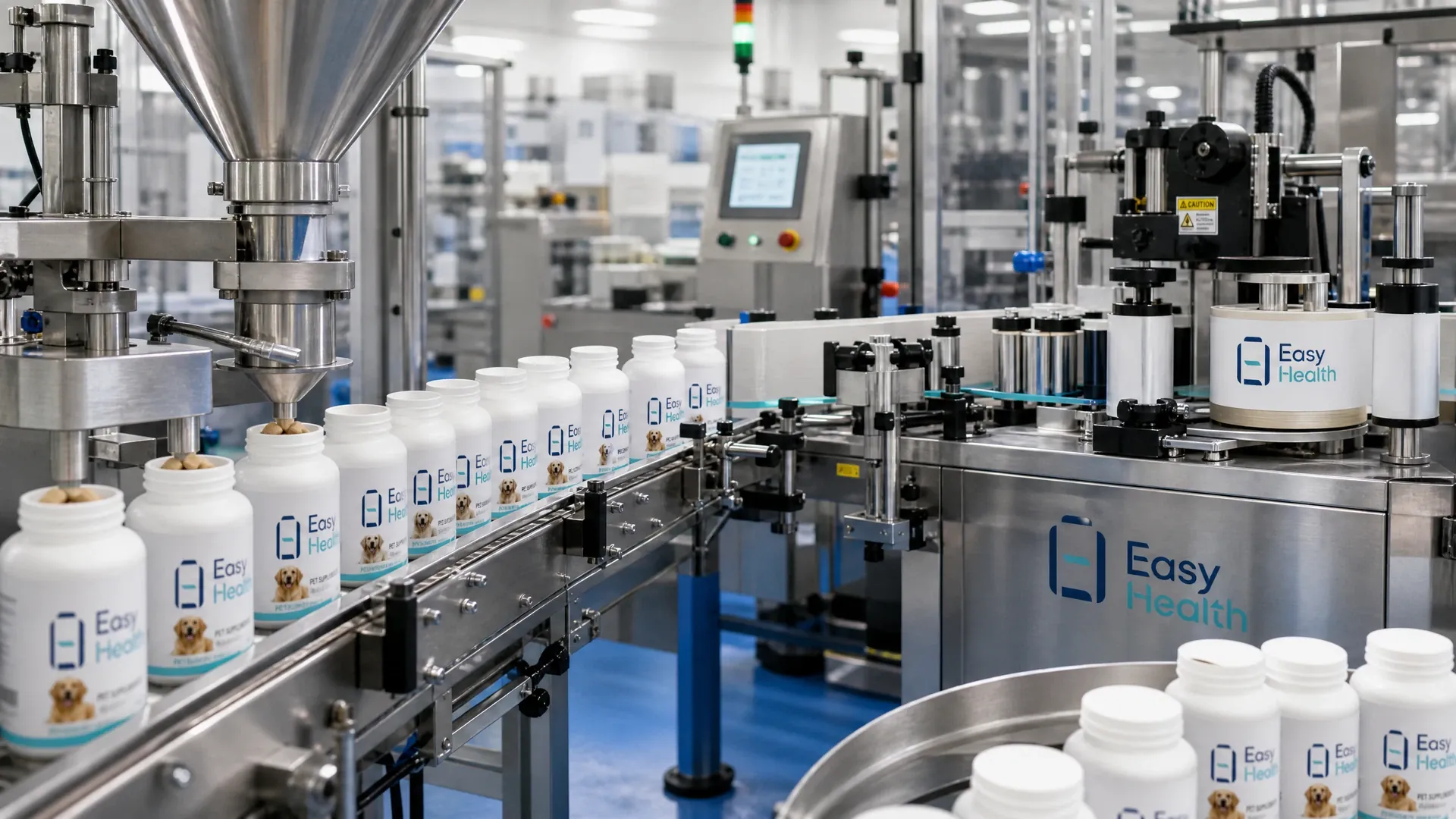
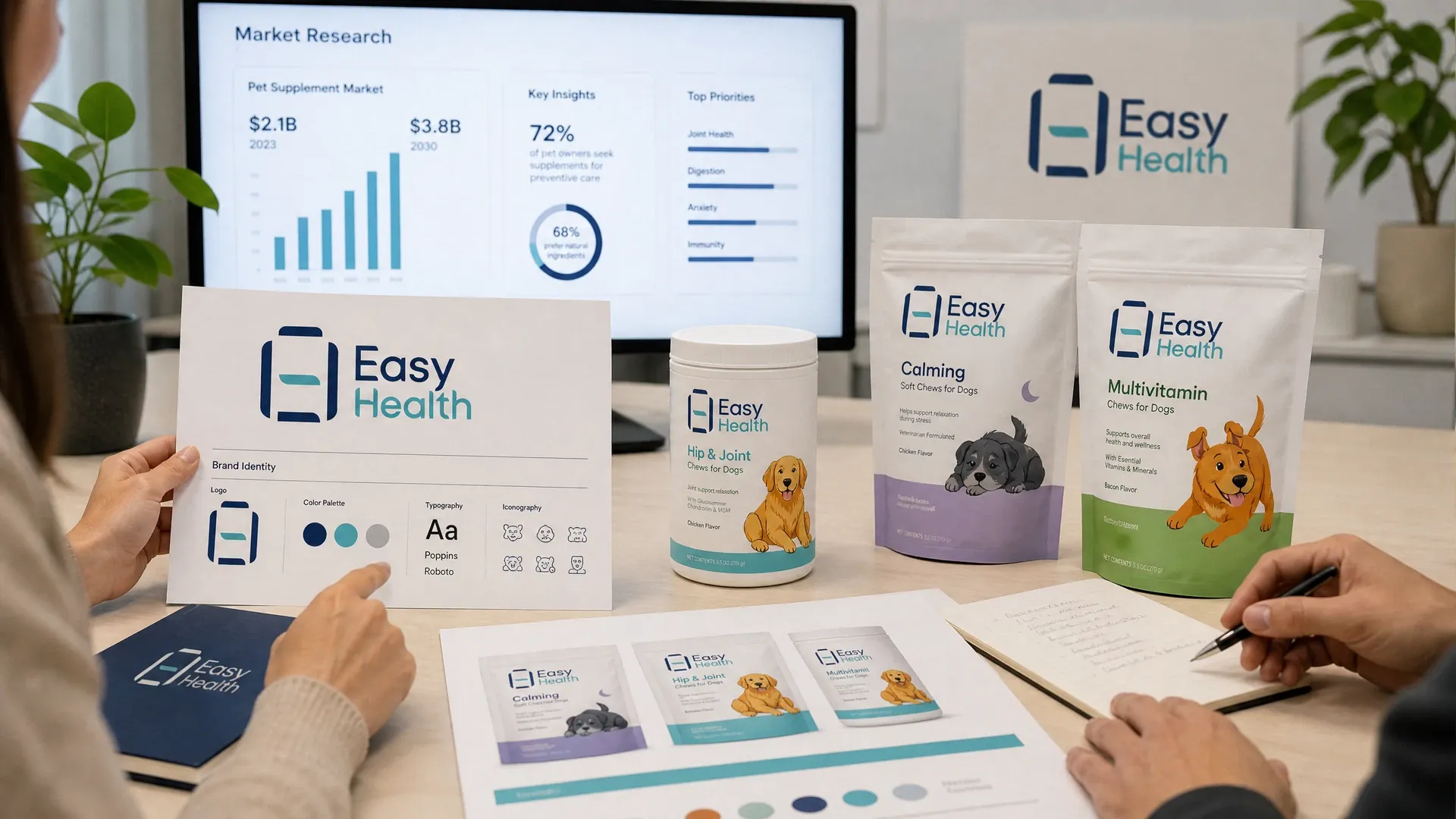
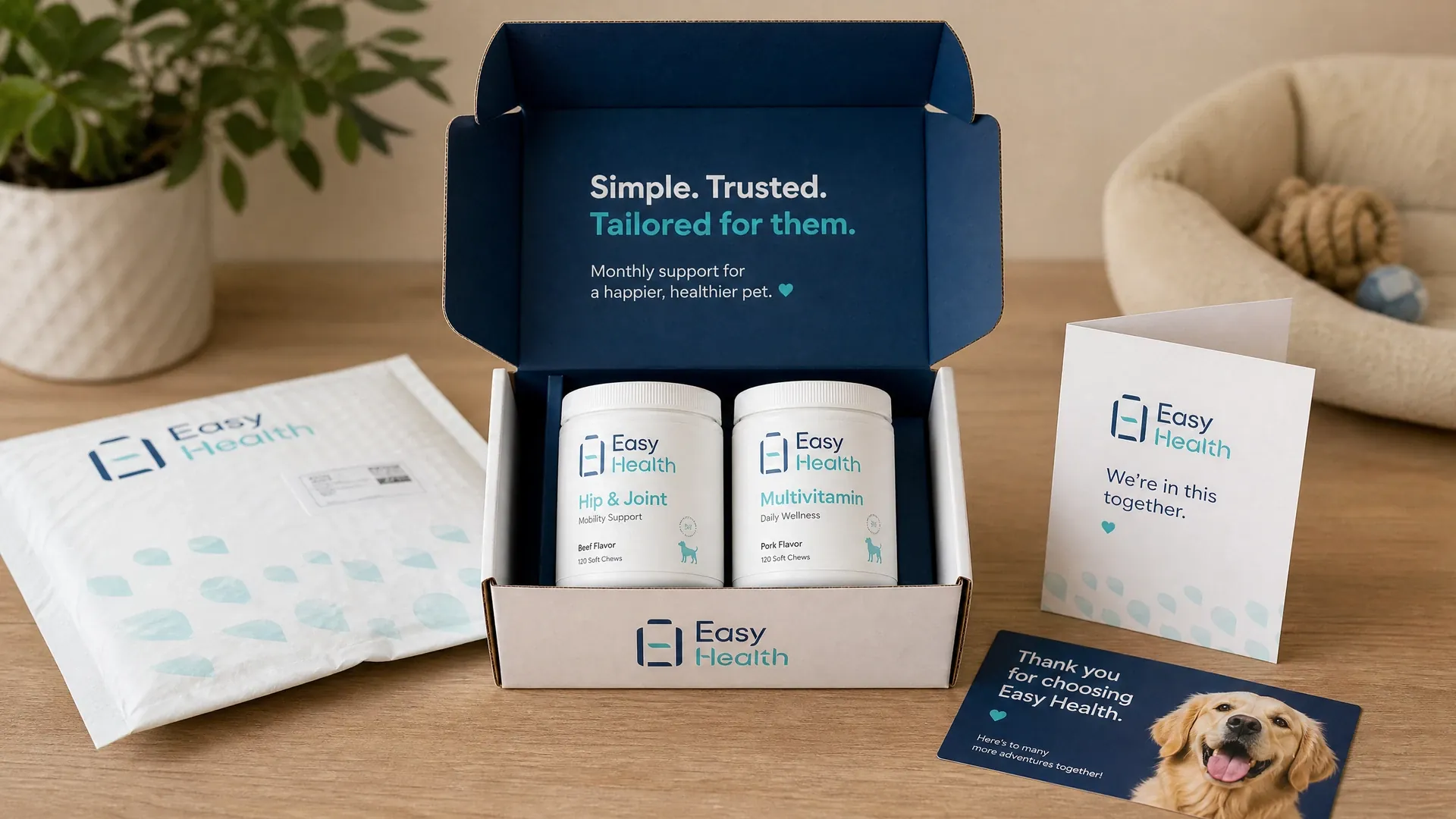
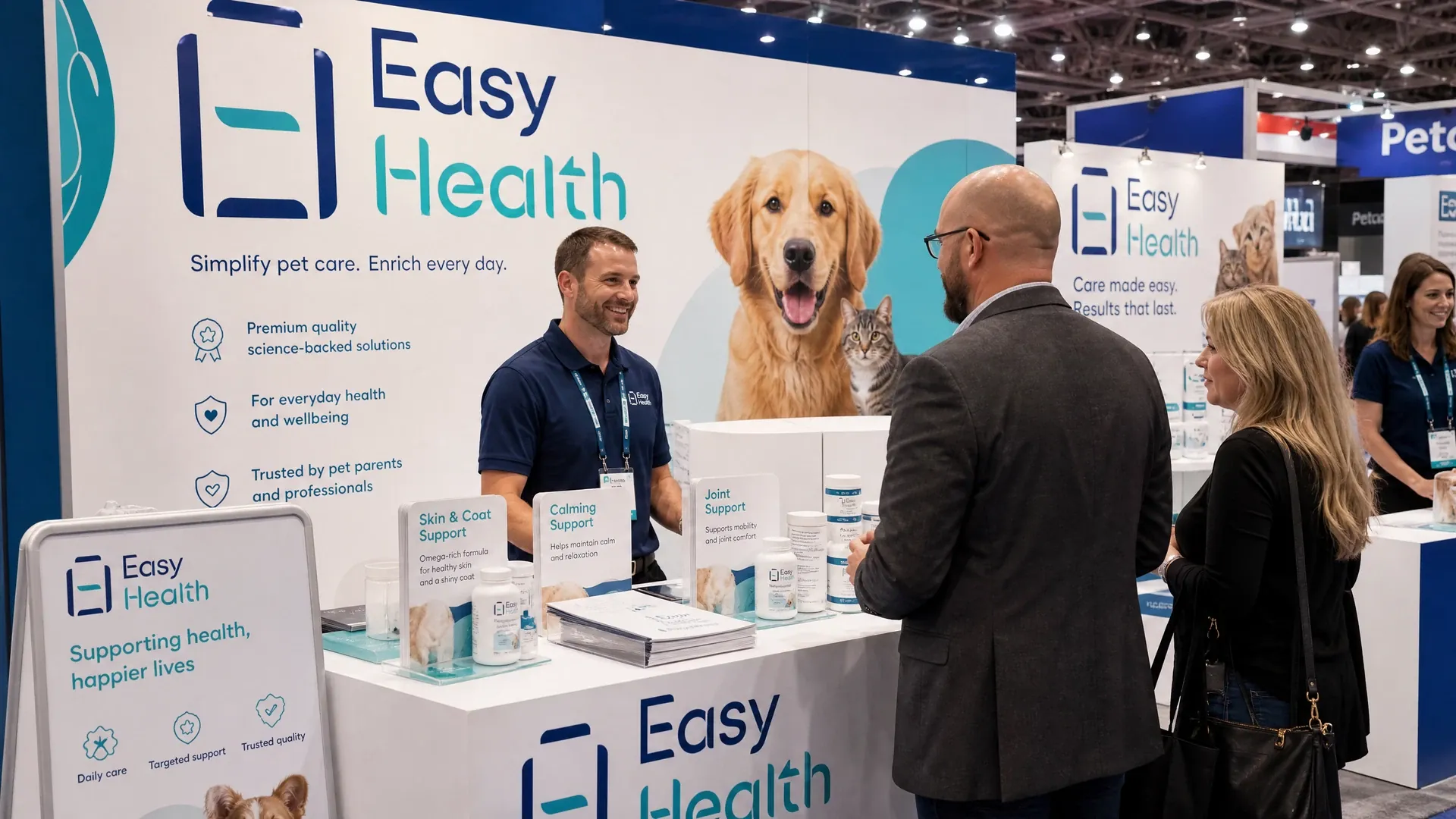
Use the images to identify typical structures of bottles, stand-up zipper pouches, foil stick packs and blisters, including reclosure points and coding areas. Match dosage forms (powders, tablets, soft chews, pastes) to barrier and bite-resistance needs for faster format selection and sampling planning.
Pet supplement label design: advisory labelling points
Hong Kong currently has no pet food-specific labelling law. The AFCD “Pet Food Safety Guidelines (Manufacturers and Retailers)” are advisory, recommending labels on prepackaged pet foods include: name, ingredients list (descending by weight), nutrients (e.g., crude protein, crude fat, crude fibre, moisture), net quantity, durability date (“use by” or “best before”), local manufacturer/importer name and address, storage/usage directions; in Chinese, English or both. Treats/supplements should be labelled as such. Hong Kong Cap.132W and the “1+7” scheme apply to human prepackaged foods; Mainland GB 7718/GB 28050 apply to Mainland prepackaged foods. For other markets, verify with local authorities or advisors.
- State target species clearly (dog/cat)
- Do not confuse treats with staple foods
- Use specific wording for durability dates
- Make ingredients and nutrients readable; Chinese, English or bilingual accepted
E-commerce and retail display packaging details
Pet food packaging must perform in e-commerce and retail. For stand-up pouches, add gussets and tear notches and assess powder leakage risk. Bottles should include tamper-evidence and inner seals to reduce vibration issues. Verify seal strength for both individual and outer stick packs. Reserve clear panels for barcodes, batch/lot and durability dates, keeping “best before” or “use by” legible. For trade shows and photography, coordinate cartons, windows and call-out stickers to highlight features without medical claims.
- Gusseted zipper pouches stand better
- Tamper-evident caps with inner seals
- Test bundle and single-stick seals
- Reserve space for barcode and coding; windows/images aid shelf communication
Pet supplement packaging design process
- Brief and product intake:Account manager reviews dosage form, target species, sales channels and shipping to set packaging priorities.
- Material and structure proposal:Recommend bottles, pouches, sticks or blisters per barrier, bite resistance and reclosure, plus labels/cartons.
- Sampling and test coordination:Coordinate samples and printed materials, arranging seal integrity, drop and transit simulation tests as needed.
- Artwork and label check:Assist in checking wording, guidance-based items and date formats; confirm coding zones and barcode readability.
- Packaging production coordination:Coordinate packaging at our Hong Kong facility. Timelines vary by project and are confirmed by the account manager.
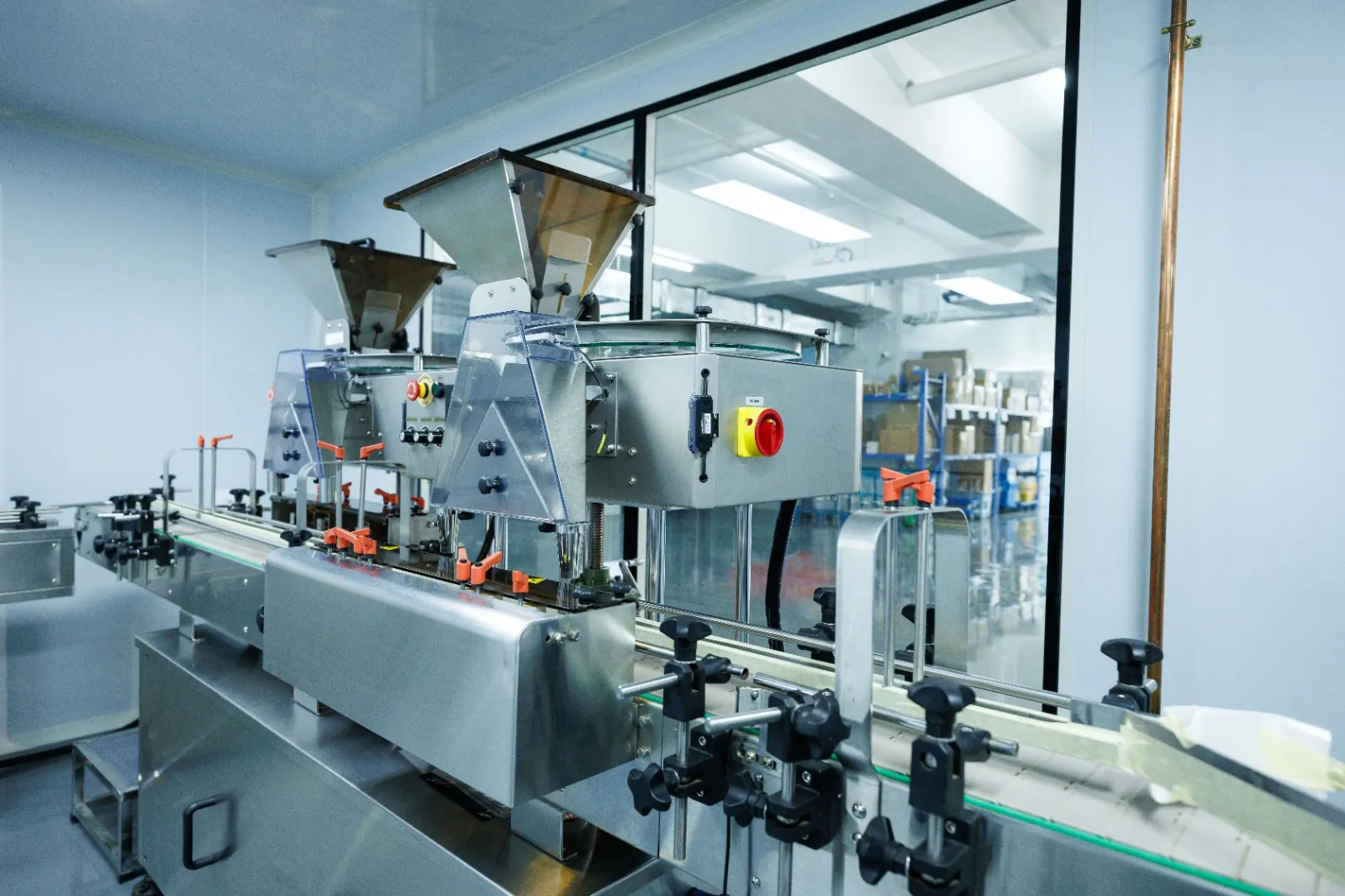
Inside the Easy Health Hong Kong Facility


Packaging format comparison
| Solution | Structural focus | Material and barrier | Labeling and brand |
|---|---|---|---|
| Capsule and tablet | Moisture-safe pour spout | Clear bottle with foil liner | Readable ingredient panel |
| Powder pouch pack | Easy-tear stand-up zip | Alu-plastic high barrier | Dosage guidance icons |
| Liquid dropper pack | Metered dropper control | Amber bottle limits light exposure | After-opening use reminder |
| Soft chew treats | Tear notch with zipper | Matte puncture-resistant film | Flavor-coded visuals |
| Multi-SKU integration | Combo pack with hanger | Mono-material recyclable | Unified naming hierarchy |
This is general guidance only; the final solution is assessed and confirmed by the account manager for each project.
Pre-sampling packaging checklist
- Confirm target species (dog/cat) and feeding guidance
- Decide moisture/grease barrier level and foil need
- Is reclosure (zip/snap) required?
- Set tear notch position and tear direction
- Desiccant/oxygen absorber and child-resistance needs
- Reserve areas for lot, date and barcode coding patches
Pet supplement packaging design FAQs
Bottles or zipper pouches for powder pet supplements?
For oilier powders and repeated dosing, HDPE/PET bottles with desiccants and liners are durable and coding-friendly. If parcel weight and easy-open experience matter, consider stand-up zipper pouches with higher barrier and strong seals. Final choice depends on particle size, oil content and serving size; your account manager will advise sampling.
How should paste stick packs handle leakage and tearing risks?
Use foil laminates and validate sealing parameters; add single/double tear notches and guide the tear path to avoid stringing. Verify both bundle and outer pouch seals. After filling, arrange seal integrity and drop tests; add secondary packaging if needed.
What pet supplement information should appear on labels?
Per AFCD advisory guidance (not law), include name, ingredients (descending order), nutrients (crude protein/fat/fibre/moisture), net quantity, durability date wording, manufacturer/importer details, storage/usage, target species, and whether it is a “treat” or “supplement”. Reserve clear areas for coding and barcodes.
How can packaging improve bite and puncture resistance?
Choose thicker bottle walls or high puncture-resistant laminates; widen pouch seal areas and protect corners; add trays in secondary cartons if needed. For pets prone to chewing, specify reclosable zips and narrower tear openings to reduce single-rip failures.
What files and information are needed for sampling and packaging?
Provide product details (dosage form, serving, storage), label wording and languages, artwork files (AI/PDF with bleed and outlined fonts), barcode/coding specs, and sachet accessory sizes if using desiccants/absorbers. Your account manager will supply templates and coordinate material sourcing and test arrangements.
Related Packaging Services
Discuss your pet supplement packaging
Message our Easy Health account manager on WhatsApp. Share your dosage form, sales scenarios and packaging ideas. We will assess materials, structures, labelling wording and sampling, and coordinate packaging production at our Hong Kong facility (timelines confirmed per project).
Last updated: