Pet snack packaging for snacks and nutrition products
This page is organised by use-case—pet snacks, pet nutrition products and retail display/gift sets. We outline typical structures, materials, barriers, closures and labelling/compliance points. Easy Health (Hong Kong plant) provides OEM/ODM, label and carton solutions, and coordinates bottles, pouches, stick packs and blisters with sampling support.
Summary:This page helps you select packaging across pet snack packaging, pet nutrition, and gift/display solutions, outlining barrier, structure, labelling and compliance considerations. Easy Health operates a Hong Kong facility supporting OEM/ODM production and end-to-end packaging coordination.
Which packaging types suit pet snacks and nutrition products?
Short-shelf-life snacks often use stand-up or quad-seal pouches with zippers; active-ingredient nutrition products lean towards light/oxygen barriers in bottles, blisters or foil stick packs. For retail or gifting, add display cartons/sleeves to enhance shelf impact while keeping labelling and seal integrity.
Pet snack packaging formats for retail and e-commerce
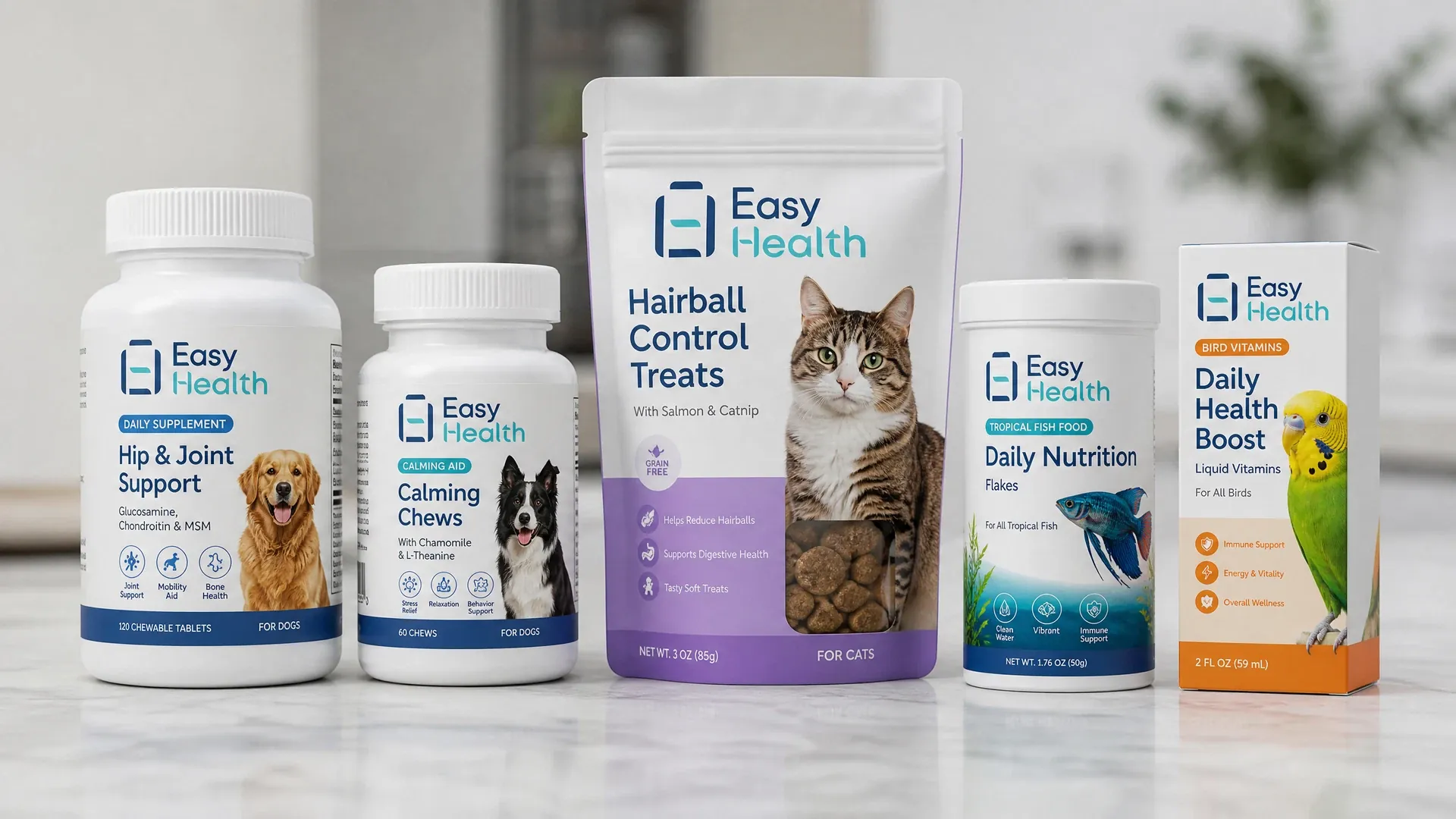
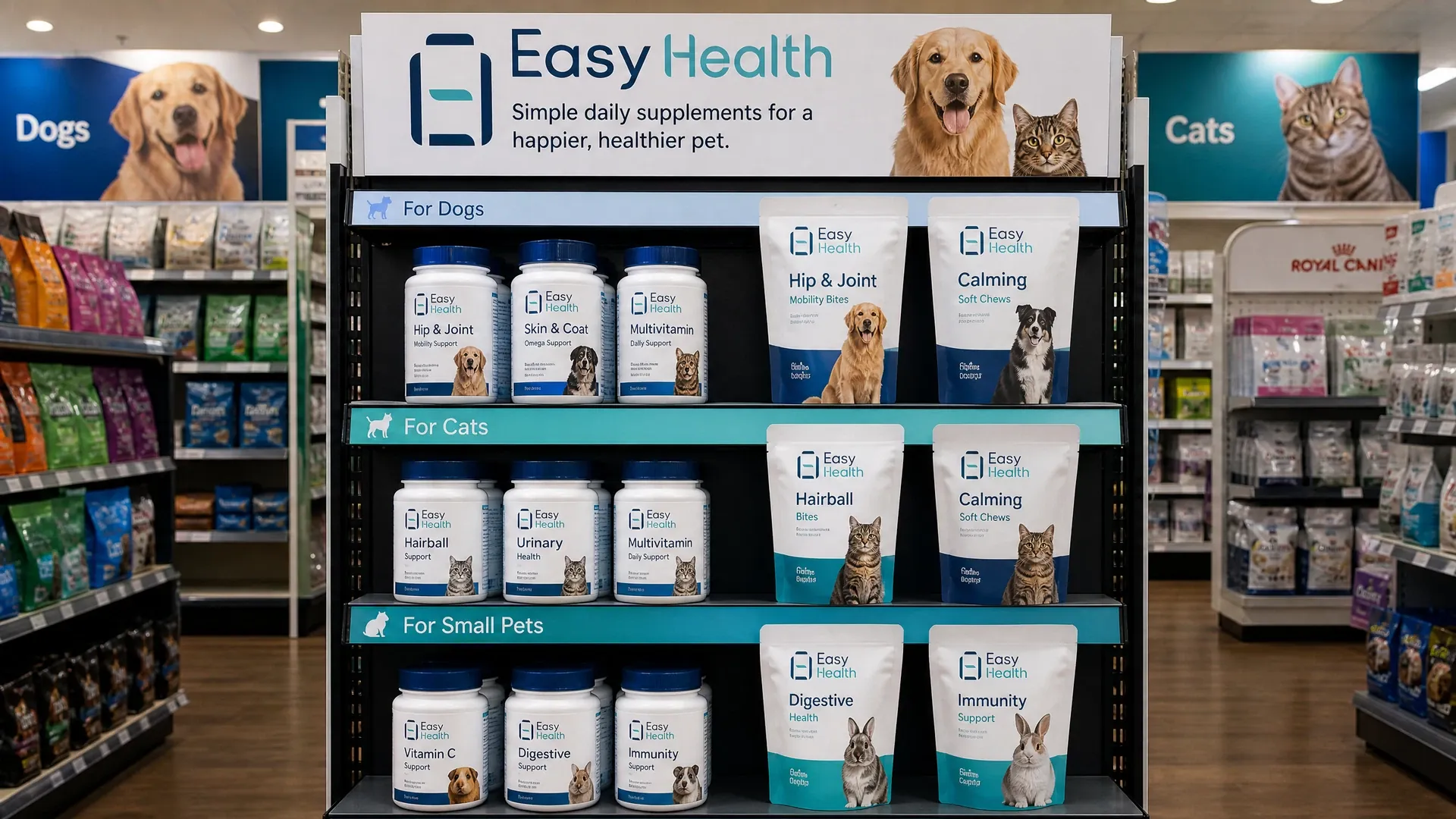
Common pet snack packaging includes stand-up pouches (with window and zipper), quad-seal bags, or paper–plastic laminates for easy reclosure and peg display. For fatty or odorous snacks, consider PET/AL/PE or NY/EVOH/PE to boost oxygen and odour control. Pet nutrition products with tablets/soft chews often use light-protective bottles (HDPE/PET) with desiccant liners, or blister cards for clear dosing. Powders/liquids can go into stick packs or sachets for single-serve portability and cross-border sales. For merchandising, add display cartons or window sleeves to bundle sticks or mini bottles as retail units. Easy Health coordinates bottles, pouches, stick packs and blisters with sampling; each project is reviewed and confirmed by a dedicated account manager.
- Snacks: stand-up pouches with zipper
- Nutrition: light-protective bottles/blisters
- Sticks/sachets: single-serve and portable
- Display cartons: for store and e-commerce
Gift sets and display-ready packaging considerations
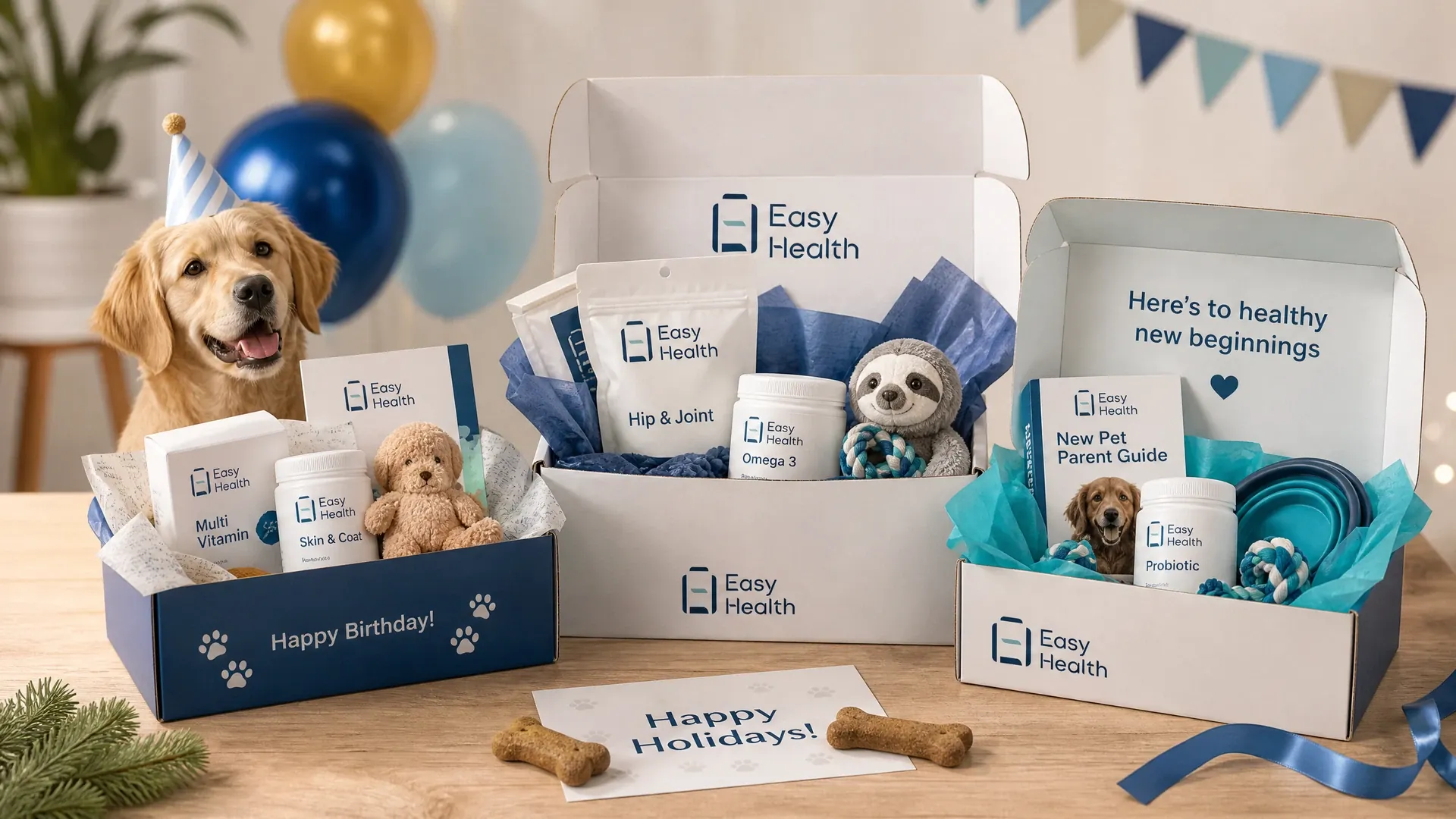
For gifts and flavour assortments, use cartons, drawer boxes or kraft sleeves with inner trays (moulded pulp/card) to secure sticks, pouches or mini bottles. Add tamper-evident seals for first-open integrity. Premium options can feature windows to show product form while reserving space for labels and batch details. For retail/e-commerce, consider SRP display trays or perforated shippers for rapid shelf replenishment. For cross-border shipments, assess cushioning, corner protection and outer-carton stacking strength. Easy Health coordinates cartons, labels and inserts, provides sampling, and arranges packaging and kitting steps.
- Carton + insert for secure fit
- Windows for display and info space
- SRP trays for faster restocking
- Tamper seals for first-open integrity
Visual guide: multi-species, display, compliance and gifting
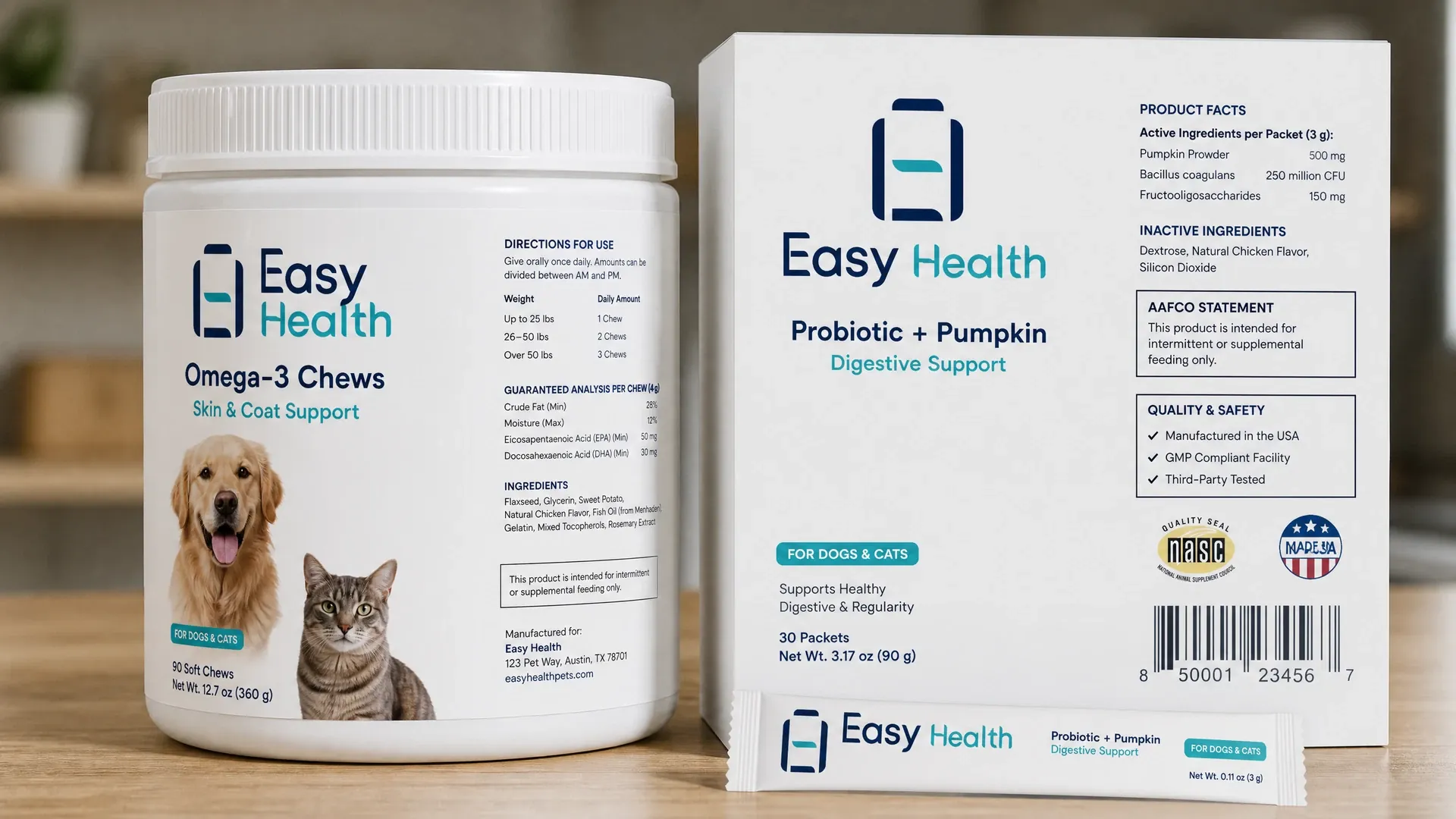
Use the visuals to compare packaging types across multi-species ranges, retail display methods, compliant labelling layouts and giftable windowed structures—helping you select between pouches, bottles, stick packs, blisters and cartons.
Moisture, oxygen and odour control trade-offs
Pet products face oxidation, moisture ingress and odour egress. Aluminium-foil laminates (PET/AL/PE) offer high barriers for fatty treats; NY/EVOH/PE balances stiffness with OTR control; metallised or clear-barrier films allow visibility or heating needs. Structurally, stand-up pouches with zippers suit repeated opening; quad-seal bags suit larger volumes. Bottles can add foil induction seals and desiccants; blisters provide precise dosing with less exposure. Seal integrity, oxygen/moisture scavenging and controlled storage conditions are equally critical. Easy Health evaluates formulation and channel needs, and arranges sampling to validate materials and structures.
- Foil laminates: high barrier
- EVOH films: clear with OTR control
- Zippers/foil seals: use and seal
- Desiccant/oxygen control as needed
Pet nutrition packaging labelling checks for Hong Kong and Mainland China
For Hong Kong, follow the Food and Drugs (Composition and Labelling) Regulations (Cap.132W) and the “1+7” nutrition labelling. If involving Chinese herbal components, note the Chinese Medicine Ordinance (Cap.549). For Mainland China, prepare labels per GB 7718 and GB 28050. For cross-border or other markets, consult local authorities or professional advisers. Reserve layout for: ingredients/allergens, nutrition, directions/servings, warnings, batch/expiry, barcode/trace codes, and importer/manufacturer details. Easy Health coordinates label/carton production and checks artwork during sampling.
- HK: Cap.132W and 1+7
- Mainland: GB 7718, GB 28050
- Space for batch/expiry coding
- Clear allergens and warnings
Pet product packaging coordination process
- Needs and formulation review:Understand product form, sensitivities and channels; recommend packaging type, barriers and label layout areas.
- Material and die-line confirmation:Share structure and die-lines; confirm films/bottle/blister specs and reserve code/label areas.
- Artwork and compliance check:Review regulatory essentials, label info, font sizes, contrast, languages and barcode zones.
- Sampling and fit tests:Arrange samples and test sealing, barriers and labelling; adjust materials or structure if needed.
- Packaging production and coordination:Coordinate labels, cartons and packing/kitting; timelines vary by project and are confirmed by the account manager.
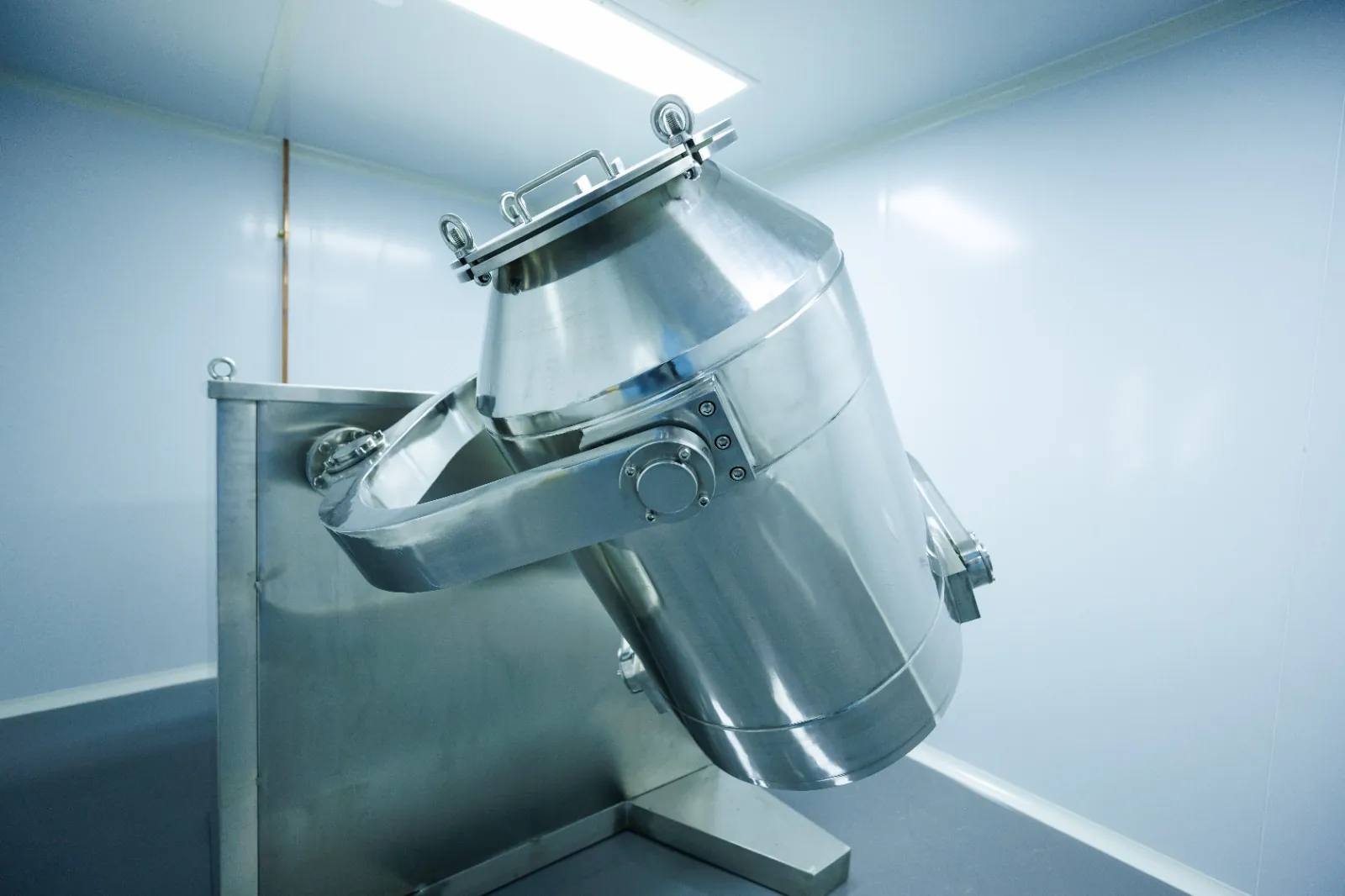
Inside the Easy Health Hong Kong Facility


Pet product packaging comparison by format
| Snacks zipper pouch | Freeze-dry foil pouch | Capsule nutrition bottle | Liquid stick pack |
|---|---|---|---|
| Dried meat strips | Freeze-dried nuggets | Powder capsules | Flowable concentrate |
| High oxygen-moisture barrier | Ultra light-shielding barrier | Mid-high oxygen-moisture guard | High gas barrier against loss |
| Dual zipper seal | Heat seal tear notch | Moisture-tight cap | Tear-open single use |
| Small repeated servings | Single full serving | Daily measured dose | One-time instant use |
| Batch inkjet area | Seal date window | Base batch code zone | Easy-tear batch code |
The above serves as general reference; the final solution is assessed and confirmed by our account manager per project.
Checklist for choosing pet packaging types
- Is the product high-fat/odorous? Consider foil or EVOH barriers
- Opening frequency and serving: zipper, single-serve sticks or blister cavities
- Need light protection, desiccants and foil induction seals
- Reserve areas for batch/expiry codes and multilingual content
- Retail display: peg holes, stand-up, SRP trays or gift windows
- Transport/storage: humidity/heat, stacking and cushioning needs
Pet packaging FAQs
How should I choose seals and barriers for pet snacks?
Assess fat, moisture and odour. For fatty items, use PET/AL/PE; for visibility, consider metallised or clear-barrier films. Use stand-up pouches with zippers for frequent opening, with heat-seal and tear-notches for first-open. For shelf stiffness or larger fills, consider quad-seal bags. Verify with leak checks and shelf-life observation.
What labelling checks are needed for pet nutrition packaging?
In Hong Kong, follow Cap.132W and the “1+7” nutrition labelling; note Cap.549 if Chinese herbal components are involved. For Mainland sales, use GB 7718 and GB 28050. Reserve areas for nutrition/directions, warnings, batch/expiry, barcode and importer/manufacturer details, and check fonts, contrast and languages.
Can a display carton use shared labelling for assorted stick packs?
Yes. Place full product info on the carton, and keep each stick to essential info and batch coding. Reserve batch/expiry areas on both. A generic carton plus flavour stickers can reduce print complexity. Easy Health coordinates cartons, stickers and stick-pack sampling with artwork checks.
How should we prepare artwork files for labels and cartons?
Provide editable vector files (AI/PDF) with embedded or outlined fonts; 300 dpi images with CMYK profiles and spot-colour notes. Barcodes/trace codes should meet size/contrast guidance. Include bleed, die-lines, and areas for batch/expiry. We provide readability and layout feedback at sampling.
How can moisture and compression risks be reduced during storage and transport?
Store in cool, dry conditions away from sunlight. For humid climates, add desiccants and polybag liners inside inners. Choose outer cartons with suitable strength and control stacking. For fragile packs (blisters, glass), add cushioning inserts. Conduct drop and seal checks and record batch codes for traceability.
Related Packaging Services
Discuss your pet packaging options with our team
Share your product form, channels and desired barrier/display outcomes. Easy Health (Hong Kong plant) supports pet health OEM packaging with sampling and coordination of labels, cartons, bottles, pouches, sticks and blisters. Timelines vary by project and are confirmed by our account manager.
Last updated: