Repackaging services for relabelling and pack updates
This page focuses on White-Label/Relabel services: legally updating or replacing labels and outer packs for existing products. Ideal for rebrands, market entry, nutrition updates or importer detail changes. Easy Health provides Hong Kong-based coordination and execution across bottles, pouches, stick packs, blisters and cartons, with pragmatic advice on label content and material choices.
Summary:Rework packaging and update labels without changing formulas. Hong Kong-based GMP-standard and FSSC 22000 operations coordinate label design, print, sampling, and packaging, supporting own-brand and white-label needs plus multi-market regulatory version management.
When should brands use relabelling or packaging change services?
Typical triggers include: rebranding into a unified own-brand packaging; updates for Hong Kong Cap.132W and the “1+7” nutrition scheme; changes to importer/distributor details; creating Mainland-ready versions aligned to GB 7718 and GB 28050; adding tamper-evident seals, traceability codes or QR; correcting batch or date formats; or revising carton language and barcodes. Easy Health can assess, sample, over-label and re-pack in our Hong Kong facility, with feasibility confirmed by a dedicated account manager.
Use cases for private label packaging and white-label relabelling
Relabelling suits existing stock or inbound goods when you need own-brand packaging without altering the formula. The focus is choosing the right application method (over-labels, pressure-sensitive labels, shrink sleeves, carton over-stickers, tamper seals) and compliant content (mandatory particulars, bilingual layout, barcodes/QR). For bottles, pouches, sticks and blisters, we assess substrate, curvature and coatings before advising adhesive type and opacity to prevent show-through. Outer cartons can be updated for batch, storage and logistics markings. Each project is reviewed by an account manager based on product condition and target markets; timings are project-dependent and confirmed by the account manager.
- Bottles, pouches, stick packs, blisters and cartons
- Over-labelling or sleeves for coverage and consistency
- Adhesive selection for ambient, cold-chain or humid use
- Plan bilingual and multi-market versions together
Materials and methods for label update services
Effective label updates balance substrate, adhesion, print and end-use. Typical choices include: high-opacity white stocks to block dark originals; removable or repositionable adhesives for alignment; humidity- or cold-chain-compatible facestocks and adhesives; avoiding direct-contact areas unless validated by testing. Printing can be coordinated for CMYK or spot colours, selective varnish, matte/gloss lamination, writable zones and serial placeholders. Reserve clean zones for batch/expiry coding and validate adhesion on curves and shallow recesses. For blisters and stick packs, review seal lines and tear notches to ensure over-labelling does not impede opening.
- High-opacity whites to prevent show-through
- Adhesives/facestocks suited to cold or humid use
- Reserve coding panels for lot/date printing
- Test adhesion on curves and near foil seals
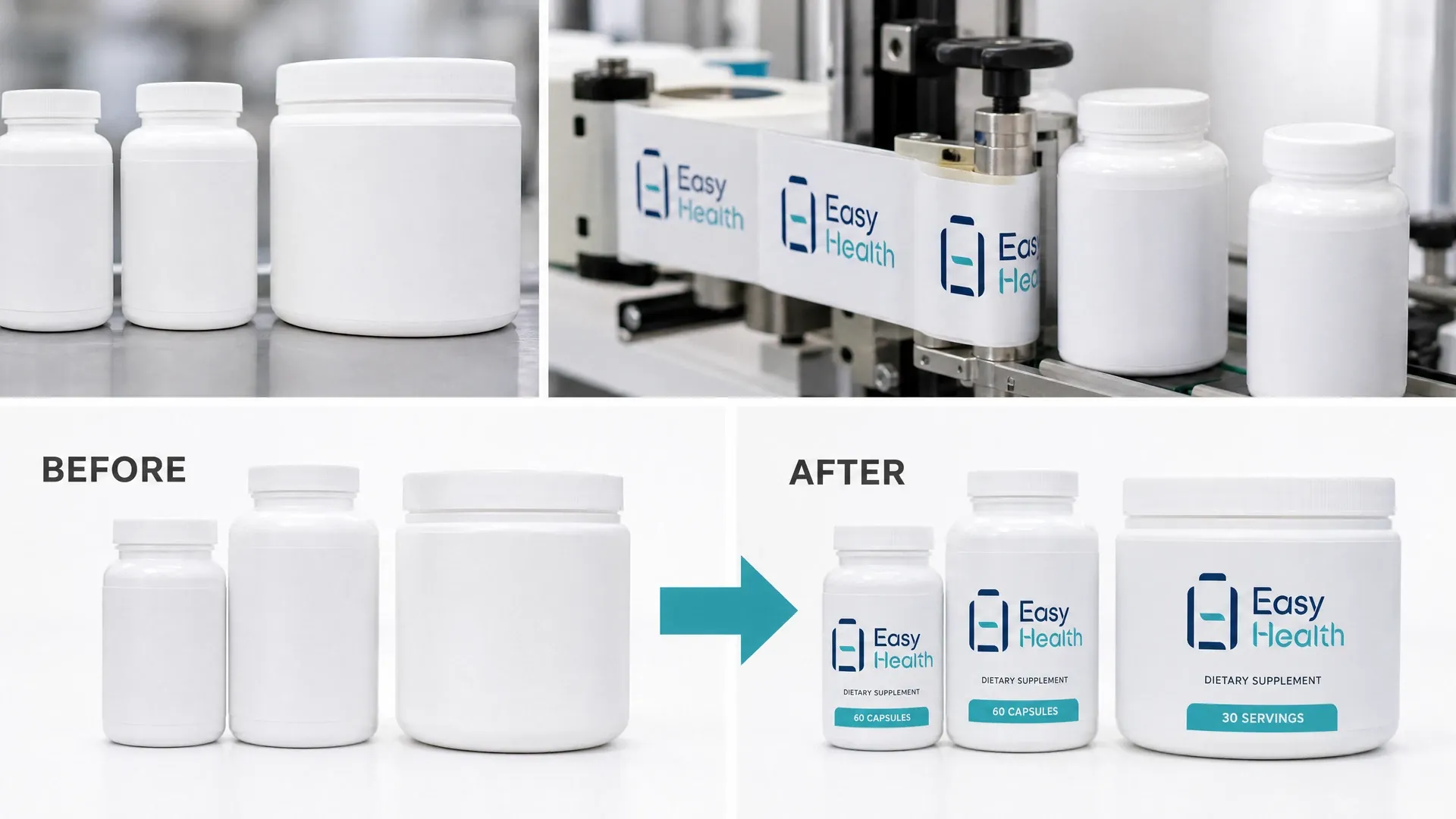
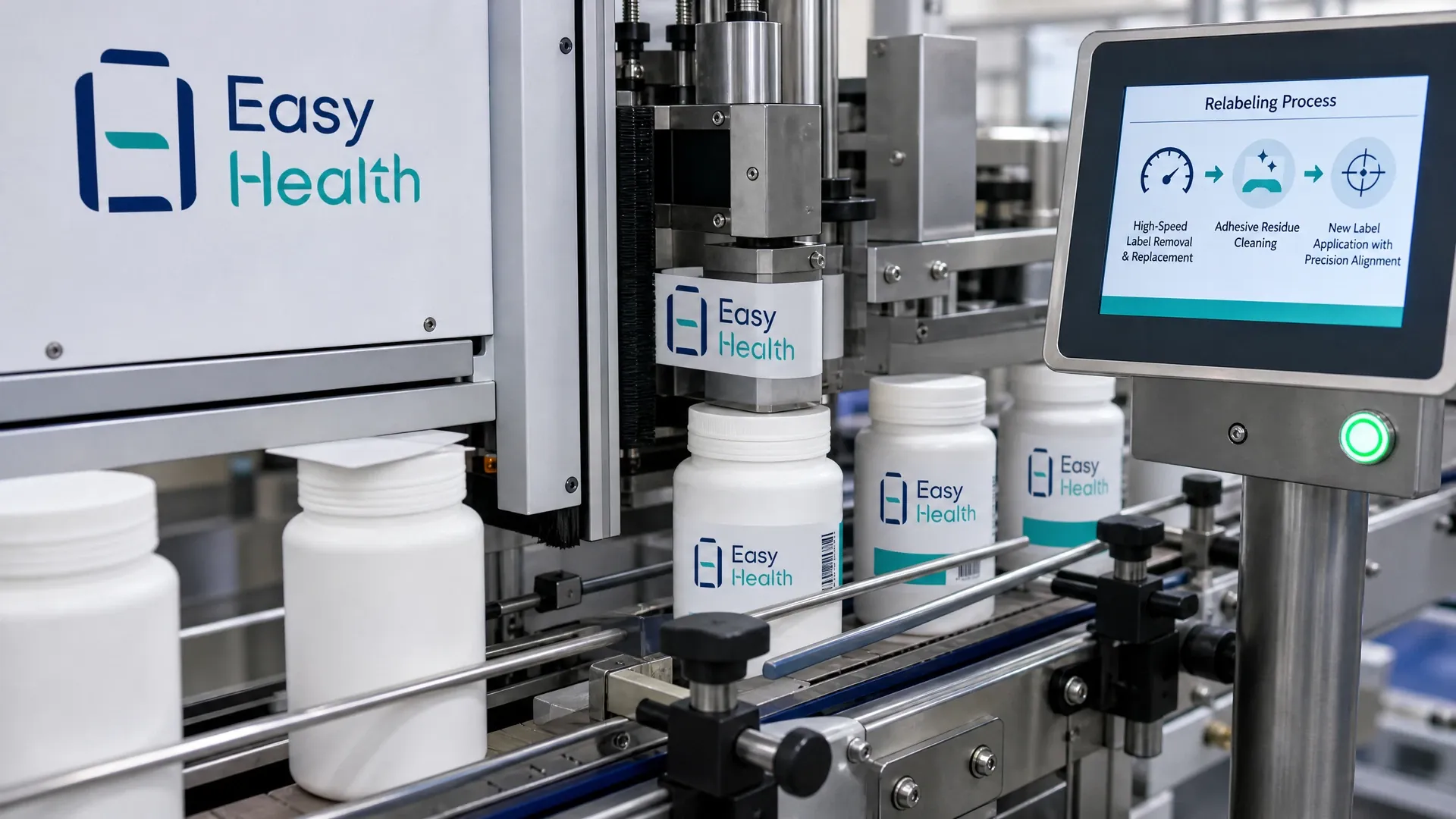
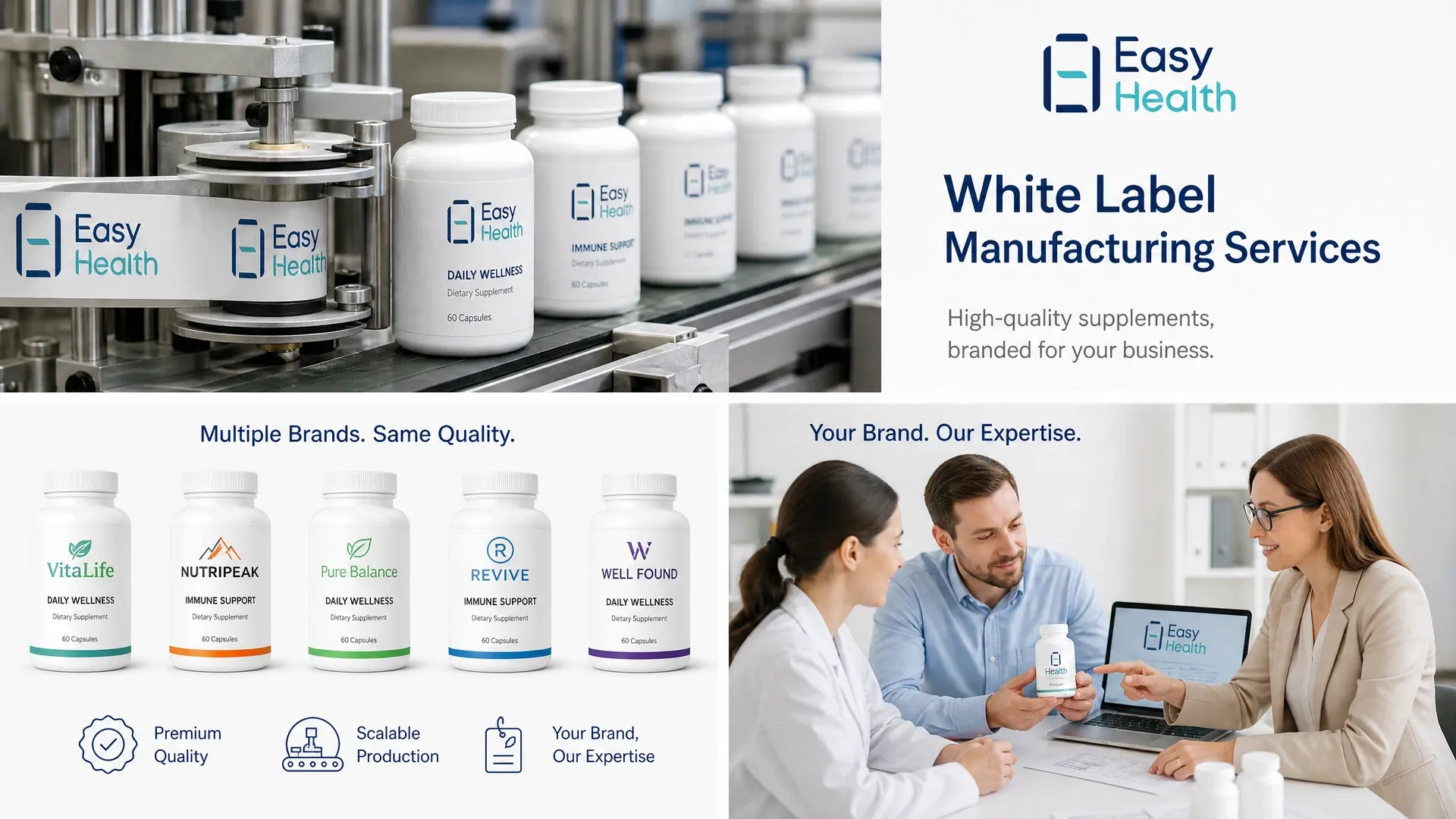
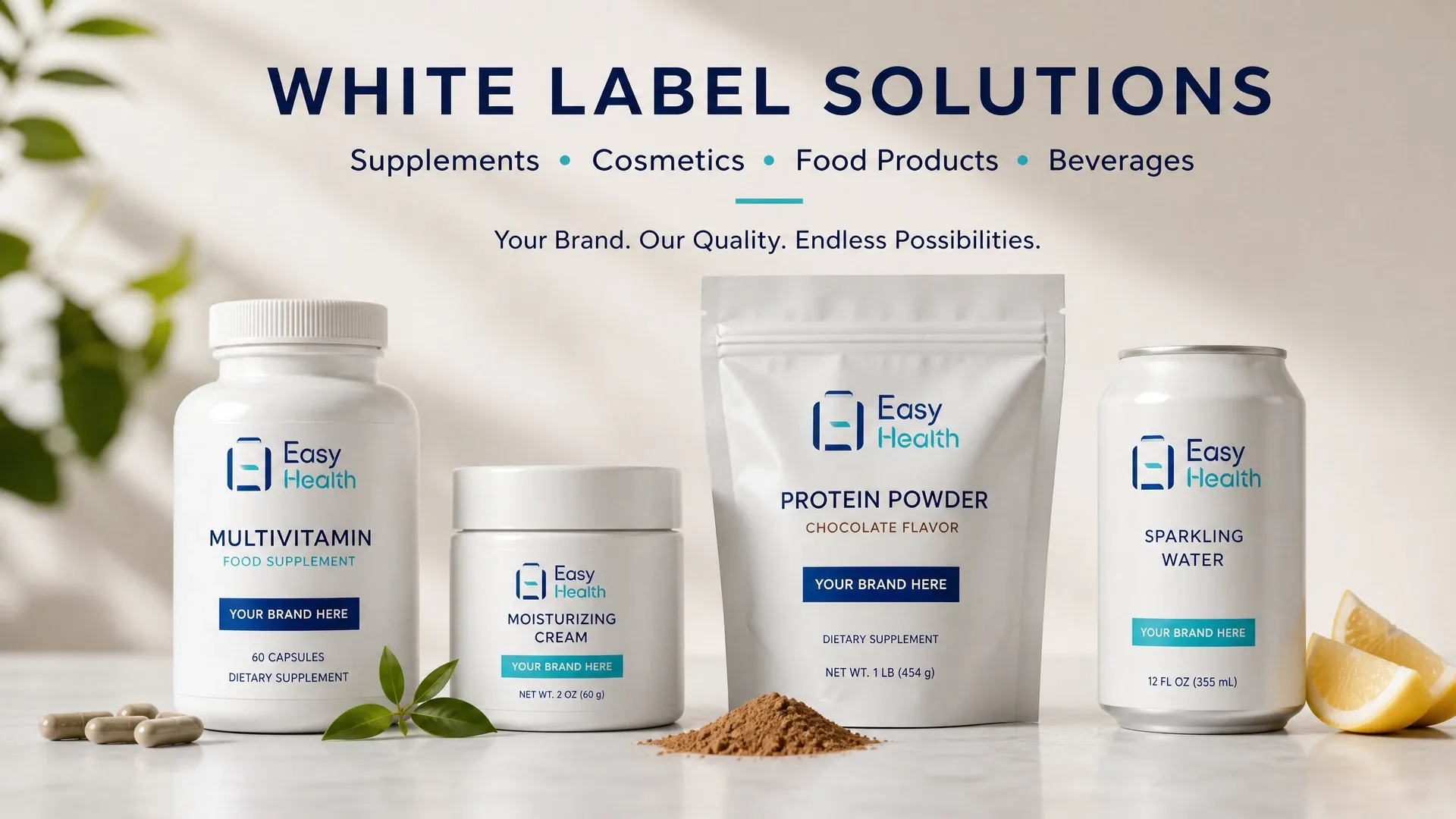
Visual guide to relabelling workflows and packaging options
Use the visuals to grasp the end-to-end relabelling workflow, common label applications (over-labels, sleeves, tamper seals), product types we handle (bottles, pouches, sticks, blisters, cartons) and key cross-market fields (nutrition, allergens, importer details, barcodes/QR).
Compliance checks for Hong Kong and Mainland labelling
Before relabelling, verify mandatory particulars and languages. For Hong Kong, align with Cap.132W and the “1+7” nutrition scheme (energy plus seven specified nutrients). For traditional Chinese medicine products, consider Cap.549 classifications and marking. For Mainland entry, follow GB 7718 and GB 28050—paying attention to ingredient list, allergens, net content typography and nutrition format. Manage separate artworks for each market to avoid inapplicable claims. Medical or therapeutic claims should be avoided. Easy Health coordinates proofreading and sampling; final regulatory compliance remains the brand’s responsibility.
- Check legal name, origin and allergens
- Keep HK 1+7 and Mainland GB artworks separate
- Avoid cross-market claims carryover
- Approve samples before scale application
Operations and quality checks from intake to despatch
Before kickoff, we record stock conditions and test surface energy/adhesion to define the over-labelling plan. On intake, goods are segregated by lot, and pilot runs verify application path; material width and die-lines are adjusted if needed. Production is executed in our Hong Kong facility under GMP-style controls with batch, date and operator records. Post-application checks cover coverage integrity, code legibility, appearance and random peel/adhesion tests, followed by packing, cushioning and carton labels. For supplement-related handling, procedures referencing the FSSC 22000 framework are applied where relevant, with certificate scope and applicability confirmed case by case. An account manager provides progress updates; timings are project-dependent and confirmed by the account manager.
- Incoming tests for adhesion and surface state
- Pilot runs before fixing width and die-lines
- Full batch/operator records for traceability
- Final checks on coverage and code clarity
Process for packaging changes and label updates
- Requirements and sample review:Confirm product form, target markets and regulatory versions; collect samples and photos to assess substrates and over-labelling feasibility.
- Material proposal and sampling:Propose facestock/adhesive, coordinate supplier sampling; test opacity, adhesion, humidity and condensation performance.
- Artwork proofreading and file lock-down:Verify mandatory fields and font sizes; confirm barcode/QR specs; reserve panels for lot and date coding.
- Pilot run and tooling fine-tune:Run application tests and path checks; refine jigs and die-lines; confirm placement and consistency.
- Production and QC:Operate in a Hong Kong GMP-standard setting; record by lot; inspect coverage integrity, code legibility and appearance.
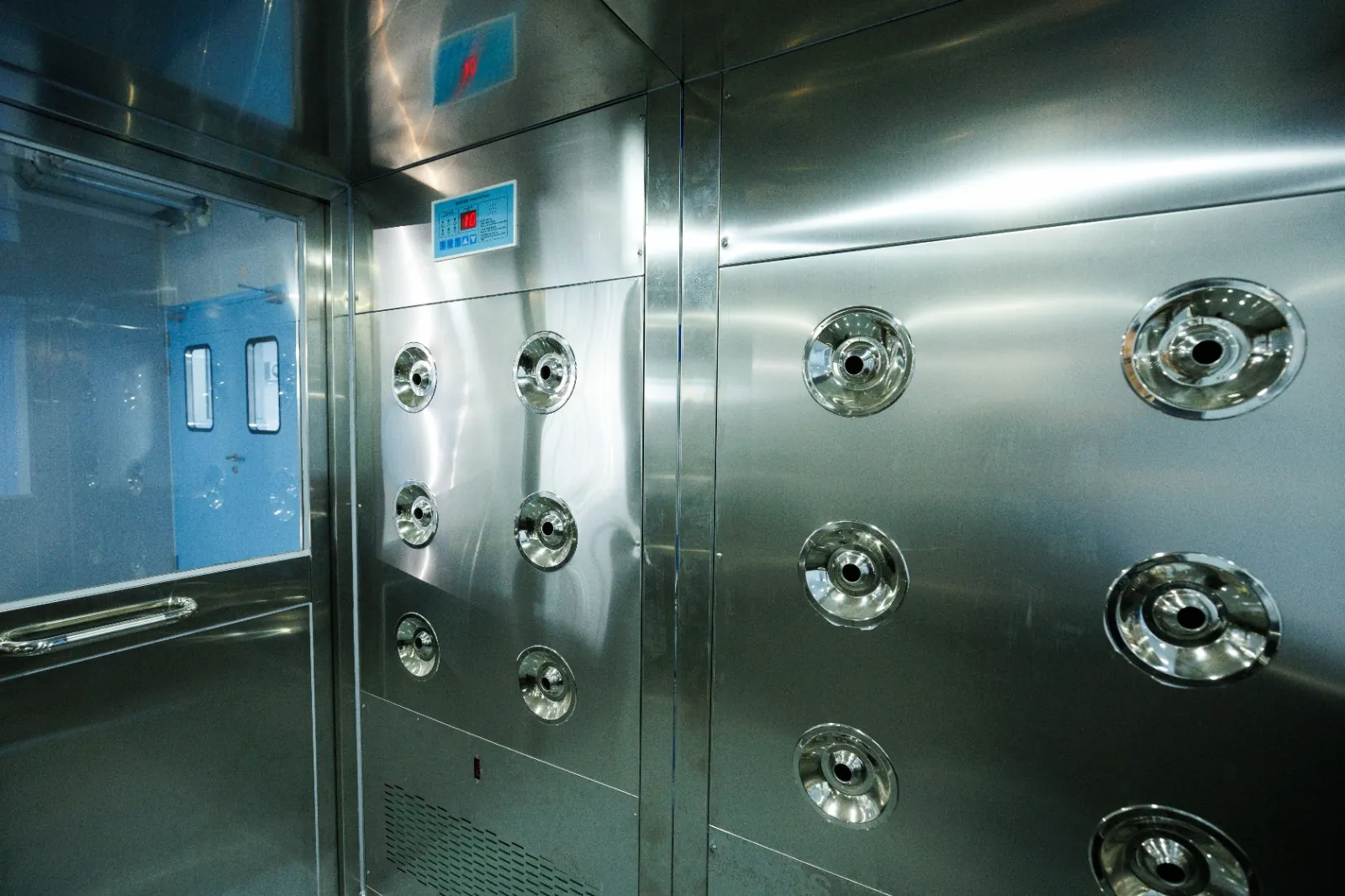
Inside the Easy Health Hong Kong Facility


Comparison of label application methods
| Method | Coverage | Suitable surfaces | Info capacity | Notes |
|---|---|---|---|---|
| Over-label (PSL) | Medium–High | Flat/low curvature | Moderate; barcodes/QR supported. | Use high-opacity white to block original |
| Shrink sleeve | High | Round/curved surfaces | High; 360° coverage. | Assess shrink ratio and tunnel setup |
| Tamper-evident seal | Low | Caps/carton flaps | Low; integrity focus. | Avoid covering mandatory info |
| Carton over-sticker | Medium | Carton surfaces | Medium; good for multi-language. | Check board grain/laminate compatibility |
Typical options shown. Final setup depends on sample tests and confirmation by the account manager.
Checklist before project kick-off
- Physical samples or hi-res photos (front/back, top/bottom, seals)
- Target markets and languages (Hong Kong, Mainland or others)
- Preferred application (over-label, sleeve, tamper seal, carton over-sticker)
- Label size, coverage area and opacity requirements
- Reserved zones and formats for lot/expiry/trace codes
- Barcode/QR specifications (size, contrast, error correction)
Repackaging services and label update FAQs
Can you relabel existing imported stock in Hong Kong?
Yes, subject to condition and substrate assessment by our account manager. If suitable, we can over-label and update cartons in our Hong Kong facility, after pilot tests to confirm materials and die-lines. Please supply final, verified wordings for Cap.132W and the HK “1+7” scheme before production.
How are labels checked for cold-chain or humid conditions?
We select compatible facestock/adhesive systems and test for condensation and rub resistance during sampling. For cold stores or high humidity, we recommend moisture-tolerant facestocks, higher initial tack, and clean, dry application surfaces to improve long-term adhesion.
How do you handle batch and expiry coding?
We reserve areas for inkjet or thermal transfer coding and confirm character height, contrast and durability during the pilot run. If outer cartons also need coding, we coordinate matching labels and placements for smooth warehouse scanning.
Can we add QR codes, serialisation or security elements?
Yes. We can coordinate variable data and QR with print partners, testing scan distance and contrast during sampling. For tamper seals, we also review opening paths and user experience.
What artwork files do you require?
Editable AI/PDF with vector outlines and bleeds is recommended. Include fonts or convert to outlines. Provide barcodes/QR to spec in vector or high-contrast raster. If only images are available, we will rebuild the artwork before sampling.
Related Packaging Services
Discuss your relabelling and packaging update needs
Share product photos, packaging details and target markets via WhatsApp. Our account manager will assess options for over-labelling and own-brand packaging, and advise on materials, methods and workflow. Timelines are project-dependent and confirmed by the account manager.
Last updated: