Food Repacking Services and White Label Packaging Types
Looking to enter the market with white‑label speed? This page maps the main service types for white‑label repacking across foods, cosmetics in Hong Kong, and OEM label packaging, covering materials, structures, labelling and compliance so you can select a viable route for existing bulk or raw materials.
Summary:This page helps you choose practical white‑label repack options by product traits, packaging structure, barrier needs and compliance. Easy Health runs a Hong Kong site, coordinating materials and production; where relevant, certificate scope and system documentation (e.g., FSSC 22000, GMP) are checked for each project. A dedicated account manager confirms each project.
Which White Label Repacking Type Should You Choose?
Start with product nature: powders/granules, liquids/gels, oils, tablets/capsules. Then select a structure (bottle, pouch, stick, blister, pump), assess barriers (moisture, oxygen, light), usage (single dose, on‑the‑go, family pack), retail and logistics (fragility, stacking), and compliance (mandatory label fields, batch/expiry display). Easy Health coordinates labels, cartons and samples; timelines depend on the project and are confirmed by our account manager.
Overview of White Label Repacking Service Types
White labelling is more than relabelling; it aligns repack format, label presentation and visual design. Typical formats include plastic or glass bottles, blister packs for tablets or capsules, foil stick packs for single-dose powders or liquids, stand-up pouches, and cosmetic pump, tube or dropper bottles with cartons. Match barrier and light-protection choices to the product’s moisture, oxygen, light and temperature sensitivities. Before finalising artwork, identify the product category and destination market, then obtain a product-specific review of applicable labelling and certification documents. Food rules such as Hong Kong Cap. 132W and nutrition-labelling requirements should be considered only where they apply; cosmetics, pet products and Chinese-medicine products require separate review. Easy Health coordinates print, materials, sampling and packaging arrangements, while relevant certificate scope and system documentation can be reviewed on a project basis.
- Define product first; then structure and barrier
- Check label area for mandatory information
- Review logistics stacking and shelf stability
- Sample to validate flow, fill and seal integrity
Food Repacking Services: Structures and Barrier Needs
Food repacking often covers powders, granules, gummies and drops. For powders/granules, assess moisture content and hygroscopicity; choose alu‑foil composite sticks or bottles with desiccants for moisture‑sensitive items; oil‑bearing powders also need oxygen and light protection. Liquids/drops suit amber glass or light‑shielding plastics with droppers/pumps; gummies benefit from moisture‑resistant bottles or pouches, with stand‑up pouches as e‑commerce refills. Where retail and online coexist, plan a dual track: sticks in cartons for retail and refill pouches for online. Align nutrition panels with Hong Kong “1+7” nutrition labelling where applicable. Easy Health coordinates labels/cartons, fill‑seal sampling and production arrangements; timelines are project‑dependent and confirmed by our account manager.
- Powders: use high‑barrier foil for hygroscopic items
- Liquids: light‑shielded bottles and leak checks
- Gummies: moisture control and crush mitigation
- Dual strategy for retail packs and refills
Visual Guide to White Label Repacking Types and Use Cases
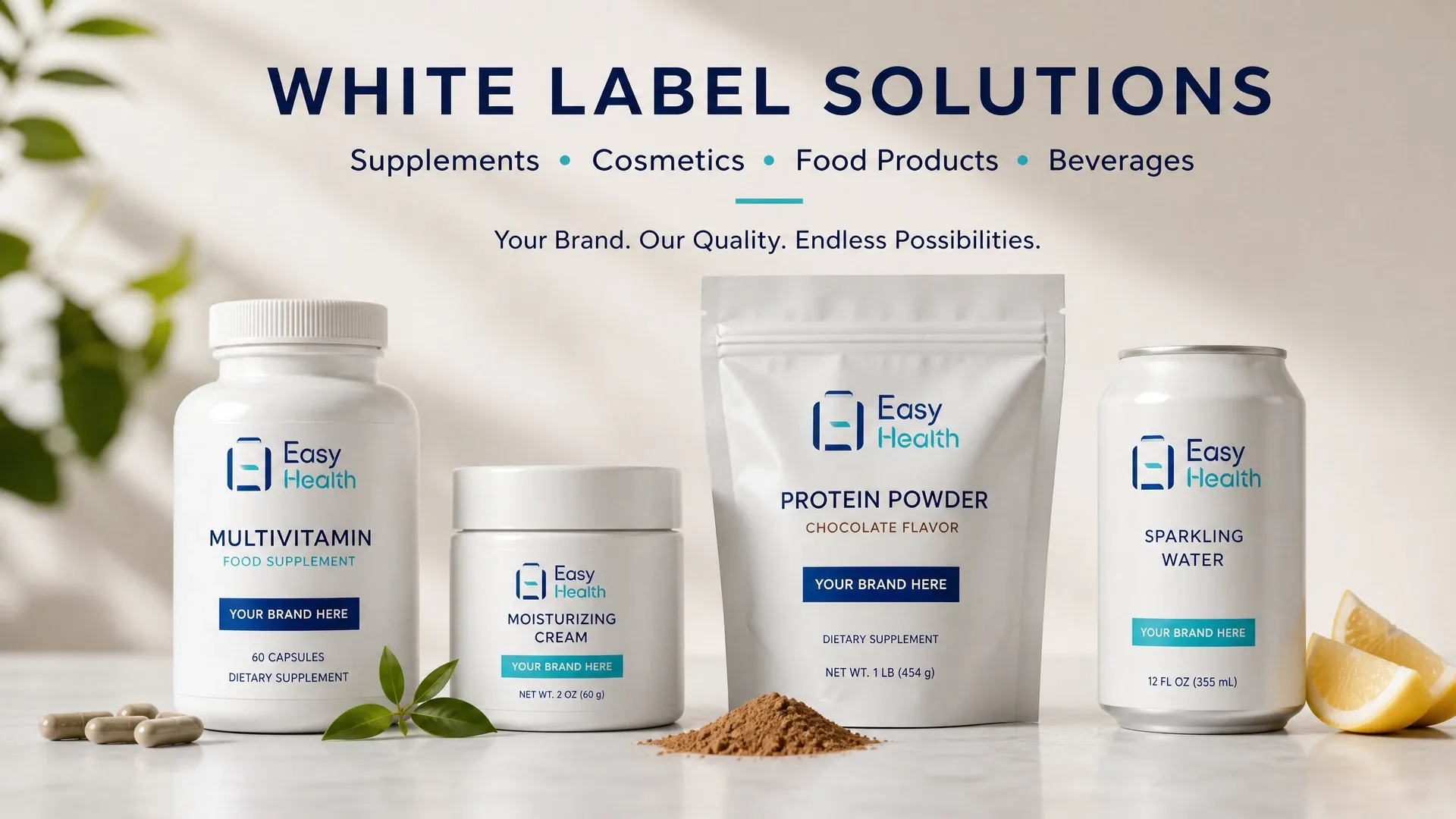
Use the diagrams to match repack types to scenarios: foil stick packs for powders, moisture‑resistant bottles for gummies, refill stand‑up pouches, cosmetic pumps and airless systems, plus carton set displays for retail—helping teams align quickly.
Cosmetics Repacking in Hong Kong: Compatibility and Labelling
Cosmetic repacking in Hong Kong must consider container–formula compatibility. Acidic or solvent‑rich formulas may not suit certain tube materials; higher essential‑oil content often prefers glass or barrier plastics. Masks/gels work with foil sachets and tear notches; lotions/serums benefit from airless pumps or droppers to reduce back‑contamination. Labels should include product name, key ingredients, net content, intended use/instructions, warnings, origin, batch and expiry/PAO where applicable, with multilingual space for cross‑border trade. Easy Health coordinates label/carton supply, arranges bottles/tubes/pumps and sampling, and orchestrates repacking at our Hong Kong facility.
- Verify long‑term container compatibility
- Use glass or barrier plastics for high oils/solvents
- Consider airless pumps to reduce contamination
- Reserve areas for batch/expiry coding
White Label Packaging Types: Openings, Outer Packs and Display
For OEM label packaging, look beyond visuals to opening mechanism, secondary protection and shelf display. Opening affects user experience and seal reliability (tear notch, zipper, pump, spout, child‑resistant caps). Secondary packs (cartons, sleeves, tamper labels) add protection and anti‑tamper functions. Shelf display drives bottle/box proportions, hang holes, stick‑in‑box orientation and windows. For multi‑channel sales, consider a trio: POP display box with sticks, home bottle, and travel size. Keep core label information consistent while adapting language and nutrition/ingredient panels per market rules. Easy Health coordinates print finishes and materials, with sampling and production orchestration.
- Choose easy‑open, reclosable structures
- Add secondary packs for protection and tamper‑evidence
- Plan shelf orientation and windows for messaging
- Unify core info; localise language/panels
White Label Repacking Workflow
- Needs and compliance scoping:Define product, markets and label fields; outline barrier and display priorities. Our account manager assesses feasible directions.
- Material and structure selection:Choose among bottle/pouch/stick/blister; confirm compatibility, label area and shelf orientation; arrange preliminary materials.
- Sampling and robustness checks:Conduct fill‑seal and appearance samples; where needed, run accelerated conditions and label durability checks.
- Label and carton coordination:Finalise ingredients and mandatory fields; coordinate printing and materials; confirm batch and expiry code positions.
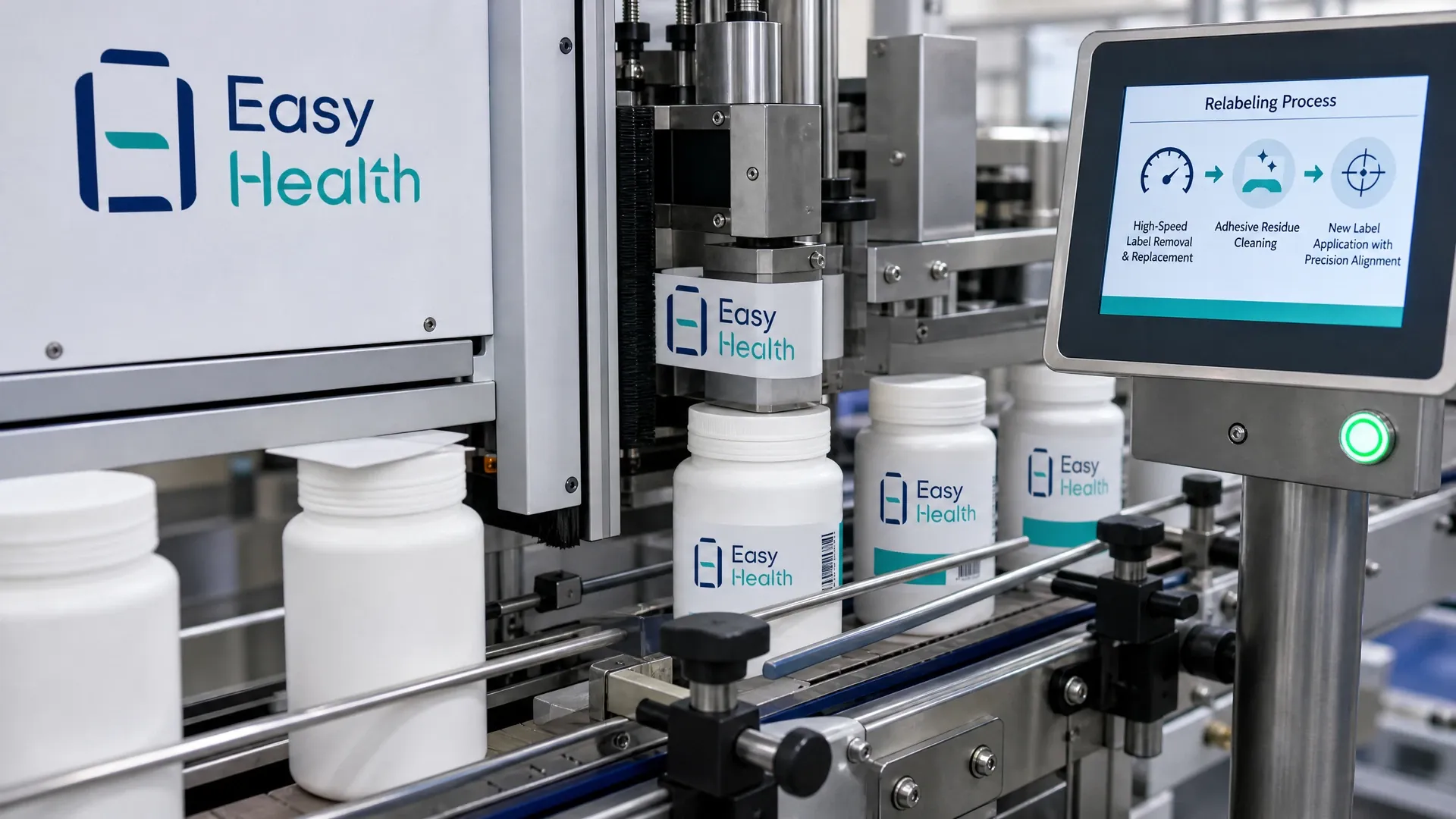
- Repack and acceptance:Repacking is orchestrated at our Hong Kong site; timeline depends on the project and is confirmed by our account manager.
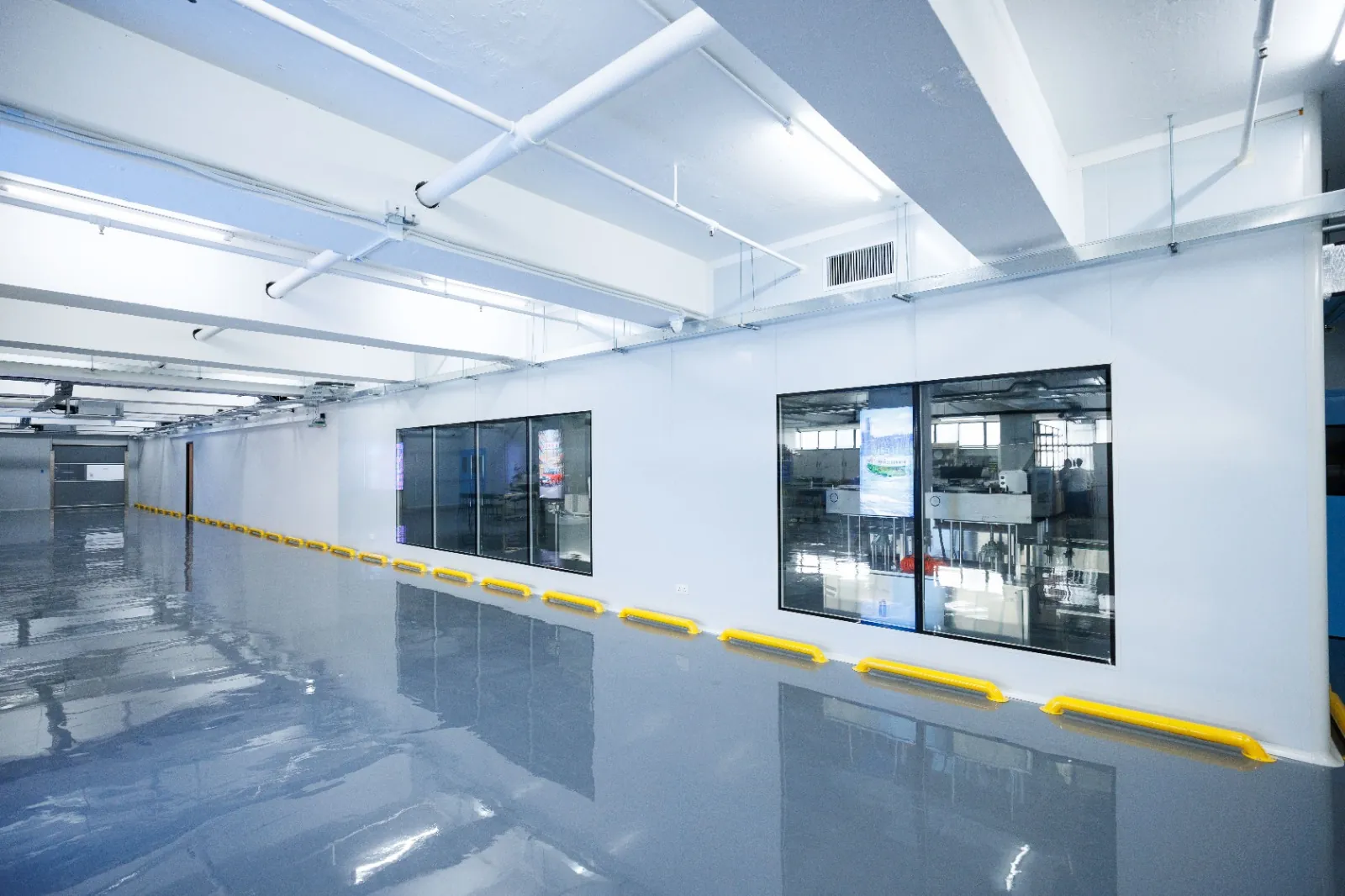
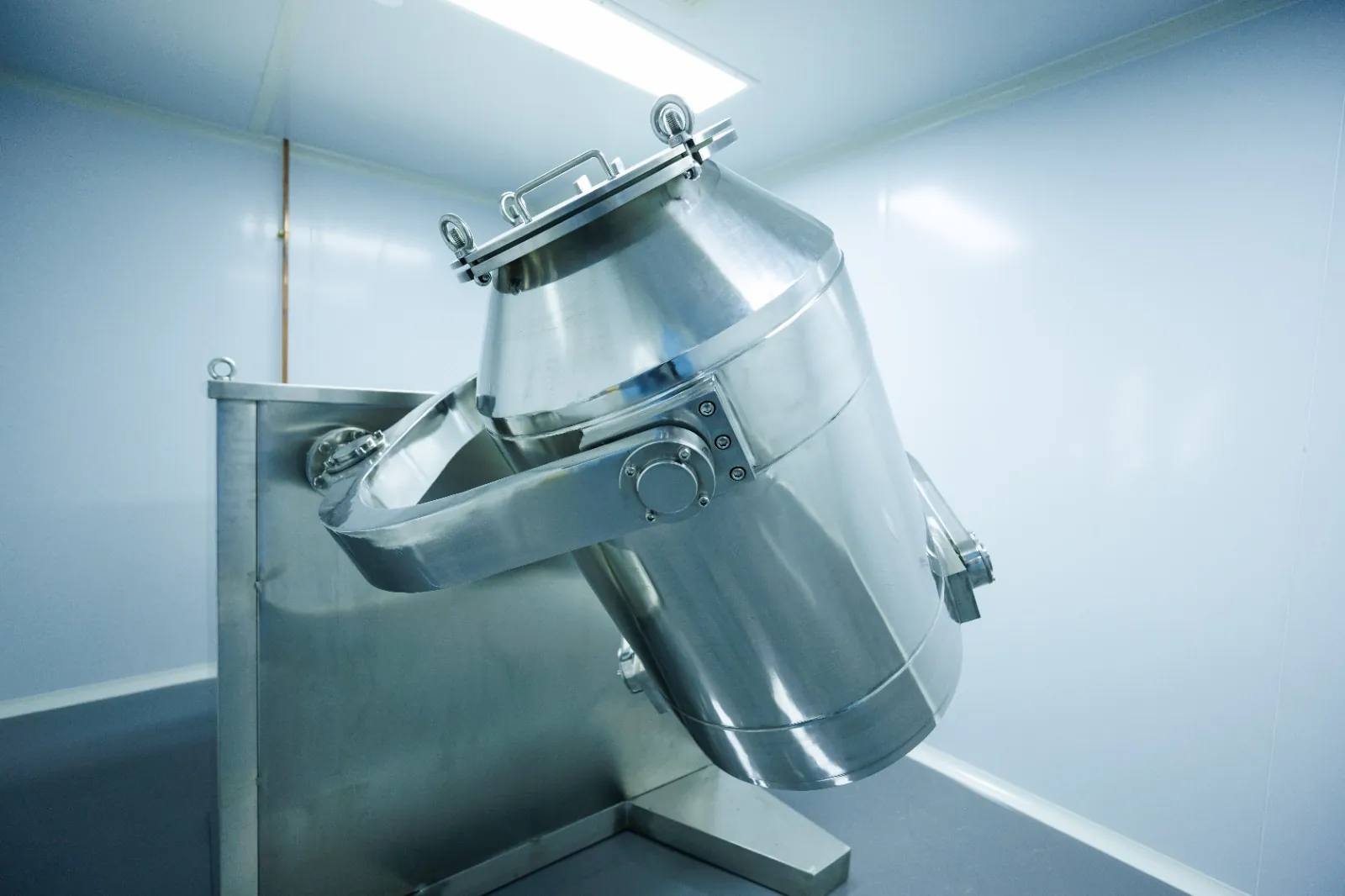
Inside the Easy Health Hong Kong Facility

Private Label Filling and Packing Types Compared
| Powder food filling | Liquid beverage filling | Capsule and tablet packing | Cosmetic filling Hong Kong |
|---|---|---|---|
| Cereal meal powder | Juice concentrate | Vitamin capsules | Serum and lotion |
| 3-side seal sachet | Bottle with leakproof cap | Alu blister card | Airless pump bottle |
| Low-dust handling | Cleanroom filling | Tight weight control | Viscosity-tuned flow |
| Ingredients and allergens | Serving and storage | Potency and cautions | Ingredients and usage |
| HK prepack rules | Beverage additive limits | Health claim review | Cosmetic label rules |
The above is general guidance; the final plan is assessed and confirmed by your account manager.
Pre-Submission Checklist for Repacking Projects
- Ingredient list and allergen statements; nutrition “1+7” data if applicable
- Product properties: pH, moisture, oil fraction, volatility and odour intensity
- Target markets and language versions (Hong Kong, Mainland and others)
- Proposed pack size and dose; any trial/travel size
- Reserved areas for batch, expiry date and QR if needed
- Logistics and retail: e‑commerce mailing, peg display or shelf blocks
Food Repacking and White Label Packaging FAQs
How Do You Choose Between Stick Packs and Bottles for Food Repacking?
Consider dose and hygroscopicity: single‑dose and on‑the‑go favour sticks; daily top‑ups needing a scoop lean to bottles. For high hygroscopicity, use high‑barrier foil sticks and validate seals; for bottles, include desiccants and check liner seals. Ensure label area accommodates “1+7” nutrition data where required.
What Should a Cosmetics Repacking Label in Hong Kong Include?
Include product name, key or full ingredients, net content, intended use/instructions, warnings, origin, batch, and expiry/PAO where applicable, plus space for QR or batch coding. Reserve multilingual layouts for cross‑border sales. Confirm specifics with our account manager.
How Should Labels Differ for Hong Kong and Mainland China?
Use the same structure with variant artworks: follow Cap.132W and “1+7” in Hong Kong; apply GB 7718 and GB 28050 for Mainland layouts. Modularise common info, swap languages and nutrition/ingredient panels, and keep batch/expiry coding positions consistent.
What Is Covered in Sampling?
Typically fill‑and‑seal samples, appearance/print samples (labels/cartons), coding trials and rub tests. For sensitive products, consider short stability observations or accelerated checks. Scheduling is project‑dependent and confirmed by our account manager.
How Should You Prepare Artwork Files?
Supply editable vector files (AI/PDF) with fonts and linked images; set bleed and safe areas; layer spot finishes (varnish/foil/emboss); mark batch/expiry coding zones. Provide a proof PDF for cross‑check before release.
Related Packaging Services
Discuss Your Repacking Format and Labelling Needs
Message Easy Health on WhatsApp to discuss your product, repack format and labelling needs. We will assess feasible options by market, structure and barrier, and arrange sampling where appropriate. Timelines depend on the project and will be confirmed by our account manager.
Last updated: