Dried goods packaging design for snacks and nuts
This page focuses on dried goods, snack and nut packaging design: choosing barrier materials, controlling moisture and oil ingress, mitigating breakage, balancing transparent windows with protection, and typical use of nitrogen flushing or oxygen absorbers. Easy Health coordinates structure design, labels and cartons, mock-ups and packaging production in Hong Kong, with details confirmed by your client manager.
Summary:Dried goods, snacks and nuts require protection from moisture, oxygen and oils, plus crush resistance and correct labelling. Easy Health operates in Hong Kong and coordinates dried-goods packaging design, pouch structures, labels and cartons, as well as mock-ups and packaging production; each project is individually assessed and confirmed by a client manager. Any applicable production standards or food-safety documentation (e.g. GMP principles, FSSC 22000 framework) are referenced, with certificate scope and supporting documents checked per project.
What pouch types and barriers suit dried goods and nuts?
Popular formats include stand-up pouches (with zipper), 3-side seals, gusseted or quad-seal bags. Laminates such as PET/PE, NY/PE, KPET/PE or metallised/foil structures raise oxygen and moisture barriers; high-oil items benefit from oil-resistant and puncture-tough layers. Fragile snacks may use thicker films, inner trays and nitrogen flushing; oily nuts often add oxygen absorbers or nitrogen. For product visibility, use a window but account for lower barrier and light exposure. Plan labels and nutrition panels per applicable regulations and reserve areas for batch/date coding.
Key risks in dried goods and snack packaging design
The priority in dried-goods packaging design is to manage moisture activity shifts and lipid oxidation. Dried fruits, nuts and baked snacks are typically sensitive to water vapour and oxygen, favouring high-barrier laminates (e.g., metallised or foil layers) alongside aroma retention and puncture resistance. For oily nuts, specify oil-resistant and heat-seal-stable sealants to avoid slip at the seal. Fragile crisps benefit from thicker outer webs, gusseted or quad-seal structures, inner trays or headspace, paired with nitrogen flushing. Recloseability is well served by stand-up pouches with zippers. If a product window is required, balance visibility with reduced barrier, light protection and localised stress. All trade-offs should match fat content, channels, logistics routes and storage conditions.
- High barriers limit moisture and oxygen ingress
- Use oil-resistant, heat-stable sealants for oily snacks
- Thicker films and inner trays for fragile items
- Zippered stand-up pouches enable reclosing and viewing
Nitrogen flushing, oxygen absorbers and pack structure details
Snack packaging commonly uses nitrogen flushing to establish a protective atmosphere and reduce crush and oxidation risks; depending on category and channel, oxygen or desiccant sachets may be considered. For windows, reinforce the window area with higher-barrier coatings or multilayers and avoid fold-stress lines. Validate seal curves and jaw widths, and place zippers for both appearance and tear guidance. For nut packaging design, consider shell fragments and sharp edges by specifying puncture-tough layers (e.g., nylon) or inner bags/trays. Shippers should match pouch height with top headspace to limit compression. Easy Health coordinates mock-ups, packaging material printing and production arrangements in Hong Kong, with all details and testing plans confirmed by a client manager before production.
- Select nitrogen, O2 or desiccants per product
- Reinforce and de-stress window areas
- Validate heat-seal settings with tear guidance
- Use puncture-tough layers to prevent bag failure
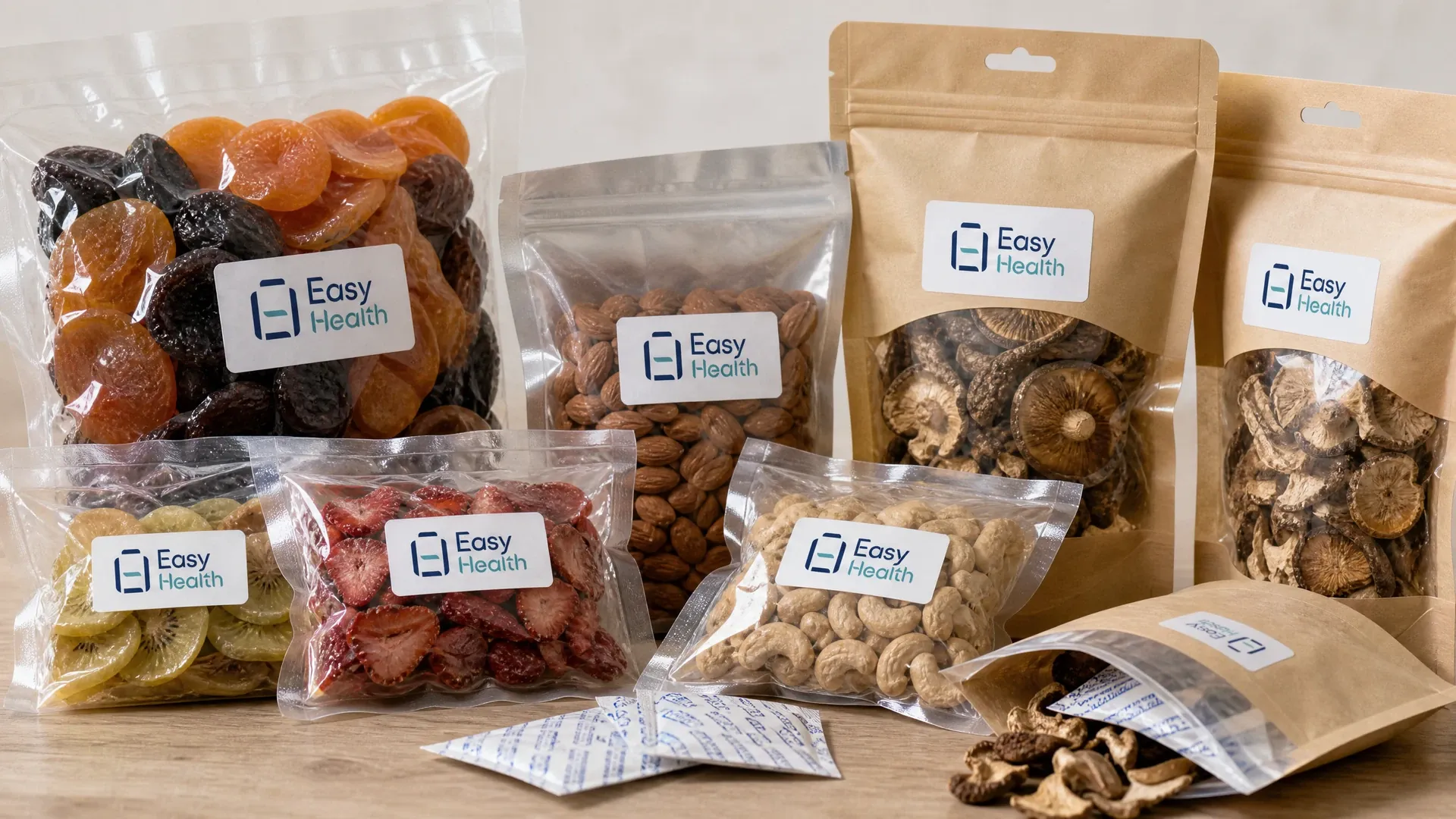
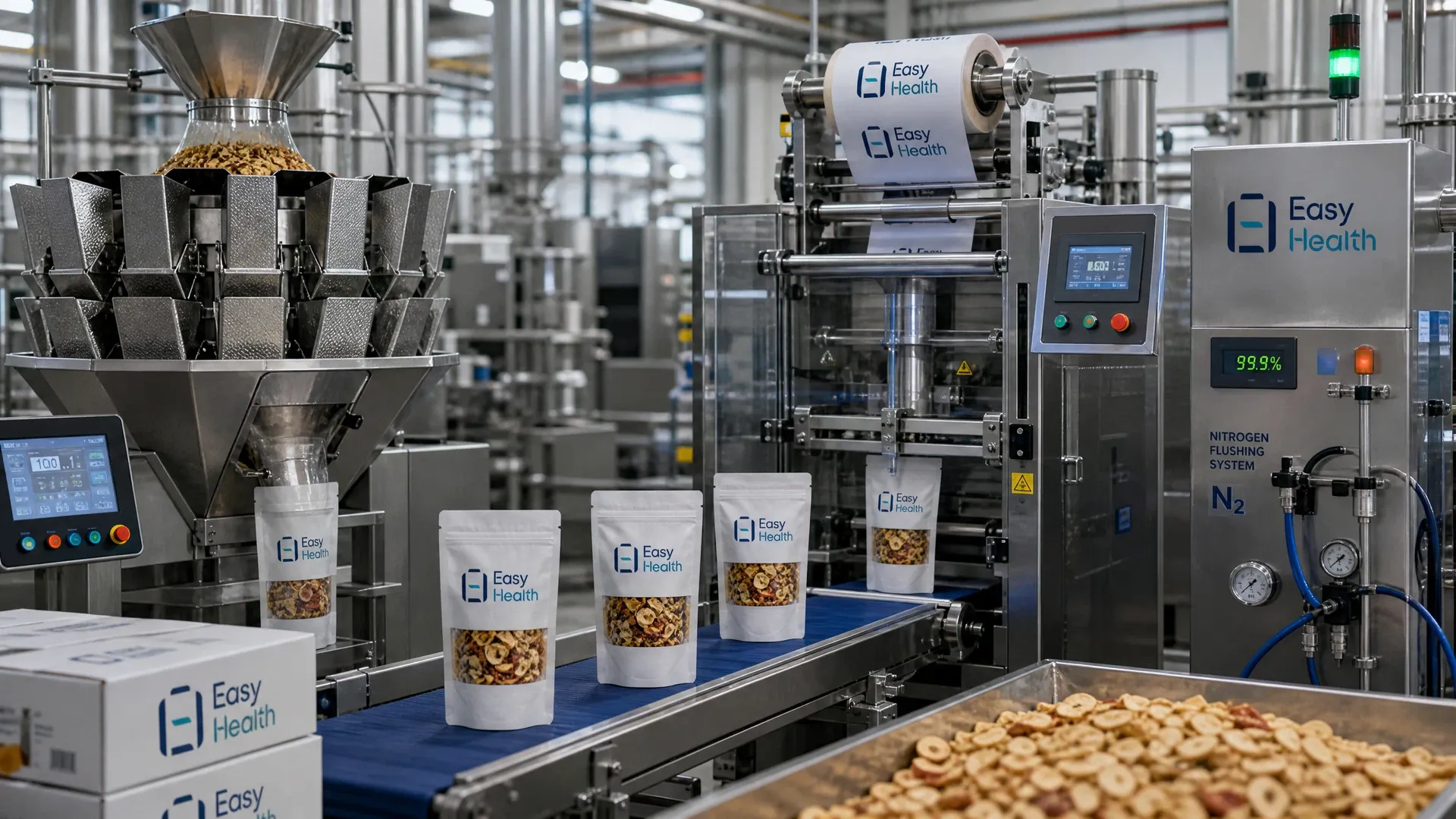
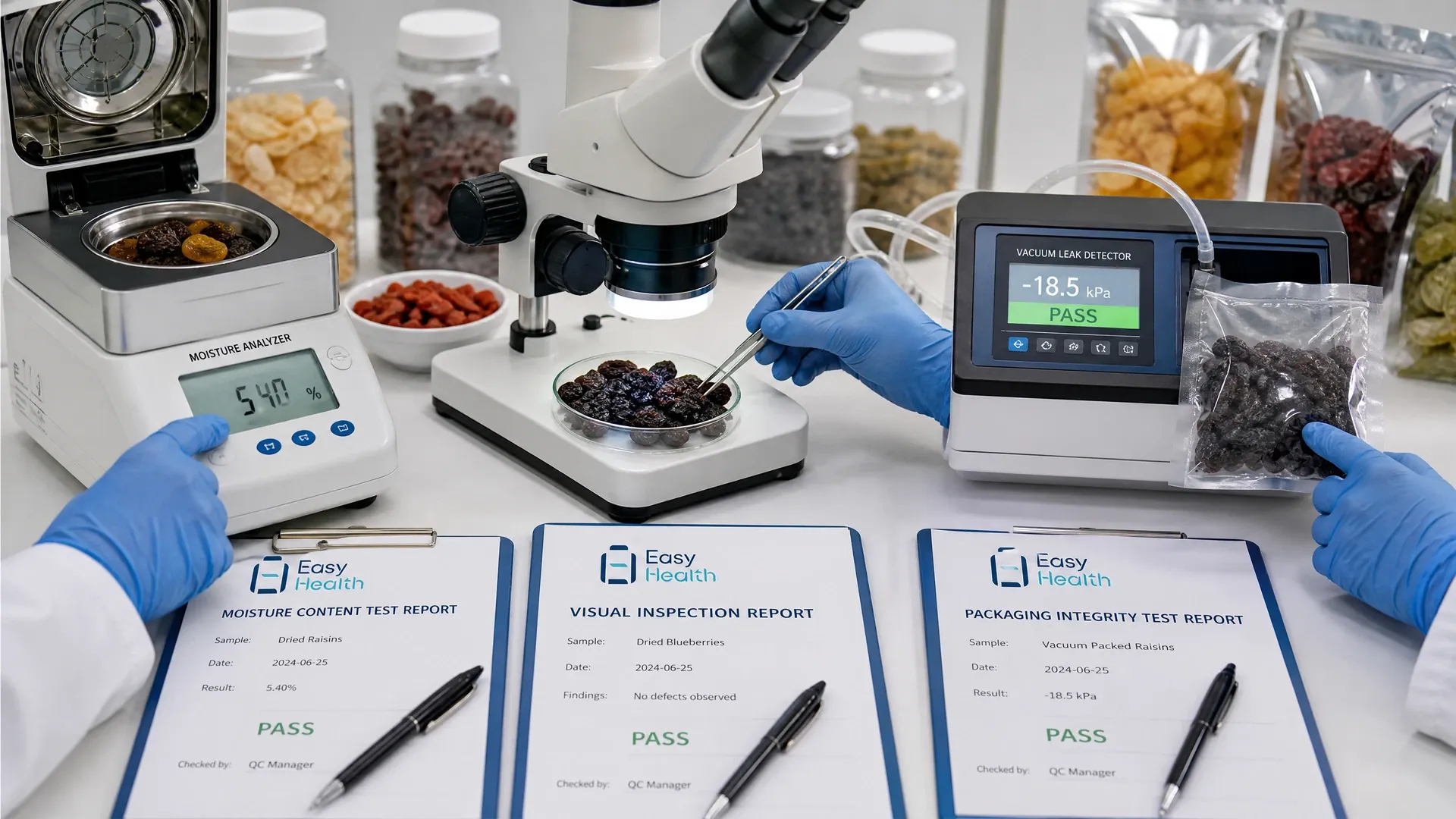
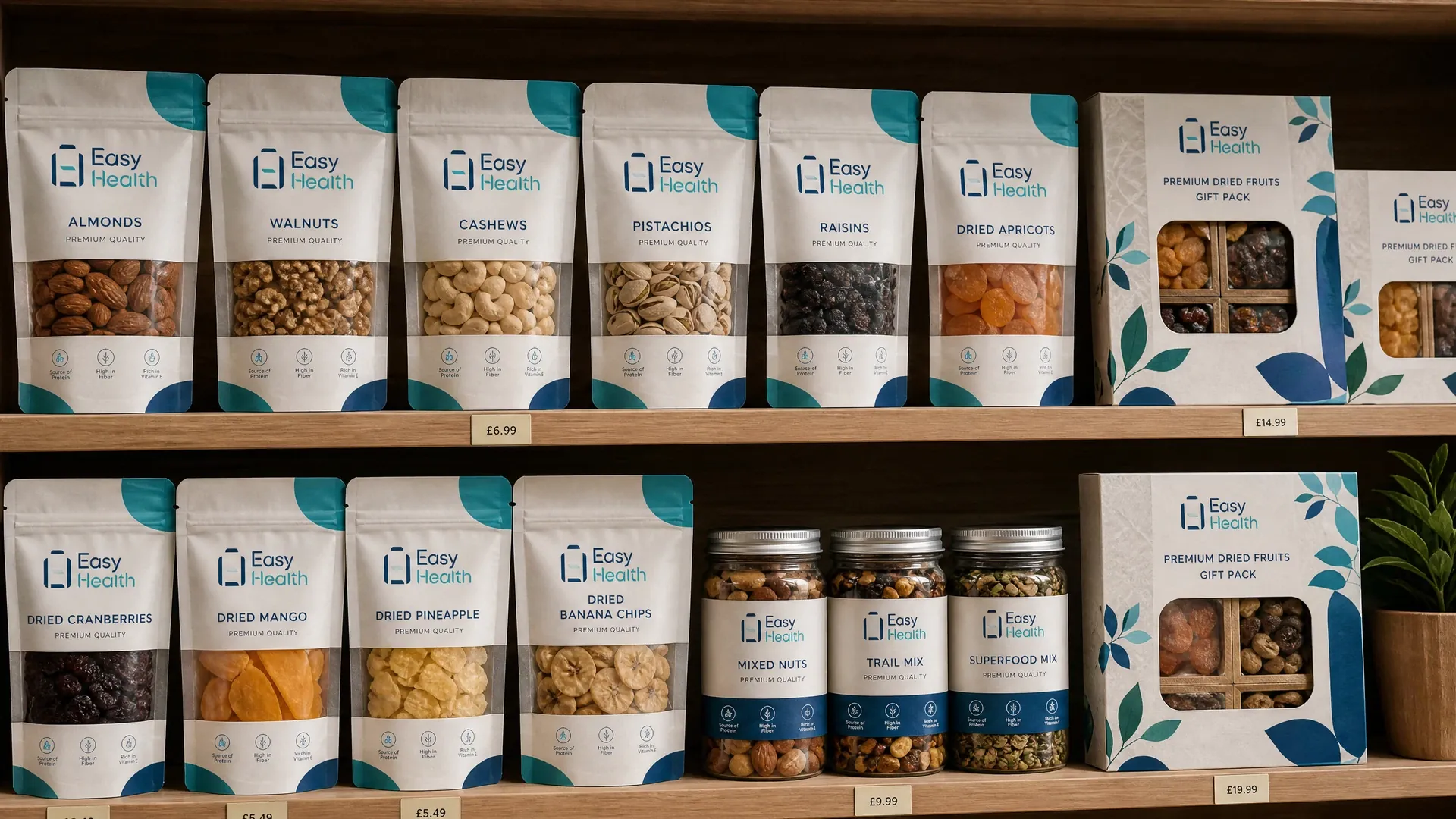
Visual guide to dried goods packs and coordination touchpoints
Use photos and diagrams to review pouch structures, quality checkpoints in our Hong Kong environment, and common retail packaging formats. Highlights include zipper placement, window areas, heat-seal zones, and indicative positions for nitrogen flushing or oxygen absorber sachets.
Labelling and compliance for dried goods, snacks and nuts
In Hong Kong, prepackaged foods generally follow the Food and Drugs (Composition and Labelling) Regulations (Cap. 132W) and the “1+7” nutrition labelling scheme; if a product is classified as a Chinese proprietary medicine or a Chinese herbal medicine, it would instead be subject to the Chinese Medicine Ordinance (Cap. 549). For Mainland China, GB 7718 and GB 28050 are commonly referenced. Key elements include ingredient order, allergen statements, net content, origin, usage and storage guidance, nutrition table format and minimum font size. With windows or irregular pouches, reserve areas for barcodes, nutrition panels and batch/date coding away from seals and creases. Easy Health coordinates label and carton production, with applicable markings and layout confirmed by a client manager per project.
- Follow Cap. 132W and the “1+7” scheme
- GB 7718/28050 often referenced for Mainland
- Reserve barcode and coding areas
- Clear allergens and net content
Storage, logistics and display risks through to shelf
Lightweight, bulky dried goods and snacks are prone to void space and stacking issues that affect breakage and appearance. Use inserts or dividers aligned to pouch type to protect load-bearing edges; match shipper stacking orientation to reduce compression and warping. Keep oil-sensitive items away from heat and light; windowed packs require attention to illumination and humidity swings. For cold-chain or long-haul routes, test pouch brittleness and fogging under chill and rewarm. In Hong Kong retail, consider hang holes and counter display boxes, ensuring smooth tear initiation and zipper reclosure. Easy Health coordinates packaging production and quality checks in Hong Kong, with storage, logistics and display guidance confirmed by your client manager before dispatch.
- Dividers/inserts minimise compression
- Clear stacking orientation on shippers
- Avoid heat/light; watch fogging
- Hang holes and display boxes for retail
Packaging design process and client confirmation steps
- Requirement briefing and sample review:Capture product form, oil content, channels and logistics; review reference packs to set structure and barrier levels.
- Material and structure proposal:Recommend laminates and pouch types (stand-up, gusseted, quad-seal, 3-side) and assess window, zipper and tear positions.
- Mock-up and testing:Coordinate mock-ups and artwork checks; arrange sealing, drop, puncture and display tests as needed to refine parameters.
- Label and carton coordination:Align label content to applicable rules, reserve barcode and coding areas; coordinate label and carton production.
- Hong Kong production coordination and QC:Coordinate packaging production and QC arrangements in Hong Kong; a client manager will confirm documents and guidance before dispatch.
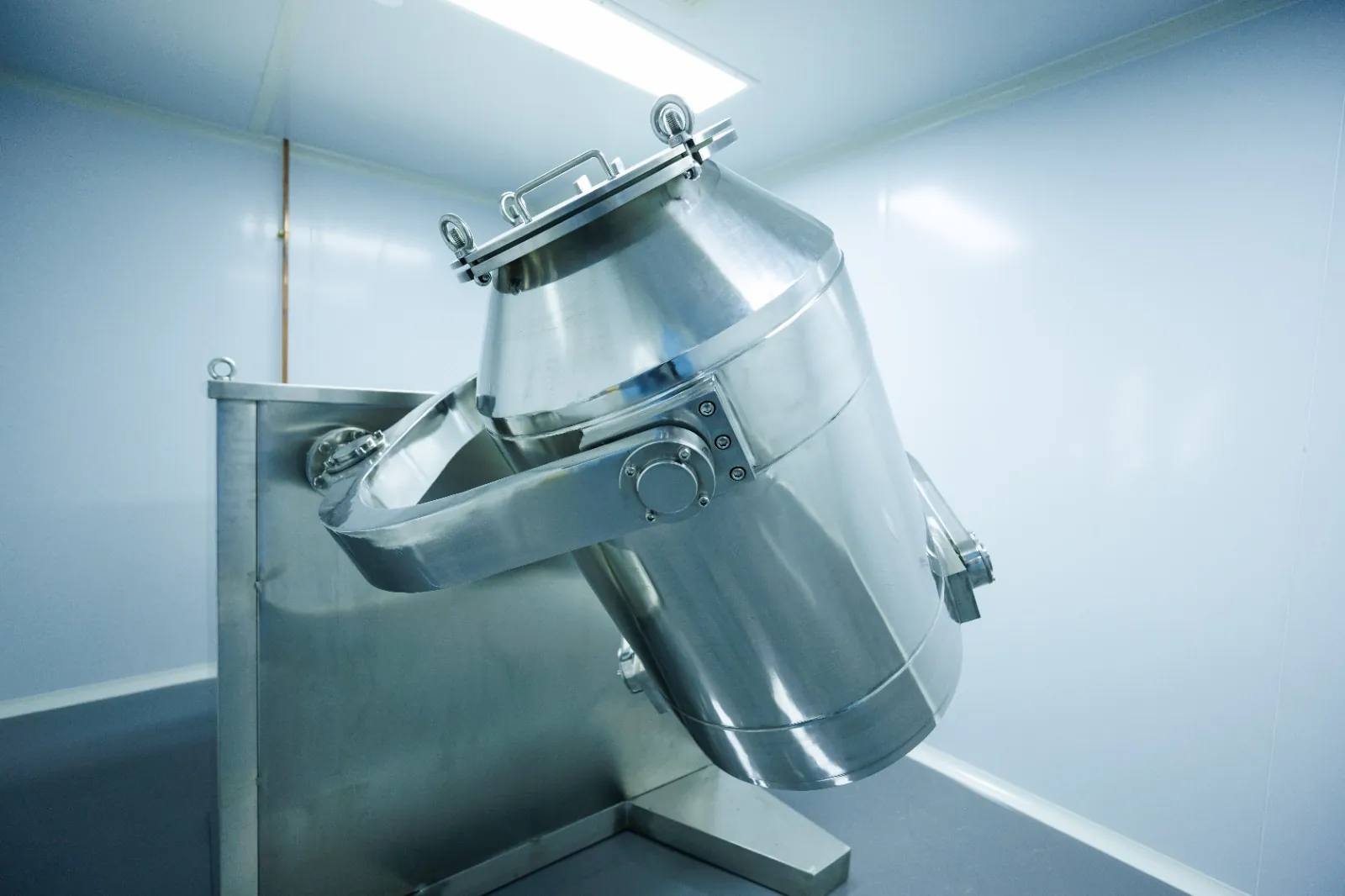
Inside the Easy Health Hong Kong Facility


Comparison of dried goods, snack and nut packaging design
| Item | Dried Goods Design | Snack Design | Nut Packaging Design |
|---|---|---|---|
| Materials | Foil stand-up with barrier | Matte zipper pouch puncture resistant | Foil or metallised high-barrier pouch |
| Fresh-keeping | Desiccant pocket integration | Reseal zipper keeps crispness | Nitrogen flushing limits oxidation |
| Visual | Grain texture with frosted window | Bold illustration with window | Nut icon with warm brown |
| Portability | Slim light easy to store | Easy-tear and resealable | Portion sachets reduce spillage |
| Sustainability | Mono-material for recycling | Water-based inks lower solvent | Paper-plastic hybrid less resin |
The above is for general reference; the final solution will be assessed and confirmed by the account manager based on the project.
Dried goods packaging design checklist
- Product oil content and plan for nitrogen/oxygen absorber/desiccant
- Sales channel and display mode (hang, shelf, counter display)
- Need for product window and light protection (window area/size)
- Fragility and puncture resistance (inner tray or thicker films)
- Applicable labelling markets/languages; barcode and coding zones
- Transport and storage conditions (temp/humidity, stacking method/height)
Dried goods, snack and nut packaging FAQs
Does a product window compromise barrier performance?
Windows typically reduce barrier, especially for oxygen- and light-sensitive snacks and nuts. Use high-barrier coatings or clear high-barrier films (e.g., KPET), minimise window size, and avoid fold and seal zones. Consider cartons or local light-shielding films as needed, and place barcodes and nutrition panels away from the window.
How should you choose between nitrogen flushing and oxygen absorbers?
Nitrogen creates an inert headspace and cushions fragile snacks; oxygen absorbers suit items where residual O2 is hard to control or fat levels are high. Decide based on fat content, pack volume, display method and transit time, then verify with residual oxygen and drop tests.
What helps stop sharp nut fragments puncturing packs?
Specify nylon (NY) layers for puncture resistance and consider thicker gauges. Use quad-seal or gusseted formats to spread loads. Keep windows away from fold-stress lines; add inner bags or trays and validate seal width and strength.
What must appear on labels and which rules apply?
Typically include ingredients, allergens, net content, origin, usage and storage guidance, nutrition panel and contact details. In Hong Kong, follow Cap. 132W and the “1+7” scheme; for Mainland China, GB 7718 and GB 28050 are commonly referenced. Confirm any special ingredients or claims with professional advice before design.
How should artwork be prepared for printing?
Supply editable vector files with embedded fonts, correct bleed and registration marks. Flag window areas and special finishes (metallised, spot varnish) on separate layers. Keep barcodes and coding clear of seals and folds. Easy Health coordinates printing and materials, with mock-up and production arrangements confirmed by your client manager.
Related Packaging Services
Discuss your dried goods, snack or nut packaging project
Planning dried-goods, snack or nut packaging design? Message Easy Health on WhatsApp to share your product details, channels and logistics needs. We will coordinate material and structure proposals, label and carton arrangements, and mock-ups and packaging production in Hong Kong. Timelines vary by project and will be confirmed by a client manager.
Last updated: