Organic food packaging for ready-to-eat and grain products
This page focuses on material and structural choices for organic food packaging and ready-to-eat food packaging, extending to practical priorities in grain packaging design. From barrier and moisture control to reheating, reclosure, tamper-evidence and compliant labelling, you will find actionable selection points. Easy Health operates a Hong Kong facility; a dedicated manager will assess and confirm each project.
Summary:Specializing in organic and ready-to-eat food packaging, covering barrier selection, heating methods, and compliant labeling. With a Hong Kong facility, GMP-standard environment, and FSSC 22000, we offer sampling and packaging coordination to implement grain packaging design and diverse pack formats.
Which products is this packaging guidance for?
Ideal for products positioned as natural, organic, ready-to-eat or grain-based: organic cereals, muesli, granola bars, instant porridge/powders, ambient ready-to-eat sides, ambient or heat-to-serve soups and sauces, organic nut mixes, instant beverages, and ready-to-eat dried fruits/veg. For high-moisture items or microwave/water-bath heating, first verify material heat resistance and sealing method.
Organic food packaging: materials, appearance and labelling
Beyond barrier and freshness, organic food packaging should reflect natural aesthetics while meeting labelling requirements. Common options include kraft paper laminates, stand-up pouches with windows, reclosable zips and tear notches for visibility and usability. Allocate space for the organic mark and certificate number, and verify ingredient naming and origin statements. For moisture-sensitive powders and grains, PE or CPP is typically used inside, with PET or foil layers as needed to reinforce WVTR and OTR. If pursuing eco-forward structures, assess compostable or recyclable formats against shelf-life, sealing temperature and printability. Easy Health coordinates material and print supply and provides technical input on label layout and legibility.
- Reserve space for organic marks; avoid crease/closure cover
- Prioritise moisture control: check WVTR and reclosure
- Natural look: kraft texture with a clear window
- Balance recyclable/compostable options with shelf-life
Ready-to-eat food packaging: heating and hygienic sealing
Ready-to-eat packaging prioritises heat resistance, sealing integrity and opening experience. For microwave or water-bath heating, consider PP bowls with lidding films, retortable CPP or heat-resistant PET structures, and include clear heating instructions. For ambient RTE snacks, evaluate nitrogen flushing and high-barrier pouches to preserve texture; oily or acidic sauces may require foil or metallised layers. Tamper-evident labels or breakable lids strengthen trust, while windows/icons guide consumption steps. In logistics, check stacking strength, drop performance and seal completeness. Easy Health can arrange sampling and seal testing, with a manager confirming seal temperature, films and structures per product.
- Heat compatibility: specify microwave/water-bath use
- Oily sauces: prioritise O2 and light barriers
- Ambient RTE: MAP/high-barrier pouches for crunch
- Tamper-evidence and clear opening cues
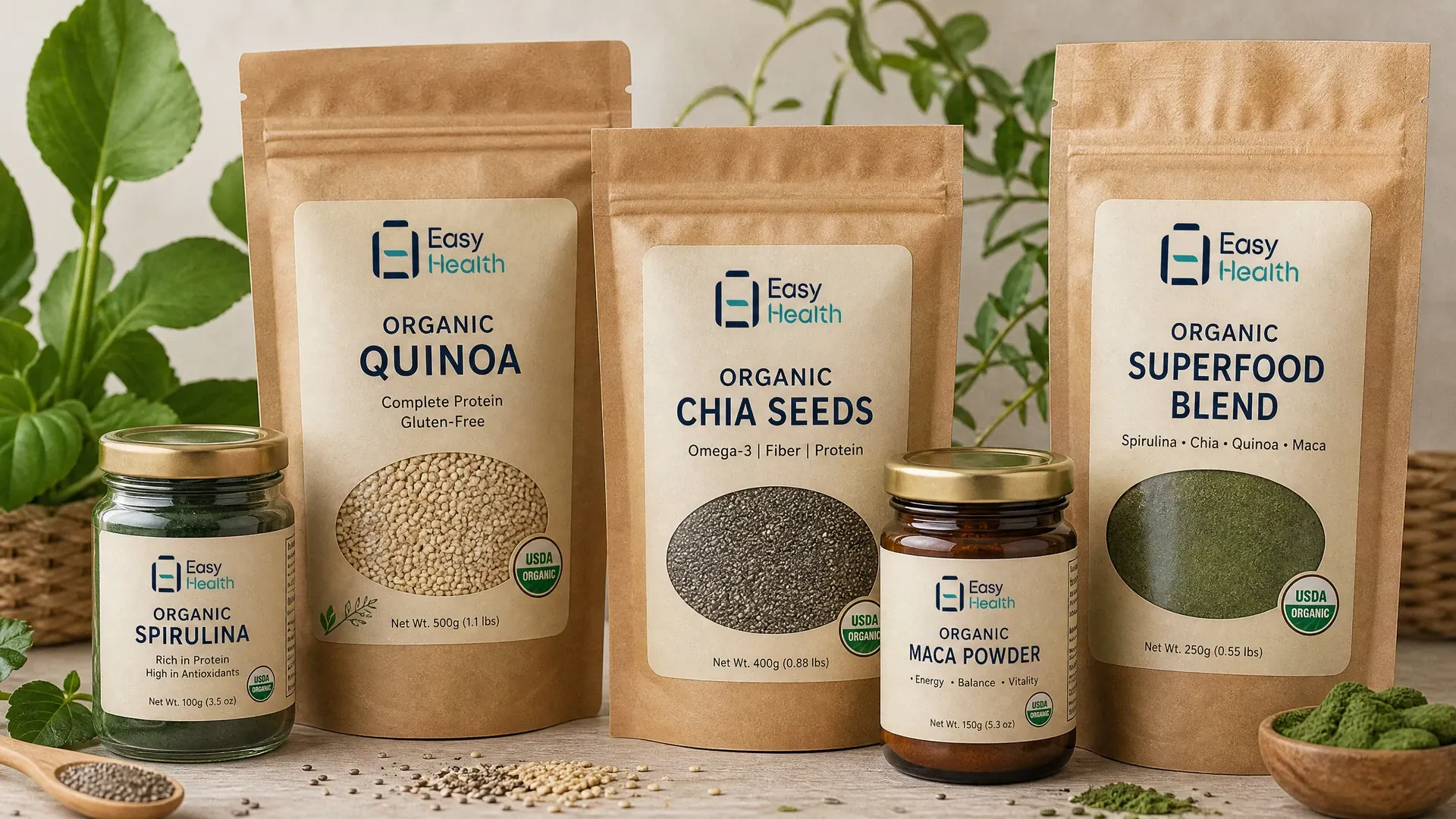
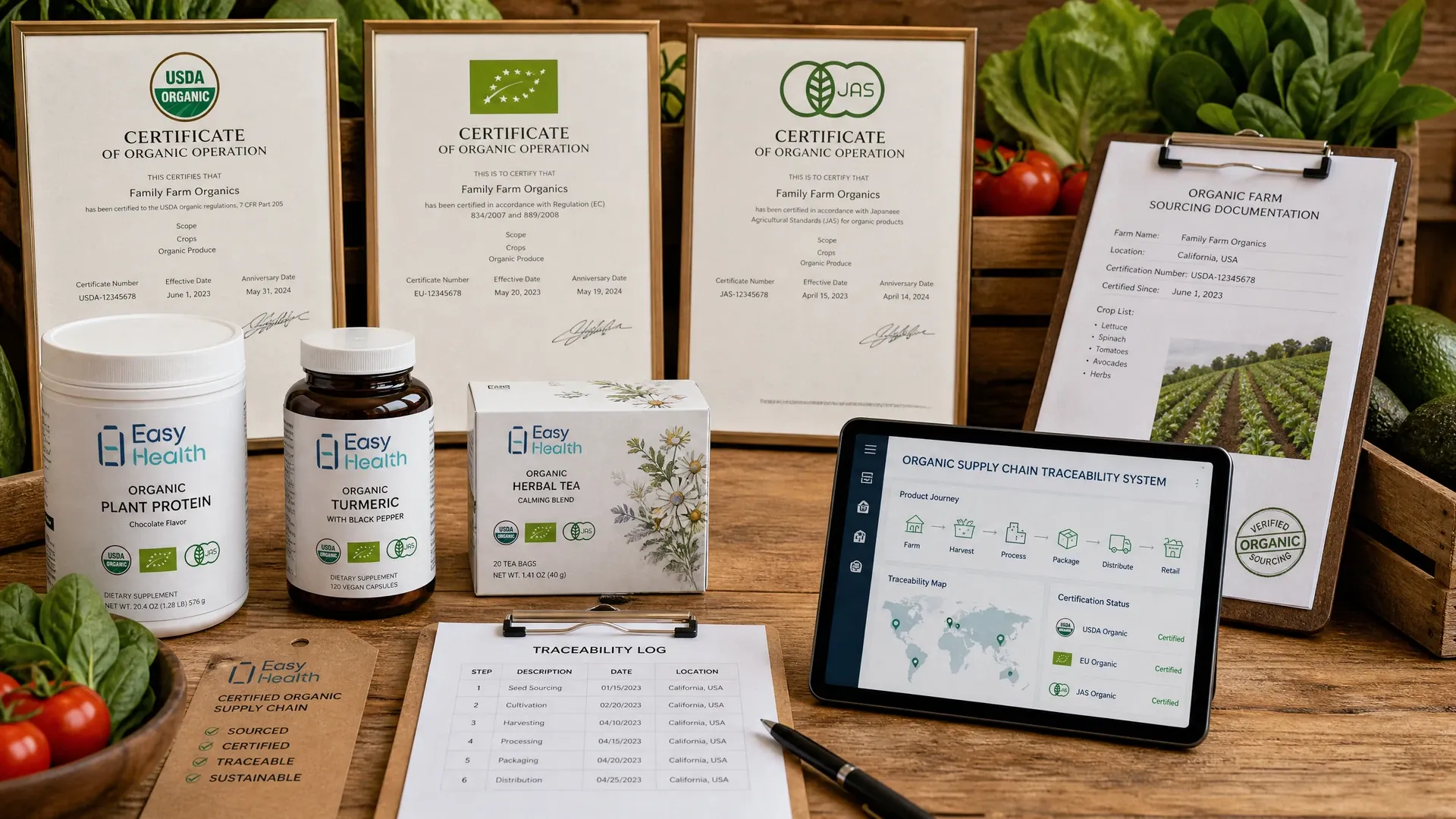
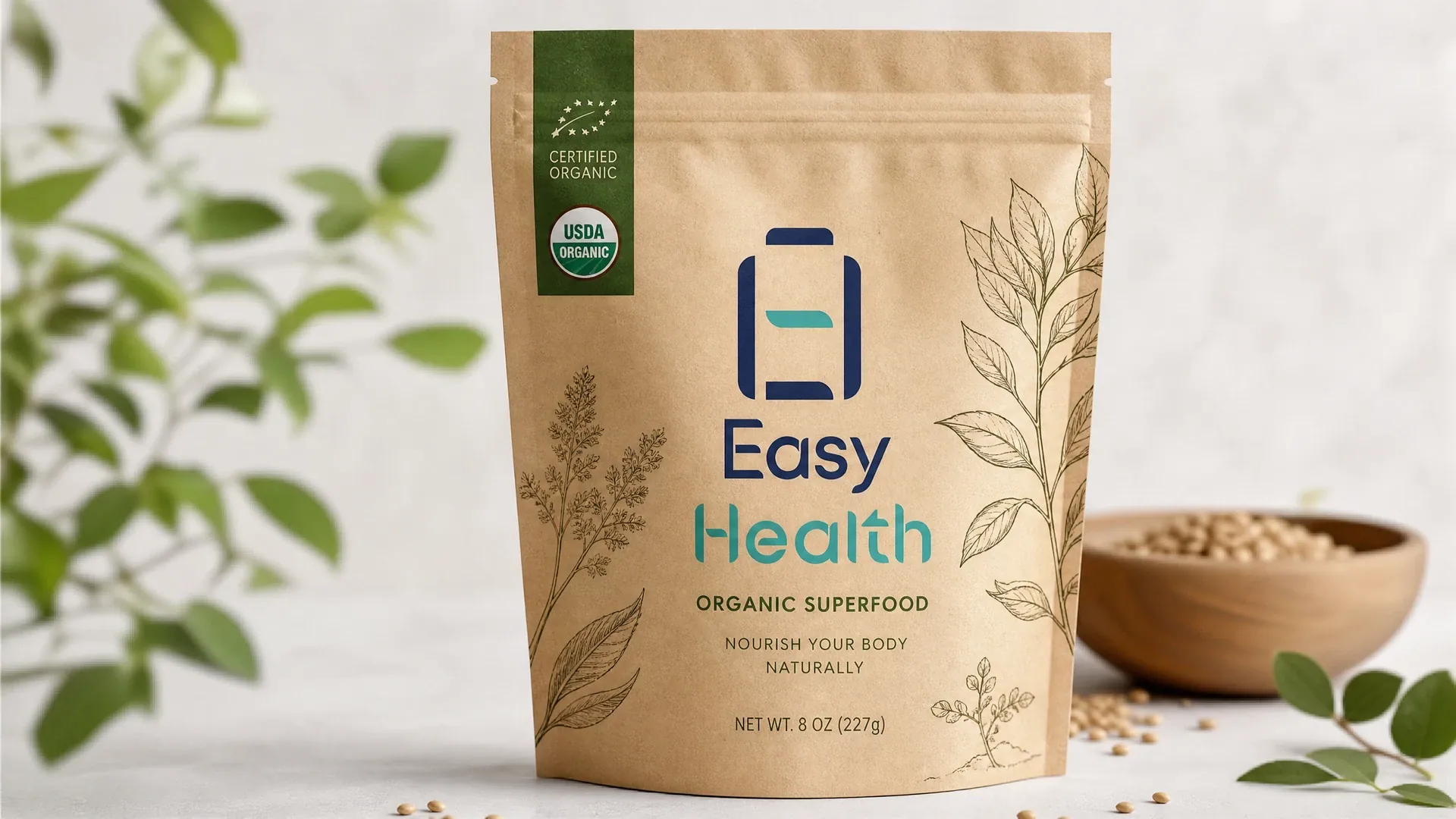
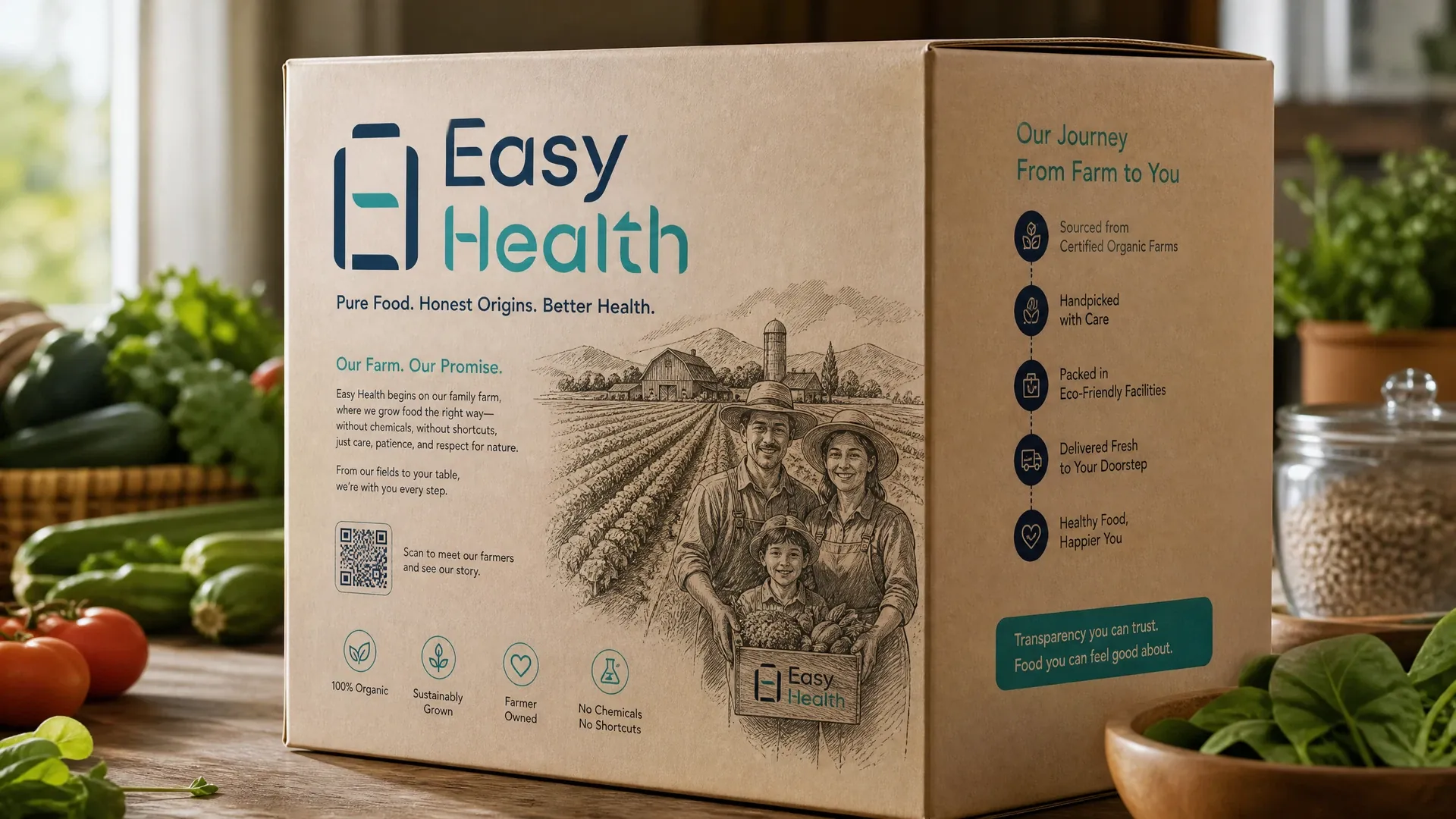
Visual guide: textures, windows and heating icons
The visuals illustrate kraft textures, window placement, reclosable zips and the way to display microwave or water-bath icons. You will also see common layouts for organic certification marks and nutrition labels, helping you compare structures and visual styles quickly.
Grain packaging design: moisture control, reclosure and display
Grain packaging design emphasises moisture protection and usability. Popular formats include zip stand-up pouches, paper canisters with foil peel membranes and side-zip pour-out bags. Balance structures such as PET/AL/PE or PET/PE with real storage conditions. For multi-serve households, increase zip width and mouth stiffness with a correctly placed notch to prevent jagged tears. Use windows or partially translucent inks to showcase flakes or mixes; combine kraft topsheets with spot colours for a natural feel. When using desiccants, plan warnings and a fixed position to minimise ingestion risk. Easy Health can coordinate film and bag sampling, and arrange zip cycling and drop performance tests.
- Multi-serve: wider zip and stiffer mouth
- Humid season: high barrier plus desiccant planning
- Windows display ingredient ratios
- Notch and lead-in angle reduce tear issues
Labelling and regulations: layout and readability
For Hong Kong and GBA distribution, align with multiple regimes. In Hong Kong, reference the Food and Drugs (Composition and Labelling) Regulations (Cap.132W) and the “1+7” nutrition labelling. For descriptions involving traditional Chinese medicinal aspects, note the Chinese Medicine Ordinance (Cap.549). For Mainland China, consider GB 7718 and GB 28050. Reserve sufficient font size and contrast, and place organic marks on flat areas away from seals. For other markets, verify requirements with local authorities or advisors. Easy Health advises on bleed, dielines and legibility, and coordinates printing.
- Hong Kong: Cap.132W and “1+7” nutrition rules
- Mainland: GB 7718 and GB 28050
- Place organic marks clear of seals/creases
- High contrast and adequate type size
From concept to pack: Easy Health's coordination flow
- Requirements and product risk review:Your manager reviews ingredients, moisture/oil levels, heating needs and target markets to suggest suitable materials and structures.
- Sampling and test recommendations:Arrange pouch/bowl samples and recommend seal, drop and heat tests, adjusting films or gauges as needed.
- Technical label/layout checks:Advise on bleed, dielines, font size and organic mark placement, with guidance on applicable regulation directions.
- Material and print coordination:Coordinate films, paper and printing, confirming colour swatches and finishes while reserving seal and coding zones.
- Packaging production in Hong Kong:Production is coordinated at our Hong Kong facility with reference to GMP principles and the FSSC 22000 framework; related documentation can be reviewed with you. Timelines vary by project and are confirmed by your manager.
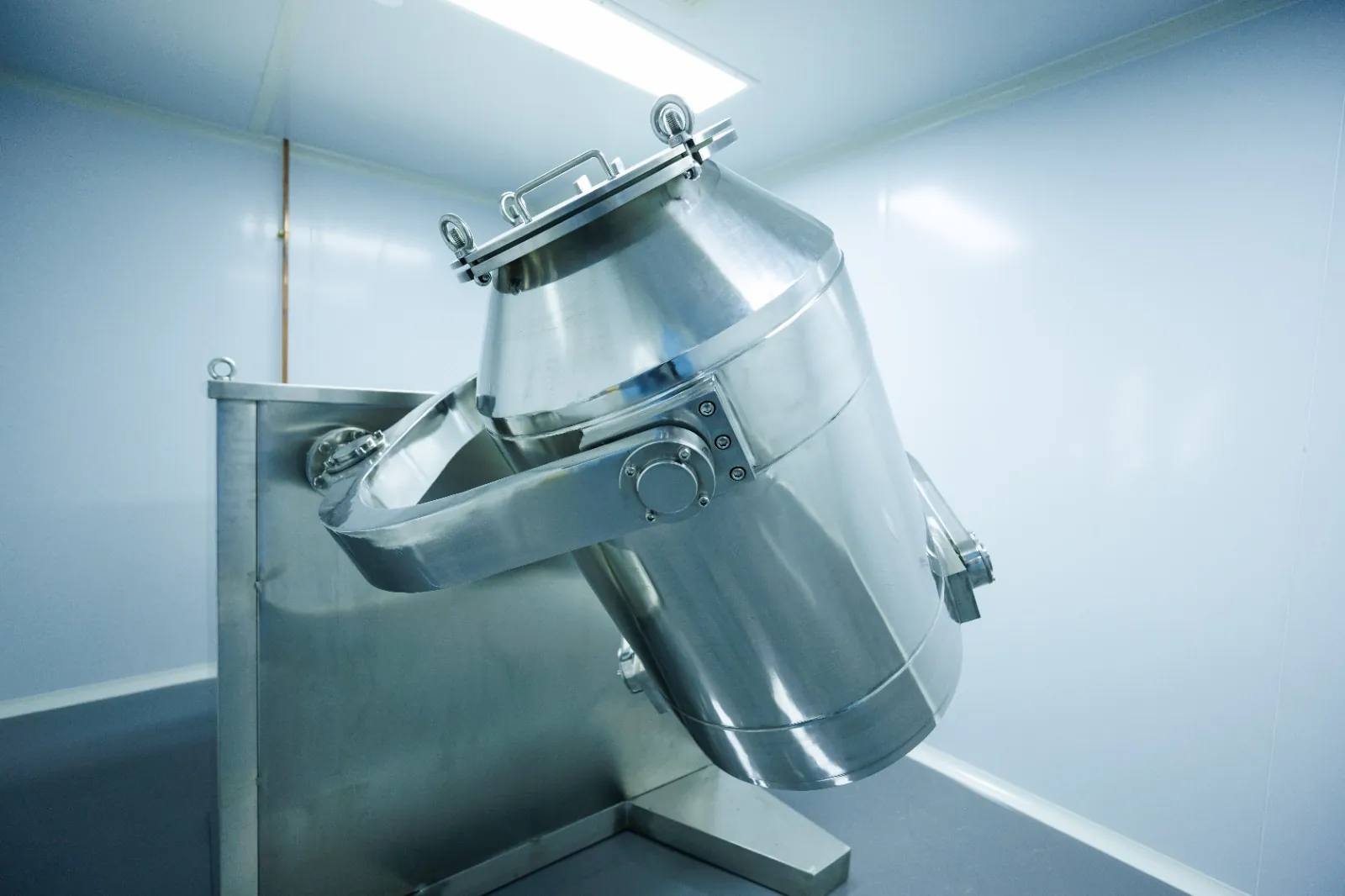
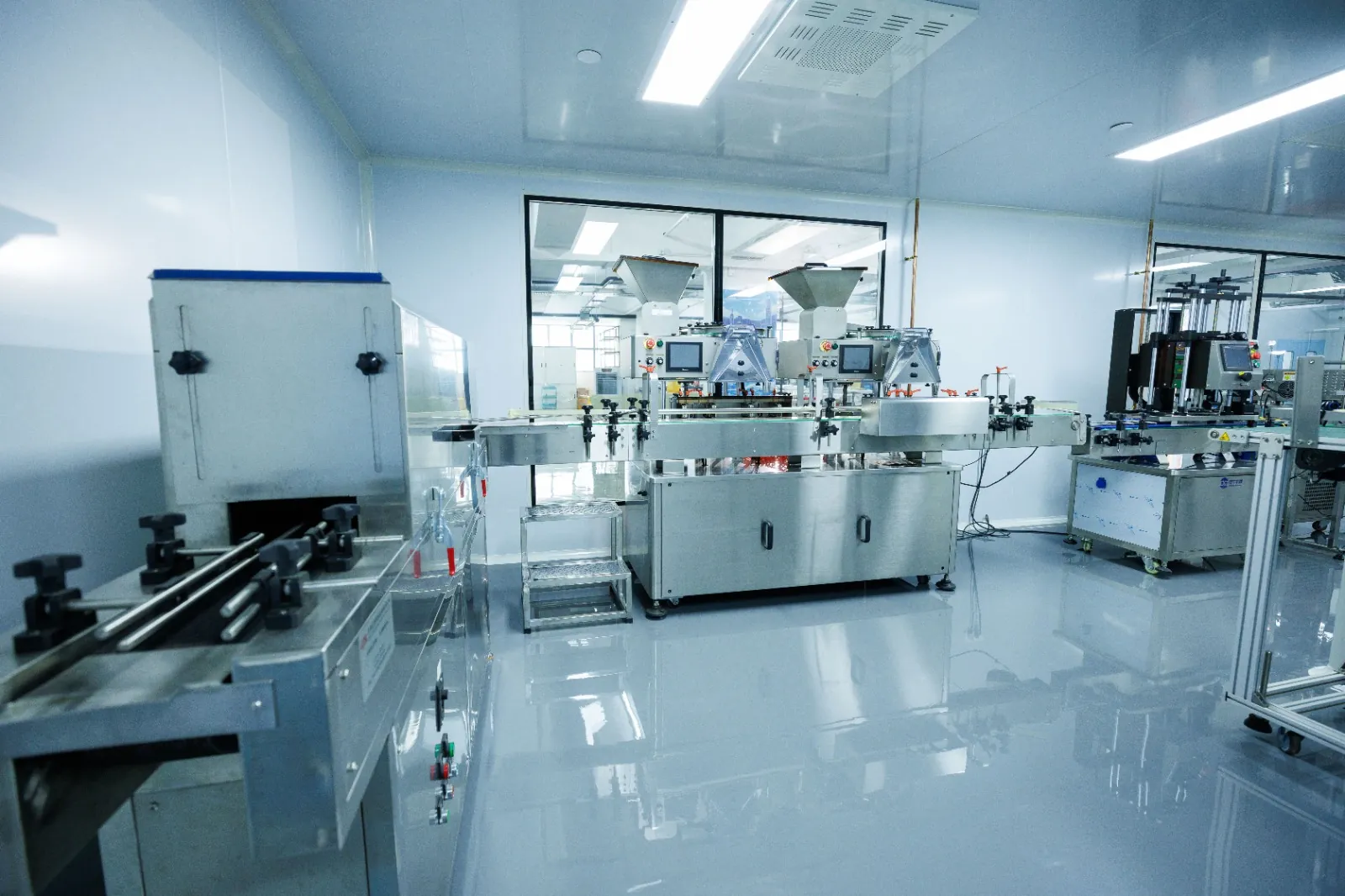
Inside the Easy Health Hong Kong Facility

Typical structures for organic and ready-to-eat foods
| Material/Structure | Barrier focus | Suitable products | Heating/Notes |
|---|---|---|---|
| Kraft/PE with window | Moisture control | Organic grains, muesli | Natural look, zip option |
| PET/AL/PE zipper pouch | High O2/H2O barrier | RTE snacks, oily nuts | MAP-friendly, light-safe |
| PP bowl + lidding film | Heat and seal | Microwave/water-bath meals | Show heating guide |
| Glass + metal cap | Inert and odour control | Sauces, soup bases | Add drop protection |
| Paper can + foil membrane | Moisture and rigidity | Cereals, grain mixes | Easy display/opening |
Typical options shown; final structure and gauges depend on product, logistics and manager assessment.
Before confirming the pack: quick checks
- Will the product be microwaved or water-bath heated? Confirm heat rating and icons.
- Need MAP or high barrier? Evaluate OTR/WVTR and laminate stack.
- Does the label include organic marks, certificate number and origin?
- Multi-serve use? Plan zip width and notch placement.
- Oily/acidic? Consider foil/metallised layers and light barrier.
- Need tamper evidence? Use security labels or breakable caps.
Packaging FAQs for organic, ready-to-eat and grain foods
What label information should be planned for organic food packs?
Typically include product name, ingredients, net weight, origin, nutrition panel, plus space for the organic mark and certificate number. For Hong Kong, refer to Cap.132W and the “1+7” scheme; for Mainland China, GB 7718 and GB 28050. Place the organic mark on a flat area away from seals/folds and ensure legible contrast and font sizes.
How do I choose materials for microwaveable ready-to-eat foods?
Use PP bowls with lidding films, retortable CPP or heat-resistant PET structures. Validate actual heating time/power and conduct heat and seal tests. Include clear heating instructions. For water-bath heating, confirm the film and seals will not delaminate or leak.
How can grain packs balance moisture protection and visibility?
Choose PET/PE or PET/AL/PE for moisture barrier, then add a window or translucent inks for display. For multi-serve use, widen the zip and stiffen the mouth, and plan a fixed desiccant position with warnings to avoid accidental ingestion.
Are compostable or recyclable materials suitable for organic products?
They can be, but assess shelf-life, sealing temperature and printability. Some compostable films have lower moisture/oxygen barriers or limited heat tolerance—validate via testing. For multi-market launches, review local recycling/labelling norms with authorities.
What pack formats and coordination can Easy Health discuss?
Easy Health offers bottles, pouches, sachets, and blister-type options, coordinating materials and printing, sampling, and packaging production. Each project is assessed and confirmed by a dedicated manager; timelines vary by project.
Related Packaging Services
Discuss your organic, ready-to-eat or grain packaging plan
Share your product details (formula, moisture/oil, heating needs, target markets) and preferred formats via WhatsApp. A manager will assess materials and structures, then arrange sampling and packaging coordination.
Last updated: