Bird's nest packaging design for speciality foods
Specialty foods deserve packaging that matches their value. From structure and material selection to barrier, sealing, on-pack information, mock-ups and production coordination, Easy Health supports bird’s nest packaging design, fish maw packaging and other seafood gift or e‑commerce formats in Hong Kong. Timelines vary by project, confirmed by our account manager.
Summary:Bird’s nest packaging design addressing moisture/oxygen barriers, breakage protection, odour control and anti-counterfeiting. A Hong Kong facility coordinates design, mock-ups and production for labels, boxes, bottles, pouches, stick packs and blisters, with reference to recognised standards such as FSSC 22000.
Who this speciality food packaging service is for
If you manage brands or channels for bird’s nest, fish maw, conpoy or sea cucumber and need design plus packaging coordination in Hong Kong, this page is for you. We cover choices across high-barrier pouches, glass/PET jars, inserts and trays, blisters, cartons and labelling, with compliance highlights and practical guidance for retail and e‑commerce protection and unboxing. Suitable for managers planning series packaging with multiple variants.
Bird's nest packaging design for dried nests and ready-to-serve products
For dried nests, priorities are moisture protection, breakage control, UV mitigation and authenticity cues. Typical builds use a carton with an inner moulded pulp/plant-fibre/PET tray holding a blister or sachets, plus tamper-evident seals or tear strips. If using windowed cartons, add a clear barrier layer and assess UV needs. For bottled or concentrate formats, sealing integrity and label compatibility matter: glass conveys premium cues and pairs with liners and break rings; PET reduces weight and breakage—check oxygen barrier needs against product sensitivity. Both paths require transport cushioning, compliant placement of desiccants/oxygen absorbers, and clear positions for lot codes and traceability.
- Moisture and breakage control for dried nests
- Window packs require barrier and UV planning
- Bottles with break rings and suitable liners
- Reserve space for lot code and traceability
Fish maw packaging design for whole pieces, fragments and gift packs
Due to variations in thickness and form, fish maw needs tiered packaging choices. Whole pieces suit high‑barrier foil laminates or sealed jars with supporting trays and corner guards to reduce cracking. Fragments or blends work well in stand‑up pouches with zippers for portioning, unified by an outer carton for series branding. For gift sets, balance window display against aroma migration and consider an inner pouch for secondary barrier. If exploring vacuum or nitrogen, define product form, desired appearance and display goals first; our account manager can arrange test samples to verify seal strength and material compatibility.
- Use trays and corner guards for whole pieces
- Stand‑up pouch + zipper for fragments
- Windows balanced with aroma and barrier needs
- Test vacuum/nitrogen for seal and compatibility
Visual guide: typical structures and label zones
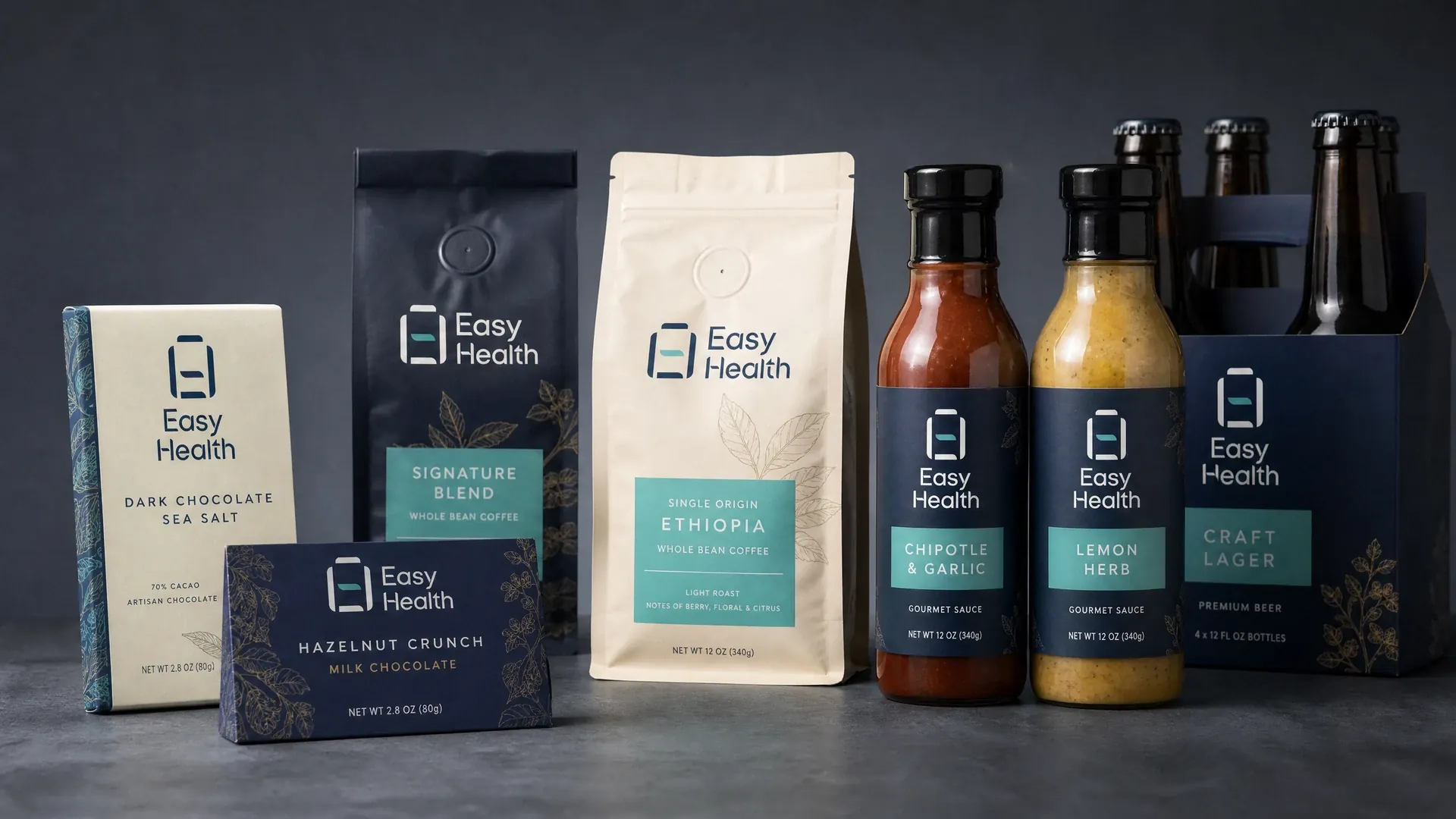
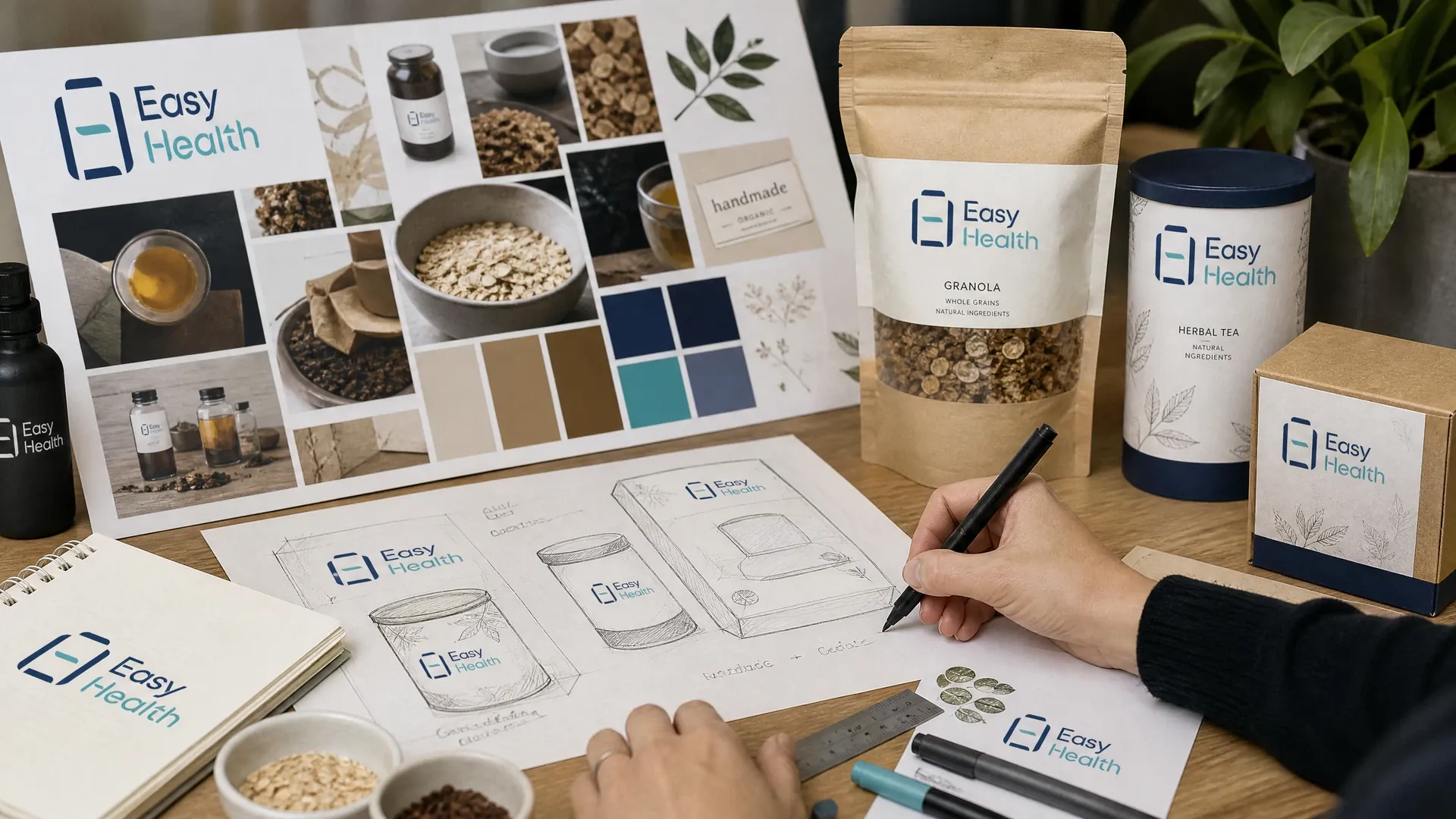
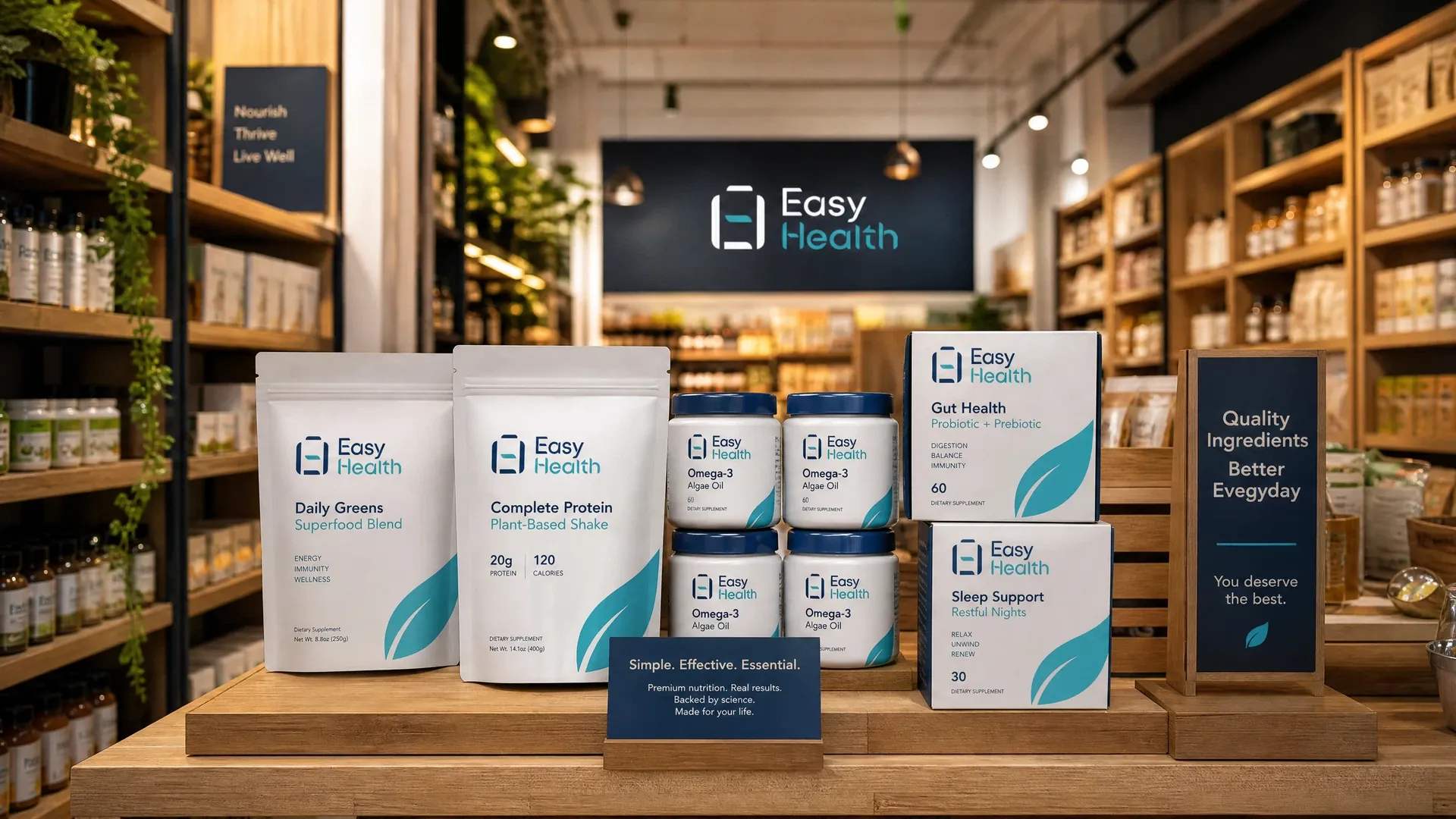
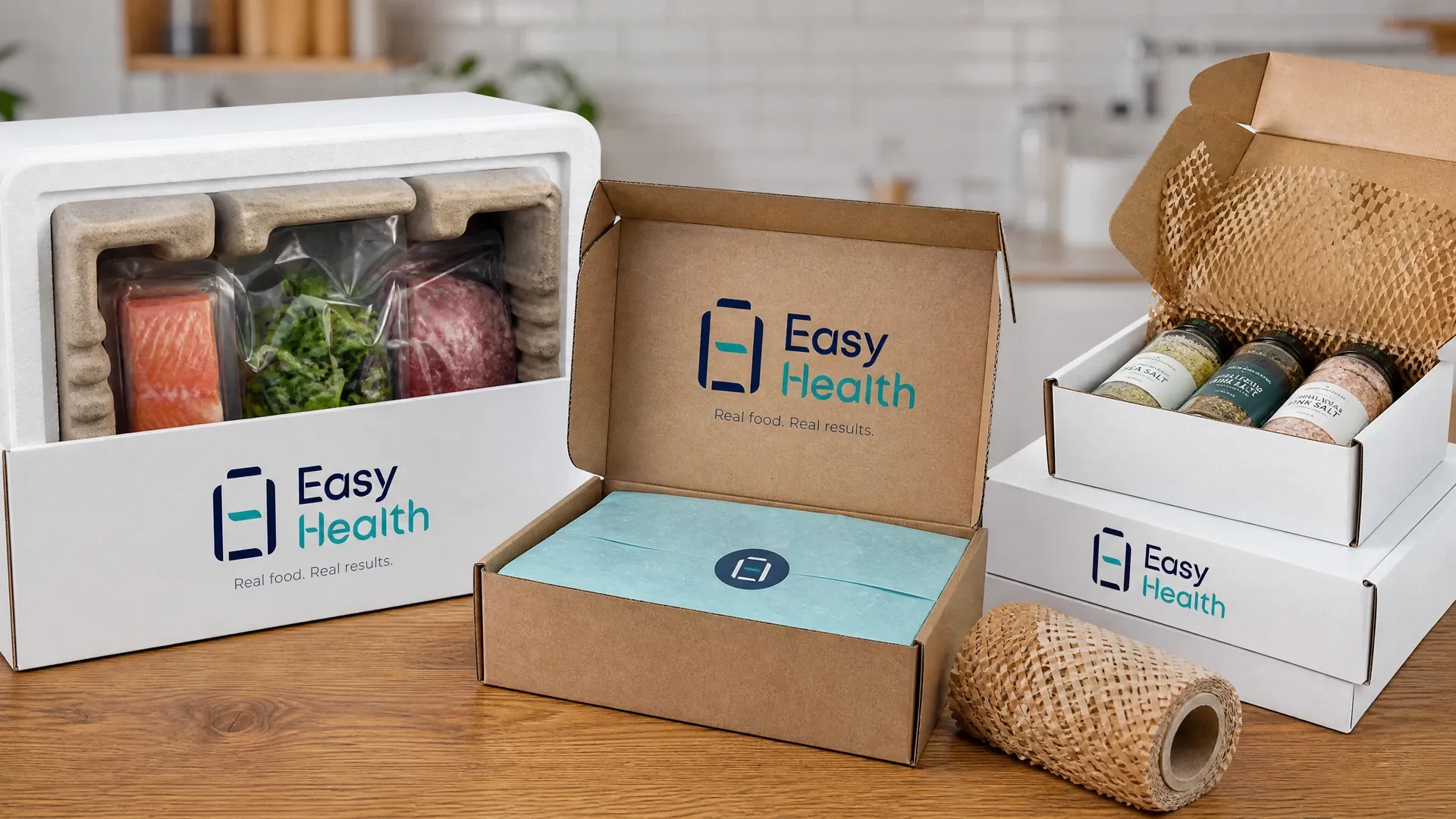
Diagrams illustrate tray + blister fixation for dried nests and fish maw, bottle liners with break rings, foil pouch heat-seal and tear‑notch designs, plus common carton and label placements, helping you plan windows, lot-code areas and easy‑open features.
Dried seafood packaging design in Hong Kong: barrier, odour and transit
For conpoy, dried shrimp and abalone, sensitivity to oxygen, humidity and odour requires robust barriers. Popular options include aluminium‑foil high‑barrier pouches (matte/gloss) or composite kraft with inner liners, using heat seals or zippers. For jars/tins, verify liners, cap inserts and gasket compatibility. In e‑commerce, add air cushions, corner guards and secondary bagging to limit breakage and oil odour seepage. Labels should reserve bilingual fields with an inkjet‑friendly area for lot and traceability. Light‑sensitive items benefit from tinted containers or inner light‑barrier films.
- High‑barrier foil pouches for sensitive items
- Check liner and cap insert compatibility
- Add secondary sealing and cushioning for parcels
- Tinted packs or light‑barrier films help
Labelling checks for Hong Kong and Mainland China
In Hong Kong, Cap. 132W requires declaration of ingredients, net quantity, durability date, storage and manufacturer/packer details. If nutrition labelling is used, present per the Hong Kong “1+7” scheme. For products involving traditional medicine claims, consider Cap. 549. For Mainland China, GB 7718 and GB 28050 commonly apply to pre‑packaged foods. Requirements vary by market and product; share formula and target markets and our account manager will coordinate label layout and mandatory fields.
- Follow Cap. 132W key declarations
- Use the “1+7” nutrition scheme if applicable
- Consider Cap. 549 where relevant
- Refer to GB 7718/28050 for Mainland
How our Hong Kong packaging coordination works
- Needs and risk assessment:Assess product form, sensitivities (O2/moisture/light/odour), channels and markets to propose suitable materials and structures.
- Design and labelling plan:Supply dielines and on‑pack information guidance, arranging bilingual fields and traceability zones per market basics.
- Mock‑ups and testing:Arrange aesthetic/structural samples, check seal strength, simulated transit and indicative barrier direction, then fine‑tune if needed.
- Material and print coordination:Coordinate material supply and printing, aligning cartons, labels, films and closures for compatibility and colour consistency.
- Packaging and review:Coordinate assembly and labelling at our Hong Kong facility following procedures aligned with GMP principles, with final checks before dispatch.
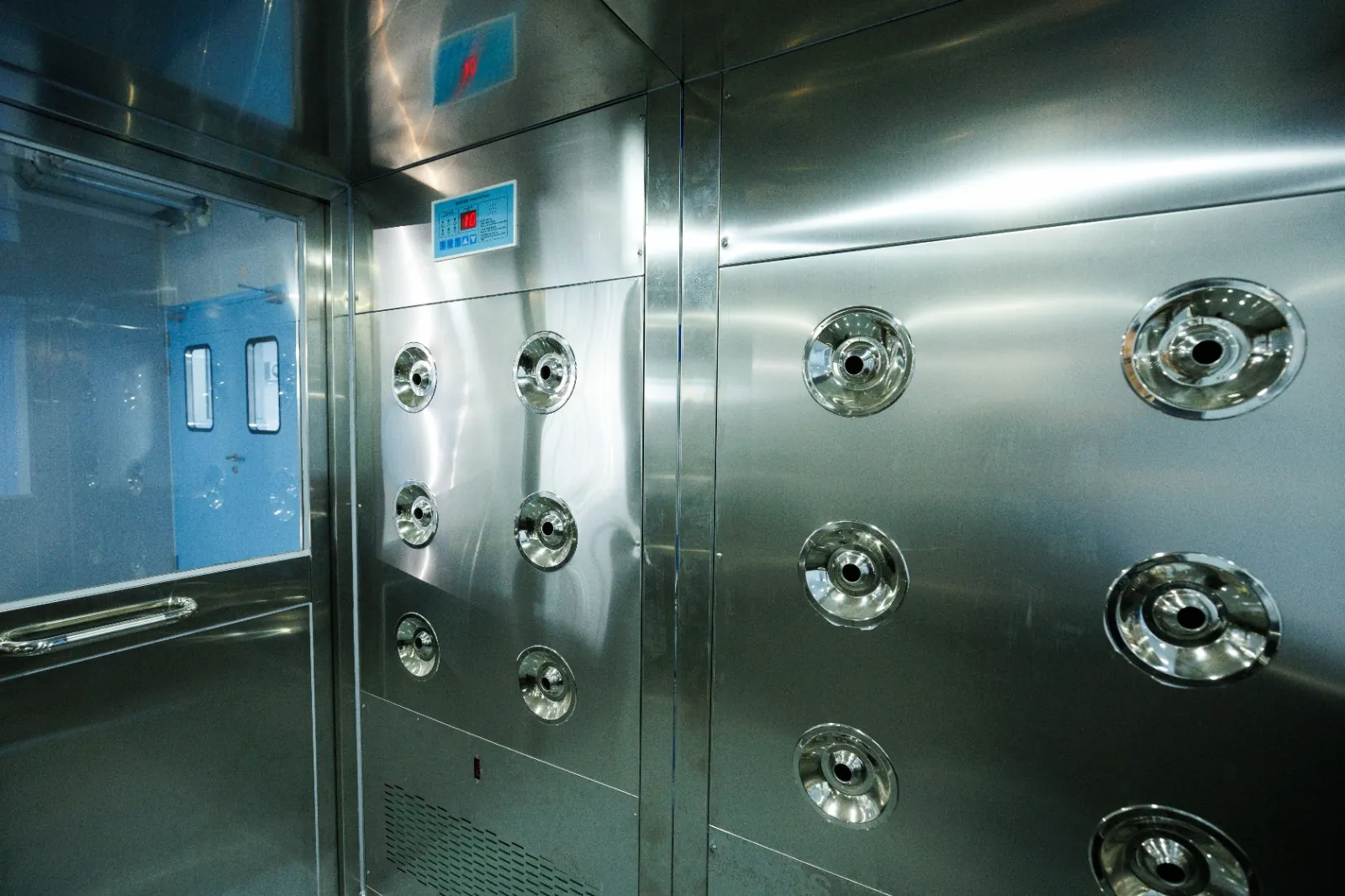
Inside the Easy Health Hong Kong Facility


Common packaging formats for speciality foods and when to use them
| Format | Best for | Key traits | Notes |
|---|---|---|---|
| Glass jar | RTS bird’s nest, giftable dried seafood | Premium look, heat tolerant, cleanable | Heavier; check liner compatibility |
| PET jar/bottle | Fish maw fragments, dried shrimp, conpoy | Lightweight, shatter‑resistant, clear | Verify O2 barrier and deformation risk |
| Alu‑foil high‑barrier pouch | Sensitive seafood, thick fish maw | Strong O2/H2O barrier, heat‑sealable | Add tear notch and secondary seal |
| Stand‑up pouch + zipper | Fragments, blends | Portion‑friendly, shelf‑stable display | Validate seal at zipper area |
| Tray + blister + carton | Dried nests, whole fish maw | Anti‑breakage fixation, display | Add barrier/UV for windows |
Guidance is indicative; testing is required per product, channel and target market.
Pre-kick-off checklist for packaging projects
- Confirm product form and dimensional tolerances (whole/fragments/bottled).
- Barrier needs defined: high‑barrier foil or tinted containers required?
- Primary/secondary sealing chosen (zipper, tamper seal, break ring).
- Dedicated area for lot and traceability coding reserved.
- Placement and labelling of desiccants/oxygen absorbers decided.
- Cushioning validated for retail and parcel shipping scenarios.
Bird's nest, fish maw and dried seafood packaging FAQs
Can desiccants and oxygen absorbers be used together? How should they be declared?
It depends on product sensitivity. You may use either or both; when combined, separate as needed and clearly mark them as inedible on‑pack or in the leaflet. Ensure the pack and seals tolerate headspace changes. Our account manager can coordinate details based on product and market requirements.
Will a windowed gift box compromise barrier or colour stability?
Window films often have lower barrier and UV resistance than main substrates. Mitigate by adding a clear barrier layer, selecting UV‑resistant grades, limiting window size and raising inner inserts, plus adding light shielding in transit packs. Validate with samples and light‑exposure simulations.
How should I prepare design files and bleeds?
Editable AI/PDF files in CMYK are typical, with 3–5 mm bleed, outlined text and linked images provided. Share a low‑res proof PDF and colour references. Dielines and safe zones will be issued by our account manager for confirmation.
Vacuum or nitrogen—how to choose?
Consider product form and desired appearance. Vacuum reduces movement but may compress fragile areas; nitrogen helps maintain form and cushioning but requires seal/material compatibility and headspace control. Trial small runs to assess seal strength, appearance and odour before deciding.
What information is typically required on Hong Kong food labels?
Typically: ingredients list, net quantity, durability date, storage instructions, and manufacturer/packer details. If using nutrition labelling, apply the Hong Kong “1+7” scheme. Consider allergens and handling notes as relevant. Share formula and markets for layout coordination.
Related Packaging Services
Talk to our Hong Kong team about speciality food packaging
Share product photos, specs and target markets. Easy Health will assess materials, structures and labelling priorities, and coordinate mock‑ups and packaging production. Timelines vary by project and will be confirmed by our account manager.
Last updated: