Supplement Batch Code Printing and Expiry Date Coding
This page focuses on coding and anti-counterfeit printing, including lot and expiry information, serialised QR codes and covert identifiers across cartons, bottles, foil pouches, stick packs and blisters. Easy Health coordinates variable-data printing and security-feature planning, including discussion of material choices, placement and durability. Any quality-system or certification documentation relevant to the project can be reviewed for scope and applicability.
Summary:Integrated coding and anti-counterfeit printing for supplements: batch/expiry codes, serialised QR, and covert marks across bottles, sachets, sticks and blisters. Easy Health coordinates testing, samples and production in Hong Kong, focusing on legibility, durability and regulatory fit, with details confirmed by a dedicated account manager.
How Should Batch Code Placement Fit the Pack Design?
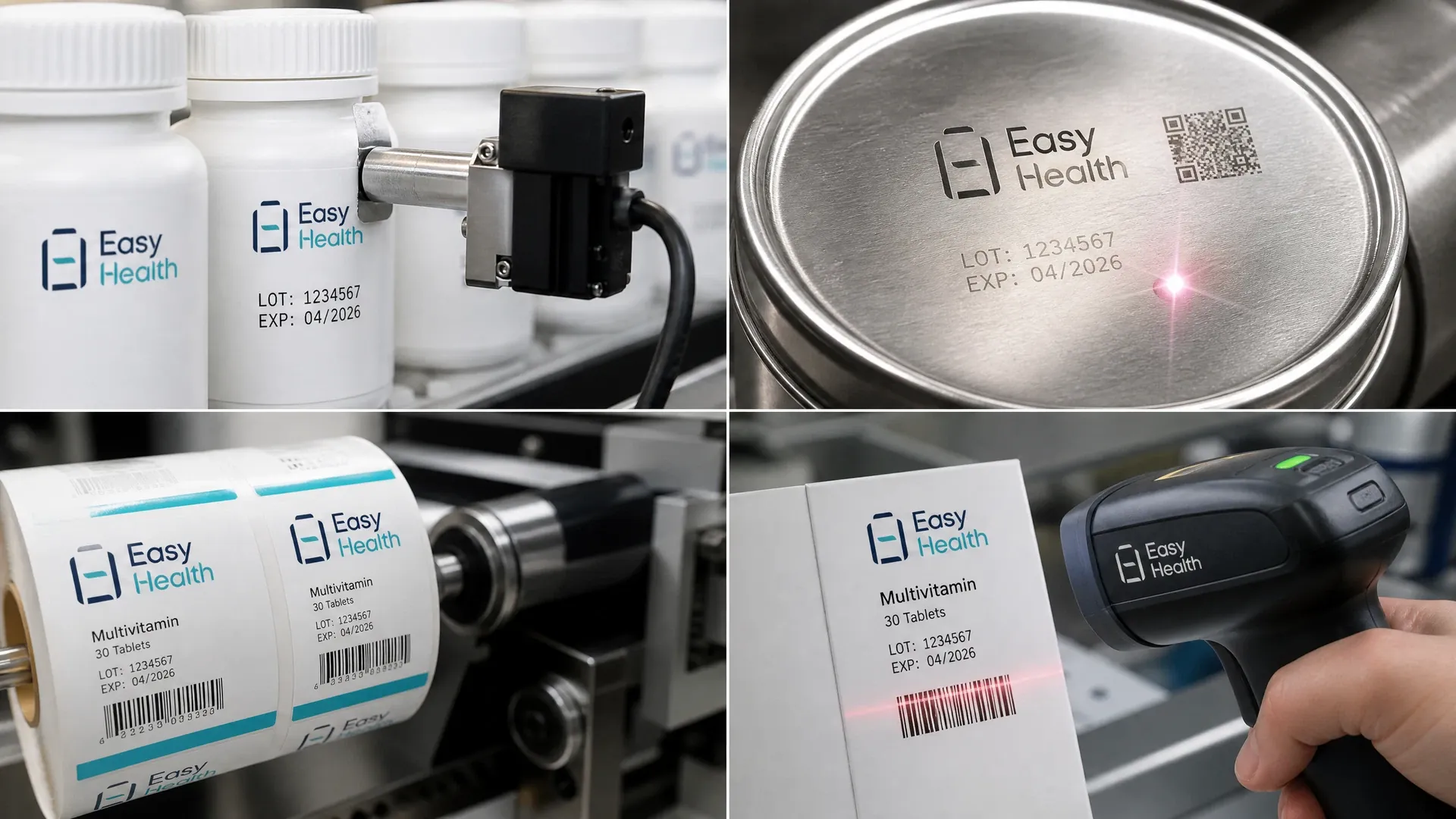
Define information tiers first: lot/expiry as mandatory, placed on a side flap, bottle base curve or near the tear notch; variable QR on a flat area with a clear quiet zone; microtext, UV ink or tamper-evidence as covert layers. Match method to substrate: high-resolution inkjet or TTO for cartons/labels; laser for glass/metal; use scuff- and moisture-resistant inks for metallised films or humid storage. Approve samples for legibility (scan distance, glare, post-rub visibility), then our account manager will confirm the production plan.
What Data Is Needed for Batch and Expiry Date Coding?
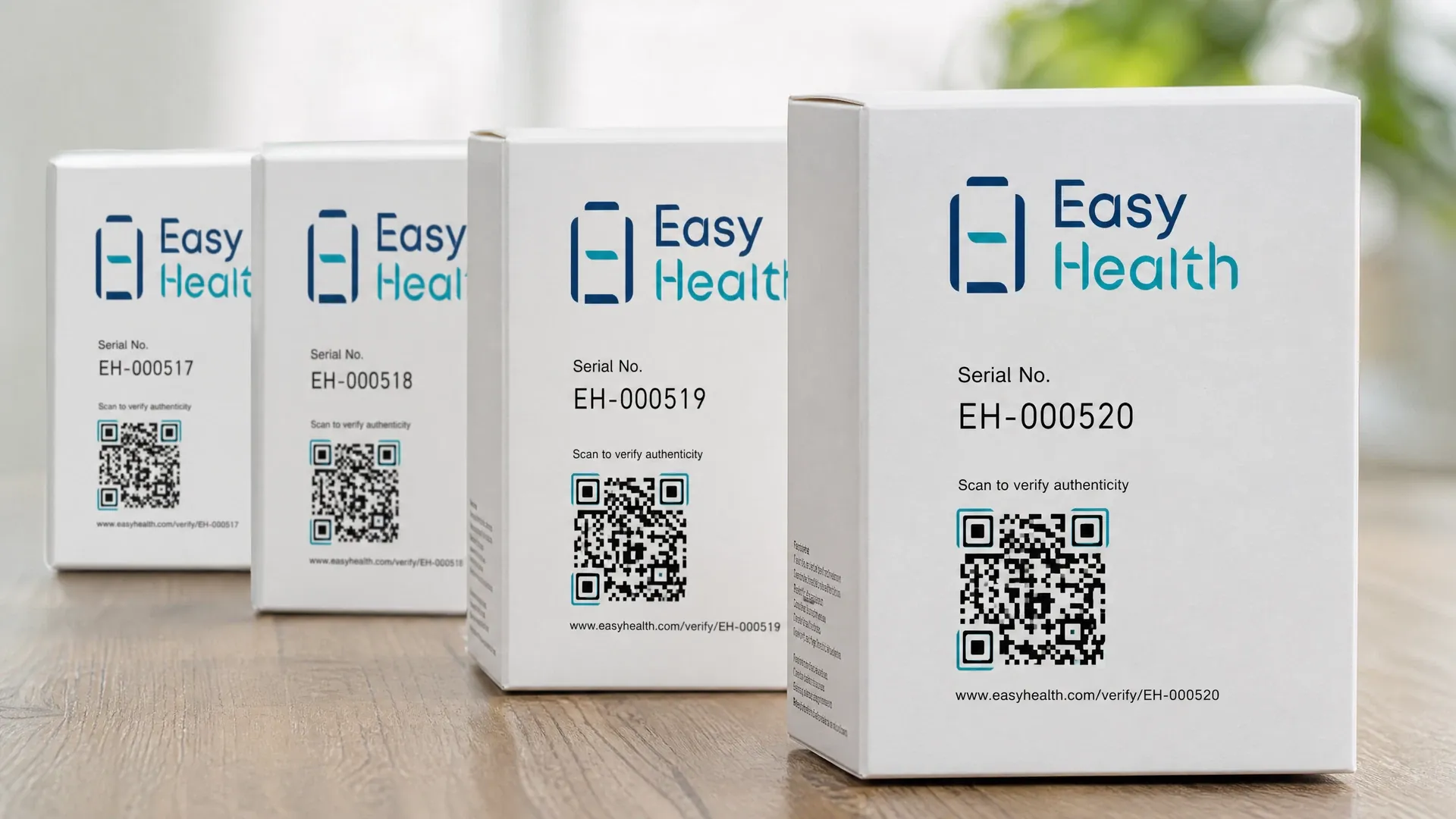
Variable data covers lot, expiry, serial numbers and QR. Define data source and formats (date convention, serial logic, error correction) before choosing the carrier (carton, label, container, foil pouch, blister lidding). Substrates differ in ink absorption and adhesion; test rub resistance and solvent wipe on the actual material. Set character height/contrast for warehouse lighting and reserve a quiet zone around codes. For traceability, use serialised QR mapped to your internal system. Easy Health can arrange sampling and pilot runs at our Hong Kong site, with placement and specs confirmed by an account manager.
- Fix data formats and serial logic first
- Match method to substrate: inkjet/laser/TTO
- Test rub and alcohol/sweat resistance
- Keep a quiet zone and avoid glare
How Should Optional QR Codes Be Planned in the Layout?
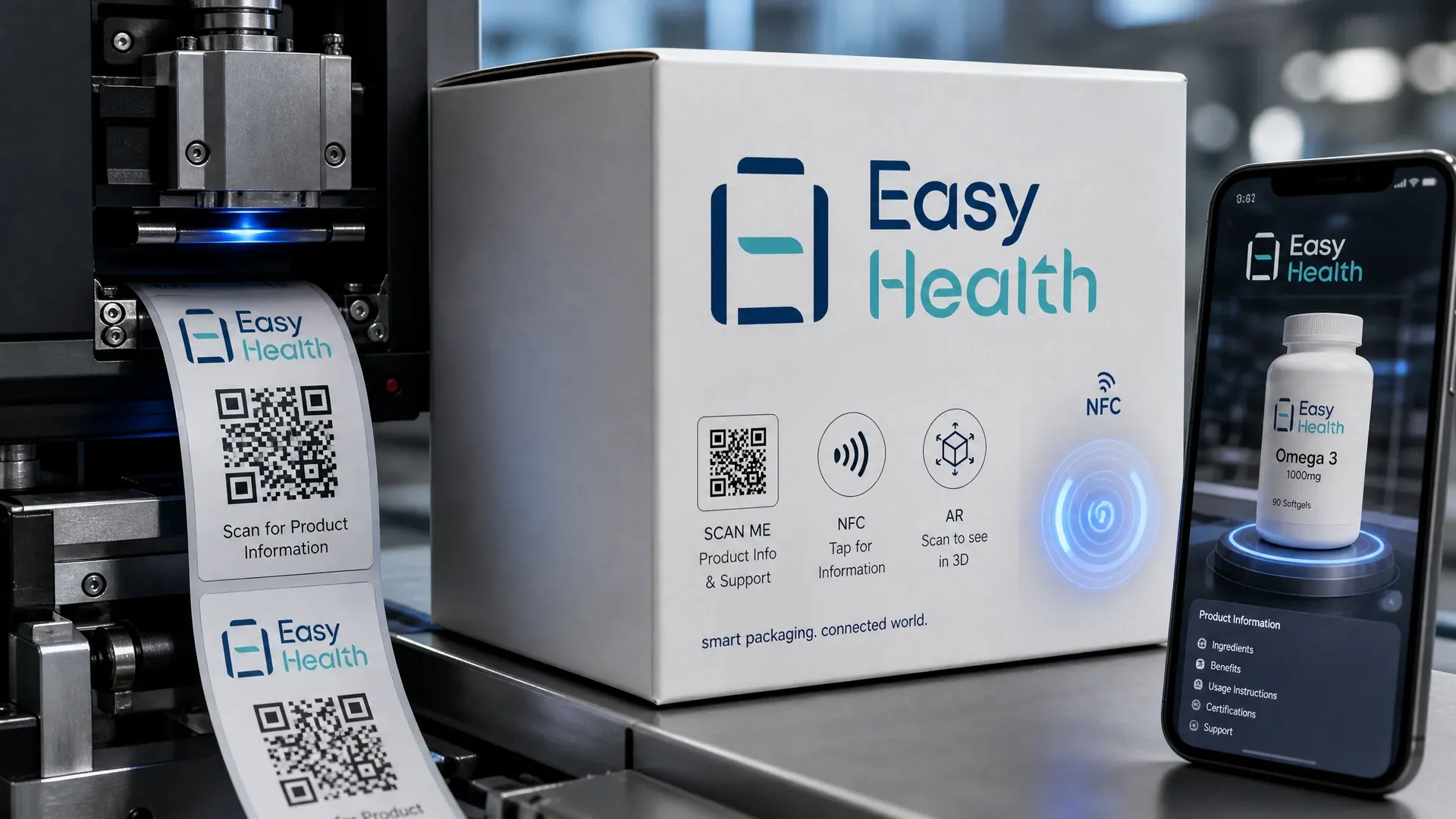
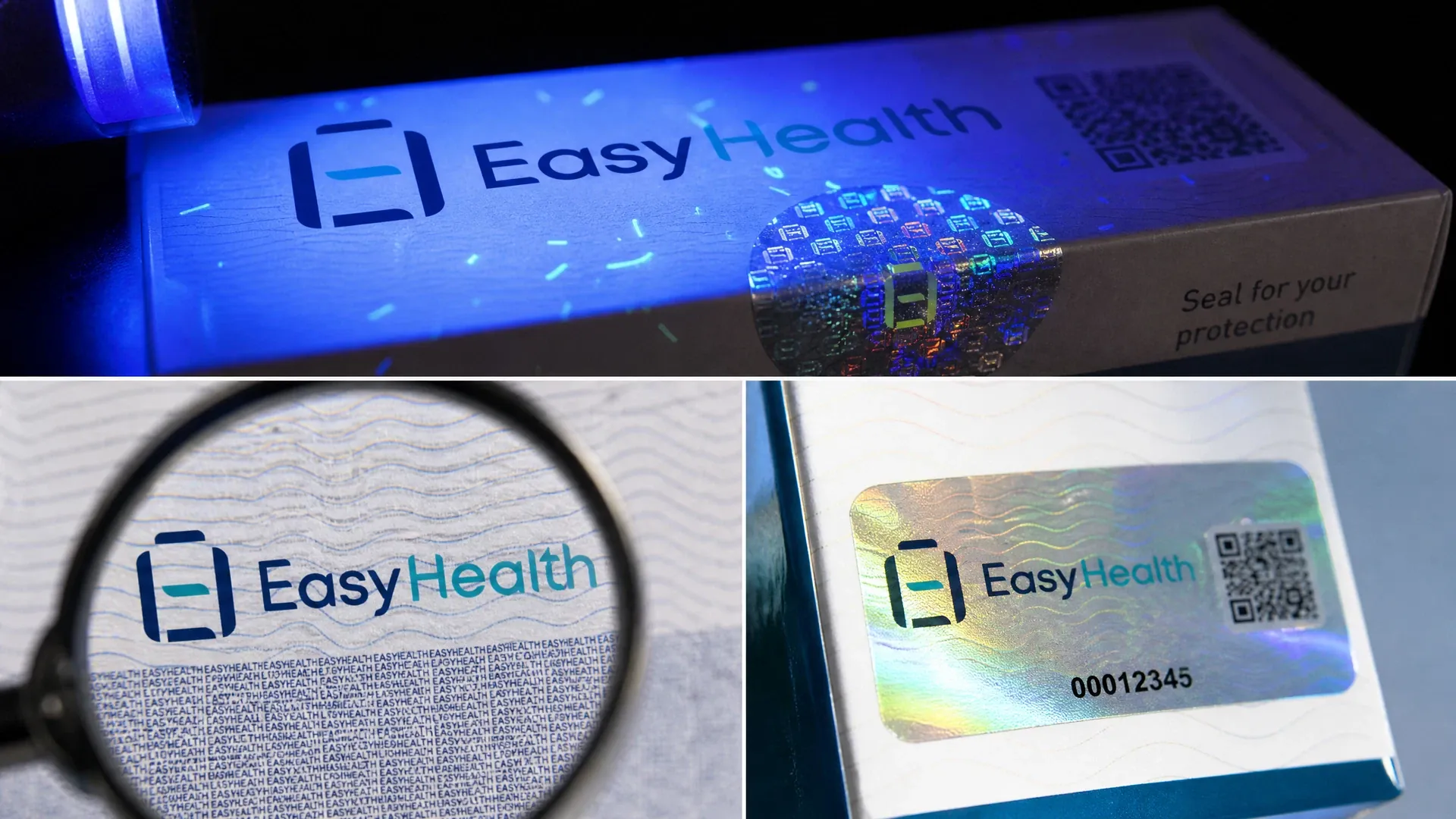
Packaging anti-counterfeit features split into overt (consumer-visible) and covert (trade-only) elements. Overt options include serialised QR, variable images and scratch-off panels; covert options include microtext, UV/IR inks, guilloché patterns and hidden locators. A dual-layer approach balances user experience and channel auditing. For diversion control, add tamper-evident seals or fracture labels. Easy Health coordinates print and material suppliers and verifies readability and detectability under varied light sources during sampling.
- Use at least one overt and one covert layer
- Plan for retail scan flow and distance
- Test under daylight/LED/UV lighting
- Link serials to your traceability system
Visual Guide to Code Placement and Readability
The visuals illustrate common code areas on carton flaps, stick-pack seals and blister lidding, plus how to layer serial QR, microtext and UV ink on the same pack to reserve space early in design.
How Do Substrates Affect Code Legibility?
Cartons and labels suit high-resolution inkjet and TTO; glass, metal and rigid plastics benefit from laser etching for abrasion resistance. Metallised and PE/PP films need low-migration, high-adhesion inks. For cold chain or humid storage, increase cure and consider overvarnish/lamination; for long-haul shipping, assess scuff and compression. Blister lidding foils need flat code panels clear of emboss; stick packs require a flat area away from seals. Easy Health conducts on-substrate tests in Hong Kong and advises code placement, character height and contrast based on results.
- Test rub resistance on real substrate
- Choose water/scuff resistance for cold chain
- Watch adhesion/migration on metallised films
- Keep seals flat; do not print codes on seals
What Label Requirements Affect Code Readability?
Hong Kong Cap.132W sets general requirements for clarity and legibility on prepackaged foods—lot and date marks should remain readable under normal handling. If using Hong Kong “1+7” nutrition labelling, reserve areas unaffected by coding. For Mainland China, review lot/date format and legibility against GB 7718 and GB 28050 principles. For other markets, consult local bodies or advisors. Easy Health provides placement guidance and checks during sampling.
- Ensure lot/date remain legible
- Do not overprint mandatory info
- Confirm inbound/outbound specs first
- Verify each item during sampling
Code Printing Coordination Process
- Scope and regulatory check:Define data fields, date formats, verification method and sales markets; our account manager consolidates requirements.
- Layout and data mapping:Share dielines and placement; confirm data source and serial rules; plan quiet zones and areas with minimal glare.
- Substrate tests and samples:Run adhesion and rub tests on real substrates; sample for legibility and scan distance approval.
- Production coordination:Coordinate print and material suppliers; lock process parameters; arrange phased or full production.
- QC and retention:Check contrast, misread rate and rub resistance; retain samples and record test conditions.
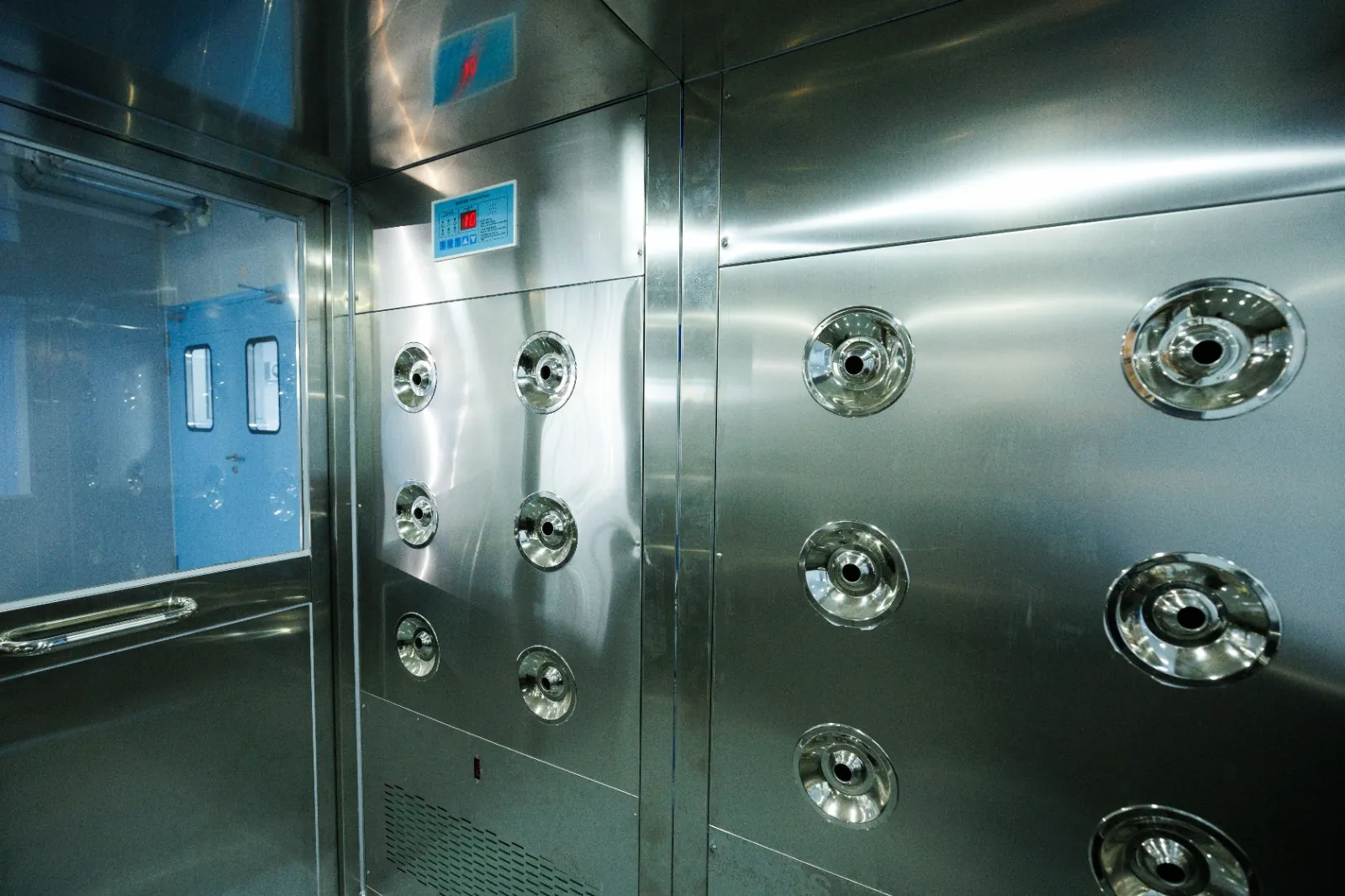
Inside the Easy Health Hong Kong Facility


Quick View of Printing and Coding Options
| Type | Compatible substrates | Typical use | Durability notes |
|---|---|---|---|
| High-res inkjet | Cartons/labels | Lot/expiry/small QR | Check scuffing and bleed |
| TTO | Films/labels | Stick-pack codes/barcodes | Watch overcoat and heat |
| Laser etching | Glass/metal/rigid plastics | Long-life IDs | Surface finish affects contrast |
| UV/IR inks | Various | Covert check | Requires specific light source |
| Microtext/guilloché | Cartons/labels | Graphic security | Resolution and magnification |
The above are typical scenarios; final choices depend on sampling tests and confirmation by our account manager.
Pre-Launch Checklist for Code Readability
- Lot/expiry formats and time-zone rules defined
- Serial range, de-duplication and recall mapping
- Code height, contrast and quiet-zone size
- Target scan distance and scanner types
- Substrate rub/alcohol/water tests passed
- Cold chain/heat/UV exposure validated
Supplement Batch Code Printing FAQs
Codes Rub Off on Metallised Film: What Can I Do?
Metallised films have low surface energy. Test adhesion and rub resistance on your actual film, consider alternative ink systems or TTO, and assess adding an overvarnish. Avoid seals and glare-heavy areas; increase character height/contrast for readability. Easy Health can arrange tests and samples in Hong Kong and confirm the plan.
Can a QR Code Sit Near Lot and Expiry Information?
Yes, provided the QR keeps a proper quiet zone and avoids glare-prone metallic areas. Place covert elements (UV ink, microtext) nearby without overlapping the code modules. Produce two sample sets and test scan rates after rub and UV exposure; our account manager will confirm the parameters.
Where Should Lot and Expiry Dates Be Placed for Readability?
As a rule, marks must be clear and remain legible under normal handling. Hong Kong Cap.132W sets legibility expectations; for Mainland, check format and clarity against GB 7718 principles. Details vary by market—consult local bodies or advisors for specifics.
What Artwork Files and Code Specifications Should We Send?
Share editable dielines, code placement annotations, layers reserving quiet zones, target character height/contrast, and data definitions (date format, serial logic, error correction). Indicate any varnish/lamination types and areas to assess adhesion and glare.
How Can We Keep Code Legibility Consistent Across Batches?
Set standard parameters (character height, dot pitch, contrast targets) and retention samples; use verification scans and contrast cards before/after production. For sensitive substrates, log temperature/humidity and cure time. Easy Health coordinates these checkpoints and labels retained samples with conditions.
Related Packaging Services
Talk to Our Team About Code Placement and Readability
Send us your substrate details, intended code areas and data formats. We will arrange on-substrate tests and sampling to confirm legibility and durability of lot/expiry and security layers. Timelines depend on the project and will be confirmed by our account manager.
Last updated: