Health supplement packaging prototyping for artwork approval
When you need market feedback, on-shelf compliance, or to validate haptics and colour, packaging sampling and small-batch printing reduce risk. Easy Health coordinates the project requirements in Hong Kong. Confirm which certificate scopes, quality records and supporting documents apply to the proposed arrangement. Your account manager confirms requirements and coordinates sampling and small-batch runs for labels, cartons and bottle/pouch/stick/blister formats so you can validate with physical samples.
Summary:Focus on health supplement and cosmetics packaging sampling and small-batch printing. Validate design, materials, labelling and structure in Hong Kong before scaling. Easy Health coordinates the project requirements in Hong Kong. Confirm which certificate scopes, quality records and supporting documents apply to the proposed arrangement.
What does this prototyping page cover?
Actionable steps for packaging sampling and small-batch printing: selecting materials and structures, proof types that best emulate production, surface-finish trade-offs for cosmetic packaging printing, barcode and legibility checks, sample approval and logistics, plus multi-language/multi-formula version control. Written for Hong Kong and the GBA with practical checklists and decisions, coordinated by an account manager.
When should packaging samples be reviewed before production?
Prioritise sampling or small-batch packaging when you must validate shelf impact and unboxing, demand tight colour accuracy and ink laydown, compare multiple structures (rigid shoulder, tuck-end, drawer, die-cut windows, inlays), or pre-check Hong Kong and Mainland label compliance, font size and contrast. Small batches suit pilot launches, channel-specific variants, promo iterations and packaging robustness tests (scuff, scratch, humidity). Physical proofs reveal fit, interference, and code adhesion early, reducing errors and capturing parameters for mass production. Materials and timing are confirmed by your account manager.
- Pilot launch and shelf validation
- Parallel structural A/B tests
- Tight colour and ink assessment
- Label legibility and contrast checks
Material and structure points to confirm during sampling
Small-batch does not mean cutting corners. Typical substrates for health supplement and cosmetic packaging printing include SBS/GC1, FBB/GC2, label stocks (coated/synthetic), Alu-plastic laminates and reinforced inserts. Decide early: barrier needs against moisture/oxygen/light (foil, UV-resistant inks, light-shielding films), load/scuff resistance (transit stress may require thicker boards or inserts), surface feel (gloss, matt, soft-touch, spot UV) and recyclability goals. For bottles/pouches/sticks/blisters, align inner–outer pack fit, tear-notches, seal widths and batch-code zones. Your account manager coordinates materials and print steps to emulate production and support assembly.
- Set substrate by barrier needs
- Match strength to transit routes
- Balance tactility with durability
- Reserve zones for codes/seals
Visual review from artwork files to approved samples
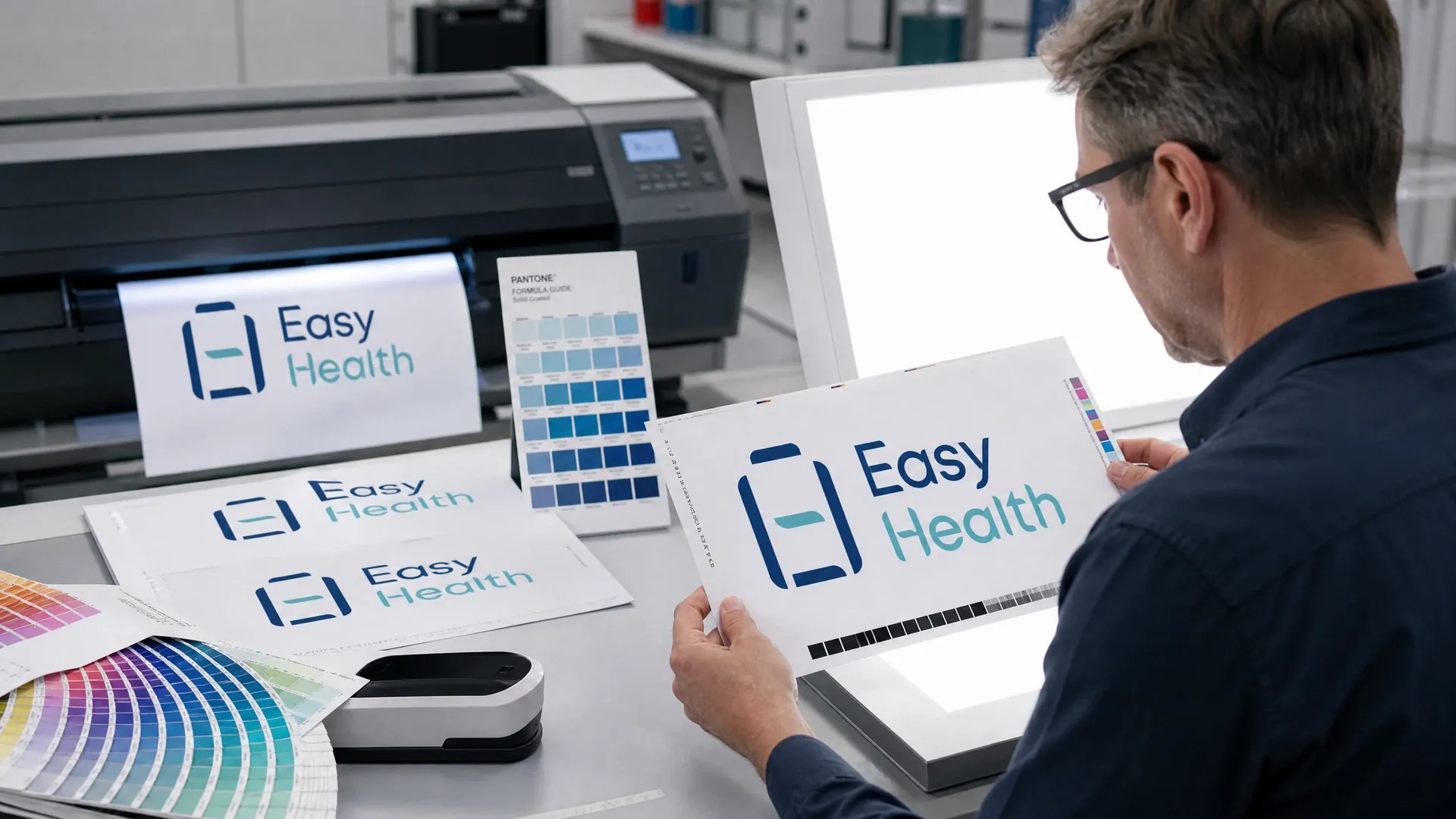
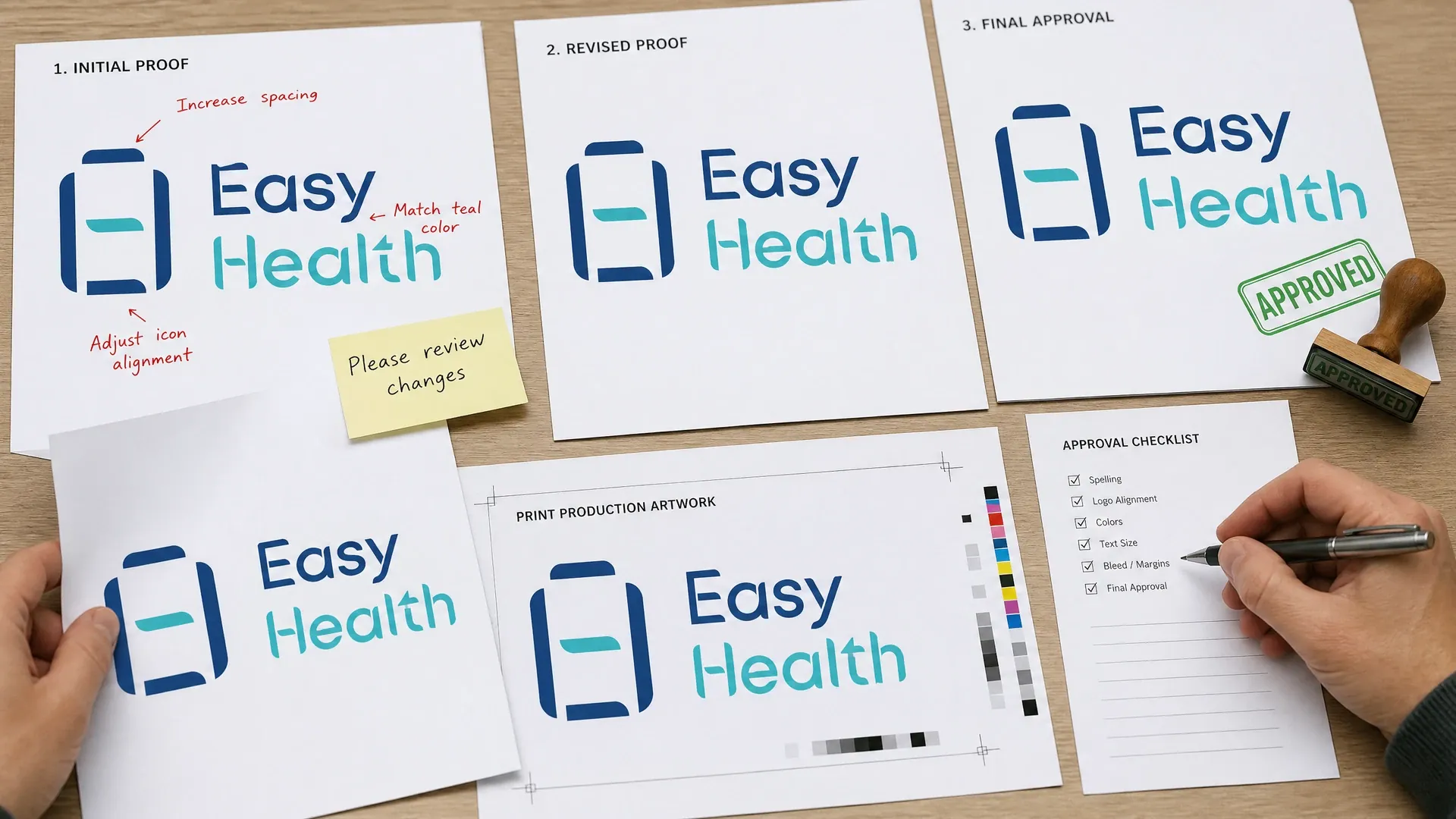
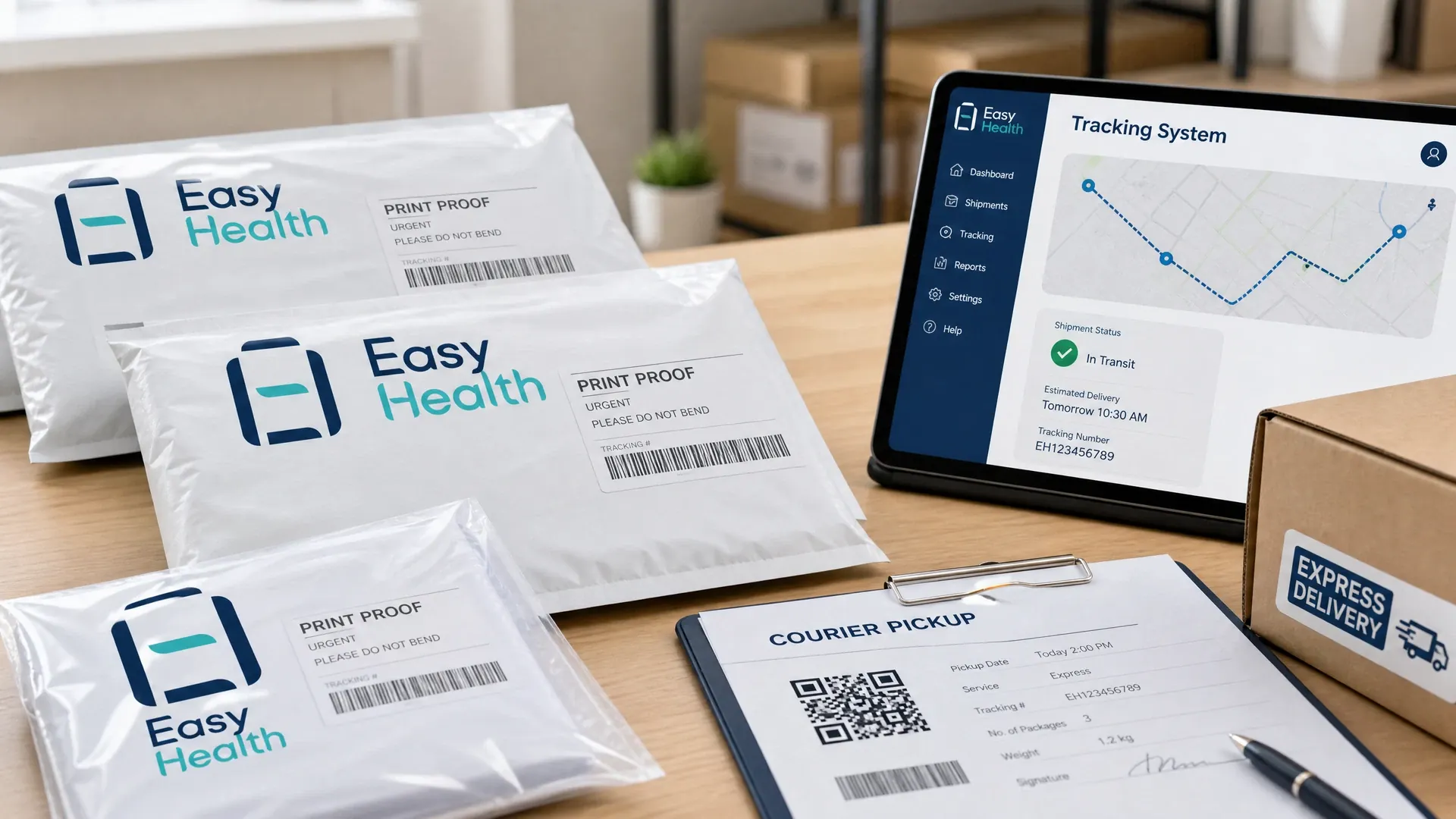
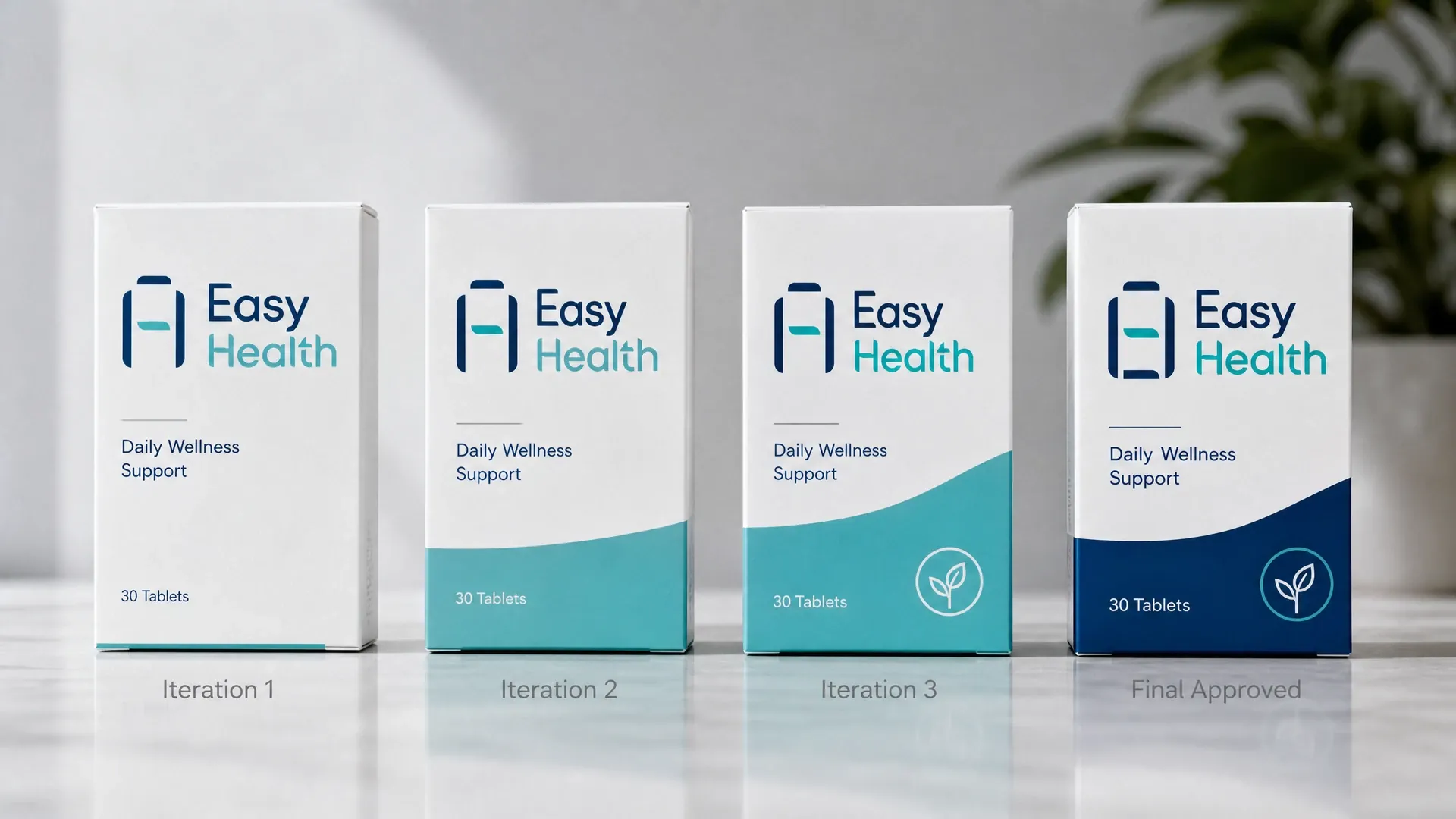
The images illustrate milestones from artwork preparation through digital/wet proofs, white-dummy evaluation, barcode/legibility checks, to sample logistics and approval. See where colour chips, film choices, code zones and variant markings are decided.
Choosing printed packaging proofs for colour and structure
Typical proofing options include digital proofs (fast; ideal for layout/text checks and initial colour impression), wet-press proofs (closest to production ink laydown, screening and overprints), and white/structural dummies (no print; validate mechanics, load and fit). For cosmetic packaging printing with matt film + spot UV, soft-touch, or hot foil, run targeted finish tests on the intended substrate and document ink sequence and lamination order. For colour, use swatches, annotated proof sheets and measured references; create bespoke chips for key brand colours and lock viewing-light conditions on approval forms.
- Digital = fast iteration
- Wet-press = production gamut
- White dummy validates load/fit
- Create chips for key colours
Label, barcode and market information checks
Before launch, verify labels by market. Hong Kong: check Cap. 132W and the “1+7” nutrition scheme for ingredients, allergens, net quantity, origin and font sizes; if Chinese herbal ingredients are involved, note Cap. 549. Mainland: follow GB 7718 and GB 28050 for product name, ingredient list, nutrition and date/batch formats. For other markets, consult local bodies or professional advisers. During sampling, reserve zones for batch/expiry coding and multilingual layouts, and check contrast, minimum sizes and reversed-out text legibility.
- Align with target-market rules
- Check sizes, leading, contrast
- Reserve multilingual/code zones
- Standardise date formats
Collaboration flow for packaging sampling
- Brief and file check:Discuss target markets, number of variants, formats and substrates via WhatsApp; confirm artwork specs and proofing scope.
- Structure and material review:Assess barrier, strength and haptics; decide on white dummies and any specific laminates/inks.
- Select proof types:Choose digital, wet-press, or both; lock key colour controls and viewing conditions.
- Sample making and approval:Produce and ship samples; review against references, mark changes and iterate if needed.
- Small-batch print and pack:Upon approval, proceed with small-batch production; coordinate labels, cartons, inlays and assembly.
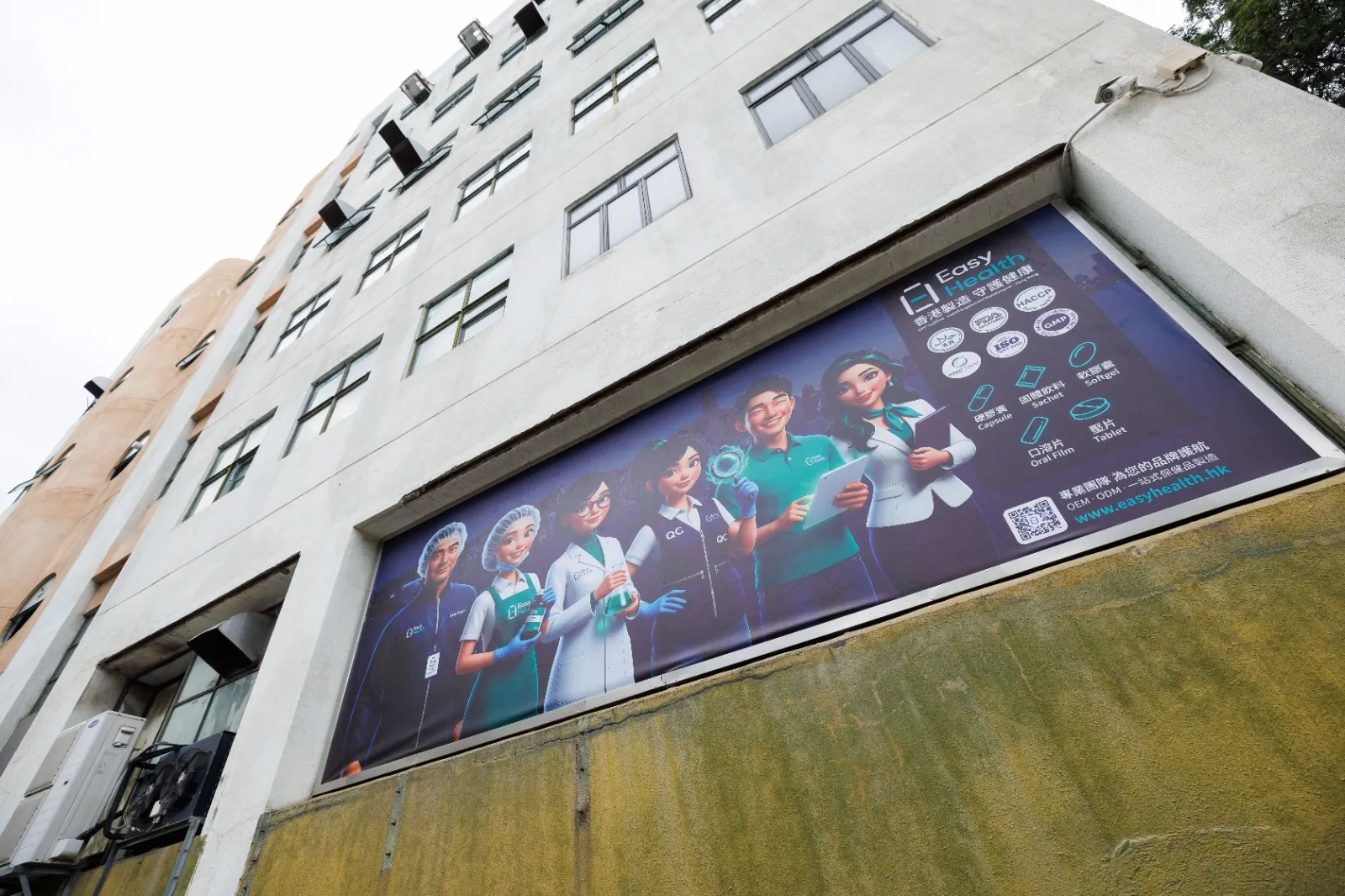
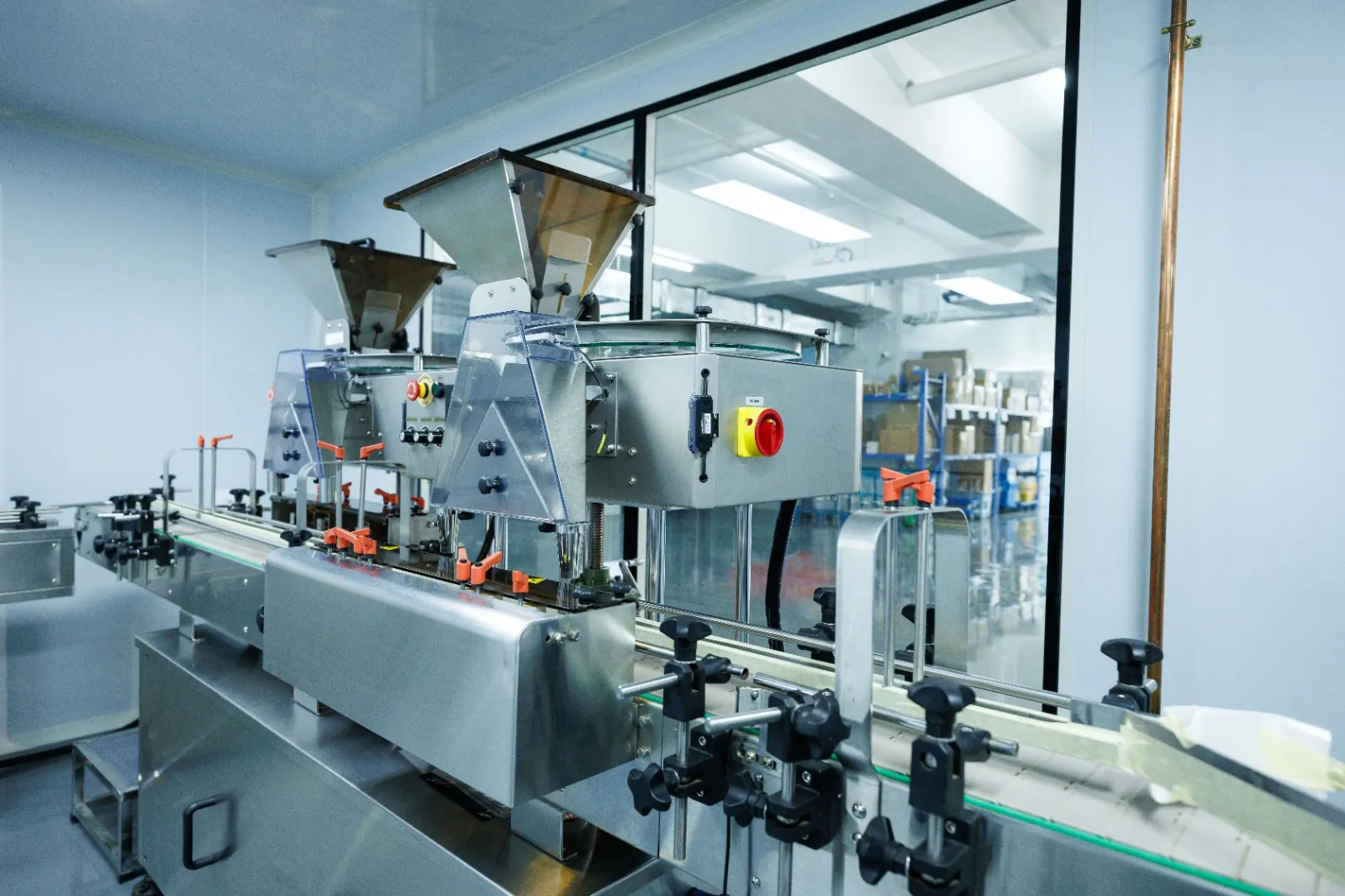
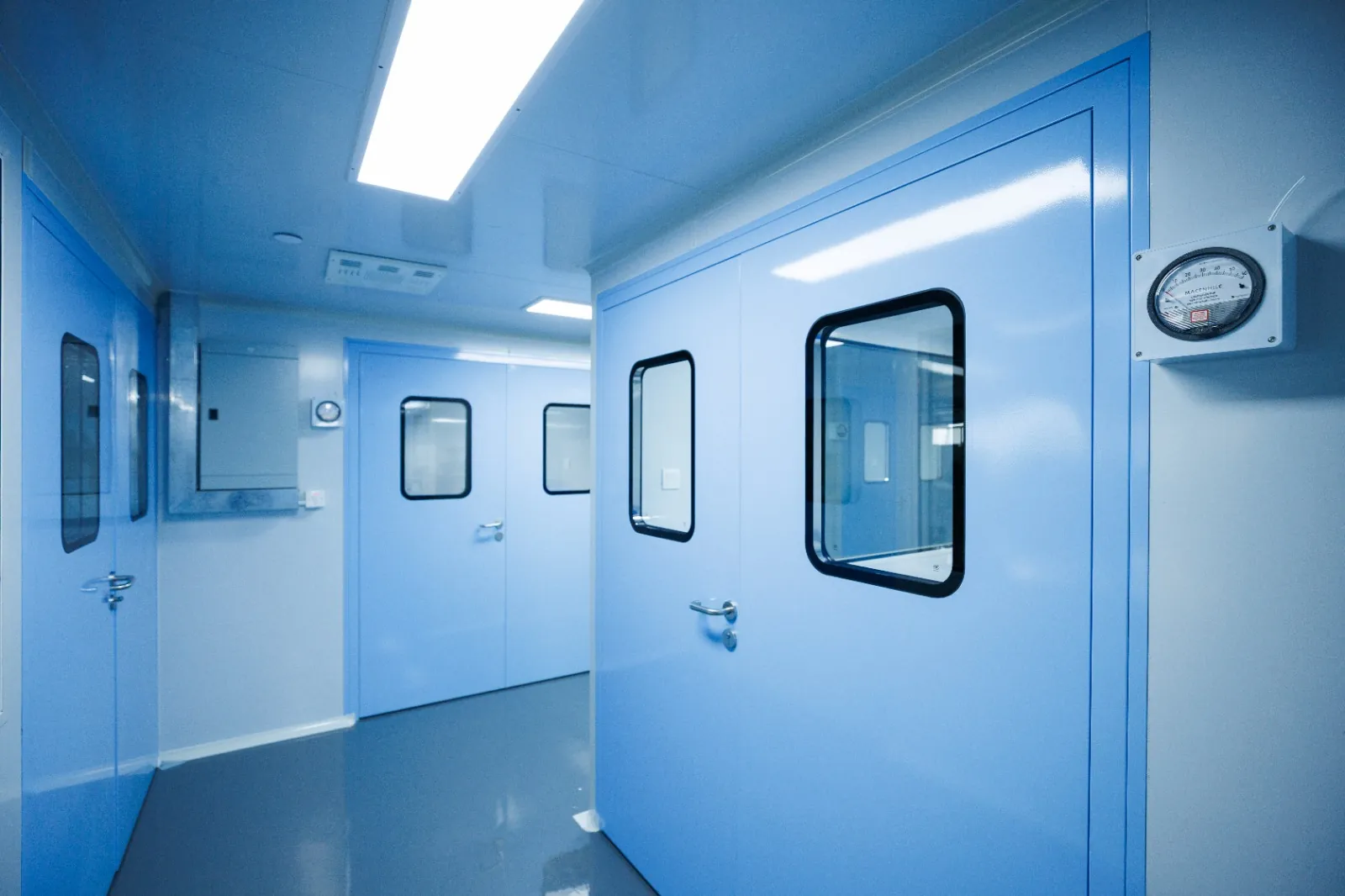
Inside the Easy Health Hong Kong Facility
Printing method considerations for packaging samples
| Digital Printing | Offset Litho | Flexographic Printing | Screen Printing |
|---|---|---|---|
| Supplement mockups and promo SKU | Consistent tones for ranges | Seals, labels, flexible packs | Tactile effects and spot colors |
| Stable gradients and fine lines | Precise spot and halftones | Uniform large color fields | High opacity and coverage |
| SBS, metallized, synthetic | Coated boards and metallized | Films and pressure-sensitives | Bottles, curved, thick board |
| Agile flavor info changes | Multi-SKU needs color control | Die-cut aligns with lot window | Quick change for small accents |
| Spot laminate and cold foil | Emboss deboss and hot foil | Inline lamination and coding | Raised UV and matte touch |
The above is for general reference; the final solution will be assessed and confirmed by your account manager based on the project.
Checklist before packaging mock-ups
- Supply editable artwork with fonts/linked images
- Specify target channels/markets and applicable regulations
- List key brand colours, swatches and priority panels
- Confirm batch/expiry/serial code location and length
- State film, varnish, hot foil/UV and finish preferences
- Provide actual containers, fill volumes and inlay needs for fit tests
Health supplement packaging prototyping FAQs
What artwork files are useful for dielines and bleed specs?
Yes. We provide dielines with bleed, creases and any windows, plus export recommendations. Submit vector artwork (AI/PDF) with embedded or supplied fonts; images at 300 dpi or above and 3–5 mm bleed.
How can colour references support proof approval?
List key colours with reference swatches; add a wet-press proof where needed; include notes for critical images (e.g., skin tones or metallic looks). Approve against swatches and annotations under defined lighting; create custom chips and lock acceptable dot-gain ranges if needed.
Where should batch and expiry code areas be planned?
Yes. We reserve coding zones on labels or cartons and test character length, contrast and film adhesion. Coding and security elements can be coordinated subsequently by your account manager.
How are sample versions and delivery details coordinated?
Sample logistics can be arranged. The number of versions and sets is confirmed by your account manager. For multi-formula or multilingual variants, provide a panel list, barcodes and change marks for efficient proofing and approval.
How should samples be stored before review or dispatch?
Store in a cool, dry and dark place, away from heat and humidity. Mark corrugated outers for correct stacking and load orientation. Perform random checks before shipment to ensure no delamination or scuffing; add interleaves, bagging or shrink where needed.
Related Packaging Services
Discuss your artwork and packaging sampling plan
Share your artwork, target markets, number of variants and desired effects. Our account manager will evaluate and advise on feasible options and coordination items. Timelines vary by project. Contact us on WhatsApp.
Last updated: