Supplement label printing and sticker coordination
This page focuses on nutraceutical label and sticker printing. From pressure-sensitive materials and overlaminates to adhesive strength, roll direction and applicator parameters, Easy Health coordinates printing and material sourcing in Hong Kong, integrating with a GMP-standard environment for packaging production. Suitable for bottles, sachets, blisters and cartons, with options for water/oil resistance, chilled environments and scuff resistance.
Summary:Specialised in nutraceutical label printing and stickers: Easy Health coordinates facestock, adhesive, laminate and roll direction in Hong Kong to match auto-labelling and cold chain/ambient use, and reviews key labelling compliance points. At our Hong Kong facility, we support sampling and pre-production tests, and plan projects with reference to recognised food-safety frameworks (e.g., FSSC 22000).
Planning food packaging printing in Hong Kong but unsure about label material and roll direction?
Start with use conditions: chilled or oil-prone? Container is glass, PET or foil pouch? Auto-labelling or manual? We recommend facestock (e.g., PP white/clear, PET, coated paper) and adhesive (general, cold-temperature, removable, high-tack) based on surface energy and exposure. We also confirm core size, unwind direction, label pitch and eye marks to fit your applicator. For compliance, we review key points under Hong Kong Cap.132W and the “1+7” nutrition scheme, with details validated by our account manager.
Choosing facestock and overlaminates: water, oil and scuff trade-offs
For nutraceutical label printing, common facestocks include white/clear PP, PET, synthetic paper and coated paper. For bathrooms, sports or condensation, PP or PET with gloss/matte lamination enhances water and scuff resistance. Oil-prone formulas (e.g., softgels with plant oil) benefit from oil-resistant inks and anti-smudge coatings. Paper facestocks provide tactile warmth for cartons and ambient indoor use. Gloss laminates boost colour and stain resistance; matte offers premium feel and glare control; anti-scuff suits e-commerce or high-friction auto lines. We coordinate material supply and finishing when special textures or spot coatings are needed.
- PP/PET for water and scuff resistance
- Paper suits cartons and ambient use
- Gloss = colour pop; matte = glare control
- Anti-scuff for auto lines and shipping
Adhesives and liners: bond, removability and surface energy
Match adhesive to container and temperature. General-purpose suits most plastics and cartons; cold-temp for low-temperature application and condensation; high-tack for low-surface-energy or textured bottles; removable for campaigns and secondary sorting. Glassine or PET liners are typical; PET liners resist tearing for high-speed applicators. For sustainability goals, we can discuss wash-off or recycling-aligned constructions subject to availability. During sampling, we test adhesion and edge-lift risk and fine-tune adhesive/laminate combinations as needed.
- Cold-temp handles condensation
- High-tack for low-Surface-E plastics
- Removable for short-term labels
- PET liner for high-speed lines
Visual guide: materials, roll setup and colour control
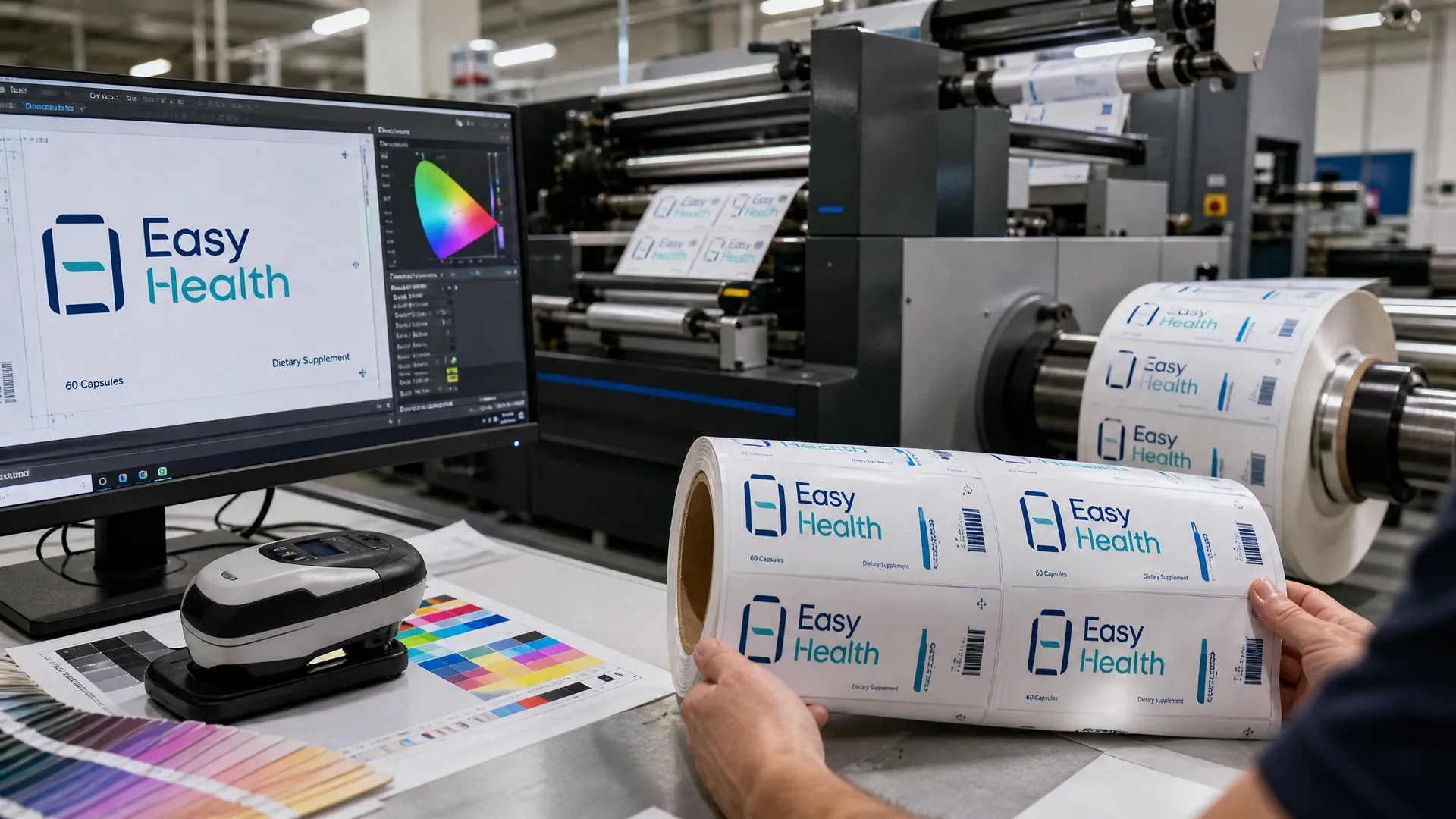
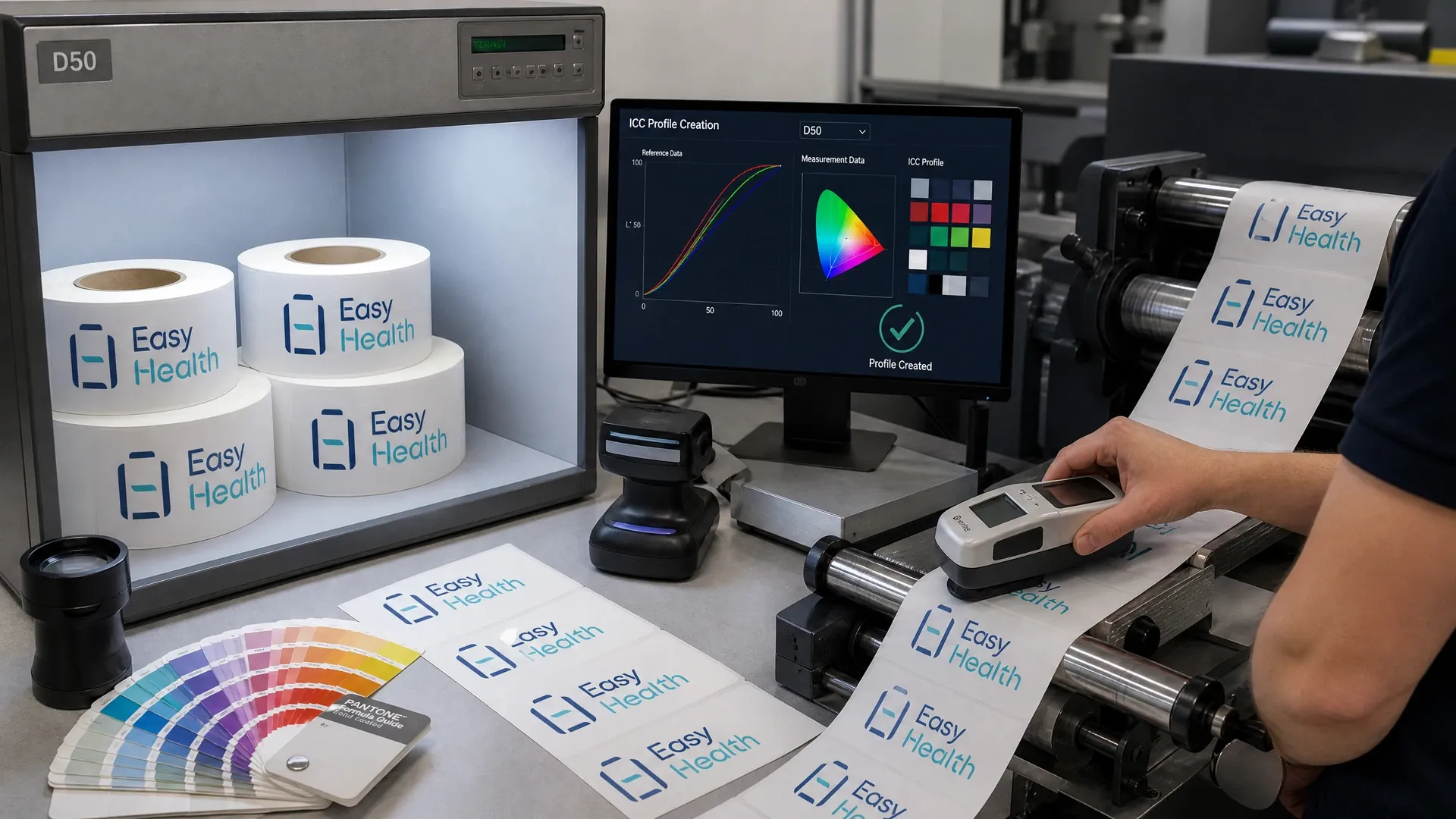
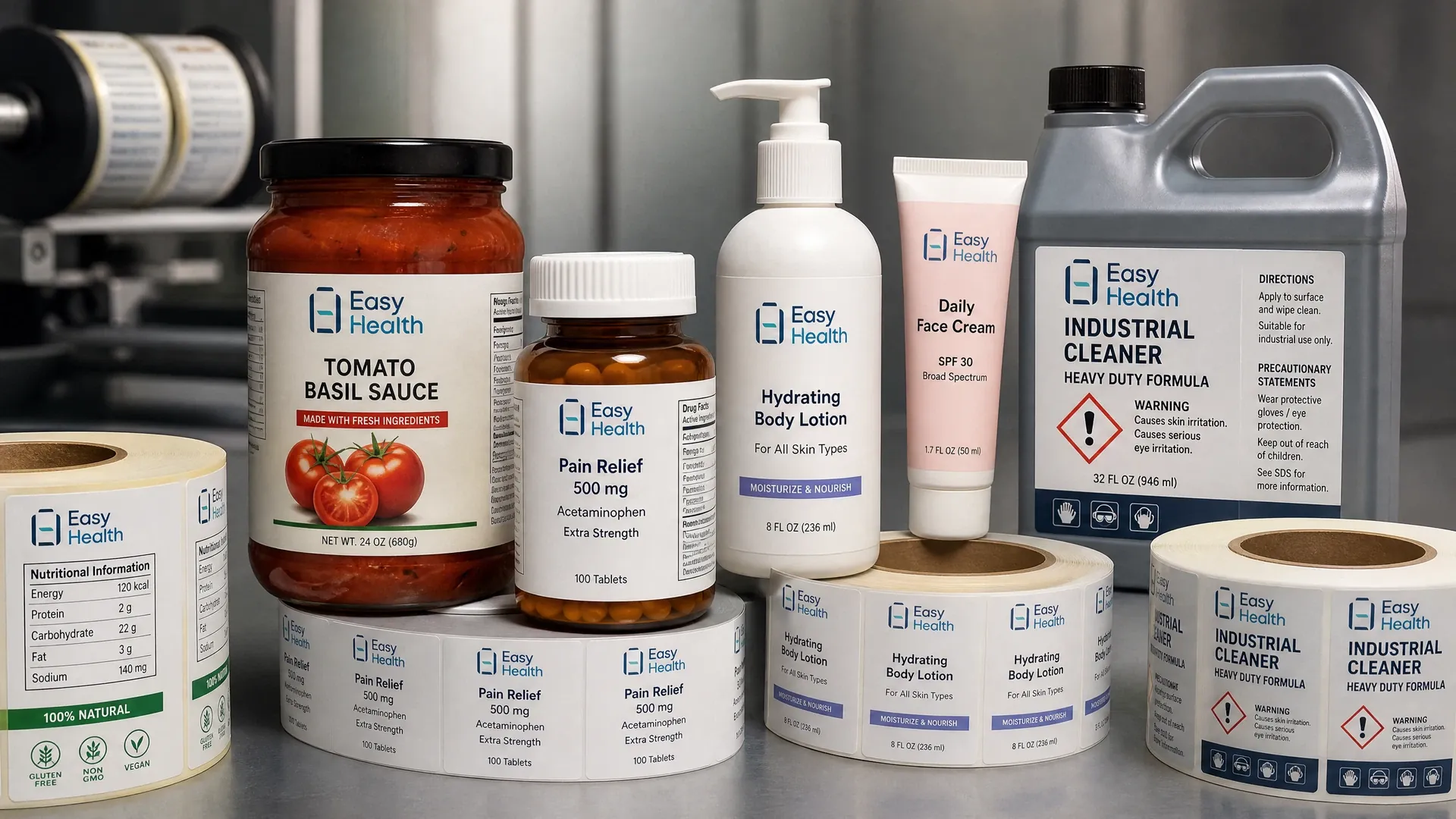
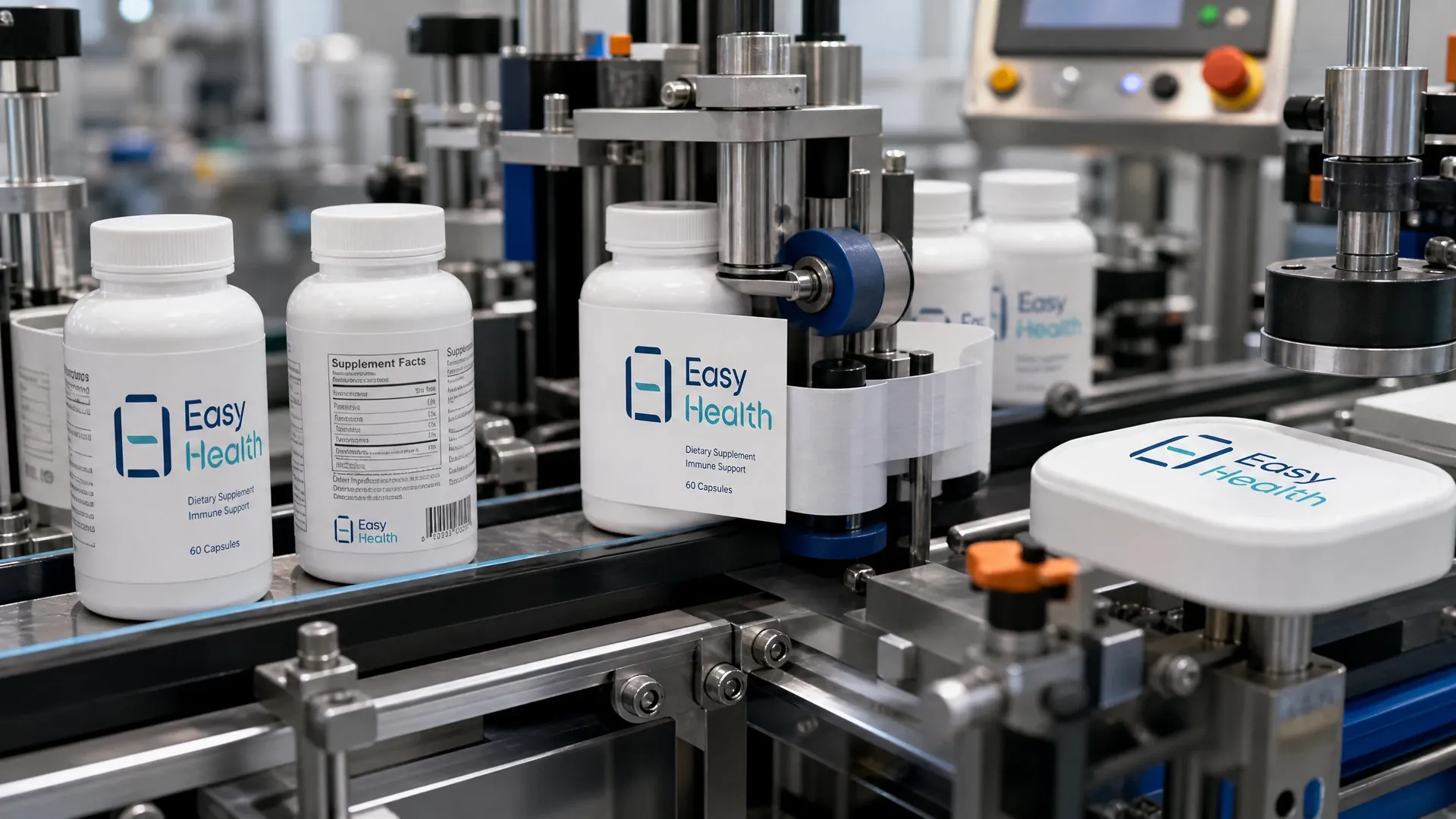
The visuals illustrate facestock/laminate looks, how to specify roll direction and core parameters, and step-by-step colour management across batches. You will also see eye-mark and pitch requirements for auto-labelling to align settings with your applicator supplier.
Roll configuration and applicator fit for labelling
Auto-labelling relies on roll details: core size (e.g., 3"), max OD, unwind direction (1–8), label pitch, gap, slit positions and eye marks. Round bottles require circumference-matched widths to avoid overlap or gutter; square bottles and pouches risk corner lift. When labels run on multiple lines, unify unwind and eye-mark positions upfront. Easy Health coordinates imposition and converting, and can provide trial rolls or small-run tests to lock in applicator settings.
- Confirm core, OD and unwind
- Pitch and eye marks drive register
- Match width to round-bottle wrap
- Trial runs expose lift issues early
Regulatory essentials before aesthetics
Food and nutraceutical labels must meet legal basics before styling. In Hong Kong, Cap.132W commonly covers items such as ingredients list, net quantity, origin (where applicable), storage, directions and cautions; where nutrition labelling applies, the “1+7” scheme sets the nutrition table as energy plus seven specified nutrients. For traditional Chinese medicine, see Cap.549. For Mainland China, consider GB 7718 and GB 28050. As clauses vary by market, consult local authorities or advisors. We reserve compliance blocks and font sizes during layout, with item-by-item checks by our account manager.
- Confirm mandatory items and sizes
- Plan bilingual layouts early
- Use the “1+7” nutrition format where applicable
- Separate artworks for each market
Supplement label printing coordination process
- Needs and application assessment:Assess container material, temperature, condensation/oil exposure, manual vs auto labelling, and regulatory market and font-size needs.
- Material and construction proposal:Recommend facestock, adhesive, liner and overlaminate; confirm core, OD, unwind direction and eye marks.
- Sampling and trial application:Arrange samples and trial runs to test adhesion, lift, scuff and water resistance; fine-tune if required.
- Colour and artwork sign-off:Verify colours, barcodes and legibility; lock swatches and screens; confirm regulatory blocks and final artwork.
- Production coordination and delivery:Coordinate printing and materials in Hong Kong, aligning with labelling lines; timeline depends on project, confirmed by our account manager.
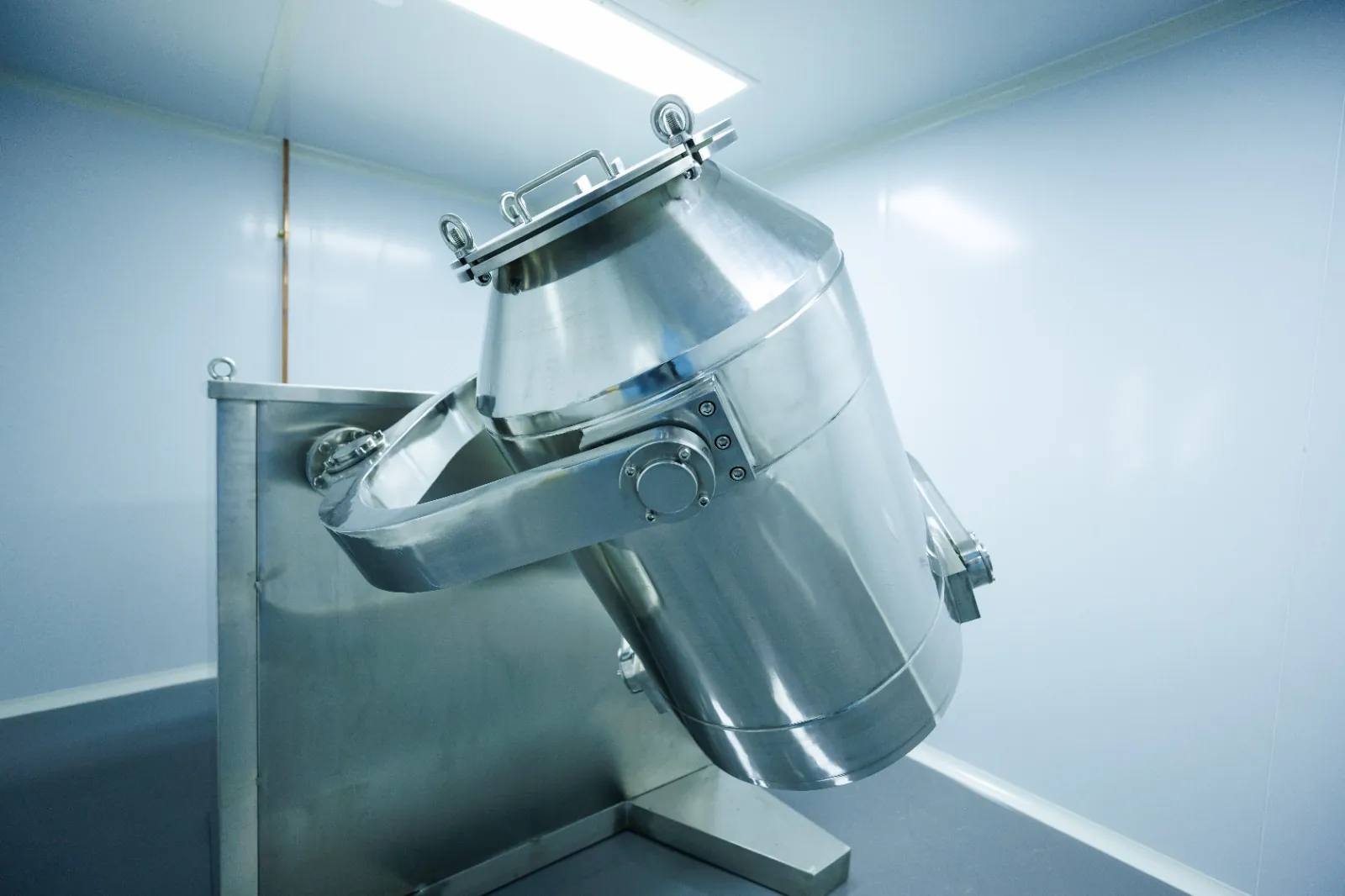
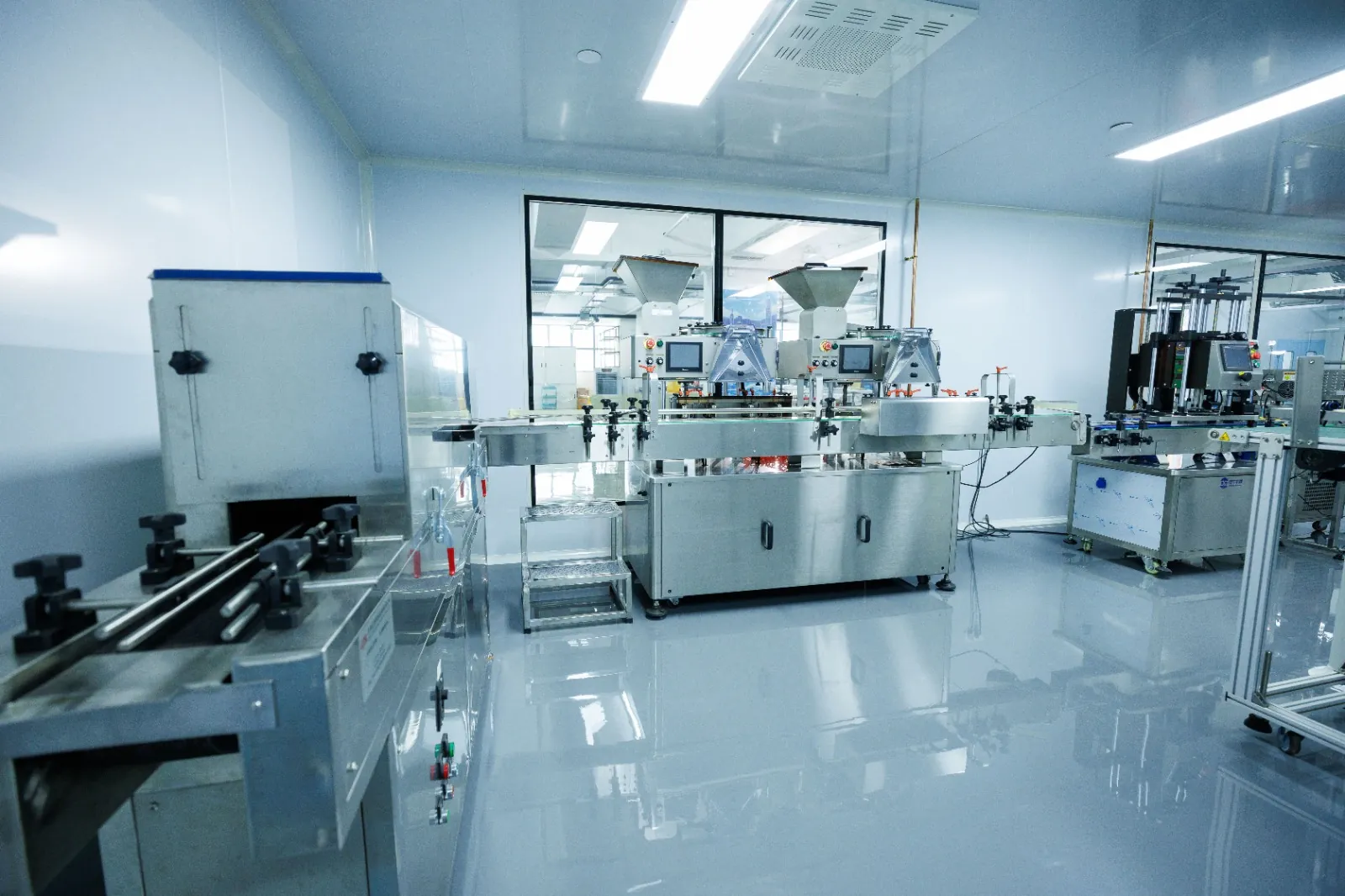
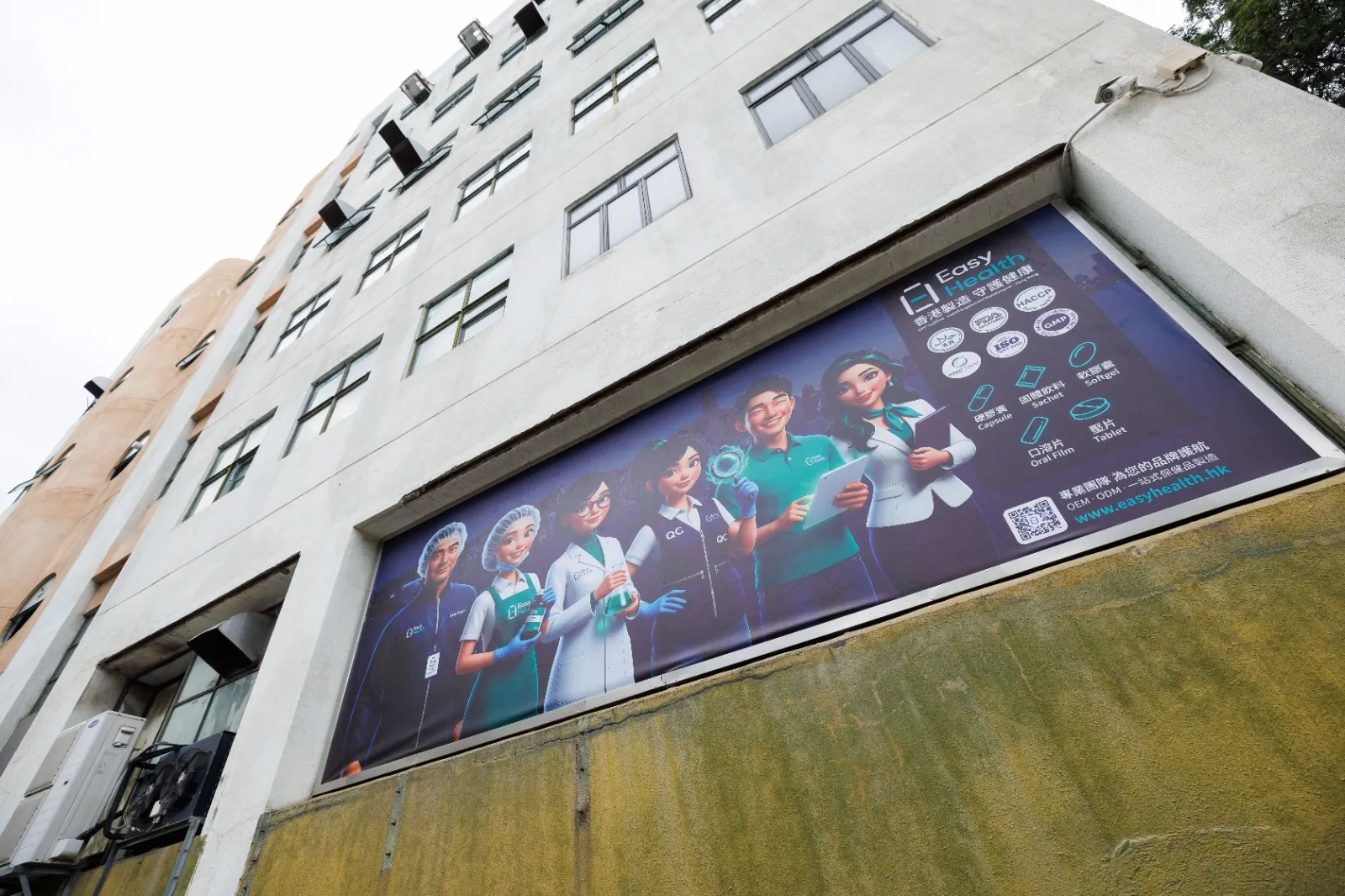
Inside the Easy Health Hong Kong Facility
Common facestock and adhesive pairings (use cases and notes)
| Facestock | Suggested adhesive | Use case | Notes |
|---|---|---|---|
| PP white/clear | General or cold-temp | Condensation, bathrooms, beverages | Low-Surface-E bottles may need high-tack |
| PET white/silver/clear | High-tack or general | High-speed, high scuff | Test tight curves for lift |
| Synthetic paper | General | Indoor and logistics labels | Water resistant, medium scuff |
| Coated paper | General or removable | Cartons, short-term indoor | Not for prolonged humidity |
Typical pairings shown; final choice subject to testing and confirmation by our account manager.
Pre-print checklist for label specifications
- Container material and surface finish (glass/PET/HDPE/foil; any coatings)
- Use conditions (ambient/chilled/frozen; exposure to water/oil/detergents)
- Application method and speed (manual/auto; high-speed line or not)
- Roll specs (core, max OD, unwind, pitch, eye marks)
- Regulatory markets and languages (HK/Mainland; language plan and minimum font size)
- Artwork (editable vector, bleed and dieline marked, barcode resolution)
Supplement label printing FAQs
How should I provide the dieline and unwind direction?
Share an editable dieline (AI/PDF) with cut/crease layers and bleed clearly marked. Specify unwind as direction 1–8 or provide applicator photos/schematics. If the same design runs on multiple lines, unify core, max OD and eye-mark positions to minimise setup changes.
What should I choose for water- and oil-resistant labels?
Use PP or PET facestock with a suitable adhesive plus gloss/matte or anti-scuff laminate. For oil exposure, specify oil-resistant inks and coatings. As oils and detergents vary, conduct sampling and wipe tests before finalising the construction with our account manager.
How do you check barcode readability?
Provide vector barcodes or high-resolution rasters with sufficient quiet zones and contrast. We test with scanners during sampling. For small labels, consider shorter codes or layout adjustments to maintain legal minimum font sizes.
How should we manage regulatory differences across markets?
Create separate artworks: Hong Kong (Cap.132W and the “1+7” scheme) and Mainland China (GB 7718 and GB 28050). As rules may update, confirm with local authorities or advisors. We reserve mandatory blocks and font sizes in each layout.
What if I do not have roll specifications for the applicator?
Request a spec sheet from your applicator supplier or provide photos indicating core, max OD, unwind direction and eye-mark position. We can arrange a small trial run to record tension and speed settings before full production. Timeline depends on project and will be confirmed by our account manager.
Related Packaging Services
Discuss supplement label printing for your packaging
Message Easy Health via WhatsApp. Share your container, use conditions and labelling line details. We will coordinate nutraceutical sticker printing in Hong Kong, match roll direction and laminate/adhesive pairing, and arrange sampling and trial runs, with key food labelling checks included.
Last updated: