Pharmaceutical Packaging Design Guide for Format Planning
Pharma packaging design is about more than looks—it balances barrier performance, usability, labelling and logistics. This page distils key choices from material pairing to leaflet folding and traceability code placement. Easy Health coordinates the project requirements in Hong Kong. Confirm which certificate scopes, quality records and supporting documents apply to the proposed arrangement. Please check certificate scope and applicability for each project.
Summary:This page focuses on practical pharma packaging design: blister packs, alu-alu cold-form, bottles, leaflet folding and traceability code placement, plus cold-chain outer packs. Easy Health offers references for health supplements and related formats. Pharmaceutical products in Hong Kong are regulated under Cap. 138; please verify with the Department of Health or professional advisers. Pharma projects are assessed case by case by our account manager.
Blister vs Bottle Packaging: How Do You Choose?
Yes. For moisture control, portability and unit-dose management, pharma blister packaging (e.g., PVC/PVDC with PTP foil or alu-alu cold-form) is typical. For larger fills with desiccants and tamper evidence, HDPE or glass bottles with induction seals and child-resistant caps are common. Traceability codes can be placed on blister foil, cartons or bottle labels; leaflets should be folded for readability and space. For pharmaceutical products in Hong Kong, labels and leaflets generally follow registration particulars under Cap. 138—please verify with the Department of Health or professional advisers. Pharma projects are evaluated case by case by our account manager.
Key Trade-Offs in Pharmaceutical Packaging Design
Design must balance product type, dosage form, stability and user context. Oral solids often use blister packs or bottles; hygroscopic products benefit from higher-barrier systems such as PVDC-coated films or alu-alu cold-form. Bottles should address tamper evidence, child resistance, dosing convenience and secondary sealing. Labels and leaflets require readable layouts with reserved space for batch, expiry date and traceability codes. For cold-chain or light-sensitive products, outer components and inserts must align with logistics and storage. For pharmaceutical products in Hong Kong, labels and leaflets generally follow registration particulars under Cap. 138—please verify with the Department of Health or professional advisers.
- Confirm dosage form and moisture sensitivity
- Select barrier level by stability needs
- Plan space for batch and traceability
- Balance opening ease with safety features
Blister Packs and Alu-Alu Cold-Form Materials
Common blister materials include PVC, PVC/PVDC, PP/COC and alu-alu cold-form with PTP foil lids. Material choice balances formability, barrier and opening force: PVC forms easily but offers lower barrier, PVC/PVDC adds moisture protection, while alu-alu suits high-barrier and light-sensitive needs. Define pitch, cavity size and tear direction early to avoid conflicts with traceability codes or warnings. Foil can allocate print zones or use inkjet coding; cartons and folded leaflets should align with blister count and sales units. For pharmaceuticals, follow registration particulars and confirm with the Department of Health or professional advisers.
- PVC forms well, lower barrier
- PVC/PVDC balances barrier and process
- Alu-alu for highly sensitive SKUs
- PTP foil supports coding and push-through
Visual Planning Notes for Blisters, Cartons and Codes
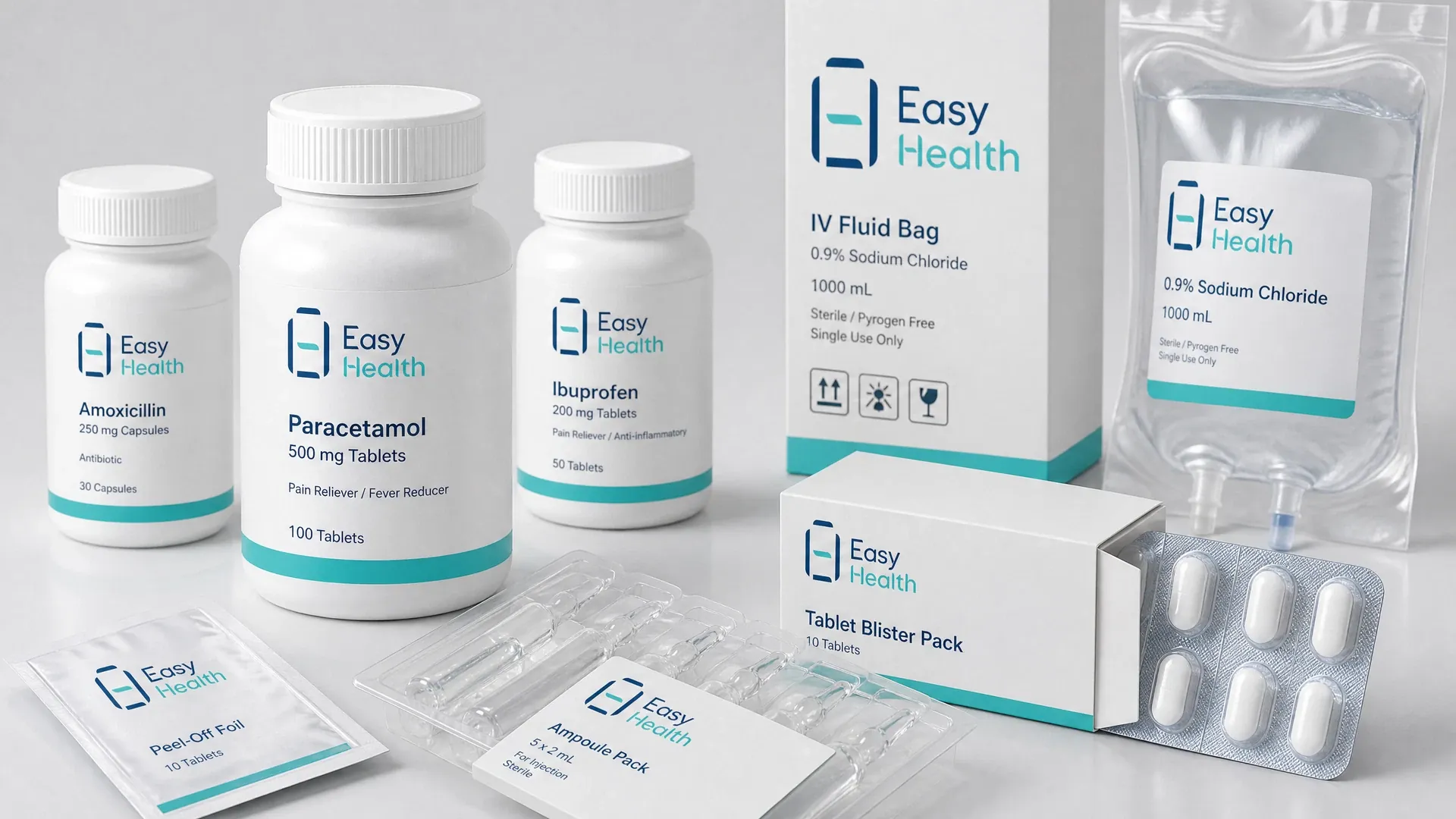
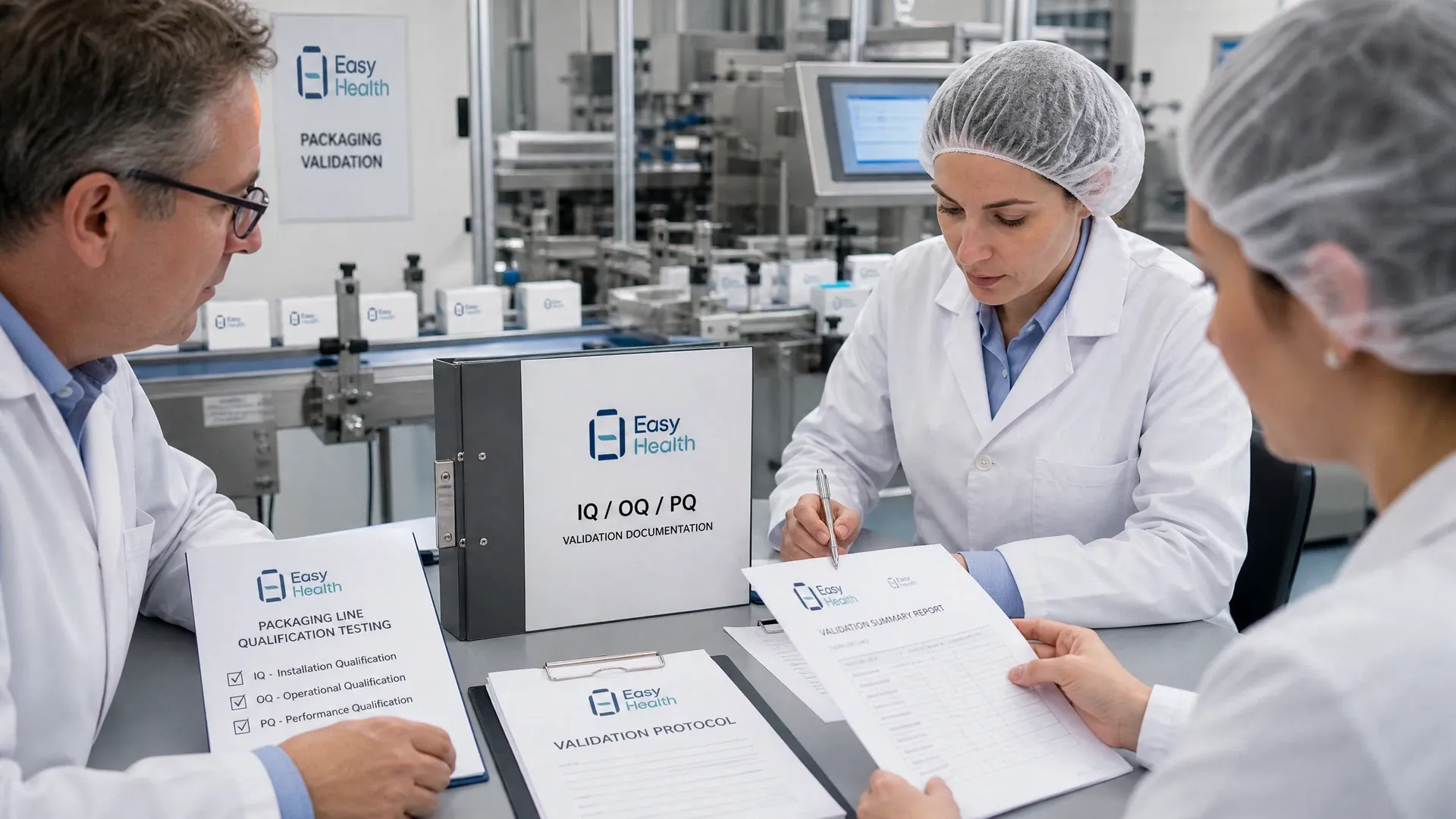
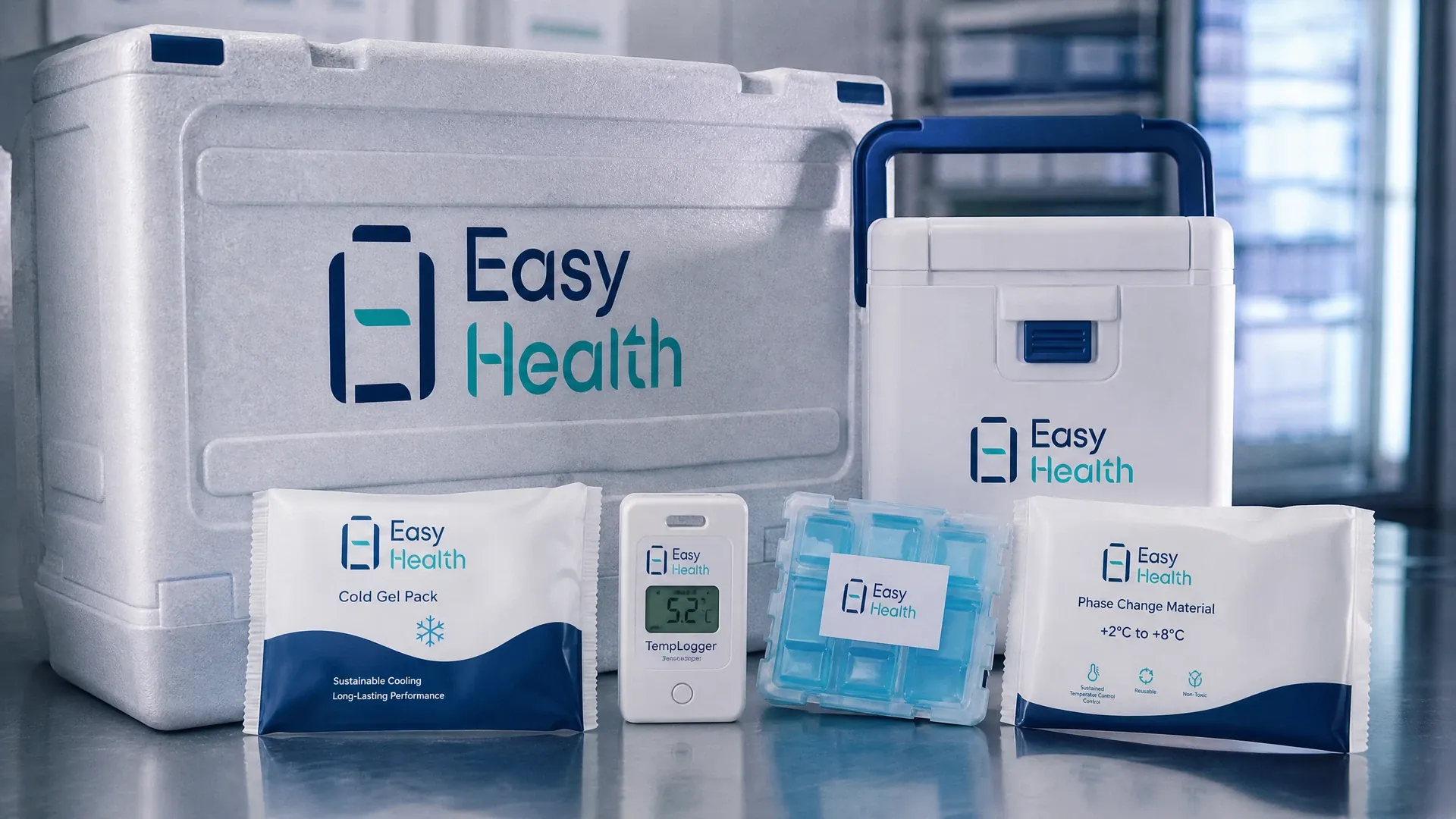
Illustrations highlight blister layer-ups, foil coding zones, carton–leaflet integration, cold-chain outer layers and on-line code positions—helping you plan materials, structures and traceability at a glance.

Pharmaceutical Carton and Leaflet Design for Bottles
Bottles are typically HDPE, PET or glass, with options for tamper-evident rings, induction seals, child-resistant caps and desiccants. Labels should reserve coding and barcode zones to prevent scanning errors on curved surfaces. Leaflets may use pharmacopeia formats or mini-folds; assess font legibility, paper stiffness and carton cavity space to avoid spring-back. Batch and expiry date can be applied to the base, label white space or designated carton areas. For pharmaceuticals, leaflet and label content generally follow registration details; please confirm with the Department of Health or professional advisers.
- HDPE plus desiccant is common
- Induction seal improves tightness
- Child-resistant caps add safety
- Mini-folds need legibility checks
Traceability Code Placement and Cold-Chain Outer Planning
Place traceability codes to match logistics scanning flow—on blister foil, carton (top/side/bottom) or bottle labels. Choose thermal transfer, inkjet or laser based on substrate; check compatibility with varnish, embossing and tear notches. For temperature-controlled items, consider insulation, shock-absorbing inserts and monitoring labels; minimise opening steps for pharmacy workflows. For cross-border shipments, arrange and coordinate packaging validation and simulated transport tests. As traceability and labelling vary by market, confirm locally before implementation.
- Plan code zones for scan flow
- Match ink/substrate compatibility
- Use insulation and cushioning
- Arrange simulated transport tests
Planning Workflow for Packaging Decisions
- Briefing and regulatory scope:Define dosage form, sensitivities, markets and whether it is a pharmaceutical product; for Cap. 138 matters, confirm with the Department of Health or advisers.
- Material and structure options:Provide references on pharma packaging materials, structures and barrier levels, plus traceability and opening methods.
- Dielines and layout planning:Share dielines and layout guidance, reserving areas for batch, expiry date and coding.
- Prototyping and functional checks:Arrange prototypes and physical reviews; coordinate compatibility or simulated transport tests if needed.
- Artwork and labelling cross-check:Assist in cross-checking labels and leaflets against provided particulars to avoid missing essential information.
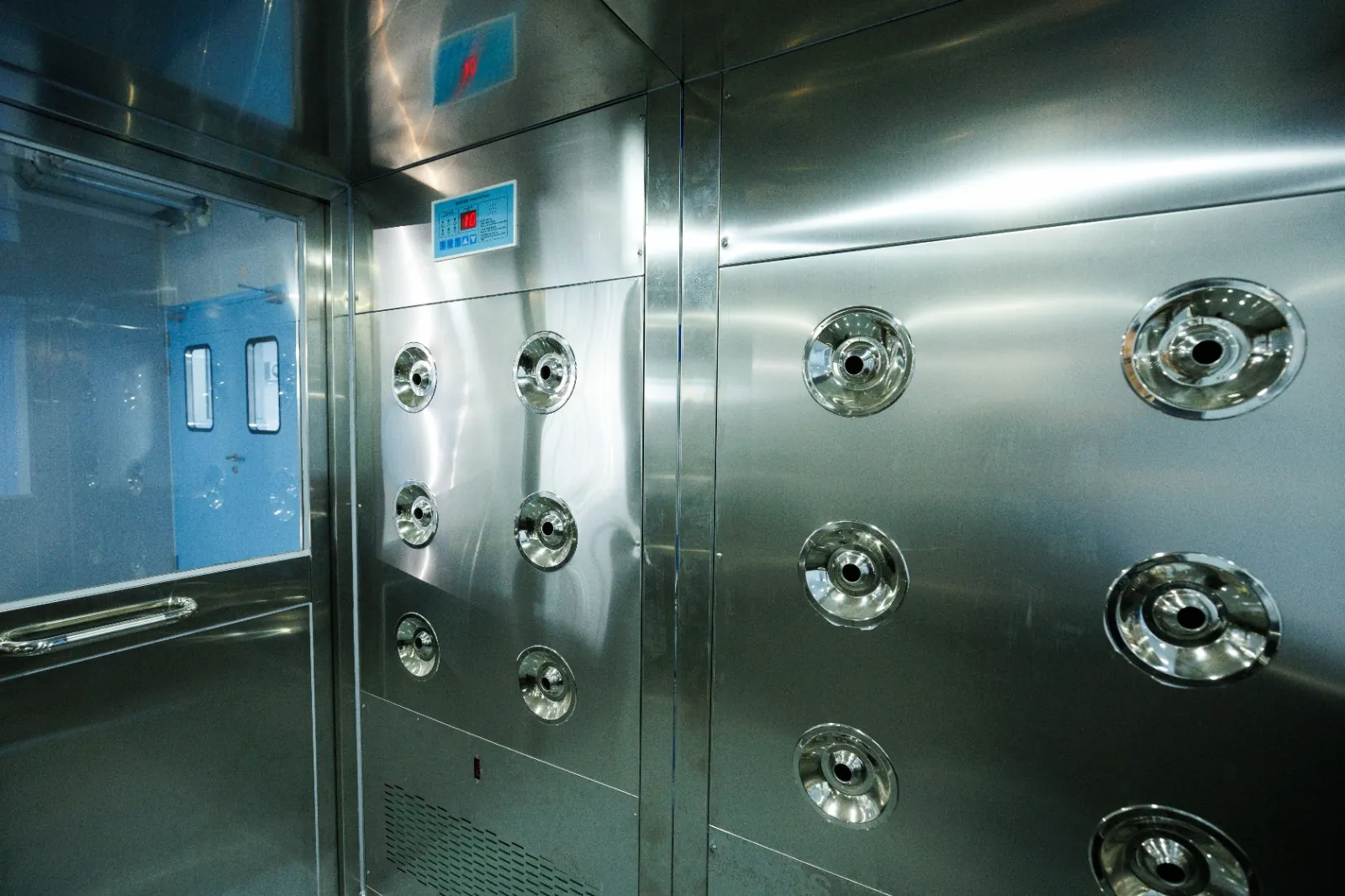
Inside the Easy Health Hong Kong Facility


Common Pharmaceutical Pack Structures Compared
| Item | PVC/PVDC blister + PTP | Alu-alu cold-form blister | HDPE bottle (induction seal) |
|---|---|---|---|
| Barrier | Medium–High (PVDC dependent) | High (moisture/light) | Medium (use desiccant) |
| Unit dosing | Strong | Strong | Moderate |
| Forming/opening | Easy forming/peel | Harder forming/more force | Not formed; twist-off |
| Code placement | Foil/carton | Foil/carton | Label/base/carton |
| Suitable forms | Tablets/capsules | Tablets/capsules (sensitive) | Tablets/capsules/powders |
For general reference only; confirm per product attributes and regulatory needs.
Pre-Procurement Checklist for Packaging Design
- Confirmed whether Cap. 138 applies in Hong Kong
- Defined dosage form, strength and stability needs
- Chosen packaging materials and barrier level
- Planned batch, expiry date and traceability code zones
- Leaflet font size and folds validated for legibility
- Assessed opening torque and child resistance features
Pharmaceutical Packaging Design Guide FAQs
What References Help Plan Alu-Alu Blisters and Leaflet Folding?
We can offer references for health supplements and related formats, including alu-alu structures, PTP foil print zones and leaflet folding. For pharmaceutical products in Hong Kong, labels/leaflets generally follow registration particulars. Projects are assessed and confirmed case by case by our account manager; please also verify details with the Department of Health or professional advisers.
What Should I Note When Coding on Blister Foil?
Allocate low-ink zones for contrast, verify ink compatibility with varnish, embossing and foil coatings, and avoid tear notches and fold lines. Align code zones with printer heads and scanning flow. If using carton codes as well, prevent obstruction or duplication.
How Can Long Leaflets Stay Readable for Cartoning?
Test the minimum acceptable font size, then select mini-fold or pharmacopeia folds. Choose paper with adequate stiffness to limit spring-back without over-thickening. Arrange prototypes and on-line cartoning checks to observe spring-back, jams and closure integrity.
How Should Cold-Chain Outer Packaging Be Planned?
Incorporate insulation, cushioning and monitoring labels, minimising opening steps and showing orientation and temperature ranges. Before cross-border moves, coordinate simulated transport and time–temperature profiling, and confirm destination requirements locally.
What Technical Specifications Should Artwork Files Follow?
Provide editable vector files with dielines, raster images at 300 dpi+, CMYK mode, and outlined fonts. Mark white spaces for coding and batch. For pharmaceuticals, ensure text reflects checked registration particulars and allocate bilingual layout space where applicable.
Related Packaging Services
Discuss Pharmaceutical Packaging Planning on WhatsApp
Share your product details for blister packs, alu-alu, bottles, leaflets, traceability or cold-chain outers. Each project is evaluated and confirmed case by case by our account manager. Timelines vary by project.
Last updated: