Pharmaceutical Packaging Types
Choosing a pharma packaging type starts with dosage form, stability and opening needs. PTP aluminium press-through packs suit unit doses and high barriers; bottle packaging focuses on volume, portability and accessories; aluminium–plastic blisters balance display and protection. Easy Health coordinates labels, cartons and bottle/pouch/stick/blister formats with sampling and production under GMP standards in Hong Kong.
Summary:A practical guide to selecting pharma packaging: compares PTP aluminium press-through packs for medicines, bottles, and aluminium–plastic blisters, with barrier and use-case guidance. It also outlines a Hong Kong GMP facility coordinating sampling through packaging, with project-by-project manager review.
How to Compare Pharmaceutical Packaging Types
Screen by dosage form × sensitivity × use scenario: 1) Dosage form: tablets/capsules favour PTP or aluminium–plastic blisters; liquids/syrups lean to bottles; granules/powders to sachets or sticks. 2) Sensitivity: light/moisture/oxygen-sensitive products need higher barriers (e.g. alu–alu PTP, barrier-blister films, amber glass). 3) Use: unit-dose and on‑the‑go suit blisters or sticks; long-term/home sharing suits bottles with tamper-evident and optional child-resistant closures. Your Easy Health manager will then review and confirm details per project.
Cold-Form Blister Packaging: Barrier Structure, Not Opening Method
Cold‑formed alu–alu (aluminium–aluminium) blister structures provide very high moisture and oxygen barrier performance for humidity‑sensitive tablets and capsules. It is a barrier choice, not an opening method: press‑through is not inherent to cold‑form and opening is typically via peel‑push or tear features, depending on lidding design and patient needs. Key design factors: foil gauge and temper influence openability and seal reliability; cavity depth must suit tablet/capsule dimensions; punch layout should align with tear notches and barcode readability; lidding coatings must match the forming laminate and heat‑seal windows. Batch and serialisation details are usually carried on the secondary pack. Easy Health coordinates foil supply, tooling and sealing parameters, with sampling and line trials conducted in Hong Kong per project requirements.
- High barrier for moisture/oxygen‑sensitive APIs
- Opaque unit‑dose protection; select peel/tear or push‑assist opening.
- Design levers: foil gauge, cavity depth, seal layer
- Use secondary packs for full labelling and serialisation
Bottle Packaging Materials, Finishes and Accessories
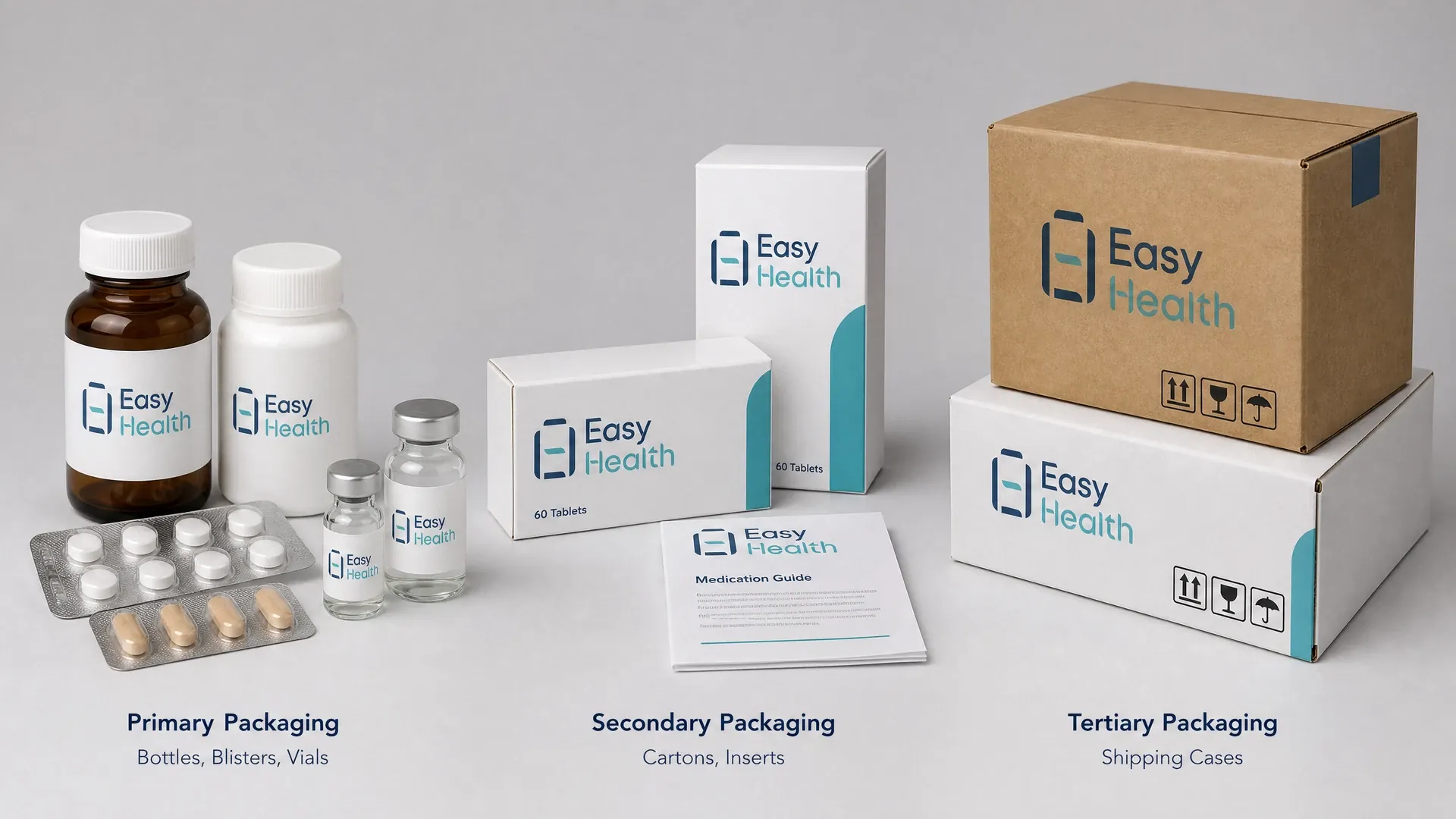
Bottle formats suit tablets, capsules, syrups and drops. Select materials for compatibility and barrier: solids commonly use HDPE, PET or glass; liquids and light‑sensitive formulas lean to amber glass or light‑shielding bottles. Neck/closure choices affect sealing and access: screw finishes with induction foil enhance moisture and tamper resistance; droppers/measuring cups/spoons support accurate dosing; fitments manage flow and contamination risks. Labels must adhere on curved surfaces and in humid settings. Easy Health coordinates bottles, liners, induction foils, labels and cartons, validating capping and sealing at our Hong Kong facility, with project‑by‑project manager review.
- Material choice: HDPE/PET/glass
- Seal upgrade: induction foil + TE band
- Accurate dosing: droppers, cups, fitments
- Curved‑surface labels need moisture‑tolerant adhesive
Visual Guide to Pharmaceutical Packaging Types and Use Scenarios
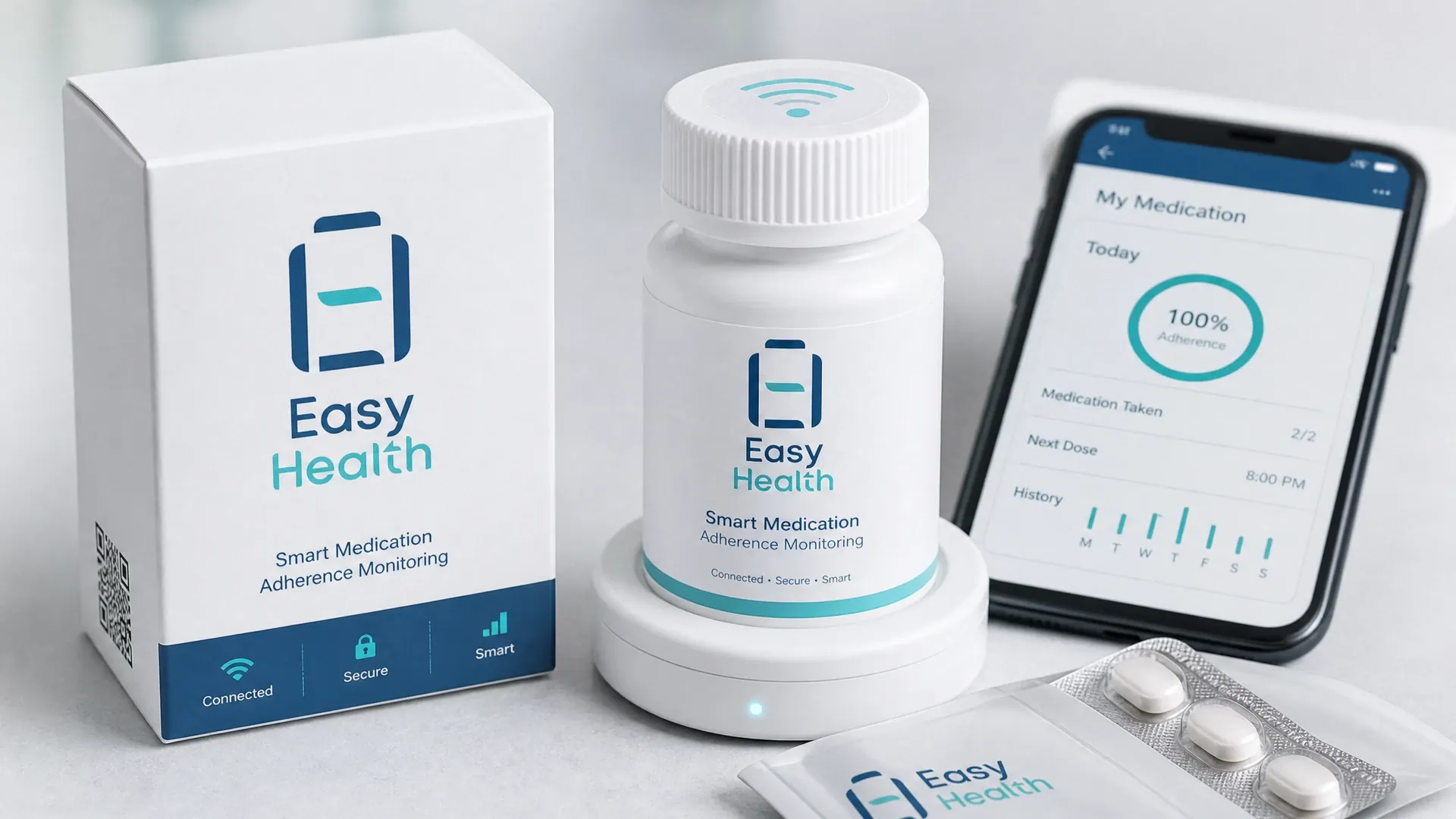
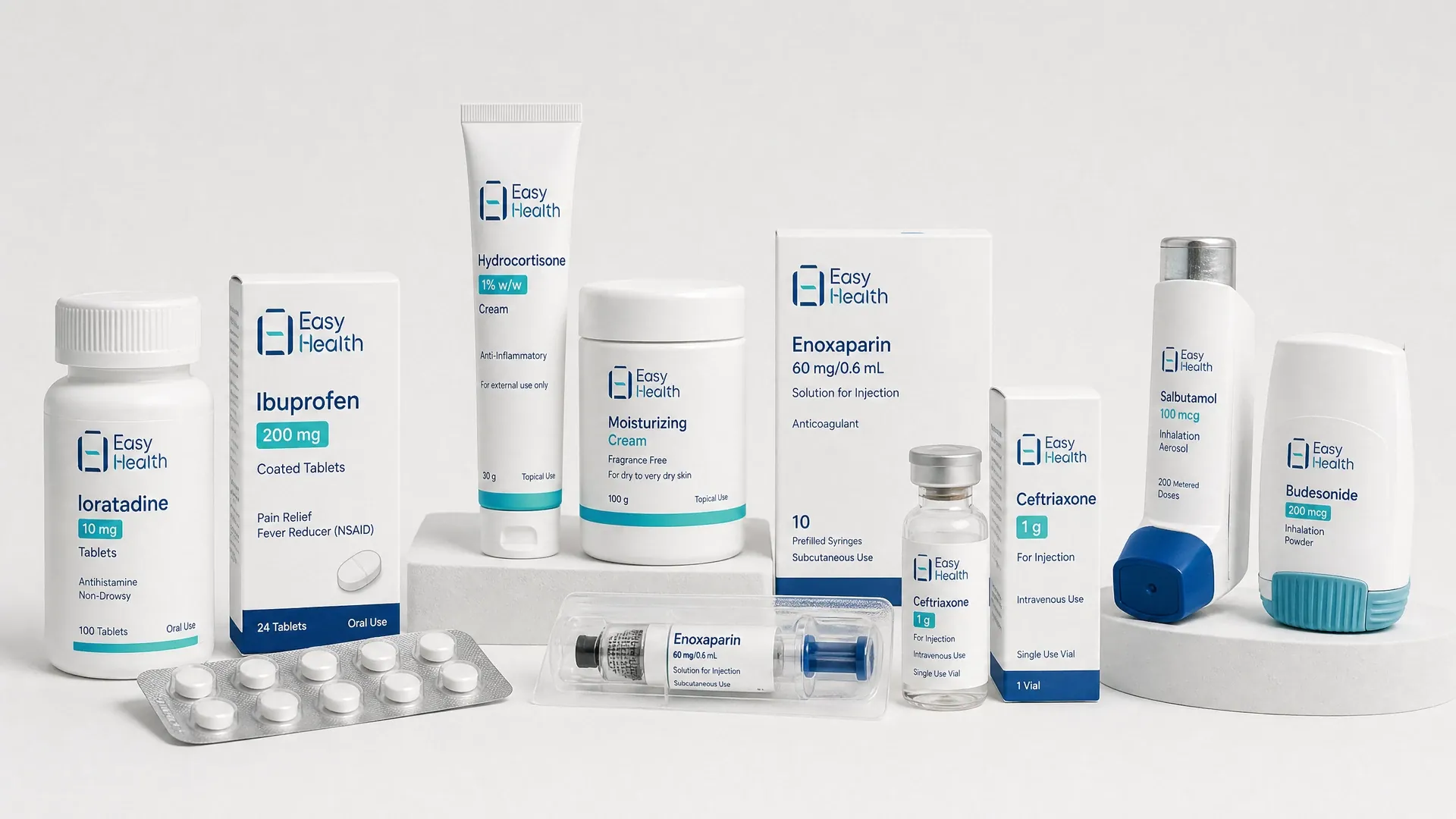
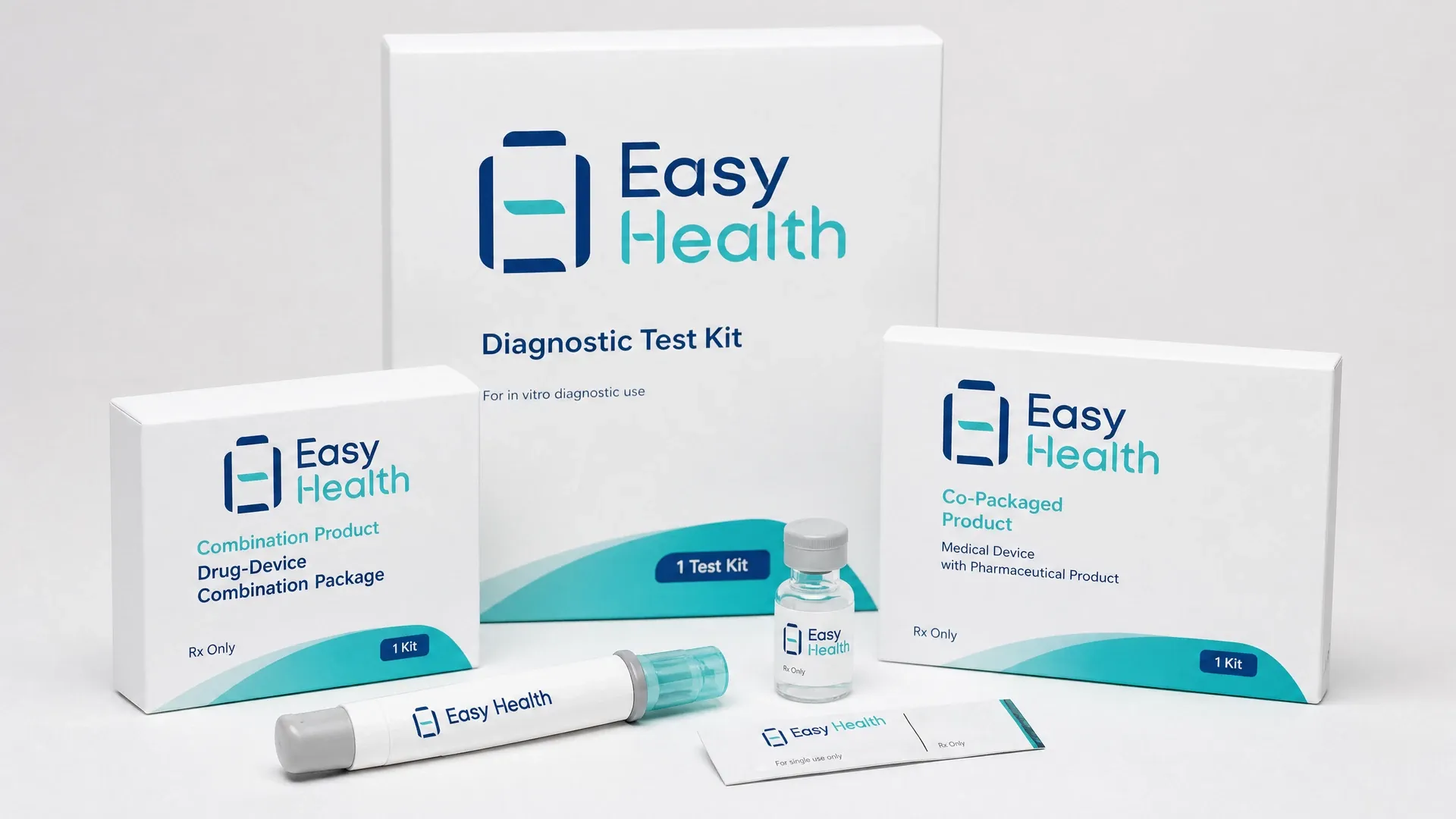
Use the visuals to compare PTP alu packs, aluminium–plastic blisters and bottle formats: structures, opening methods and accessories (droppers, cups, induction foils), plus why sticks/sachets excel for unit doses and on‑the‑go use. Map each to your dosage form for quick decisions.
Aluminium-Plastic Blister Packs: Visibility and Barrier Balance
Aluminium–plastic blisters (e.g. PVC, PVDC or co‑extruded forming films with aluminium lidding) balance visibility and protection for standard‑stability tablets/capsules. Upgrade barrier via PVDC coatings or multi‑layer films when needed. Design notes: forming film thickness and wrinkling affect seal lands; punching orientation should prevent edge cracking; batch/expiry can be embossed on the lidding. The carton should lock the blister and absorb shocks. Easy Health coordinates forming films, lidding foils and print workflows with sampling and carton/label layouts planned for serialisation zones.
- Strong shelf display and identification
- Optional PVDC/co‑ex barrier upgrade
- Focus on forming thickness and seal width
- Cartons must immobilise blisters
Sticks, Sachets and Strip Packs: Portable Unit Doses
For granules, powders, oral liquids and lozenges, consider stick or sachet formats; moisture‑sensitive products can use aluminium‑laminated structures. Strip packs (alu–alu or alu–plastic) split unit doses for clinical issue and travel. Validate water vapour transmission rate, seal‑layer compatibility, tear geometry and code placement. Easy Health coordinates films and print alignment, with sampling and sealing tests, and integrates with cartons and leaflets.
- Portable, unit‑dose dispensing
- Alu‑laminates or alu–alu as needed
- Key: WVTR, seal‑layer compatibility, easy‑tear
- Plan secondary pack and leaflet fit
Packaging Selection Review Workflow
- Needs and risk scoping:Define targets by dosage, sensitivity and usage; set barrier, opening and labelling priorities.
- Material and structure selection:Evaluate foils/films/bottles and sealing; propose one to two candidate builds.
- Sampling and parameter set‑up:Run samples to verify forming, sealing, labelling and readability; refine layouts/tooling.
- Compliance and artwork check:Review label/carton information layout; plan serialisation and tamper‑evidence zones if needed.
- Packaging production coordination:Coordinate production and quality checks under GMP standards in Hong Kong; timing depends on project.
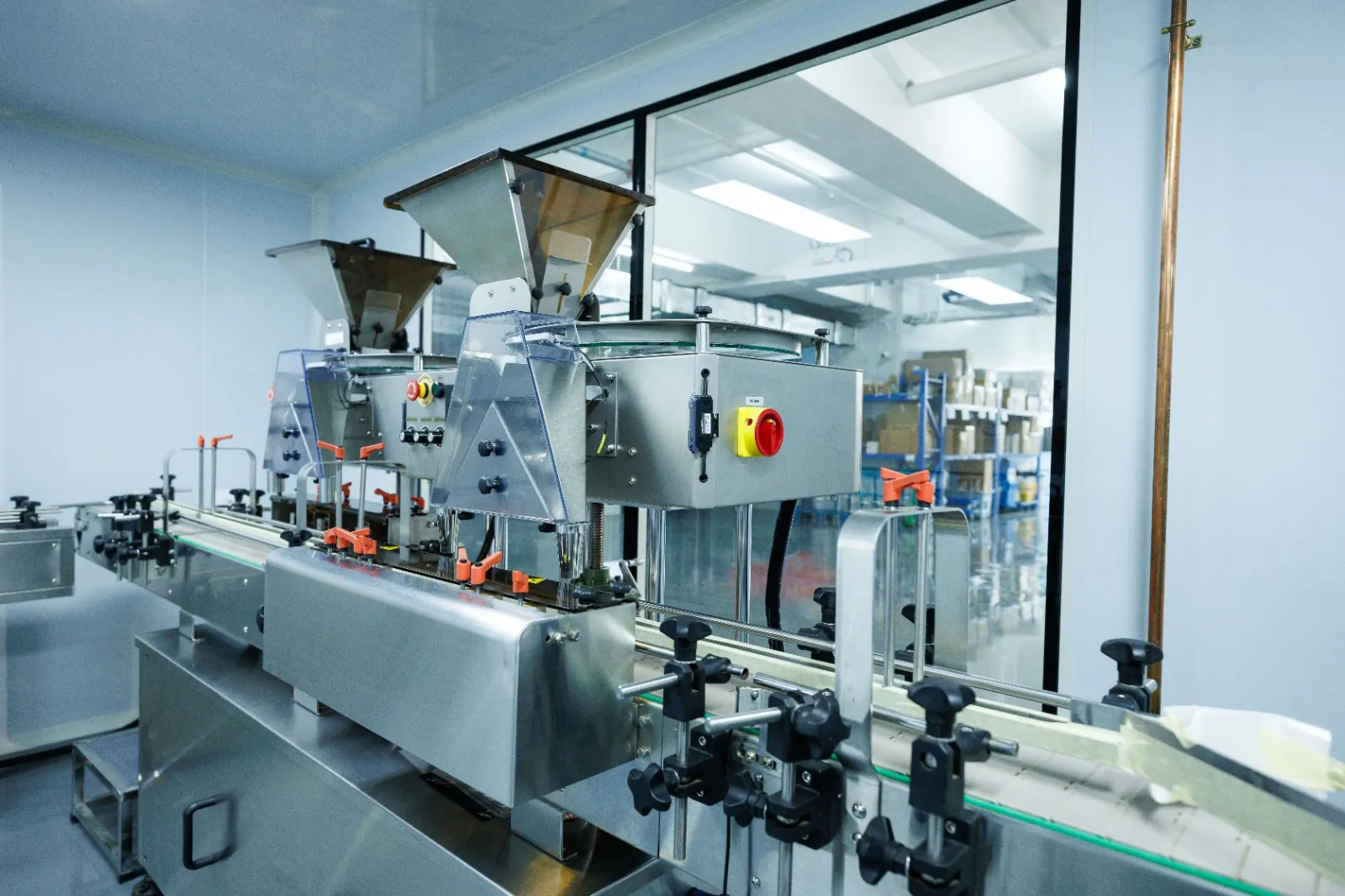
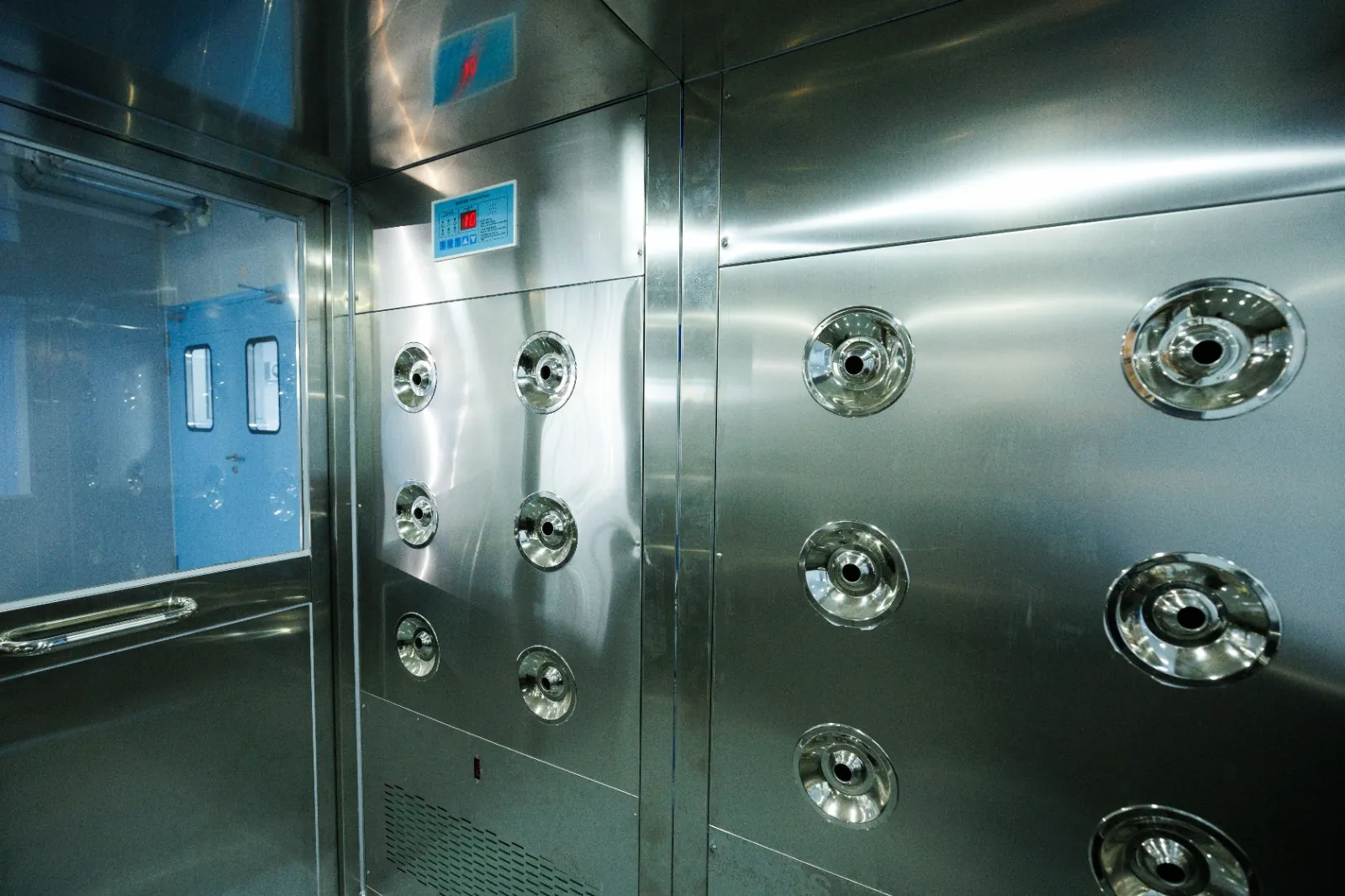
Inside the Easy Health Hong Kong Facility

Common Pharmaceutical Packaging Types by Dosage Form
| Type | Dosage forms | Barrier | Opening method | Notes |
|---|---|---|---|---|
| PTP alu–alu | Tablets, capsules | Very high | Press‑through | Validate forming depth and sealing |
| Alu–plastic blister | Tablets, capsules | Medium–high | Press‑through | Upgrade via PVDC/co‑ex |
| Bottle (HDPE/PET) | Solids, liquids | Medium | Twist‑off | Use induction seal and TE band |
| Glass bottle (amber) | Liquids, light‑sensitive | High | Twist‑off | Heavier; add breakage protection |
| Strip pack | Tablets, lozenges | Medium–high | Tear‑open | Alu–alu gives higher barrier |
Barrier levels are indicative; actual performance depends on formula and material specs. Your manager will confirm case by case.
Packaging Selection Checklist
- Does it need high barrier (moisture/oxygen/light)? Decide on alu–alu PTP or upgraded blister films.
- Is unit‑dose use critical? Consider blisters, strip packs or sticks.
- For liquids, are dosing aids needed? Assess droppers, cups, spoons and fitments.
- Do sealing methods match materials? Validate heat windows and induction sealing.
- Does the artwork reserve zones for batch, serialisation and QR codes?
- Will the secondary pack immobilise contents to prevent shock and abrasion?
Pharmaceutical Packaging Types FAQs
Can Push-Through Blister Packaging Use Different Forming Materials?
Alu–alu PTP offers higher moisture/oxygen barriers for sensitive formulas. Aluminium–plastic blisters use clear or translucent forming films (PVC/PVDC/co‑ex) with aluminium lidding, improving visibility. Choose based on sensitivity and barrier needs first, then display requirements and secondary packaging.
Should Bottle Packs Use HDPE, PET or Glass?
For solids, HDPE or PET are common; add induction foil and desiccants for moisture control. For liquids or light‑sensitive products, amber glass offers inertness and light protection. Run compatibility and accelerated stability tests, then your manager will confirm the best material and sealing set‑up.
Which Labelling Rules Should Packaging Teams Check?
For food‑category health products, Hong Kong’s Cap.132W and the ‘1+7’ nutrition label apply; in Mainland China, refer to GB 7718 and GB 28050 for pre‑packaged foods. Pharmaceutical labelling varies by jurisdiction—please consult local authorities or advisers. Easy Health can coordinate artwork layout and sampling.
What Should Packaging Samples Verify?
Yes. Sampling typically checks forming depth, heat/induction sealing windows, tear/press‑through feel, barcode and batch readability, label adhesion and curl risk, and fit with cartons/leaflets. Your Easy Health manager will summarise results and confirm next steps per project.
How Should Storage and Shipping Influence Packaging Choice?
Set target temperature/humidity and light exposure, then match barrier and light‑shielding. For long haul, reinforce secondary packs, add internal bracing and validate ship‑test stacking. For fragile (glass) or edge‑sensitive (alu–alu) packs, focus on vibration and rim protection. Easy Health will coordinate cushioning and shipper design; timing depends on the project.
Related Packaging Services
Ask Easy Health About Packaging Type Selection
Message Easy Health on WhatsApp. Share your dosage form, sensitivities and target markets. We will arrange sampling and coordinate packaging production in our Hong Kong facility, and align label/carton layouts. Your dedicated manager will assess and confirm details per project.
Last updated: